

Free Western Kansas Travel Guide & Mobile App
Explore Western Kansas with free travel guides. Discover regional history, expert tips, proposed trips, and audio guides on web or mobile app.


Explore Western Kansas for High Plains landscapes, frontier history, prairie wildlife, chalk formations and wide-open road journeys.
Read more about Western Kansas
When is the best time to visit Western Kansas?
Best: May, September–October · 21–27°C| Month | High (°C) | Rainfall (mm) |
|---|---|---|
| January | 4 | 20 |
| February | 7 | 20 |
| March | 13 | 30 |
| April | 19 | 40 |
| May (best) | 24 | 50 |
| June | 29 | 65 |
| July | 32 | 65 |
| August | 32 | 55 |
| September (best) | 27 | 45 |
| October (best) | 21 | 35 |
| November | 13 | 25 |
| December | 7 | 20 |
Getting to and around Western Kansas
How to get there
Transportation
Top city travel guides in Western Kansas
The cities of Western Kansas, and the easiest places to base yourself.
-
-

-
-

-


Swipe for more cities
Destinations in Western Kansas
Resorts, valleys and scenic spots worth a trip of their own.
-

-

-

-


Swipe for more destinations
Best attractions in Western Kansas
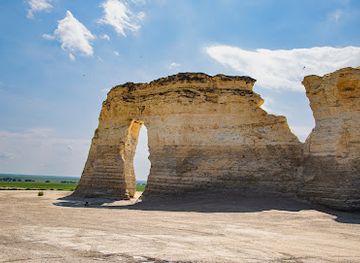
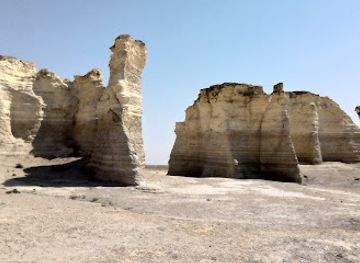
Western Kansas offers a visitor landscape built from open prairie, geological formations, historic trails and working towns rather than a dense chain of conventional attractions. Monument Rocks and Castle Rock, both near Oakley, are among the region’s most recognisable natural sites, with exposed chalk shaped by erosion. Scott State Park brings together a spring-fed lake, wooded canyons and the remains associated with El Cuartelejo, while the Cimarron National Grassland provides space for birdwatching, wildlife observation and quiet drives through shortgrass country. Fort Larned National Historic Site explains life along the Santa Fe Trail and the role of a nineteenth-century military post. Dodge City’s Boot Hill Museum explores the cattle-town era, and the Buffalo Bill Cultural Center in Oakley examines a prominent figure in frontier mythology. Local museums in Garden City, Hays, Liberal, Colby and smaller county seats broaden the story through agriculture, railways, aviation, immigration and Indigenous history. Outdoor recreation is generally low-key but rewarding: hiking, fishing, wildlife viewing, photography, stargazing and scenic road trips are particularly suited to the spacious terrain. Distances and weather make planning important, but they also allow the region’s characteristic sense of scale to remain part of the experience.
-
History museum
Boot Hill Museum
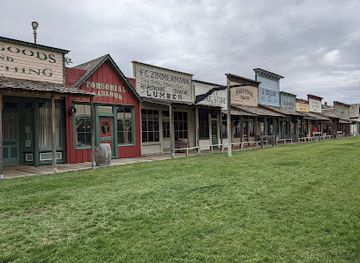
Explore the Wild West's legacy at Boot Hill Museum in Dodge City – where history comes alive through exhibits and reenactments.
-
Tourist attraction
Monument Rocks
Explore Monument Rocks in Kansas, a breathtaking natural attraction featuring stunning chalk formations and rich historical significance.
-
Art gallery
Keystone Gallery
Explore the captivating blend of art and natural history at Keystone Gallery in Scott City, Kansas, a unique destination for all ages.
-
Tourist attraction
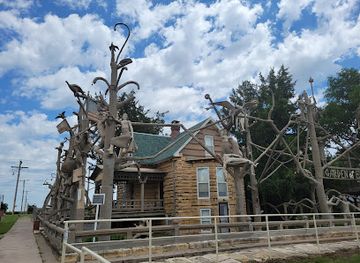
World's Largest Things, Inc.
Explore the quirky charm of the World's Largest Things in Lucas, Kansas, where creativity meets colossal scale in a delightful museum experience.
Best landmarks in Western Kansas
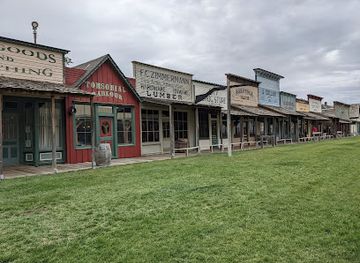
Monument Rocks near Oakley are Western Kansas’s most visually distinctive natural landmarks: tall chalk pillars and formations rise from an otherwise open plain, exposing the geological history of an ancient inland sea. Nearby Castle Rock presents another eroded chalk landscape, with isolated towers and ridges visible across the prairie. Fort Larned National Historic Site, near the eastern side of the region, is an unusually complete nineteenth-century military post and a tangible reminder of the Santa Fe Trail’s importance. In Dodge City, Boot Hill and the historic sites interpreted by Boot Hill Museum represent the cattle-shipping era that shaped the town’s national reputation, even as the popular legend requires careful historical context. Scott State Park’s bluffs, ravines and spring-fed landscape form a natural landmark as well as a recreation area, while the remains associated with El Cuartelejo connect the site to Indigenous and colonial-era history. Across the region, grain elevators, railway depots, courthouse buildings and broad highway vistas are quieter landmarks of settlement and agricultural development, demonstrating how transport and water shaped life on the High Plains.
-
War museum
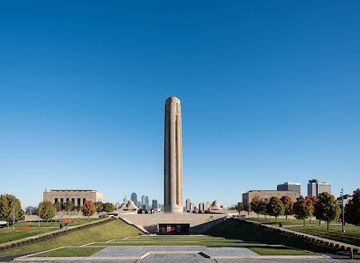
National WWI Museum and Memorial
Discover the National WWI Museum and Memorial in Kansas City, a profound tribute to the Great War and its enduring impact on our world.
-
History museum
Boot Hill Museum
Explore the rich heritage of the Wild West at Boot Hill Museum in Dodge City, Kansas, where history comes to life through engaging exhibits and authentic artifacts.
-
Historical landmark
Independence Visitors' Center
Explore the Independence Visitors' Center: A historical and spiritual landmark celebrating the rich heritage of Independence, Missouri.
-
 Historical place
Fort Scott National Historic Site
Discover the rich history of Fort Scott National Historic Site, where 19th-century military life unfolds through preserved buildings and living history exhibits.
Explore Western Kansas on the map
Plan your trip on one map. See where the top cities, national parks and sights are, and book hotels and experiences in a few clicks.
Best hotels in Western Kansas
Best restaurants in Western Kansas
Dining in Western Kansas reflects the region’s agricultural economy, highway connections and diverse communities. Steakhouses, family restaurants, diners and café counters are common in the larger towns, while rural communities often centre their food culture on locally run cafés, bakeries and community events. Beef is prominent, alongside wheat-based breads, burgers, breakfast dishes and seasonal produce. Garden City and Liberal have especially visible Mexican-American and broader Latin American influences, while towns across the region offer familiar Midwestern cooking adapted to local tastes. Barbecue, fried chicken, pies and ice cream are widely encountered in the wider Kansas food landscape, though they are not exclusive to Western Kansas. Farmers’ markets and farm shops can provide fruit, vegetables, baked goods and locally produced items when in season. Restaurant choice becomes thinner between towns, so travellers should plan fuel and meal stops rather than assume that every small settlement has late dining. The most distinctive culinary experience is often the combination of substantial portions, practical café cooking and the agricultural setting in which the food is produced.
-
Brazilian
Fogo de Chão Brazilian Steakhouse
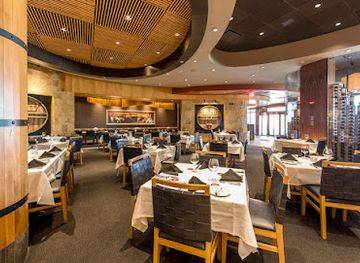
Savor authentic Brazilian churrasco at Fogo de Chão in Kansas City—an exquisite steakhouse experience awaits!
-
Austrian
Grünauer
Experience authentic Austrian flavors at Grünauer in Downtown Kansas City with exquisite dishes and crafted cocktails.
-
Restaurant
Dave & Buster's Kansas City
Discover excitement at Dave & Buster's Kansas City: where great food meets endless entertainment in a vibrant atmosphere.
-
Bar
The Monarch
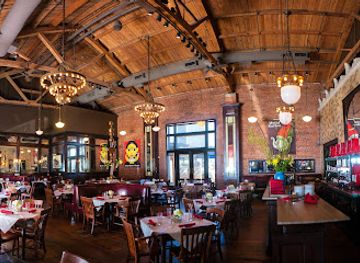
Discover The Monarch in Wichita: A lively bar and restaurant blending local flavors, art, and community spirit for an unforgettable dining experience.
Best bars in Western Kansas
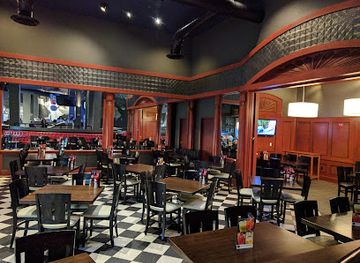
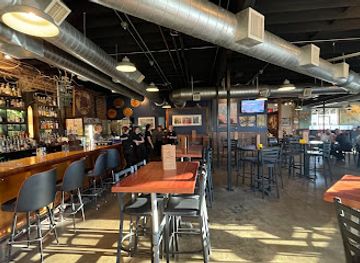
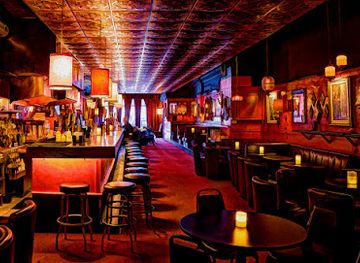
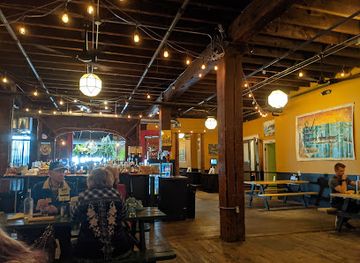
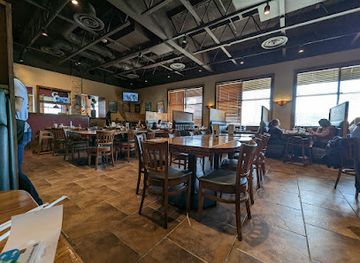
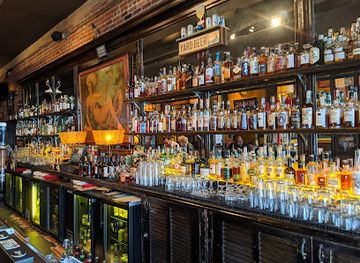
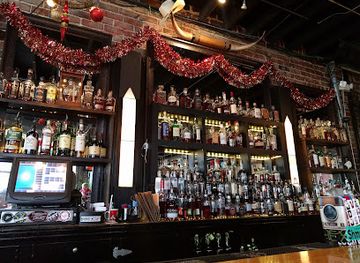
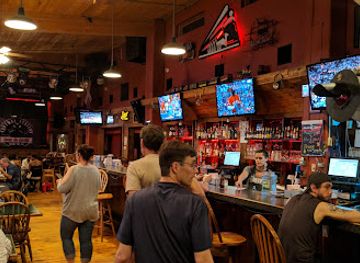
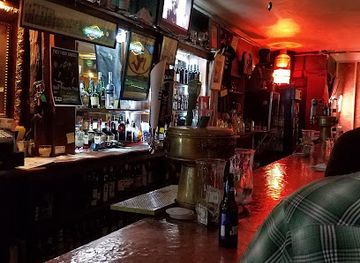
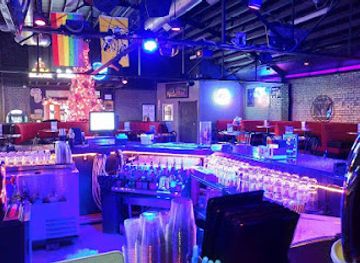
Evening life in Western Kansas is concentrated in town centres and usually revolves around traditional pubs, grills, sports bars, cafés and locally oriented restaurants rather than a large nightclub circuit. Dodge City, Garden City, Hays and Liberal offer the broadest choice of evening venues, including bars with televised sport, live music or occasional entertainment, while smaller communities tend to close earlier and depend on community events. Breweries and taprooms may be found in some larger towns, but current venues and opening arrangements change, so local checking is sensible. Historic associations with saloons are strongest in Dodge City, although the modern evening scene is more varied than frontier imagery suggests. In rural districts, an evening may mean a meal, a high-school or civic event, a quiet drink or stargazing well beyond town lights. Alcohol is regulated under Kansas law, and visitors should carry accepted identification and arrange a safe journey between widely spaced communities.
-
Cocktail bar
Green Lady Lounge
Discover Kansas City's vibrant nightlife at Green Lady Lounge, a premier cocktail bar and jazz club offering live music and expertly crafted drinks.
-
Grill
The Ship
Experience the flavorful delights of The Ship, a Grill and Live Music Venue in Downtown Kansas City, perfect for food lovers and music enthusiasts alike.
-
American
Granite City Food & Brewery
Discover Granite City Food & Brewery in Kansas City, where handcrafted brews and delicious American cuisine create an unforgettable dining experience.
-
Bar
Harry's Country Club
Experience the vibrant atmosphere of Harry's Country Club in Downtown Kansas City, where delicious food and unique cocktails await.
Best nightclubs in Western Kansas
-
Bar
The Monarch
Discover The Monarch in Wichita, where American cuisine meets lively nightlife in a vibrant bar atmosphere, perfect for every taste and occasion.
-
Restaurant
Central Station Bar & Grill
Experience the vibrant ambiance and delicious American cuisine at Central Station Bar & Grill in Dodge City, a must-visit for food lovers and socialites alike.
-
Bar
Shamrock Lounge
Discover Shamrock Lounge in Wichita, the perfect blend of Irish charm and American pub culture with live music and delicious food.
-
Bar
XY Bar
Experience the vibrant nightlife of Wichita at XY Bar, offering delicious drinks, lively entertainment, and a welcoming atmosphere in Old Town.
Best shops in Western Kansas
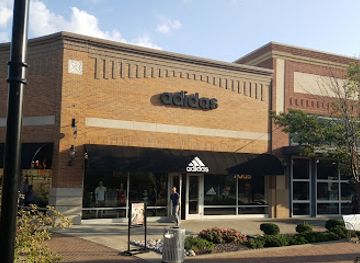
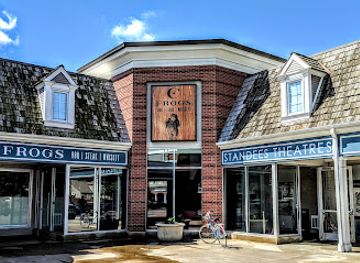
Shopping in Western Kansas is centred on practical town high streets, supermarkets, independent stores, antiques, local galleries and small museums rather than major retail districts. Garden City, Dodge City, Hays and Liberal provide the widest range of clothing, outdoor equipment, books, gifts and everyday supplies, while smaller county seats offer locally focused shops and traditional downtown storefronts. Museum gift shops are useful for regional histories, trail maps, books about the plains and Western-themed souvenirs without relying solely on stereotyped imagery. Farmers’ markets and seasonal produce stands may offer baked goods, fruit, vegetables, honey and other agricultural products, but their schedules vary throughout the year. Visitors may also find handmade crafts, art, pottery, jewellery and locally designed items at community events or galleries. Western wear and practical outdoor clothing are readily associated with the region, although quality and provenance differ between shops. Because distances are considerable, combine shopping with planned fuel and meal stops, and do not expect every small town to have extended retail hours.
-
Shopping mall
Legends Outlets Kansas City
Discover unbeatable deals and a wide selection of upscale brands at Legends Outlets Kansas City, your ultimate shopping destination.
-
Shopping mall
The Shops of Prairie Village
Explore The Shops of Prairie Village for unique boutiques, delightful dining, and a charming atmosphere that captures the essence of local culture.
-
Gift shop
Made in KC Marketplace - Plaza
Explore Made in KC Marketplace - Plaza, a vibrant hub for local gifts, artisanal food, and unique clothing in Kansas City.
-
Gift shop
Gifts & Decor Swords & More
Explore a treasure trove of unique gifts, herbs, and magical supplies at Gifts & Decor Swords & More in Olathe, Kansas.

Get your free copy of our complete guide to Western Kansas, delivered straight to you.
Everything on this page, from attractions and restaurants to essentials and local phrases, in one PDF you can read offline, print or share.
Already have an account? Sign in
Your Western Kansas guide is ready.
We'll send it to · Not you? Sign out

Getting your guide ready…
We are putting together a fresh copy of the Western Kansas guide. This can take up to a minute.
This can take a few moments. If your browser asks, choose Allow so the download can start. You'll find the guide in your Downloads folder.
Nothing happened? Download it again
Sorry, the guide is taking longer than usual. Please try again in a minute, or get it by email instead.
Western Kansas essentials
Currency and Payment
Safety
Emergency Situations
Do's and Don'ts
Local Tips
From Eve
Local phrases worth knowing
You don't need to get them perfect. A few words go a long way, and locals appreciate the effort.
Basics
| English | Local | Say it |
|---|---|---|
| Hello | Howdy | [haudee] |
| Goodbye | See ya | [see yah] |
| Yes | Yep | [yehp] |
| No | Nah | [nah] |
| Please/You're welcome | Sure thing | [shoar thing] |
| Thank you | Thanks a bunch | [thanks a bunch] |
| Excuse me/Sorry | Pardon me | [pardon mee] |
| How are you? | How ya doin'? | [how ya doin'?] |
| Fine. And you? | Good. And you? | [good. and you?] |
| Do you speak English? | Can ya speak English? | [can ya speak English?] |
| I don't understand | I ain't followin' | [I ain't followin'] |
Eating & Drinking
| English | Local | Say it |
|---|---|---|
| I'd like to see the menu, please | Can I see the menu? | [can I see the menu?] |
| I don't eat meat | I ain't eatin' meat | [I ain't eatin' meat] |
| Cheers! | Cheers! | [cheers!] |
| I would like to pay, please | Can I get the check? | [can I get the check?] |
Emergencies
| English | Local | Say it |
|---|---|---|
| Help! | Help! | [help!] |
| Go away! | Beat it! | [beat it!] |
| Call the Police! | Call the cops! | [call the cops!] |
| Call a doctor! | Get a doctor! | [get a doctor!] |
| I'm lost | I'm all turned around | [I'm all turned around] |
| I'm ill | I'm feelin' under the weather | [I'm feelin' under the weather] |
Shopping
| English | Local | Say it |
|---|---|---|
| I'd like to buy... | I want to buy... | [I want to buy...] |
| I'm just looking | Just browsin' | [just browsin'] |
| How much is it? | What’s it gonna cost? | [what’s it gonna cost?] |
| That's too expensive | That’s mighty pricey | [that’s mighty pricey] |
| Can you lower the price? | Can ya make it cheaper? | [can ya make it cheaper?] |
Time & Numbers
| English | Local | Say it |
|---|---|---|
| What time is it? | What’s the time? | [what’s the time?] |
| It's one o'clock | It’s one o'clock | [it’s one o'clock] |
| Half past (10) | Half past ten | [half past ten] |
| Morning | Mornin' | [mornin'] |
| Afternoon | Afternoon | [afternoon] |
| Evening | Evenin' | [evenin'] |
| Yesterday | Yestiddy | [yestiddy] |
| Today | Today | [today] |
| Tomorrow | Tomorra | [tomorra] |
| 1 | One | [one] |
| 2 | Two | [two] |
| 3 | Three | [three] |
| 4 | Four | [four] |
| 5 | Five | [five] |
| 6 | Six | [six] |
| 7 | Seven | [seven] |
| 8 | Eight | [eight] |
| 9 | Nine | [nine] |
| 10 | Ten | [ten] |
Transport & Directions
| English | Local | Say it |
|---|---|---|
| Where's a/the...? | Where's the nearest...? | [where's the nearest...?] |
| What's the address? | What’s the address? | [what’s the address?] |
| Can you show me (on the map)? | Can ya show me on the map? | [can ya show me on the map?] |
| When's the next (bus)? | When's the next bus? | [when's the next bus?] |
| A ticket (to ....) | One ticket to ... | [one ticket to ...] |
History of Western Kansas
Indigenous High Plains Heritage
Long before Euro-American settlement, the plains of western Kansas were inhabited and travelled by Indigenous peoples, including ancestors of the Pawnee and Arapaho and Cheyenne communities, among others. Archaeological evidence records hunting, seasonal movement and long-established relationships with rivers, springs and prairie bison. The region was also part of wider trading and diplomatic networks. Later United States expansion brought profound disruption through warfare, treaty-making, forced removal and the confinement of Native peoples. Sites and museums across western Kansas can introduce this history, although the nineteenth-century frontier story should not be treated as the region’s beginning.
The Santa Fe Trail and Fort Larned
From the 1820s, the Santa Fe Trail connected Missouri with Santa Fe through the grasslands and river valleys of present-day Kansas. It carried traders, freight, migrants and military traffic, making water and protection strategically important. Fort Larned, established in 1859 near the Pawnee Fork, guarded the route and supported the movement of people and supplies. Its preserved buildings and interpretation illustrate the logistical demands of travel across the plains, as well as the conflicts and unequal political relationships created by expanding United States power.
Railways, Homesteading and Settlement
Railway construction in the late nineteenth century transformed western Kansas. Lines linking eastern markets with the plains enabled large-scale settlement, cattle shipment, grain marketing and the growth of towns such as Garden City, Dodge City, Hays and Colby. Federal land policies encouraged homesteading, while immigrant and migrant communities contributed labour, farming knowledge and new religious and cultural institutions. The combination of rail access, dryland farming and cattle raising produced a distinctive town-and-rural pattern that remains visible in grain elevators, county seats and broad agricultural districts.
Cattle Trails and Dodge City
After the Civil War, cattle drives moved Texas longhorns north towards railheads in Kansas, making towns such as Dodge City important points in the national livestock economy. Herds, drovers, merchants, saloons, law officers and entrepreneurs created a rapidly changing cattle town. The later legend of Dodge City often simplifies a complicated society, but the cattle period genuinely influenced the town’s development and the image of the American West. Boot Hill Museum and surviving historic associations provide context for the commercial, social and multicultural realities behind the popular mythology.
Irrigation and the High Plains Aquifer
Agriculture in western Kansas has always been shaped by limited and variable rainfall. During the twentieth century, widespread irrigation transformed parts of the High Plains, drawing water from the Ogallala Aquifer to support crops such as corn, wheat and sorghum and to sustain livestock production. The change brought prosperity and food-processing industries to several communities, but also raised difficult questions about groundwater depletion, energy use and long-term agricultural resilience. Today, water management is central to the region’s economic and environmental future.
The Dust Bowl and Agricultural Adaptation
Drought, fragile soils and intensive cultivation contributed to the Dust Bowl of the 1930s, when severe wind erosion caused crop losses, migration and hardship across the Great Plains, including western Kansas. The crisis exposed the environmental costs of unsuitable farming practices and encouraged new approaches to soil conservation, shelterbelts, crop rotation and grazing management. Later agricultural development, including irrigation and mechanisation, helped stabilise production but introduced fresh pressures on water resources. The region’s museums, farm landscapes and conservation practices reflect this continuing history of adaptation.
Western Kansas in Photos
Browse through our photo collection highlighting the charm and character of the destination.
Neighbouring regions of Western Kansas
The closest regions to Western Kansas, if you have time for more than one.
-

-

-

-

-


Swipe for more regions
Explore more

Explore more of Kansas
Explore Kansas: Where history, nature, and small-town charm converge in the heart of America. Discover prairies, cultural landmarks, and delicious cuisine in the Sunflower State.
Explore Kansas