

Free Wichita Travel Guide & Mobile App
Plan your Wichita trip with Evendo. Get free guides to top attractions, restaurants, hotels, and bars. Web access or download the mobile app.


Wichita, Kansas, pairs aviation history and prairie heritage with riverfront museums, Native culture, lively districts, gardens and Midwestern dining.
River, Prairie and Aviation
Wichita stands beside the Arkansas River in south-central Kansas, where the open Great Plains meet a city shaped by trade, engineering and migration. Its modern identity is closely tied to aviation: aircraft manufacturing became a defining industry during the twentieth century, earning Wichita the name “Air Capital of the World”. The city’s museums, historic districts and public art make that story visible, while the river corridor provides a more leisurely setting for walking, cycling and riverside views.Read more about Wichita
History in the Cityscape
Museums, Gardens and Neighbourhood Life
When is the best time to visit Wichita?
Best: May, September–October · 20–27°C| Month | High (°C) | Rainfall (mm) |
|---|---|---|
| January | 4 | 21 |
| February | 7 | 23 |
| March | 14 | 36 |
| April | 18 | 63 |
| May (best) | 24 | 96 |
| June | 31 | 105 |
| July | 33 | 86 |
| August | 32 | 76 |
| September (best) | 27 | 66 |
| October (best) | 20 | 53 |
| November | 12 | 33 |
| December | 4 | 21 |
Getting to and around Wichita
How to get there
Transportation
Best attractions in Wichita
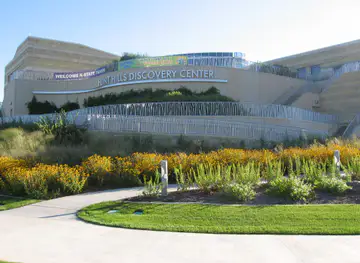
Wichita’s attractions range from riverfront culture to hands-on museums and open-air heritage sites. At the confluence of the Arkansas and Little Arkansas rivers, the Keeper of the Plains provides a powerful introduction to the region’s Indigenous history and a scenic starting point for exploring the surrounding paths. Exploration Place presents science, technology and Kansas-focused exhibits in a striking riverside building, while the Mid-America All-Indian Museum examines Native cultures through art and historical interpretation. Old Cowtown Museum recreates a nineteenth-century Wichita neighbourhood with historic structures and costumed interpretation, and the Wichita Art Museum holds a substantial collection of American art. Botanica Wichita brings themed gardens and seasonal planting to the river district, while Sedgwick County Zoo offers a large family-oriented wildlife attraction. The Kansas Aviation Museum adds aircraft and local manufacturing history to the city’s sightseeing mix.
-
Tourist attraction
Sedgwick County Zoo
Explore the wonders of wildlife at Sedgwick County Zoo, a top tourist attraction in Wichita, Kansas, with diverse species and engaging exhibits.
19 min drive · 6.4 km from city centre
-
Botanical garden
Botanica, The Wichita Gardens
Explore the enchanting Botanica, The Wichita Gardens in Wichita, Kansas—where nature blooms and tranquility reigns. A perfect destination for nature lovers and families.
6 min drive · 1.8 km from city centre
-
 Tourist attraction
Exploration Place
Discover the wonders of science and creativity at Exploration Place, Wichita's premier interactive science museum for all ages.
4 min walk · 0.3 km from city centre
-
Tourist attraction
The Keeper of the Plains
Explore The Keeper of the Plains in Wichita, a stunning cultural landmark symbolizing Native American heritage and community spirit amidst beautiful scenery.
6 min walk · 0.5 km from city centre


Best landmarks in Wichita
The Keeper of the Plains is Wichita’s defining landmark: a large sculpture by Native American artist Cyrus E. Dallin set on a stone promontory at the meeting of two rivers, with an interpretive centre focused on the region’s Indigenous history. The Allen-Lambe House, designed by Frank Lloyd Wright and completed in 1918, represents the Prairie School tradition through its horizontal form, geometric detail and relationship with the landscape. Downtown’s Orpheum Theater, opened in 1922, preserves the grand atmosphere of an early American movie palace and remains an important performing-arts venue. The Wichita-Sedgwick County Historical Museum occupies the former City Hall, a Romanesque Revival building that reflects the ambitions of the growing early twentieth-century city. The Dockum Drug Store sit-in sculpture commemorates a significant 1958 civil-rights protest, placing local activism within the national struggle against segregation.
-
Botanical garden
Botanica, The Wichita Gardens
Discover the tranquility of Botanica, The Wichita Gardens—a vibrant botanical haven filled with diverse plants, serene landscapes, and seasonal beauty.
6 min drive · 1.8 km from city centre
-
Zoo
Tanganyika Wildlife Park
Discover a unique blend of wildlife encounters and educational experiences at Tanganyika Wildlife Park in Goddard, Kansas—perfect for families and animal lovers.
39 min drive · 19 km from city centre
-
Arena
Intrust Bank Arena
Experience the excitement of live entertainment at Intrust Bank Arena in Wichita, Kansas, where unforgettable concerts and thrilling sports events await.
16 min walk · 1.3 km from city centre
-
Tourist attraction
The Keeper of the Plains
Explore The Keeper of the Plains, a striking monument celebrating Native American heritage, set against the scenic backdrop of Wichita's rivers.
6 min walk · 0.5 km from city centre


Explore Wichita on the map
Plan your Wichita trip on one map. See where the top attractions, landmarks, restaurants, bars and hotels are, find what's near where you're staying, and book hotels and experiences in a few clicks.
Neighbourhoods in Wichita
-

-

-


Swipe for more neighbourhoods
Best hotels in Wichita
Best restaurants in Wichita
Wichita’s dining scene reflects the broad, practical food culture of the Great Plains while drawing on the city’s growing ethnic and creative communities. Barbecue, burgers, steaks and fried chicken remain familiar choices, but local dining extends well beyond traditional Midwestern fare, with Mexican, Vietnamese, Lebanese, Ethiopian and other international influences visible across the city. Old Town’s converted warehouses contain restaurants ranging from casual meals to more polished dining, while Delano and the Douglas Design District offer cafés, bakeries, breweries and independent kitchens. The city’s farmers’ markets and specialist food shops connect diners with Kansas produce, baked goods and locally made products. Wichita is also associated with the gradual reinvention of classic comfort food through contemporary menus, craft beer and coffee culture, making neighbourhood exploration more revealing than searching for a single signature dish.
-
Breakfast
Doo-Dah Diner
Discover the vibrant flavors of breakfast at Doo-Dah Diner in Wichita—where classic American cuisine meets Southern charm.
16 min walk · 1.3 km from city centre
-
Restaurant
The Monarch
Experience vibrant American cuisine and lively atmosphere at The Monarch in Wichita's Delano district.
8 min walk · 0.7 km from city centre
-
Japanese
Kobe Steak House of Japan
Discover the art of Japanese dining at Kobe Steak House - where delicious flavors meet unforgettable experiences in Wichita.
29 min drive · 9.6 km from city centre
-
Restaurant
The Beacon Restaurant
Discover culinary delights at The Beacon Restaurant in Wichita - your go-to spot for breakfast and New American cuisine.
5 min drive · 1.6 km from city centre


Best bars in Wichita
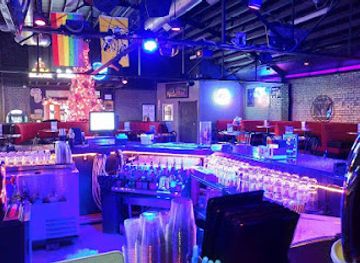
Wichita’s evening life is concentrated in districts rather than one continuous nightlife quarter. Old Town is the most established centre for bars, breweries, live music and late-evening restaurants, occupying former warehouses around brick-paved streets. Downtown offers cocktail bars, performance venues and cultural events, while Delano has a more relaxed neighbourhood character with pubs, breweries and places linked to the district’s historic commercial strip. The city’s nightlife also includes local theatre, concerts and arts programming, so an evening need not revolve around clubs or drinking. Live music ranges from touring acts to smaller performances in independent venues, and seasonal events on or near the riverfront bring public entertainment outdoors. Visitors should expect a spread-out scene and use taxis, rideshare or a designated driver when moving between districts.
-
Sports bar
Twin Peaks
Experience the excitement of sports and savor delicious American cuisine at Twin Peaks, Wichita's ultimate sports bar destination.
23 min drive · 7.5 km from city centre
-
American
Pumphouse
Discover the heart of Wichita's nightlife at Pumphouse, where delicious American cuisine meets a lively atmosphere in Old Town.
18 min walk · 1.5 km from city centre
-
Grill
Sabor Latin Bar & Grille
Experience the vibrant tastes of Latin America at Sabor Latin Bar & Grille, where every dish is a celebration of flavor in Wichita's Old Town.
16 min walk · 1.3 km from city centre
-
Bar
Side Pockets Restaurant & Sports Bar
Experience the best of Wichita at Side Pockets Restaurant & Sports Bar, where great food, drinks, and sports come together for an unforgettable time.
26 min drive · 8.8 km from city centre


Best nightclubs in Wichita
Wichita’s evening life is concentrated in districts rather than one continuous nightlife quarter. Old Town is the most established centre for bars, breweries, live music and late-evening restaurants, occupying former warehouses around brick-paved streets. Downtown offers cocktail bars, performance venues and cultural events, while Delano has a more relaxed neighbourhood character with pubs, breweries and places linked to the district’s historic commercial strip. The city’s nightlife also includes local theatre, concerts and arts programming, so an evening need not revolve around clubs or drinking. Live music ranges from touring acts to smaller performances in independent venues, and seasonal events on or near the riverfront bring public entertainment outdoors. Visitors should expect a spread-out scene and use taxis, rideshare or a designated driver when moving between districts.
-
Bar
XY Bar
Experience the vibrant nightlife of Wichita at XY Bar, offering delicious drinks, lively entertainment, and a welcoming atmosphere in Old Town.
18 min walk · 1.4 km from city centre
-
Gay bar
Js Lounge
Experience the vibrant nightlife at Js Lounge, a welcoming gay bar in Wichita, offering karaoke nights, great drinks, and a festive atmosphere for all.
14 min walk · 1.1 km from city centre
-
Bar
Industry Old Town
Experience the vibrant nightlife of Wichita at Industry Old Town, a premier bar and lounge with an energetic atmosphere and exceptional drinks.
5 min drive · 1.5 km from city centre
-
Bar
Rock Island Live
Experience the pulse of Wichita's nightlife at Rock Island Live, where great music and good times come together in a lively atmosphere.
18 min walk · 1.4 km from city centre


Best shops in Wichita
Wichita’s shopping areas combine independent businesses, everyday retail and places to buy Kansas-related goods. Old Town’s restored warehouse streets contain boutiques, speciality shops, galleries and locally oriented gift stores, while the Douglas Design District is known for creative studios, vintage finds, homewares and independent retail. Delano offers smaller shops and cafés along a historic commercial corridor, and larger suburban centres such as Bradley Fair provide a more conventional mix of shops and dining. Farmers’ markets and makers’ events are useful for regional produce, baked goods, ceramics, artwork and other locally produced items. Visitors interested in Native art should buy from reputable artists, galleries or cultural institutions and ask about provenance rather than treating generic mass-produced imagery as an authentic Indigenous craft. Aviation-themed souvenirs also reflect Wichita’s industrial identity.
-
Antique store
Paramount Antique Mall
Explore a vintage paradise at Paramount Antique Mall in Wichita, Kansas, where treasures from the past await every collector and curious visitor.
33 min drive · 13 km from city centre
-
Gift shop
Third Planet
Explore Third Planet in Wichita, Kansas, for unique gifts and spiritual treasures that capture the essence of local culture and creativity.
26 min drive · 8.6 km from city centre
-
DVD store
Vintage Stock
Explore Vintage Stock in Wichita, KS - your ultimate destination for DVDs, comics, video games, and nostalgic collectibles.
26 min drive · 8.6 km from city centre
-
Gift shop
Paramount Marketplace Antiques, Vintage & New
Explore Wichita's Paramount Marketplace Antiques for a unique collection of vintage treasures, antique furniture, and memorable collectibles.
22 min drive · 7.4 km from city centre


Get your free copy of our complete guide to Wichita, delivered straight to you.
Everything on this page, from attractions and restaurants to essentials and local phrases, in one PDF you can read offline, print or share.
Already have an account? Sign in
Your Wichita guide is ready.
We'll send it to · Not you? Sign out

Getting your guide ready…
We are putting together a fresh copy of the Wichita guide. This can take up to a minute.
This can take a few moments. If your browser asks, choose Allow so the download can start. You'll find the guide in your Downloads folder.
Nothing happened? Download it again
Sorry, the guide is taking longer than usual. Please try again in a minute, or get it by email instead.
Wichita essentials
Currency and Payment
Safety
Emergency Situations
Do's and Don'ts
Local Tips
From Eve
Local phrases worth knowing
You don't need to get them perfect. A few words go a long way, and locals appreciate the effort.
Basics
| English | Local | Say it |
|---|---|---|
| Hello | Howdy | [hah-dee] |
| Goodbye | See ya | [see yuh] |
| Yes | Yep | [yep] |
| No | Nah | [nah] |
| Please/You're welcome | Please/You're welcome | [Please/You're welcome] |
| Thank you | Thanks | [thanks] |
| Excuse me/Sorry | Pardon me/My bad | [pahr-dn me/my bad] |
| How are you? | How ya doin'? | [how ya doin'] |
| Fine. And you? | Fine. And you? | [Fine. And you?] |
| Do you speak English? | Ya speak English? | [ya speak English?] |
| I don't understand | I don't get it | [I don't get it] |
Eating & Drinking
| English | Local | Say it |
|---|---|---|
| I'd like to see the menu, please | Menu, please | [menu, please] |
| I don't eat meat | No meat for me | [no meat for me] |
| Cheers! | Cheers! | [cheers!] |
| I would like to pay, please | Check, please | [check, please] |
Emergencies
| English | Local | Say it |
|---|---|---|
| Help! | Help! | [help!] |
| Go away! | Get lost! | [get lost!] |
| Call the Police! | Call the cops! | [call the cops!] |
| Call a doctor! | Get a doc! | [get a doc!] |
| I'm lost | I'm lost | [I'm lost] |
| I'm ill | I'm sick | [I'm sick] |
Shopping
| English | Local | Say it |
|---|---|---|
| I'd like to buy... | I wanna buy... | [I wanna buy...] |
| I'm just looking | Just looking | [just looking] |
| How much is it? | How much? | [how much?] |
| That's too expensive | Too pricey | [too pricey] |
| Can you lower the price? | Can ya do better? | [can ya do better?] |
Time & Numbers
| English | Local | Say it |
|---|---|---|
| What time is it? | What time is it? | [What time is it?] |
| It's one o'clock | It's one | [It's one] |
| Half past (10) | Half past ten | [Half past ten] |
| Morning | Morning | [Morning] |
| Afternoon | Afternoon | [Afternoon] |
| Evening | Evening | [Evening] |
| Yesterday | Yesterday | [Yesterday] |
| Today | Today | [Today] |
| Tomorrow | Tomorrow | [Tomorrow] |
| 1 | One | [One] |
| 2 | Two | [Two] |
| 3 | Three | [Three] |
| 4 | Four | [Four] |
| 5 | Five | [Five] |
| 6 | Six | [Six] |
| 7 | Seven | [Seven] |
| 8 | Eight | [Eight] |
| 9 | Nine | [Nine] |
| 10 | Ten | [Ten] |
Transport & Directions
| English | Local | Say it |
|---|---|---|
| Where's a/the...? | Where's the...? | [Where's the...?] |
| What's the address? | What's the address? | [What's the address?] |
| Can you show me (on the map)? | Can you show me (on the map)? | [Can you show me (on the map)?] |
| When's the next (bus)? | When's the next (bus)? | [When's the next (bus)?] |
| A ticket (to ....) | A ticket (to ....) | [A ticket (to ....)] |
History of Wichita
Indigenous Peoples and the Arkansas River
The Wichita area lies within the historic homeland of the Wichita and Affiliated Tribes, whose communities developed strong relationships with the Arkansas River and the southern Plains. Wichita people were known for settled agricultural villages, distinctive grass-house traditions and extensive regional trade. Other Indigenous nations also travelled through or lived across this wider landscape, making the confluence of the Arkansas and Little Arkansas rivers a place of cultural contact. The modern city’s name reflects this history, and the Keeper of the Plains and Mid-America All-Indian Museum provide important settings for understanding Indigenous presence rather than treating it solely as a subject of the distant past.
The Trading Post at the Rivers
Wichita’s urban beginnings are associated with J. R. Mead, a trader who established a post near the river confluence in the 1860s. The settlement grew as commerce connected the region’s farms, ranches and Indigenous communities with larger markets. Wichita was incorporated as a city in 1870, at a time when the expanding United States was transforming the Plains through railways, migration and new patterns of land ownership. Its position on the Arkansas River and later rail connections helped it develop from a frontier settlement into a regional centre, although that growth also occurred amid the displacement and political marginalisation of Indigenous peoples.
Cattle, Railways and Urban Growth
During the 1870s, Wichita became an important cattle-shipping point as Texas herds moved north towards rail connections and eastern markets. The arrival of the railway strengthened the city’s commercial role, bringing merchants, stockmen, labourers and new residents into a rapidly expanding town. The cattle trade was significant but relatively short-lived; railway routes and changing market patterns shifted the main drives elsewhere. Wichita nevertheless retained the business infrastructure and civic confidence created during this period. The Old Town area, with its surviving warehouse buildings and adapted commercial spaces, reflects the industrial and mercantile character that followed the frontier cattle era.
Manufacturing and the Air Capital
Wichita’s economy diversified in the late nineteenth and early twentieth centuries through agriculture-related businesses, oil activity, transport and manufacturing. Aviation emerged as its most influential modern industry. Aircraft production expanded during the First and Second World Wars and continued afterwards through companies including Stearman, Beechcraft, Cessna and Boeing. The sector generated skilled employment and encouraged the development of engineering, training and supplier networks. Aviation remains central to Wichita’s public identity, represented by institutions such as the Kansas Aviation Museum and the B-29 Doc Hangar, Education and Visitors Center, as well as by the city’s continuing aircraft-manufacturing base.
Migration and a Changing Civic Identity
Wichita’s twentieth-century growth brought together rural migrants, industrial workers and communities from across the United States. African American residents built institutions and businesses, while Mexican American and other immigrant communities contributed to the city’s neighbourhoods, religious life and food culture. The city also participated in the wider civil-rights struggles that shaped American public life. Wichita’s Dockum Drug Store sit-in in 1958, organised by local young people against segregated service, became an early and influential protest in the national movement. The event is commemorated in downtown public art, linking Wichita’s commercial history with its history of civic activism.
Preservation and Contemporary Wichita
Late twentieth- and early twenty-first-century Wichita saw renewed attention to the Arkansas River corridor, historic buildings and cultural institutions. The riverfront was developed as a civic and recreational landscape, while districts such as Old Town, Delano and the Douglas Design District gained new uses without losing all traces of their earlier roles. Museums, gardens and public artworks broadened the city’s cultural offer beyond aviation and industry. Wichita today remains a regional centre for manufacturing, education, healthcare and the arts, with its identity shaped by both the practical legacy of the Great Plains and a growing effort to present Indigenous, African American and immigrant histories more fully.
Wichita in Photos
Browse through our photo collection highlighting the charm and character of the destination.
Cities near Wichita
The closest cities to Wichita, if you have time for more than one stop.
-

-

-
-
-


Swipe for more cities
Explore more

Explore more of Kansas
Explore Kansas: Where history, nature, and small-town charm converge in the heart of America. Discover prairies, cultural landmarks, and delicious cuisine in the Sunflower State.
Explore Kansas