

Free Frankfort Travel Guide & Mobile App
Plan your Frankfort trip with Evendo. Get free guides to top attractions, restaurants, hotels, and bars. Web access or download the mobile app.


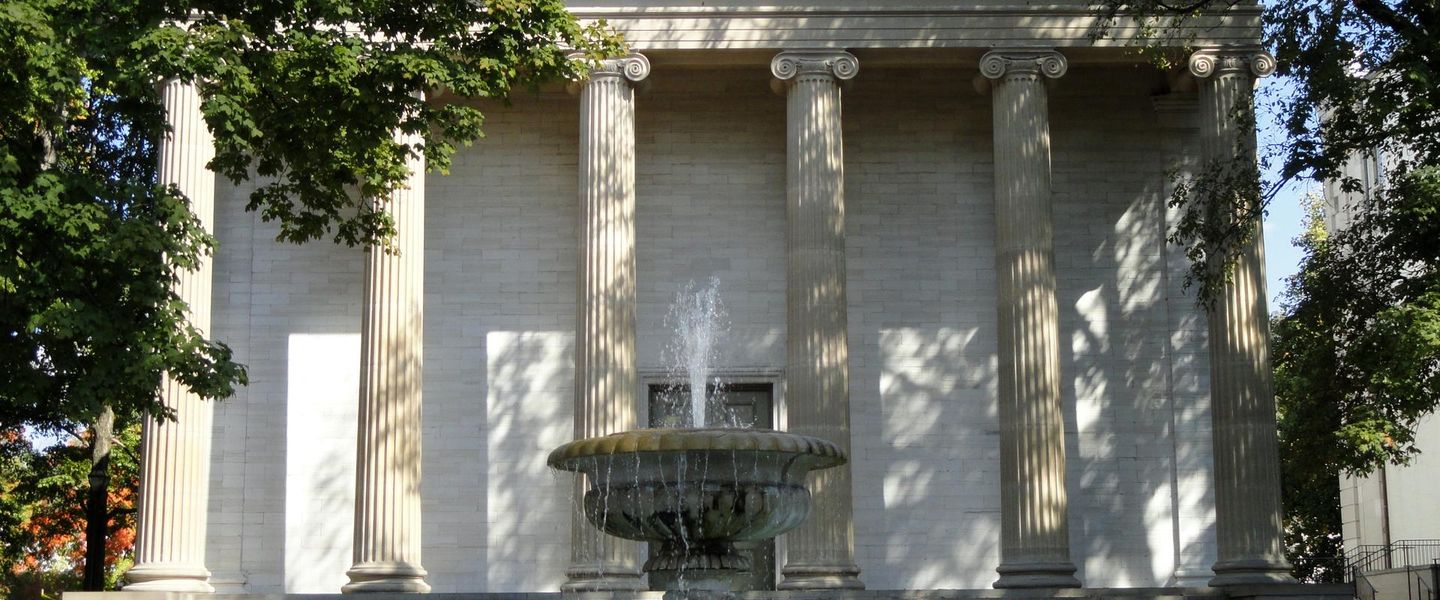


Frankfort, Kentucky, pairs Capitol landmarks, bourbon heritage, riverfront walks and Civil War history with a historic Bluegrass capital experience in Kentucky.
A Small Capital with Deep Roots
Frankfort occupies a graceful bend of the Kentucky River between Lexington and Louisville, its limestone bluffs, wooded hills and compact streets giving the state capital a distinctly intimate character. Kentucky became the fifteenth state of the United States in 1792, and Frankfort was selected as its capital that same year. Today, government buildings, historic homes and museums sit close to the river, making much of the city easy to explore on foot.Read more about Frankfort
History, Bourbon and the River
Green Spaces and Civic Life
When is the best time to visit Frankfort?
Best: May, September–October · 21–28°C| Month | High (°C) | Rainfall (mm) |
|---|---|---|
| January | 5 | 80 |
| February | 8 | 80 |
| March | 15 | 90 |
| April | 21 | 100 |
| May (best) | 26 | 110 |
| June | 31 | 100 |
| July | 33 | 110 |
| August | 32 | 100 |
| September (best) | 28 | 90 |
| October (best) | 21 | 80 |
| November | 14 | 90 |
| December | 8 | 90 |
Getting to and around Frankfort
How to get there
Transportation
Best attractions in Frankfort
Frankfort’s principal attractions combine state history, bourbon culture and a river-shaped landscape. The Old State Capitol offers an accessible introduction to Kentucky’s early government, while the Kentucky Historical Society’s exhibitions broaden the story through objects, documents and personal histories. Liberty Hall Historic Site preserves two historic houses and gardens associated with the Brown family, providing a more intimate view of elite life in the early Commonwealth. At Buffalo Trace Distillery, guided visits explore the long development of whiskey-making on the Kentucky River site, subject to tour arrangements and age requirements. The current Kentucky State Capitol, set among landscaped grounds south of downtown, reveals the scale of modern state administration. Frankfort Cemetery adds elevated views and Civil War associations, while River View Park and nearby green spaces provide quieter opportunities to walk, watch the river and understand the wooded terrain surrounding the capital.
-
Distillery
Buffalo Trace Distillery
Explore the rich history and craftsmanship of bourbon at Buffalo Trace Distillery, a must-visit tourist attraction in Frankfort, Kentucky.
5 min drive · 1.8 km from city centre
-
Tourist attraction
Cove Spring Park
Explore Cove Spring Park in Frankfort, KY - a serene escape filled with lush greenery, stunning waterfalls, and scenic walking trails.
8 min drive · 2.7 km from city centre
-
Tourist attraction
Salato Wildlife Education Center
Explore the Salato Wildlife Education Center, where education meets conservation in a stunning natural setting. Experience Kentucky's wildlife up close.
15 min drive · 5.1 km from city centre
-
Gift shop
Rebecca Ruth Candy Tours & Museum
Discover the sweet legacy of Rebecca Ruth Candy Tours & Museum in Frankfort, Kentucky, where history and delicious confections meet.
8 min walk · 0.7 km from city centre


Best landmarks in Frankfort
The Old State Capitol is Frankfort’s defining historic civic building, a Greek Revival structure completed in 1830 that housed Kentucky’s legislature before the government moved to larger premises. The current Kentucky State Capitol, completed in 1910, represents the Commonwealth’s later confidence in monumental Beaux-Arts-inspired public architecture and remains the centre of state government. Liberty Hall Historic Site preserves the Orlando Brown House and the adjacent Thomas D. Clark Center, connecting domestic history with the city’s political past. Frankfort Cemetery, on a hillside above the river, contains the grave of Daniel Boone and memorials associated with Kentucky’s development and the Civil War. Buffalo Trace Distillery’s historic industrial buildings add a different type of landmark, linking the city’s identity to bourbon production and the Kentucky River corridor. Together these sites show Frankfort as both a political capital and a place shaped by private homes, memory and industry.
-
Distillery
Buffalo Trace Distillery
Discover the heart of bourbon craftsmanship at Buffalo Trace Distillery, where history and tradition blend to create exceptional spirits.
5 min drive · 1.8 km from city centre
-
Hamburger
Cook Out
Discover Cook Out in Frankfort, KY for an unforgettable American fast food experience with diverse menu options and delicious milkshakes.
12 min drive · 4.2 km from city centre
-
Park
Cove Spring Park
Cove Spring Park: A tranquil escape in Frankfort, Kentucky, offering nature trails, picturesque landscapes, and outdoor adventures for everyone.
8 min drive · 2.7 km from city centre
-
Park
Salato Wildlife Education Center
Explore Kentucky's native wildlife at the Salato Wildlife Education Center, where education meets conservation in a beautiful natural setting.
15 min drive · 5.1 km from city centre


Explore Frankfort on the map
Plan your Frankfort trip on one map. See where the top attractions, landmarks, restaurants, bars and hotels are, find what's near where you're staying, and book hotels and experiences in a few clicks.
Best hotels in Frankfort
Best restaurants in Frankfort
Frankfort’s dining scene reflects central Kentucky’s modest capital-city scale, with independently run restaurants, cafés, bakeries and casual places concentrated around downtown and nearby commercial areas. Bourbon is an important culinary influence, appearing in drinks, sauces and desserts, while menus draw on Kentucky staples such as fried chicken, country ham, biscuits, cornbread and seasonal produce. Barbecue and Southern comfort food are familiar choices, though the city also has restaurants offering contemporary American cooking and international flavours. Local farmers’ markets and seasonal events provide opportunities to encounter produce, baked goods and small-scale regional products rather than a single prescribed cuisine. Distillery visits may include tastings or food pairings, but they should not be mistaken for the whole dining culture. Restaurant hours can be limited compared with larger cities, particularly outside the central area, making advance checks useful for evening meals.
-
American
Cracker Barrel Old Country Store
Discover the charm of Southern dining at Cracker Barrel Old Country Store in Frankfort - where comfort food meets heartfelt hospitality.
19 min drive · 6.3 km from city centre
-
Fast Food
Chick-fil-A
Experience the iconic taste of Chick-fil-A in Frankfort - delicious chicken meals served with genuine hospitality.
13 min drive · 4.4 km from city centre
-
Restaurant
Cattleman's Roadhouse
Experience the flavors of America at Cattleman's Roadhouse in Frankfort - where quality steaks meet warm hospitality.
17 min drive · 5.8 km from city centre
-
Hamburger
Cook Out
Discover Cook Out in Frankfort: Enjoy mouthwatering burgers, BBQ delights & classic American fare at this affordable fast-food gem.
12 min drive · 4.2 km from city centre


Best bars in Frankfort
Frankfort’s nightlife is restrained and social rather than built around large clubs. Downtown bars and restaurants provide places for bourbon tastings, local beer, cocktails and relaxed conversation, with the Kentucky River and historic streets lending the evening a quieter setting. Whiskey culture is especially visible, although responsible tasting and American alcohol regulations remain important parts of the experience. Live music, seasonal festivals, community events and performances connected with local arts organisations offer alternatives to drinking-centred evenings. The city does not have the extensive late-night club districts found in Louisville or Lexington, and activity can thin out beyond the central area. Visitors should check current schedules for concerts, theatre and public events, since entertainment is often programme-led rather than continuous. A hired car or designated driver is essential when visiting distillery areas outside the walkable centre.
-
Restaurant
Cattleman's Roadhouse
Discover the authentic flavors of Kentucky at Cattleman's Roadhouse, your premier destination for mouthwatering steaks and Southern hospitality.
17 min drive · 5.8 km from city centre
-
Restaurant
Bourbon On Main
Experience the vibrant flavors of Kentucky at Bourbon On Main, your go-to spot for local cuisine and craft cocktails in Frankfort.
5 min walk · 0.4 km from city centre
-
Brewpub
Goodwood Frankfort
Discover the craft beer culture at Goodwood Frankfort, where local brews and delicious fare create an unforgettable experience in Kentucky.
5 min walk · 0.4 km from city centre
-
Pub
Office Pub & Deli
Experience the best of American pub culture at The Office Pub & Deli in Frankfort, Kentucky, where delicious food and a vibrant atmosphere await.
10 min drive · 3.4 km from city centre


Best nightclubs in Frankfort
Frankfort’s nightlife is restrained and social rather than built around large clubs. Downtown bars and restaurants provide places for bourbon tastings, local beer, cocktails and relaxed conversation, with the Kentucky River and historic streets lending the evening a quieter setting. Whiskey culture is especially visible, although responsible tasting and American alcohol regulations remain important parts of the experience. Live music, seasonal festivals, community events and performances connected with local arts organisations offer alternatives to drinking-centred evenings. The city does not have the extensive late-night club districts found in Louisville or Lexington, and activity can thin out beyond the central area. Visitors should check current schedules for concerts, theatre and public events, since entertainment is often programme-led rather than continuous. A hired car or designated driver is essential when visiting distillery areas outside the walkable centre.
-
Restaurant
Bourbon On Main
Experience the essence of Kentucky at Bourbon On Main, where local flavors and craft cocktails come together in a charming setting.
5 min walk · 0.4 km from city centre
-
Pub
Rose's Pub
Discover the lively atmosphere and delicious offerings at Rose's Pub in Frankfort, Kentucky - a local gem for tourists and locals alike.
10 min drive · 3.4 km from city centre
-
Bar
Brick Alley
Discover the vibrant nightlife at Brick Alley, a lively bar in Frankfort, KY, offering affordable drinks and a welcoming atmosphere.
5 min walk · 0.4 km from city centre
-
Bar
Parlays Tavern
Discover the lively spirit of Parlays Tavern in Frankfort, Kentucky – a local favorite for drinks, games, and karaoke fun.
17 min drive · 5.5 km from city centre


Best shops in Frankfort
Shopping in Frankfort is centred on the historic downtown, where independent shops, galleries, bookshops and small businesses occupy streets near the Old State Capitol and the river. Antique and vintage shops reflect the wider Bluegrass interest in furniture, decorative objects and local history, while craft retailers and galleries offer Kentucky-made art and gifts. Bourbon-related products are prominent, including branded glassware, books and food items, though visitors should distinguish souvenirs from bottles subject to transport and alcohol regulations. Farmers’ markets and seasonal community markets provide locally produced food, baked goods and handmade goods when operating. The city also has conventional retail areas outside the centre, but its most distinctive shopping atmosphere lies in the older streets, where purchases can be combined with architecture, historic interpretation and riverfront walking rather than a large enclosed shopping complex.
-
Gift shop
Rebecca Ruth Candy Tours & Museum
Experience the rich history of candy-making at Rebecca Ruth Candy Tours & Museum, a sweet gem in Frankfort, Kentucky, perfect for all candy lovers.
8 min walk · 0.7 km from city centre
-
Shopping mall
Parkside
Explore Parkside Shopping Mall in Frankfort, Kentucky - a vibrant destination for shopping, dining, and entertainment for all ages.
17 min drive · 5.6 km from city centre
-
Department store
Kohl's
Explore a wide range of stylish apparel and home goods at Kohl's in Frankfort, Kentucky – your go-to department store for great deals.
17 min drive · 5.5 km from city centre
-
Store
Poplar Creek Plaza Shopping center
Explore the diverse shops and dining options at Poplar Creek Plaza Shopping Center in Frankfort, KY - a perfect stop for every tourist!
14 min drive · 4.8 km from city centre


Get your free copy of our complete guide to Frankfort, delivered straight to you.
Everything on this page, from attractions and restaurants to essentials and local phrases, in one PDF you can read offline, print or share.
Already have an account? Sign in
Your Frankfort guide is ready.
We'll send it to · Not you? Sign out

Getting your guide ready…
We are putting together a fresh copy of the Frankfort guide. This can take up to a minute.
This can take a few moments. If your browser asks, choose Allow so the download can start. You'll find the guide in your Downloads folder.
Nothing happened? Download it again
Sorry, the guide is taking longer than usual. Please try again in a minute, or get it by email instead.
Frankfort essentials
Currency and Payment
Safety
Emergency Situations
Do's and Don'ts
Local Tips
From Eve
Local phrases worth knowing
You don't need to get them perfect. A few words go a long way, and locals appreciate the effort.
Basics
| English | Local | Say it |
|---|---|---|
| Hello | Howdy | [haw-dee] |
| Goodbye | See ya | [see yuh] |
| Yes | Yep | [yep] |
| No | Nah | [nuh] |
| Please/You're welcome | Please/You're welcome | [Please/You're welcome] |
| Thank you | Thanks | [th-anks] |
| Excuse me/Sorry | Pardon me | [pahr-dn mee] |
| How are you? | How y'all doin'? | [how y'all doin'] |
| Fine. And you? | Fine. How 'bout you? | [fine. how 'bout you?] |
| Do you speak English? | Y'all speak English? | [y'all speak English?] |
| I don't understand | I ain't gettin' it | [I ain't get-tin' it] |
Eating & Drinking
| English | Local | Say it |
|---|---|---|
| I'd like to see the menu, please | Can I see the menu, please | [can I see the menu, please] |
| I don't eat meat | I don't eat meat | [I don't eat meat] |
| Cheers! | Cheers! | [Cheers!] |
| I would like to pay, please | I need to settle up, please | [I need to settle up, please] |
Emergencies
| English | Local | Say it |
|---|---|---|
| Help! | Help! | [Help!] |
| Go away! | Git! | [Git!] |
| Call the Police! | Call the Police! | [Call the Police!] |
| Call a doctor! | Get a doc! | [Get a doc!] |
| I'm lost | I'm lost | [I'm lost] |
| I'm ill | I ain't feelin' right | [I ain't feelin' right] |
Shopping
| English | Local | Say it |
|---|---|---|
| I'd like to buy... | I'm lookin' to buy... | [I'm lookin' to buy...] |
| I'm just looking | Just browsin' | [Just browsin'] |
| How much is it? | How much does it cost? | [How much does it cost?] |
| That's too expensive | That's too pricey | [That's too pricey] |
| Can you lower the price? | Can you do any better on the price? | [Can you do any better on the price?] |
Time & Numbers
| English | Local | Say it |
|---|---|---|
| What time is it? | What time is it? | [What time is it?] |
| It's one o'clock | It's one o'clock | [It's one o'clock] |
| Half past (10) | Half past ten | [Half past ten] |
| Morning | Mornin' | [Mornin'] |
| Afternoon | Afternoon | [Afternoon] |
| Evening | Evenin' | [Evenin'] |
| Yesterday | Yestiddy | [yestiddy] |
| Today | Today | [Today] |
| Tomorrow | Tomorry | [tomorry] |
| 1 | One | [wun] |
| 2 | Two | [too] |
| 3 | Three | [three] |
| 4 | Four | [four] |
| 5 | Five | [five] |
| 6 | Six | [six] |
| 7 | Seven | [seven] |
| 8 | Eight | [ate] |
| 9 | Nine | [nine] |
| 10 | Ten | [ten] |
Transport & Directions
| English | Local | Say it |
|---|---|---|
| Where's a/the...? | Where's the...? | [Where's the...?] |
| What's the address? | What's the address? | [What's the address?] |
| Can you show me (on the map)? | Can you show me (on the map)? | [Can you show me (on the map)?] |
| When's the next (bus)? | When's the next (bus)? | [When's the next (bus)?] |
| A ticket (to ....) | A ticket (to ....) | [A ticket (to ....)] |
History of Frankfort
Indigenous Kentucky River Country
Long before Frankfort was established, the Kentucky River valley was used and inhabited by Indigenous peoples, including communities associated with the Shawnee and Cherokee worlds. The river provided movement through a landscape of wooded hills, limestone outcrops and fertile bottomland, while hunting and seasonal travel shaped the region’s human geography. European-American settlement later transformed these patterns, but the valley’s geography continued to determine where roads, ferries and communities developed. Understanding this earlier history helps place Frankfort within the broader story of Kentucky, where Indigenous presence preceded colonial expansion and state formation by many centuries.
Settlement on the Kentucky River
Frankfort emerged in the late eighteenth century as American settlers moved into Kentucky after the Revolutionary era. The community developed around the Kentucky River, whose crossings and navigable stretches supported communication and trade. The settlement’s name is commonly linked to Stephen Frank, who was killed at a nearby ford in the 1780s, although local historical accounts describe the naming tradition in varying detail. Frankfort was incorporated in 1786 and soon became an administrative centre for the surrounding region. Its location between eastern Kentucky and the Bluegrass helped it grow as roads, river traffic and political institutions expanded.
A New State Capital
When Kentucky entered the Union in 1792, Frankfort was selected as the Commonwealth’s capital. The choice reflected its central position along the river and its established role in regional administration, although the small settlement had to develop the buildings and institutions expected of a state seat. Early government operated in modest structures before the construction of more substantial public architecture. The Old State Capitol, completed in 1830, later expressed Kentucky’s growing confidence through its carefully proportioned Greek Revival design. The capital’s political role has remained continuous, linking the modern city with the formative decades of state government.
Industry, Bourbon and Civic Growth
During the nineteenth century, Frankfort grew through government, trade, milling and manufacturing, while the Kentucky River remained an important corridor. Whiskey production also became embedded in the surrounding economy. The distillery now known as Buffalo Trace developed from earlier operations on the same site and survived the disruptions of Prohibition by making medicinal whiskey under federal permission. Railways and improved roads gradually reduced the river’s importance as a commercial route but strengthened Frankfort’s connections with other Kentucky centres. Historic homes, commercial buildings and public institutions from this period reflect the capital’s expansion beyond its original riverfront core.
Frankfort during the Civil War
The Civil War brought military uncertainty to Kentucky, a border state whose population was divided in its loyalties. Confederate forces briefly occupied Frankfort in September 1862 and installed a Confederate governor during their short control of the capital. Union forces soon regained the city, and the episode demonstrated the strategic and symbolic importance of controlling Kentucky’s government. Frankfort’s Civil War history is also represented by the Battle of Frankfort and by the Frankfort Cemetery, where soldiers and civilians connected with the conflict are commemorated. The events left the capital politically and physically marked by the national crisis.
The Modern Commonwealth’s Capital
Frankfort’s twentieth-century development centred increasingly on state administration, education, cultural preservation and improved regional transport. The current Kentucky State Capitol, completed in 1910, replaced the Old State Capitol as the seat of government and created a larger civic campus south of downtown. Historic preservation later strengthened the city’s identity, protecting sites such as Liberty Hall, the Old State Capitol and important residential streets. At the same time, museums, distillery tourism and riverfront improvements broadened the visitor experience beyond government. Frankfort remains a working capital rather than a large metropolitan centre, with its historic landscape closely integrated into everyday civic life.
Frankfort in Photos
Browse through our photo collection highlighting the charm and character of the destination.
Cities near Frankfort
The closest cities to Frankfort, if you have time for more than one stop.
-

-

-

-

-


Swipe for more cities
Explore more

Explore more of Kentucky
Discover Kentucky, a land of natural wonders, historic landmarks, and rich cultural heritage. From horse racing to bourbon distilleries, this state has it all.
Explore Kentucky