

Free Bluegrass Region Travel Guide & Mobile App
Explore Bluegrass Region with free travel guides. Discover regional history, expert tips, proposed trips, and audio guides on web or mobile app.


Explore Kentucky’s Bluegrass Region for thoroughbred country, bourbon distilleries, historic towns, limestone pastures and thoughtful Southern cooking.
Read more about Bluegrass Region
When is the best time to visit Bluegrass Region?
Best: May, September–October · 21–26°C| Month | High (°C) | Rainfall (mm) |
|---|---|---|
| January | 6 | 74 |
| February | 9 | 81 |
| March | 15 | 104 |
| April | 19 | 99 |
| May (best) | 24 | 117 |
| June | 29 | 109 |
| July | 32 | 109 |
| August | 31 | 99 |
| September (best) | 26 | 86 |
| October (best) | 21 | 85 |
| November | 14 | 91 |
| December | 9 | 93 |
Getting to and around Bluegrass Region
How to get there
Transportation
Top city travel guides in Bluegrass Region
The cities of Bluegrass Region, and the easiest places to base yourself.
-

-

-

-

-

-


Swipe for more cities
Destinations in Bluegrass Region
Resorts, valleys and scenic spots worth a trip of their own.
-

-

-

-

-
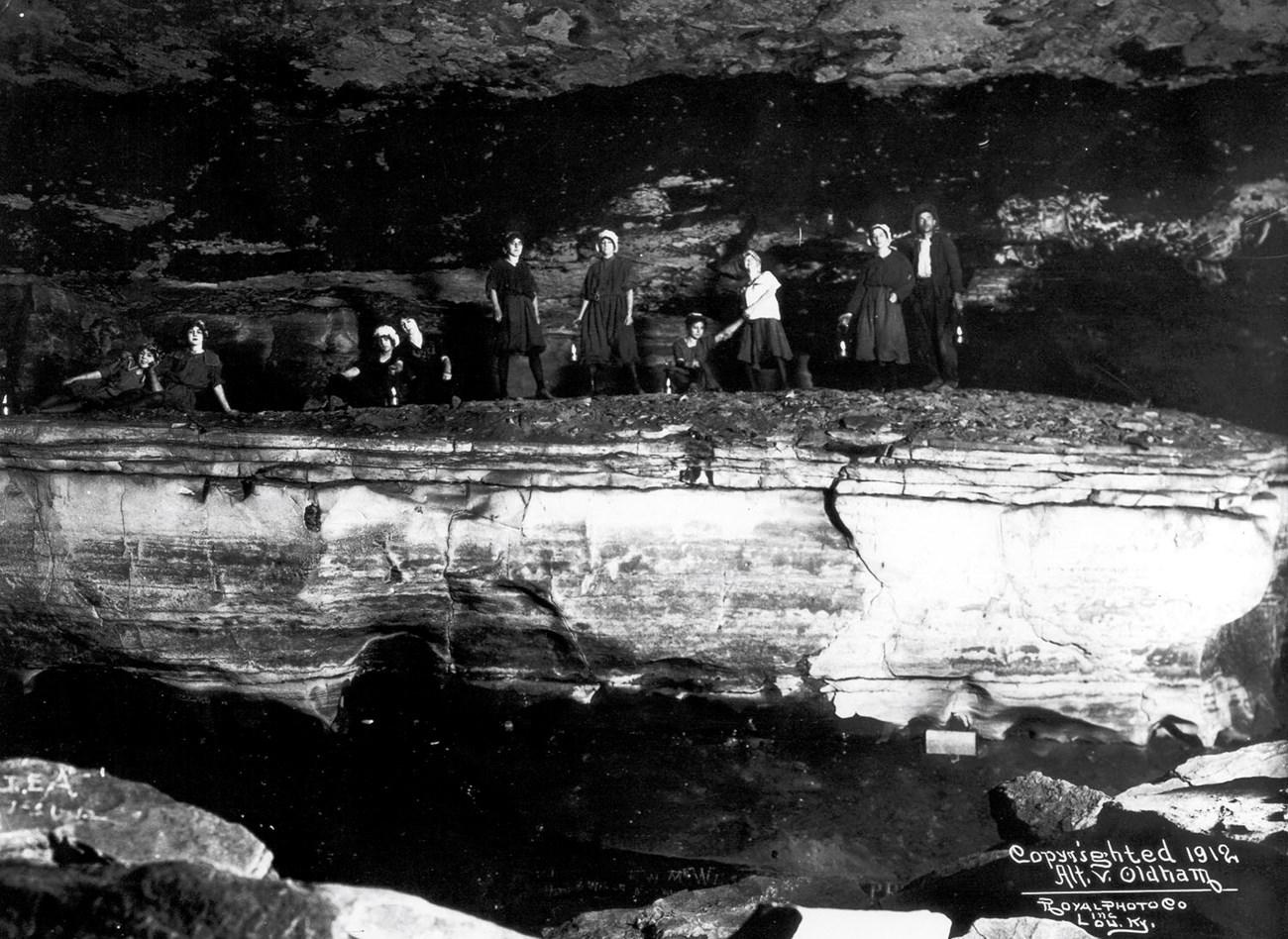 Carter Caves State Resort Park
Discover the hidden wonders of Carter Caves State Resort Park in Kentucky, where underground adventures meet breathtaking above-ground beauty.
Carter Caves State Resort Park
Discover the hidden wonders of Carter Caves State Resort Park in Kentucky, where underground adventures meet breathtaking above-ground beauty.
-


Swipe for more destinations
Best attractions in Bluegrass Region
The Bluegrass Region’s attractions are shaped by the relationship between cultivated landscape, horse culture and bourbon production. Lexington’s Kentucky Horse Park combines equine museums, outdoor grounds and demonstrations, while Keeneland offers a historic racecourse setting and behind-the-scenes interest when racing or tours are available. Around Versailles, Frankfort, Lawrenceburg and nearby communities, distillery visits explain bourbon’s grain, barrel and maturation traditions; advance reservations and a safe transport plan are sensible. Historic properties include Shaker Village of Pleasant Hill, where restored buildings, fields and workshops interpret communal life and agriculture. Frankfort adds state history, museums and river scenery, while Georgetown, Midway, Paris and Versailles provide compact town centres for slower exploration. Countryside drives reveal limestone fences, pasture and working farms, though many are private. Walks, cycling routes, gardens, seasonal markets and the Kentucky River’s wooded corridors broaden the region’s outdoor appeal. The strongest itineraries combine a major institution with smaller communities and rural viewpoints rather than attempting to cover every attraction from one base.
-
Mammoth Cave National Park
Discover the longest cave system in the world at Mammoth Cave National Park, where nature's beauty meets fascinating history in Kentucky.
-
Cumberland Falls State Resort Park
Explore the beauty of Cumberland Falls State Resort Park, where nature's splendor meets adventure in the heart of Kentucky.
-
Kentucky Horse Park
Explore Kentucky Horse Park, a premier attraction celebrating equestrian heritage with exhibits, horse shows, and riding experiences in Lexington.
-
Keeneland Association Inc
Discover Keeneland in Lexington, Kentucky: Where Horse Racing Meets Southern Charm and a Rich Heritage.

Best landmarks in Bluegrass Region
Keeneland Racecourse is one of the region’s most recognisable landmarks, its formal grounds and historic architecture expressing the importance of thoroughbred racing to central Kentucky. The Kentucky Horse Park’s museums and outdoor structures provide a broader public emblem of the state’s equine culture. In Frankfort, the Kentucky State Capitol and the Old State Capitol anchor the capital’s civic and political identity, while the Kentucky River gives the city a distinctive setting among wooded hills. Shaker Village of Pleasant Hill, near Harrodsburg at the southern edge of the Bluegrass, is notable for its carefully preserved Shaker buildings, fields and water features. The countryside itself is marked by limestone fences, mature trees, spring-fed creeks and long views across pasture, especially around Lexington, Versailles and Paris. Distillery warehouses and historic production buildings near Frankfort, Lawrenceburg and Versailles form another recognisable group of working landmarks, linking architecture to bourbon’s industrial heritage. Historic courthouses and brick main streets in smaller county seats complete the region’s built character.
-
Tourist attraction
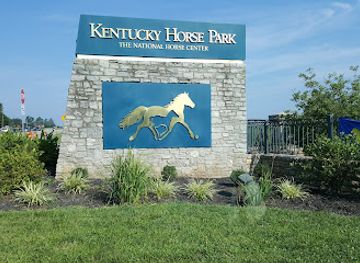
Kentucky Horse Park
Experience the rich equestrian culture at Kentucky Horse Park, where history, adventure, and horses come together in a breathtaking setting.
-
 Tourist attraction
Keeneland Association Inc
Discover the excitement of Keeneland, a premier racecourse in Lexington, where equestrian culture meets thrilling live horse racing amidst stunning landscapes.
-
Distillery
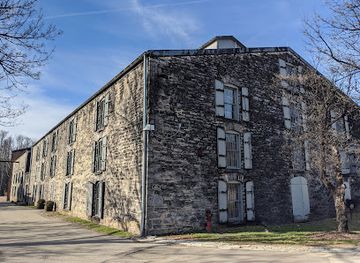
Woodford Reserve Distillery
Experience the rich history and exquisite flavors of Woodford Reserve Distillery, a premier destination for bourbon enthusiasts in Kentucky's Bluegrass region.
-
Historical landmark
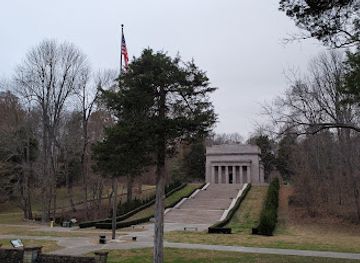
Abraham Lincoln Birthplace
Explore the birthplace of Abraham Lincoln, a testament to his enduring legacy nestled in the heart of Kentucky's historical landscape.
Explore Bluegrass Region on the map
Plan your trip on one map. See where the top cities, national parks and sights are, and book hotels and experiences in a few clicks.
Best hotels in Bluegrass Region
Best restaurants in Bluegrass Region
Dining across the Bluegrass joins Kentucky traditions with an increasingly varied urban food scene. Lexington has the broadest choice, from contemporary American restaurants and international cooking to cafés, bakeries and relaxed places serving local ingredients. Country ham, fried chicken, burgoo, biscuits, sorghum, seasonal vegetables and bourbon-based sauces appear in different forms, while dishes associated with Kentucky more broadly should not be mistaken for inventions of this region. Farm shops and farmers’ markets are useful for produce, preserves, cheeses and baked goods, and rural restaurants or inns often emphasise hearty regional cooking. Bourbon features in tastings, cocktails and desserts, while Kentucky beer and non-alcoholic drinks are also widely available. Distillery kitchens and nearby restaurants can make thoughtful stops, but visitors should check current opening arrangements rather than assuming every rural site serves meals. Tipping is customary in table-service restaurants.
-
Restaurant
Patti's 1880's Settlement
Discover Patti's 1880's Settlement: A charming restaurant and bed & breakfast offering delicious Southern cuisine in Grand Rivers, Kentucky.
-
Barbecue
Doc Crow's
Experience the best of Southern cuisine at Doc Crow's in downtown Louisville – where smoky barbecue meets vibrant atmosphere.
-
American
Carson's Food & Drink - On Main
Discover exquisite American cuisine at Carson's Food & Drink in Lexington - where every meal is a celebration of flavor.
-
American
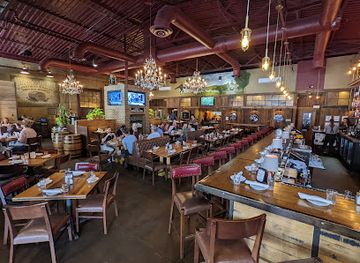
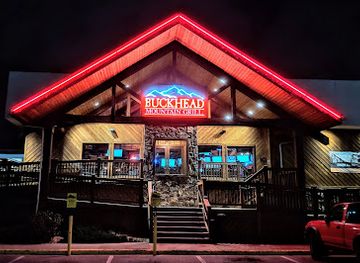
Buckhead Mountain Grill
Discover the best American cuisine at Buckhead Mountain Grill in Bellevue – where grilled flavors meet stunning views.

Best bars in Bluegrass Region
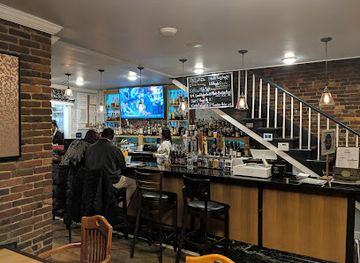
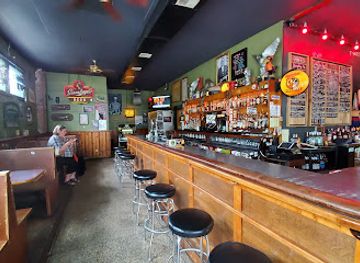
Nightlife is concentrated in Lexington and, to a lesser extent, Frankfort and the larger county towns, rather than spread through the rural horse country. Lexington offers traditional Kentucky bars, bourbon-focused tasting rooms, breweries, cocktail venues, live music and late-evening dining, with activity influenced by the university calendar and race meetings. Frankfort has a smaller evening scene centred on local bars, restaurants and historic-town hospitality. In Georgetown, Versailles, Lawrenceburg and other smaller communities, evenings generally revolve around pubs, restaurants, breweries or community events rather than large nightclubs. Distillery tasting rooms can be atmospheric but are not substitutes for unrestricted nightlife and often operate on scheduled tours. Rural inns may be quiet after dinner, so check transport and closing arrangements before travelling between venues. Responsible drinking and a designated driver are particularly important when visiting dispersed bourbon sites.
-
Restaurant
Bourbon On Main
Experience the vibrant flavors of Kentucky at Bourbon On Main, the premier restaurant and cocktail bar in Frankfort, perfect for tourists and locals alike.
-
Bar
Mag Bar
Discover the lively atmosphere of Mag Bar in Old Louisville, a premier spot for live music and great drinks in a unique setting.
-
Bar
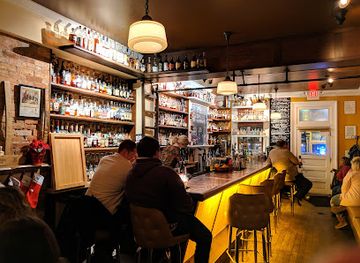
Old Kentucky Bourbon Bar
Discover over 100 bourbons in a cozy atmosphere at Old Kentucky Bourbon Bar, where the spirit of Kentucky comes alive.
-
Live music bar
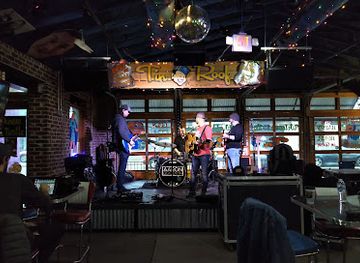
Tin Roof
Experience the vibrant nightlife of Lexington at Tin Roof, where live music and delicious food create unforgettable memories.
Best nightclubs in Bluegrass Region
Nightlife is concentrated in Lexington and, to a lesser extent, Frankfort and the larger county towns, rather than spread through the rural horse country. Lexington offers traditional Kentucky bars, bourbon-focused tasting rooms, breweries, cocktail venues, live music and late-evening dining, with activity influenced by the university calendar and race meetings. Frankfort has a smaller evening scene centred on local bars, restaurants and historic-town hospitality. In Georgetown, Versailles, Lawrenceburg and other smaller communities, evenings generally revolve around pubs, restaurants, breweries or community events rather than large nightclubs. Distillery tasting rooms can be atmospheric but are not substitutes for unrestricted nightlife and often operate on scheduled tours. Rural inns may be quiet after dinner, so check transport and closing arrangements before travelling between venues. Responsible drinking and a designated driver are particularly important when visiting dispersed bourbon sites.
-
Bar
Howl at the Moon Louisville
Experience the vibrant nightlife of Louisville at Howl at the Moon, the ultimate live music and cocktail bar destination!
-
Night club
The Bar Complex
Discover Lexington's nightlife at The Bar Complex, where live music, dancing, and a vibrant atmosphere come together for an unforgettable evening.
-
Bar
100 Pipers Club
Discover the vibrant nightlife at 100 Pipers Club, where signature cocktails, live music, and an inviting atmosphere await in Louisville, KY.
-
Night club
The Palm Room
Experience the heart of Louisville's nightlife at The Palm Room, where music, dance, and vibrant energy come together for an unforgettable evening.


Best shops in Bluegrass Region
Lexington provides the region’s widest shopping choice, with independent boutiques, bookshops, galleries, design stores and food retailers concentrated around its established commercial districts and neighbourhood centres. Historic towns such as Georgetown, Midway, Versailles, Paris and Frankfort offer smaller selections of antiques, crafts, gifts and locally made food, often best explored on foot. Farmers’ markets and farm shops are useful for Kentucky products including bourbon, bourbon sweets, preserves, honey, cheeses, baked goods and seasonal produce, although availability changes through the year. Horse-themed merchandise is easy to find, particularly around Lexington and equestrian attractions, while galleries and craft retailers may stock pottery, woodwork, textiles and regional artwork. Distillery gift shops are a convenient source of bottles where legally permitted, glassware and branded goods, but travellers should check airline and customs rules before buying alcohol. The region is better suited to considered local purchases than to extensive luxury or large-scale shopping-centre itineraries.
-
Outlet mall
The Outlet Shoppes of the Bluegrass
Experience the thrill of shopping at The Outlet Shoppes of the Bluegrass, where savings meet style in a picturesque setting.
-
Shopping mall
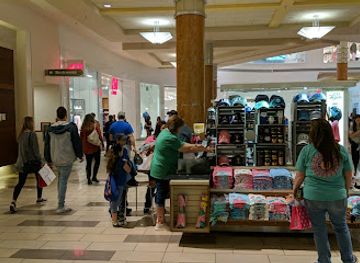
Fayette Mall
Explore Fayette Mall, Lexington's premier shopping destination, featuring over 100 stores, diverse dining options, and family-friendly entertainment.
-
Shopping mall
Kentucky Oaks Mall
Explore Kentucky Oaks Mall in Paducah – a shopping paradise with diverse stores, delectable dining, and family-friendly entertainment.
-
Shopping mall
The Summit at Fritz Farm
Discover a unique shopping experience at The Summit at Fritz Farm, where Southern charm meets modern retail in Lexington, Kentucky.

Get your free copy of our complete guide to Bluegrass Region, delivered straight to you.
Everything on this page, from attractions and restaurants to essentials and local phrases, in one PDF you can read offline, print or share.
Already have an account? Sign in
Your Bluegrass Region guide is ready.
We'll send it to · Not you? Sign out

Getting your guide ready…
We are putting together a fresh copy of the Bluegrass Region guide. This can take up to a minute.
This can take a few moments. If your browser asks, choose Allow so the download can start. You'll find the guide in your Downloads folder.
Nothing happened? Download it again
Sorry, the guide is taking longer than usual. Please try again in a minute, or get it by email instead.
Bluegrass Region essentials
Currency and Payment
Safety
Emergency Situations
Do's and Don'ts
Local Tips
From Eve
Local phrases worth knowing
You don't need to get them perfect. A few words go a long way, and locals appreciate the effort.
Basics
| English | Local | Say it |
|---|---|---|
| Hello | Howdy | [Ha-dee] |
| Goodbye | See ya later | [See ya lay-ter] |
| Yes | Yep | [Yep] |
| No | Nope | [Nope] |
| Please/You're welcome | Sure thing | [Shoor thing] |
| Thank you | Thank ya | [Thank ya] |
| Excuse me/Sorry | Pardon me | [Par-don me] |
| How are you? | How ya doin'? | [How ya doin'?] |
| Fine. And you? | I'm good. How 'bout you? | [I'm good. How 'bout you?] |
| Do you speak English? | Ya speakin' English? | [Ya speakin' English?] |
| I don't understand | I ain't followin' | [I ain't followin'] |
Eating & Drinking
| English | Local | Say it |
|---|---|---|
| I'd like to see the menu, please | Can I see the menu, please? | [Can I see the menu, please?] |
| I don't eat meat | I don't eat no meat | [I don't eat no meat] |
| Cheers! | Cheers! | [Cheers!] |
| I would like to pay, please | Can I pay, please? | [Can I pay, please?] |
Emergencies
| English | Local | Say it |
|---|---|---|
| Help! | Help! | [Help!] |
| Go away! | Leave me be! | [Leave me be!] |
| Call the Police! | Call the cops! | [Call the cops!] |
| Call a doctor! | Get a doctor! | [Get a doctor!] |
| I'm lost | I'm turned around | [I'm turned around] |
| I'm ill | I ain't feelin' good | [I ain't feelin' good] |
Shopping
| English | Local | Say it |
|---|---|---|
| I'd like to buy... | I wanna buy... | [I wanna buy...] |
| I'm just looking | Just browsin' | [Just browsin'] |
| How much is it? | What’s the price? | [What’s the price?] |
| That's too expensive | That's a bit pricey | [That's a bit pricey] |
| Can you lower the price? | Can ya knock down the price? | [Can ya knock down the price?] |
Time & Numbers
| English | Local | Say it |
|---|---|---|
| What time is it? | What time ya got? | [What time ya got?] |
| It's one o'clock | It's one o'clock | [It's one o'clock] |
| Half past (10) | Half past ten | [Half past ten] |
| Morning | Mornin' | [Mornin'] |
| Afternoon | Afternoon | [Afternoon] |
| Evening | Evenin' | [Evenin'] |
| Yesterday | Yestiddy | [Yestiddy] |
| Today | Today | [Today] |
| Tomorrow | Tomorrah | [Tomorrah] |
| 1 | One | [One] |
| 2 | Two | [Two] |
| 3 | Three | [Three] |
| 4 | Four | [Four] |
| 5 | Five | [Five] |
| 6 | Six | [Six] |
| 7 | Seven | [Seven] |
| 8 | Eight | [Eight] |
| 9 | Nine | [Nine] |
| 10 | Ten | [Ten] |
Transport & Directions
| English | Local | Say it |
|---|---|---|
| Where's a/the...? | Where’s a...? | [Where’s a...?] |
| What's the address? | What’s the address? | [What’s the address?] |
| Can you show me (on the map)? | Can ya show me on the map? | [Can ya show me on the map?] |
| When's the next (bus)? | When’s the next bus? | [When’s the next bus?] |
| A ticket (to ....) | A ticket to ... | [A ticket to ...] |
History of Bluegrass Region
Indigenous Networks and Early Frontier Settlement
Before European-American settlement, the central Kentucky landscape was used by Indigenous peoples, including communities connected with the Shawnee, Cherokee and other nations, for travel, hunting and diplomacy. The region’s fertile open country and abundant springs later attracted migrants moving west through the Appalachian frontier. European-American settlement expanded rapidly in the late eighteenth century, bringing farms, stations and roads that began to transform the Bluegrass into an agricultural district. Many modern routes and town locations reflect this early pattern of movement across the interior of Kentucky.
The Founding of Lexington and Kentucky Statehood
Lexington was established in the late eighteenth century and became a commercial, educational and political centre for the surrounding farms. Kentucky entered the Union as the fifteenth state in 1792, with Frankfort eventually selected as its capital. The Bluegrass developed a distinctive network of county seats, churches, academies and market towns, linking rural producers to Lexington and the Kentucky River. Brick construction, formal public squares and early estates visible in several communities reflect the prosperity generated by agriculture and trade during this period.
Land, Enslavement and Antebellum Agriculture
By the nineteenth century, large farms and estates occupied much of the most fertile Bluegrass land. Their economies relied on enslaved labour as well as on livestock, hemp, grain and other agricultural production. The region’s grand houses, farm buildings and landscape patterns cannot be separated from that history. The Civil War brought political division and military activity to Kentucky, a border state, although the Bluegrass was not permanently occupied by either side. Historic sites and museums across central Kentucky increasingly interpret both elite rural life and the experiences of enslaved people.
The Rise of Thoroughbred Horse Breeding
Horse breeding became increasingly important in the Bluegrass during the nineteenth century, building on Kentucky’s pasture, climate and transport connections. Wealthy breeders developed farms and bloodlines, while racing institutions helped create a market that eventually reached far beyond the state. The tradition expanded after the Civil War and became central to the region’s international identity. Today’s stud farms, training operations, race meetings and equine museums are the modern expression of a long agricultural industry, not simply a decorative feature of the countryside.
Bourbon Distilling and the Limestone Country
Distilling grew alongside corn farming, timber production and river commerce in Kentucky. The Bluegrass’s limestone geology provided mineral-rich water, while local grain and established agricultural knowledge supported whiskey production. Prohibition disrupted the industry in the twentieth century, but several distilleries survived through permitted medicinal production or resumed operations later. Bourbon’s revival has since brought new investment, tourism and interpretation to towns such as Frankfort, Lawrenceburg, Versailles and Lexington. Historic warehouses and working distilleries now form an important cultural and economic landscape.
Shaker Agriculture and Reform Communities
The religious community at Pleasant Hill, now known as Shaker Village of Pleasant Hill, was founded in the early nineteenth century near Harrodsburg. Its Shaker residents developed disciplined communal agriculture, workshops and distinctive buildings, contributing to the region’s wider reputation for rural innovation. Although the community eventually declined and closed, its surviving structures and fields preserve an unusually coherent example of Shaker life in Kentucky. Restoration and interpretation have made the site an important place for understanding religion, labour, architecture and farming in the Bluegrass.
Modern Lexington and the Regional Visitor Economy
During the twentieth and early twenty-first centuries, Lexington expanded as an educational, medical, commercial and cultural centre while retaining large areas of surrounding horse country. Improved roads and aviation connected the region more closely to national markets, and the University of Kentucky strengthened the city’s institutional role. Bourbon tourism, equine events, heritage conservation and food culture now complement agriculture as major visitor draws. The resulting Bluegrass identity combines working farms and historic communities with a contemporary urban centre rather than preserving the region as a purely rural landscape.
Bluegrass Region in Photos
Browse through our photo collection highlighting the charm and character of the destination.
Neighbouring regions of Bluegrass Region
The closest regions to Bluegrass Region, if you have time for more than one.
-

-

-

-
-


Swipe for more regions
Explore more

Explore more of Kentucky
Discover Kentucky, a land of natural wonders, historic landmarks, and rich cultural heritage. From horse racing to bourbon distilleries, this state has it all.
Explore Kentucky