

Free Lexington Travel Guide & Mobile App
Plan your Lexington trip with Evendo. Get free guides to top attractions, restaurants, hotels, and bars. Web access or download the mobile app.


Lexington, Kentucky blends Bluegrass horse country, bourbon heritage, historic estates, lively arts, Southern dining and scenic parks for memorable sightseeing.
Bluegrass Country and Thoroughbred Tradition
Lexington lies in the centre of Kentucky’s Bluegrass Region, where limestone-rich pasture, white plank fences and rolling farmland create the setting for one of the world’s most celebrated horse-breeding landscapes. The city’s identity is closely bound to thoroughbred racing: Keeneland offers an atmospheric introduction to the sport, while the Kentucky Horse Park explains its wider history through working stables, museums and demonstrations. Beyond the racecourses, Lexington has the scale of a substantial regional city, with a compact downtown, leafy residential districts and a broad urban boundary that reaches into the surrounding countryside.Read more about Lexington
Historic Houses and Civic Life
Contemporary Lexington
When is the best time to visit Lexington?
Best: May, September–October · 20–26°C| Month | High (°C) | Rainfall (mm) |
|---|---|---|
| January | 5 | 70 |
| February | 7 | 70 |
| March | 14 | 90 |
| April | 19 | 100 |
| May (best) | 25 | 110 |
| June | 30 | 100 |
| July | 32 | 110 |
| August | 31 | 90 |
| September (best) | 26 | 90 |
| October (best) | 20 | 80 |
| November | 14 | 80 |
| December | 7 | 80 |
Getting to and around Lexington
How to get there
Transportation
Best attractions in Lexington
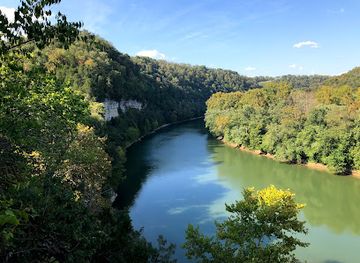
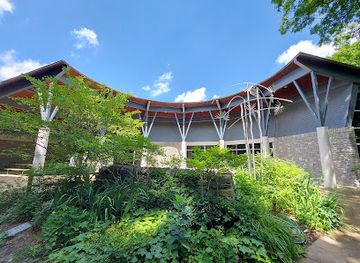
Lexington’s principal attractions reveal the city through horses, history, landscape and bourbon. Keeneland is both a working thoroughbred racecourse and an important visitor experience, with elegant grounds and a strong connection to Kentucky racing. At the Kentucky Horse Park, museums, stables, memorials and demonstrations explain the relationship between horses and the state’s culture. Ashland, Henry Clay’s former estate, combines a historic house with landscaped grounds, while Waveland State Historic Site offers another perspective on nineteenth-century Bluegrass life. In the city centre, the Lexington History Museum, Transylvania University’s historic surroundings and the Lexington Opera House provide cultural depth. Town Branch Distillery introduces urban whiskey-making, and the University of Kentucky campus adds galleries and collections. For open-air discovery, the Arboretum and Raven Run Nature Sanctuary offer trails, native plants, streams and limestone-country scenery within the wider Lexington-Fayette area.
-
Tourist attraction
Breakout Games - Lexington
Discover the thrill of teamwork and adventure at Breakout Games in Lexington, the ultimate escape room experience for all ages.
7 min drive · 2.2 km from city centre
-
Amusement center
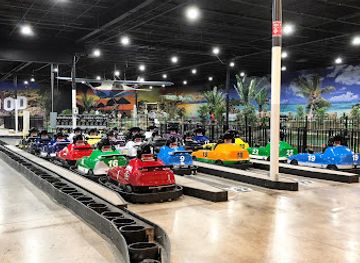
Malibu Jack's Lexington
Experience endless fun and excitement at Malibu Jack's Lexington, the ultimate amusement center for families and thrill-seekers in Kentucky.
14 min drive · 4.8 km from city centre
-
Tourist attraction
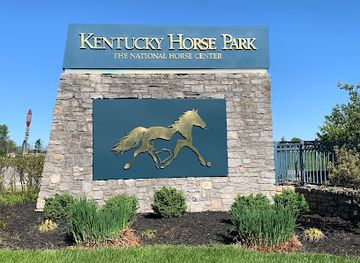
Kentucky Horse Park
Explore the Kentucky Horse Park: A premier equestrian attraction celebrating the bond between humans and horses in a picturesque setting.
32 min drive · 12 km from city centre
-
 Tourist attraction
Keeneland Association Inc
Experience the thrill of horse racing at Keeneland, a premier racecourse in Lexington, Kentucky, steeped in tradition and breathtaking landscapes.
27 min drive · 9.0 km from city centre

Best landmarks in Lexington
Lexington’s landmarks express its political history, equestrian identity and Bluegrass architecture. Ashland, the former home of statesman Henry Clay, is a substantial nineteenth-century estate whose house, gardens and surviving outbuildings illuminate the life of a nationally important Kentuckian. The Lexington Opera House, opened in 1887, remains a prominent Victorian-era presence on Main Street and continues to serve as a performance venue. Gratz Park preserves a formal green framed by historic houses and sits near Transylvania University, one of the oldest institutions of higher education west of the Allegheny Mountains. The Old Episcopal Burying Ground and Christ Church Cathedral add religious and civic layers to the historic centre. Keeneland’s restrained architecture and landscaped grounds represent the city’s modern thoroughbred tradition, while the former Lexington Brewing and Distilling Company site at Town Branch connects contemporary bourbon production with the city’s early industrial waterways.
-
Tourist attraction
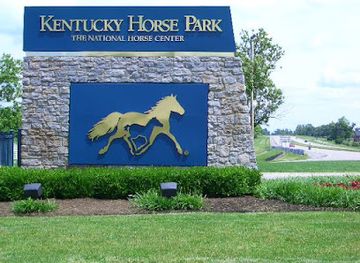
Kentucky Horse Park
Discover the beauty and history of horses at Kentucky Horse Park, an equestrian paradise in Lexington, offering unforgettable experiences for all ages.
32 min drive · 12 km from city centre
-
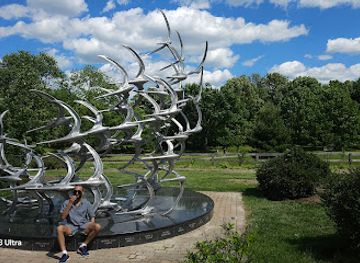
Arboretum
The Arboretum State Botanical Garden of Kentucky
Explore Kentucky's flora at The Arboretum State Botanical Garden, a serene retreat featuring diverse plant collections and educational exhibits.
9 min drive · 2.9 km from city centre
-
Nature preserve
Raven Run Nature Sanctuary
Experience the serene landscapes and diverse wildlife of Raven Run Nature Sanctuary, a premier nature preserve in the heart of Lexington, Kentucky.
39 min drive · 19 km from city centre
-
Park
McConnell Springs Park
Experience the natural beauty and historical significance of McConnell Springs Park in Lexington, KY, a perfect retreat for nature lovers and families.
8 min drive · 2.6 km from city centre
Explore Lexington on the map
Plan your Lexington trip on one map. See where the top attractions, landmarks, restaurants, bars and hotels are, find what's near where you're staying, and book hotels and experiences in a few clicks.
Neighbourhoods in Lexington
-

-


Swipe for more neighbourhoods
Best hotels in Lexington
Best restaurants in Lexington
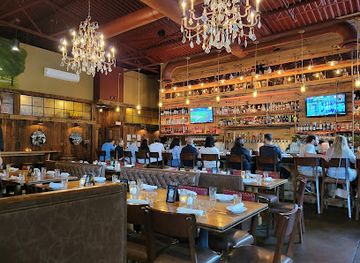
Lexington’s food culture reflects Kentucky’s farming traditions, bourbon industry and Southern cooking, with menus shaped by local beef, pork, poultry, seasonal vegetables and increasingly ambitious farm-to-table kitchens. Burgoo, a thick stew traditionally made with meat and vegetables, is associated with Kentucky communal cooking, while country ham, spoonbread, biscuits and locally produced cheeses appear in regional dining. Bourbon is used in sauces, desserts and cocktails, and the city’s breweries and distilleries have encouraged a food-and-drink scene that ranges from casual taprooms to polished restaurants. Downtown, the Distillery District, Chevy Chase and the areas around the University of Kentucky contain many of the city’s cafés, restaurants and bars. Farmers’ markets provide seasonal produce, baked goods and prepared foods, while independent coffee shops and bakeries give Lexington’s mornings a distinctly local character.
-
Steak
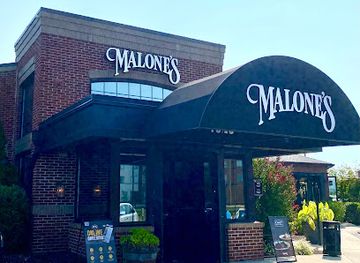
Malone's Hamburg
Experience the finest steaks and seafood at Malone's Hamburg in Lexington – where culinary excellence meets Southern hospitality.
25 min drive · 8.2 km from city centre
-
American
Carson's Food & Drink - On Main
Discover the exquisite flavors of American cuisine at Carson's Food & Drink in Lexington - where every dish tells a story.
13 min walk · 1.0 km from city centre
-
Family-friendly
Winchell's Restaurant and Bar
Experience family-friendly dining at Winchell's Restaurant & Bar in Lexington - where great American cuisine meets sports excitement.
10 min drive · 3.3 km from city centre
-
Cajun
Bourbon n' Toulouse
Discover the vibrant flavors of Cajun cuisine at Bourbon n' Toulouse in Lexington—perfect for all dietary preferences including gluten-free and vegan options.
5 min drive · 1.7 km from city centre
Best bars in Lexington
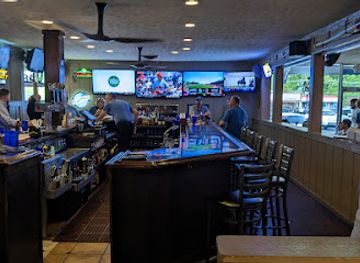
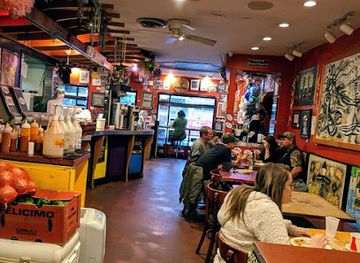
Lexington’s evening scene is active without resembling a major club capital, with most nightlife concentrated around downtown, the Distillery District and neighbourhood commercial areas such as Chevy Chase. Bourbon bars, breweries and cocktail lounges provide opportunities to explore Kentucky spirits, while live music appears in smaller venues, bars and theatres rather than in one single entertainment quarter. The Lexington Opera House hosts touring performances and cultural events, and Rupp Arena brings larger concerts, sport and entertainment to the city centre. The Distillery District combines renovated industrial surroundings with drinks, food and occasional live performances. Evenings around Main Street tend to move between restaurants, pubs and music venues, while university events add a younger dimension during term time. Visitors should expect American closing times and should arrange a taxi or ride service if drinking away from their accommodation.
-
Bar
Marikka's Restaurant & Bier Stube
Discover authentic German cuisine and a lively bar scene at Marikka's Restaurant & Bier Stube in Lexington, Kentucky.
9 min drive · 3.1 km from city centre
-
Grill
Rose & Jim's Bar & Grill
Discover the vibrant flavors and inviting atmosphere at Rose & Jim's Bar & Grill in Lexington, where great food meets friendly faces.
20 min drive · 6.8 km from city centre
-
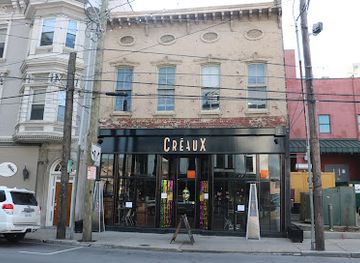
Cocktail bar
Creaux
Experience the vibrant nightlife of Lexington at Creaux, a cocktail bar and lounge offering expertly crafted drinks in a welcoming atmosphere.
13 min walk · 1.0 km from city centre
-
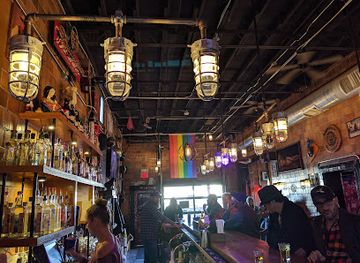
Bar
The Break Room
Discover The Break Room in Lexington, a welcoming bar with an extensive drink menu, vibrant atmosphere, and cozy outdoor seating.
6 min drive · 2.1 km from city centre
Best nightclubs in Lexington
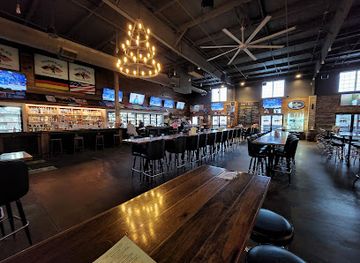
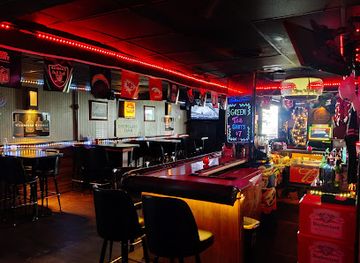
Lexington’s evening scene is active without resembling a major club capital, with most nightlife concentrated around downtown, the Distillery District and neighbourhood commercial areas such as Chevy Chase. Bourbon bars, breweries and cocktail lounges provide opportunities to explore Kentucky spirits, while live music appears in smaller venues, bars and theatres rather than in one single entertainment quarter. The Lexington Opera House hosts touring performances and cultural events, and Rupp Arena brings larger concerts, sport and entertainment to the city centre. The Distillery District combines renovated industrial surroundings with drinks, food and occasional live performances. Evenings around Main Street tend to move between restaurants, pubs and music venues, while university events add a younger dimension during term time. Visitors should expect American closing times and should arrange a taxi or ride service if drinking away from their accommodation.
-
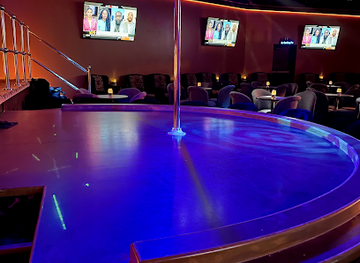
Night club
Cheetah Premier Gentlemen's Club of Lexington
Experience the vibrant nightlife at Cheetah Premier Gentlemen's Club in Lexington, offering top-tier adult entertainment and a luxurious lounge atmosphere.
13 min drive · 4.5 km from city centre
-
Night club
The Bar Complex
Experience the vibrant nightlife at The Bar Complex in Lexington, KY, where music, cocktails, and unforgettable moments come together.
11 min walk · 0.9 km from city centre
-
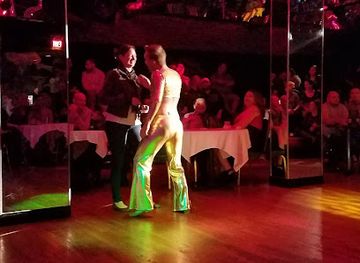
Bar
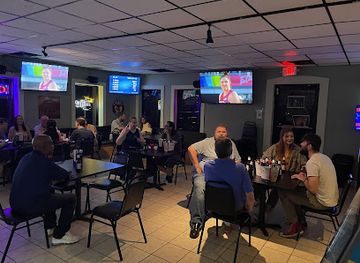
Neon Moon Bar & Lounge
Experience the lively nightlife at Neon Moon Bar & Lounge in Lexington, where karaoke meets sports in a vibrant atmosphere.
13 min drive · 4.4 km from city centre
-
Lounge
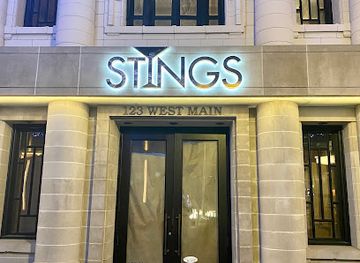
STINGS LOUNGE
Experience Lexington's vibrant nightlife at Stings Lounge, where stylish decor meets lively music and unforgettable moments await.
11 min walk · 0.9 km from city centre
Best shops in Lexington
Shopping in Lexington ranges from local food and handmade goods to independent fashion, antiques and contemporary retail. Downtown streets around Main Street and Short Street offer boutiques, galleries, bookshops and specialist businesses within easy reach of historic buildings and restaurants. The Lexington Farmers’ Market, held at different locations and times depending on the season, is a useful source of Kentucky produce, baked goods, preserves and artisan products. Chevy Chase provides a neighbourhood shopping atmosphere, while The Summit at Fritz Farm combines national retailers with restaurants and open-air public spaces. Visitors looking for regional gifts can consider bourbon-related goods, Kentucky-made foods, horse-themed objects, ceramics, leatherwork and locally designed crafts, but should distinguish genuinely produced items from generic souvenirs. Antique and vintage shops in older commercial areas add another dimension to the city’s retail character.
-
Flea market
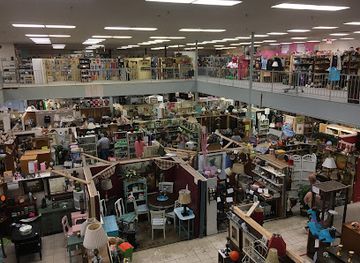
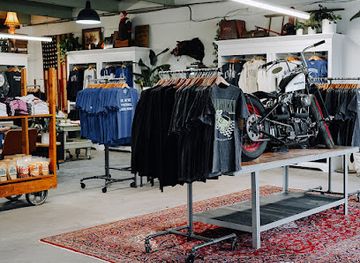
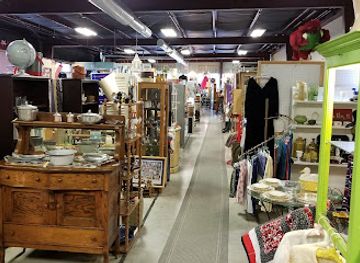
Lexington Peddlers Mall
Explore the vibrant Lexington Peddlers Mall, where unique treasures and local crafts await every curious shopper.
14 min drive · 4.6 km from city centre
-
Gift shop
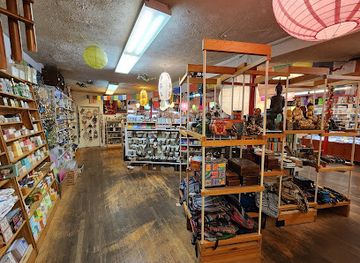
sQecial Media
Explore sQecial Media in Lexington, KY—your go-to destination for unique gifts, books, and metaphysical treasures that capture local charm.
2 min walk · 0.2 km from city centre
-
Clothing store
The Kentucky Shop
Explore The Kentucky Shop in Lexington for unique clothing and local crafts that celebrate the spirit of Kentucky.
5 min drive · 1.5 km from city centre
-
Antique store
Feather Your Nest
Explore unique vintage finds and charming antiques at Feather Your Nest, Lexington's beloved antique store with a warm atmosphere.
9 min drive · 2.9 km from city centre
Get your free copy of our complete guide to Lexington, delivered straight to you.
Everything on this page, from attractions and restaurants to essentials and local phrases, in one PDF you can read offline, print or share.
Already have an account? Sign in
Your Lexington guide is ready.
We'll send it to · Not you? Sign out

Getting your guide ready…
We are putting together a fresh copy of the Lexington guide. This can take up to a minute.
This can take a few moments. If your browser asks, choose Allow so the download can start. You'll find the guide in your Downloads folder.
Nothing happened? Download it again
Sorry, the guide is taking longer than usual. Please try again in a minute, or get it by email instead.
Lexington essentials
Currency and Payment
Safety
Emergency Situations
Do's and Don'ts
Local Tips
From Eve
Local phrases worth knowing
You don't need to get them perfect. A few words go a long way, and locals appreciate the effort.
Basics
| English | Local | Say it |
|---|---|---|
| Hello | Howdy | [haw-dee] |
| Goodbye | See ya | [see yuh] |
| Yes | Yep | [yep] |
| No | Nah | [na] |
| Please/You're welcome | Please/You're welcome | [please/yer welcome] |
| Thank you | Thank ya | [thank yuh] |
| Excuse me/Sorry | Pardon me/My bad | [par-dun me/my bad] |
| How are you? | How ya doin'? | [how yuh doin'] |
| Fine. And you? | Fine. And you? | [fine. and yuh?] |
| Do you speak English? | Ya speak English? | [ya speak ing-lish?] |
| I don't understand | I don't git it | [I don't git it] |
Eating & Drinking
| English | Local | Say it |
|---|---|---|
| I'd like to see the menu, please | I'd like to see the menu, please | [I'd like to see the menu, please] |
| I don't eat meat | I don't eat meat | [I don't eat meat] |
| Cheers! | Cheers! | [Cheers!] |
| I would like to pay, please | I would like to pay, please | [I would like to pay, please] |
Emergencies
| English | Local | Say it |
|---|---|---|
| Help! | Help! | [Help!] |
| Go away! | Git outta here! | [Git outta here!] |
| Call the Police! | Call the Police! | [Call the Police!] |
| Call a doctor! | Call a doc! | [Call a doc!] |
| I'm lost | I'm lost | [I'm lost] |
| I'm ill | I'm sick | [I'm sick] |
Shopping
| English | Local | Say it |
|---|---|---|
| I'd like to buy... | I wanna buy... | [I wanna buy...] |
| I'm just looking | I'm just lookin' | [I'm just lookin'] |
| How much is it? | How much fer it? | [how much fer it?] |
| That's too expensive | That's too pricey | [That's too pricey] |
| Can you lower the price? | Can ya drop the price? | [Can ya drop the price?] |
Time & Numbers
| English | Local | Say it |
|---|---|---|
| What time is it? | What time is it? | [What time is it?] |
| It's one o'clock | It's one o'clock | [It's one o'clock] |
| Half past (10) | Half past (10) | [Half past (10)] |
| Morning | Morning | [Morning] |
| Afternoon | Afternoon | [Afternoon] |
| Evening | Evening | [Evening] |
| Yesterday | Yesterday | [Yesterday] |
| Today | Today | [Today] |
| Tomorrow | Tomorrow | [Tomorrow] |
| 1 | One | [One] |
| 2 | Two | [Two] |
| 3 | Three | [Three] |
| 4 | Four | [Four] |
| 5 | Five | [Five] |
| 6 | Six | [Six] |
| 7 | Seven | [Seven] |
| 8 | Eight | [Eight] |
| 9 | Nine | [Nine] |
| 10 | Ten | [Ten] |
Transport & Directions
| English | Local | Say it |
|---|---|---|
| Where's a/the...? | Where's a/the...? | [Where's a/the...?] |
| What's the address? | What's the address? | [What's the address?] |
| Can you show me (on the map)? | Can you show me (on the map)? | [Can you show me (on the map)?] |
| When's the next (bus)? | When's the next (bus)? | [When's the next (bus)?] |
| A ticket (to ....) | A ticket (to ....) | [A ticket (to ....)] |
History of Lexington
A Frontier Settlement Named Lexington
European-American settlement in the area began in the 1770s, when pioneers entered the central Kentucky grasslands after earlier Indigenous peoples, including the Shawnee and other Native nations, had used and contested the region. In 1775, a group of settlers established a station named Lexington after Lexington, Massachusetts, where the opening clash of the American Revolutionary War had taken place. The settlement developed around a fortified community and nearby springs, benefiting from fertile soil, abundant natural resources and its position within the expanding Kentucky frontier. Lexington was formally chartered as a town in 1782, soon after Kentucky became a county of Virginia. Its early growth established the street pattern and civic importance that still underpin the modern city.
Education, Commerce and Early Statehood
During the late eighteenth and early nineteenth centuries, Lexington became an important centre of education and commerce in the western United States. Transylvania University, founded in 1780 and relocated to Lexington in 1789, helped establish the town as an intellectual hub. The city’s merchants served farmers and livestock breeders across the Bluegrass, while roads and turnpikes connected it with settlements throughout Kentucky. Lexington also became associated with prominent statesmen, including Henry Clay, whose Ashland estate reflects the region’s political and agricultural elite. Enslaved labour supported many farms and households, and free and enslaved African Americans contributed substantially to the city’s economy and culture despite severe legal and social restrictions.
Horses and the Bluegrass Economy
The Bluegrass landscape’s fertile soils and distinctive limestone pasture encouraged the development of livestock agriculture, particularly horse breeding. By the nineteenth century, Lexington had gained a national reputation for raising and trading fine horses, with the surrounding farms supplying animals for work, transport and racing. Agricultural fairs and formal racing institutions helped turn equestrian activity into a major commercial and cultural tradition. The Civil War disrupted Kentucky society and divided loyalties, although Lexington was not the scene of the war’s best-known central Kentucky battles. After the conflict, horse breeding, tobacco, hemp and regional trade continued to shape the economy, while rail connections strengthened Lexington’s links with wider American markets.
Industry, Railways and Modern Institutions
The late nineteenth and early twentieth centuries brought industrial expansion, railway connections and new civic institutions. Lexington’s economy continued to rely on agriculture and tobacco while also developing manufacturing, milling and commercial services. The University of Kentucky, established in Lexington in 1865 as the Agricultural and Mechanical College of Kentucky, became an increasingly influential centre for education, research and public life. Urban neighbourhoods expanded beyond the early core, and streetcars and later automobiles changed the relationship between downtown and the countryside. Many houses, churches and commercial buildings from this period remain visible in districts such as Gratz Park, downtown and the surrounding older residential streets.
Racing, Bourbon and Urban Renewal
Twentieth-century Lexington reinforced its international reputation through thoroughbred racing and horse sales, particularly after Keeneland opened in 1936. The racecourse’s setting and architecture helped preserve a strong connection between the city and its surrounding farms. Lexington also became part of Kentucky’s growing bourbon tourism economy, with Town Branch Distillery bringing whiskey production into the urban centre and nearby distilleries contributing to regional visitor routes. In recent decades, preservation projects, university growth, arts institutions and the redevelopment of former industrial areas have reshaped the city without erasing its agricultural identity. The result is a city where historic estates, equestrian businesses, breweries, distilleries and contemporary cultural venues share the same Bluegrass setting.
Lexington in Photos
Browse through our photo collection highlighting the charm and character of the destination.
Cities near Lexington
The closest cities to Lexington, if you have time for more than one stop.
-

-

-

-

-


Swipe for more cities
Explore more

Explore more of Kentucky
Discover Kentucky, a land of natural wonders, historic landmarks, and rich cultural heritage. From horse racing to bourbon distilleries, this state has it all.
Explore Kentucky