

Free Drenica Travel Guide & Mobile App
Explore Drenica with free travel guides. Discover regional history, expert tips, proposed trips, and audio guides on web or mobile app.


Explore Drenica in central Kosovo for memorial heritage, rolling hills, rural villages, local food and the layered history of Skenderaj and Drenas.
Read more about Drenica
When is the best time to visit Drenica?
Best: June–July, September · 24–29°C| Month | High (°C) | Rainfall (mm) |
|---|---|---|
| January | 5 | 50 |
| February | 7 | 45 |
| March | 13 | 50 |
| April | 18 | 55 |
| May | 21 | 60 |
| June (best) | 26 | 55 |
| July (best) | 29 | 40 |
| August | 29 | 45 |
| September (best) | 24 | 50 |
| October | 18 | 55 |
| November | 11 | 60 |
| December | 7 | 55 |
Getting to and around Drenica
How to get there
Transportation
Top city travel guides in Drenica
The cities of Drenica, and the easiest places to base yourself.

Swipe for more cities
Best attractions in Drenica
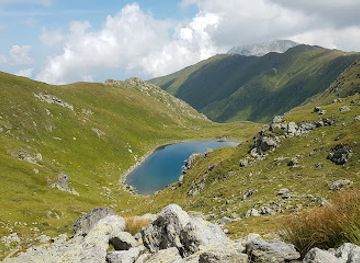
Drenica’s attractions are chiefly historical, rural and commemorative rather than built around large commercial visitor complexes. Prekaz is the principal destination, with the Adem Jashari Memorial Complex presenting a powerful account of the 1998 events and their place in Kosovo’s modern national memory. Nearby Skenderaj provides cafés, everyday town life and a practical base for exploring the surrounding villages. The Monastery of Devič, in a rural setting on the western side of the region, offers an important encounter with medieval Serbian Orthodox heritage, although visitors should confirm access arrangements before travelling. Around Drenas and Skenderaj, secondary roads lead through cultivated valleys, wooded slopes and scattered settlements where walking, photography and landscape observation are more appropriate than formal sightseeing. The hills are not a developed trekking destination, but short outings can offer broad views across central Kosovo when weather and road conditions permit. Local cafés, family celebrations and village architecture add cultural interest, while the region’s post-war memorial landscape encourages thoughtful historical travel. Drenica is best experienced slowly, with time divided between its significant sites and the ordinary rural environments that continue to shape regional life.
-
Tourist attraction
Mirusha Waterfalls
Experience the breathtaking beauty of Mirusha Waterfalls, a natural wonder in Kosovo perfect for adventure seekers and nature lovers alike.
-
Memorial
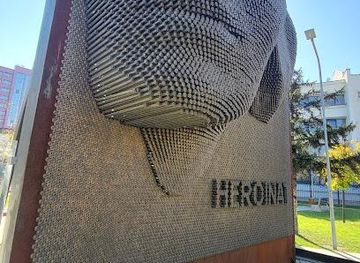
Memorial HEROINES - Memoriali HEROINAT
Explore the Memorial HEROINES in Pristina, a moving tribute to the courageous women of Kosovo’s past, set within a tranquil and reflective park.
-
Park
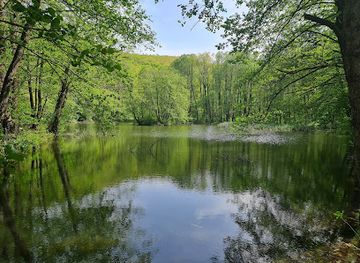
Blinaje
Discover the tranquil beauty of Blinaje Park in Lipljan, a serene retreat perfect for nature lovers and outdoor enthusiasts seeking adventure.
-
Theme park
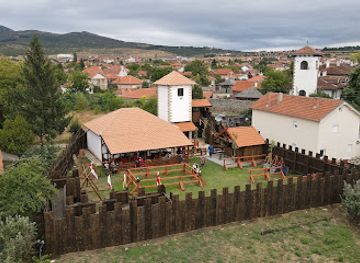
Ordo Draconis
Experience the magic of Ordo Draconis in Gračanica, a theme park filled with adventure, culture, and unforgettable attractions for every traveler.

Best landmarks in Drenica
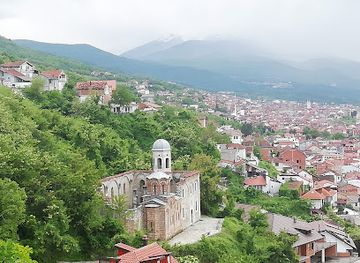
The Adem Jashari Memorial Complex at Prekaz is Drenica’s most recognisable landmark and one of Kosovo’s most symbolically important modern memorial sites. Its preserved houses, graves and commemorative setting recall the Jashari family and the March 1998 events that became central to the country’s war memory. The Monastery of Devič is the region’s principal medieval landmark, a Serbian Orthodox religious complex associated with the cult of Saint Joanikije of Devič and valued for its historical and spiritual significance. It stands in a rural landscape rather than an urban centre, reinforcing the agricultural character of western Drenica. The hills and valleys around the Drenica River provide a less monumental but defining geographical landmark: their wooded ridges, fields and dispersed villages explain the region’s historic patterns of movement and settlement. Drenas and Skenderaj contain no single monumental skyline comparable with Kosovo’s major historic cities, yet their municipal centres, roadside businesses and newer housing reveal the region’s post-war reconstruction and continuing connection with the diaspora. Together, these places represent Drenica’s layered identity as a rural homeland, a contested historical landscape and a contemporary part of Kosovo.
-
Sculpture
Newborn Monument
Discover the Newborn Monument in Pristina, a vibrant symbol of Kosovo's independence, culture, and resilience, perfect for any travel itinerary.
-
Monastery
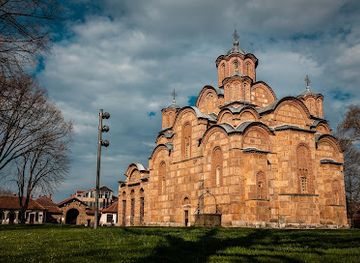
Serbian Orthodox Monastery Gračanica
Discover the breathtaking beauty and rich history of Gračanica Monastery, a UNESCO World Heritage Site nestled in the heart of Kosovo.
-
Fortress
Prizren Fortress
Explore the historic Prizren Fortress, a breathtaking landmark offering stunning views and a deep dive into Kosovo's rich cultural heritage.
-
National park
Sharr Mountain National Park
Discover the breathtaking landscapes and vibrant wildlife of Sharr Mountain National Park, a premier destination for outdoor adventures and nature lovers in Kosovo.

Explore Drenica on the map
Plan your trip on one map. See where the top cities, national parks and sights are, and book hotels and experiences in a few clicks.
Best hotels in Drenica
Best restaurants in Drenica
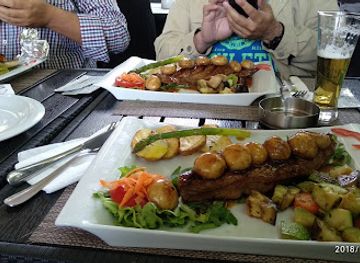
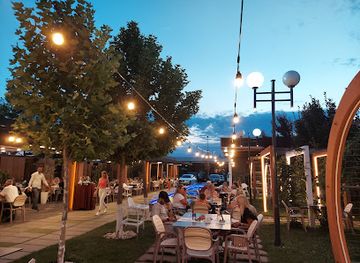
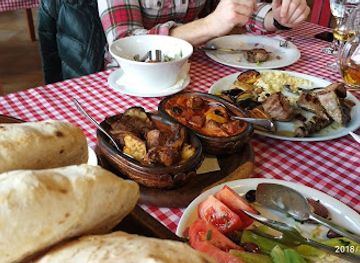
Dining in Drenica is centred on Albanian and wider Kosovo home-style cooking, with the greatest choice found in Drenas and Skenderaj rather than in the villages. Grilled meats, qofte, chicken, stuffed peppers, beans, fresh salads, bread, yoghurt and savoury pastries are common, while burek and other Balkan baked dishes make practical breakfasts or light meals. Family-run restaurants and cafés often serve generous portions alongside strong Turkish-style coffee, soft drinks and locally familiar sweets. Menus may be limited outside the towns, but this can provide a more direct taste of everyday regional food than an international restaurant. Visitors should look for seasonal produce, including peppers, tomatoes and dairy products, and ask what has been prepared that day. Kosovo’s food culture overlaps considerably with that of neighbouring regions, so dishes should not automatically be described as exclusive to Drenica. Evening meals tend to be social and unhurried, and a small amount of cash is useful in village establishments where card payment may not be available.
-
Grill
Taverna Tirana
Experience authentic Kosovar flavors at Taverna Tirana - where delicious grill dishes meet warm hospitality in the heart of Pristina.
-
Restaurant
Princesha Gresa Restaurant
Experience authentic Kosovar cuisine at Princesha Gresa Restaurant in Pristina - a culinary delight for every traveler.
-
Restaurant
Restaurant ORA since
Experience authentic local cuisine at Restaurant ORA – where every dish tells a story of tradition and flavor.
-
Restaurant
Country House
Experience authentic Balkan cuisine at Country House in Bërnicë e Epërme - where every meal tells a story.
Best bars in Drenica
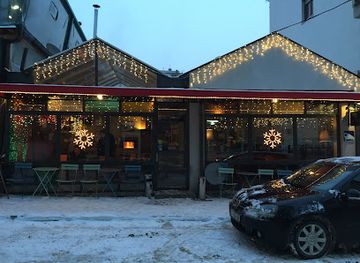
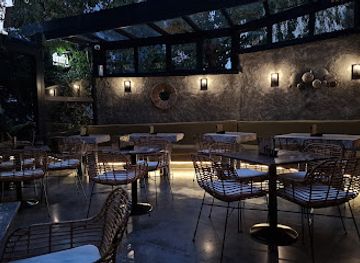
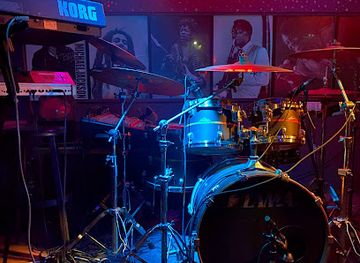
Drenica’s evening life is modest and sociable, with cafés, restaurants and traditional coffeehouses forming the main centres of activity in Drenas and Skenderaj. Many venues serve coffee throughout the day and become informal meeting places in the evening, while some restaurants offer grilled food and a selection of beer or spirits. The region does not have a major, concentrated nightclub scene comparable with Pristina, and nightlife in the villages is generally quiet and family-oriented. Occasional live music or celebrations may take place in restaurants and event venues, particularly at weekends or during private functions, but these are not dependable tourist attractions. Visitors seeking a later urban evening can travel to Pristina outside Drenica, although a return journey should be arranged in advance rather than left to uncertain late transport. Drinking is not necessary to participate in local evening culture; conversation, coffee and dining are equally central to social life.
-
Gastropub
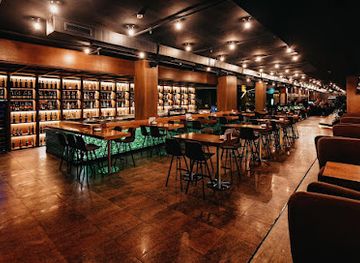
Soma Book Station
Discover the perfect fusion of food and literature at Soma Book Station in Pristina, where every visit is a delicious story waiting to be told.
-
Restaurant
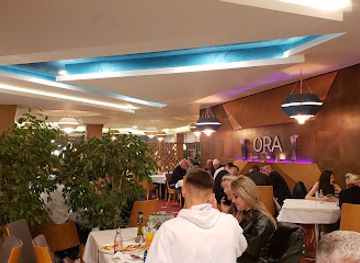
Restaurant ORA since
Discover the authentic tastes of local cuisine at Restaurant ORA, where every meal is a celebration of regional flavors.
-
Bar
Priview Bar
Discover the vibrant nightlife at Priview Bar in Pristina, where amazing drinks and lively music create an unforgettable experience.
-
Cocktail bar
tintin cocktail bar
Discover the vibrant atmosphere and exquisite cocktails of Tintin Cocktail Bar in Pristina, a must-visit for nightlife enthusiasts.

Best nightclubs in Drenica
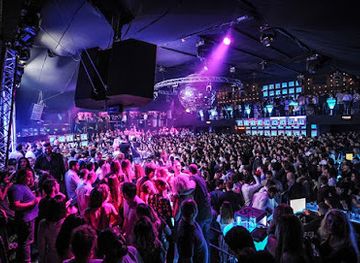
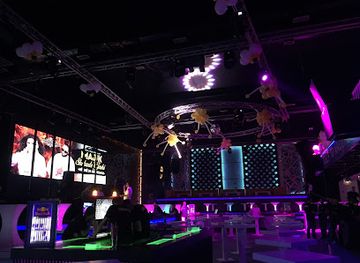
Drenica’s evening life is modest and sociable, with cafés, restaurants and traditional coffeehouses forming the main centres of activity in Drenas and Skenderaj. Many venues serve coffee throughout the day and become informal meeting places in the evening, while some restaurants offer grilled food and a selection of beer or spirits. The region does not have a major, concentrated nightclub scene comparable with Pristina, and nightlife in the villages is generally quiet and family-oriented. Occasional live music or celebrations may take place in restaurants and event venues, particularly at weekends or during private functions, but these are not dependable tourist attractions. Visitors seeking a later urban evening can travel to Pristina outside Drenica, although a return journey should be arranged in advance rather than left to uncertain late transport. Drinking is not necessary to participate in local evening culture; conversation, coffee and dining are equally central to social life.
-
Night club
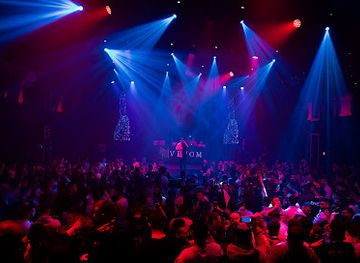
Venom Nightclub
Discover the electrifying nightlife at Venom Nightclub in Prishtina, where unforgettable experiences await every night.
-
Night club
ZONE Club
Discover the heartbeat of Pristina's nightlife at ZONE Club, where music, dance, and fun collide for an unforgettable evening.
-
Night club
Diamonds Club
Join the energetic nightlife at Diamonds Club in Ferizaj, where vibrant music and exciting atmosphere create unforgettable party experiences.
-
Night club
Zanzi Bar
Experience the vibrant nightlife of Pristina at Zanzi Bar, where electrifying music and a lively atmosphere await.
Best shops in Drenica
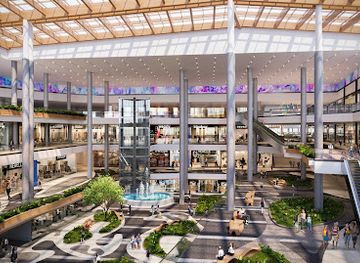
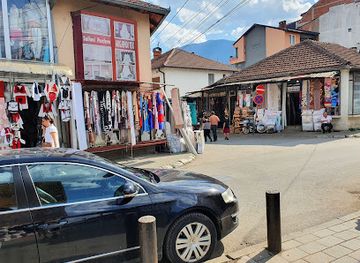
Shopping in Drenica is practical and locally focused, with the main concentration of shops in Drenas and Skenderaj. Town high streets and central commercial areas provide supermarkets, bakeries, clothing shops, pharmacies, cafés and small household businesses rather than large specialist shopping centres. Visitors can look for Kosovo-made food products, honey, dairy items, preserves, baked goods and seasonal fruit and vegetables, although availability varies by season and seller. Small markets and roadside stalls may offer produce from nearby villages, while bakeries are useful for burek, bread and pastries to take on the road. Traditional handicrafts are not organised into a single major tourist market, so locally made textiles, decorative items or small gifts are best found by asking accommodation providers or residents for reputable sellers. Drenica’s most meaningful purchases are often edible or practical rather than branded souvenirs. Carry cash for independent shops and village stalls, and remember that opening arrangements and market activity can change according to the day, season and local calendar.
-
Shopping mall
Albi Mall
Explore Albi Mall, a shopping paradise in Prishtina, offering diverse brands, dining experiences, and entertainment that reflect the vibrant local culture.
-
Shopping mall
Prishtina Mall
Explore Prishtina Mall: A shopping paradise offering local and international brands, diverse dining options, and entertainment for an unforgettable experience.
-
Bazar
Bazaar of Peja
Explore the heart of Peja at the Bazaar, where local crafts, delicious foods, and vibrant culture come together in a unique marketplace experience.
-
Shopping mall
Royal Mall
Explore Royal Mall, Pristina's ultimate shopping destination with diverse stores, delightful dining, and exciting entertainment for everyone.


Get your free copy of our complete guide to Drenica, delivered straight to you.
Everything on this page, from attractions and restaurants to essentials and local phrases, in one PDF you can read offline, print or share.
Already have an account? Sign in
Your Drenica guide is ready.
We'll send it to · Not you? Sign out

Getting your guide ready…
We are putting together a fresh copy of the Drenica guide. This can take up to a minute.
This can take a few moments. If your browser asks, choose Allow so the download can start. You'll find the guide in your Downloads folder.
Nothing happened? Download it again
Sorry, the guide is taking longer than usual. Please try again in a minute, or get it by email instead.
Drenica essentials
Currency and Payment
Safety
Emergency Situations
Do's and Don'ts
Local Tips
From Eve
Local phrases worth knowing
You don't need to get them perfect. A few words go a long way, and locals appreciate the effort.
Basics
| English | Local | Say it |
|---|---|---|
| Hello | Përshëndetje | [Për-shen-de-te] |
| Goodbye | Mirupafshim | [Mi-ru-paf-shim] |
| Yes | Po | [Po] |
| No | Jo | [Yo] |
| Please/You're welcome | Të lutem | [Të lu-tem] |
| Thank you | Faleminderit | [Fa-le-min-de-rit] |
| Excuse me/Sorry | Më falni | [Më fal-ni] |
| How are you? | Si jeni? | [Si ye-ni] |
| Fine. And you? | Mirë. Po ti? | [Mirë. Po ti?] |
| Do you speak English? | A flisni anglisht? | [A flis-ni an-glisht?] |
| I don't understand | Nuk kuptoj | [Nuk kup-toj] |
Eating & Drinking
| English | Local | Say it |
|---|---|---|
| I'd like to see the menu, please | Do doja të shoh menunë, të lutem | [Do do-ja të sho-h me-nu-në, të lu-tem] |
| I don't eat meat | Nuk ha mish | [Nuk ha mish] |
| Cheers! | Gëzuar! | [Gë-zu-ar] |
| I would like to pay, please | Do doja të paguaj, të lutem | [Do do-ja të pa-gu-aj, të lu-tem] |
Emergencies
| English | Local | Say it |
|---|---|---|
| Help! | Ndihmë! | [Ndi-hmë] |
| Go away! | Shkoni larg! | [Shko-ni larg] |
| Call the Police! | Thirrni Policinë! | [Thir-rni Po-li-ci-në] |
| Call a doctor! | Thirrni një doktor! | [Thir-rni një dok-tor] |
| I'm lost | Jam humbur | [Jam hum-bur] |
| I'm ill | Jam i sëmurë | [Jam i së-murë] |
Shopping
| English | Local | Say it |
|---|---|---|
| I'd like to buy... | Do doja të blej... | [Do do-ja të blej] |
| I'm just looking | Po shoh vetëm | [Po sho-h ve-tëm] |
| How much is it? | Sa kushton? | [Sa kushton?] |
| That's too expensive | Kjo është shumë e shtrenjtë | [Kjo është shumë e shtrenjtë] |
| Can you lower the price? | A mund të ulni çmimin? | [A mund të ul-ni çmi-nin?] |
Time & Numbers
| English | Local | Say it |
|---|---|---|
| What time is it? | Sa është ora? | [Sa është o-ra?] |
| It's one o'clock | Është një orë | [Është një o-rë] |
| Half past (10) | Pjesë pas (10) | [Pje-së pas (10)] |
| Morning | Mëngjes | [Mëng-jes] |
| Afternoon | Pasdite | [Pas-di-te] |
| Evening | Darkë | [Dar-kë] |
| Yesterday | Dje | [Dje] |
| Today | Sot | [Sot] |
| Tomorrow | Nesër | [Ne-sër] |
| 1 | 1 | [1] |
| 2 | 2 | [2] |
| 3 | 3 | [3] |
| 4 | 4 | [4] |
| 5 | 5 | [5] |
| 6 | 6 | [6] |
| 7 | 7 | [7] |
| 8 | 8 | [8] |
| 9 | 9 | [9] |
| 10 | 10 | [10] |
Transport & Directions
| English | Local | Say it |
|---|---|---|
| Where's a/the...? | Ku është një ...? | [Ku është një ...?] |
| What's the address? | Cila është adresa? | [Ci-la është a-dre-sa?] |
| Can you show me (on the map)? | A mund të më tregoni (në hartë)? | [A mund të më tre-go-ni (në har-të)?] |
| When's the next (bus)? | Kur është autobusi tjetër? | [Kur është au-to-bu-si tjet-er?] |
| A ticket (to ....) | Një biletë (për ....) | [Një bi-le-të (për ....)] |
History of Drenica
Early Settlement and the Drenica Landscape
Drenica’s valleys and low hills formed part of the long-settled interior of the central Balkans. Archaeological evidence from the wider Kosovo area points to prehistoric farming communities, while later populations used the region’s fertile pockets, woodland and routes between the Kosovo basin and the Dukagjin plain. Much of the countryside has been transformed by modern agriculture and construction, so prehistoric remains are not always presented as visitor sites. Nevertheless, the region’s pattern of dispersed villages, cultivated slopes and watercourses reflects a long relationship between settlement and a moderately fertile upland environment.
Medieval Serbian Rule and Orthodox Heritage
During the medieval period, Drenica formed part of territories ruled by Serbian dynasties and connected to the wider political and ecclesiastical world of medieval Kosovo. The Monastery of Devič, traditionally associated with the fifteenth-century saint Joanikije of Devič, is the most significant surviving religious monument directly linked with the region. Its history, architecture and continued Orthodox importance provide evidence of medieval Serbian religious culture, while its later damage and restoration also reflect the region’s unsettled modern history. Visitors should approach the monastery as a living religious site as well as a historic monument.
Ottoman Administration and Rural Change
After the Ottoman conquest of Kosovo in the fifteenth century, Drenica was incorporated into the empire’s administrative and economic system. Ottoman rule lasted for several centuries and influenced landholding, settlement, taxation, trade and religious life across the region. Islamic institutions and vernacular building traditions became part of the broader cultural landscape, alongside older Christian sites. Drenica remained predominantly rural, with villages linked to market centres and agricultural production rather than large urban industry. Many present-day customs and foods belong to a wider Kosovo and Balkan inheritance shaped during and after this period.
The Late Ottoman Period and Albanian National Movements
In the late nineteenth and early twentieth centuries, political uncertainty, competing national programmes and resistance to Ottoman authority affected Kosovo, including Drenica. Albanian-speaking communities were drawn into movements concerned with education, political representation and territorial rights, while the decline of Ottoman rule brought new borders and administrations. The region’s rugged terrain and strong village networks later contributed to its reputation as a centre of resistance. These developments cannot be separated from the wider political upheavals of the Balkans, including the Balkan Wars and the incorporation of Kosovo into the Kingdom of Serbia after 1912.
Yugoslav Period and Rural Modernisation
Between the two world wars and after 1945, Drenica was governed within Yugoslav state structures, with Kosovo’s constitutional position changing significantly during the socialist period. Roads, schools, public services and industrial employment expanded, although rural areas continued to face economic disparities and limited opportunities. The growth of nearby mining and industrial centres affected household incomes, while migration to cities and abroad became increasingly important. The region retained a predominantly Albanian social character, and tensions over political rights, employment and autonomy intensified during the final decades of socialist Yugoslavia.
The Kosovo War, 1998–1999
Drenica was one of the principal theatres of the Kosovo War. The region became closely associated with the Kosovo Liberation Army and with fighting between the KLA and Yugoslav and Serbian forces. Events in villages including Prekaz, where the Jashari family was killed in March 1998, had profound national and international consequences. The conflict caused deaths, displacement, destruction and lasting trauma among residents. Memorial sites in Drenica preserve the memory of those events, but they also require careful interpretation: the war remains politically and emotionally sensitive, and visitors should avoid treating places of mourning as ordinary sightseeing stops.
Post-war Reconstruction and Contemporary Drenica
After the 1999 conflict, Drenica underwent extensive reconstruction, the return or resettlement of displaced residents, and the rebuilding of homes, roads, schools and public institutions. Kosovo’s declaration of independence in 2008 provided a new constitutional context, while international migration and remittances continued to influence the appearance and economy of villages. Today, Drenas and Skenderaj combine municipal services, small businesses and cafés with a largely rural hinterland. Memorial tourism and historical interest are growing gradually, but everyday life remains centred on family, work, agriculture, education and connections with the Kosovo diaspora.
Drenica in Photos
Browse through our photo collection highlighting the charm and character of the destination.
Neighbouring regions of Drenica
The closest regions to Drenica, if you have time for more than one.
-

-

-

-

-


Swipe for more regions
Explore more
Explore more of Kosovo
Discover Kosovo: A Blend of Ancient History, Vibrant Culture, and Stunning Natural Beauty in the Heart of the Balkans.
Explore Kosovo