

Free Shala Travel Guide & Mobile App
Explore Shala with free travel guides. Discover regional history, expert tips, proposed trips, and audio guides on web or mobile app.


Explore Shala in Kosovo for wooded highlands, village life, Trepča’s mining heritage and quiet mountain roads near Mitrovica.
Read more about Shala
When is the best time to visit Shala?
Best: June–August · 22–25°C| Month | High (°C) | Rainfall (mm) |
|---|---|---|
| January | 4 | 30 |
| February | 4 | 30 |
| March | 7 | 40 |
| April | 12 | 50 |
| May | 17 | 60 |
| June (best) | 22 | 50 |
| July (best) | 25 | 40 |
| August (best) | 24 | 40 |
| September | 20 | 50 |
| October | 14 | 60 |
| November | 9 | 50 |
| December | 5 | 40 |
Getting to and around Shala
How to get there
Transportation
Top city travel guides in Shala
The cities of Shala, and the easiest places to base yourself.
-
-

-


Swipe for more cities
Best attractions in Shala
Shala’s attractions are primarily landscape-based and historical rather than heavily developed visitor facilities. The wooded uplands around Bajgorë provide opportunities for short walks, scenic drives, seasonal photography and observation of rural life, while open pasture and high slopes offer a sense of the region’s traditional pastoral economy. Routes should be planned with local advice because many are roads or informal paths rather than marked tourism trails. The Trepča mining landscape around Stan Tërg is the region’s most distinctive heritage subject: mine buildings, settlement patterns and industrial infrastructure reveal how mineral extraction shaped northern Kosovo, although active or restricted areas should never be entered without permission. Small villages and roadside viewpoints offer encounters with vernacular architecture and mountain agriculture, but they are living communities rather than formal attractions. Shala is also useful for visitors studying the relationship between geology, industry and post-war social change. There are no dense clusters of museums, amusement facilities or organised outdoor centres in the highlands, so a visit is best combined with careful self-guided observation, a locally arranged excursion or a broader itinerary including Mitrovica outside the region.
-
Memorial
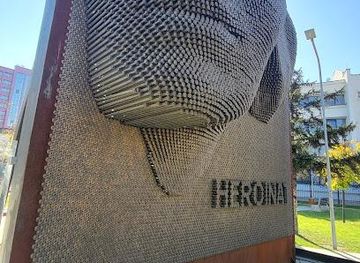
Memorial HEROINES - Memoriali HEROINAT
Explore the Memorial HEROINES in Pristina, a powerful tribute to the courage of women during the Kosovo War, blending history and art in a serene park setting.
-
Winery
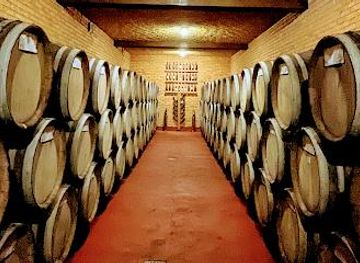
Kosova Wine Winery
Explore the exquisite wines and stunning scenery at Kosova Wine Winery, a premier destination for wine lovers in the heart of Rahovec.
-
Tourist attraction
Guri i Plakes
Explore Guri i Plakes – a stunning natural wonder in Drenas, where breathtaking views meet rich cultural heritage.

Best landmarks in Shala
The defining landmark of Shala is the Trepča mining landscape at Stan Tërg, whose industrial structures and surrounding settlement embody the region’s long connection with lead and zinc extraction. It is a place of historical significance rather than a conventional freely accessible tourist complex, and visitors should observe from public areas unless authorised otherwise. Bajgorë provides the cultural geographical reference for Shala e Bajgorës, while the surrounding mountain ridges, forested slopes and open pasture form a broad natural landmark visible across the upland roads. These landscapes explain why the area supported pastoral communities as well as mining settlements. The contrast between traditional villages and large-scale industrial remains is especially important: it records the shift from seasonal rural economies to twentieth-century wage employment and then to post-war uncertainty. Unlike a region centred on a single castle or monumental city, Shala’s landmarks are dispersed and often modest in appearance. Their value comes from the relationship between geology, settlement, industry and memory, so local interpretation is useful when viewing them.
-
Sculpture
Newborn Monument
Explore the Newborn Monument in Pristina, a powerful symbol of Kosovo's independence and a must-visit landmark for every traveler.
-
Fortress
Prizren Fortress
Discover the enchanting Prizren Fortress, a historical gem offering breathtaking views and a rich tapestry of Kosovo's heritage.
-
Mosque
Sinan Pasha Mosque
Discover the stunning Ottoman architecture and rich cultural heritage of Sinan Pasha Mosque in Prizren, a must-visit historical landmark for every traveler.
-
Catholic cathedral
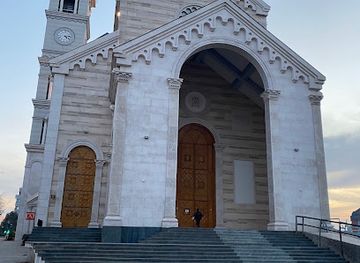
Cathedral of Saint Mother Teresa
Explore the stunning Cathedral of Saint Mother Teresa in Pristina, a symbol of faith, resilience, and architectural brilliance in Kosovo's vibrant capital.


Explore Shala on the map
Plan your trip on one map. See where the top cities, national parks and sights are, and book hotels and experiences in a few clicks.
Best hotels in Shala
Best restaurants in Shala
Dining in Shala is predominantly rural and home-style, with the most reliable choices found in family homes, small village establishments and places on the approach from Mitrovica rather than in a concentrated restaurant district. Local cooking reflects the wider food culture of Kosovo: flija, a layered baked dish, filled pastries, grilled meat, beans, potatoes, fresh dairy products, bread, seasonal vegetables and preserves are common regional reference points. Mountain households may also produce honey, yoghurt and simple cheeses, while herbal teas are appropriate to the upland setting. Menus and opening arrangements can be informal, so advance arrangements are sensible for groups or visitors travelling beyond the main roads. Mitrovica offers a broader choice of cafés and restaurants before or after a mountain excursion. Visitors should distinguish between food traditionally prepared in Shala and dishes shared across Kosovo and the wider Balkans; the region’s culinary identity lies more in its ingredients, hospitality and rural preparation than in a single exclusive speciality.
-
Gastropub
Soma Book Station
Discover Soma Book Station in Pristina - where culinary excellence meets literary charm for an unforgettable dining experience.
-
Restaurant
Pishat
Experience the best of Kosovar cuisine at Pishat in Pristina - where tradition meets modernity in every delicious dish.
-
Grill
Taverna Tirana
Experience the best of Kosovar cuisine at Taverna Tirana in Pristina, where tradition meets modernity in every delicious dish.
-
Restaurant
Princesha Gresa Restaurant
Experience authentic Kosovar cuisine at Princesha Gresa Restaurant in Pristina – where every dish tells a story.


Best bars in Shala
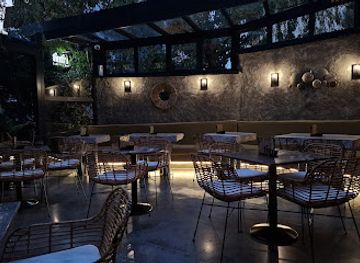
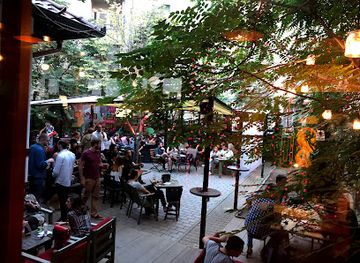
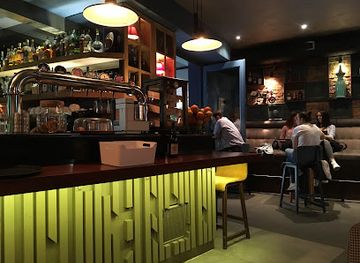
Shala does not have a notable nightclub scene, and evening life is centred on family homes, small cafés and occasional village social gatherings rather than late-night entertainment. Visitors are more likely to find a conventional selection of cafés, restaurants and bars in Mitrovica outside the region, which serves as the practical base for exploring the mountains. In Shala, evenings are quiet and may end early, particularly in dispersed settlements and during colder months. Social drinking is not essential to experiencing local culture, and a respectful, low-key approach is appropriate in small communities. Anyone planning to return to Mitrovica after dark should arrange transport in advance, as rural taxis and public transport may not be readily available. Live music, festivals or temporary community events can occur, but they should be checked locally rather than assumed to be regular fixtures.
-
Gastropub
Soma Book Station
Experience culinary creativity and literary charm at Soma Book Station, a unique gastropub in the heart of Pristina.
-
Cocktail bar
tintin cocktail bar
Unwind at Tintin Cocktail Bar in Pristina, where masterfully crafted cocktails and a vibrant atmosphere create the perfect nightlife experience.
-
Beer Garden
MIQT pub
Discover MIQT Pub, Pristina's lively beer garden offering local brews and a vibrant atmosphere, perfect for unwinding and enjoying the local nightlife.
-
Coffee shop
Che Bar / Te Labi
Discover the heart of Pristina at Che Bar / Te Labi, where exceptional coffee meets a vibrant atmosphere in this trendy coffee shop.

Best nightclubs in Shala
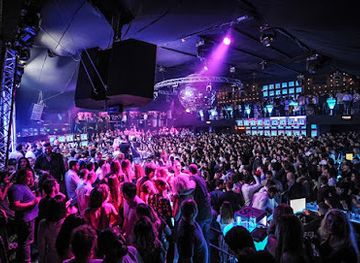
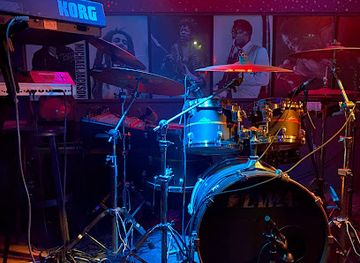
Shala does not have a notable nightclub scene, and evening life is centred on family homes, small cafés and occasional village social gatherings rather than late-night entertainment. Visitors are more likely to find a conventional selection of cafés, restaurants and bars in Mitrovica outside the region, which serves as the practical base for exploring the mountains. In Shala, evenings are quiet and may end early, particularly in dispersed settlements and during colder months. Social drinking is not essential to experiencing local culture, and a respectful, low-key approach is appropriate in small communities. Anyone planning to return to Mitrovica after dark should arrange transport in advance, as rural taxis and public transport may not be readily available. Live music, festivals or temporary community events can occur, but they should be checked locally rather than assumed to be regular fixtures.
-
Pub
Bubble Pub
Experience the vibrant nightlife at Bubble Pub in Pristina, a welcoming spot for fun, entertainment, and great company.
-
Night club
Venom Nightclub
Discover the electrifying nightlife at Venom Nightclub in Prishtina, where vibrant energy meets top DJs and an unforgettable dance experience.
-
Night club
ZONE Club
Discover the nightlife at ZONE Club, Pristina's top destination for dancing, music, and unforgettable memories.
-
Night club
Zanzi Bar
Experience the vibrant nightlife of Pristina at Zanzi Bar, where friendly crowds and affordable drinks create unforgettable evenings.

Best shops in Shala
Shopping in Shala is limited and practical, with small village shops providing basic provisions rather than a specialised retail experience. The best opportunity to buy food, fuel and outdoor necessities is generally in Mitrovica before entering the uplands. In rural areas, visitors may encounter locally produced honey, dairy products, preserves, seasonal fruit, vegetables or home baking, although availability depends on the season and individual households rather than a permanent tourist market. Small quantities should be bought respectfully and packaging or provenance confirmed where necessary. Traditional woollen items, handmade woodwork and other household crafts may be available informally, but they should not be assumed to be stocked in every village. Shala is not a destination for major fashion, luxury or shopping-centre retail; its worthwhile purchases are connected to local food production and rural craftsmanship. For a wider choice of groceries, cafés, services and conventional shops, use Mitrovica as the regional shopping base.
-
Shopping mall
Albi Mall
Discover Albi Mall, the ultimate shopping and entertainment destination in Prishtina, featuring diverse shops, dining, and family fun.
-
Shopping mall
Prishtina Mall
Explore Prishtina Mall, a shopping paradise in Kosovo with diverse brands, delicious dining, and family-friendly entertainment options.
-
Shopping mall
Royal Mall
Discover the vibrant shopping, dining, and cultural experiences at Royal Mall in Pristina, where modern retail meets local charm.
-
Shopping mall
The Village - Shopping & Fun
Discover shopping, dining, and entertainment at The Village in Ferizaj - a premier shopping mall for tourists and locals alike.


Get your free copy of our complete guide to Shala, delivered straight to you.
Everything on this page, from attractions and restaurants to essentials and local phrases, in one PDF you can read offline, print or share.
Already have an account? Sign in
Your Shala guide is ready.
We'll send it to · Not you? Sign out

Getting your guide ready…
We are putting together a fresh copy of the Shala guide. This can take up to a minute.
This can take a few moments. If your browser asks, choose Allow so the download can start. You'll find the guide in your Downloads folder.
Nothing happened? Download it again
Sorry, the guide is taking longer than usual. Please try again in a minute, or get it by email instead.
Shala essentials
Currency and Payment
Safety
Emergency Situations
Do's and Don'ts
Local Tips
From Eve
Local phrases worth knowing
You don't need to get them perfect. A few words go a long way, and locals appreciate the effort.
Basics
| English | Local | Say it |
|---|---|---|
| Hello | Përshëndetje | [Për-shen-deh-ye] |
| Goodbye | Mirupafshim | [Mee-roo-paf-shim] |
| Yes | Po | [Po] |
| No | Jo | [Yo] |
| Please/You're welcome | Të lutem/Je i mirëpritur | [Te loo-tem/Ye ee meer-preetoor] |
| Thank you | Faleminderit | [Fa-le-min-de-rit] |
| Excuse me/Sorry | Më falni/Më vjen keq | [Me fal-nee/Me vyen kech] |
| How are you? | Si jeni? | [See ye-nee] |
| Fine. And you? | Mirë. Edhe ti? | [Meer. Edhe tee?] |
| Do you speak English? | A flisni anglisht? | [A flee-snee ang-leesht?] |
| I don't understand | Nuk kuptoj | [Nook koop-toy] |
Eating & Drinking
| English | Local | Say it |
|---|---|---|
| I'd like to see the menu, please | Do doja të shoh menunë, të lutem | [Do do-ya te shoh me-noon, te loo-tem] |
| I don't eat meat | Nuk ha mish | [Nook ha meesh] |
| Cheers! | Gëzuar! | [Geh-zoo-ar] |
| I would like to pay, please | Do doja të paguaj, të lutem | [Do do-ya te pa-goo-aye, te loo-tem] |
Emergencies
| English | Local | Say it |
|---|---|---|
| Help! | Ndihmë! | [Ndee-hm] |
| Go away! | Shko larg! | [Shko lark] |
| Call the Police! | Thirrni policinë! | [Theer-nee po-lee-chee-neh] |
| Call a doctor! | Thirrni një doktor! | [Theer-nee nye dok-tor] |
| I'm lost | Jam i humbur | [Yam ee hum-bur] |
| I'm ill | Jam i sëmurë | [Yam ee se-moor-eh] |
Shopping
| English | Local | Say it |
|---|---|---|
| I'd like to buy... | Do doja të blej... | [Do do-ya te bleh] |
| I'm just looking | Po shoh vetëm | [Po shoh vet-em] |
| How much is it? | Sa kushton? | [Sa koosh-ton] |
| That's too expensive | Kjo është shumë e shtrenjtë | [Kyo esh-të shum eh shtrenjt] |
| Can you lower the price? | Mund të ulni çmimin? | [Moond te ool-nee chmee-min] |
Time & Numbers
| English | Local | Say it |
|---|---|---|
| What time is it? | Sa është ora? | [Sa esh-të o-ra] |
| It's one o'clock | Është një orë | [Esh-të nye o-ra] |
| Half past (10) | Gjysmë pas (10) | [Ghee-sum pas (10)] |
| Morning | Mëngjes | [Mung-jess] |
| Afternoon | Pasdite | [Pas-dee-te] |
| Evening | Mbrëmje | [Mbre-mye] |
| Yesterday | Dje | [Dye] |
| Today | Sot | [Sot] |
| Tomorrow | Nesër | [Nes-er] |
| 1 | Një | [Nye] |
| 2 | Dy | [Dye] |
| 3 | Tre | [Tre] |
| 4 | Katër | [Kat-er] |
| 5 | Pesë | [Pe-se] |
| 6 | Gjashtë | [Jasht] |
| 7 | Shtatë | [Shta-te] |
| 8 | Tetë | [Te-te] |
| 9 | Nëntë | [Nën-te] |
| 10 | Dhjetë | [Dhee-te] |
Transport & Directions
| English | Local | Say it |
|---|---|---|
| Where's a/the...? | Ku është një...? | [Ku esh-të nye?] |
| What's the address? | Cila është adresa? | [Tsee-lah esh-të ah-dre-sah] |
| Can you show me (on the map)? | Mund të më tregoni (në hartë)? | [Moond te meh treh-goni (në hart)] |
| When's the next (bus)? | Kur është (autobusi) tjetër? | [Koor esh-të (au-to-boo-see) tee-ter] |
| A ticket (to ....) | Një biletë (për ....) | [Nye bee-leh-të (pur ...)] |
History of Shala
Dardanian and Roman Mining Landscapes
The wider Mitrovica and northern Kosovo area formed part of the ancient Dardanian world before incorporation into the Roman sphere. Mineral resources were significant across the region, and Roman administration connected upland extraction areas with roads, settlements and wider Balkan markets. The precise archaeological record is stronger in the broader Kosovo mining zone than in every village of Shala itself, but the region’s geology helps explain its enduring importance. Later mining developments built on a long-established association between the mountains and mineral wealth.
Medieval Mining and Trepča’s Early Development
Mining expanded substantially in medieval Kosovo, when silver, lead and other ores supported princely states and trading networks. Trepča, associated with the Stan Tërg area, became one of the best-known mining districts, with technical expertise and commercial links involving Saxon miners and merchants from central Europe. Fortified settlements, churches and administrative centres elsewhere in Kosovo benefited from mining revenues. In Shala, the legacy is most visible through the continued importance of the ore-bearing mountains and the later development of the Trepča complex.
Ottoman Rule and Rural Highland Communities
From the fifteenth century, the area was incorporated into the Ottoman Empire. Mining continued at varying levels, while village life, pastoralism and agriculture became central to the economy of the uplands. Administrative arrangements and religious institutions changed over time, and the population of northern Kosovo developed through overlapping Albanian, Serbian and other Balkan historical experiences. Shala’s later cultural identity is closely linked to Albanian-speaking highland communities, but its landscape remains part of a region shaped by several centuries of shared and contested history.
Industrialisation under Yugoslavia
The twentieth century transformed Shala more dramatically than earlier periods. Under Yugoslav rule, Trepča was expanded into a large industrial system, with mines, processing facilities, transport links and associated employment centred on northern Kosovo. Stan Tërg and nearby communities became tied to wage labour and industrial planning, while Mitrovica grew as the principal urban centre. The mining economy brought technical education and infrastructure but also pollution, labour disputes and dependence on a single strategic industry.
The Kosovo Conflict and Social Disruption
The conflict in Kosovo during 1998 and 1999 affected communities across the Mitrovica area, including rural districts connected with Shala. Displacement, insecurity and the breakdown of industrial and administrative systems altered local life, while the post-war division of northern Kosovo added further political complexity. Visitors should understand that abandoned buildings and disrupted infrastructure may reflect this recent history. The legacy is local and personal, and it is best approached with restraint rather than treated as a spectacle.
Post-war Industry and a Changing Mountain Economy
Since 1999, Trepča has operated within a complicated post-war economic and political environment, and mining activity has not returned to the uninterrupted scale associated with the Yugoslav period. Many families continue to combine rural livelihoods, migration and work in nearby towns. Shala today is therefore both a cultural highland and a region marked by industrial decline, environmental questions and gradual interest in outdoor and heritage tourism. Its contemporary character cannot be separated from the continuing importance of the mine and the surrounding communities.
Shala in Photos
Browse through our photo collection highlighting the charm and character of the destination.
Neighbouring regions of Shala
The closest regions to Shala, if you have time for more than one.
-

-

-

-

-


Swipe for more regions
Explore more
Explore more of Kosovo
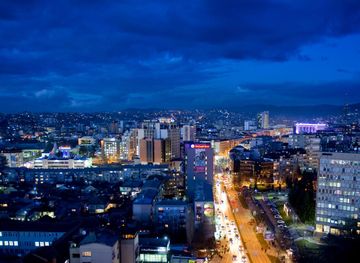
Discover Kosovo: A Blend of Ancient History, Vibrant Culture, and Stunning Natural Beauty in the Heart of the Balkans.
Explore Kosovo