

Free Has Travel Guide & Mobile App
Explore Has with free travel guides. Discover regional history, expert tips, proposed trips, and audio guides on web or mobile app.


Explore Has in Kosovo for dry hill landscapes, Albanian folk traditions, village culture, archaeology and a quieter route between Prizren and Gjakova.
Read more about Has
When is the best time to visit Has?
Best: June–August · 24–26°C| Month | High (°C) | Rainfall (mm) |
|---|---|---|
| January | 6 | 40 |
| February | 6 | 45 |
| March | 10 | 50 |
| April | 15 | 55 |
| May | 21 | 60 |
| June (best) | 24 | 65 |
| July (best) | 26 | 60 |
| August (best) | 25 | 55 |
| September | 21 | 50 |
| October | 16 | 45 |
| November | 10 | 40 |
| December | 5 | 35 |
Getting to and around Has
How to get there
Transportation
Top city travel guides in Has
The cities of Has, and the easiest places to base yourself.
-

-


Swipe for more cities
Best attractions in Has
Has offers a rural set of attractions shaped more by landscape and living culture than by large visitor complexes. The archaeological site at Gjonaj provides an important connection with the region’s ancient settlement history, while the surrounding villages reveal traditional building forms, farming landscapes and everyday patterns of life. Seasonal walks across the dry hills are especially appealing in spring and autumn, when fields and slopes take on more colour and temperatures are suitable for longer excursions. Cultural visitors should look for performances, exhibitions and public events connected with Hasi Jehon in Gjonaj, one of the region’s most important showcases of music, dance and traditional costume. The White Drin landscape at the southern edge of Has adds a wider geographical context, although many of its best viewpoints and river routes require independent transport. Small religious buildings, cemeteries and village gathering places may also be significant, but access should never be assumed. Has is best explored through a combination of archaeology, village culture, open countryside and conversations with local residents rather than through a conventional circuit of ticketed attractions.
-
Fortress
Prizren Fortress
Discover the stunning Prizren Fortress, steeped in history and offering breathtaking views of the picturesque cityscape and surrounding landscapes.
-
Tourist attraction
Serbian Orthodox Monastery Gračanica
Discover the serene beauty and rich history of the Serbian Orthodox Monastery Gračanica, a UNESCO World Heritage Site in Kosovo.
-
Mosque
Sinan Pasha Mosque
Explore the Sinan Pasha Mosque in Prizren, a stunning historical landmark blending Ottoman architecture with vibrant local culture.
-
Tourist attraction
Gërmia Park
Explore Gërmia Park in Prishtina, a lush green retreat perfect for relaxation, outdoor activities, and cultural events amidst nature's beauty.


Best landmarks in Has
The archaeological site at Gjonaj is Has’s most important named historical landmark, representing the depth of settlement beneath the region’s modern village landscape. Its significance lies not in monumental scale but in the evidence it contributes to understanding ancient communities in the wider Drin basin. The dry hills and open ridgelines around the Has settlements are also geographical landmarks, defining the region’s visual identity and providing broad views towards Kosovo’s interior and the Albanian frontier. The White Drin corridor at the southern edge forms another important natural reference, linking Has to the wider river landscape of western Kosovo. In villages, traditional houses, farm compounds, small religious buildings and old cemeteries can carry considerable local meaning, although many are private, altered or not formally arranged for visitors. Rather than treating every old structure as an official monument, travellers should seek local guidance and observe from public roads. Has’s most recognisable landmarks therefore combine archaeology, rural architecture, river geography and the cultural spaces where music and community traditions continue to be presented.
-
Sculpture
Newborn Monument
Discover the Newborn Monument in Pristina, a striking symbol of Kosovo's independence and a vibrant expression of its cultural identity.
-
Monastery
Serbian Orthodox Monastery Gračanica
Discover the serene beauty and rich history of the Serbian Orthodox Monastery Gračanica, a UNESCO World Heritage site in Kosovo, known for its stunning frescoes and architecture.
-
Fortress
Prizren Fortress
Discover the rich history and stunning views at Prizren Fortress, a must-visit landmark in Kosovo's charming town of Prizren.
-
National park
Sharr Mountain National Park
Experience the breathtaking landscapes and rich biodiversity of Sharr Mountain National Park, a top destination for adventure and nature lovers in Kosovo.


Explore Has on the map
Plan your trip on one map. See where the top cities, national parks and sights are, and book hotels and experiences in a few clicks.
Best hotels in Has
Best restaurants in Has
Dining in Has is principally home-style and seasonal, with the strongest culinary experiences often found through family hospitality, village gatherings or small local eateries rather than a formal restaurant scene. Cooking reflects the wider Albanian traditions of western Kosovo: breads, peppers, beans, potatoes, dairy products, grilled meat, yoghurt and preserved vegetables are common foundations, while fresh produce follows the agricultural calendar. Regional tables may include dishes prepared with cornmeal, layered pastry, stuffed vegetables or slow-cooked meat, though recipes vary from household to household. Visitors should also look for locally produced cheese, honey, fruit preserves and other rural provisions. Prizren and Gjakova, outside Has but serving as its main urban gateways, provide a much wider choice of cafés, bakeries and restaurants. In the villages, opening arrangements can be informal, so advance planning is wise; a host, cultural association or accommodation provider may be better placed than a guidebook to suggest where a genuine local meal can be arranged.
-
Restaurant
Restaurant Beska
Experience authentic Kosovar cuisine at Restaurant Beska in Prizren—where tradition meets flavor in every dish.
-
Grill
Taverna Tirana
Discover the authentic taste of Kosovo at Taverna Tirana - a grill paradise in Pristina offering delicious dishes and warm hospitality.
-
Restaurant
Princesha Gresa Restaurant
Experience authentic Kosovo cuisine at Princesha Gresa Restaurant in Pristina, where every dish tells a story of tradition and flavor.
-
Restaurant
Bon Bouquet Café & Lounge
Experience the best of Pristina's culinary scene at Bon Bouquet Café & Lounge – where flavor meets comfort in every dish.


Best bars in Has
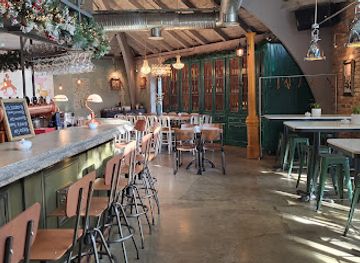
Has does not have a concentrated nightclub district or a large late-night entertainment economy. Evening life is more likely to centre on family homes, cafés, village gatherings and occasional cultural programmes, with music and socialising often tied to festivals, weddings or community events. Traditional songs and dances are particularly important expressions of local identity, and Hasi Jehon can bring a larger public atmosphere to Gjonaj when its programme is running. For a broader choice of bars, restaurants and evening cafés, visitors generally travel to Prizren or Gjakova outside the region. Rural evenings can be quiet, and visitors should not expect reliable late opening hours, extensive taxi availability or a broad choice of venues in smaller settlements. Alcohol is available in Kosovo, but it is not necessary for participating in local social or cultural life; respectful conversation, food and music are often the more characteristic ways to spend an evening.
-
Gastropub
Soma Book Station
Soma Book Station in Pristina offers a delightful fusion of gastropub dining and literary charm, perfect for food lovers and book enthusiasts alike.
-
Restaurant
Restaurant Beska
Experience the exquisite flavors of traditional Kosovar cuisine at Restaurant Beska in Prizren, where every meal tells a story.
-
Restaurant
te Syla
Discover the flavors of Prizren at te Syla, a culinary haven offering a blend of traditional and modern dishes in a cozy setting.
-
Restaurant
Gazza
Discover the culinary delights of Gazza in Prizren, where crepes, pancakes, and refreshing juices await in a cozy setting.


Best nightclubs in Has
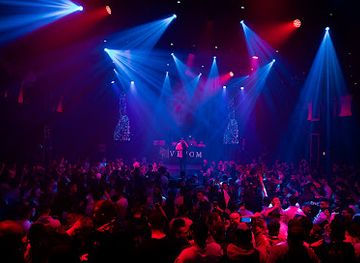
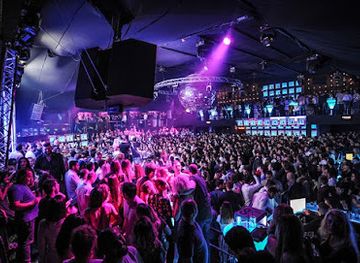
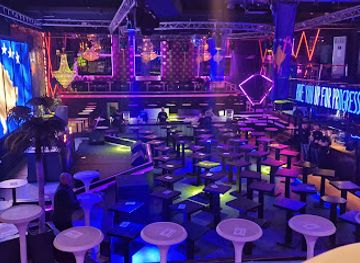
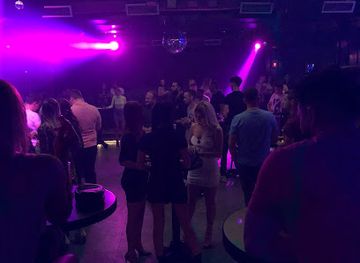
Has does not have a concentrated nightclub district or a large late-night entertainment economy. Evening life is more likely to centre on family homes, cafés, village gatherings and occasional cultural programmes, with music and socialising often tied to festivals, weddings or community events. Traditional songs and dances are particularly important expressions of local identity, and Hasi Jehon can bring a larger public atmosphere to Gjonaj when its programme is running. For a broader choice of bars, restaurants and evening cafés, visitors generally travel to Prizren or Gjakova outside the region. Rural evenings can be quiet, and visitors should not expect reliable late opening hours, extensive taxi availability or a broad choice of venues in smaller settlements. Alcohol is available in Kosovo, but it is not necessary for participating in local social or cultural life; respectful conversation, food and music are often the more characteristic ways to spend an evening.
-
Night club
Venom Nightclub
Dive into the electrifying atmosphere of Venom Nightclub, where vibrant music and thrilling nightlife come together in the heart of Prishtina.
-
Night club
ZONE Club
Discover the heartbeat of Prishtina's nightlife at ZONE Club, where unforgettable nights and lively vibes come alive until dawn.
-
Night club
Diamonds Club
Discover the electrifying nightlife of Diamonds Club in Ferizaj, where music, dancing, and vibrant energy come together for an unforgettable experience.
-
Night club
Bab Club Premium
Discover the electrifying nightlife at Bab Club Premium in Pristina, where music, dance, and vibrant energy create unforgettable experiences.
Best shops in Has
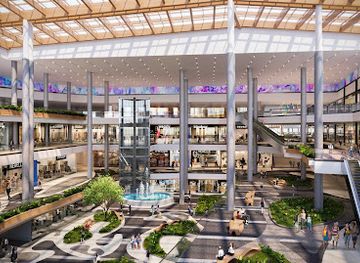
Shopping in Has is modest and locally focused, with village shops providing essentials rather than a major retail experience. The most worthwhile purchases are usually regional foods and handmade products obtained through trusted local contacts: cheese, honey, preserves, peppers, seasonal fruit, embroidered items and traditional textile work may be available when households or cultural groups are selling directly. Festival periods can offer better opportunities to see traditional costumes, instruments and craft demonstrations, although stock and arrangements vary. For regular markets, bakeries, larger food shops, books, clothing and cash services, visitors should use Prizren or Gjakova outside the region. These towns also provide more dependable places to buy Kosovo-made foods and gifts before travelling into the countryside. Ask permission before entering a private workshop or photographing crafts, and confirm prices clearly when buying directly from a producer. The most meaningful souvenirs from Has are generally small, locally made or edible items connected with the region’s agricultural and cultural traditions rather than mass-produced tourist merchandise.
-
Shopping mall
Albi Mall
Explore Albi Mall in Prishtina for a unique shopping experience with diverse stores, dining options, and entertainment all under one roof.
-
Shopping mall
ABI Çarshia
Explore ABI Çarshia in Prizren: A vibrant shopping mall offering diverse brands, delicious dining, and a lively atmosphere perfect for every tourist.
-
Shopping mall
Prishtina Mall
Discover shopping, dining, and entertainment at Prishtina Mall, the ultimate destination for tourists in Kosovo's capital.
-
Bazar
Bazaar of Peja
Explore the bustling Bazaar of Peja, a cultural treasure in Kosovo offering artisan crafts, local delicacies, and an authentic shopping experience.



Get your free copy of our complete guide to Has, delivered straight to you.
Everything on this page, from attractions and restaurants to essentials and local phrases, in one PDF you can read offline, print or share.
Already have an account? Sign in
Your Has guide is ready.
We'll send it to · Not you? Sign out

Getting your guide ready…
We are putting together a fresh copy of the Has guide. This can take up to a minute.
This can take a few moments. If your browser asks, choose Allow so the download can start. You'll find the guide in your Downloads folder.
Nothing happened? Download it again
Sorry, the guide is taking longer than usual. Please try again in a minute, or get it by email instead.
Has essentials
Currency and Payment
Safety
Emergency Situations
Do's and Don'ts
Local Tips
From Eve
Local phrases worth knowing
You don't need to get them perfect. A few words go a long way, and locals appreciate the effort.
Basics
| English | Local | Say it |
|---|---|---|
| Hello | Zdravo | [zdrah-voh] |
| Goodbye | Mirupafshim | [mee-roo-pahf-sheem] |
| Yes | Po | [poh] |
| No | Jo | [yo] |
| Please/You're welcome | Të lutem/Nuk ka përse | [tuh loo-tem/nook kah pur-seh] |
| Thank you | Faleminderit | [fah-leh-meen-deh-reet] |
| Excuse me/Sorry | Më falni/Na vjen keq | [muh fal-nee/nah vyen keh-ch] |
| How are you? | Si jeni? | [see yen-ee] |
| Fine. And you? | Mirë. Dhe ju? | [meer. dheh yoo] |
| Do you speak English? | A flisni anglisht? | [ah flee-snee ahn-glisht] |
| I don't understand | Nuk kuptoj | [nook koop-toy] |
Eating & Drinking
| English | Local | Say it |
|---|---|---|
| I'd like to see the menu, please | Do doja të shoh menunë, të lutem | [doh doh-yah tuh shoh meh-noon-eh, tuh loo-tem] |
| I don't eat meat | Nuk ha mish | [nook hah meesh] |
| Cheers! | Gëzuar! | [geh-zoo-ar] |
| I would like to pay, please | Do doja të paguaj, të lutem | [doh doh-yah tuh pah-goo-ahy, tuh loo-tem] |
Emergencies
| English | Local | Say it |
|---|---|---|
| Help! | Ndihmë! | [ndee-hmuh] |
| Go away! | Shko larg! | [shkoh lark] |
| Call the Police! | Thirri Policinë! | [thee-ree poh-lee-chee-neh] |
| Call a doctor! | Thirri një doktor! | [thee-ree nyuh dok-tor] |
| I'm lost | Jam i humbur | [yahm ee hoom-boor] |
| I'm ill | Jam i sëmurë | [yahm ee suh-moor-eh] |
Shopping
| English | Local | Say it |
|---|---|---|
| I'd like to buy... | Do doja të blej... | [doh doh-yah tuh bleh...] |
| I'm just looking | Po vetëm po shikoj | [poh veh-tem poh shee-koy] |
| How much is it? | Sa kushton? | [sah koosh-ton] |
| That's too expensive | Kjo është shumë e shtrenjtë | [kyoh esh-tuh shoom eh shtrenjt] |
| Can you lower the price? | A mund të ulni çmimin? | [ah moond tuh ool-nee chmee-meen] |
Time & Numbers
| English | Local | Say it |
|---|---|---|
| What time is it? | Sa është ora? | [sah esh-tuh oh-rah] |
| It's one o'clock | Është një orë | [esh-tuh nyuh oh-rah] |
| Half past (10) | Gjysmë pas (10) | [ghee-sum pahs (10)] |
| Morning | Mëngjes | [men-jes] |
| Afternoon | Pasdite | [pahs-dee-teh] |
| Evening | Mbrëmje | [mbruhm-yeh] |
| Yesterday | Dje | [dye] |
| Today | Sot | [soht] |
| Tomorrow | Nesër | [neh-sur] |
| 1 | 1 | [1] |
| 2 | 2 | [2] |
| 3 | 3 | [3] |
| 4 | 4 | [4] |
| 5 | 5 | [5] |
| 6 | 6 | [6] |
| 7 | 7 | [7] |
| 8 | 8 | [8] |
| 9 | 9 | [9] |
| 10 | 10 | [10] |
Transport & Directions
| English | Local | Say it |
|---|---|---|
| Where's a/the...? | Ku është një...? | [koo esh-tuh nyuh...?] |
| What's the address? | Cila është adresa? | [chee-lah esh-tuh ah-dreh-sah] |
| Can you show me (on the map)? | A mund të më tregoni (në hartë)? | [ah moond tuh meh treh-goh-nee (nuh har-tay)?] |
| When's the next (bus)? | Kur është autobusi tjetër? | [koor esh-tuh ow-toh-boo-see tee-eht-er?] |
| A ticket (to ....) | Një biletë (për ....) | [nyuh bee-leh-tuh (pur ....)] |
History of Has
Prehistoric and Ancient Settlement
The Has landscape has supported human settlement since antiquity, with fertile pockets, upland grazing and routes through the White Drin region encouraging occupation despite the generally dry terrain. The archaeological site at Gjonaj is an important local reminder of this long history. Evidence from the wider area reflects changing communities and contacts across the central Balkans, although the surviving remains are less monumental than those found at Kosovo’s best-known urban archaeological sites. For visitors, the importance of Gjonaj lies in showing that Has was not an isolated rural backwater but part of an inhabited landscape connected to wider regional networks.
Roman and Late Antique Connections
During the Roman period and Late Antiquity, the territory around Has formed part of a broader network linking the interior Balkans with the Adriatic and the valleys of present-day Kosovo and Albania. Roads, settlements and agricultural systems changed as imperial administration expanded and later weakened. Few imposing Roman monuments define Has today, but the region’s location between major valleys helps explain its continuing importance as a corridor and contact zone. Archaeological traces in and around the villages need to be interpreted carefully, since later settlement and farming have altered the visible landscape.
Medieval Borderlands and Religious Landscapes
In the medieval period, the wider Has area lay within a contested political and religious landscape shaped by Serbian, Byzantine and Albanian influences, as well as the authority of local landholders and ecclesiastical institutions. Settlements developed around farming, livestock and movement through the Drin basin. The region’s later cultural character cannot be reduced to a single medieval identity; instead, it emerged from centuries of interaction among neighbouring communities. Churches, mosques, cemeteries, place names and oral traditions provide overlapping evidence of this complex past.
Ottoman Rule and Rural Continuity
Has became part of the Ottoman administrative world from the late medieval and early modern period onwards. Ottoman rule introduced new structures of taxation, administration and religious patronage, while village life continued to depend heavily on agriculture, herding and extended family networks. Nearby Prizren and Gjakova grew as important commercial and craft centres, connecting rural producers with regional markets. In Has, the legacy of this era is most visible through settlement patterns, local religious buildings, food traditions and the cultural links that developed across the Drin and towards northern Albania.
The Border Division of the Early Twentieth Century
The political changes and border-making that followed the Balkan Wars and the First World War divided the historical Has region between what became Kosovo and Albania. The frontier did not erase shared language, kinship, music or customs, but it made movement and family connections more difficult for long periods. This division remains central to understanding Has as a transborder cultural area rather than a self-contained administrative unit. The Kosovo side retained strong relationships with Prizren, Gjakova and other settlements, while memories of cross-border ties continued within local families and traditions.
Twentieth-Century Modernisation and Conflict
During the twentieth century, Has experienced the gradual expansion of roads, schooling, migration and modern communications, alongside the persistence of village-based cultural life. Many households developed connections with Kosovo’s towns and with communities abroad, changing patterns of work and settlement. The Kosovo War of 1998–99 affected the wider region and its population, leaving memories of displacement, loss and recovery. Since the war, reconstruction, improved mobility and cultural initiatives have encouraged new attention to the region’s heritage, including its music, festivals, archaeology and rural identity.
Has in Photos
Browse through our photo collection highlighting the charm and character of the destination.
Neighbouring regions of Has
The closest regions to Has, if you have time for more than one.
-

-

-

-

-


Swipe for more regions
Explore more
Explore more of Kosovo
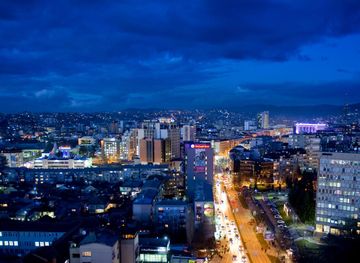
Discover Kosovo: A Blend of Ancient History, Vibrant Culture, and Stunning Natural Beauty in the Heart of the Balkans.
Explore Kosovo