

Free Podgur Travel Guide & Mobile App
Explore Podgur with free travel guides. Discover regional history, expert tips, proposed trips, and audio guides on web or mobile app.


Explore Podgur in western Kosovo for Istog's springs, fertile valleys, village food and wooded mountain landscapes beyond the main tourist routes.
Read more about Podgur
When is the best time to visit Podgur?
Best: June, August–September · 24–29°C| Month | High (°C) | Rainfall (mm) |
|---|---|---|
| January | 3 | 60 |
| February | 5 | 55 |
| March | 10 | 65 |
| April | 16 | 70 |
| May | 22 | 80 |
| June (best) | 27 | 70 |
| July | 30 | 60 |
| August (best) | 29 | 55 |
| September (best) | 24 | 50 |
| October | 18 | 55 |
| November | 9 | 60 |
| December | 5 | 65 |
Getting to and around Podgur
How to get there
Transportation
Top city travel guides in Podgur
The cities of Podgur, and the easiest places to base yourself.

Swipe for more cities
Destinations in Podgur
Resorts, valleys and scenic spots worth a trip of their own.
-

-

-


Swipe for more destinations
Best attractions in Podgur
Podgur's attractions are primarily landscape-based and local in character rather than concentrated in a single monumental centre. The springs and river environment around Istog provide the region's clearest natural focus, with shaded watercourses, orchards, cultivated land and places for informal riverside meals. Rural roads lead towards villages and foothills where visitors can see agricultural life, traditional settlement patterns and changing views across the western Kosovo plain. The mountain edge offers opportunities for walking, photography and scenic drives, although many routes are informal and should be approached with local guidance. Istog's town streets, local cafés and market activity provide a useful introduction to everyday life in the region. Visitors interested in history can explore the wider area's archaeological and religious heritage, while recognising that major monuments in nearby Peja and elsewhere in western Kosovo lie outside Podgur proper. The appeal is the connection between water, farming, settlement and upland terrain, best experienced at an unhurried pace rather than through a packed list of ticketed sights.
-
Monastery
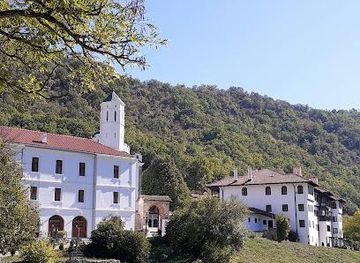
Venerable Prohor Pchinjski
Explore the tranquil beauty and spiritual heritage of Venerable Prohor Pchinjski, a magnificent monastery in Klenike, Serbia.
-
Tourist attraction
Newborn Monument
Discover the Newborn Monument in Pristina: a vibrant symbol of Kosovo's independence and cultural resilience.
-
Nature preserve
White Drin Waterfall
Experience the enchanting beauty of the White Drin Waterfall, a stunning natural attraction in Kosovo surrounded by lush landscapes and serene hiking trails.
-
Animal protection organization
BEAR SANCTUARY Prishtina
Experience the wonders of wildlife at BEAR SANCTUARY Prishtina, where rescued bears thrive and conservation efforts flourish.


Best landmarks in Podgur
The defining landmark of Podgur is the water landscape around the Istog springs, where the river emerges from the karst foothills and gives the town and surrounding countryside their distinctive physical identity. The stream corridor, planted banks and productive fields form a recognisable local scene rather than a single monumental structure. Istog's town centre provides a contrasting civic landmark: it is a working regional hub shaped by markets, public buildings, cafés and newer construction rather than a preserved historic quarter. Beyond the lowlands, the wooded slopes towards the Mokra and Bjeshkët e Nemuna mountain systems create the region's principal natural backdrop, with changing views over villages and farmland. Religious buildings and older village structures add local historical interest, but their significance is best understood within the wider, layered history of western Kosovo. Famous monuments near Peja, including the Rugova landscape and major medieval monasteries, should be visited as neighbouring destinations rather than presented as landmarks of Podgur itself.
-
Sculpture
Newborn Monument
Discover the Newborn Monument, a powerful symbol of Kosovo's independence, rich history, and vibrant culture in Pristina.
-
Fortress
Prizren Fortress
Discover the breathtaking Prizren Fortress, a historic gem with stunning views and rich cultural heritage in the heart of Kosovo.
-
Mosque
Sinan Pasha Mosque
Discover the beauty and history of Sinan Pasha Mosque in Prizren, a stunning example of Ottoman architecture and cultural heritage.
-
Catholic cathedral
Cathedral of Saint Mother Teresa
Explore the breathtaking Cathedral of Saint Mother Teresa in Pristina, Kosovo - a symbol of faith, culture, and architectural beauty.


Explore Podgur on the map
Plan your trip on one map. See where the top cities, national parks and sights are, and book hotels and experiences in a few clicks.
Best hotels in Podgur
Best restaurants in Podgur
Dining in Podgur is closely connected to the produce of western Kosovo's farms, orchards and rivers. Around Istog, restaurants and family-run establishments commonly serve grilled meats, fresh salads, breads, dairy products and seasonal vegetables, with generous portions typical of Kosovo's wider culinary culture. River and spring areas are associated with fish restaurants and simple outdoor meals, although visitors should confirm local opening arrangements before making a special journey. Fruit from the surrounding agricultural districts appears in preserves, compotes and seasonal desserts, while coffee remains an important part of social life in town cafés. Rural guesthouses may offer home-style dishes by arrangement rather than a fixed daily menu. The region is also well placed for trying Kosovo specialities such as flija, a layered baked dish prepared traditionally for family gatherings, and savoury pastries, but recipes vary between households. Menus may combine Albanian, Balkan, Ottoman-influenced and contemporary European traditions.
-
Restaurant
Liburnia
Experience the rich flavors of Kosovo at Liburnia, Pristina's top-rated restaurant known for its inviting atmosphere and delicious dishes.
-
Restaurant
Pishat
Experience the best of Kosovar cuisine at Pishat in Pristina - where tradition meets modern culinary artistry.
-
Restaurant
Princesha Gresa Restaurant
Discover authentic Kosovar cuisine at Princesha Gresa Restaurant, where every dish tells a story of flavor and tradition.
-
Restaurant
Shpija e Vjetër
Discover authentic Kosovar cuisine at Shpija e Vjetër in Pristina - where tradition meets taste in every dish.


Best bars in Podgur
Podgur has a modest evening scene centred on Istog and other local settlements rather than a dedicated club district. Town cafés remain the principal social venues, serving coffee, soft drinks, beer and spirits, with conversation often continuing into the evening. Some restaurants and cafés provide music or occasional live entertainment, while rural establishments tend to close earlier and depend on local custom and season. Visitors seeking a large nightclub or broad late-night programme will find more choice in nearby Peja, outside Podgur, which is the closest significant urban nightlife centre. Evening travel between villages should be arranged in advance, particularly when relying on taxis. The region's nightlife is best understood through cafés, family restaurants and informal social gatherings rather than a heavy concentration of bars and clubs.
-
Gastropub
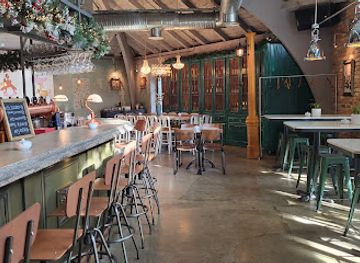
Soma Book Station
Discover Soma Book Station in Pristina, where gastronomy meets literature in a cozy, inviting atmosphere perfect for all book lovers.
-
Bar
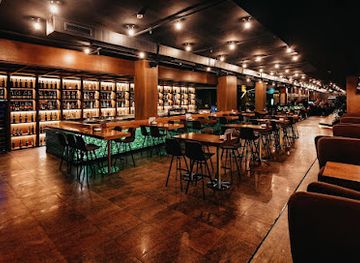
Priview Bar
Discover the lively nightlife at Priview Bar in Pristina, where excellent drinks, fun music, and a vibrant atmosphere await you.
-
Cocktail bar
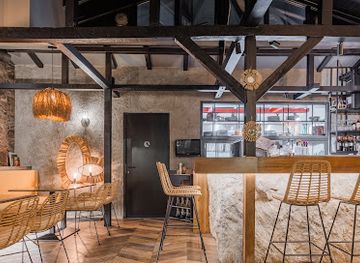
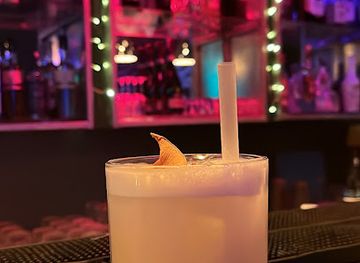
tintin cocktail bar
Experience the vibrant nightlife of Pristina at Tintin Cocktail Bar, where every cocktail tells a story.
-
Beer Garden
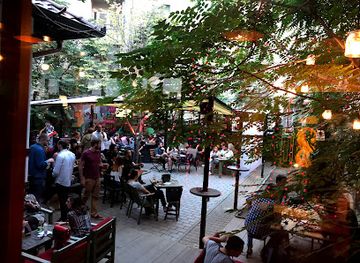
MIQT pub
Discover the lively MIQT Pub in Prishtina, a must-visit beer garden offering a delightful selection of local brews and a vibrant atmosphere.
Best nightclubs in Podgur
Podgur has a modest evening scene centred on Istog and other local settlements rather than a dedicated club district. Town cafés remain the principal social venues, serving coffee, soft drinks, beer and spirits, with conversation often continuing into the evening. Some restaurants and cafés provide music or occasional live entertainment, while rural establishments tend to close earlier and depend on local custom and season. Visitors seeking a large nightclub or broad late-night programme will find more choice in nearby Peja, outside Podgur, which is the closest significant urban nightlife centre. Evening travel between villages should be arranged in advance, particularly when relying on taxis. The region's nightlife is best understood through cafés, family restaurants and informal social gatherings rather than a heavy concentration of bars and clubs.
-
Pub
Bubble Pub
Experience the vibrant nightlife of Pristina at Bubble Pub, a welcoming hub for fun and socializing in an inclusive atmosphere.
-
Night club
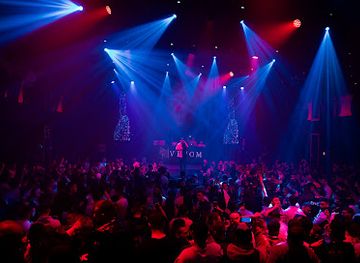
Venom Nightclub
Discover the electrifying nightlife at Venom Nightclub in Prishtina, where unforgettable parties and vibrant atmospheres await every night.
-
Night club
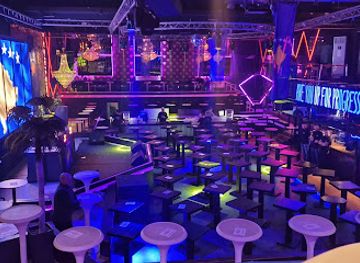
ZONE Club
Discover the pulse of Pristina's nightlife at ZONE Club, a vibrant dance club offering unforgettable music and energy.
-
Night club
Diamonds Club
Experience the electrifying nightlife at Diamonds Club in Ferizaj, where music, dancing, and unforgettable moments come together.

Best shops in Podgur
Shopping in Podgur is practical and locally focused, with Istog serving as the main place for everyday goods, cafés, small retail outlets and market activity. Visitors may find seasonal fruit, vegetables, dairy products, preserves and other farm produce through local sellers, although availability follows the agricultural calendar. Smaller village shops are useful for basic supplies but offer limited choice and may accept cash only. The region is not a major destination for luxury retail or large shopping centres; visitors looking for extensive branded shopping can find more choice in nearby Peja or Pristina, outside Podgur. Informal market stalls and family businesses are the best places to look for edible souvenirs, while craft and textile availability varies by season and individual seller. Ask about the origin and storage of food products, and avoid buying archaeological objects or old religious items whose provenance cannot be established.
-
Shopping mall
Albi Mall
Explore Albi Mall in Prishtina: A vibrant shopping haven with chic stores, delightful dining, and entertainment for all ages.
-
Shopping mall
Prishtina Mall
Discover the ultimate shopping and dining experience at Prishtina Mall, Kosovo's premier retail destination for tourists and locals alike.
-
Bazar
Bazaar of Peja
Experience the rich culture and vibrant atmosphere of the Bazaar of Peja, a must-visit destination for authentic local crafts and delicious cuisine.
-
Shopping mall
Royal Mall
Experience the best of shopping, dining, and entertainment at Royal Mall, Pristina’s top retail destination.


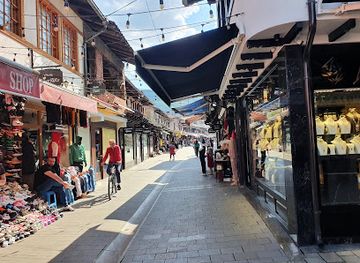

Get your free copy of our complete guide to Podgur, delivered straight to you.
Everything on this page, from attractions and restaurants to essentials and local phrases, in one PDF you can read offline, print or share.
Already have an account? Sign in
Your Podgur guide is ready.
We'll send it to · Not you? Sign out

Getting your guide ready…
We are putting together a fresh copy of the Podgur guide. This can take up to a minute.
This can take a few moments. If your browser asks, choose Allow so the download can start. You'll find the guide in your Downloads folder.
Nothing happened? Download it again
Sorry, the guide is taking longer than usual. Please try again in a minute, or get it by email instead.
Podgur essentials
Currency and Payment
Safety
Emergency Situations
Do's and Don'ts
Local Tips
From Eve
Local phrases worth knowing
You don't need to get them perfect. A few words go a long way, and locals appreciate the effort.
Basics
| English | Local | Say it |
|---|---|---|
| Hello | Zdravo | [Z-dra-vo] |
| Goodbye | Zbogom | [Z-bo-gom] |
| Yes | Da | [Da] |
| No | Ne | [Ne] |
| Please/You’re welcome | Molim/ Nema na čemu | [Mo-lim/ Ne-ma na che-mu] |
| Thank you | Hvala | [H-va-la] |
| Excuse me/Sorry | Izvinite | [I-zvi-ni-te] |
| How are you? | Kako si? | [Ka-ko si?] |
| Fine. And you? | Dobro. A ti? | [Do-bro. A ti?] |
| Do you speak English? | Da li govorite engleski? | [Da li go-vo-ri-te en-gles-ki?] |
| I don't understand | Ne razumem | [Ne ra-zu-mem] |
Eating & Drinking
| English | Local | Say it |
|---|---|---|
| I’d like to see the menu, please | Želeo bih da vidim meni, molim | [Zhe-le-o bih da vi-dim me-ni, mo-lim] |
| I don't eat meat | Ne jedem meso | [Ne ye-dem me-so] |
| Cheers! | Živeli! | [Zhi-ve-li] |
| I would like to pay, please | Želeo bih da platim, molim | [Zhe-le-o bih da pla-tim, mo-lim] |
Emergencies
| English | Local | Say it |
|---|---|---|
| Help! | Pomoć! | [Po-moć] |
| Go away! | Odlazi! | [Od-la-zi] |
| Call the Police! | Pozovite policiju! | [Po-zo-vi-te po-li-ci-ju] |
| Call a doctor! | Pozovite doktora! | [Po-zo-vi-te dok-to-ra] |
| I’m lost | Izgubio sam se | [Iz-gu-bi-o sam se] |
| I’m ill | Bolestan sam | [Bo-le-stan sam] |
Shopping
| English | Local | Say it |
|---|---|---|
| I’d like to buy... | Želeo bih da kupim... | [Zhe-le-o bih da ku-pim] |
| I’m just looking | Samo gledam | [Sa-mo gle-dam] |
| How much is it? | Koliko košta? | [Ko-li-ko koshta?] |
| That’s too expensive | To je previše skupo | [To ye pre-vi-she sku-po] |
| Can you lower the price? | Možete li smanjiti cenu? | [Mo-zhe-te li sma-nji-ti tse-nu?] |
Time & Numbers
| English | Local | Say it |
|---|---|---|
| What time is it? | Koliko je sati? | [Ko-li-ko ye sa-ti?] |
| It’s one o'clock | Jedan je sat | [Je-dan ye sat] |
| Half past (10) | Pola (10) | [Po-la (10)] |
| Morning | Jutro | [Yu-tro] |
| Afternoon | Popodne | [Po-pod-ne] |
| Evening | Veče | [Ve-che] |
| Yesterday | Juče | [Yu-che] |
| Today | Danas | [Da-nas] |
| Tomorrow | Sutra | [Su-tra] |
| 1 | Jedan | [Je-dan] |
| 2 | Dva | [Dva] |
| 3 | Tri | [Tri] |
| 4 | Četiri | [Che-ti-ri] |
| 5 | Pet | [Pet] |
| 6 | Šest | [Shest] |
| 7 | Sedam | [Se-dam] |
| 8 | Osam | [O-sam] |
| 9 | Devet | [De-vet] |
| 10 | Deset | [De-set] |
Transport & Directions
| English | Local | Say it |
|---|---|---|
| Where's a/the...? | Gde je...? | [Gde ye...?] |
| What's the address? | Koja je adresa? | [Ko-ja ye a-dre-sa?] |
| Can you show me (on the map)? | Možete li mi pokazati (na mapi)? | [Mo-zhe-te li mi po-ka-za-ti (na ma-pi)?] |
| When's the next (bus)? | Kada je sledeći (autobus)? | [Ka-da ye sle-de-ci (au-to-bus)?] |
| A ticket (to ....) | Jedna karta (do ...) | [Jed-na kar-ta (do ...)] |
History of Podgur
Dardanian and Roman foundations
Podgur lies within a wider part of the central Balkans associated in antiquity with the Dardanians, whose settlements and political networks preceded Roman rule. After Roman incorporation, the region formed part of the province of Dardania and was connected to the communications and agricultural systems of the wider Kosovo basin. Much archaeological evidence is dispersed rather than concentrated in one major visitor site, but the landscape's later settlement patterns, roads and cultivated valleys developed on foundations established during these earlier periods.
Medieval churches and frontier landscapes
During the medieval period, western Kosovo was incorporated into shifting Byzantine and Serbian political spheres. Religious foundations, estate agriculture and fortified or market settlements shaped the countryside, although many of the best-known medieval monuments belong to neighbouring parts of Kosovo rather than Podgur itself. The region's position between the Kosovo plain and mountain corridors gave it strategic as well as agricultural importance, and medieval religious and landholding traditions continued to influence village organisation.
Ottoman-era market and agricultural change
Ottoman rule brought Podgur into a long-lasting administrative and commercial system that linked rural settlements with larger markets in western Kosovo. Agriculture, animal husbandry and water resources remained central to the local economy, while Islamic, Orthodox and Catholic communities formed part of the region's broader religious landscape. Istog developed as a local centre for exchange and administration. Elements of Ottoman-era settlement and vocabulary survive in western Kosovo, although later rebuilding has altered much of the historic architectural fabric.
Late Ottoman and modern national movements
In the nineteenth and early twentieth centuries, political change across the Balkans affected Podgur through new administrative arrangements, population movements and competing national projects. Local communities experienced the decline of Ottoman authority, the establishment of new state borders and the growth of modern schooling and political organisation. These wider transformations were felt in market towns and villages alike, where older agricultural patterns continued alongside new institutions and stronger connections to regional centres.
The Yugoslav period and rural transformation
During the twentieth century, Podgur formed part of Yugoslavia and later the Socialist Autonomous Province of Kosovo within Serbia. Roads, schools, public services and agricultural modernisation altered the relationship between villages and towns, while many residents also migrated for work elsewhere in Yugoslavia and abroad. Istog and surrounding settlements retained their rural character, but household economies increasingly combined farming with wage employment, remittances and trade.
Conflict, displacement and post-war Kosovo
The Kosovo conflict of 1998–99 brought displacement, destruction and profound social disruption to communities across western Kosovo, including the wider Podgur area. The post-war period saw reconstruction, the return or resettlement of residents, and the creation of new local institutions. Kosovo declared independence in 2008, although its political status remains contested by Serbia and is recognised differently internationally. Contemporary Podgur reflects both recovery and continuing outward migration, with agriculture, small businesses and family connections abroad remaining important.
Podgur in Photos
Browse through our photo collection highlighting the charm and character of the destination.
Neighbouring regions of Podgur
The closest regions to Podgur, if you have time for more than one.
-

-

-

-

-


Swipe for more regions
Explore more
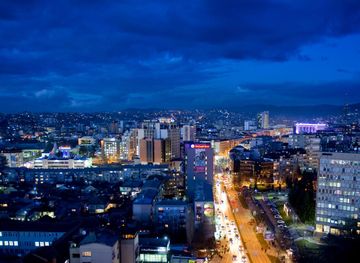
Explore more of Kosovo
Discover Kosovo: A Blend of Ancient History, Vibrant Culture, and Stunning Natural Beauty in the Heart of the Balkans.
Explore Kosovo