

Free Dukagjin Travel Guide & Mobile App
Explore Dukagjin with free travel guides. Discover regional history, expert tips, proposed trips, and audio guides on web or mobile app.


Explore Dukagjin’s Kosovo landscapes, medieval monasteries, Ottoman bazaars, vineyard country and mountain gateways around Peja, Gjakova and Prizren.
Read more about Dukagjin
When is the best time to visit Dukagjin?
Best: June–August · 24–26°C| Month | High (°C) | Rainfall (mm) |
|---|---|---|
| January | 4 | 50 |
| February | 6 | 45 |
| March | 10 | 55 |
| April | 14 | 65 |
| May | 21 | 70 |
| June (best) | 24 | 60 |
| July (best) | 26 | 50 |
| August (best) | 25 | 50 |
| September | 21 | 55 |
| October | 14 | 60 |
| November | 9 | 65 |
| December | 4 | 60 |
Getting to and around Dukagjin
How to get there
Transportation
Top city travel guides in Dukagjin
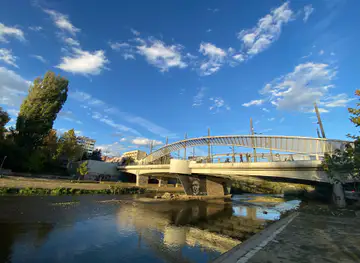
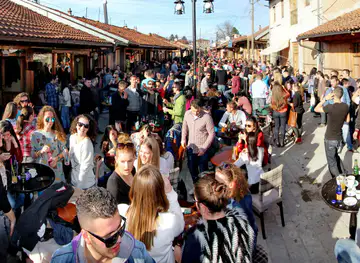
The cities of Dukagjin, and the easiest places to base yourself.
-

-
-

-
-

-


Swipe for more cities
Destinations in Dukagjin
Resorts, valleys and scenic spots worth a trip of their own.
-

-

-

-

-

-


Swipe for more destinations
Best attractions in Dukagjin
Dukagjin’s attractions range from high mountain scenery to densely layered urban heritage. Around Peja, Rugova Canyon provides the region’s defining outdoor landscape, with walking, climbing and scenic drives leading towards the Accursed Mountains. Deçan and Peja offer important medieval religious heritage, while Gjakova’s historic bazaar reveals the commercial culture of the Ottoman period. Prizren adds museums, mosques, churches, bridges and cultural institutions within a compact historic setting. South-western mountain areas provide opportunities for hiking and winter recreation, although conditions and facilities vary outside the towns. Around Rahovec and Suhareka, vineyards, orchards and agricultural landscapes create a different kind of excursion, centred on rural scenery and local produce. The region is best understood through combinations rather than isolated sights: a monastery visit followed by a market town, a mountain walk linked to Peja, or a historic Prizren itinerary extended into the surrounding hills. Some religious sites remain active places of worship, and access may be subject to security, conservation or community arrangements.
-
Monastery
Đurđevi stupovi
Experience the spiritual tranquility and historical significance of Đurđevi Stupovi Monastery, a must-visit destination in Novi Pazar, Serbia.
-
Tourist attraction
Sharr Mountain National Park
Discover Sharr Mountain National Park: A breathtaking escape into nature's paradise with adventure, wildlife, and stunning landscapes.
-
Monastery
Monastery Visoki Decani
Explore the rich history and breathtaking beauty of Visoki Decani Monastery, a UNESCO World Heritage site in the heart of Kosovo.
-
Tourist attraction
Bjeshkët e Nemuna National Park
Experience the breathtaking landscapes and rich biodiversity of Bjeshkët e Nemuna National Park, a hidden gem in the heart of the Albanian Alps.



Best landmarks in Dukagjin
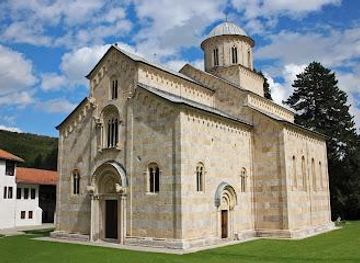
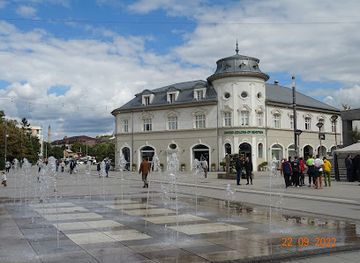
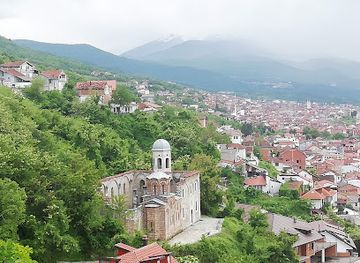
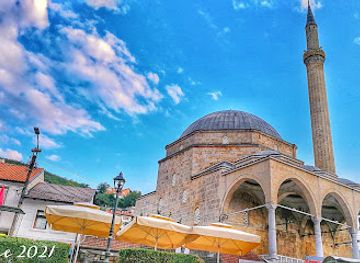
Rugova Canyon is Dukagjin’s most recognisable natural landmark, a dramatic gorge cut through limestone west of Peja and the threshold to the region’s high mountain landscape. The Peja Patriarchate, set near the canyon entrance, is a major medieval religious complex known for its churches and surviving frescoes. Visoki Dečani Monastery, surrounded by the foothills near Deçan, is one of the region’s most important medieval monuments and forms part of the UNESCO-listed Medieval Monuments in Kosovo. In Gjakova, the historic Grand Bazaar and the Tabak Bridge evoke the town’s Ottoman commercial past, while Prizren’s fortress dominates the skyline above the old town. The Sinan Pasha Mosque and the Stone Bridge are among the city’s defining architectural markers. The League of Prizren complex adds political significance to Prizren’s historic landscape, linking its buildings and collections with the development of Albanian national thought in the late nineteenth century.
-
Sculpture
Newborn Monument
Discover the Newborn Monument in Pristina, a vibrant symbol of Kosovo's independence reflecting the spirit of freedom and cultural diversity.
-
Fortress
Prizren Fortress
Explore the historical Prizren Fortress, offering stunning views and rich heritage in the heart of Kosovo's scenic landscapes.
-
National park
Sharr Mountain National Park
Explore the breathtaking beauty of Sharr Mountain National Park, a paradise for outdoor enthusiasts and nature lovers in Kosovo.
-
Mosque
Sinan Pasha Mosque
Discover the Sinan Pasha Mosque, a stunning historical landmark in Prizren, showcasing Ottoman architecture and rich cultural heritage.

Explore Dukagjin on the map
Plan your trip on one map. See where the top cities, national parks and sights are, and book hotels and experiences in a few clicks.
Best hotels in Dukagjin
Best restaurants in Dukagjin
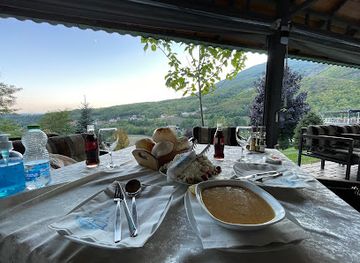
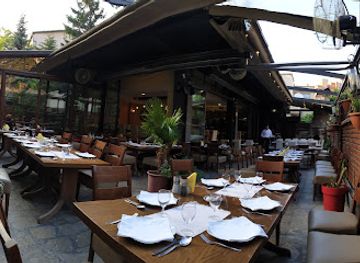
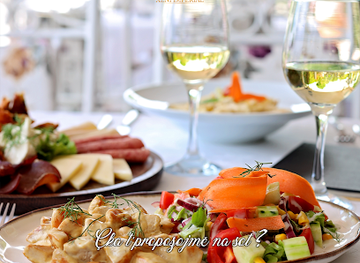
Dining in Dukagjin combines Kosovo’s widely shared Balkan traditions with local produce and distinct town settings. Grilled meats, qofte, filled pastries, breads, yoghurt, fresh salads and slow-cooked dishes are common on menus, while cafés and bakeries provide practical choices for breakfast or a light meal. Peja and Gjakova offer restaurants and cafés around their central streets and historic commercial areas; Prizren has the broadest concentration of dining in an architecturally historic setting. In rural districts, meals may be simpler and based on seasonal vegetables, dairy, meat and bread. Rahovec is associated with vineyards and wine production, giving the surrounding area a particular food-and-drink identity, though tastings and cellar visits should be arranged in advance. Turkish, Albanian and wider Balkan influences are visible in the region’s cooking, but menus vary considerably between family restaurants, modern establishments, mountain venues and traditional inns.
-
Restaurant
Trofta e Drinit
Experience authentic Kosovar cuisine at Trofta e Drinit, renowned for its fresh trout dishes and breathtaking mountain views.
-
Restaurant
Pishat
Discover authentic Kosovar flavors at Pishat in Pristina—where tradition meets modern cuisine in a cozy setting.
-
Restaurant
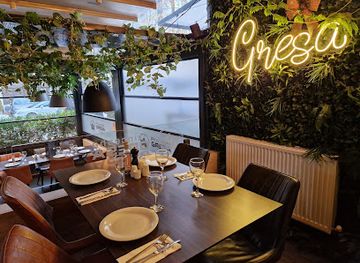
Princesha Gresa Restaurant
Experience authentic Kosovar cuisine at Princesha Gresa Restaurant in Pristina - where tradition meets taste.
-
Restaurant
Restaurant Xeni Imperial
Experience authentic Albanian cuisine at Restaurant Xeni Imperial in Gjakova – where tradition meets taste in a charming setting.
Best bars in Dukagjin
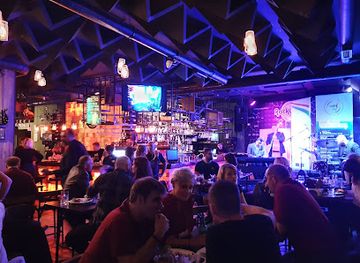
Evening life in Dukagjin is concentrated in the larger towns rather than spread evenly across the countryside. Prizren has the most varied café and bar scene, with outdoor terraces, riverside streets and venues in or near the historic centre, while Peja and Gjakova offer cafés, pubs and restaurants that become busier in the evening. Nightlife usually begins with coffee or a long meal and may continue with live music or late-opening bars; a large international club circuit should not be expected. In smaller towns and mountain settlements, traditional cafés, family restaurants and occasional social events are more characteristic than nightclubs. Local breweries, wine producers and café culture provide alternatives to late-night entertainment, and established venues are generally a better choice than drinking in isolated outdoor areas.
-
Restaurant
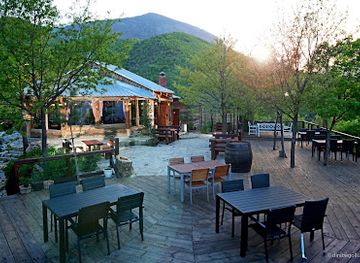
Shtepia Alpike Ranch
Explore Shtepia Alpike Ranch: A culinary and adventure haven in the heart of Peja, where nature and flavor come together beautifully.
-
Restaurant
Shtëpia e Bardhë
Discover authentic Albanian flavors at Shtëpia e Bardhë, a charming restaurant in Sredska offering a delightful dining experience.
-
Gastropub
Rockuzinë
Discover Rockuzinë, a lively gastropub in Pristina where delicious food and live music come together for an unforgettable experience.
-
Cocktail bar
tintin cocktail bar
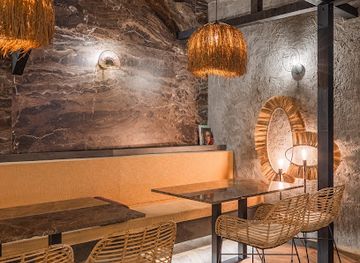
Immerse yourself in the lively ambiance of Tintin Cocktail Bar, where expertly crafted cocktails meet the vibrant spirit of Pristina.
Best nightclubs in Dukagjin
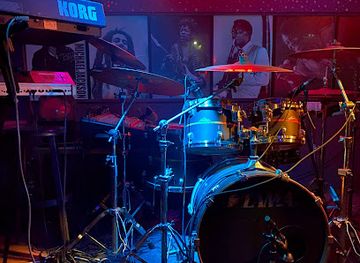
Evening life in Dukagjin is concentrated in the larger towns rather than spread evenly across the countryside. Prizren has the most varied café and bar scene, with outdoor terraces, riverside streets and venues in or near the historic centre, while Peja and Gjakova offer cafés, pubs and restaurants that become busier in the evening. Nightlife usually begins with coffee or a long meal and may continue with live music or late-opening bars; a large international club circuit should not be expected. In smaller towns and mountain settlements, traditional cafés, family restaurants and occasional social events are more characteristic than nightclubs. Local breweries, wine producers and café culture provide alternatives to late-night entertainment, and established venues are generally a better choice than drinking in isolated outdoor areas.
-
Night club
Venom Nightclub
Venom Nightclub: Dive into the heart of Prishtina's nightlife with electrifying music and a vibrant atmosphere that promises unforgettable nights out.
-
Night club
ZONE Club
Discover the electrifying atmosphere of ZONE Club in Pristina, where music and dance come alive for an unforgettable nightlife experience.
-
Night club
Diamonds Club
Experience the vibrant nightlife at Diamonds Club, Ferizaj's premier destination for unforgettable nights filled with music, dancing, and great company.
-
Night club
Zanzi Bar
Experience the vibrant nightlife of Pristina at Zanzi Bar, where exceptional music and an electrifying atmosphere await.


Best shops in Dukagjin
Shopping in Dukagjin is centred on market towns, independent shops and historic commercial streets rather than large-scale luxury retail. Gjakova’s bazaar is the region’s most evocative shopping environment, with craft, household and small retail businesses set among Ottoman-era streets, although the exact mix changes over time. Prizren and Peja offer high-street shops, cafés, bakeries, supermarkets and boutiques, while local markets are useful for seasonal fruit, vegetables, cheese and other everyday produce. Regional wine from Rahovec, packaged foods, honey, coffee and traditional garments can make practical souvenirs when purchased from reputable sellers. Craft goods, embroidered textiles, leather items and decorative objects appear in specialist shops and market settings, but quality varies, so compare workmanship and ask about materials before buying. Rural areas have fewer dedicated shops and are better suited to planned purchases from farms, cellars or small producers.
-
Shopping mall
Albi Mall
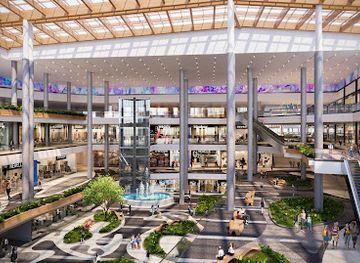
Discover the vibrant shopping scene and cultural essence at Albi Mall, Prishtina's premier destination for retail therapy and entertainment.
-
Shopping mall
Prishtina Mall
Explore Prishtina Mall: A modern shopping haven in Kosovo's capital, blending local charm with international brands and diverse dining options.
-
Bazar
Bazaar of Peja
Discover the rich culture and vibrant atmosphere of the Bazaar of Peja, where local craftsmanship meets authentic Kosovar flavors.
-
Shopping mall
Royal Mall
Explore Royal Mall in Pristina, a vibrant shopping destination with diverse stores, dining options, and entertainment for an unforgettable experience.


Get your free copy of our complete guide to Dukagjin, delivered straight to you.
Everything on this page, from attractions and restaurants to essentials and local phrases, in one PDF you can read offline, print or share.
Already have an account? Sign in
Your Dukagjin guide is ready.
We'll send it to · Not you? Sign out

Getting your guide ready…
We are putting together a fresh copy of the Dukagjin guide. This can take up to a minute.
This can take a few moments. If your browser asks, choose Allow so the download can start. You'll find the guide in your Downloads folder.
Nothing happened? Download it again
Sorry, the guide is taking longer than usual. Please try again in a minute, or get it by email instead.
Dukagjin essentials
Currency and Payment
Safety
Emergency Situations
Do's and Don'ts
Local Tips
From Eve
Local phrases worth knowing
You don't need to get them perfect. A few words go a long way, and locals appreciate the effort.
Basics
| English | Local | Say it |
|---|---|---|
| Hello | Përshëndetje | [Pərshəndetje] |
| Goodbye | Mirupafshim | [Mirupafshim] |
| Yes | Po | [Po] |
| No | Jo | [Jo] |
| Please/You’re welcome | Të lutem/Mirë se vini | [Të lutem/Mirë se vini] |
| Thank you | Faleminderit | [Faleminderit] |
| Excuse me/Sorry | Më falni/Më vjen keq | [Më falni/Më vjen keq] |
| How are you? | Si jeni? | [Si jeni?] |
| Fine. And you? | Mirë. E ti? | [Mirë. E ti?] |
| Do you speak English? | A flisni anglisht? | [A flisni anglisht?] |
| I don't understand | Nuk e kuptoj | [Nuk e kuptoj] |
Eating & Drinking
| English | Local | Say it |
|---|---|---|
| I'd like to see the menu, please | Do doja të shihja menunë, të lutem | [Do doja të shihja menunë, të lutem] |
| I don't eat meat | Nuk ha mish | [Nuk ha mish] |
| Cheers! | Gëzuar! | [Gëzuar!] |
| I would like to pay, please | Do doja të paguaj, të lutem | [Do doja të paguaj, të lutem] |
Emergencies
| English | Local | Say it |
|---|---|---|
| Help! | Ndihmë! | [Ndihmë!] |
| Go away! | Shko larg! | [Shko larg!] |
| Call the Police! | Thirrni Policinë! | [Thirrni Policinë!] |
| Call a doctor! | Thirrni një doktor! | [Thirrni një doktor!] |
| I'm lost | Jam humbur | [Jam humbur] |
| I'm ill | Jam i sëmurë | [Jam i sëmurë] |
Shopping
| English | Local | Say it |
|---|---|---|
| I'd like to buy... | Do doja të blija... | [Do doja të blija...] |
| I'm just looking | Po shoh vetëm | [Po shoh vetëm] |
| How much is it? | Sa kushton? | [Sa kushton?] |
| That's too expensive | Kjo është shumë e shtrenjtë | [Kjo është shumë e shtrenjtë] |
| Can you lower the price? | A mund të ulni çmimin? | [A mund të ulni çmimin?] |
Time & Numbers
| English | Local | Say it |
|---|---|---|
| What time is it? | Sa është ora? | [Sa është ora?] |
| It's one o'clock | Është ora një | [Është ora një] |
| Half past (10) | Pjesa e gjysmë (10) | [Pjesa e gjysmë (10)] |
| Morning | Mëngjes | [Mëngjes] |
| Afternoon | Pasdite | [Pasdite] |
| Evening | Mbrëmje | [Mbrëmje] |
| Yesterday | Dje | [Dje] |
| Today | Sot | [Sot] |
| Tomorrow | Nesër | [Nesër] |
| 1 | 1 | [1] |
| 2 | 2 | [2] |
| 3 | 3 | [3] |
| 4 | 4 | [4] |
| 5 | 5 | [5] |
| 6 | 6 | [6] |
| 7 | 7 | [7] |
| 8 | 8 | [8] |
| 9 | 9 | [9] |
| 10 | 10 | [10] |
Transport & Directions
| English | Local | Say it |
|---|---|---|
| Where's a/the...? | Ku është një/ka...? | [Ku është një/ka...?] |
| What's the address? | Cila është adresa? | [Cila është adresa?] |
| Can you show me (on the map)? | A mund të më tregoni (në hartë)? | [A mund të më tregoni (në hartë)?] |
| When's the next (bus)? | Kur është autobusi tjetër? | [Kur është autobusi tjetër?] |
| A ticket (to ....) | Një biletë (për....) | [Një biletë (për....)] |
History of Dukagjin
Prehistoric settlement in the Dukagjin Basin
The fertile basin of western Kosovo supported settled communities from prehistoric periods, when agriculture, animal husbandry and riverine resources encouraged permanent habitation. Archaeological remains from the wider region show the long continuity of village settlement and craft production before the emergence of written historical records. Although many sites are not arranged as major visitor attractions, the basin’s cultivated fields, ancient routes and elevated settlements reflect a landscape shaped by human use for thousands of years.
Roman and late-antique roads and settlements
Under Roman rule, western Kosovo formed part of the communications network linking inland Balkan settlements with routes towards the Adriatic. Roads, estates and administrative centres connected the basin with neighbouring regions, while late-antique fortifications responded to political instability and changing imperial frontiers. Many visible Roman monumental sites associated with Kosovo lie outside Dukagjin, but the region’s later towns and routes developed within this broader Roman and post-Roman landscape.
Medieval monasteries and regional power
During the medieval period, Dukagjin became an important area of settlement, agriculture and religious patronage. The monasteries at Deçan and Peja’s Patriarchate preserve major evidence of the period, including monumental church architecture, wall paintings and institutional traditions. Their histories are connected to Serbian Orthodox ecclesiastical structures and to the shifting political powers of the medieval Balkans. Today they are also reminders that the region’s cultural inheritance is shared, layered and sometimes contested.
Ottoman towns and commercial networks
Ottoman rule transformed the region’s urban life from the fifteenth century onwards. Market towns developed mosques, inns, baths, bridges and covered or partly covered commercial streets, while local trade connected agricultural districts with wider Balkan routes. Gjakova’s bazaar and Prizren’s historic centre retain especially clear traces of this period, although both towns have also been altered by later rebuilding, conflict and modern development. The Ottoman legacy remains evident in architecture, urban layouts, cuisine and vocabulary.
The League of Prizren and Albanian national history
In 1878, Albanian leaders gathered in Prizren to establish the League of Prizren, an organisation that sought to defend Albanian-inhabited territories and pursue political and cultural rights during the crisis of the Ottoman Empire. The league’s programme and subsequent suppression made Prizren a powerful reference point in Albanian national history. The complex associated with the league is now an important place for understanding the political debates that shaped the late nineteenth-century Balkans.
War, displacement and reconstruction in the late twentieth century
The wars accompanying the break-up of Yugoslavia reached Kosovo during the late 1990s, bringing armed conflict, displacement and severe damage to communities and cultural property across Dukagjin. The 1998–99 Kosovo War was followed by an international administration and a long process of return, reconstruction and documentation. The period remains part of living memory, and visitors should approach memorials, damaged or rebuilt religious buildings and sites connected with the conflict with restraint and respect.
Post-war travel, heritage and rural transformation
Since 1999, Dukagjin has experienced major changes in roads, town centres, private construction, hospitality and cross-border mobility. Peja’s mountain tourism, Prizren’s cultural profile and the region’s monasteries and wine country have become increasingly important to visitors. At the same time, migration, remittances and changing agricultural practices continue to reshape villages and family life. The resulting landscape is neither a preserved historical zone nor a wholly modern one, but a region where older forms and rapid development stand side by side.
Dukagjin in Photos
Browse through our photo collection highlighting the charm and character of the destination.
Neighbouring regions of Dukagjin
The closest regions to Dukagjin, if you have time for more than one.
-

-

-

-

-


Swipe for more regions
Explore more
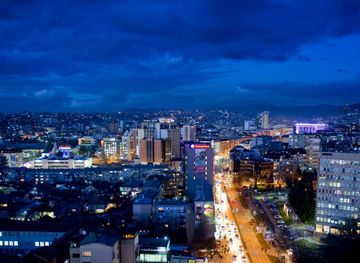
Explore more of Kosovo
Discover Kosovo: A Blend of Ancient History, Vibrant Culture, and Stunning Natural Beauty in the Heart of the Balkans.
Explore Kosovo