

Free Ferizaj Travel Guide & Mobile App
Plan your Ferizaj trip with Evendo. Get free guides to top attractions, restaurants, hotels, and bars. Web access or download the mobile app.


Ferizaj, Kosovo blends railway heritage, Ottoman traces, lively cafés and access to the Sharri Mountains, with culture and nature close at hand.
A Young City with Ottoman Roots
Ferizaj lies in southern Kosovo, on the broad plain between Pristina and Skopje. Unlike Kosovo’s older settlements, its modern urban development is closely linked to the railway built through the region in the nineteenth century. The town grew around the station and the commercial activity encouraged by the route, while its name recalls Feriz Shasivari, an Ottoman-era landowner associated with the settlement. Today, the centre has a youthful, sociable character, with cafés, restaurants and shops concentrated along busy streets shaped by post-war growth.Read more about Ferizaj
Faiths Side by Side
Plain, River and Mountain
When is the best time to visit Ferizaj?
Best: May, August–September · 24–29°C| Month | High (°C) | Rainfall (mm) |
|---|---|---|
| January | 5 | 41 |
| February | 8 | 37 |
| March | 12 | 39 |
| April | 18 | 54 |
| May (best) | 24 | 69 |
| June | 27 | 65 |
| July | 30 | 47 |
| August (best) | 29 | 39 |
| September (best) | 24 | 50 |
| October | 17 | 58 |
| November | 11 | 51 |
| December | 6 | 43 |
Getting to and around Ferizaj
How to get there
Transportation
Best attractions in Ferizaj
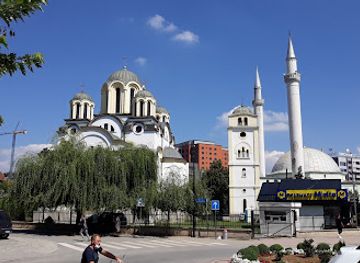
Ferizaj’s principal sights are concentrated in and around the centre, making the city straightforward to explore on foot. The Great Mosque and the Church of Saint Uroš stand close together and offer a striking introduction to the religious and social layers of Kosovo’s southern urban landscape. The railway station area recalls the nineteenth-century line that transformed a small settlement into a commercial town, while the surrounding streets reveal contemporary Ferizaj through cafés, shops and everyday local activity rather than a preserved medieval quarter. Beyond the centre, the municipality opens towards Nerodime and the Nerodimka valley, where villages and open countryside provide a quieter contrast. The Sharri Mountains, rising south of the city, are the region’s major natural attraction, with opportunities for hiking and winter recreation farther from the urban area. These varied settings make Ferizaj appealing for visitors interested in modern Kosovo, local history and accessible excursions.
-
Monastery
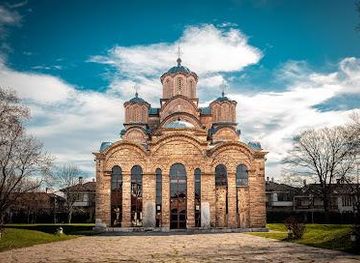
Serbian Orthodox Monastery Gračanica
Explore the serene beauty and spiritual heritage of the Serbian Orthodox Monastery Gračanica, a must-visit UNESCO World Heritage site in Kosovo.
46 min drive · 26 km from city centre
-
Tourist attraction
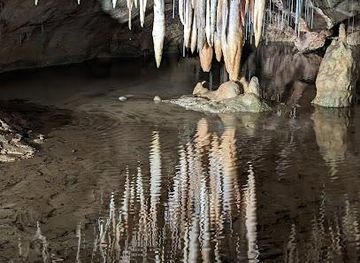
Gadime Cave
Discover the breathtaking beauty of Gadime Cave, a natural wonder in Kosovo featuring stunning formations and a rich geological history.
33 min drive · 13 km from city centre
-
Tourist attraction
Xhamia e Madhe
Explore the architectural beauty and cultural significance of Xhamia e Madhe, a must-visit mosque in Ferizaj, Kosovo, reflecting the region's rich heritage.
5 min walk · 0.4 km from city centre
-
National park
Parku i Lirisë
Explore the breathtaking landscapes and diverse wildlife of Parku i Lirisë, a national park offering tranquility and adventure in Loshkobare.
8 min drive · 2.8 km from city centre
Best landmarks in Ferizaj
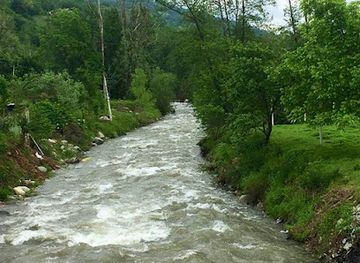
Ferizaj’s most distinctive landmarks are closely linked to its religious diversity and railway-era development. The Great Mosque, near the central area, represents the city’s Ottoman and Muslim heritage, while the nearby Church of Saint Uroš reflects the Serbian Orthodox presence that forms part of Kosovo’s layered history. Their close physical relationship is especially significant because it places two religious traditions within the everyday geography of the modern city. The railway station and the line through Ferizaj are less monumental than the religious buildings, but they are central to understanding why the settlement expanded so rapidly from the nineteenth century onwards. Outside the urban core, the Nerodimka River and the landscapes around Nerodime provide geographical landmarks tied to the municipality’s rural setting. The Sharri Mountains form a dramatic southern backdrop and connect Ferizaj’s built identity with the wider natural geography of Kosovo.
-
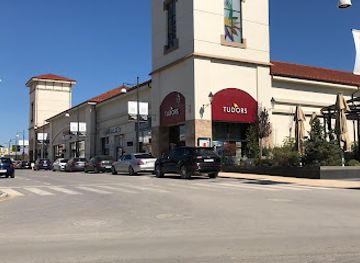
Shopping mall
The Village - Shopping & Fun
Discover shopping, dining, and entertainment at The Village in Ferizaj, a vibrant hub for tourists and locals alike.
7 min walk · 0.6 km from city centre
-
Mosque
Xhamia e Madhe
Experience the serene beauty of Xhamia e Madhe in Ferizaj, an architectural marvel and a key cultural landmark in Kosovo.
5 min walk · 0.4 km from city centre
-
 Historical landmark
Gjimnazi i parë i Ferizajt
Discover the rich educational heritage of Gjimnazi i parë i Ferizajt, a historical landmark reflecting Kosovo's commitment to learning and culture.
10 min walk · 0.8 km from city centre
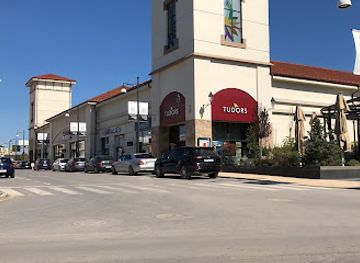

Explore Ferizaj on the map
Plan your Ferizaj trip on one map. See where the top attractions, landmarks, restaurants, bars and hotels are, find what's near where you're staying, and book hotels and experiences in a few clicks.
Best hotels in Ferizaj
Best restaurants in Ferizaj
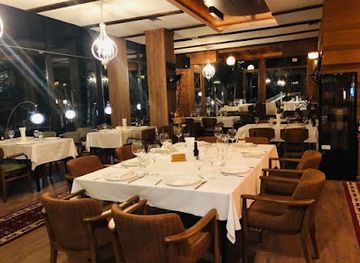
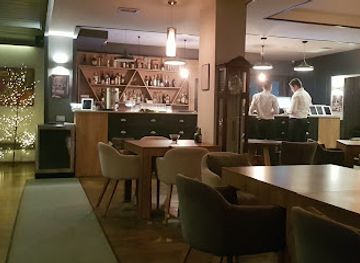
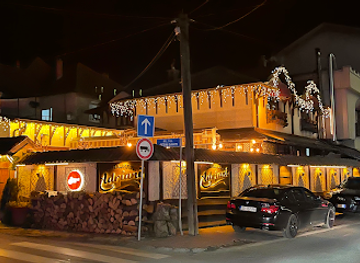
Ferizaj’s dining scene reflects the food culture of Kosovo, with Albanian and wider Balkan influences appearing in grilled meats, qebapa, flaky pastries, stuffed peppers, fresh salads and hearty bean or meat dishes. Restaurants and casual grills around the centre cater strongly to local residents, while cafés serve coffee, desserts and light meals throughout the day. Bakery counters are useful for burek and other savoury pastries, and family-run establishments often offer traditional cooking in generous portions. Turkish and broader Balkan culinary influences are also visible, alongside pizzerias and contemporary cafés shaped by the city’s young population and international connections. Meals are commonly social and unhurried, with coffee forming an important part of public life. Menus and service may vary between central restaurants and smaller neighbourhood businesses, so local recommendations are particularly useful for discovering seasonal or regional specialities.
-
Restaurant
Restaurant Apollonia 1991 Ferizaj
Experience exquisite dining at Restaurant Apollonia 1991 in Ferizaj, where traditional flavors meet modern culinary artistry.
4 min walk · 0.3 km from city centre
-
Restaurant
Ujevara Resort
Experience exquisite dining at Ujevara Resort in Ferizaj—where local flavors meet stunning landscapes.
8 min drive · 2.8 km from city centre
-
Traditional restaurant
Restaurant ADRIANI
Discover the flavors of tradition at Restaurant ADRIANI in Ferizaj - where family dining meets authentic cuisine.
5 min walk · 0.4 km from city centre
-
Restaurant
Ballkan Restaurant
Experience authentic Kosovar flavors at Ballkan Restaurant in Ferizaj – where tradition meets modern culinary excellence.
7 min walk · 0.5 km from city centre
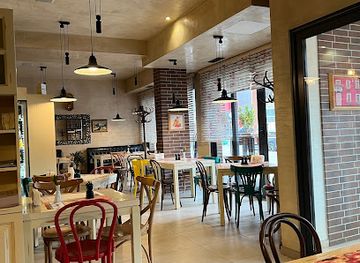
Best bars in Ferizaj
Evenings in Ferizaj centre revolve primarily around cafés, casual bars and restaurants rather than a large international club scene. Coffee culture remains central, and streets with concentrated café terraces become social meeting places from late afternoon into the evening. Younger residents also support bars offering contemporary music, while weekend nightlife can include livelier venues and clubs whose programmes change over time. The atmosphere is generally sociable and group-oriented, with conversation and music as important as drinking. Visitors should expect nightlife to be strongest in the central commercial area and quieter in residential districts. Alcohol is available, but evening entertainment is not limited to it: cafés, dessert shops and late meals are significant parts of local urban life. Opening times, music schedules and venue availability can change, so current local information is more reliable than fixed assumptions.
-
Grill
The Temple Bar - Lounge
Experience the vibrant flavors of Ferizaj at The Temple Bar - Lounge, a top destination for grill lovers and social gatherings.
5 min walk · 0.4 km from city centre
-
Cafe
Blla Blla pub
Experience the vibrant nightlife and local culture at Blla Blla Pub, a lively cafe and pub in Ferizaj that welcomes all travelers.
4 min walk · 0.3 km from city centre
-
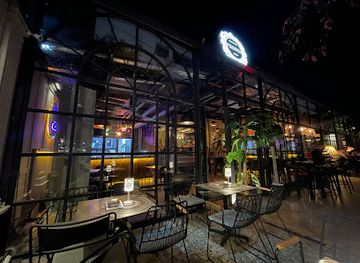
Bar
French Lounge Bar
Discover the cozy ambiance and exquisite menu at Ferizaj's French Lounge Bar, where local culture meets relaxation in a stylish setting.
4 min walk · 0.3 km from city centre
-
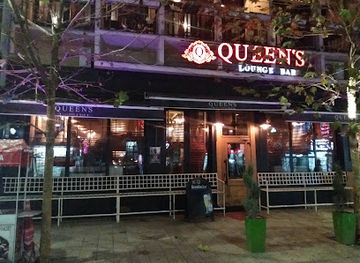
Lounge
Queen's Lounge Bar
Experience the vibrant atmosphere and exquisite drinks at Queen's Lounge Bar in Ferizaj, a local favorite for relaxation and socializing.
5 min walk · 0.4 km from city centre
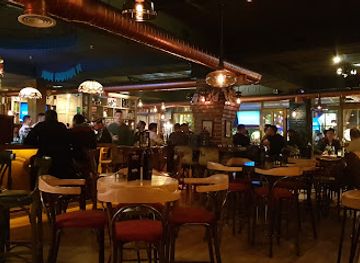
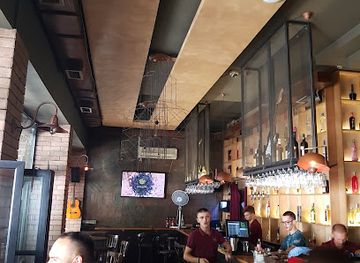
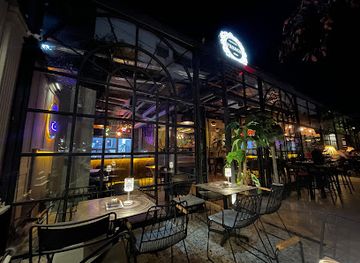
Best nightclubs in Ferizaj
Evenings in Ferizaj centre revolve primarily around cafés, casual bars and restaurants rather than a large international club scene. Coffee culture remains central, and streets with concentrated café terraces become social meeting places from late afternoon into the evening. Younger residents also support bars offering contemporary music, while weekend nightlife can include livelier venues and clubs whose programmes change over time. The atmosphere is generally sociable and group-oriented, with conversation and music as important as drinking. Visitors should expect nightlife to be strongest in the central commercial area and quieter in residential districts. Alcohol is available, but evening entertainment is not limited to it: cafés, dessert shops and late meals are significant parts of local urban life. Opening times, music schedules and venue availability can change, so current local information is more reliable than fixed assumptions.
-
Night club
Venom Nightclub
Discover the vibrant nightlife of Prishtina at Venom Nightclub, where unforgettable nights come alive with music, dance, and great company.
45 min drive · 25 km from city centre
-
Bar
French Lounge Bar
Discover the vibrant atmosphere of the French Lounge Bar in Ferizaj, where exquisite drinks and live music create unforgettable experiences.
4 min walk · 0.3 km from city centre
-
Night club
Diamonds Club
Experience the electrifying nightlife at Diamonds Club, Ferizaj's top destination for music, dancing, and vibrant social gatherings.
10 min walk · 0.8 km from city centre
-
Night club
Sentio Bar & Club
Discover the vibrant nightlife at Sentio Bar & Club in Ferizaj, where electrifying music and an energetic crowd create unforgettable nights.
4 min walk · 0.3 km from city centre


Best shops in Ferizaj
Shopping in Ferizaj is centred on the commercial streets around the town centre, where independent shops, bakeries, cafés, clothing retailers, pharmacies and everyday services reflect the needs of a young regional population. Modern retail has expanded alongside older small businesses, with larger supermarkets and shopping developments providing familiar international and local brands outside the most traditional streets. Markets and small food shops are useful for seasonal produce, bakery goods, coffee and pantry items, while Kosovo-made textiles, handicrafts and decorative objects may be found through specialist sellers or local contacts rather than in a single dedicated tourist bazaar. The city’s retail character is practical and contemporary, shaped by regional trade, family businesses and strong diaspora connections. Visitors looking for distinctive purchases should consider locally produced food, craftwork and traditional textiles, checking provenance when buying handmade goods.
-
Shopping mall
The Village - Shopping & Fun
Experience the vibrant shopping and entertainment at The Village in Ferizaj, where every visit promises a delightful blend of retail therapy and leisure.
7 min walk · 0.6 km from city centre
-
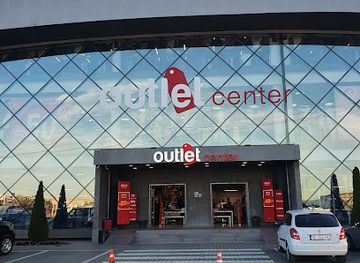
Shopping mall
Outlet Center
Explore the dynamic Outlet Center in Ferizaj, a premier shopping mall offering diverse retail, dining, and entertainment options for a memorable experience.
5 min drive · 1.5 km from city centre
-
Shopping mall
Elkos Center, Ferizaj
Discover Elkos Center in Ferizaj: A dynamic shopping mall filled with retail, dining, and entertainment for an unforgettable experience.
12 min walk · 0.9 km from city centre
-
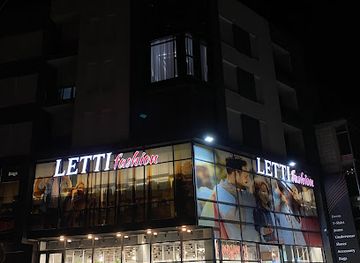
Clothing store
Butiku Letti Fashion Ferizaj
Discover unique styles and local artistry at Butiku Letti, Ferizaj's premier fashion boutique for men and women.
4 min walk · 0.3 km from city centre
Get your free copy of our complete guide to Ferizaj, delivered straight to you.
Everything on this page, from attractions and restaurants to essentials and local phrases, in one PDF you can read offline, print or share.
Already have an account? Sign in
Your Ferizaj guide is ready.
We'll send it to · Not you? Sign out

Getting your guide ready…
We are putting together a fresh copy of the Ferizaj guide. This can take up to a minute.
This can take a few moments. If your browser asks, choose Allow so the download can start. You'll find the guide in your Downloads folder.
Nothing happened? Download it again
Sorry, the guide is taking longer than usual. Please try again in a minute, or get it by email instead.
Ferizaj essentials
Currency and Payment
Safety
Emergency Situations
Do's and Don'ts
Local Tips
From Eve
Local phrases worth knowing
You don't need to get them perfect. A few words go a long way, and locals appreciate the effort.
Basics
| English | Local | Say it |
|---|---|---|
| Hello | Tungjatjeta | [toong-yat-yet-a] |
| Goodbye | Mirupafshim | [meer-oo-paf-sheem] |
| Yes | Po | [poh] |
| No | Jo | [yoh] |
| Please/You're welcome | Ju lutem | [yoo loo-tem] |
| Thank you | Faleminderit | [fah-le-min-dee-reet] |
| Excuse me/Sorry | Më falni | [muh fahl-nee] |
| How are you? | Si jeni? | [see yeh-nee] |
| Fine. And you? | Mirë. Dhe ju? | [meer] |
| Do you speak English? | A flisni anglisht? | [ah flees-nee ahn-gleesht] |
| I don't understand | Nuk kuptoj | [nook koop-toy] |
Eating & Drinking
| English | Local | Say it |
|---|---|---|
| I'd like to see the menu, please | Dëshiroj ta shoh menunë, ju lutem | [desh-ee-roy tah shoh meh-noo-neh yoo loo-tem] |
| I don't eat meat | Unë nuk ha mish | [oo-neh nook hah meesh] |
| Cheers! | Gëzuar! | [ge-zoo-ar] |
| I would like to pay, please | Dëshiroj të paguaj, ju lutem | [desh-ee-roy tuh pah-gwah yoo loo-tem] |
Emergencies
| English | Local | Say it |
|---|---|---|
| Help! | Ndihmë! | [ndee-muh] |
| Go away! | Shko larg! | [shko larg] |
| Call the Police! | Thirr policinë! | [thear po-lee-tsee-neh] |
| Call a doctor! | Thirr një mjek! | [thear nyuh myek] |
| I'm lost | Jam humbur | [yam hoom-boor] |
| I'm ill | Jam i sëmurë | [yam ee suh-moo-ruh] |
Shopping
| English | Local | Say it |
|---|---|---|
| I'd like to buy... | Dëshiroj të blej... | [desh-ee-roy tuh bleh] |
| I'm just looking | Vetëm shikoj | [vet-em shee-koy] |
| How much is it? | Sa kushton? | [sah koosh-ton] |
| That's too expensive | Është shumë e shtrenjtë | [ehs-tuh shoo-muh eh sht-renj-teh] |
| Can you lower the price? | A mund të ulni çmimin? | [ah moon-duh tuh ool-nee chmee-meen] |
Time & Numbers
| English | Local | Say it |
|---|---|---|
| What time is it? | Sa është ora? | [sah ehs-tuh oh-rah] |
| It's one o'clock | Është një ora | [ehs-tuh nyuh oh-rah] |
| Half past (10) | Një e gjysmë (10) | [nyuh eh gjees-muh] |
| Morning | Mëngjes | [muhn-jes] |
| Afternoon | Pasdite | [pahs-dee-teh] |
| Evening | Mbrëmje | [mbruhm-yeh] |
| Yesterday | Dje | [djeh] |
| Today | Sot | [sot] |
| Tomorrow | Nesër | [neh-ser] |
| 1 | Një | [nyuh] |
| 2 | Dy | [duh] |
| 3 | Tre | [treh] |
| 4 | Katër | [ka-ter] |
| 5 | Pesë | [peh-seh] |
| 6 | Gjashtë | [gjashteh] |
| 7 | Shtatë | [shta-teh] |
| 8 | Tetë | [teh-teh] |
| 9 | Nëntë | [nuhn-teh] |
| 10 | Dhjetë | [dhye-teh] |
Transport & Directions
| English | Local | Say it |
|---|---|---|
| Where's a/the...? | Ku është një/a...? | [koo ehs-tuh nyuh/ah] |
| What's the address? | Çfarë është adresa? | [chfar-eh ehs-tuh ah-dreh-sah] |
| Can you show me (on the map)? | A mund të më tregoni (në hartë)? | [ah moon-duh tuh muh troh-goh-nee (nye hahr-teh)] |
| When's the next (bus)? | Kur është autobusi tjetër? | [koor ehs-tuh ow-toh-boo-see tyet-ehr] |
| A ticket (to ....) | Një biletë (në ...) | [nyuh bee-leh-teh (neh)] |
History of Ferizaj
Ottoman Settlement Before the Railway
The settlement that became Ferizaj developed within the Ottoman Empire in the area historically associated with the Nerodimka River and the fertile Kosovo plain. Its name is linked to Feriz Shasivari, an Ottoman-era figure whose estate and local influence helped give the town its identity. Before the arrival of the railway, the area was less prominent than older regional centres, and its growth was shaped by agriculture, local trade and the movement of people across the plain. The surrounding landscape also carried older historical associations, including the medieval Serbian royal tradition connected with the nearby Nerodime area. Ferizaj’s later importance therefore emerged from a meeting of older rural and political landscapes with new transport and commercial networks.
The Railway Creates a Town
Ferizaj changed decisively in the late nineteenth century when the railway linking Salonica with the interior of the Balkans reached the area in 1873. The station connected the settlement to wider markets and encouraged merchants, craftsmen and service businesses to establish themselves nearby. The railway gave Ferizaj a distinctly modern urban focus, with commercial streets and neighbourhoods growing around the transport corridor rather than around a medieval citadel or ancient civic centre. Its position between Pristina and Skopje strengthened this role during the final decades of Ottoman rule. The town’s contemporary identity as a lively regional commercial centre still reflects that railway-born expansion.
Late Ottoman and Yugoslav Transformations
During the late Ottoman period and the political changes that followed the Balkan Wars, Ferizaj experienced the shifting administration and population movements that affected much of Kosovo. In the Kingdom of Yugoslavia and later socialist Yugoslavia, the town became part of a more centralised economic and transport system. Road connections, public institutions and industrial activity expanded, while Albanian social and cultural life remained central to the area’s identity. The railway continued to shape the town’s regional links, although its importance changed as roads and motor transport became increasingly dominant. Urban development gradually extended beyond the original station-centred settlement into a broader town on the Kosovo plain.
Conflict and Post-War Reconstruction
Ferizaj, like other parts of Kosovo, was affected by the political crisis and armed conflict of the 1990s, culminating in the Kosovo War in 1998–1999. The period brought displacement, insecurity and severe disruption to civilian life across the region. After the war, international administration and later Kosovo’s self-governing institutions oversaw a period of reconstruction and social reorganisation. Ferizaj’s built environment changed rapidly as homes, businesses and public facilities were repaired or rebuilt, and the city’s population and economy adapted to new political conditions. These developments help explain the mixture of older religious landmarks, railway traces and relatively recent commercial and residential construction visible today.
Contemporary Ferizaj
In contemporary Kosovo, Ferizaj serves as an important urban and commercial centre in the south of the country. Its growth is sustained by its location on the route between Pristina and North Macedonia, a young population and strong links with surrounding villages and the diaspora. New cafés, restaurants, shops and service businesses have reshaped the centre, while the Great Mosque and Church of Saint Uroš remain visible reminders of the area’s layered religious history. The municipality also looks beyond the city towards the Nerodimka valley and the Sharri Mountains, connecting urban life with rural landscapes and outdoor recreation. Ferizaj’s character is consequently defined less by a preserved historic core than by continuing movement, rebuilding and regional exchange.
Ferizaj in Photos
Browse through our photo collection highlighting the charm and character of the destination.
Cities near Ferizaj
The closest cities to Ferizaj, if you have time for more than one stop.
-

-

-

-

-


Swipe for more cities
Explore more
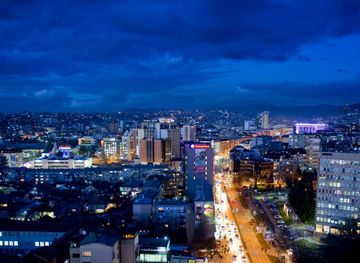
Explore more of Kosovo
Discover Kosovo: A Blend of Ancient History, Vibrant Culture, and Stunning Natural Beauty in the Heart of the Balkans.
Explore Kosovo