

Free Prizren Travel Guide & Mobile App
Plan your Prizren trip with Evendo. Get free guides to top attractions, restaurants, hotels, and bars. Web access or download the mobile app.


Prizren, Kosovo’s historic cultural centre, pairs Ottoman streets, stone bridges, fortress views, lively cafés, local cuisine and mountain scenery to explore.
A River City with Many Layers
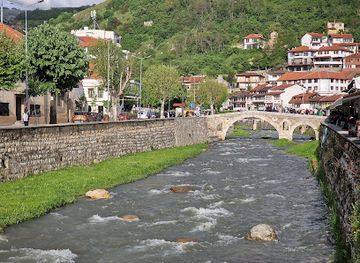
Prizren lies in southern Kosovo, close to the foothills of the Šar Mountains and shaped by the Bistrica river, whose channel runs through the historic centre. Its compact old town brings together Ottoman-era streets, stone bridges, courtyards, mosques, churches and craft workshops, while the hilltop fortress provides a broad view over red-tiled roofs and the surrounding valley. The result is a city that rewards slow exploration rather than hurried sightseeing.Read more about Prizren
Ottoman Streets and Sacred Architecture
Culture, Crafts and Mountain Horizons
When is the best time to visit Prizren?
Best: May–June, September · 24–28°C| Month | High (°C) | Rainfall (mm) |
|---|---|---|
| January | 6 | 50 |
| February | 8 | 45 |
| March | 14 | 40 |
| April | 19 | 45 |
| May (best) | 24 | 50 |
| June (best) | 28 | 35 |
| July | 34 | 30 |
| August | 32 | 30 |
| September (best) | 26 | 40 |
| October | 20 | 55 |
| November | 12 | 60 |
| December | 8 | 55 |
Getting to and around Prizren
How to get there
Transportation
Best attractions in Prizren
Prizren’s attractions are concentrated within a walkable historic centre. Shadërvan Square forms the social heart, surrounded by cafés, traditional façades and the Bistrica’s stone bridges, while the Sinan Pasha Mosque offers one of the city’s most recognisable interiors and exterior views. The Museum of the League of Prizren places the city’s nineteenth-century political history in its original urban setting, and the Church of Our Lady of Ljeviš introduces a very different medieval artistic and religious tradition. Above the rooftops, Prizren Fortress rewards the climb with wide views across the valley and the Šar foothills. The Albanian League complex, old hammam and narrow bazaar streets add smaller-scale discoveries, while Dokufest brings film screenings and cultural activity to venues across the centre during its annual programme. The nearby mountain landscape provides a contrasting excursion for visitors seeking walking, cooler air and rural scenery.
-
Mosque
Colorful Mosque
Discover the stunning Colorful Mosque in Tetovo, a vibrant symbol of cultural heritage and architectural beauty in North Macedonia.
50 min drive · 30 km from city centre
-
Fortress
Prizren Fortress
Discover the historic Prizren Fortress, where ancient walls meet breathtaking landscapes, offering a glimpse into Kosovo's rich cultural heritage and stunning views.
9 min walk · 0.7 km from city centre
-
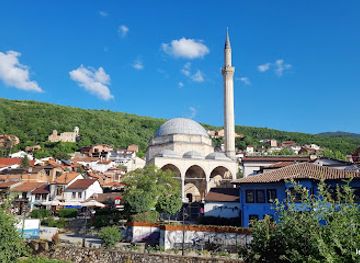
Mosque
Sinan Pasha Mosque
Explore the Sinan Pasha Mosque in Prizren, a stunning example of Ottoman architecture and a symbol of Kosovo's rich cultural heritage.
9 min walk · 0.7 km from city centre
-
Place of worship
Arabati Baba Tekke
Explore the rich spiritual heritage and stunning architecture of Arabati Baba Tekke in Tetovo, a serene historical landmark in North Macedonia.
49 min drive · 29 km from city centre


Best landmarks in Prizren
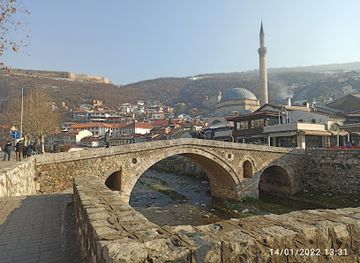
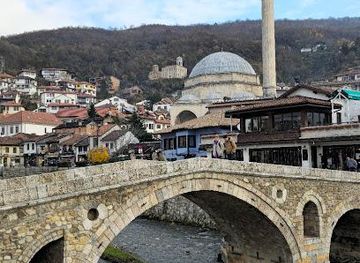
Prizren’s landmarks express the meeting of medieval Orthodox, Ottoman Islamic and modern Albanian historical traditions. The hilltop Prizren Fortress is the city’s dominant monument, its defensive position explaining the settlement’s strategic importance across successive periods. In the centre, the Sinan Pasha Mosque is distinguished by its tall minaret and Ottoman architectural composition, while the nearby Stone Bridge over the Bistrica has become a symbol of the old town’s relationship with the river. The Church of Our Lady of Ljeviš, a fourteenth-century Serbian Orthodox foundation, is significant for its medieval architecture and religious history, though its condition and access should be checked locally. The complex of the League of Prizren is a civic and national landmark associated with the 1878 Albanian political assembly. Together, these buildings show how Prizren’s identity was formed through overlapping communities and changing empires.
-
Fortress
Prizren Fortress
Explore Prizren Fortress, a historical gem with breathtaking views in Kosovo's charming city of Prizren.
9 min walk · 0.7 km from city centre
-
Mosque
Sinan Pasha Mosque
Experience the architectural splendor of Sinan Pasha Mosque in Prizren, a historical gem offering insight into the rich cultural heritage of Kosovo.
9 min walk · 0.7 km from city centre
-
Restaurant
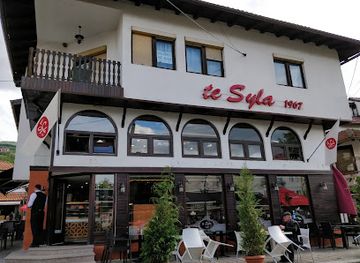
te Syla
Discover the authentic taste of Kosovar cuisine at te Syla, a culinary treasure in Prizren, blending tradition with a welcoming ambiance.
9 min walk · 0.7 km from city centre
-
Bridge
Stone Bridge
Experience the enchanting Stone Bridge in Prizren, a historical gem that showcases Kosovo's rich culture and stunning landscapes.
9 min walk · 0.7 km from city centre
Explore Prizren on the map
Plan your Prizren trip on one map. See where the top attractions, landmarks, restaurants, bars and hotels are, find what's near where you're staying, and book hotels and experiences in a few clicks.
Best hotels in Prizren
Best restaurants in Prizren
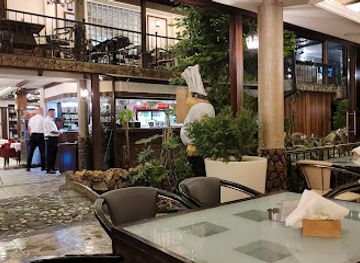
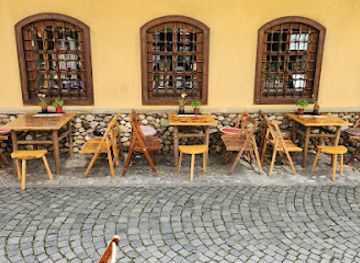
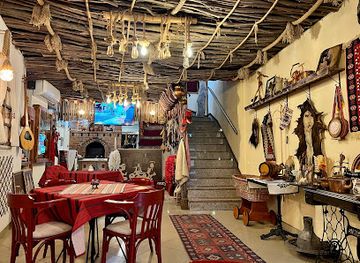
Prizren’s food culture reflects Albanian, Ottoman, Turkish, Balkan and wider Kosovo influences. Traditional restaurants and casual grill houses serve qebapa, grilled meats, suxhuk, stuffed peppers and hearty bean dishes, while flija, a layered pastry cooked slowly over a covered pan, is a well-known regional speciality often associated with family and rural cooking. Pite, tavë kosi and baked breads are common choices, and cafés around Shadërvan Square provide Turkish-style coffee, tea and sweet pastries alongside contemporary drinks. The old bazaar and central streets contain much of the city’s most accessible dining, ranging from modest eateries to restaurants using familiar local ingredients in more modern presentations. Seasonal produce, dairy, peppers and preserved foods remain important in home-style cuisine, while menus may also reflect Prizren’s Turkish-speaking and other local communities.
-
Restaurant
Restaurant Beska
Discover culinary excellence at Restaurant Beska in Prizren—where tradition meets modernity in every delicious bite.
10 min walk · 0.8 km from city centre
-
Restaurant
te Syla
Discover authentic local cuisine at te Syla in Prizren – where tradition meets flavor in every bite.
9 min walk · 0.7 km from city centre
-
Restaurant
Gazza
Experience the vibrant flavors of Gazza in Prizren - where crepes meet creativity and every bite is a delight!
8 min walk · 0.6 km from city centre
-
Family-friendly
Hani i Vjeter
Discover Hani i Vjeter: A family-friendly restaurant in Prizren offering authentic Kosovo cuisine in a charming atmosphere.
8 min walk · 0.6 km from city centre
Best bars in Prizren
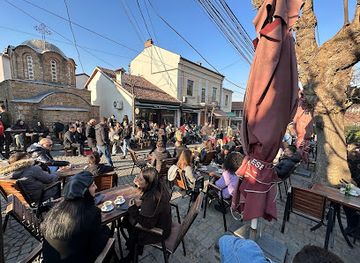
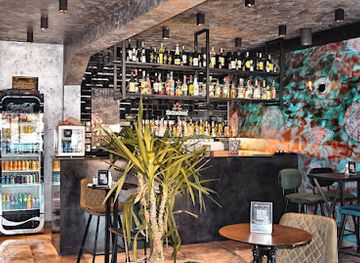
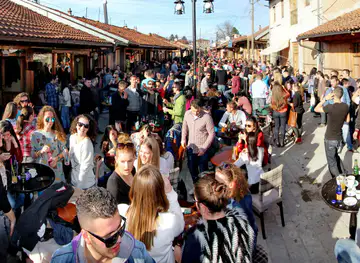
Prizren’s evening life is centred more on cafés, restaurants and informal socialising than on a large club scene. Around Shadërvan Square and the adjoining old-town streets, outdoor seating fills on warm evenings, with coffee, tea, beer and rakia accompanying long conversations beside the Bistrica. Contemporary bars offer cocktails and music, while some venues host live performances or culturally themed events, particularly during festival periods. Dokufest can transform the city after dark with film screenings, discussions and music in historic or open-air settings, giving nightlife a strong cultural dimension. The atmosphere is generally sociable rather than hedonistic, and activity becomes quieter away from the central streets. Visitors should respect religious buildings and residential lanes, especially when returning late, and check current local information for seasonal events rather than assuming a fixed club circuit.
-
Bar
BarAca
Experience the vibrant atmosphere of BarAca, Prizren's premier bar and café, where locals and tourists gather to enjoy delicious drinks and light bites.
10 min walk · 0.8 km from city centre
-
Bar
Corner Bar
Discover the lively Corner Bar in Prizren, where local culture meets vibrant nightlife, perfect for tourists looking to unwind and socialize.
10 min walk · 0.8 km from city centre
-
Bar
Te Kinezi
Te Kinezi in Prizren: Discover a vibrant bar with an extensive beer selection that embodies the local nightlife and culture.
11 min walk · 0.8 km from city centre
-
Pub
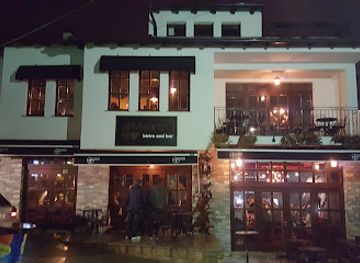
Morea Bistro & Bar
Experience the vibrant atmosphere of Morea Bistro & Bar in Prizren, offering delicious cuisine and a diverse drink selection in a lively setting.
17 min walk · 1.3 km from city centre


Best nightclubs in Prizren
Prizren’s evening life is centred more on cafés, restaurants and informal socialising than on a large club scene. Around Shadërvan Square and the adjoining old-town streets, outdoor seating fills on warm evenings, with coffee, tea, beer and rakia accompanying long conversations beside the Bistrica. Contemporary bars offer cocktails and music, while some venues host live performances or culturally themed events, particularly during festival periods. Dokufest can transform the city after dark with film screenings, discussions and music in historic or open-air settings, giving nightlife a strong cultural dimension. The atmosphere is generally sociable rather than hedonistic, and activity becomes quieter away from the central streets. Visitors should respect religious buildings and residential lanes, especially when returning late, and check current local information for seasonal events rather than assuming a fixed club circuit.
-
Bar
Te Kinezi
Te Kinezi: A lively bar in Prizren offering a diverse selection of craft beers and an electric atmosphere for an unforgettable nightlife experience.
11 min walk · 0.8 km from city centre
-
Lounge
Ring Lounge
Discover the vibrant atmosphere of Ring Lounge in Prizren, where traditional charm meets contemporary flair in a perfect blend of relaxation and socializing.
12 min walk · 0.9 km from city centre
-
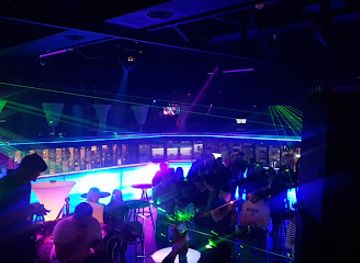
Night club
Jungle Club
Dive into the electrifying nightlife of Prizren at Jungle Club, where music and energy collide for an unforgettable experience.
7 min drive · 2.4 km from city centre
-
Lounge
Les Deux Lounge
Discover the vibrant ambiance of Les Deux Lounge in Prizren, where modern elegance meets lively entertainment, perfect for unwinding after a day of exploration.
9 min walk · 0.7 km from city centre
Best shops in Prizren
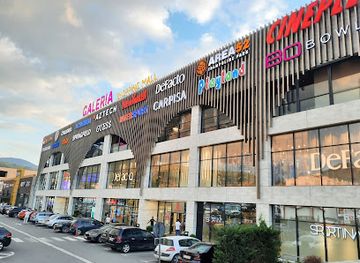
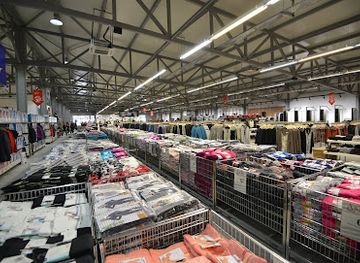
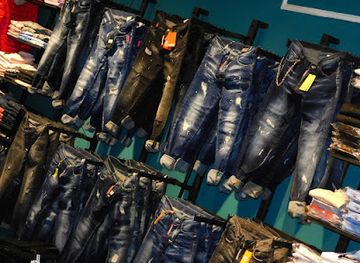
Shopping in Prizren is closely connected with the old bazaar and the pedestrian streets around Shadërvan, where small shops, cafés and traditional workshops occupy the historic centre. The city is particularly associated with filigree, the delicate production of jewellery from fine metal wire, and specialist artisans may offer silver pieces alongside contemporary designs. Visitors can also find embroidered textiles, woven goods, leather items, ceramics and Kosovo food products, although quality and provenance vary between retailers. Bakeries and market stalls provide practical local purchases such as breads, sweets, dried produce and preserves, while newer shops sell clothing, cosmetics and everyday goods for residents. The most rewarding browsing usually comes from looking closely at workshop methods and asking whether an item was made locally, rather than choosing only the most conspicuous souvenir. Opening patterns can differ, especially outside the central streets.
-
Shopping mall
GALERIA SHOPPING
Discover GALERIA SHOPPING in Prizren, a vibrant destination for shopping, dining, and entertainment, blending local culture with modern amenities.
17 min walk · 1.3 km from city centre
-
Department store
Jumbo Prizren
Explore Jumbo Prizren: a vibrant department store offering a diverse selection of products from fashion to home goods in the heart of Kosovo.
17 min walk · 1.4 km from city centre
-
Store
A&M Mega Store
Explore A&M Mega Store in Prizren for a diverse shopping experience blending modern fashion, home essentials, and local charm.
18 min walk · 1.5 km from city centre
-
Clothing store
PaTTo Shop
Discover unique clothing and accessories at PaTTo Shop, where modern fashion meets traditional craftsmanship in the heart of Prizren.
2 min walk · 0.2 km from city centre

Get your free copy of our complete guide to Prizren, delivered straight to you.
Everything on this page, from attractions and restaurants to essentials and local phrases, in one PDF you can read offline, print or share.
Already have an account? Sign in
Your Prizren guide is ready.
We'll send it to · Not you? Sign out

Getting your guide ready…
We are putting together a fresh copy of the Prizren guide. This can take up to a minute.
This can take a few moments. If your browser asks, choose Allow so the download can start. You'll find the guide in your Downloads folder.
Nothing happened? Download it again
Sorry, the guide is taking longer than usual. Please try again in a minute, or get it by email instead.
Prizren essentials
Currency and Payment
Safety
Emergency Situations
Do's and Don'ts
Local Tips
From Eve
Local phrases worth knowing
You don't need to get them perfect. A few words go a long way, and locals appreciate the effort.
Basics
| English | Local | Say it |
|---|---|---|
| Hello | Tungjatjeta | [toon-jah-tye-tah] |
| Goodbye | Mirupafshim | [meer-oo-pahf-sheem] |
| Yes | Po | [poh] |
| No | Jo | [yoh] |
| Please/You're welcome | Ju lutem | [yoo loo-tem] |
| Thank you | Faleminderit | [fah-leh-meen-deh-reet] |
| Excuse me/Sorry | Më falni | [muh fahl-nee] |
| How are you? | Si jeni? | [see yeh-nee?] |
| Fine. And you? | Mirë. E ju? | [meer-uh. eh yoo?] |
| Do you speak English? | Flisni anglisht? | [flees-nee ahn-gleesht?] |
| I don't understand | Nuk kuptoj | [nook koo-ptoy] |
Eating & Drinking
| English | Local | Say it |
|---|---|---|
| I'd like to see the menu, please | Dëshiroj të shoh menunë, ju lutem | [duh-shee-roy tuh shoh meh-noo-nuh, yoo loo-tem] |
| I don't eat meat | Nuk ha mish | [nook hah meesh] |
| Cheers! | Shëndeti! | [shuhn-deh-tee] |
| I would like to pay, please | Dëshiroj të paguaj, ju lutem | [duh-shee-roy tuh pah-gwahy, yoo loo-tem] |
Emergencies
| English | Local | Say it |
|---|---|---|
| Help! | Ndihmë! | [ndee-muh] |
| Go away! | Largohu! | [lahr-goh-hoo] |
| Call the Police! | Thirrni policin! | [theer-nee poh-lee-tseen] |
| Call a doctor! | Thirrni një doktor! | [theer-nee njuh dohk-tohr] |
| I'm lost | Jam humbur | [yahm hoom-boor] |
| I'm ill | Jam i sëmurë | [yahm ee suh-moo-ruh] |
Shopping
| English | Local | Say it |
|---|---|---|
| I'd like to buy... | Dëshiroj të blej... | [duh-shee-roy tuh bleh] |
| I'm just looking | Po shikoj vetëm | [poh shee-koy veh-tem] |
| How much is it? | Sa kushton? | [sah koosh-ton] |
| That's too expensive | Kjo është shumë e shtrenjtë | [kyoh esh-teh shoo-muh eh shtren-jteh] |
| Can you lower the price? | A mund të ulni çmimin? | [ah moon-deh tuh ool-nee chmee-meen] |
Time & Numbers
| English | Local | Say it |
|---|---|---|
| What time is it? | Sa është ora? | [sah esh-teh oh-rah] |
| It's one o'clock | Është një e ora | [esh-teh njuh eh oh-rah] |
| Half past (10) | Njëmbëdhjetë | [nyuhm-buh-theh-tye] |
| Morning | Mëngjes | [muhn-gyes] |
| Afternoon | Pasdite | [pahs-dee-teh] |
| Evening | Mbrëmje | [mbruhm-yeh] |
| Yesterday | Dje | [djeh] |
| Today | Sot | [soht] |
| Tomorrow | Nesër | [neh-sahr] |
| 1 | Një | [nyuh] |
| 2 | Dy | [duh] |
| 3 | Tre | [treh] |
| 4 | Katër | [kah-tuhr] |
| 5 | Pesë | [peh-suh] |
| 6 | Gjashtë | [gyahsht] |
| 7 | Shtatë | [shtah-tuh] |
| 8 | Tetë | [teh-tuh] |
| 9 | Nëntë | [nuhn-tuh] |
| 10 | Dhjetë | [thyeh-tuh] |
Transport & Directions
| English | Local | Say it |
|---|---|---|
| Where's a/the...? | Ku është një/...? | [koo esh-teh njuh/...?] |
| What's the address? | Cila është adresa? | [chee-lah esh-teh ah-dreh-sah] |
| Can you show me (on the map)? | A mund të më tregoni (në hartë)? | [ah moon-deh tuh muh troh-goh-nee (nuh hahr-teh)?] |
| When's the next (bus)? | Kur është autobusi tjetër? | [koor esh-teh ah-oo-boos-ee tyet-ehr?] |
| A ticket (to ....) | Një biletë (në ....) | [njuh bee-leh-teh (nuh ....)] |
History of Prizren
Ancient and Byzantine Foundations
The Prizren area occupied an important position in the southern Balkans, linking routes between the Kosovo plain, Macedonia and the Adriatic hinterland. Ancient sources associate the wider region with the settlement of Theranda, although the precise relationship between that place and modern Prizren remains a matter of historical interpretation. Roman and later Byzantine influence shaped the valley, while Christianity left a substantial architectural legacy. The Church of Our Lady of Ljeviš, built in the early fourteenth century under the Serbian king Stefan Milutin, belongs to this medieval tradition and preserves evidence of the city’s role as a regional ecclesiastical centre.
Medieval Serbian Prizren
During the medieval period, Prizren developed as an important settlement within the Serbian state and became associated with royal administration, trade and Orthodox religious foundations. Its position between inland routes and mountain passes encouraged contact among merchants, craftsmen and officials from different parts of the Balkans. The fortress above the city was expanded over successive periods, reflecting the strategic value of the site rather than a single moment of construction. Medieval Prizren was culturally diverse, and its surviving churches, fragments of earlier buildings and later urban layers reveal a city whose identity was repeatedly reshaped by political change.
Ottoman Rule and Urban Transformation
Ottoman forces took Prizren in 1455, after which the city became part of the Ottoman administrative and commercial world for several centuries. Mosques, baths, bridges, inns and market streets transformed the urban landscape, while Prizren grew as a centre of trade and craft production. The Sinan Pasha Mosque, built in the seventeenth century, is the most conspicuous surviving expression of this era, and the old bazaar area still follows the intimate scale of an Ottoman town. Muslim, Orthodox and Catholic communities continued to shape the city’s social and architectural life under Ottoman rule.
The League of Prizren
On 10 June 1878, Albanian delegates gathered in Prizren to establish the League of Prizren, a political organisation formed in response to decisions and territorial pressures associated with the Congress of Berlin. Its programme developed from the defence of Albanian-inhabited territories into a wider demand for administrative and cultural autonomy. The league was suppressed by Ottoman forces in 1881, but its legacy became central to modern Albanian political memory. The preserved complex known as the Museum of the League of Prizren connects the city with this decisive period in the history of Albanian nationalism.
From Yugoslavia to Contemporary Kosovo
After the Balkan Wars, Prizren became part of the Kingdom of Serbia and later the Kingdom of Yugoslavia, entering the political structures of socialist Yugoslavia after the Second World War. The city’s population and cultural life continued to change during the twentieth century, with Albanian, Serbian, Turkish, Bosniak and other communities contributing to its character. The conflict in Kosovo in the late 1990s and the violence that followed the 1999 war brought profound disruption, including damage to religious and historic buildings. Contemporary Prizren is part of the Republic of Kosovo and remains a prominent centre of cultural heritage, film and inter-community history.
Prizren in Photos
Browse through our photo collection highlighting the charm and character of the destination.
Cities near Prizren
The closest cities to Prizren, if you have time for more than one stop.
-
-

-

-

-


Swipe for more cities
Explore more
Explore more of Kosovo
Discover Kosovo: A Blend of Ancient History, Vibrant Culture, and Stunning Natural Beauty in the Heart of the Balkans.
Explore Kosovo