

Junik Mountains Travel Guide - Free Web & App
Your ultimate guide to Junik Mountains. Discover top landmarks, proposed trips, and local tips. Free on the web or via the Evendo companion app.


Explore the Junik Mountains in Kosovo for alpine trails, Gjeravica, glacial lakes, forested valleys, traditional kulla houses and pastoral heritage.
Mountain Landscape
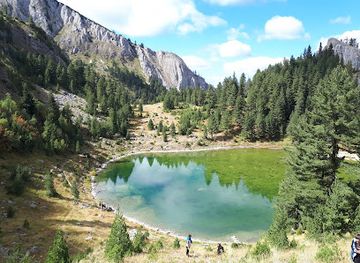
The Junik Mountains rise above western Kosovo around the small town of Junik, forming part of the rugged Accursed Mountains along the country’s frontier with Albania. Their limestone ridges, forested slopes, alpine meadows and glacially shaped valleys create a landscape that feels considerably wilder than the settled plains to the east. The highest ground is associated with the Gjeravica massif, where Kosovo’s highest summit, Gjeravica, stands among remote upland basins and small mountain lakes.Read more about Junik Mountains
Valleys, Villages and Pastoral Life
Exploring the Range
Getting to and around Junik Mountains
How to get there
Transportation
Best attractions in Junik Mountains
The principal attraction of the Junik Mountains is the transition from Junik’s settled valley to increasingly remote forest, meadow and alpine terrain. The Gjeravica massif draws experienced walkers towards Kosovo’s highest summit and the upland lakes associated with its surrounding landscape, while lower routes reveal streams, woodland and traditional grazing clearings. Junik itself adds a cultural dimension through its surviving stone kulla houses and rural streets, where architecture reflects the region’s extended-family traditions and defensive past. The mountain environment is part of the wider Accursed Mountains landscape, with routes and scenery continuing towards neighbouring areas of western Kosovo, although visitors should distinguish adjacent destinations from the Junik range itself. Deçan and Peja are useful nearby hubs for regional heritage and supplies, but their urban attractions lie outside the mountains. The area is best approached as a place for self-guided or locally guided walking, landscape photography, pastoral observation and quiet exploration rather than concentrated sightseeing infrastructure.
-
Museum
Reconciliation Tower
Explore the Reconciliation Tower in Albania, a museum that embodies the spirit of peace and unity through its rich historical exhibits and breathtaking views.
-
Nature preserve
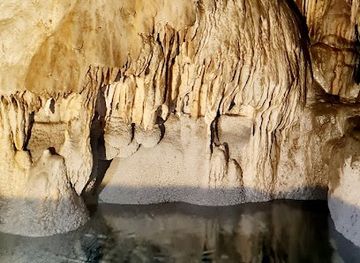
Radaci Cave
Explore the stunning formations of Radaci Cave, a natural preserve that showcases the beauty and biodiversity of underground ecosystems.
-
 Mountain peak
Kosovac
Discover the breathtaking beauty of Kosovac Peak, a mountain paradise perfect for hiking, photography, and embracing the tranquility of nature.
-
Qender Theth
Explore the breathtaking landscapes and rich cultural heritage of Qender Theth, a hidden gem in the Albanian Alps, perfect for nature lovers and adventurers alike.


Best landmarks in Junik Mountains
Gjeravica is the defining high-altitude landmark of the Junik mountain area and the highest summit in Kosovo, rising above a complex of ridges, alpine pasture and small glacial lakes. Its significance is both geographical and symbolic, although reaching the summit remains a serious mountain outing rather than a casual viewpoint visit. The stone kulla houses of Junik are the range’s most important architectural landmarks, representing the fortified family-house tradition of western Kosovo and the social structure of earlier rural communities. The forested valleys and open summer pastures are landmarks of a different kind: they record the long relationship between mountain ecology and seasonal grazing. Streams, limestone slopes and upland basins complete the landscape, while the wider Accursed Mountains setting connects Junik with one of Kosovo’s most important highland environments.
-
National park
Bjeshkët e Nemuna National Park
Discover Bjeshkët e Nemuna National Park, a breathtaking expanse of nature offering stunning landscapes, diverse wildlife, and unforgettable outdoor adventures in Albania.
-
Nature preserve
White Drin Waterfall
Explore the breathtaking White Drin Waterfall, a natural wonder in Kosovo that captivates visitors with its stunning beauty and serene landscapes.
-
Tourist attraction
Mirusha Waterfalls
Experience the breathtaking beauty of Mirusha Waterfalls, a natural wonder in Kosovo, featuring stunning cascades and serene hiking trails.
-
Travel agency
Balkan Natural Adventure
Explore the breathtaking beauty of the Balkans with Balkan Natural Adventure, offering personalized tours through stunning landscapes and rich culture.

Explore Junik Mountains on the map
Plan your trip on one map. See where the top attractions, landmarks, restaurants and hotels are, and book hotels and experiences in a few clicks.
Best hotels in Junik Mountains
Best restaurants in Junik Mountains
Dining in the Junik Mountains is centred on Junik and nearby towns rather than on the high slopes. Visitors can expect simple Kosovo-Albanian cooking in family-run restaurants, cafés and village establishments, with dishes commonly built around grilled meat, fresh bread, dairy products, beans, peppers, pastries and seasonal vegetables. Rural food traditions reflect both Balkan and highland pastoral life, while locally produced yoghurt, cheese and other farm ingredients may appear where available. Deçan and Peja provide a wider choice of restaurants, bakeries and cafés and are practical places to stock up before a mountain outing. In Junik, opening patterns and menus can be informal, so independent travellers heading into the hills should carry food and water rather than relying on a mountain restaurant or hut. Local hosts can clarify which establishments are serving when visitors arrive.
-
Restaurant
Trofta e Drinit
Experience exquisite Balkan cuisine at Trofta e Drinit while enjoying stunning mountain views in Pejë Rozhaje.
-
Restaurant
Restaurant Xeni Imperial
Experience authentic Albanian cuisine in a warm setting at Restaurant Xeni Imperial in Gjakove.
-
Restaurant
Shtepia Alpike Ranch
Discover Shtepia Alpike Ranch: Where Traditional Cuisine Meets Thrilling Outdoor Adventures in Peja.
-
Restaurant
Restaurant Freskia
Experience authentic local cuisine at Restaurant Freskia in Исток - where every dish tells a story.


Best bars in Junik Mountains
The Junik Mountains do not have a significant nightclub or resort nightlife scene. Evenings are generally quiet, with social life concentrated in cafés, family restaurants and traditional village hospitality in Junik, while Deçan and Peja offer a broader selection of cafés, bars and urban evening venues outside the mountain area. In rural settlements, the atmosphere is more suited to conversation, coffee and a slow meal than late-night entertainment, and facilities may be limited beyond the main roads. Visitors staying near the mountains may spend the evening at their guesthouse or accommodation base, listening to the valley after dark and preparing for an early walk. Seasonal community or cultural events may occur, but dates and programmes vary and should be checked locally rather than assumed.
-
Restaurant
Trofta e Junikut
Discover Trofta e Junikut, a culinary haven in Junik, where breathtaking views meet exquisite local flavors for an unforgettable dining experience.
-
Bar
N’Shekull
Discover N’Shekull, a vibrant bar in Junik offering a delightful mix of local drinks and a welcoming atmosphere, perfect for unwinding after a day of exploration.
-
Bar
Shisha Bar MOHIBA - Junik
Discover the vibrant Shisha Bar MOHIBA in Junik for a unique blend of relaxation, culture, and delicious shisha that enhances your travel experience.


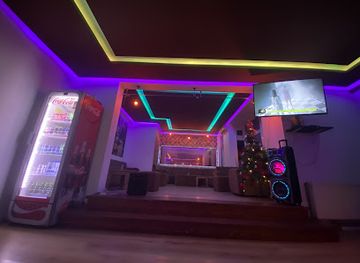
Best nightclubs in Junik Mountains
The Junik Mountains do not have a significant nightclub or resort nightlife scene. Evenings are generally quiet, with social life concentrated in cafés, family restaurants and traditional village hospitality in Junik, while Deçan and Peja offer a broader selection of cafés, bars and urban evening venues outside the mountain area. In rural settlements, the atmosphere is more suited to conversation, coffee and a slow meal than late-night entertainment, and facilities may be limited beyond the main roads. Visitors staying near the mountains may spend the evening at their guesthouse or accommodation base, listening to the valley after dark and preparing for an early walk. Seasonal community or cultural events may occur, but dates and programmes vary and should be checked locally rather than assumed.
-
Night club
Sky Club Kline
Discover the vibrant nightlife at Sky Club Kline, where music, energy, and unforgettable experiences await in the heart of Klina.
Best shops in Junik Mountains
Shopping within the Junik Mountains is modest and practical. Junik has small local shops and cafés, while Deçan and Peja provide more dependable options for groceries, outdoor necessities, bakeries and everyday supplies before entering the uplands. Visitors may find regional food products such as honey, dairy goods, preserves or other farm produce through local businesses, although availability is seasonal and not every item is produced in the immediate mountain area. Traditional crafts and souvenirs are better sought through established cultural or artisan outlets than assumed at remote trailheads. The kulla tradition, rural textiles and local food heritage offer the strongest cultural context for gifts, but visitors should ask permission before buying directly from households or photographing private workshops. There is no extensive shopping district in the high mountains.
-
Shopping mall
ETC - Elkos Trading Center, Junik
Discover the vibrant Elkos Trading Center in Junik, where local culture meets unique shopping experiences in a lively atmosphere.
-
Cell phone store
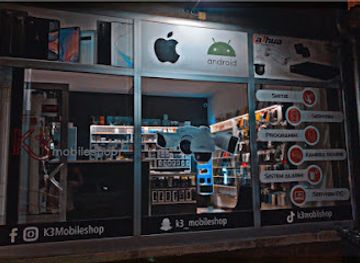
K3 Mobileshop
Explore the latest mobile devices and accessories at K3 Mobileshop in Junik, where technology meets personalized service.
-
Men's clothing store
Online Shop Ks
Explore the latest trends in men's fashion at Online Shop Ks, your go-to destination for stylish clothing and accessories.

Get your free copy of our complete guide to Junik Mountains, delivered straight to you.
Everything on this page, from attractions and restaurants to essentials and local phrases, in one PDF you can read offline, print or share.
Already have an account? Sign in
Your Junik Mountains guide is ready.
We'll send it to · Not you? Sign out

Getting your guide ready…
We are putting together a fresh copy of the Junik Mountains guide. This can take up to a minute.
This can take a few moments. If your browser asks, choose Allow so the download can start. You'll find the guide in your Downloads folder.
Nothing happened? Download it again
Sorry, the guide is taking longer than usual. Please try again in a minute, or get it by email instead.
Junik Mountains essentials
Currency and Payment
Safety
Emergency Situations
Do's and Don'ts
Local Tips
From Eve
Local phrases worth knowing
You don't need to get them perfect. A few words go a long way, and locals appreciate the effort.
Basics
| English | Local | Say it |
|---|---|---|
| Hello | Tungjatjeta | [toong-yat-yet-ah] |
| Goodbye | Mirupafshim | [meer-oo-paf-sheem] |
| Yes | Po | [poh] |
| No | Jo | [yoh] |
| Please/You're welcome | Ju lutem | [yoo loo-tem] |
| Thank you | Faleminderit | [fah-leh-min-deh-reet] |
| Excuse me/Sorry | Më falni | [muh fal-nee] |
| How are you? | Si jeni? | [see yeh-nee] |
| Fine. And you? | Mirë. Dhe ju? | [meer-ah. th-eh yoo] |
| Do you speak English? | A flisni Anglisht? | [ah flees-nee ahn-gleesht] |
| I don't understand | Nuk kuptoj | [nook koop-toy] |
Eating & Drinking
| English | Local | Say it |
|---|---|---|
| I'd like to see the menu, please | Do të doja të shihja menunë, ju lutem | [doh tuh doh-yah tuh shee-yah meh-noo-neh, yoo loo-tem] |
| I don't eat meat | Nuk ha mish | [nook hah meesh] |
| Cheers! | Gëzuar! | [geh-zoo-ahr] |
| I would like to pay, please | Do të doja të paguaja, ju lutem | [doh tuh doh-yah tuh pah-goo-ah, yoo loo-tem] |
Emergencies
| English | Local | Say it |
|---|---|---|
| Help! | Ndihmë! | [ndee-muh] |
| Go away! | Shko larg! | [sh-koh lahr-g] |
| Call the Police! | Thirrni policin! | [theer-nee po-lee-tseen] |
| Call a doctor! | Thirrni një doktor! | [theer-nee nyuh dohk-tohr] |
| I'm lost | Jam humbur | [yahm hoom-boo-ur] |
| I'm ill | Jam i sëmurë | [yahm ee sa-moo-ruh] |
Shopping
| English | Local | Say it |
|---|---|---|
| I'd like to buy... | Do të doja të blija... | [doh tuh doh-yah tuh bleeh-yah] |
| I'm just looking | Po vetëm shoh | [poh veh-tem shoh] |
| How much is it? | Sa kushton kjo? | [sah kooshton kyoh] |
| That's too expensive | Kjo është shumë e shtrenjtë | [kyoh esh-teh shoo-meh eh shtreh-nyt] |
| Can you lower the price? | A mund të zbresni çmimin? | [ah moond tuh zbreh-snee ch-mee-meen] |
Time & Numbers
| English | Local | Say it |
|---|---|---|
| What time is it? | Sa është ora? | [sah ehsh-teh oh-rah] |
| It's one o'clock | Është një e ora | [ehsh-teh nyuh eh oh-rah] |
| Half past (10) | Njëmbëdhjetë | [nyuhm-buh-dh-yeh-teh] |
| Morning | Mëngjes | [muhn-ghyes] |
| Afternoon | Pasdite | [pahs-dee-teh] |
| Evening | Mbrëmje | [uhm-brum-yeh] |
| Yesterday | Dje | [djeh] |
| Today | Sot | [soht] |
| Tomorrow | Nesër | [neh-ser] |
| 1 | Një | [nyuh] |
| 2 | Dy | [duh] |
| 3 | Tre | [treh] |
| 4 | Katër | [kah-tur] |
| 5 | Pesë | [peh-seh] |
| 6 | Gjashtë | [gyahsht] |
| 7 | Shtatë | [sh-taht] |
| 8 | Tetë | [teh-tuh] |
| 9 | Nëntë | [nun-tuh] |
| 10 | Dhjetë | [d-yeh-teh] |
Transport & Directions
| English | Local | Say it |
|---|---|---|
| Where's a/the...? | Ku është një/...? | [koo ehsh-teh nyuh/...?] |
| What's the address? | Cila është adresa? | [chee-lah ehsh-teh ah-dreh-sah] |
| Can you show me (on the map)? | A mund të më tregoni (në hartë)? | [ah moond tuh muh troh-goh-nee (nuh hahr-tuh)?] |
| When's the next (bus)? | Kur është autobusi i ardhshëm? | [koor ehsh-teh ow-toh-boo-see ee arhd-shehm] |
| A ticket (to ....) | Një biletë (për ....) | [nyuh bee-leh-teh (puhr ....)] |
History of Junik Mountains
Limestone Mountains and Alpine Valleys
The Junik Mountains belong to the larger Accursed Mountains system, a limestone range shaped by uplift, erosion, glacial activity and long periods of weathering. Their steep ridges, karst features, forest belts and high meadows reflect this geological history. Around the Gjeravica massif, glacial landforms include upland hollows and small lakes, while the lower valleys have been influenced by streams, woodland growth and centuries of seasonal grazing. Geological processes long predate human settlement, but they established the difficult terrain and water-rich summer pastures that later shaped movement, agriculture and pastoral life in western Kosovo.
Seasonal Pastoral Settlement
For centuries, communities around Junik have used the mountains through seasonal transhumance: livestock moved from lower settlements to high pastures during the warmer months before returning for winter. This pattern produced networks of shepherds’ paths, temporary huts and grazing clearings, linking Junik with the upland landscape. Mountain resources also included timber, water and medicinal plants, although use was shaped by altitude, weather and access. The relationship between village life and summer pasture remains important to the cultural identity of the area, even as modern livelihoods and changing land use have reduced the scale of traditional pastoral movement.
Junik’s Kulla Heritage
Junik is particularly associated with the kulla, a traditional stone house found in parts of western Kosovo and northern Albania. These substantial dwellings combined family living space with defensive features, reflecting periods when extended households required secure, self-contained residences. Their thick walls, compact forms and relationship to enclosed courtyards distinguish them from ordinary rural houses. The surviving examples around Junik provide a tangible connection with local social organisation, customary law and the architectural traditions of the Dukagjin region, while the mountain backdrop explains the importance of walls, storage and self-sufficiency in earlier rural life.
Modern Access and Conservation
During the twentieth century, roads, state borders, political change and the disruption of traditional rural economies altered how the Junik uplands were used. The mountains remained comparatively lightly developed for mass tourism, preserving extensive forest, meadow and high-altitude landscapes. Their environmental value is considered within the wider conservation context of Kosovo’s Accursed Mountains and the Bjeshkët e Nemuna protected landscape, although visitors should check the current status of particular sites and routes. Contemporary interest centres on hiking, mountaineering, rural heritage and landscape conservation rather than large-scale resort construction.
Junik Mountains in Photos
Browse through our photo collection highlighting the charm and character of the destination.
Cities in Junik Mountains
The towns and cities of Junik Mountains, and the easiest places to base yourself.
-

-


Swipe for more cities
Neighbouring destination travel guides
The closest destinations to Junik Mountains, if you have time for more than one.
-

-

-

-

-


Swipe for more destinations
Explore more

Explore more of Dukagjin
Explore Dukagjin’s Kosovo landscapes, medieval monasteries, Ottoman bazaars, vineyard country and mountain gateways around Peja, Gjakova and Prizren.
Explore Dukagjin
Explore more of Kosovo
Discover Kosovo: A Blend of Ancient History, Vibrant Culture, and Stunning Natural Beauty in the Heart of the Balkans.
Explore Kosovo