

Prokletije National Park, Montenegro Travel Guide
Discover the untamed beauty and diverse wildlife of Prokletije National Park, Montenegro's hidden gem for adventure and nature lovers.
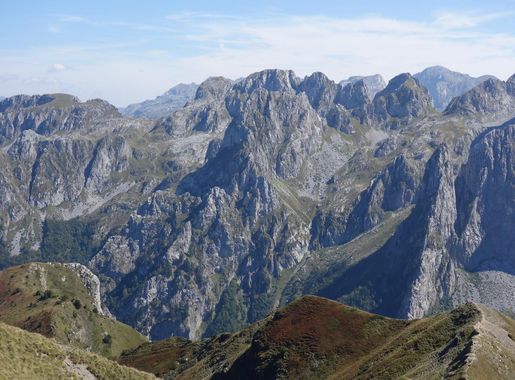
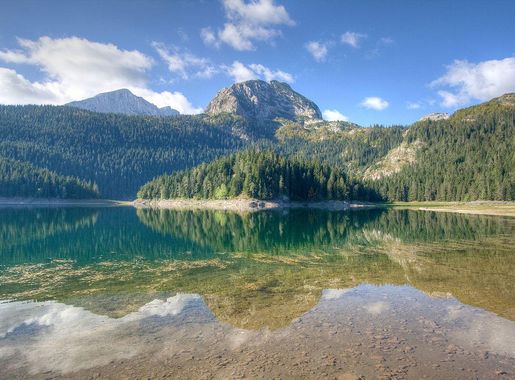
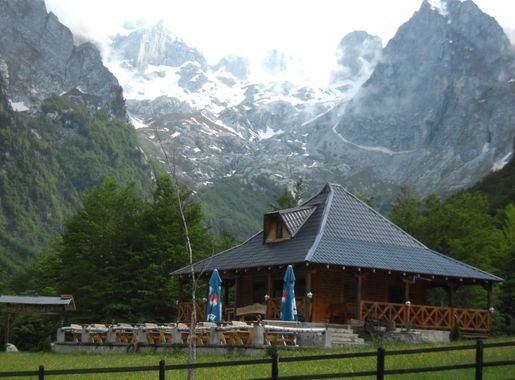
Prokletije National Park, nestled in Montenegro's rugged landscape, offers a mesmerizing blend of towering peaks, deep valleys, and pristine rivers. Known as the 'Accursed Mountains,' this park is a haven for nature enthusiasts and adventure seekers alike. The park's dramatic scenery and untouched beauty create an ideal backdrop for hiking, climbing, and exploring. The park is home to a diverse array of flora and fauna, making it a paradise for wildlife watchers. Rare species such as the Balkan lynx and golden eagle can be spotted here, adding to the park's allure. The region's unique geological formations and crystal-clear glacial lakes are perfect for photography and provide a serene escape from bustling city life. In addition to its natural wonders, Prokletije National Park is rich in cultural heritage. Traditional mountain villages dot the landscape, where visitors can experience the local way of life and enjoy authentic Montenegrin cuisine. The friendly locals and their warm hospitality make a visit to Prokletije an unforgettable experience.

Know before you go
Hi, I'm Eve. Here are a few practical things to know before exploring Prokletije National Park.
- Wear sturdy hiking boots as the trails can be steep and rocky.
- Bring plenty of water and snacks, as there are limited facilities within the park.
- Hire a local guide to explore the lesser-known trails and hidden spots.
- Visit during late spring or early autumn for the best weather conditions.
- Respect local customs and traditions when visiting mountain villages.
Explore Prokletije National Park: Things to Do, Places to Eat, Hotels & More
Handpicked recommendations for top attractions, local dining, accommodations, and more

Best attractions in Prokletije National Park
Top-rated picks
Best Attractions
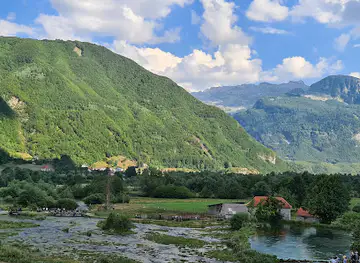
Ali Pasha springs
Experience the tranquil beauty and natural wonders at Ali Pasha Springs, a must-visit park in Montenegro’s heart.

Oko Skakavice 'The Eye'
Discover the mesmerizing beauty of Oko Skakavice, a captivating scenic spot in Montenegro, where nature's wonders await at every turn.

Reconciliation Tower
Explore the Reconciliation Tower in Albania, a museum dedicated to peace and unity, showcasing the rich cultural heritage of the nation.

Gërla waterfall
Explore the enchanting Gërla Waterfall in Montenegro, a serene nature preserve surrounded by stunning landscapes and tranquil hiking trails.

Best landmarks in Prokletije National Park
Top-rated picks
Best Landmarks

Grlja Canyon
Explore the natural beauty of Grlja Canyon in Montenegro, featuring stunning waterfalls, lush landscapes, and unforgettable hiking experiences.

Grebaje Valley
Explore the enchanting Grebaje Valley, a natural wonder in Montenegro, showcasing stunning landscapes, rich biodiversity, and endless outdoor adventures.

Albanian Alps
Explore the breathtaking Albanian Alps, a paradise for adventurers and nature lovers, offering stunning landscapes and rich cultural experiences.

Mulliri i Vjetër i Valbonës
Discover the charm and beauty of Mulliri i Vjetër in Valbonë, where history, culture, and nature unite in stunning harmony.

Best restaurants in Prokletije National Park
Top-rated picks
Best Restaurants

Eko Katun ROSI - Old Tower
Discover the authentic flavors and rich culture of Montenegro at Eko Katun ROSI - Old Tower, where history meets hospitality.

Restorant Bar Suka Mkushit
Savor authentic Albanian cuisine amidst stunning landscapes at Restorant Bar Suka Mkushit in Gropat e Selcës.

Caffe & Restuarant TIMM
Experience authentic Montenegrin cuisine at Caffe & Restaurant TIMM in Plav – where flavor meets hospitality amidst breathtaking landscapes.

Rosi Hotel
Experience authentic Montenegrin hospitality at Rosi Hotel in Gusinje - where comfort meets delicious local cuisine.

Best bars in Prokletije National Park
Top-rated picks
Best Bars

Caffe & Restuarant TIMM
Experience the best of Montenegrin hospitality at Caffe & Restaurant TIMM, where culinary excellence meets stunning views.

Restorant Hartini, Ujevara Vuthaj
Experience authentic Montenegrin flavors in a stunning mountain setting at Restorant Hartini in Vusanje.

Restaurant Krojet
Experience the authentic flavors of Montenegro at Restaurant Krojet, where local cuisine meets breathtaking scenery in Vusanje.

Caffe 'Misk' - Plav
Experience the essence of Montenegrin cuisine at Caffe 'Misk' in Plav, where local flavors meet stunning mountain views.

Best nightclubs in Prokletije National Park
Top-rated picks
Best Nightclubs

Elan Lounge bar
Discover the perfect blend of relaxation and socializing at Elan Lounge Bar in Plav, Montenegro, your serene escape with stunning views.

Caffe bar MYSTIKO
Discover the lively Caffe Bar MYSTIKO in Plav, Montenegro, where vibrant nightlife meets cozy café vibes, perfect for any time of day.

Pub RABATON
Discover the vibrant atmosphere and local flavors of Pub RABATON, a cherished spot in Gusinje, Montenegro for tourists and locals alike.

Bar Kafe Gjoka
Discover the charm of Bar Kafe Gjoka in Gjelaj, Albania, where local flavors and a welcoming atmosphere await every visitor.

Best shops in Prokletije National Park
Top-rated picks
Best Shops

Grebaje Valley
Explore the breathtaking beauty of Grebaje Valley, a hidden gem in Montenegro's mountains, perfect for nature lovers and adventure seekers.

Ropojana valley
Explore the breathtaking Ropojana Valley in Montenegro, a serene escape renowned for its stunning landscapes and rich cultural heritage.

VOLI
Explore the vibrant tastes of Montenegro at VOLI, your go-to grocery store in Plav for fresh local produce and international delights.

Idea
Discover local flavors and specialties at Idea Supermarket in Plav, your one-stop shop for authentic Montenegrin products.

Explore Prokletije National Park on the Map
A handpicked selection of must-see spots in Prokletije National Park, mapped for you.
Prokletije National Park Essentials
-
Prokletije National Park is located in the northern part of Montenegro, near the borders with Albania and Kosovo. The nearest international airports are Podgorica Airport (around 170 km away) and Tivat Airport (around 200 km away). From these airports, you can rent a car or take a bus to reach the park. The journey by car from Podgorica or Tivat usually takes around 3 to 4 hours. Public buses and minibuses (known as 'kombis') are available but may require transfers and longer travel times.
-
Within Prokletije National Park, the best way to explore is by hiking or driving. The park has numerous well-marked trails for hiking enthusiasts. Renting a car is recommended if you wish to cover more ground and visit different parts of the park. Local taxis and guided tours are also available. Public transport options are limited, so planning your transportation in advance is advisable.
-
The official currency in Montenegro is the Euro (EUR). Credit and debit cards are accepted in most hotels, restaurants, and shops in the larger towns, but it is advisable to carry cash, especially when venturing into rural areas or smaller villages. ATMs are available in the nearby towns of Plav and Gusinje, but having sufficient cash before entering the park is recommended.
-
Prokletije National Park is generally a safe destination for tourists. However, it is wise to take standard precautions such as avoiding isolated areas after dark and keeping an eye on your belongings in crowded places. There are no specific high-crime areas targeting tourists, but being vigilant and aware of your surroundings is always a good practice.
-
In case of emergency, dial 112 for immediate assistance. The nearest medical facilities are located in the towns of Plav and Gusinje, which have clinics and pharmacies. For more serious health concerns, the hospitals in Podgorica offer comprehensive medical services. It is highly recommended to have travel insurance that covers medical emergencies. For minor issues, carrying a basic first-aid kit can be useful.
-
Fashion: Do wear comfortable and appropriate hiking gear, including sturdy shoes. Avoid wearing flashy or overly revealing clothing. Religion: Do respect local customs and traditions, especially if you visit religious sites or local villages. Cover your shoulders and knees when entering churches. Public Transport: Do be respectful of other passengers and local customs. Don't eat or drink on public transport. Greetings: Do greet people with a friendly 'Dobar dan' (Good day). A handshake is common among men, while women may exchange kisses on the cheeks. Eating & Drinking: Do try local delicacies and accept food offerings graciously. Don't refuse hospitality, as it is considered impolite.
-
To experience Prokletije National Park like a local, consider visiting during the off-peak seasons (spring and autumn) for a more serene experience. Engage with local guides who can offer unique insights into the park's natural and cultural heritage. Don't miss the traditional Montenegrin dishes like 'kačamak' and 'cicvara' at local eateries. For a unique experience, take part in a traditional shepherd's day event, where you can learn about local pastoral life and cheese-making.
When is the best time to visit Prokletije National Park?
Useful Local Phrases for Prokletije National Park
You don't need to speak the language perfectly. Even learning a few simple words can make conversations warmer—and locals usually appreciate the effort.
— Eve

Here are the phrases I use most often in Prokletije National Park. Try a few—you'll be surprised how far they go! 😊
❤️
-
- HelloZdravo
[Zdra-vo] - GoodbyeDoviđenja
[Do-vi-đe-nya] - YesDa
[Da] - NoNe
[Ne] - Please/You're welcomeMolim
[Mo-lim] - Thank youHvala
[Hva-la] - Excuse me/SorryIzvinite
[Iz-vi-ni-te] - How are you?Kako si?
[Ka-ko si?] - Fine. And you?Dobro. A ti?
[Do-bro. A ti?] - Do you speak English?Da li govorite engleski?
[Da li go-vo-ri-te en-gle-ski?] - I don't understandNe razumem
[Ne ra-zu-mem]
- HelloZdravo
-
- I'd like to see the menu, pleaseMolio bih meni, molim
[Mo-lio bih me-ni, mo-lim] - I don't eat meatNe jedem meso
[Ne je-dem me-so] - Cheers!Živeli!
[Ži-ve-li] - I would like to pay, pleaseŽeleo bih da platim, molim
[Že-le-o bih da pla-tim, mo-lim]
- I'd like to see the menu, pleaseMolio bih meni, molim
-
- Help!Pomoć!
[Po-moć!] - Go away!Otiđi!
[O-ti-đi!] - Call the Police!Pozovite policiju!
[Po-zo-vi-te po-li-ci-ju!] - Call a doctor!Pozovite doktora!
[Po-zo-vi-te dok-to-ra!] - I'm lostIzgubio/la sam se
[Iz-gu-bio/la sam se] - I'm illBolestan/sna sam
[Bo-le-stan/sna sam]
- Help!Pomoć!
-
- I'd like to buy...Želeo bih da kupim...
[Že-le-o bih da ku-pim...] - I'm just lookingSamo gledam
[Sa-mo gle-dam] - How much is it?Koliko košta?
[Ko-li-ko ko-šta?] - That's too expensiveTo je previše skupo
[To je pre-vi-še sku-po] - Can you lower the price?Možete li spustiti cenu?
[Mo-že-te li spu-sti-ti ce-nu?]
- I'd like to buy...Želeo bih da kupim...
-
- What time is it?Koliko je sati?
[Ko-li-ko je sa-ti?] - It's one o'clockJedan je sat
[Je-dan je sat] - Half past (10)Polovina deset
[Po-lo-vi-na de-set] - MorningJutro
[Ju-tro] - AfternoonPopodne
[Po-po-dne] - EveningVeče
[Ve-če] - YesterdayJuče
[Ju-če] - TodayDanas
[Da-nas] - TomorrowSutra
[Su-tra] - 1Jedan
[Je-dan] - 2Dva
[Dva] - 3Tri
[Tri] - 4Četiri
[Če-ti-ri] - 5Pet
[Pet] - 6Šest
[Šest] - 7Sedam
[Se-dam] - 8Osam
[O-sam] - 9Devet
[De-vet] - 10Deset
[De-set]
- What time is it?Koliko je sati?
-
- Where's a/the...?Gde je...
[Gde je...] - What's the address?Koja je adresa?
[Ko-ja je a-drre-sa?] - Can you show me (on the map)?Možete li mi pokazati (na mapi)?
[Mo-že-te li mi po-ka-za-ti (na ma-pi)?] - When's the next (bus)?Kada je sledeći (autobus)?
[Ka-da je sle-de-ći (au-to-bus)?] - A ticket (to ....)Jednu kartu (do ...)
[Je-dnu kar-tu (do ...)]
- Where's a/the...?Gde je...
History of Prokletije National Park
-
The Prokletije region has a rich history dating back to ancient times. Archaeological findings indicate that the area was inhabited by Illyrian tribes long before the arrival of the Romans. These early settlers were known for their resilience and ability to adapt to the rugged terrain. They built fortifications and settlements, some of which can still be traced today.
-
The Roman Empire extended its reach into the Prokletije region around the 2nd century AD. The Romans recognized the strategic importance of the area and established a network of roads and forts. Evidence of Roman engineering, such as remnants of roads and fortifications, can still be found in the park. The influence of Roman culture and governance marked a significant era in the history of Prokletije.
-
During the medieval period, the Prokletije region became a contested area among various local kingdoms and principalities. The rugged terrain served as a natural fortress for local chieftains and their followers. Fortresses, such as the remnants of the Kotor castle, were built to defend against invaders. This period was marked by frequent skirmishes and the rise and fall of various local rulers.
-
The Ottoman Empire began to exert its influence over the Prokletije region in the 15th century. The Ottomans introduced new administrative practices and integrated the area into their extensive empire. The period under Ottoman rule was marked by the construction of roads, bridges, and other infrastructure projects that facilitated trade and movement. However, the local population often resisted Ottoman control, leading to periodic uprisings.
-
In the 19th century, the Prokletije region played a crucial role in Montenegro's struggle for independence from the Ottoman Empire. The rugged mountains served as a refuge and strategic base for Montenegrin fighters. The famous Battle of Mojkovac in 1916, although not directly in Prokletije, saw Montenegrin forces display their resilience and tactical prowess, drawing inspiration from the challenging terrain of their homeland.
-
During World War II, the Prokletije region became a significant center for the Yugoslav Partisan resistance movement against Axis forces. The dense forests and mountainous terrain provided ideal cover for guerrilla warfare. Numerous battles and skirmishes took place in the area, and the local population played a key role in supporting the Partisan fighters. The legacy of this resistance is still remembered and commemorated in the region.
-
Prokletije National Park was officially established in 2009 to protect the unique natural and cultural heritage of the region. The park covers an area of approximately 16,630 hectares and is home to diverse flora and fauna, as well as numerous historical and archaeological sites. The establishment of the park marked a significant step in preserving the natural beauty and historical significance of Prokletije for future generations.
Neighbouring destination travel guides
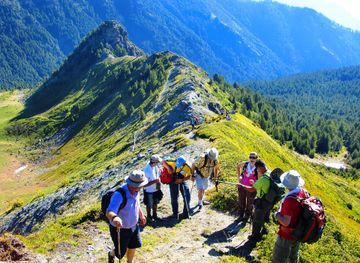
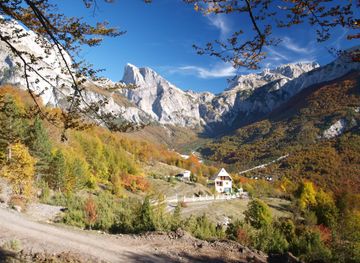
Browse our curated selection of top destinations, scenic points, and must-visit spots in the area.




Your all‑in‑one travel companion app
Explore expert travel guides, compare and book tours, experiences, hotels, and more—all from the palm of your hand. Download now for seamless trip planning wherever your wanderlust takes you.


Explore More of Prokletije

Looking beyond Prokletije National Park? Discover Prokletije for broader travel guides, local hot-spots, and regional highlights.
Explore ProkletijeExplore More of Montenegro
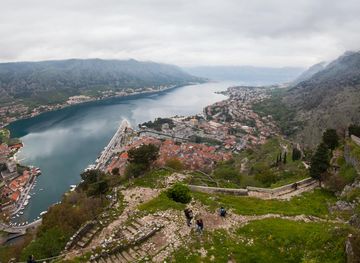
Looking beyond Prokletije National Park? Discover Montenegro for broader travel guides, local hot-spots, and regional highlights.
Explore MontenegroProkletije National Park in Photos
Browse through our photo collection highlighting the charm and character of the destination.




The Enchanting Wilderness of Prokletije National Park
Prokletije National Park, nestled in Montenegro's rugged landscape, offers a mesmerizing blend of towering peaks, deep valleys, and pristine rivers. Known as the 'Accursed Mountains,' this park is a haven for nature enthusiasts and adventure seekers alike. The park's dramatic scenery and untouched beauty create an ideal backdrop for hiking, climbing, and exploring. The park is home to a diverse array of flora and fauna, making it a paradise for wildlife watchers. Rare species such as the Balkan lynx and golden eagle can be spotted here, adding to the park's allure. The region's unique geological formations and crystal-clear glacial lakes are perfect for photography and provide a serene escape from bustling city life. In addition to its natural wonders, Prokletije National Park is rich in cultural heritage. Traditional mountain villages dot the landscape, where visitors can experience the local way of life and enjoy authentic Montenegrin cuisine. The friendly locals and their warm hospitality make a visit to Prokletije an unforgettable experience.