

Free Gollak Travel Guide & Mobile App
Explore Gollak with free travel guides. Discover regional history, expert tips, proposed trips, and audio guides on web or mobile app.


Explore Gollak in eastern Kosovo for medieval mining heritage, wooded hills, rural villages and expansive highland landscapes near Novo Brdo.
Read more about Gollak
When is the best time to visit Gollak?
Best: June–August · 24–27°C| Month | High (°C) | Rainfall (mm) |
|---|---|---|
| January | 4 | 40 |
| February | 5 | 45 |
| March | 10 | 50 |
| April | 15 | 55 |
| May | 20 | 60 |
| June (best) | 24 | 55 |
| July (best) | 27 | 45 |
| August (best) | 26 | 40 |
| September | 22 | 45 |
| October | 15 | 50 |
| November | 9 | 55 |
| December | 4 | 60 |
Getting to and around Gollak
How to get there
Transportation
Top city travel guides in Gollak
The cities of Gollak, and the easiest places to base yourself.
-

-

-


Swipe for more cities
Destinations in Gollak
Resorts, valleys and scenic spots worth a trip of their own.

Swipe for more destinations
Best attractions in Gollak
Gollak’s attractions are dispersed across a highland landscape rather than concentrated in a single resort or city. The principal historical experience is Novo Brdo Fortress, where a medieval stronghold and the surrounding mining district reveal the importance of silver production in Kosovo’s past. The site is best combined with a drive through the surrounding villages and uplands, which retain a rural character of fields, woodland and pasture. Outdoor visitors can explore informal walking routes, enjoy viewpoints from exposed ridges and look for birds in quieter valleys, although trails are not always fully marked or maintained. Small settlements, local churches and agricultural landscapes provide cultural interest when approached respectfully, while seasonal streams and wooded slopes add variety to the scenery. Gollak is not primarily a museum destination: its appeal lies in connecting a major medieval site with the physical environment that supported it. Visitors interested in contemporary culture will find more organised galleries, restaurants and evening activity in nearby Pristina or Gjilan, outside the highland core, while Gollak itself suits slow touring, landscape photography and heritage-focused day trips.
-
Monastery
Venerable Prohor Pchinjski
Explore the serene Venerable Prohor Pchinjski Monastery, a cultural and spiritual haven in Klenike, Serbia, rich in history and architectural beauty.
-
Monastery
Serbian Orthodox Monastery Gračanica
Explore the serene beauty and rich history of the Serbian Orthodox Monastery Gračanica, a UNESCO World Heritage site in Kosovo.
-
Animal protection organization
BEAR SANCTUARY Prishtina
Explore the BEAR SANCTUARY Prishtina, where rescued bears find refuge and visitors learn about wildlife conservation in a serene environment.
-
Memorial
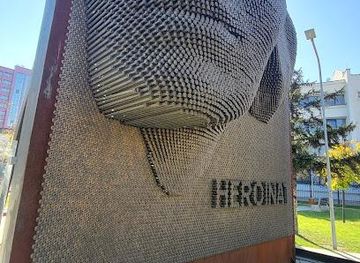
Memorial HEROINES - Memoriali HEROINAT
Explore the Memorial HEROINES in Pristina, a serene tribute reflecting the strength and courage of women during the Kosovo War.


Best landmarks in Gollak
The defining landmark of Gollak is Novo Brdo Fortress, a substantial medieval hilltop complex overlooking the former mining centre and the routes through eastern Kosovo. Its walls and elevated position express both the defensive needs and the economic importance of a settlement built around silver and other metals. The wider Novo Brdo landscape is itself significant: traces of mining activity, historic settlement and rural roads connect the fortress to the productive territory that sustained it. Across the uplands, village churches, cemeteries and traditional rural buildings provide smaller-scale reminders of the region’s layered religious and social history, though they should be visited with sensitivity and without treating active religious sites as open-air museums. Gollak’s natural landmarks are its wooded ridges, open high pastures and broad elevated views towards the Kosovo Plain and eastern valleys. Unlike the monumental urban skylines of Pristina or Prizren, the region’s visual identity comes from the relationship between a medieval stronghold and a spacious, inhabited landscape.
-
Sculpture
Newborn Monument
Discover the Newborn Monument in Pristina, a vibrant symbol of Kosovo's independence and cultural identity, celebrating the spirit of a nation.
-
Monastery
Serbian Orthodox Monastery Gračanica
Explore the Gračanica Monastery, a UNESCO site showcasing stunning medieval architecture and vibrant frescoes amidst serene surroundings in Kosovo.
-
Fortress
Prizren Fortress
Explore the historical wonders of Prizren Fortress, a captivating blend of stunning views and rich cultural heritage in the heart of Kosovo.
-
National park
Sharr Mountain National Park
Explore the natural beauty and diverse wildlife of Sharr Mountain National Park, a stunning national park in Kosovo perfect for outdoor adventures and cultural experiences.


Explore Gollak on the map
Plan your trip on one map. See where the top cities, national parks and sights are, and book hotels and experiences in a few clicks.
Best hotels in Gollak
Best restaurants in Gollak
Dining in Gollak is mainly rural and home-style, with the most dependable options found in larger settlements and along routes towards Pristina, Gjilan and Kamenica rather than beside every historic site. Local meals commonly draw on Kosovo’s wider culinary traditions: fresh bread, grilled meats, beans, dairy products, seasonal vegetables, stuffed peppers, pastries and preserves. In villages, a family-run café or guesthouse may offer simple plates and strong coffee, but menus and operating hours can be informal. The highland setting also makes locally produced milk, cheese, honey and seasonal fruit important parts of the food culture, although availability varies by household and season. Visitors should not expect a dense fine-dining scene; the region is better suited to unhurried meals, roadside refreshments and advance-arranged rural hospitality. For broader choice, the towns outside the upland core provide restaurants serving Albanian, Balkan and international dishes, while Pristina offers Kosovo’s most extensive contemporary dining selection.
-
Restaurant
te Syla
Discover authentic Kosovar cuisine at te Syla in Prizren – where tradition meets taste in every dish.
-
Restaurant
Pishat
Experience the flavors of Kosovo at Pishat, where traditional meets modern in a cozy Pristina restaurant.
-
Restaurant
Gazza
Experience culinary delight at Gazza in Prizren—home to delicious crepes, refreshing juices, and decadent desserts!
-
Restaurant
Princesha Gresa Restaurant
Experience exquisite Kosovar cuisine at Princesha Gresa Restaurant in Pristina – where tradition meets modern taste.


Best bars in Gollak
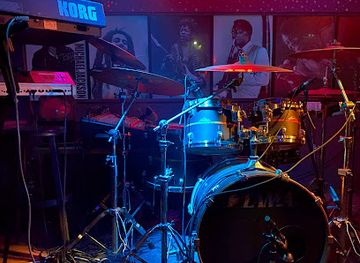
Gollak has a limited evening scene, reflecting its scattered villages and rural economy. In the highlands, social life centres on cafés, modest family restaurants and traditional-style bars where residents meet for coffee, conversation and meals rather than on a large club circuit. Novo Brdo and smaller settlements may have simple local venues, but opening arrangements and available services can vary, particularly outside the warmer months. For live music, cocktail bars, late-night cafés and nightclubs, visitors generally travel to Gjilan or Pristina, both outside the region’s rural core. Evening drives on minor roads require care because lighting is limited and routes can be unfamiliar. A rural guesthouse, a quiet meal or an early start for the next day’s sightseeing is more representative of Gollak than a formal nightlife itinerary.
-
Gastropub
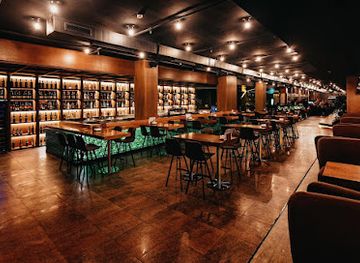
Soma Book Station
Discover Soma Book Station in Pristina: where delicious food meets a world of literature in a cozy, inviting atmosphere.
-
Bar
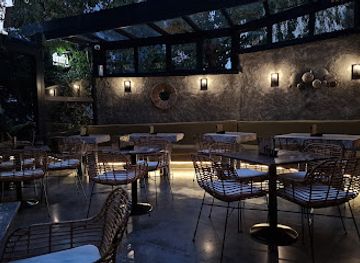
Priview Bar
Discover the lively Priview Bar in Pristina, famous for its amazing drinks, vibrant atmosphere, and unforgettable nightlife experience.
-
Cocktail bar
tintin cocktail bar
Experience the vibrant nightlife of Pristina at Tintin Cocktail Bar, where expertly crafted cocktails and a lively atmosphere await.
-
Beer Garden
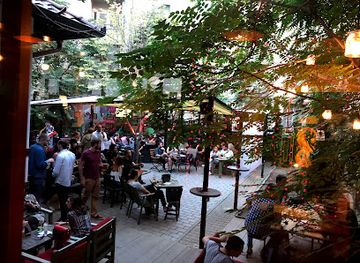
MIQT pub
Discover MIQT Pub in Prishtina, a vibrant beer garden offering a diverse selection of local brews and a lively atmosphere perfect for socializing.

Best nightclubs in Gollak
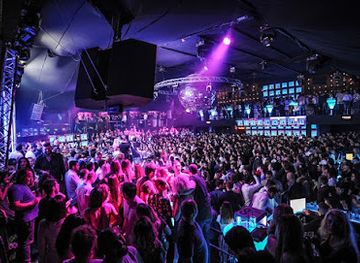
Gollak has a limited evening scene, reflecting its scattered villages and rural economy. In the highlands, social life centres on cafés, modest family restaurants and traditional-style bars where residents meet for coffee, conversation and meals rather than on a large club circuit. Novo Brdo and smaller settlements may have simple local venues, but opening arrangements and available services can vary, particularly outside the warmer months. For live music, cocktail bars, late-night cafés and nightclubs, visitors generally travel to Gjilan or Pristina, both outside the region’s rural core. Evening drives on minor roads require care because lighting is limited and routes can be unfamiliar. A rural guesthouse, a quiet meal or an early start for the next day’s sightseeing is more representative of Gollak than a formal nightlife itinerary.
-
Pub
Bubble Pub
Experience the vibrant nightlife at Bubble Pub in Pristina, a welcoming hub for entertainment, drinks, and unforgettable memories.
-
Night club
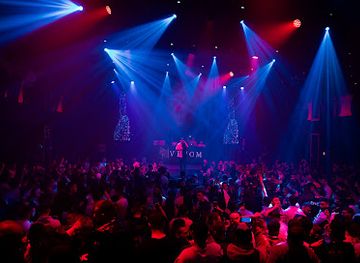
Venom Nightclub
Unleash your night at Venom Nightclub, Prishtina's hottest venue for electrifying music and unforgettable experiences.
-
Night club
ZONE Club
Discover the electrifying atmosphere of ZONE Club, Pristina's top nightclub for dancing, drinks, and unforgettable nightlife experiences.
-
Night club
Zanzi Bar
Zanzi Bar in Pristina offers an electrifying nightlife experience with great music, delicious drinks, and an inviting atmosphere for all night owls.

Best shops in Gollak
Shopping in Gollak is local and practical rather than centred on large retail districts. Small shops in villages and larger settlements stock everyday provisions, while market activity in towns such as Kamenica, Gjilan and Novo Brdo provides more choice for food, household goods and seasonal produce. Visitors may find honey, dairy products, preserves, fruit, vegetables and other farm goods through local sellers, although availability and packaging vary. Crafts are generally encountered through individual makers or community contacts rather than permanent tourist boutiques, so ask locally and buy directly where appropriate. Regional food products make more useful souvenirs than generic imported items, provided they can be transported safely. For books, contemporary fashion, specialist gifts and a broader selection of Kosovo-made products, Pristina, outside Gollak, is the most reliable nearby shopping centre. Bargaining is not automatically expected in ordinary shops; confirm prices clearly in informal markets or direct sales.
-
Sculpture
Newborn Monument
Discover the Newborn Monument in Pristina, a vibrant sculpture symbolizing Kosovo's independence and a must-visit historical landmark.
-
Shopping mall
Albi Mall
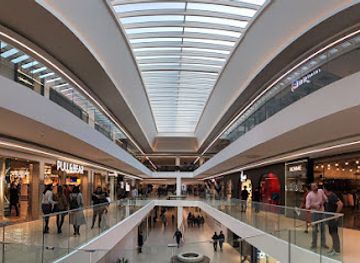
Discover Albi Mall in Prishtina, a shopping paradise offering diverse retail, dining, and entertainment options for an unforgettable experience.
-
Fortress
Prizren Fortress
Explore the captivating history and stunning views of Prizren Fortress, a key landmark in Kosovo's cultural heritage.
-
Shopping mall
Prishtina Mall
Experience shopping and dining like never before at Prishtina Mall, the ultimate retail destination in Kosovo.



Get your free copy of our complete guide to Gollak, delivered straight to you.
Everything on this page, from attractions and restaurants to essentials and local phrases, in one PDF you can read offline, print or share.
Already have an account? Sign in
Your Gollak guide is ready.
We'll send it to · Not you? Sign out

Getting your guide ready…
We are putting together a fresh copy of the Gollak guide. This can take up to a minute.
This can take a few moments. If your browser asks, choose Allow so the download can start. You'll find the guide in your Downloads folder.
Nothing happened? Download it again
Sorry, the guide is taking longer than usual. Please try again in a minute, or get it by email instead.
Gollak essentials
Currency and Payment
Safety
Emergency Situations
Do's and Don'ts
Local Tips
From Eve
Local phrases worth knowing
You don't need to get them perfect. A few words go a long way, and locals appreciate the effort.
Basics
| English | Local | Say it |
|---|---|---|
| Hello | Përshëndetje | [Për-shen-de-tye] |
| Goodbye | Mirupafshim | [Mee-roo-paf-sheem] |
| Yes | Po | [Poh] |
| No | Jo | [Yo] |
| Please/You're welcome | Të lutem | [Teh loo-tem] |
| Thank you | Faleminderit | [Fah-le-min-de-rit] |
| Excuse me/Sorry | Më fal | [Meh fal] |
| How are you? | Si je? | [See yeh?] |
| Fine. And you? | Mirë. Ti? | [Meer. Tee?] |
| Do you speak English? | A flet anglisht? | [Ah flet an-glisht?] |
| I don't understand | Nuk kuptoj | [Nook koop-toy] |
Eating & Drinking
| English | Local | Say it |
|---|---|---|
| I'd like to see the menu, please | Do doja të shoh menunë, ju lutem | [Doh doh-yah te shoh meh-noon-eh, yoo loo-tem] |
| I don't eat meat | Nuk ha mish | [Nook hah meesh] |
| Cheers! | Gëzuar! | [Guh-zuar!] |
| I would like to pay, please | Do doja të paguaj, ju lutem | [Doh doh-yah te pah-goo-ah, yoo loo-tem] |
Emergencies
| English | Local | Say it |
|---|---|---|
| Help! | Ndihmë! | [Ndee-hm] |
| Go away! | Shko larg! | [Shko larg!] |
| Call the Police! | Thirrni policinë! | [Theer-nee poh-lee-chee-neh!] |
| Call a doctor! | Thirrni një mjek! | [Theer-nee nyuh myek!] |
| I'm lost | Jam i humbur | [Yam ee hoom-bur] |
| I'm ill | Jam i sëmurë | [Yam ee suh-moor] |
Shopping
| English | Local | Say it |
|---|---|---|
| I'd like to buy... | Do doja të blej... | [Doh doh-yah te bleh...] |
| I'm just looking | Po shikoj vetëm | [Poh shee-koy vet-em] |
| How much is it? | Sa kushton? | [Sah koosh-ton?] |
| That's too expensive | Kjo është shumë e shtrenjtë | [Kyo esht shoom eh shtrenjt] |
| Can you lower the price? | A mund të ulni çmimin? | [Ah moond te ool-nee chmee-mine?] |
Time & Numbers
| English | Local | Say it |
|---|---|---|
| What time is it? | Çfarë ore është? | [Chfar-eh oh-reh esht?] |
| It's one o'clock | Është një orë | [Esht nyuh or-eh] |
| Half past (10) | Pjesë pas (10) | [Pye-seh pahs (10)] |
| Morning | Mëngjes | [Mern-jes] |
| Afternoon | Pasdite | [Pahs-dee-teh] |
| Evening | Mbrëmje | [Mbruhm-yeh] |
| Yesterday | Dje | [Dyeh] |
| Today | Sot | [Sot] |
| Tomorrow | Nesër | [Neh-ser] |
| 1 | 1 | [1] |
| 2 | 2 | [2] |
| 3 | 3 | [3] |
| 4 | 4 | [4] |
| 5 | 5 | [5] |
| 6 | 6 | [6] |
| 7 | 7 | [7] |
| 8 | 8 | [8] |
| 9 | 9 | [9] |
| 10 | 10 | [10] |
Transport & Directions
| English | Local | Say it |
|---|---|---|
| Where's a/the...? | Ku është...? | [Koo esht...?] |
| What's the address? | Cila është adresa? | [Chee-lah esht ah-dreh-sah?] |
| Can you show me (on the map)? | A mund të më tregoni (në hartë)? | [Ah moond te meh treh-goh-nee (nuh har-teh)?] |
| When's the next (bus)? | Kur është autobusi tjetër? | [Koor esht ow-toh-boo-see tyeh-ter?] |
| A ticket (to ....) | Një biletë (për ....) | [Nyeh bee-leh-tuh (per ....)] |
History of Gollak
Early settlement and the eastern Kosovo uplands
The hills and valleys of Gollak formed part of the long-settled interior of the central Balkans, where communities combined small-scale cultivation, livestock keeping and woodland use. Archaeological evidence across Kosovo indicates settlement from prehistoric periods onwards, although Gollak is less defined by a single famous ancient site than by a dispersed rural landscape. Its upland position encouraged local economies based on pasture, timber and agriculture, while routes through the hills connected the Kosovo Plain with eastern Balkan valleys.
Roman and late-antique networks
During Roman rule, the territory of present-day Kosovo was incorporated into the empire’s provincial and road systems. The wider region was influenced by nearby mining districts, administrative centres and routes linking the central Balkans, although the surviving evidence in Gollak is more fragmented than at major Roman sites elsewhere in Kosovo. Late-antique settlement and fortified locations reflected a period of political uncertainty, as imperial authority in the Balkans contracted and communities relied increasingly on defensible hill positions.
Novo Brdo and medieval silver mining
From the late medieval period, Novo Brdo became the defining historical centre of Gollak. Its mines produced silver and other metals, attracting miners, merchants, officials and craftspeople and making the settlement an important economic and fortified centre of medieval Serbia. The fortress commanded a strategic hilltop, while the surrounding mining landscape supported a complex urban community. Novo Brdo’s prosperity linked the region to wider commercial networks before warfare and changing political conditions reduced its importance.
Ottoman incorporation and rural transformation
The Ottoman conquest of Kosovo during the fifteenth century brought Gollak into a new imperial framework of administration, taxation and trade. Novo Brdo declined from its medieval prominence, while village agriculture, pastoralism and local religious institutions remained central to everyday life. Ottoman influence became visible through settlement patterns, roads, markets and architectural traces, although the region retained a predominantly rural character. The highlands continued to be shaped less by one dominant city than by networks of villages and small market centres.
The nineteenth and early twentieth centuries
During the late Ottoman period and the political upheavals that followed, Gollak was affected by competition between emerging national movements, administrative change and shifting relations among religious and linguistic communities. Rural households depended heavily on agriculture, livestock and seasonal work, while roads and markets gradually connected the hills more closely with Pristina, Gjilan and eastern Kosovo. The twentieth century brought new borders, state systems and population movements, leaving the region with a layered and sometimes contested historical memory.
War, displacement and contemporary Kosovo
The Kosovo conflict of 1998–99 affected communities across the eastern uplands through insecurity, displacement and the disruption of rural life. After the war, reconstruction and the establishment of Kosovo’s post-war institutions changed local administration and infrastructure, although many villages continued to face outward migration and limited employment. Today Gollak’s identity is expressed through its landscape, medieval heritage and village traditions, while the region remains part of the multi-ethnic and historically complex east of the Republic of Kosovo.
Gollak in Photos
Browse through our photo collection highlighting the charm and character of the destination.
Neighbouring regions of Gollak
The closest regions to Gollak, if you have time for more than one.
-

-

-

-

-


Swipe for more regions
Explore more
Explore more of Kosovo
Discover Kosovo: A Blend of Ancient History, Vibrant Culture, and Stunning Natural Beauty in the Heart of the Balkans.
Explore Kosovo