

Free Bubiyan Island Travel Guide & Mobile App
Explore Bubiyan Island with free travel guides. Discover regional history, expert tips, proposed trips, and audio guides on web or mobile app.


Bubiyan Island reveals Kuwait’s northern Gulf landscapes, tidal wetlands, strategic waterways and emerging maritime infrastructure.
Read more about Bubiyan Island
When is the best time to visit Bubiyan Island?
Best: March–April, November · 24–31°C| Month | High (°C) | Rainfall (mm) |
|---|---|---|
| January | 18 | 20 |
| February | 20 | 15 |
| March (best) | 24 | 10 |
| April (best) | 31 | 5 |
| May | 36 | 1 |
| June | 41 | 0 |
| July | 43 | 0 |
| August | 43 | 0 |
| September | 39 | 0 |
| October | 34 | 2 |
| November (best) | 26 | 10 |
| December | 20 | 20 |
Getting to and around Bubiyan Island
How to get there
Transportation
Best attractions in Bubiyan Island
Bubiyan’s attractions are primarily environmental and geographic rather than conventional visitor sites. Its flat desert, tidal creeks, mudflats and shallow coastal waters offer a stark view of northern Kuwait’s Gulf ecosystem, with migratory birds and other wildlife most visible during the cooler season. Landscape photography and guided observation are possible only where access is authorised and conditions are suitable. The island’s developing port infrastructure, including major roads and bridge approaches, provides context for Kuwait’s maritime and logistical ambitions, but working areas are not public attractions and may be strictly controlled. There are no established museums, heritage villages, resort beaches, entertainment parks or public visitor centres on Bubiyan. Travellers interested in the island should therefore plan around landscape, ecology, geopolitics and infrastructure rather than a checklist of sights. The surrounding mainland and Kuwait City offer the practical accommodation, museums and cultural institutions needed to interpret what is seen on the island, but they are outside Bubiyan itself.
-
Park
Boulevard
Experience the vibrant Boulevard in Salmiya, Kuwait - a unique blend of parks, amusement rides, dining, and shopping for an unforgettable day out.
-
Zoo
Kuwait Zoo
Explore the vibrant wildlife of Kuwait Zoo, a captivating destination for family fun and animal encounters in the heart of Omariya.
-
Historical landmark
Safat Square
Experience the vibrant cultural heart of Kuwait at Safat Square, a historical landmark offering shopping, dining, and relaxation in a stunning setting.
-
Historical place
Al Bahhar Entertainment Historical Village
Step into the heart of Kuwait's history at Al Bahhar Entertainment Historical Village, a vibrant cultural experience blending tradition with modernity.
Best landmarks in Bubiyan Island
Bubiyan’s most significant landmarks are functional, geographic and strategic rather than monumental. The island itself is the defining natural landmark: Kuwait’s largest island, marked by an exceptionally flat profile, tidal margins and open horizons beside the northern Gulf. The Bubiyan bridge and associated road infrastructure represent the physical connection between the island and mainland Kuwait, although access and photography may be controlled. The Mubarak Al-Kabeer Port works form another major contemporary landmark, expressing Kuwait’s ambition to expand northern maritime logistics while also reflecting the island’s sensitive position near Iraq. Tidal channels, mudflats and low coastal shores provide visual markers of the island’s environment, but they should be approached only with local guidance because water levels and ground conditions change. Bubiyan has no famous historic castle, cathedral or old town; its importance lies in the combination of landscape, sovereignty, infrastructure and maritime geography.
-
Park
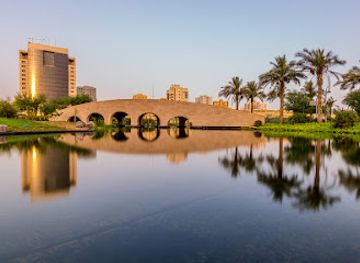
Al Shaheed Park
Explore the lush landscapes and rich history of Al Shaheed Park, a must-visit destination in Kuwait City for tourists seeking tranquility and culture.
-
Tourist attraction
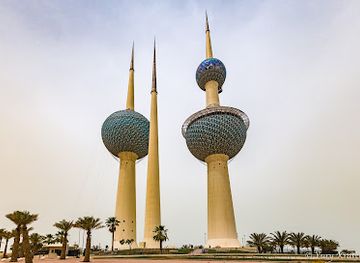
Kuwait Towers
Discover the breathtaking beauty and rich history of Kuwait Towers, an architectural marvel and iconic symbol of Kuwait City.
-
Park
Boulevard
Discover the vibrant Boulevard in Salmiya, where leisure, shopping, and amusement come together for an unforgettable experience in Kuwait.
-
Park
Boulevard Park
Discover the beauty of nature and vibrant community life at Boulevard Park, an urban oasis in the heart of Salmiya, Kuwait.

Explore Bubiyan Island on the map
Plan your trip on one map. See where the top cities, national parks and sights are, and book hotels and experiences in a few clicks.
Best hotels in Bubiyan Island
Best restaurants in Bubiyan Island
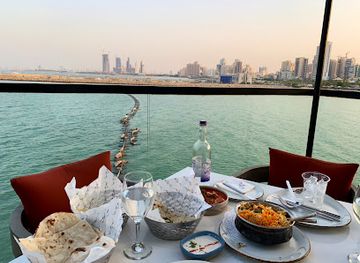
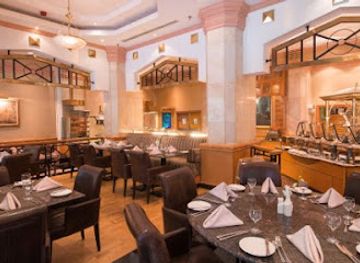
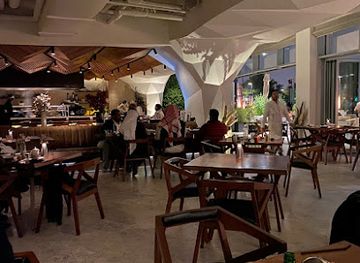
Bubiyan Island has no established restaurant quarter, café scene or dependable public food service. Visitors whose access is authorised should arrange meals, drinking water and snacks before leaving mainland Kuwait, where supermarkets, restaurants and service stations provide the necessary supplies. The island’s culinary relevance is indirect: its coastal setting belongs to the wider northern Gulf environment that has historically supported Kuwaiti fishing and maritime food traditions, while contemporary Kuwaiti dining in the capital offers seafood, rice dishes, grilled meats, dates and regional sweets. A field excursion should not depend on catching, buying or preparing food on the island, and removing marine life or natural materials is inappropriate. For a meal after visiting the northern area, plan to return to established mainland communities or Kuwait City rather than expecting facilities near port or security zones.
-
Lebanese
Mais Alghanim
Discover authentic Lebanese cuisine at Mais Alghanim in Kuwait City, where every meal is a celebration of flavor and tradition.
-
Indian
Asha's
Experience authentic Indian cuisine at Asha's in Kuwait; where rich flavors meet warm hospitality.
-
Restaurant
Al Ahmadi Restaurant
Experience authentic Kuwaiti flavors at Al Ahmadi Restaurant in Al Farwaniyah – a culinary delight for every palate.
-
Asian Fusion
White Robata
Experience Asian Fusion like never before at White Robata in Kuwait City – where culinary art meets elegance.
Best bars in Bubiyan Island
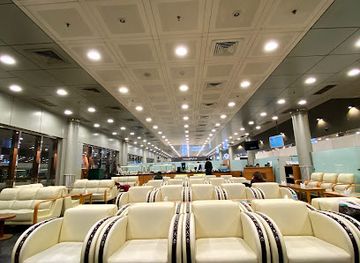
Bubiyan has no nightlife infrastructure, bars, nightclubs, live-music venues or evening entertainment districts. Its remote, controlled and largely undeveloped character means that visits are normally daytime activities, planned around heat, daylight, tides and access permissions. Evening leisure is found instead in Kuwait City and established mainland areas, where cafés, restaurants, hotel lounges and other licensed or regulated venues provide the country’s principal social settings. Alcohol is prohibited in Kuwait, so visitors should not expect a bar culture on the island or elsewhere in the country. Anyone returning from Bubiyan should complete the journey before dark, particularly when travelling on unfamiliar roads or through areas affected by port and security operations.
-
Lounge
Dasman Premier Lounge
Experience comfort and tranquility at Dasman Premier Lounge, the perfect retreat for relaxation and refreshments in Al-Dajeej, Kuwait.
-
Grill
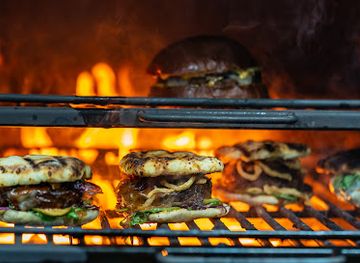
77 Josper Bar
Experience the culinary delight of grilled specialties at 77 Josper Bar in Kuwait City, where flavor meets a vibrant atmosphere.
-
Restaurant
Gio lounge
Experience the vibrant culinary scene at Gio Lounge, where exquisite flavors meet a chic atmosphere in the heart of Kuwait City.
-
Lounge
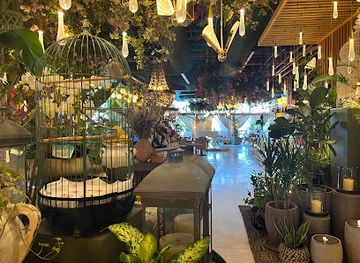
12.22 Lounge
Discover the luxurious ambiance of the 12.22 Lounge in Kuwait City, where relaxation meets sophistication in a chic setting.

Best nightclubs in Bubiyan Island
Bubiyan has no nightlife infrastructure, bars, nightclubs, live-music venues or evening entertainment districts. Its remote, controlled and largely undeveloped character means that visits are normally daytime activities, planned around heat, daylight, tides and access permissions. Evening leisure is found instead in Kuwait City and established mainland areas, where cafés, restaurants, hotel lounges and other licensed or regulated venues provide the country’s principal social settings. Alcohol is prohibited in Kuwait, so visitors should not expect a bar culture on the island or elsewhere in the country. Anyone returning from Bubiyan should complete the journey before dark, particularly when travelling on unfamiliar roads or through areas affected by port and security operations.
-
Lounge
12.22 Lounge
Experience the ultimate relaxation and social vibe at 12.22 Lounge in Kuwait City - your go-to spot for drinks and ambiance.
-
Lounge
No.21
Discover the luxurious ambiance of No.21 in Kuwait City, a premier lounge offering premium cigars and a sophisticated atmosphere for relaxation.
-
Cafe
Little Purple Door
Discover the delightful Little Purple Door Cafe in Kuwait City, offering specialty coffee, delicious food, and a cozy atmosphere for all visitors.
-
Lounge
Cohiba Atmosphere Kuwait
Experience luxury and sophistication at Cohiba Atmosphere Kuwait, a premier lounge for cigars and fine beverages in a vibrant setting.




Best shops in Bubiyan Island
There is no shopping district, market, craft quarter or permanent retail provision on Bubiyan Island. Visitors should purchase food, water, fuel, sun protection and any specialist outdoor equipment on mainland Kuwait before travelling, since the island cannot be treated as a serviced destination. Shopping associated with Bubiyan is therefore mainly interpretive: the island’s port development and coastal setting place it within Kuwait’s wider maritime economy rather than a local souvenir tradition. For regional products, Kuwait City and mainland markets offer dates, sweets, spices, Arabic coffee, textiles, perfumes and contemporary handicrafts, while larger commercial areas provide ordinary travel necessities. Do not expect souvenir stalls near bridges or port works, and do not remove shells, stones, archaeological material or wildlife from the island.
-
Shopping mall
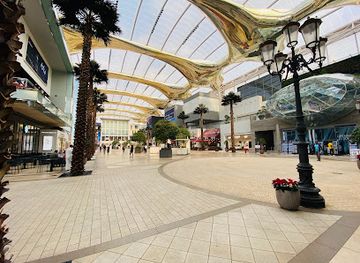
The Avenues
Discover The Avenues, Kuwait's premier shopping destination, where luxury shopping meets delightful dining and entertainment for an unforgettable experience.
-
Shopping mall
360 Mall
Experience luxury and leisure at 360 Mall, Zahra's premier shopping destination featuring top brands, diverse dining, and family-friendly entertainment.
-
Shopping mall
Marina Mall
Explore Marina Mall in Salmiya: A shopping paradise blending culture, cuisine, and entertainment for an unforgettable experience.
-
Shopping mall
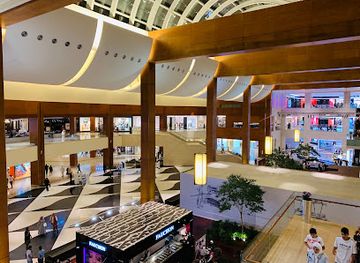
Avenues Mall Phase 4
Discover the ultimate shopping experience at Avenues Mall Phase 4 in Kuwait, where fashion, food, and fun come together in a vibrant atmosphere.
Get your free copy of our complete guide to Bubiyan Island, delivered straight to you.
Everything on this page, from attractions and restaurants to essentials and local phrases, in one PDF you can read offline, print or share.
Already have an account? Sign in
Your Bubiyan Island guide is ready.
We'll send it to · Not you? Sign out

Getting your guide ready…
We are putting together a fresh copy of the Bubiyan Island guide. This can take up to a minute.
This can take a few moments. If your browser asks, choose Allow so the download can start. You'll find the guide in your Downloads folder.
Nothing happened? Download it again
Sorry, the guide is taking longer than usual. Please try again in a minute, or get it by email instead.
Bubiyan Island essentials
Currency and Payment
Safety
Emergency Situations
Do's and Don'ts
Local Tips
From Eve
Local phrases worth knowing
You don't need to get them perfect. A few words go a long way, and locals appreciate the effort.
Basics
| English | Local | Say it |
|---|---|---|
| Hello | مرحبا | [Marhaba] |
| Goodbye | وداعا | [Wada'an] |
| Yes | نعم | [Na'am] |
| No | لا | [La] |
| Please/You're welcome | من فضلك | [Min fadlik] |
| Thank you | شكرا | [Shukran] |
| Excuse me/Sorry | عفوا | [Afwan] |
| How are you? | كيف حالك؟ | [Kayfa halak?] |
| Fine. And you? | بخير. وأنت؟ | [Bikhayr. Wa anta?] |
| Do you speak English? | هل تتحدث الإنجليزية؟ | [Hal tatahadath al-ingliziyya?] |
| I don't understand | أنا لا أفهم | [Ana la afham] |
Eating & Drinking
| English | Local | Say it |
|---|---|---|
| I'd like to see the menu, please | أود رؤية القائمة، من فضلك | [Awad ru'yat al-qa'ima, min fadlik] |
| I don't eat meat | أنا لا آكل اللحم | [Ana la akul al-lahm] |
| Cheers! | في صحتك! | [Fi sihtak!] |
| I would like to pay, please | أود الدفع، من فضلك | [Awad al-daf', min fadlik] |
Emergencies
| English | Local | Say it |
|---|---|---|
| Help! | نجدة! | [Najda!] |
| Go away! | ابتعد! | [Ibt'id!] |
| Call the Police! | اتصل بالشرطة! | [Ittasil bil-shurta!] |
| Call a doctor! | اتصل بالطبيب! | [Ittasil bil-tabeeb!] |
| I'm lost | أنا ضائع | [Ana da'i'] |
| I'm ill | أنا مريض | [Ana marid] |
Shopping
| English | Local | Say it |
|---|---|---|
| I'd like to buy... | أود شراء... | [Awad shira...] |
| I'm just looking | أنا فقط أنظر | [Ana faqat anthur] |
| How much is it? | كم ثمنه؟ | [Kam thamanuh?] |
| That's too expensive | هذا مكلف جدا | [Hatha mukallaf jidan] |
| Can you lower the price? | هل يمكنك تخفيض السعر؟ | [Hal yumkinuka takhfid al-si'r?] |
Time & Numbers
| English | Local | Say it |
|---|---|---|
| What time is it? | كم الساعة؟ | [Kam al-saa'a?] |
| It's one o'clock | الساعة واحدة | [Al-saa'a wahida] |
| Half past (10) | نصف (10) | [Nisf (10)] |
| Morning | صباح | [Sabah] |
| Afternoon | بعد الظهر | [Ba'd al-zuhur] |
| Evening | مساء | [Masa'] |
| Yesterday | أمس | [Ams] |
| Today | اليوم | [Al-yawm] |
| Tomorrow | غدا | [Ghadan] |
| 1 | واحد | [Wahid] |
| 2 | اثنان | [Ithnan] |
| 3 | ثلاثة | [Thalatha] |
| 4 | أربعة | [Arba'a] |
| 5 | خمسة | [Khamsa] |
| 6 | ستة | [Sitta] |
| 7 | سبعة | [Sab'a] |
| 8 | ثمانية | [Thamaniya] |
| 9 | تسعة | [Tis'a] |
| 10 | عشرة | [Ashara] |
Transport & Directions
| English | Local | Say it |
|---|---|---|
| Where's a/the...? | أين...؟ | [Ayn...?] |
| What's the address? | ما هو العنوان؟ | [Ma huwa al-'unwan?] |
| Can you show me (on the map)? | هل يمكنك إرشادي (على الخريطة)؟ | [Hal yumkinuka irshadi (ala al-kharita)?] |
| When's the next (bus)? | متى يأتي (الباص) التالي؟ | [Mata yati (al-bas) al-tali?] |
| A ticket (to ....) | تذكرة (إلى ....) | [Tadhkara (ila ....)] |
History of Bubiyan Island
Early Gulf Maritime Setting
Bubiyan’s position beside Kuwait Bay, the northern Gulf and the approaches to the Shatt al-Arab has long given it geographical importance. Its shallow waters, tidal inlets and proximity to the mainland formed part of the wider maritime environment used by fishing, trading and coastal communities across the Gulf. The island is not known for a large permanent urban settlement, and its historical significance rests more on location, navigation and control of surrounding waters than on monumental remains.
Kuwait’s Maritime Development
As Kuwait developed as a Gulf sheikhdom, its northern islands and waterways became linked to the wider economy of pearling, fishing, coastal transport and regional trade. Bubiyan’s shores were not transformed into a major town, but the island helped define Kuwait’s northern maritime space. Its channels and nearby waters were also relevant to navigation towards the Iraqi coast and the Shatt al-Arab, making the area strategically sensitive as modern Gulf borders took clearer shape.
Modern Sovereignty and Independence
Kuwait became independent from Britain in 1961, after which the country’s islands and maritime boundaries acquired renewed importance in national security and foreign policy. Bubiyan’s proximity to Iraq meant that the island was considered part of Kuwait’s strategically exposed northern frontier. Unlike the capital’s rapid urban growth, Bubiyan remained sparsely occupied and largely undeveloped, while its role was shaped by defence, territorial administration and control of access to northern Gulf waters.
The Iraqi Invasion and Gulf War
Iraq invaded Kuwait in August 1990, triggering the Gulf War and the international campaign that restored Kuwaiti sovereignty in 1991. Bubiyan’s location made the northern islands and adjacent waters part of the wider strategic theatre, even though the island did not develop into a conventional battlefield destination. The conflict reinforced Kuwait’s concern with secure borders, protected maritime approaches and the vulnerability of infrastructure near the Iraqi frontier.
UN Boundary Demarcation
After the Gulf War, the United Nations demarcated the Kuwait–Iraq boundary in the early 1990s. The process confirmed the international boundary and clarified the status of the northern maritime area, while leaving Iraq with limited access towards the Gulf. Bubiyan’s position near this boundary gives it continuing geopolitical importance. Travellers should therefore expect heightened controls and should never treat the island’s proximity to Iraq as an ordinary cross-border sightseeing opportunity.
The Mubarak Al-Kabeer Port Project
In the twenty-first century, Kuwait began developing the Mubarak Al-Kabeer Port on Bubiyan as part of a broader effort to strengthen maritime infrastructure and northern economic connections. Bridges, roads and port works have altered parts of the island’s landscape and made its future more closely associated with shipping and logistics. The project has also been connected to wider regional sensitivities, particularly because of the island’s proximity to Iraq and the disputed strategic significance of the surrounding waterways.
Bubiyan Island in Photos
Browse through our photo collection highlighting the charm and character of the destination.
Neighbouring regions of Bubiyan Island
The closest regions to Bubiyan Island, if you have time for more than one.
-

-
-
-

-


Swipe for more regions
Explore more

Explore more of Kuwait
Discover the blend of modernity and tradition in Kuwait, a vibrant gem in the Arabian Gulf, offering cultural heritage, luxury shopping, and diverse culinary delights.
Explore Kuwait