

Free Al Asimah Governorate Travel Guide & Mobile App
Explore Al Asimah Governorate with free travel guides. Discover regional history, expert tips, proposed trips, and audio guides on web or mobile app.


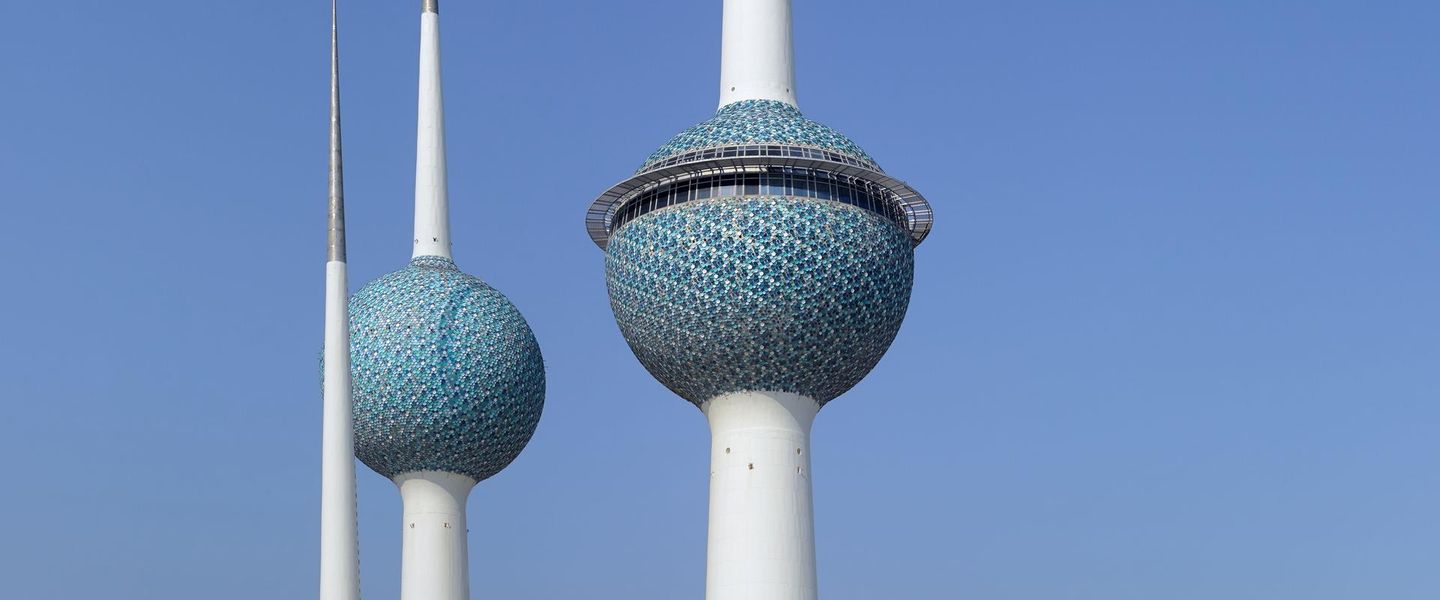


Explore Al Asimah Governorate for Kuwait City’s waterfront towers, historic souqs, museums, cultural venues and distinctive Gulf heritage.
Read more about Al Asimah Governorate
When is the best time to visit Al Asimah Governorate?
Best: February–March, November · 21–26°C| Month | High (°C) | Rainfall (mm) |
|---|---|---|
| January | 18 | 15 |
| February (best) | 21 | 10 |
| March (best) | 26 | 15 |
| April | 32 | 5 |
| May | 38 | 1 |
| June | 42 | 0 |
| July | 45 | 0 |
| August | 44 | 0 |
| September | 40 | 1 |
| October | 34 | 5 |
| November (best) | 26 | 10 |
| December | 20 | 15 |
Getting to and around Al Asimah Governorate
How to get there
Transportation
Top city travel guides in Al Asimah Governorate
The cities of Al Asimah Governorate, and the easiest places to base yourself.
-

-


Swipe for more cities
Destinations in Al Asimah Governorate
Resorts, valleys and scenic spots worth a trip of their own.
-

-

-

-

-

-


Swipe for more destinations
Best attractions in Al Asimah Governorate
Al Asimah’s attractions are concentrated around Kuwait City but cover several distinct themes. The waterfront brings together the Kuwait Towers, the Corniche and views across Kuwait Bay, while the city centre contains Souq Al-Mubarakiya, traditional trading lanes and museums that explain Kuwait’s maritime and domestic heritage. The National Museum introduces the country’s archaeology, history and cultural traditions, and Sadu House focuses on the woven crafts associated with Bedouin communities and Gulf material culture. Al Shaheed Park provides gardens, walking paths, museums and contemporary public architecture in the middle of the capital. The Sheikh Jaber Al-Ahmad Cultural Centre adds concerts, theatre, exhibitions and large-scale architectural drama. Visitors interested in modern Kuwait can also focus on the capital’s skyline, ministries and civic buildings, although access to some official structures is restricted. Families and independent travellers will find the governorate better suited to museums, parks, markets and waterfront sightseeing than to wilderness activities; desert excursions and many resort-oriented attractions lie in other governorates. The strongest itinerary combines one indoor cultural venue with one outdoor area each day, particularly during the hotter months.
-
Tourist attraction
Kuwait Towers
Discover the breathtaking views and architectural brilliance of Kuwait Towers, an iconic historical landmark overlooking the Arabian Gulf.
-
Park
Al Shaheed Park
Discover Al Shaheed Park, Kuwait City's green jewel with stunning landscapes, cultural exhibits, and serene spaces for relaxation and exploration.
-
Seafood
Kuwaiti Fresh Fish Market
Explore the vibrant Kuwaiti Fresh Fish Market, where fresh seafood and local culture converge in the heart of Kuwait City.
-
Cultural center
Sheikh Jaber Al-Ahmad Cultural Centre
Discover the Sheikh Jaber Al-Ahmad Cultural Centre, a cultural gem in Kuwait City that features stunning architecture and a vibrant array of artistic performances.


Best landmarks in Al Asimah Governorate
The Kuwait Towers are Al Asimah’s defining visual landmark: three slender structures on the Kuwait Bay waterfront whose spherical forms combine observation, hospitality and water-storage functions. Nearby, the Liberation Tower rises above the capital as a symbol of Kuwait’s restored sovereignty after the 1990–91 Iraqi invasion. The Grand Mosque is one of the country’s most important Islamic buildings, distinguished by its large scale, carefully planned courtyard and prominent minaret; visitors should check access and dress requirements before arriving. Seif Palace, the seat of Kuwait’s government, is a significant civic complex, although it is not generally a visitor attraction and should be viewed from permitted public areas. Souq Al-Mubarakiya represents the commercial memory of the old town, while Al Shaheed Park’s contemporary architecture marks a later phase of urban renewal. Together, these places express the governorate’s central themes: Gulf maritime geography, Islamic and civic architecture, pre-oil trading life, national memory and oil-era modernisation.
-
Park
Al Shaheed Park
Discover the serene beauty and cultural richness of Al Shaheed Park, a premier destination in Kuwait City perfect for relaxation and exploration.
-
Tourist attraction
Kuwait Towers
Discover the iconic Kuwait Towers, where modern architecture meets rich culture, offering spectacular views and a glimpse into Kuwait's heritage.
-
Cultural center
Sheikh Jaber Al-Ahmad Cultural Centre
Experience the vibrant arts and culture of Kuwait at the Sheikh Jaber Al-Ahmad Cultural Centre, a modern cultural hub showcasing the nation’s rich heritage.
-
Mosque
Grand Mosque of Kuwait
Discover the Grand Mosque of Kuwait, a magnificent blend of tradition and modernity, offering a serene escape in the heart of the city.


Explore Al Asimah Governorate on the map
Plan your trip on one map. See where the top cities, national parks and sights are, and book hotels and experiences in a few clicks.
Best hotels in Al Asimah Governorate
Best restaurants in Al Asimah Governorate
Dining in Al Asimah reflects Kuwait City’s role as a historic port, a modern capital and a highly international urban centre. Kuwaiti restaurants serve dishes such as machboos, rice cooked with spiced meat or fish, and murabyan, a rice and shrimp preparation associated with Gulf cuisine; grilled seafood, soups, dates and sweet saffron- or cardamom-scented dishes also appear on traditional menus. Souq Al-Mubarakiya is a useful place to encounter casual local food, tea, sweets and market-style dining, while restaurants across the central districts offer Lebanese, Iranian, Indian, Pakistani, South Asian and international cooking. Cafés range from traditional tea and coffee houses to contemporary spaces serving pastries and speciality drinks. Large hotels provide more formal dining, but the city’s culinary character is often found in family restaurants, seafood establishments and modest eateries rather than in a single defined restaurant quarter. Menus, opening patterns and venue availability can change, so current arrangements are best checked locally.
-
Market
Al Mubarakiya
Kuwait City's 200-year-old souq pulses with spices, gold, street feasts, and heritage museums in vibrant alleys where tradition thrives amid local banter and bargains.
-
Lebanese
Mais Alghanim
Experience authentic Lebanese cuisine at Mais Alghanim in Kuwait City - where tradition meets flavor in every bite.
-
Middle Eastern
Freej Swaeleh - Mubarakiya
Discover authentic Kuwaiti flavors at Freej Swaeleh - Mubarakiya, where tradition meets taste in every delightful dish.
-
Italian
Principale Ristorante Di Nino - برينشيبالي ريستورانتي دي نينو
Discover authentic Italian cuisine at Principale Ristorante Di Nino—where fine dining meets breathtaking seaside views.


Best bars in Al Asimah Governorate
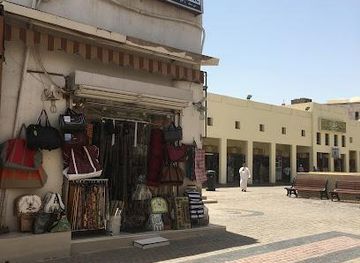
Kuwait does not have a conventional bar or nightclub scene because alcohol is prohibited, and evening social life follows different patterns from many international capitals. In Al Asimah, nights centre on restaurants, coffee shops, dessert cafés, traditional tea houses, shopping areas and cultural programming rather than licensed drinking venues. Souq Al-Mubarakiya can remain sociable into the evening, with food stalls and cafés creating a market atmosphere, while the waterfront and Al Shaheed Park are popular for relaxed walks when temperatures ease. The Sheikh Jaber Al-Ahmad Cultural Centre and other civic venues may host concerts, theatre, exhibitions or festivals, subject to their changing programmes. Some hotels offer late dining and non-alcoholic refreshments, but visitors should not expect a pub district or nightclub itinerary. Ramadan and religious holidays can significantly alter evening rhythms, with later dining and extended social activity after sunset.
-
Hotel
Mövenpick Hotel Kuwait Freezone
Experience luxury and comfort at Mövenpick Hotel Kuwait Freezone, the ultimate destination for discerning travelers in Kuwait.
-
Asian Fusion
White Robata
Discover the exquisite flavors of Asian Fusion dining at White Robata, located in the Sheikh Jaber Al-Ahmed Cultural Centre, Kuwait City.
-
Restaurant
ave restaurant
Experience the vibrant flavors of Japan and gourmet burgers at Ave Restaurant, a must-visit destination in Kuwait City.
-
Pizza
Pizza Hut, Sharq Mall
Enjoy delicious pizzas with stunning sea views at Pizza Hut in Sharq Mall, Kuwait City – a perfect stop for families and tourists alike.


Best nightclubs in Al Asimah Governorate
Kuwait does not have a conventional bar or nightclub scene because alcohol is prohibited, and evening social life follows different patterns from many international capitals. In Al Asimah, nights centre on restaurants, coffee shops, dessert cafés, traditional tea houses, shopping areas and cultural programming rather than licensed drinking venues. Souq Al-Mubarakiya can remain sociable into the evening, with food stalls and cafés creating a market atmosphere, while the waterfront and Al Shaheed Park are popular for relaxed walks when temperatures ease. The Sheikh Jaber Al-Ahmad Cultural Centre and other civic venues may host concerts, theatre, exhibitions or festivals, subject to their changing programmes. Some hotels offer late dining and non-alcoholic refreshments, but visitors should not expect a pub district or nightclub itinerary. Ramadan and religious holidays can significantly alter evening rhythms, with later dining and extended social activity after sunset.
-
Lounge
12.22 Lounge
Experience the elegance of 12.22 Lounge, where Kuwait's social scene meets a luxurious ambiance and culinary excellence.
-
Lounge
No.21
Discover No.21, a luxurious lounge in Kuwait City offering an exquisite ambiance, premium drinks, and a unique cigar experience for discerning tourists.
-
Lounge
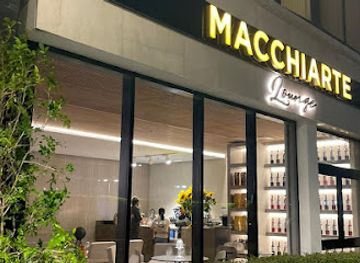
Macchiarte lounge
Discover a stylish retreat at Macchiarte Lounge, Kuwait's premier destination for relaxation and exquisite beverages in the heart of the design district.
-
Cafe
Little Purple Door
Discover the cozy charm of Little Purple Door, a delightful cafe in Kuwait City, blending relaxation with a vibrant menu in a unique atmosphere.
Best shops in Al Asimah Governorate
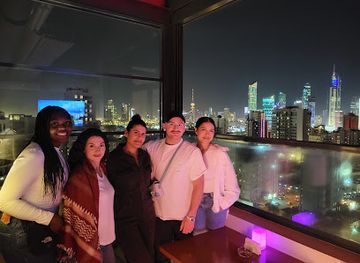
Shopping in Al Asimah ranges from traditional commerce in Souq Al-Mubarakiya to modern retail in the capital’s central districts. The souq is the best-known setting for spices, dates, perfumes, incense, sweets, textiles, household goods and informal food shopping, with small stalls and cafés creating a more local atmosphere than a conventional mall. Visitors interested in heritage crafts can look for woven items associated with sadu traditions, although quality, provenance and contemporary production methods vary. Gold and jewellery shops, bookshops, fashion retailers and specialist food stores are also found around Kuwait City, while modern malls and department stores provide air-conditioned international retail. Kuwait’s food products—dates, spices, Arabic sweets, coffee and tea—make practical gifts, subject to import rules at the traveller’s destination. Bargaining may be possible in some independent market settings but is not expected in fixed-price shops. Retail activity often continues later into the evening, particularly in cooler months and during seasonal or religious periods.
-
 Shopping mall
The Avenues
Experience luxury shopping, diverse dining, and vibrant entertainment at The Avenues, Kuwait's largest and most popular shopping mall.
-
Market
Al Mubarakiya
Explore Al Mubarakiya, Kuwait City's historic market, where traditional charm meets culinary delights in a vibrant atmosphere.
-
Shopping mall
360 Mall
Experience the fusion of luxury shopping, delectable dining, and vibrant entertainment at 360 Mall in Zahra, Kuwait.
-
Shopping mall
Marina Mall
Discover the ultimate shopping experience at Marina Mall, Kuwait's premier destination for luxury, dining, and entertainment.


Get your free copy of our complete guide to Al Asimah Governorate, delivered straight to you.
Everything on this page, from attractions and restaurants to essentials and local phrases, in one PDF you can read offline, print or share.
Already have an account? Sign in
Your Al Asimah Governorate guide is ready.
We'll send it to · Not you? Sign out

Getting your guide ready…
We are putting together a fresh copy of the Al Asimah Governorate guide. This can take up to a minute.
This can take a few moments. If your browser asks, choose Allow so the download can start. You'll find the guide in your Downloads folder.
Nothing happened? Download it again
Sorry, the guide is taking longer than usual. Please try again in a minute, or get it by email instead.
Al Asimah Governorate essentials
Currency and Payment
Safety
Emergency Situations
Do's and Don'ts
Local Tips
From Eve
Local phrases worth knowing
You don't need to get them perfect. A few words go a long way, and locals appreciate the effort.
Basics
| English | Local | Say it |
|---|---|---|
| Hello | أهلاً | [Ahlan] |
| Goodbye | مع السلامة | [Ma'a as-salama] |
| Yes | نعم | [Na'am] |
| No | لا | [La] |
| Please/You're welcome | من فضلك | [Min fadlik] |
| Thank you | شكراً | [Shukran] |
| Excuse me/Sorry | عفواً | [Afwan] |
| How are you? | كيف حالك؟ | [Kayfa halak?] |
| Fine. And you? | بخير، وأنت؟ | [Bikhayr, wa anta?] |
| Do you speak English? | هل تتحدث الإنجليزية؟ | [Hal tatahadath al-ingliziyya?] |
| I don't understand | لا أفهم | [La afham] |
Eating & Drinking
| English | Local | Say it |
|---|---|---|
| I'd like to see the menu, please | أود رؤية القائمة، من فضلك | [Awad ru'yat al-qa'ima, min fadlik] |
| I don't eat meat | لا آكل اللحم | [La akul al-lahm] |
| Cheers! | في صحتك! | [Fi sihtak!] |
| I would like to pay, please | أود الدفع، من فضلك | [Awad al-daf', min fadlik] |
Emergencies
| English | Local | Say it |
|---|---|---|
| Help! | المساعدة! | [Al-musa'ada!] |
| Go away! | ابتعد! | [Ibt'id!] |
| Call the Police! | اتصل بالشرطة! | [Ittasil bil-shurta!] |
| Call a doctor! | اتصل بطبيب! | [Ittasil bi-tabeeb!] |
| I'm lost | أنا ضائع | [Ana da'i'] |
| I'm ill | أنا مريض | [Ana marid] |
Shopping
| English | Local | Say it |
|---|---|---|
| I'd like to buy... | أود شراء... | [Awad shira'] |
| I'm just looking | أنا فقط أتصفح | [Ana faqat atasaafah] |
| How much is it? | كم ثمنه؟ | [Kam thamanu?] |
| That's too expensive | هذا مكلف جداً | [Hatha mukallaf jiddan] |
| Can you lower the price? | هل يمكنك تخفيض السعر؟ | [Hal yumkinuka takhfid as-si'r?] |
Time & Numbers
| English | Local | Say it |
|---|---|---|
| What time is it? | كم الساعة؟ | [Kam as-saa'a?] |
| It's one o'clock | إنها الساعة الواحدة | [Inna as-saa'a al-wahida] |
| Half past (10) | نصف (10) | [Nisf (10)] |
| Morning | صباحاً | [Sabahan] |
| Afternoon | ظهراً | [Zuhran] |
| Evening | مساءً | [Masa'an] |
| Yesterday | أمس | [Ams] |
| Today | اليوم | [Al-yawm] |
| Tomorrow | غداً | [Ghadan] |
| 1 | واحد | [Wahid] |
| 2 | اثنان | [Ithnan] |
| 3 | ثلاثة | [Thalatha] |
| 4 | أربعة | [Arba'a] |
| 5 | خمسة | [Khamsa] |
| 6 | ستة | [Sitta] |
| 7 | سبعة | [Sab'a] |
| 8 | ثمانية | [Thamaniya] |
| 9 | تسعة | [Tis'a] |
| 10 | عشرة | [Ashara] |
Transport & Directions
| English | Local | Say it |
|---|---|---|
| Where's a/the...? | أين...؟ | [Ayna...?] |
| What's the address? | ما هو العنوان؟ | [Ma huwa al-'unwan?] |
| Can you show me (on the map)? | هل يمكنك أن تريني (على الخريطة)؟ | [Hal yumkinuka an turini (ala al-kharita)?] |
| When's the next (bus)? | متى يأتي (الباص) التالي؟ | [Mata ya'ti (al-bus) at-tali?] |
| A ticket (to ....) | تذكرة (إلى ....) | [Tadhkara (ila ....)] |
History of Al Asimah Governorate
Early Gulf Trade and Dilmun Connections
Kuwait’s coast and islands formed part of the wider maritime world of the Gulf from antiquity. Archaeological evidence from sites in the country, including Failaka Island outside the main urban concentration of Al Asimah, demonstrates connections with Dilmun, the ancient trading civilisation centred in the Gulf. The sheltered waters of Kuwait Bay helped link coastal communities with Mesopotamia and other ports. Although much of present-day Kuwait City is a modern built environment, its location reflects a much older pattern of settlement shaped by access to sea routes, freshwater resources and the northern Gulf’s commercial networks.
The Foundation of Kuwait City in the Eighteenth Century
The settlement that developed into Kuwait City was established in the eighteenth century by members of the Utub, a group of families who moved into the northern Gulf and built a community around trade, seafaring and local alliances. Its position beside Kuwait Bay supported shipping and commerce, while defensive walls and gates later marked the limits of the old town. Political authority developed under the Al Sabah family, whose rule became closely associated with the town and the territory that grew around it.
Pearling, Shipping and the Old Commercial Town
Before oil, Kuwait’s economy depended heavily on maritime activity. Pearling expeditions occupied the summer months, while sailing vessels carried dates, timber, textiles and other goods between Gulf ports, southern Iraq, India and East Africa. Kuwait City’s merchants, shipbuilders and sailors created a society closely tied to the sea, and the old souqs served as places for trading food, clothing, spices and imported goods. Souq Al-Mubarakiya and surviving traditional houses provide reminders of this commercial culture, although the original waterfront and townscape have been extensively transformed.
The Anglo-Kuwaiti Agreement of 1899
In 1899, Kuwait’s ruler Sheikh Mubarak Al-Sabah concluded an agreement with Britain that placed Kuwait under British protection in external affairs while preserving the authority of the ruling house. The arrangement reflected the strategic importance of Kuwait’s position at the head of the Gulf and Britain’s wider interest in regional routes to India. It shaped Kuwait’s diplomatic history until independence in 1961. The period also belongs to the final era of the pre-oil town, before large-scale state building and urban expansion altered the capital permanently.
Oil, Independence and Urban Transformation
Commercial oil production began to reshape Kuwait after the discovery of oil at Burgan in the 1930s and the start of exports in 1946. Revenues financed education, healthcare, infrastructure and an urban rebuilding programme that changed Kuwait City from a compact walled settlement into a modern capital of highways, offices and high-rise buildings. Kuwait became independent from Britain in 1961, and Al Asimah developed as the country’s administrative and commercial centre. The modern skyline and civic institutions around Kuwait Bay are direct products of this period of rapid transformation.
The Iraqi Invasion and Liberation, 1990–1991
Iraq invaded Kuwait on 2 August 1990, occupying the country for seven months before an international coalition forced Iraqi forces to withdraw in February 1991. Kuwait City and other urban areas suffered damage, disruption and the loss of lives and livelihoods. The crisis remains central to Kuwait’s modern national memory, and the Liberation Tower in Al Asimah symbolises the restoration of sovereignty. Post-war reconstruction accelerated the renewal of infrastructure and public institutions, while memorials and annual commemorations keep the events present in civic life.
The Contemporary Cultural Capital
Since the late twentieth century, Al Asimah has consolidated its role as Kuwait’s cultural and institutional centre. New museums, galleries, libraries, parks and performance spaces have complemented older souqs and heritage houses, while major architectural projects have renewed the waterfront and central districts. The governorate now brings together the country’s political institutions, commercial headquarters, historic markets and much of its formal cultural activity. This layered urban character—maritime origins, oil-era modernisation and contemporary cultural investment—defines the visitor’s experience of Kuwait City today.
Al Asimah Governorate in Photos
Browse through our photo collection highlighting the charm and character of the destination.
Neighbouring regions of Al Asimah Governorate
The closest regions to Al Asimah Governorate, if you have time for more than one.
-

-
-

-

-


Swipe for more regions
Explore more

Explore more of Kuwait
Discover the blend of modernity and tradition in Kuwait, a vibrant gem in the Arabian Gulf, offering cultural heritage, luxury shopping, and diverse culinary delights.
Explore Kuwait