

Free Failaka Island Travel Guide & Mobile App
Explore Failaka Island with free travel guides. Discover regional history, expert tips, proposed trips, and audio guides on web or mobile app.


Failaka Island offers Kuwait’s most distinctive blend of Gulf landscapes, ancient Greek and Dilmun archaeology, maritime history and post-war heritage.
Read more about Failaka Island
When is the best time to visit Failaka Island?
Best: March–April, November · 24–29°C| Month | High (°C) | Rainfall (mm) |
|---|---|---|
| January | 17 | 20 |
| February | 20 | 15 |
| March (best) | 24 | 10 |
| April (best) | 29 | 5 |
| May | 34 | 1 |
| June | 38 | 0 |
| July | 40 | 0 |
| August | 40 | 0 |
| September | 37 | 1 |
| October | 32 | 5 |
| November (best) | 26 | 10 |
| December | 20 | 15 |
Getting to and around Failaka Island
How to get there
Transportation
Best attractions in Failaka Island
Failaka’s attractions are concentrated on archaeology, maritime history and the atmosphere of an island community interrupted by war. The archaeological areas at Tell Sa'id and the settlement associated with Ikaros reveal Bronze Age and Hellenistic layers, including temple remains, inscriptions and fragments of ancient buildings. Their open setting is part of the experience: the sites are encountered across a broad, sun-exposed landscape rather than within a single formal museum complex. Elsewhere, visitors can see traces of traditional settlement, mosques, wells and the remains of houses connected with fishing and island life. Abandoned and damaged buildings also provide evidence of the 1990–91 Iraqi occupation, although they should be viewed from safe, permitted locations. The shorelines and quiet interior offer opportunities for photography, birdwatching and observing the changing relationship between land and Gulf waters, but Failaka is not a heavily serviced nature or beach resort. Its appeal lies in the combination of archaeological interpretation, contemporary history and a sparsely developed landscape. Organised visits are particularly useful because the principal remains are dispersed and access arrangements can vary.
-
Island
Failaka Island
Explore Failaka Island, Kuwait's historical paradise with stunning beaches, rich culture, and vibrant activities for every traveler.
-
Tourist attraction
Sheikh Abdullah Al Salem Palace (Failaka)
Discover the enchanting Sheikh Abdullah Al Salem Palace on Failaka Island, a historical landmark showcasing Kuwait's rich heritage and stunning architecture.
-
Tourist attraction
Antiquities of invasion آثار الغزو
Explore the remarkable antiquities of invasion in Zoor, Kuwait, showcasing historical artifacts that narrate the region's rich heritage.
-
Tourist attraction
البنك الوطني القديم آثار الغزو
Explore the rich history and vibrant culture of the Kuwait Old Souk, a captivating marketplace filled with unique crafts and delicious local cuisine.


Best landmarks in Failaka Island
Failaka’s principal landmarks are archaeological and historical rather than monumental in the modern urban sense. The remains associated with Ikaros, including the Hellenistic temple area and Greek inscriptions, are especially significant because they record the island’s place in the post-Alexander world and its connections with wider Gulf routes. Bronze Age remains at Tell Sa'id mark an earlier phase, when Failaka participated in the maritime network of Dilmun and southern Mesopotamia. The surviving traces of historic mosques, wells and traditional buildings represent a different kind of landmark: they document the religious and practical life of the island’s former residents. Abandoned houses and damaged structures linked to the Iraqi occupation of 1990–91 are also part of Failaka’s modern historical landscape, but their fragility and possible restrictions require respectful distance. The island itself, with its low profile, open shoreline and position at the entrance to Kuwait Bay, is a geographical landmark within Kuwait, offering a setting in which ancient trade, village life and recent national history can be read together.
-
Historical landmark
Sheikh Abdullah Al Salem Palace (Failaka)
Explore the architectural beauty and historical significance of Sheikh Abdullah Al Salem Palace on Failaka Island, a must-visit landmark in Kuwait.
-
Tourist attraction
Antiquities of invasion آثار الغزو
Explore the captivating Antiquities of Invasion in Zoor, Kuwait - a treasure trove of historical artifacts and stories from the past.
-
Historical landmark
Ruines of Bank al Watani
Explore the historical significance of the Ruines of Bank al Watani in Zoor, Kuwait, and immerse yourself in the remnants of a storied past.
-
 Historical landmark
Al-Quraniya Village's Fort
Explore the rich heritage of Kuwait at Al-Quraniya Village's Fort on Failaka Island, a stunning historical landmark with breathtaking views.


Explore Failaka Island on the map
Plan your trip on one map. See where the top cities, national parks and sights are, and book hotels and experiences in a few clicks.
Best hotels in Failaka Island
Best restaurants in Failaka Island
Failaka has a much more limited dining scene than Kuwait City, so visitors should not rely on the island for a wide choice of restaurants or late meals. Food associated with the island’s older way of life reflects Kuwait’s Gulf traditions: fish, rice, dates and other provisions suited to maritime communities. In practice, most travellers arrange meals through an excursion, use facilities available at their accommodation or bring food and water from the mainland, subject to current access rules. Kuwait’s broader culinary culture is represented by dishes such as machboos, in which seasoned rice is served with fish or meat, as well as grilled seafood, flatbreads, dates and sweet tea. On the mainland, restaurants and cafés offer both Kuwaiti cooking and food from across the wider Gulf, Arab world and South Asia. Treat Failaka’s food provision as seasonal and limited rather than assuming that mainland dining habits or delivery services extend to the island.
-
Restaurant
Wanasa Beach
Experience stunning sunsets and authentic Kuwaiti cuisine at Wanasa Beach, your perfect getaway on Failaka Island.
-
Restaurant
Restaurant & Cafe Icarus
Discover the culinary charm of Zoor at Restaurant & Cafe Icarus - where every meal is a celebration of flavor and culture.


Best bars in Failaka Island
Failaka does not have a conventional bar or nightclub district, and alcohol is prohibited in Kuwait. Evening life on the island is correspondingly quiet, centred on private gatherings, accommodation, simple meals and the subdued atmosphere of a sparsely populated settlement. Visitors should not expect a programmed nightlife scene, live-music circuit or late-opening entertainment comparable with a large city. The island can be atmospheric around sunset, when the low shoreline and open Gulf views take on a different character, but boat return times and accommodation arrangements should be settled before dark. For cafés, restaurants and broader evening activity, Kuwait City on the mainland offers the country’s main choice of venues, although it remains outside Failaka Island and requires onward sea and road transport.
-
Restaurant
HuQQabaz
Discover the culinary haven of HuQQabaz in Al Bida'a, where local flavors meet modern dining in a vibrant setting.
-
Resort hotel
The Heritage Village
Experience luxury and tradition at The Heritage Village, a premier resort hotel in Zoor, where relaxation meets cultural immersion.
-
Grill
77 Josper Bar
Experience the best of grilled cuisine at 77 Josper Bar in Kuwait City, where flavor meets atmosphere for a perfect dining experience.
-
Restaurant
Gio lounge
Experience the vibrant culinary scene at Gio Lounge, where delicious food meets a chic atmosphere in the heart of Kuwait City.


Best nightclubs in Failaka Island
Failaka does not have a conventional bar or nightclub district, and alcohol is prohibited in Kuwait. Evening life on the island is correspondingly quiet, centred on private gatherings, accommodation, simple meals and the subdued atmosphere of a sparsely populated settlement. Visitors should not expect a programmed nightlife scene, live-music circuit or late-opening entertainment comparable with a large city. The island can be atmospheric around sunset, when the low shoreline and open Gulf views take on a different character, but boat return times and accommodation arrangements should be settled before dark. For cafés, restaurants and broader evening activity, Kuwait City on the mainland offers the country’s main choice of venues, although it remains outside Failaka Island and requires onward sea and road transport.
-
Lounge
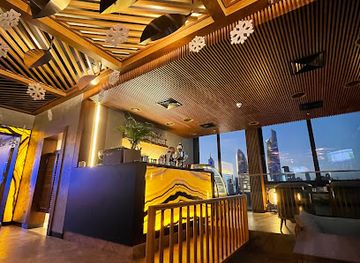
12.22 Lounge
Discover the serene charm of 12.22 Lounge in Kuwait City, a perfect spot for relaxation and delightful refreshments amid your travels.
-
Lounge
No.21
Discover No.21 Lounge in Kuwait City, a sophisticated retreat for relaxation and enjoyment of premium cigars and beverages in a unique, stylish setting.
-
Lounge
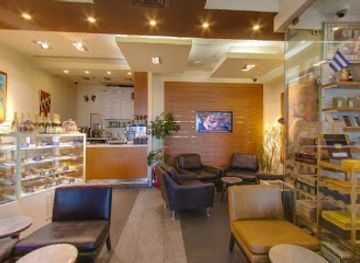
Cohiba Atmosphere Kuwait
Discover luxury and relaxation at Cohiba Atmosphere Kuwait, the premier lounge for cigar lovers and leisure seekers in Salmiya.
-
Lounge
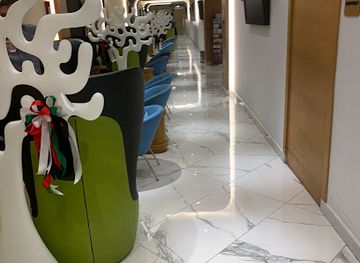
Derwaza Lounge
Discover tranquility and comfort at Derwaza Lounge, the perfect escape for travelers at Kuwait International Airport.

Best shops in Failaka Island
Failaka is not a shopping destination and has little reason for visitors to expect a developed retail centre, extensive high street or regular choice of craft shops. Practical supplies may be limited, so water, snacks, sun protection and other essentials should be obtained on mainland Kuwait before departure. Souvenirs connected with the island are more likely to be found through organised cultural visits or mainland heritage outlets than through a permanent Failaka retail scene. In Kuwait City, visitors can look for dates, spices, Arabic sweets, coffee, perfumes, textiles, jewellery and locally themed gifts, while larger commercial areas provide general fashion and household shopping. Traditional markets on the mainland offer a more atmospheric setting for browsing than the island itself, but products should not automatically be described as unique to Failaka. Shopping on the island is best understood as a minor part of a heritage excursion, with the value of the visit lying in its archaeology and landscape rather than retail opportunities.
-
Shopping mall
The Avenues
Discover the ultimate shopping experience at The Avenues, Kuwait's largest and most vibrant shopping mall featuring global brands and diverse dining options.
-
Shopping mall
360 Mall
Discover luxury shopping, dining, and entertainment at 360 Mall, the ultimate destination for a vibrant experience in Zahra, Kuwait.
-
Shopping mall
Marina Mall
Explore Marina Mall in Salmiya, Kuwait: A shopping haven with diverse retail, dining, and entertainment options for tourists and locals.
-
Shopping mall
Al Kout Mall
Explore Al Kout Mall in Fahaheel, Kuwait - a shopping paradise filled with luxury brands, diverse dining, and endless entertainment options.


Get your free copy of our complete guide to Failaka Island, delivered straight to you.
Everything on this page, from attractions and restaurants to essentials and local phrases, in one PDF you can read offline, print or share.
Already have an account? Sign in
Your Failaka Island guide is ready.
We'll send it to · Not you? Sign out

Getting your guide ready…
We are putting together a fresh copy of the Failaka Island guide. This can take up to a minute.
This can take a few moments. If your browser asks, choose Allow so the download can start. You'll find the guide in your Downloads folder.
Nothing happened? Download it again
Sorry, the guide is taking longer than usual. Please try again in a minute, or get it by email instead.
Failaka Island essentials
Currency and Payment
Safety
Emergency Situations
Do's and Don'ts
Local Tips
From Eve
Local phrases worth knowing
You don't need to get them perfect. A few words go a long way, and locals appreciate the effort.
Basics
| English | Local | Say it |
|---|---|---|
| Hello | مرحبا | [Marhaba] |
| Goodbye | وداعا | [Wada'an] |
| Yes | نعم | [Na'am] |
| No | لا | [La] |
| Please/You're welcome | من فضلك | [Min fadlik] |
| Thank you | شكرا | [Shukran] |
| Excuse me/Sorry | عفوا | [Afwan] |
| How are you? | كيف حالك؟ | [Kayfa halak?] |
| Fine. And you? | بخير، وأنت؟ | [Bikhayr, wa anta?] |
| Do you speak English? | هل تتحدث الإنجليزية؟ | [Hal tatahadath al-ingliziyya?] |
| I don't understand | لا أفهم | [La afham] |
Eating & Drinking
| English | Local | Say it |
|---|---|---|
| I'd like to see the menu, please | أود رؤية القائمة، من فضلك | [Awad ru'yat al-qa'imah, min fadlik] |
| I don't eat meat | أنا لا آكل اللحم | [Ana la akul al-lahm] |
| Cheers! | في صحتك! | [Fi sihatak!] |
| I would like to pay, please | أود الدفع، من فضلك | [Awad al-daf', min fadlik] |
Emergencies
| English | Local | Say it |
|---|---|---|
| Help! | نجدة! | [Najdah!] |
| Go away! | ابتعد! | [Ibt'id!] |
| Call the Police! | اتصل بالشرطة! | [Itsil bil-shurtah!] |
| Call a doctor! | اتصل بطبيب! | [Itsil bi-tabeeb!] |
| I'm lost | أنا ضائع | [Ana da'i'] |
| I'm ill | أنا مريض | [Ana marid] |
Shopping
| English | Local | Say it |
|---|---|---|
| I'd like to buy... | أود شراء... | [Awad shira'] |
| I'm just looking | أنا فقط أنظر | [Ana faqat anzur] |
| How much is it? | كم ثمنه؟ | [Kam thamanuh?] |
| That's too expensive | هذا مكلف جدا | [Hatha mukallaf jidan] |
| Can you lower the price? | هل يمكنك تخفيض السعر؟ | [Hal yumkinuka takhfid al-si'r?] |
Time & Numbers
| English | Local | Say it |
|---|---|---|
| What time is it? | كم الساعة؟ | [Kam al-saa'ah?] |
| It's one o'clock | الساعة الواحدة | [Al-saa'ah al-wahidah] |
| Half past (10) | العاشرة والنصف | [Al-'ashirah wal-nisf] |
| Morning | صباح | [Sabah] |
| Afternoon | بعد الظهر | [Ba'd al-zuhur] |
| Evening | مساء | [Masa'] |
| Yesterday | أمس | [Ams] |
| Today | اليوم | [Al-yawm] |
| Tomorrow | غدا | [Ghadan] |
| 1 | واحد | [Wahid] |
| 2 | اثنان | [Ithnan] |
| 3 | ثلاثة | [Thalathah] |
| 4 | أربعة | [Arba'ah] |
| 5 | خمسة | [Khamsah] |
| 6 | ستة | [Sittah] |
| 7 | سبعة | [Sab'ah] |
| 8 | ثمانية | [Thamaniyah] |
| 9 | تسعة | [Tis'ah] |
| 10 | عشرة | [Asharah] |
Transport & Directions
| English | Local | Say it |
|---|---|---|
| Where's a/the...? | أين...؟ | [Ayn...?] |
| What's the address? | ما هو العنوان؟ | [Ma huwa al-'unwan?] |
| Can you show me (on the map)? | هل يمكنك أن تريني (على الخريطة)؟ | [Hal yumkinuka an turini (ala al-kharita)?] |
| When's the next (bus)? | متى تأتي الحافلة التالية؟ | [Mata ta'ti al-hafilah al-taliya?] |
| A ticket (to ....) | تذكرة (إلى ....) | [Tadhkirah (ila ....)] |
History of Failaka Island
Dilmun and Bronze Age Failaka
Failaka formed part of the maritime world associated with Dilmun, the Bronze Age trading culture centred on Bahrain and linked to southern Mesopotamia. Its position at the entrance to Kuwait Bay made it a useful stopping point for vessels and merchants moving through the Gulf. Archaeological evidence, including seals, pottery and settlement remains, indicates that the island participated in long-distance exchange rather than existing as an isolated community. The Bronze Age remains at Tell Sa'id and other locations provide important evidence of Kuwait’s place in early Gulf commerce.
The Hellenistic Settlement of Ikaros
In the Hellenistic period, Failaka became associated with the settlement known as Ikaros, a name connected with the island’s identification in accounts of Alexander the Great’s eastern expeditions and the voyages of Nearchus. Greek inscriptions and the remains of a temple dedicated to Artemis point to a Hellenistic community or garrison with links to the Seleucid world. The site demonstrates how rulers and sailors from the eastern Mediterranean became involved in Gulf geography after Alexander’s conquests, while also adapting to an established regional trading environment.
Ancient and Late Antique Gulf Networks
After the Hellenistic period, Failaka continued to lie within the changing commercial and political networks of the Gulf. Its settlements experienced the influence of Mesopotamian, Arabian and Iranian maritime connections, although the scale and organisation of occupation varied over time. Pottery, coins, inscriptions and architectural traces help archaeologists reconstruct these changing relationships. Rather than representing one continuous city, the island’s sites reveal successive phases of settlement shaped by trade, shipping, water supplies and the shifting importance of ports around the northern Gulf.
Islamic Settlement and Maritime Livelihoods
In the Islamic period, Failaka was part of the wider Gulf world of seafaring, fishing, pearling and coastal exchange. Later settlement remains, mosques and domestic structures show how island life developed around maritime resources and small communities. The island’s history was not defined solely by its ancient ruins: for centuries, families used its shores and interior for everyday work, worship and residence. Wells and surviving traces of traditional buildings are reminders of the practical adaptations required to live on a dry, low-lying island.
Failaka in Modern Kuwait
As Kuwait developed into a modern state and its economy was transformed by oil, Failaka remained a recognised island community and a place of recreation and historical interest. Its proximity to Kuwait City gave it strategic and cultural importance, while boats connected residents and visitors with the mainland. The island’s traditional village, mosques and houses formed a distinctive part of Kuwait’s social landscape. Modern infrastructure never erased its older archaeological identity, which increasingly became central to national heritage and cultural tourism.
The Iraqi Occupation, 1990–1991
Iraq’s invasion and occupation of Kuwait in 1990 profoundly affected Failaka Island. Residents were displaced, and buildings, infrastructure and archaeological areas suffered damage or neglect during the conflict and its aftermath. Many former inhabitants did not permanently resettle on the island, leaving abandoned houses and damaged structures as visible evidence of a major rupture in community life. The occupation is therefore essential to understanding Failaka today: its empty spaces are not simply relics of age but part of Kuwait’s recent national history.
Archaeological Research and Heritage Protection
Systematic archaeological work, involving Kuwaiti and international researchers, has helped establish Failaka as one of the Gulf’s most important historical landscapes. Excavations have documented Bronze Age, Hellenistic, Islamic and later remains, while inscriptions and architectural fragments have clarified the island’s connections with wider trading and imperial systems. Present-day heritage management must balance research and public access with the vulnerability of exposed ruins, limited infrastructure and post-war structures. Visitors play a role in that protection by staying on appropriate routes and avoiding contact with fragile remains.
Failaka Island in Photos
Browse through our photo collection highlighting the charm and character of the destination.
Neighbouring regions of Failaka Island
The closest regions to Failaka Island, if you have time for more than one.
-
-

-

-
-


Swipe for more regions
Explore more

Explore more of Kuwait
Discover the blend of modernity and tradition in Kuwait, a vibrant gem in the Arabian Gulf, offering cultural heritage, luxury shopping, and diverse culinary delights.
Explore Kuwait