

Free Hawalli Governorate Travel Guide & Mobile App
Explore Hawalli Governorate with free travel guides. Discover regional history, expert tips, proposed trips, and audio guides on web or mobile app.


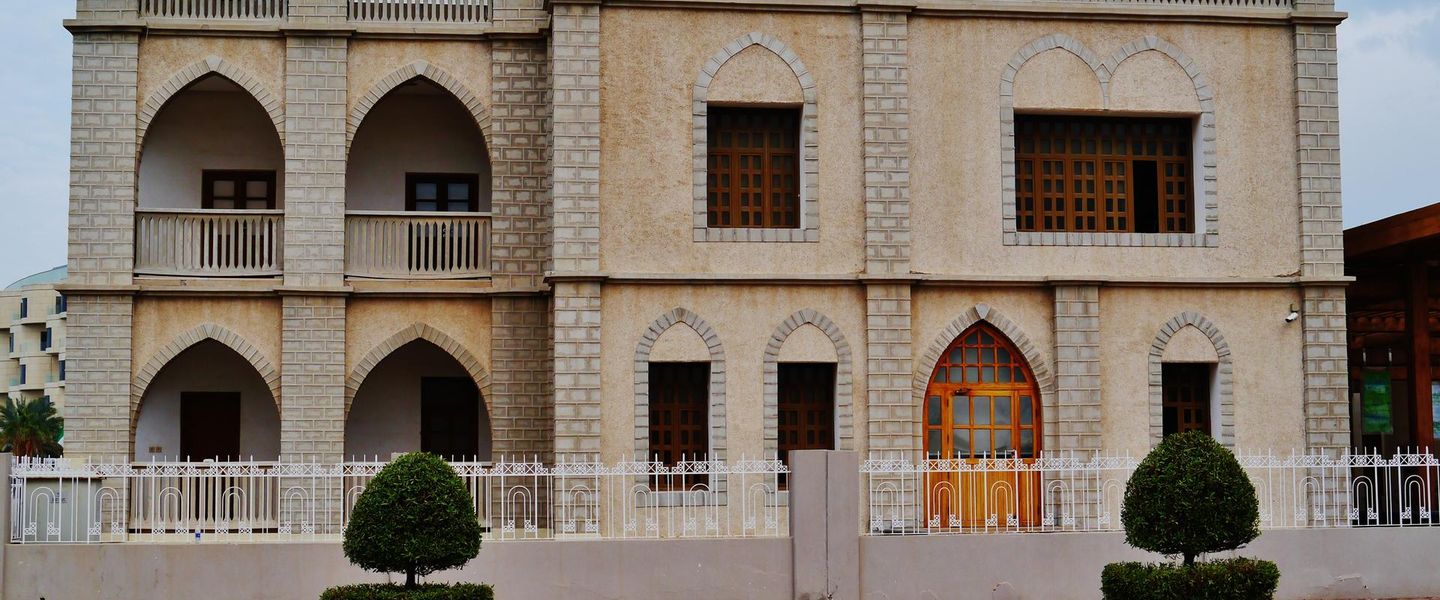


Explore Hawalli Governorate for Salmiya’s waterfront, museums, family attractions, shopping and the cosmopolitan life of metropolitan Kuwait.
Read more about Hawalli Governorate
When is the best time to visit Hawalli Governorate?
Best: February–March, November · 21–26°C| Month | High (°C) | Rainfall (mm) |
|---|---|---|
| January | 18 | 14 |
| February (best) | 21 | 13 |
| March (best) | 26 | 16 |
| April | 31 | 6 |
| May | 36 | 1 |
| June | 40 | 0 |
| July | 42 | 0 |
| August | 41 | 0 |
| September | 38 | 0 |
| October | 32 | 3 |
| November (best) | 26 | 16 |
| December | 20 | 15 |
Getting to and around Hawalli Governorate
How to get there
Transportation
Top city travel guides in Hawalli Governorate
The cities of Hawalli Governorate, and the easiest places to base yourself.
-

-

-

-


Swipe for more cities
Destinations in Hawalli Governorate
Resorts, valleys and scenic spots worth a trip of their own.
-

-

-

-


Swipe for more destinations
Best attractions in Hawalli Governorate
Hawalli Governorate’s attractions are predominantly cultural, scientific, commercial and waterfront-based rather than archaeological or wilderness-oriented. In Salmiya, the Scientific Center combines an aquarium, discovery displays and other family-oriented facilities with a prominent position beside Kuwait Bay. The nearby Marina Crescent and coastal promenade are suited to relaxed walks, dining and evening views. Shaab’s Sheikh Abdullah Al-Salem Cultural Centre provides a substantial museum campus covering science, natural history, space, Arabic-Islamic heritage and related subjects, making it one of the governorate’s most significant public learning spaces. Jabriya offers the more intimate Tareq Rajab Museum, known for collections of Islamic art, manuscripts, jewellery, textiles and instruments. Hawalli and Salmiya also contain extensive shopping and dining attractions, from large malls to specialist commercial streets serving Kuwait’s diverse population. Residential districts such as Bayan, Mishref and Salwa contribute landscaped streets, mosques and local urban character rather than conventional sightseeing monuments. Outdoor recreation is centred on promenades, public gardens and waterfront leisure, with the hottest months encouraging visitors to focus on indoor venues and visit the coast after sunset.
-
Park
Boulevard
Experience the thrill of amusement rides, delightful dining, and vibrant shopping at Boulevard, the ultimate entertainment destination in Salmiya, Kuwait.
-
Park
Boulevard Park
Experience the beauty of urban nature at Boulevard Park, a serene gem in Salmiya, Kuwait, perfect for relaxation and family fun.
-
Science museum
The Scientific Center
Explore the marvels of science and marine life at The Scientific Center in Salmiya, a family-friendly destination with an aquarium, museum, and IMAX theater.
-
Amusement park
Hawally Park
Experience the thrill and excitement of Hawally Park, Kuwait's premier amusement park for family fun and adventure.


Best landmarks in Hawalli Governorate
The Scientific Center on the Salmiya waterfront is one of Hawalli’s most recognisable modern landmarks, with a distinctive institutional presence beside Kuwait Bay and a public role linking marine education with family recreation. The Sheikh Abdullah Al-Salem Cultural Centre in Shaab forms another major landmark complex; its large contemporary campus represents Kuwait’s investment in museums, science education and public culture rather than a single historic monument. In Jabriya, the Tareq Rajab Museum is significant for the depth of its Islamic-art collections and for its contribution to private cultural collecting in Kuwait. Marina Crescent and the adjoining Salmiya waterfront provide a more open visual landmark, marking the relationship between the urban districts and the bay. Bayan Palace, in the Bayan district, is an important state complex within the governorate, but it is not an ordinary visitor attraction and should be viewed only from permitted public areas. Together these places show Hawalli’s identity through modern architecture, coastal geography and cultural institutions rather than through preserved old-town buildings.
-
Market
Al Mubarakiya
Experience the rich culture and culinary delights at Al Mubarakiya, Kuwait's lively market hub, where tradition meets modernity.
-
Park
Al Shaheed Park
Discover the tranquility of Al Shaheed Park in Kuwait City, a unique blend of nature, culture, and history, perfect for relaxation and exploration.
-
Tourist attraction
Kuwait Towers
Experience the breathtaking views and rich history at the iconic Kuwait Towers, a must-see landmark in Kuwait City.
-
Park
Boulevard
Experience the vibrant blend of leisure, shopping, and dining at Boulevard in Salmiya, Kuwait – a must-visit destination for every traveler.


Explore Hawalli Governorate on the map
Plan your trip on one map. See where the top cities, national parks and sights are, and book hotels and experiences in a few clicks.
Best hotels in Hawalli Governorate
Best restaurants in Hawalli Governorate
Dining in Hawalli reflects Kuwait’s metropolitan character, with Kuwaiti cooking found alongside Arab, South Asian, Persian, Levantine and international cuisines. Salmiya has the broadest concentration of restaurants and cafés, particularly around the waterfront, shopping complexes and busy commercial roads, while Hawalli and Jabriya are known for practical everyday dining and specialist food businesses. Visitors can look for machboos, rice cooked with meat or seafood and fragrant spices; mutabbaq zubaydi, a preparation associated with Kuwait’s maritime food culture; hearty stews; grilled fish; and sweet dishes such as balaleet or luqaimat. Menus and recipes vary between establishments, so these dishes are best treated as part of Kuwait’s wider culinary tradition rather than exclusive products of Hawalli. Cafés, juice shops, bakeries and casual restaurants are important to the local dining rhythm, while the Salmiya coast offers a setting for longer evening meals. Food markets and specialist grocers also reveal the governorate’s international population through imported ingredients, regional breads, spices and sweets.
-
Food court
Marina Crescent
Experience the best of Kuwaiti cuisine at Marina Crescent's vibrant food court with stunning views of the Arabian Gulf.
-
Italian
Principale Ristorante Di Nino
Discover authentic Italian cuisine at Principale Ristorante Di Nino along the stunning seafront - where every meal is an unforgettable experience.
-
Middle Eastern
Dar Hamad
Experience authentic Middle Eastern cuisine at Dar Hamad in Salmiya – where tradition meets taste in an elegant setting.
-
Lebanese
Assaha Restaurant
Discover authentic Lebanese cuisine at Assaha Restaurant in Kuwait City - where flavors come alive in a warm and inviting atmosphere.


Best bars in Hawalli Governorate
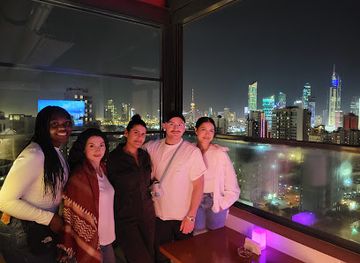
Hawalli does not have a conventional alcohol-based bar or nightclub scene because alcohol is prohibited in Kuwait. Evening life instead centres on cafés, restaurants, dessert shops, shisha venues where permitted, shopping complexes, cinemas and waterfront promenades. Salmiya has the greatest concentration of late-opening dining and leisure activity, with the coast and commercial streets becoming busier after sunset, especially during the cooler season. Hawalli and Jabriya offer a more functional mixture of restaurants, cafés and neighbourhood businesses, while cultural institutions and family entertainment venues provide non-alcoholic evening options. During Ramadan, night-time activity can increase after the evening meal, although schedules and opening arrangements vary. Visitors should not assume that entertainment venues follow European nightlife patterns: socialising commonly takes place over food, coffee, tea and conversation, and public behaviour should remain respectful.
-
Hypermarket
LuLu Hypermarket - Al Salam Mall
Discover an unparalleled shopping experience at LuLu Hypermarket in Al Salam Mall, where local culture meets global shopping convenience in Salmiya.
-
Hotel
Mövenpick Kuwait Al Bidaa
Discover the epitome of luxury and comfort at Mövenpick Kuwait Al Bidaa, where modern elegance meets a breathtaking beachfront experience.
-
 Hotel
Jumeirah Messilah Beach Hotel & Spa
Experience unparalleled luxury and relaxation at Jumeirah Messilah Beach Hotel & Spa in Kuwait City, where stunning views meet exceptional service.
-
Hotel
Radisson Blu Hotel, Kuwait
Discover luxury at the Radisson Blu Hotel, Kuwait, where modern elegance meets authentic hospitality in the heart of Kuwait City.


Best nightclubs in Hawalli Governorate
Hawalli does not have a conventional alcohol-based bar or nightclub scene because alcohol is prohibited in Kuwait. Evening life instead centres on cafés, restaurants, dessert shops, shisha venues where permitted, shopping complexes, cinemas and waterfront promenades. Salmiya has the greatest concentration of late-opening dining and leisure activity, with the coast and commercial streets becoming busier after sunset, especially during the cooler season. Hawalli and Jabriya offer a more functional mixture of restaurants, cafés and neighbourhood businesses, while cultural institutions and family entertainment venues provide non-alcoholic evening options. During Ramadan, night-time activity can increase after the evening meal, although schedules and opening arrangements vary. Visitors should not assume that entertainment venues follow European nightlife patterns: socialising commonly takes place over food, coffee, tea and conversation, and public behaviour should remain respectful.
-
Lounge
Cube LOUNGE
Discover Cube LOUNGE in Salmiya – a chic cafe and lounge offering a perfect blend of relaxation and vibrant atmosphere for the discerning traveler.
-
Lounge
12.22 Lounge
Experience the chic atmosphere at 12.22 Lounge, Kuwait City's premier spot for exquisite drinks and vibrant social gatherings.
-
Lounge
No.21
Experience luxury and relaxation at No.21, the premier lounge in Kuwait City, where sophistication meets comfort.
-
Club
C Club Kuwait
Discover the vibrant nightlife at C Club Kuwait, a premier destination in Al-Bidea with a stunning atmosphere and exceptional service.



Best shops in Hawalli Governorate
Shopping is central to Hawalli’s everyday character. Salmiya offers the most varied visitor-oriented retail, including major malls, fashion shops, electronics retailers, cafés and waterfront commercial areas, while Hawalli is known for dense streets of practical shops and specialist businesses. Jabriya, Mishref and the surrounding residential districts provide neighbourhood retail, bakeries, pharmacies and food stores rather than a concentrated tourist market. Visitors seeking gifts can browse Kuwaiti dates, sweets, spices, perfumes, textiles, modest fashion, jewellery and decorative items, although many products are shared across the Gulf and should not automatically be described as unique to Hawalli. Larger shopping centres are useful during the hottest part of the day and generally offer straightforward card payment, air conditioning and international brands. For a more local sense of commercial life, explore traditional-style food shops, small independent retailers and specialist groceries in the older urban streets, while the Salmiya waterfront is better suited to combining shopping with cafés and an evening walk.
-
Shopping mall
The Avenues
Discover a shopper's haven at The Avenues, Kuwait's largest shopping mall with luxury brands, diverse dining, and unforgettable entertainment experiences.
-
Shopping mall
Marina Mall
Explore Marina Mall, a vibrant shopping haven in Salmiya, Kuwait, offering diverse stores, dining, and entertainment for an unforgettable day out.
-
Shopping mall
Boulevard
Discover the bustling Boulevard in Salmiya, a vibrant shopping mall blending retail therapy, diverse dining, and family-friendly entertainment in one destination.
-
Shopping mall
سوق السالمية
Discover Souk Al-Salmiya, a lively shopping mall in Salmiya, Kuwait, featuring diverse shops, delicious dining options, and vibrant cultural experiences.


Get your free copy of our complete guide to Hawalli Governorate, delivered straight to you.
Everything on this page, from attractions and restaurants to essentials and local phrases, in one PDF you can read offline, print or share.
Already have an account? Sign in
Your Hawalli Governorate guide is ready.
We'll send it to · Not you? Sign out

Getting your guide ready…
We are putting together a fresh copy of the Hawalli Governorate guide. This can take up to a minute.
This can take a few moments. If your browser asks, choose Allow so the download can start. You'll find the guide in your Downloads folder.
Nothing happened? Download it again
Sorry, the guide is taking longer than usual. Please try again in a minute, or get it by email instead.
Hawalli Governorate essentials
Currency and Payment
Safety
Emergency Situations
Do's and Don'ts
Local Tips
From Eve
Local phrases worth knowing
You don't need to get them perfect. A few words go a long way, and locals appreciate the effort.
Basics
| English | Local | Say it |
|---|---|---|
| Hello | مرحبا | [Marhaban] |
| Goodbye | وداعا | [Wadā‘an] |
| Yes | نعم | [Na‘am] |
| No | لا | [Lā] |
| Please/You're welcome | من فضلك | [Min faḍlik] |
| Thank you | شكرا | [Shukran] |
| Excuse me/Sorry | عفوا | [‘Afwan] |
| How are you? | كيف حالك؟ | [Kayfa halak?] |
| Fine. And you? | بخير. وأنت؟ | [Bikhayr. Wa anta?] |
| Do you speak English? | هل تتحدث الإنجليزية؟ | [Hal tataḥaddath al-inglīziyyah?] |
| I don't understand | أنا لا أفهم | [Anā lā afham] |
Eating & Drinking
| English | Local | Say it |
|---|---|---|
| I'd like to see the menu, please | أود رؤية القائمة، من فضلك | [Awad rū'yat al-qā'imah, min faḍlik] |
| I don't eat meat | أنا لا آكل اللحم | [Anā lā ākul al-laḥm] |
| Cheers! | في صحتك! | [Fī ṣiḥṭik!] |
| I would like to pay, please | أود الدفع، من فضلك | [Awad al-daf‘, min faḍlik] |
Emergencies
| English | Local | Say it |
|---|---|---|
| Help! | مساعدة! | [Musā‘adah!] |
| Go away! | اذهب بعيدا! | [Izhab ba‘īdan!] |
| Call the Police! | اتصل بالشرطة! | [Ittiṣil bil-shurṭah!] |
| Call a doctor! | اتصل بطبيب! | [Ittiṣil bi-ṭabīb!] |
| I'm lost | أنا ضائع | [Anā ḍā‘i‘] |
| I'm ill | أنا مريض | [Anā marīḍ] |
Shopping
| English | Local | Say it |
|---|---|---|
| I'd like to buy... | أود شراء... | [Awad shirā‘...] |
| I'm just looking | أنا فقط أنظر | [Anā faqaṭ anzur] |
| How much is it? | كم ثمنه؟ | [Kam thamanuh?] |
| That's too expensive | هذا مكلف جدا | [Hādhā mukallif jiddan] |
| Can you lower the price? | هل يمكنك خفض السعر؟ | [Hal yumkinuka khafḍ al-si‘r?] |
Time & Numbers
| English | Local | Say it |
|---|---|---|
| What time is it? | كم الساعة؟ | [Kam al-sā‘ah?] |
| It's one o'clock | الساعة الواحدة | [Al-sā‘ah al-wāḥidah] |
| Half past (10) | نصف (10) | [Niṣf (10)] |
| Morning | صباحا | [Ṣabāḥan] |
| Afternoon | بعد الظهر | [Ba‘d al-ẓuhr] |
| Evening | مساء | [Masā’] |
| Yesterday | أمس | [Ams] |
| Today | اليوم | [Al-yawm] |
| Tomorrow | غدا | [Ghadan] |
| 1 | واحد | [Wāḥid] |
| 2 | اثنان | [Ithnān] |
| 3 | ثلاثة | [Thalāthah] |
| 4 | أربعة | [Arba‘ah] |
| 5 | خمسة | [Khamsah] |
| 6 | ستة | [Sittah] |
| 7 | سبعة | [Sab‘ah] |
| 8 | ثمانية | [Thamāniyyah] |
| 9 | تسعة | [Tis‘ah] |
| 10 | عشرة | [‘Asharah] |
Transport & Directions
| English | Local | Say it |
|---|---|---|
| Where's a/the...? | أين...؟ | [Ayn...?] |
| What's the address? | ما هو العنوان؟ | [Mā huwa al-‘unwān?] |
| Can you show me (on the map)? | هل يمكنك أن تريني (على الخريطة)؟ | [Hal yumkinuka an turīnī (alā al-kharīṭah)?] |
| When's the next (bus)? | متى يأتي (الباص) التالي؟ | [Matā yāti (al-bāṣ) al-tāli?] |
| A ticket (to ....) | تذكرة (إلى ....) | [Tadhkarah (ilā ....)] |
History of Hawalli Governorate
Early Settlement around Kuwait Bay
The districts that now form Hawalli Governorate are part of the wider coastal environment of Kuwait Bay, where movement, fishing, grazing and seasonal settlement shaped human activity long before modern urbanisation. Archaeological evidence elsewhere in Kuwait demonstrates early maritime and trading connections across the Gulf, although the present governorate is now overwhelmingly built up and offers little visible prehistoric landscape. Its historical importance is therefore best understood through its relationship with the bay, the capital and the wider Kuwaiti coast rather than through a single surviving ancient town.
Salmiya and Kuwait’s Maritime Economy
Salmiya developed as a coastal settlement connected to fishing, seafaring and the pearling economy that supported Kuwait before oil transformed the country. Families depended on the bay for work and transport, while coastal communities maintained links with the commercial centre of Kuwait Town. Pearling declined sharply in the twentieth century because of economic and technological changes, but Salmiya’s waterfront, maritime associations and position on Kuwait Bay preserve an important connection with the country’s pre-oil society.
Oil, State Building and Urban Expansion
The expansion of Kuwait’s oil economy from the mid-twentieth century brought major investment in roads, housing, education, public services and modern administrative institutions. Hawalli’s accessible position between Kuwait City and the southern suburbs made it a natural area for residential growth and commercial development. Traditional low-rise settlements were progressively joined or replaced by villas, apartment buildings, schools, offices and shopping streets, creating the dense metropolitan landscape visible today.
The Rise of Metropolitan Districts
During the second half of the twentieth century, neighbourhoods such as Hawalli, Salmiya, Jabriya, Bayan, Mishref and Salwa became important parts of Kuwait’s expanding urban network. Their development reflected both population growth and the country’s changing social geography, with new housing, government facilities, private businesses and educational institutions spreading beyond the historic centre. Salmiya became especially prominent for retail, hospitality and leisure, while inland districts developed a more residential and institutional character.
War, Liberation and Reconstruction
Iraq’s invasion of Kuwait in 1990 disrupted life across the country, including the densely populated districts of Hawalli Governorate. Residents were displaced, businesses closed and infrastructure suffered during the occupation and the 1991 liberation campaign. Reconstruction formed part of Kuwait’s broader post-war recovery, while the experience remains an important element of national memory. Contemporary museums and cultural institutions in the metropolitan area contribute to the preservation of Kuwait’s modern history, even when they are not located within Hawalli itself.
A Cosmopolitan Contemporary Governorate
Since the late twentieth century, Hawalli has become one of Kuwait’s most internationally connected urban areas. Its commercial streets, restaurants, schools, clinics and apartment districts serve residents and visitors from many backgrounds, giving the governorate a broader cultural range than its pre-oil coastal settlements. The opening of major cultural and scientific institutions, including the Sheikh Abdullah Al-Salem Cultural Centre and the Scientific Center, has further strengthened Hawalli’s role as a place for public learning, leisure and contemporary cultural exchange.
Hawalli Governorate in Photos
Browse through our photo collection highlighting the charm and character of the destination.
Neighbouring regions of Hawalli Governorate
The closest regions to Hawalli Governorate, if you have time for more than one.
-

-

-
-

-


Swipe for more regions
Explore more

Explore more of Kuwait
Discover the blend of modernity and tradition in Kuwait, a vibrant gem in the Arabian Gulf, offering cultural heritage, luxury shopping, and diverse culinary delights.
Explore Kuwait