

Free Al Jahra Governorate Travel Guide & Mobile App
Explore Al Jahra Governorate with free travel guides. Discover regional history, expert tips, proposed trips, and audio guides on web or mobile app.


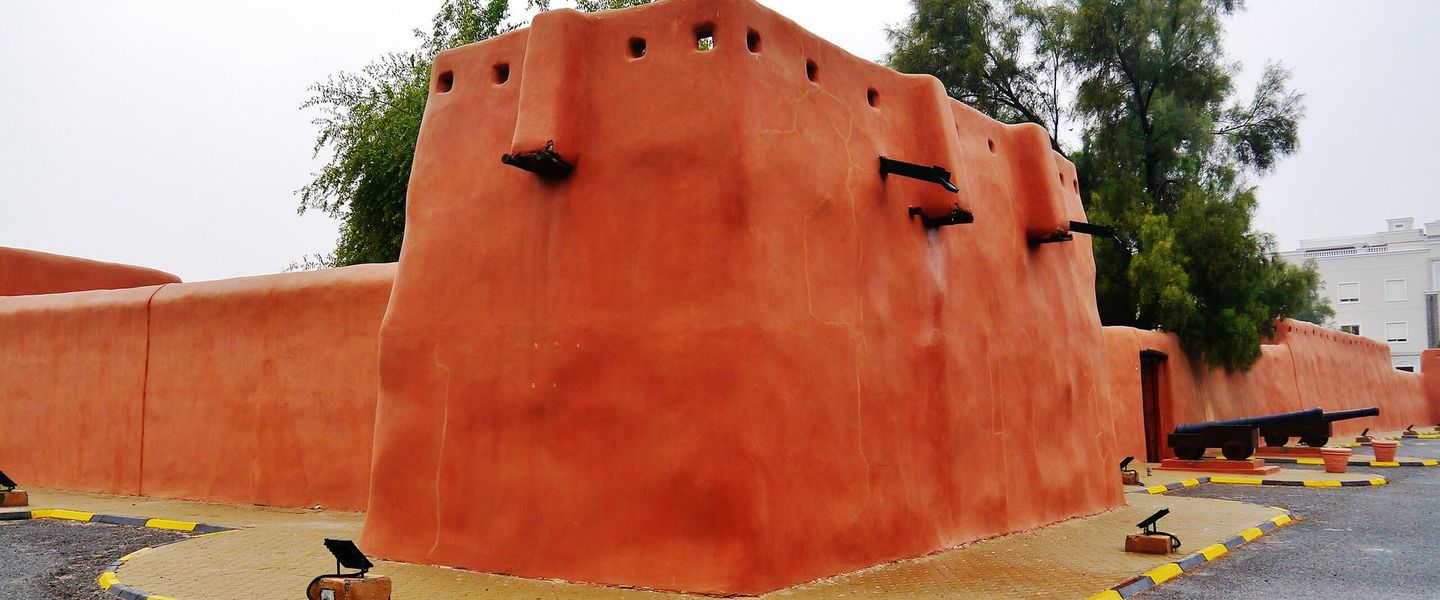


Explore Al Jahra Governorate for Kuwait’s desert landscapes, oasis history, Red Fort, wetlands, farms and northern island geography.
Read more about Al Jahra Governorate
When is the best time to visit Al Jahra Governorate?
Best: March, November–December · 21–26°C| Month | High (°C) | Rainfall (mm) |
|---|---|---|
| January | 19 | 15 |
| February | 21 | 15 |
| March (best) | 26 | 15 |
| April | 31 | 10 |
| May | 37 | 1 |
| June | 41 | 0 |
| July | 42 | 0 |
| August | 42 | 0 |
| September | 39 | 1 |
| October | 34 | 10 |
| November (best) | 26 | 15 |
| December (best) | 21 | 15 |
Getting to and around Al Jahra Governorate
How to get there
Transportation
Top city travel guides in Al Jahra Governorate
The cities of Al Jahra Governorate, and the easiest places to base yourself.
-

-

-
-

-

-


Swipe for more cities
Destinations in Al Jahra Governorate
Resorts, valleys and scenic spots worth a trip of their own.
-

-

-

-

-

-


Swipe for more destinations
Best attractions in Al Jahra Governorate
Al Jahra Governorate’s attractions are spread across a broad landscape rather than concentrated in a single visitor district. The Red Fort near Al Jahra city is the principal historic site, offering an introduction to the town’s oasis setting and Kuwait’s early twentieth-century political history. The Jahra Pools Nature Reserve provides a very different experience: treated-water ponds and wetland vegetation attract migratory birds, making it one of Kuwait’s notable places for nature observation. The agricultural districts of Sulaibiya and Abdali reveal how irrigation and controlled cultivation operate in an arid environment, although farms are generally private and should not be entered without permission. Around Kazma and Mutla Ridge, low hills, gravel plains and open desert create opportunities for landscape viewing and quiet exploration in suitable conditions. Bubiyan and Warbah, in the governorate’s northern island territory, are ecologically and strategically important but have limited visitor facilities and may involve access restrictions. The region is best suited to visitors interested in history, geography, conservation and the working landscapes behind Kuwait’s modern urban environment.
-
Tourist attraction
Al Shaheed Park
Experience the beauty of nature and culture at Al Shaheed Park, a top tourist attraction in Kuwait City, perfect for relaxation and exploration.
-
Tourist attraction
Boulevard Park
Discover the beauty of Boulevard Park in Salmiya, a serene retreat filled with lush landscapes, unique bridges, and a vibrant local atmosphere.
-
Historical place
Red Palace
Experience the grandeur of Kuwait's Red Palace, a historical landmark that showcases the rich culture and heritage of Al Jahra.
-
Tourist attraction
Omariya Park
Discover the beauty of nature and recreation at Omariya Park — a green sanctuary in the heart of Al Farwaniyah, perfect for relaxation and fun.


Best landmarks in Al Jahra Governorate
The Red Fort, or Qasr al-Ahmar, is Al Jahra Governorate’s defining historic landmark. Its rust-coloured walls and defensive form recall the Battle of Jahra in 1920 and the strategic importance of the oasis settlement. The historic wells and cultivated areas around Al Jahra are less monumental but remain essential to understanding why the town developed here, where water and palms interrupt the surrounding desert. In the wider governorate, the low formations of Kazma and Mutla Ridge provide geographical landmarks associated with old routes across northern Kuwait; their value lies in the way they make the region’s terrain legible rather than in elaborate architecture. The Jahra Pools wetlands are an environmental landmark created through water management, with open ponds and reed-fringed habitat standing out against the arid plain. Farther north, Bubiyan and Warbah represent Kuwait’s island frontier, characterised by tidal flats, coastal mudflats and strategic waterways. Access to the islands and sensitive northern areas may be controlled, so their significance should be understood alongside practical restrictions rather than treated as conventional sightseeing stops.
-
Historical place
Red Palace
Explore the Red Palace, a historical marvel in Al Jahra, Kuwait, showcasing captivating architecture and rich cultural heritage.
-
Nature preserve
Jahra Nature Reserve
Explore the breathtaking landscapes and vibrant wildlife of Jahra Nature Reserve, Kuwait's premier nature preserve for relaxation and birdwatching.
-
Nature preserve
Sabah Al Ahmad Natural Reserve
Discover the natural beauty of Sabah Al Ahmad Natural Reserve, a peaceful escape in Kuwait, perfect for nature lovers and outdoor enthusiasts.
-
Tourist attraction
Mutla desert hill top Kuwait
Experience the stunning vistas and tranquil beauty of Mutla Desert Hilltop, Kuwait's highest point, perfect for nature lovers and adventure seekers.



Explore Al Jahra Governorate on the map
Plan your trip on one map. See where the top cities, national parks and sights are, and book hotels and experiences in a few clicks.
Best hotels in Al Jahra Governorate
Best restaurants in Al Jahra Governorate
Dining in Al Jahra reflects Kuwait’s national culinary culture more than a sharply separate regional cuisine. In Al Jahra city and newer residential districts, visitors will find Kuwaiti dishes such as machboos, in which spiced rice is served with meat or fish, alongside grilled foods, rice dishes, stews, flatbreads and the sweet saffron-and-cardamom dessert known as balaleet. Cafés and casual restaurants offer Arabic, South Asian and international cooking, while family restaurants and takeaway counters are more common than destination dining venues. The governorate’s agricultural areas, particularly around Sulaibiya and Abdali, connect local food culture with fresh produce, dates and farm products, though individual farms may not operate as public shops or restaurants. Traditional hospitality often includes Arabic coffee and dates. Visitors should expect halal food, modest public dining customs and no alcohol, which is prohibited in Kuwait. In rural areas, plan food and water supplies before setting out, as restaurant choices become less predictable away from the main urban centres.
-
Restaurant
Greif Restaurant
Discover the rich flavors of Kuwait at Greif Restaurant in Al Jahra - where every meal is a celebration of taste.
-
Restaurant
Mughal Mahal Jahra
Experience authentic Indian flavors at Mughal Mahal Jahra - where tradition meets taste in every bite.
-
Indian
India Gate
Discover authentic Indian cuisine at India Gate - where every meal is a flavorful journey through India's culinary heritage.
-
Yemenite
Golden Jar Restaurant
Experience authentic Yemenite cuisine at Golden Jar Restaurant in Al Jahra - where every dish is crafted with passion and tradition.


Best bars in Al Jahra Governorate
Al Jahra Governorate does not have a bar or nightclub scene in the conventional international sense, because alcohol is prohibited in Kuwait. Evening life is centred on family restaurants, cafés, dessert shops, tea houses and shisha venues where permitted, with activity concentrated in Al Jahra city and larger residential districts. Some cafés remain open late and provide informal meeting places, while shopping and dining areas offer a busier atmosphere at night, particularly during cooler months and Ramadan evenings. There is little organised nightlife in the agricultural and desert areas, where evenings are generally quiet and shaped by private gatherings. Visitors seeking entertainment should look for cafés, cinemas or cultural programming in the wider metropolitan area rather than expecting licensed drinking venues. Dress modestly, respect family-oriented settings and follow any age, smoking and photography rules displayed by individual establishments.
-
Grill
77 Josper Bar
Experience culinary excellence at 77 Josper Bar, a premier grill restaurant in Kuwait City with a vibrant atmosphere and mouthwatering dishes.
-
Restaurant
Awtar Libnan
Experience authentic Lebanese cuisine at Awtar Libnan, a culinary gem in Al Jahra known for its warm hospitality and delicious dishes.
-
Bar
Genki Bar And Pub
Experience the lively atmosphere and diverse drink selection at Genki Bar And Pub in the heart of Kuwait City.
-
Lounge
No.21
Experience the elegance of No.21, a luxurious lounge in Kuwait City perfect for relaxation and socializing with a touch of sophistication.


Best nightclubs in Al Jahra Governorate
Al Jahra Governorate does not have a bar or nightclub scene in the conventional international sense, because alcohol is prohibited in Kuwait. Evening life is centred on family restaurants, cafés, dessert shops, tea houses and shisha venues where permitted, with activity concentrated in Al Jahra city and larger residential districts. Some cafés remain open late and provide informal meeting places, while shopping and dining areas offer a busier atmosphere at night, particularly during cooler months and Ramadan evenings. There is little organised nightlife in the agricultural and desert areas, where evenings are generally quiet and shaped by private gatherings. Visitors seeking entertainment should look for cafés, cinemas or cultural programming in the wider metropolitan area rather than expecting licensed drinking venues. Dress modestly, respect family-oriented settings and follow any age, smoking and photography rules displayed by individual establishments.
-
Lounge
Dasman Lounge
Experience the ultimate relaxation at Dasman Lounge in Al-Dajeej, where comfort meets style and local culture comes alive.
-
Sports club
Al Jahra Sports Club.
Immerse yourself in the vibrant sports culture of Kuwait at Al Jahra Sports Club, a hub for passionate football fans and thrilling matches.
-
Adult entertainment club
Cozmo Black, Jahra
Experience the vibrant nightlife at Cozmo Black in Jahra, where entertainment and excitement come together for an unforgettable adult experience.
-
Lounge
12.22 Lounge
Discover the chic and inviting atmosphere of 12.22 Lounge in Kuwait City, perfect for an unforgettable night out with friends or loved ones.


Best shops in Al Jahra Governorate
Shopping in Al Jahra is primarily local and practical, with everyday retail concentrated in neighbourhood commercial streets, markets and modern shopping areas around Al Jahra city and its suburban districts. Visitors can look for Kuwaiti dates, sweets, spices, Arabic coffee, perfumes, textiles and modest clothing, although product quality and regional provenance vary between shops. Agricultural areas around Sulaibiya and Abdali may offer seasonal produce or dates through farm outlets and roadside sellers, but these arrangements are not uniform and should not be assumed to operate year-round. Traditional market shopping is more useful for food products, household goods and informal browsing than for a large specialist craft scene. Larger malls and branded retail are available in the wider Kuwait City metropolitan area, outside the governorate, while Al Jahra itself is better suited to local shopping and provisions. Bargaining may be possible in some independent settings but is not appropriate everywhere; clear prices are common in established stores.
-
Supermarket
City Hypermarket
Explore Al Jahra's City Hypermarket for a unique shopping experience featuring local products and a friendly atmosphere, perfect for tourists.
-
Shopping mall
Sulaiyel Al-Jahra
Discover the ultimate shopping and dining experience at Sulaiyel Al-Jahra, Kuwait's vibrant shopping destination with something for everyone.
-
Shopping mall
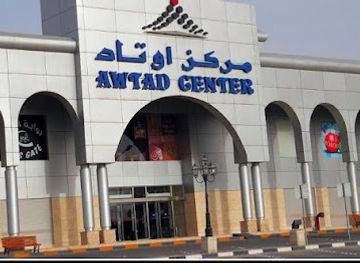
Awtad mall
Explore Awtad Mall in Al Jahra: The ultimate shopping experience with diverse stores, delightful dining, and family-friendly entertainment.
-
Shopping mall
Al Manar Mall
Explore Al Manar Mall: A shopping and entertainment haven in Al Jahra, Kuwait, offering diverse brands and delightful dining experiences.


Get your free copy of our complete guide to Al Jahra Governorate, delivered straight to you.
Everything on this page, from attractions and restaurants to essentials and local phrases, in one PDF you can read offline, print or share.
Already have an account? Sign in
Your Al Jahra Governorate guide is ready.
We'll send it to · Not you? Sign out

Getting your guide ready…
We are putting together a fresh copy of the Al Jahra Governorate guide. This can take up to a minute.
This can take a few moments. If your browser asks, choose Allow so the download can start. You'll find the guide in your Downloads folder.
Nothing happened? Download it again
Sorry, the guide is taking longer than usual. Please try again in a minute, or get it by email instead.
Al Jahra Governorate essentials
Currency and Payment
Safety
Emergency Situations
Do's and Don'ts
Local Tips
From Eve
Local phrases worth knowing
You don't need to get them perfect. A few words go a long way, and locals appreciate the effort.
Basics
| English | Local | Say it |
|---|---|---|
| Hello | مرحبا | [Marhaban] |
| Goodbye | مع السلامة | [Ma'a as-salama] |
| Yes | نعم | [Na'am] |
| No | لا | [La] |
| Please/You're welcome | تفضل | [Tafaddal] |
| Thank you | شكرا | [Shukran] |
| Excuse me/Sorry | عفوا | [Afwan] |
| How are you? | كيف حالك؟ | [Kayfa halak?] |
| Fine. And you? | بخير، وأنت؟ | [Bikhayr, wa anta?] |
| Do you speak English? | هل تتحدث الإنجليزية؟ | [Hal tatahaddath al-ingliziyya?] |
| I don't understand | لا أفهم | [La afham] |
Eating & Drinking
| English | Local | Say it |
|---|---|---|
| I'd like to see the menu, please | أود رؤية القائمة، من فضلك | [Awad ru'yat al-qa'ima, min fadlik] |
| I don't eat meat | لا آكل اللحم | [La akul al-lahm] |
| Cheers! | في صحتك | [Fi sihtak] |
| I would like to pay, please | أود الدفع، من فضلك | [Awad al-da'f, min fadlik] |
Emergencies
| English | Local | Say it |
|---|---|---|
| Help! | مساعدة! | [Musa'ada!] |
| Go away! | ابتعد! | [Ibtia'!] |
| Call the Police! | اتصل بالشرطة! | [Ittasil bil-shurta!] |
| Call a doctor! | اتصل بالطبيب! | [Ittasil bil-tabeeb!] |
| I'm lost | أنا ضائع | [Ana da'i'] |
| I'm ill | أنا مريض | [Ana marid] |
Shopping
| English | Local | Say it |
|---|---|---|
| I'd like to buy... | أود شراء... | [Awad shira'] |
| I'm just looking | أنا فقط أنظر | [Ana faqat anzur] |
| How much is it? | كم ثمنه؟ | [Kam thamanu?] |
| That's too expensive | هذا غالي جدا | [Hatha ghali jidan] |
| Can you lower the price? | هل يمكنك تخفيض السعر؟ | [Hal yumkinuka takhfid as-si'r?] |
Time & Numbers
| English | Local | Say it |
|---|---|---|
| What time is it? | كم الساعة؟ | [Kam as-sa'ah?] |
| It's one o'clock | الساعة الواحدة | [Al-sa'ah al-wahidah] |
| Half past (10) | نصف (10) | [Nisf (10)] |
| Morning | صباحا | [Sabahan] |
| Afternoon | بعد الظهر | [Ba'd al-zuhur] |
| Evening | مساءً | [Masa'an] |
| Yesterday | أمس | [Ams] |
| Today | اليوم | [Al-yawm] |
| Tomorrow | غدا | [Ghadan] |
| 1 | واحد | [Wahid] |
| 2 | اثنان | [Ithnan] |
| 3 | ثلاثة | [Thalatha] |
| 4 | أربعة | [Arba'a] |
| 5 | خمسة | [Khamsa] |
| 6 | ستة | [Sitta] |
| 7 | سبعة | [Sab'a] |
| 8 | ثمانية | [Thamaniya] |
| 9 | تسعة | [Tis'a] |
| 10 | عشرة | [Ashara] |
Transport & Directions
| English | Local | Say it |
|---|---|---|
| Where's a/the...? | أين...؟ | [Ayna...?] |
| What's the address? | ما هو العنوان؟ | [Ma huwa al-'unwan?] |
| Can you show me (on the map)? | هل يمكنك أن تريني (على الخريطة)؟ | [Hal yumkinuka an turini (ala al-kharita)?] |
| When's the next (bus)? | متى يأتي (الحافلة) التالية؟ | [Mata yati (al-hafila) al-taliya?] |
| A ticket (to ....) | تذكرة (إلى ....) | [Tadhkira (ila ....)] |
History of Al Jahra Governorate
Early Routes and Desert Settlement
The area around modern Al Jahra developed around wells and cultivable ground in a landscape otherwise dominated by desert. Its water sources made it a natural stopping point for people, animals and caravans travelling across northern Kuwait. Kazma and the surrounding low ridges are associated with historic overland routes linking the Arabian interior with the northern Gulf. Archaeological and historical evidence across Kuwait shows that the wider region was connected to long-distance movement, seasonal pastoralism and coastal trade, although much of its earlier story is understood through scattered sites rather than a single surviving settlement.
The Oasis of Al Jahra
Al Jahra became one of Kuwait’s important inland settlements because its wells supported date palms, gardens and small-scale agriculture. The oasis formed a practical and social centre for communities whose livelihoods combined cultivation, animal husbandry and movement through the desert. Its position west of Kuwait City also made it a useful staging point on routes towards Iraq and the interior. The town’s historic identity remains visible in the contrast between irrigated land and open desert, even though modern housing, roads and infrastructure have transformed the original settlement.
Kuwait’s Nineteenth-Century Expansion
During the nineteenth century, Kuwait’s ruling Al Sabah family consolidated authority over a territory whose communities included coastal merchants, inland cultivators and nomadic groups. Al Jahra’s wells and agricultural lands gave it importance within this wider political and economic system. The town was not a detached frontier but part of the network that supplied Kuwait’s settlements and connected the coast with the northern and western hinterlands. Trade, pearling and seafaring dominated Kuwait’s national economy, while inland places such as Al Jahra provided food, water and seasonal support.
The Red Fort and the Battle of Jahra, 1920
The Red Fort, or Qasr al-Ahmar, was built as a defensive structure near Al Jahra and became the setting for the Battle of Jahra in October 1920. Kuwaiti forces defended the town against an attack associated with the Ikhwan, a movement based in central Arabia during the early twentieth century. The battle was part of a period of political tension and shifting borders in the Arabian Peninsula. The fort is now one of Kuwait’s important national historic sites, linking the governorate directly with the formation and defence of the modern Kuwaiti state.
Borders, Oil and Modern Infrastructure
The twentieth century brought a profound transformation to Al Jahra as Kuwait developed its oil economy, formalised its borders and built modern roads, housing and public services. The governorate’s western and northern position gave it continuing strategic importance, while improved transport connected Al Jahra city more closely with Kuwait City and other settlements. Agricultural projects expanded in places such as Sulaibiya and Abdali, using modern irrigation and water-treatment systems to produce crops in an arid environment. These changes reshaped the relationship between oasis, desert and urban settlement.
The Gulf War and Kuwait’s Northern Landscape
Iraq’s invasion of Kuwait in 1990 and the 1991 Gulf War affected the whole country, including the governorate’s northern and western approaches. The region’s proximity to Iraq and its open terrain gave it military significance, while the conflict left environmental and infrastructural consequences across Kuwait. The post-war period saw reconstruction, renewed border security and further urban development. Today, Al Jahra’s historic sites, roads and restricted northern landscapes reflect both older patterns of movement and the strategic realities of a modern Gulf state.
Wetland Conservation and Environmental Management
The creation and management of the Jahra Pools Nature Reserve represents a more recent chapter in the governorate’s history. The site developed from water-management infrastructure and became an important refuge for birdlife in an intensely arid country. Its story illustrates how human engineering can create habitats while also requiring careful conservation oversight. Seasonal migration has given the wetlands ecological importance, and the reserve forms part of Kuwait’s broader effort to protect remaining natural environments amid urban growth, roads, agriculture and industrial development.
Al Jahra Governorate in Photos
Browse through our photo collection highlighting the charm and character of the destination.
Neighbouring regions of Al Jahra Governorate
The closest regions to Al Jahra Governorate, if you have time for more than one.
-
-

-
-

-


Swipe for more regions
Explore more

Explore more of Kuwait
Discover the blend of modernity and tradition in Kuwait, a vibrant gem in the Arabian Gulf, offering cultural heritage, luxury shopping, and diverse culinary delights.
Explore Kuwait