

Free Al Ahmadi Governorate Travel Guide & Mobile App
Explore Al Ahmadi Governorate with free travel guides. Discover regional history, expert tips, proposed trips, and audio guides on web or mobile app.


Explore Al Ahmadi Governorate for Kuwait’s oil heritage, coastal promenades, southern desert, seafood districts and lagoon-side leisure escapes.
Read more about Al Ahmadi Governorate
When is the best time to visit Al Ahmadi Governorate?
Best: February–March, November · 21–27°C| Month | High (°C) | Rainfall (mm) |
|---|---|---|
| January | 19 | 13 |
| February (best) | 21 | 8 |
| March (best) | 26 | 6 |
| April | 32 | 3 |
| May | 37 | 1 |
| June | 41 | 0 |
| July | 43 | 0 |
| August | 43 | 0 |
| September | 39 | 0 |
| October | 33 | 2 |
| November (best) | 27 | 5 |
| December | 21 | 10 |
Getting to and around Al Ahmadi Governorate
How to get there
Transportation
Top city travel guides in Al Ahmadi Governorate
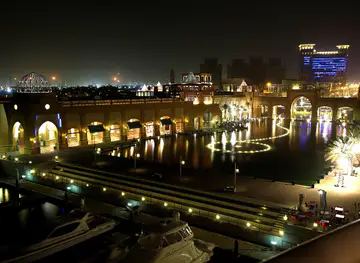
The cities of Al Ahmadi Governorate, and the easiest places to base yourself.
-

-

-
-

-

-


Swipe for more cities
Destinations in Al Ahmadi Governorate
Resorts, valleys and scenic spots worth a trip of their own.
-

-

-

-

-

-


Swipe for more destinations
Best attractions in Al Ahmadi Governorate
Al Ahmadi Governorate’s attractions combine industrial history, coastal leisure and open desert rather than a dense circuit of conventional museums. Al Ahmadi city is the principal place to explore the planned environment created around Kuwait’s oil industry, with tree-lined streets and company-era architecture that contrast with the busier coastal suburbs. Fahaheel offers a lively waterfront, fishing activity, seafood commerce and the modern retail and leisure facilities around Al Kout. Along the coast, Mangaf, Abu Halifa and Mahboula are better suited to observing contemporary everyday life than to formal sightseeing, with cafés, restaurants and family-oriented public spaces. Farther south, Khiran and Sabah Al Ahmad Sea City present an engineered coastal landscape of channels, beaches, marinas and holiday properties. Wafra provides a different experience, where farms and cultivated plots interrupt the desert setting. Al Zour and the southern industrial coast are historically important but generally viewed from public roads rather than entered. Outdoor visits should be planned around the weather, and access to private developments, ports and energy facilities must be confirmed before arrival.
-
Escape room center
Mindmaze Kuwait
Experience the thrill of immersive escape rooms at Mindmaze Kuwait, where adventure and excitement await every visitor.
-
Catholic church
Holy Family Cathedral
Visit the Holy Family Cathedral in Kuwait City, a symbol of harmony and architectural beauty in the heart of the Middle East.
-
Park
Fintas Park
Discover tranquility and green space at Fintas Park, a must-visit destination for relaxation and family fun in Kuwait.
-
Amusement center
Cozmo Entertainment, Norma Khairan
Experience the ultimate fun at Cozmo Entertainment in Al Khiran, Kuwait, with thrilling bowling and various amusement activities for all ages.


Best landmarks in Al Ahmadi Governorate
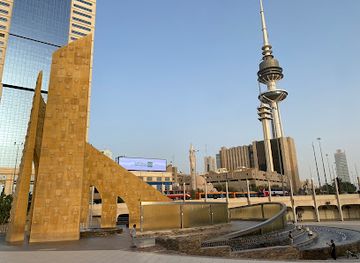
Al Ahmadi city is the governorate’s most distinctive historic landmark landscape, with its planned streets, mature planting and low-rise company-town character reflecting the formative decades of Kuwait’s petroleum industry. The city’s importance lies not in a single monumental building but in the surviving relationship between housing, greenery and industrial administration that supported the oil workforce. In Fahaheel, the Al Kout waterfront and its prominent maritime setting represent the modern commercial face of the southern coast, beside a district long associated with fishing and coastal trade. Mina Al Ahmadi and the industrial shore are defining landmarks of Kuwait’s energy economy, although operating facilities are not ordinary visitor sites and photography may be restricted. Farther south, the artificial channels and waterways of Sabah Al Ahmad Sea City express a newer form of coastal engineering, while the open shore and desert around Al Zour provide a strong geographical contrast. The cultivated areas of Wafra are also significant as a visible agricultural counterpoint to Kuwait’s predominantly arid southern environment.
-
Market
Al Mubarakiya
Experience the heart of Kuwait City at Al Mubarakiya Market, where tradition meets modern charm in a vibrant shopping and dining paradise.
-
Park
Al Shaheed Park
Discover Al Shaheed Park, Kuwait City's serene oasis featuring lush gardens, a cultural museum, and vibrant events perfect for every traveler.
-
Tourist attraction
Kuwait Towers
Explore the Kuwait Towers, an architectural masterpiece and iconic symbol of Kuwait, offering stunning views and rich cultural heritage.
-
Escape room center
Mindmaze Kuwait
Discover the thrill of problem-solving and teamwork at Mindmaze Kuwait, the leading escape room center in the heart of Shuwaikh Industrial.


Explore Al Ahmadi Governorate on the map
Plan your trip on one map. See where the top cities, national parks and sights are, and book hotels and experiences in a few clicks.
Best hotels in Al Ahmadi Governorate
Best restaurants in Al Ahmadi Governorate
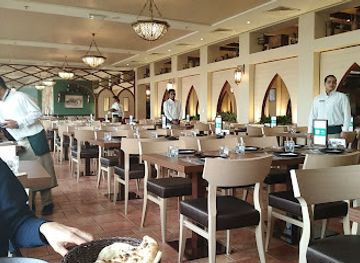
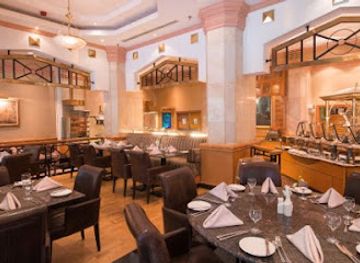
Dining in Al Ahmadi Governorate is particularly varied along the Fahaheel, Mangaf, Mahboula and Abu Halifa corridor, where Kuwaiti, Arab, South Asian and international communities have created a broad everyday food scene. Seafood is an obvious southern theme, with fish markets, casual restaurants and preparations reflecting Kuwait’s maritime traditions, although availability and menus change by establishment and season. Visitors can also look for machboos and other rice-based dishes, grilled meats, soups, flatbreads, dates, sweet pastries and strong Arabic coffee as part of Kuwait’s wider culinary culture. Modern cafés and restaurants cluster around shopping and waterfront areas, while informal eateries provide an accessible way to sample regional and expatriate cooking. Al Kout and the surrounding Fahaheel district offer the greatest concentration of organised dining, whereas remote coastal and agricultural areas have fewer choices and should not be treated as self-contained food destinations. Alcohol is not served legally in Kuwait.
-
Lebanese
Mais Alghanim
Discover the rich flavors of Lebanon at Mais Alghanim, Kuwait City's premier destination for authentic Lebanese cuisine.
-
Restaurant
Al Ahmadi Restaurant
Experience the best of Kuwaiti cuisine at Al Ahmadi Restaurant - where tradition meets taste.
-
Steak
Texas Roadhouse
Experience the authentic taste of America at Texas Roadhouse - where every meal is a celebration of flavor and hospitality.
-
Restaurant
Shoolazeez Restaurant
Experience authentic Kuwaiti cuisine at Shoolazeez Restaurant in Ahmadi – where every dish tells a story.


Best bars in Al Ahmadi Governorate
Al Ahmadi Governorate does not have a conventional bar or nightclub culture because alcohol is illegal in Kuwait. Evening life instead centres on restaurants, coffee shops, dessert cafés, shisha venues where permitted, shopping complexes and waterfront promenades. Fahaheel is the most useful base for a broad choice of late dining and café activity, while Mangaf, Mahboula and Abu Halifa have numerous neighbourhood establishments serving local residents and international communities. Al Kout provides a more structured setting for restaurants, retail and family leisure, and the southern resorts and sea-city developments are oriented towards private recreation rather than a public club scene. In Al Ahmadi city, the atmosphere is generally quieter and more residential. During cooler months, families and groups often make greater use of outdoor seating and coastal spaces, while the intense summer heat shifts social life into air-conditioned malls, cafés and restaurants.
-
Restaurant
Al Ahmadi Restaurant
Experience the authentic flavors of Kuwait at Al Ahmadi Restaurant, a top dining spot in Al Farwaniyah offering traditional dishes and modern ambiance.
-
Pizza
Pizza Hut, Fahaheel بيتزا هت
Experience the best of pizza dining at Pizza Hut in Fahaheel - a family-friendly restaurant offering delicious flavors in a vibrant setting.
-
Restaurant
Fursan Aljazzera Resturant مطعم فرسان الجزيرة
Experience the essence of Middle Eastern cuisine at Fursan Aljazzera Restaurant in Ahmadi – where flavor meets hospitality.
-
Cafe
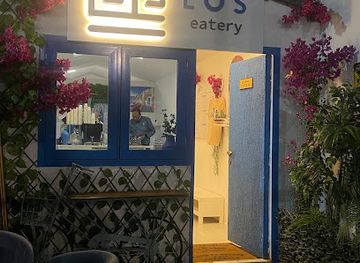
Los coffee House & Bakery
Experience the delightful fusion of coffee, pastries, and community at Los Coffee House & Bakery in Ahmadi, where every visit is a treat for the senses.


Best nightclubs in Al Ahmadi Governorate
Al Ahmadi Governorate does not have a conventional bar or nightclub culture because alcohol is illegal in Kuwait. Evening life instead centres on restaurants, coffee shops, dessert cafés, shisha venues where permitted, shopping complexes and waterfront promenades. Fahaheel is the most useful base for a broad choice of late dining and café activity, while Mangaf, Mahboula and Abu Halifa have numerous neighbourhood establishments serving local residents and international communities. Al Kout provides a more structured setting for restaurants, retail and family leisure, and the southern resorts and sea-city developments are oriented towards private recreation rather than a public club scene. In Al Ahmadi city, the atmosphere is generally quieter and more residential. During cooler months, families and groups often make greater use of outdoor seating and coastal spaces, while the intense summer heat shifts social life into air-conditioned malls, cafés and restaurants.
-
Boat club
Fahaheel Sea Club
Discover the scenic beauty and leisure of Fahaheel Sea Club, where the Arabian Gulf meets adventure and tranquility in Kuwait.
-
Video game store
Geekay - Al Kout Mall
Discover the ultimate video game store experience at Geekay in Al Kout Mall, where gamers find their next adventure.
-
Lounge
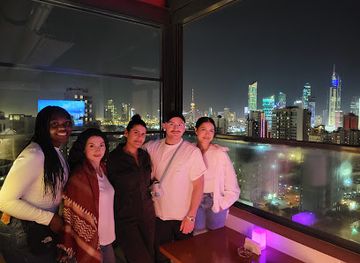
12.22 Lounge
Experience the vibrant atmosphere and exquisite drinks at 12.22 Lounge, the perfect retreat in Kuwait City for relaxation and socializing.
-
Lounge
No.21
Experience luxury and relaxation at No.21, Kuwait City’s premier lounge, offering exquisite drinks in an elegant setting.


Best shops in Al Ahmadi Governorate
Shopping in Al Ahmadi Governorate ranges from large modern complexes to practical neighbourhood commerce and specialist food markets. Fahaheel is the main retail centre for many visitors, with the Al Kout complex combining shops, restaurants and waterfront leisure in a recognisable coastal setting. Nearby commercial streets and markets are useful for everyday goods, clothing, electronics and food, while the districts of Mangaf, Mahboula and Abu Halifa offer a particularly international selection shaped by their diverse resident communities. Visitors interested in local produce can look for Kuwaiti dates, sweets, spices, Arabic coffee and packaged foods, though the range and provenance vary between retailers. Al Ahmadi city has a quieter, more planned shopping environment, while Wafra is associated with agricultural activity rather than extensive retail. Traditional handicrafts are not the governorate’s defining commercial speciality, so those seeking a broad national selection of souvenirs may find larger central Kuwait markets more comprehensive; within Al Ahmadi, shopping is strongest for contemporary retail, food and everyday local life.
-
Shopping mall
The Avenues
Discover The Avenues, Kuwait's premier shopping mall featuring luxury brands, diverse dining options, and endless entertainment for an unforgettable experience.
-
Shopping mall
360 Mall
Experience luxury shopping, gourmet dining, and family fun at 360 Mall in Zahra, Kuwait's premier shopping destination.
-
Shopping mall
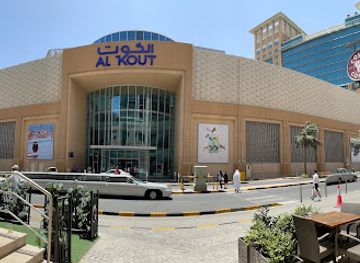
Al Kout Mall
Discover the ultimate shopping experience at Al Kout Mall in Fahaheel, Kuwait, featuring luxury brands, diverse dining, and vibrant entertainment.
-
Shopping mall
The Gate Mall
Discover luxury shopping and gourmet dining at The Gate Mall, Kuwait's premier destination for a unique retail experience.



Get your free copy of our complete guide to Al Ahmadi Governorate, delivered straight to you.
Everything on this page, from attractions and restaurants to essentials and local phrases, in one PDF you can read offline, print or share.
Already have an account? Sign in
Your Al Ahmadi Governorate guide is ready.
We'll send it to · Not you? Sign out

Getting your guide ready…
We are putting together a fresh copy of the Al Ahmadi Governorate guide. This can take up to a minute.
This can take a few moments. If your browser asks, choose Allow so the download can start. You'll find the guide in your Downloads folder.
Nothing happened? Download it again
Sorry, the guide is taking longer than usual. Please try again in a minute, or get it by email instead.
Al Ahmadi Governorate essentials
Currency and Payment
Safety
Emergency Situations
Do's and Don'ts
Local Tips
From Eve
Local phrases worth knowing
You don't need to get them perfect. A few words go a long way, and locals appreciate the effort.
Basics
| English | Local | Say it |
|---|---|---|
| Hello | مرحبا | [Marhaban] |
| Goodbye | وداعا | [Wadaa'an] |
| Yes | نعم | [Na'am] |
| No | لا | [La] |
| Please/You're welcome | من فضلك | [Min fadlik] |
| Thank you | شكرا | [Shukran] |
| Excuse me/Sorry | عفوا/آسف | [Afwan/Aasif] |
| How are you? | كيف حالك؟ | [Kayfa halak?] |
| Fine. And you? | بخير. وأنت؟ | [Bikhayr. Wa anta?] |
| Do you speak English? | هل تتحدث الإنجليزية؟ | [Hal tatahadath alingliziyya?] |
| I don't understand | لا أفهم | [La afham] |
Eating & Drinking
| English | Local | Say it |
|---|---|---|
| I'd like to see the menu, please | أود رؤية القائمة، من فضلك | [Awad ru'yat alqaimah, min fadlik] |
| I don't eat meat | أنا لا آكل اللحم | [Ana la akul al-lahm] |
| Cheers! | في صحتك! | [Fi sihhatak!] |
| I would like to pay, please | أود الدفع، من فضلك | [Awad ad-daf', min fadlik] |
Emergencies
| English | Local | Say it |
|---|---|---|
| Help! | ساعدني! | [Sa'idni!] |
| Go away! | ابتعد! | [Ibt'id!] |
| Call the Police! | اتصل بالشرطة! | [Ittasil bil-shurtah!] |
| Call a doctor! | اتصل بطبيب! | [Ittasil bi-tabeeb!] |
| I'm lost | أنا ضائع | [Ana da'i'] |
| I'm ill | أنا مريض | [Ana marid] |
Shopping
| English | Local | Say it |
|---|---|---|
| I'd like to buy... | أود شراء... | [Awad shirā...] |
| I'm just looking | أنا فقط أبحث | [Ana faqat abhath] |
| How much is it? | كم ثمنه؟ | [Kam thamanuh?] |
| That's too expensive | هذا غالٍ جدًا | [Hatha ghalin jiddan] |
| Can you lower the price? | هل يمكنك تخفيض السعر؟ | [Hal yumkinuka takhfid as-si'r?] |
Time & Numbers
| English | Local | Say it |
|---|---|---|
| What time is it? | كم الساعة؟ | [Kam as-saa'ah?] |
| It's one o'clock | الساعة واحدة | [As-saa'ah wahidah] |
| Half past (10) | نصف (10) | [Nisf (10)] |
| Morning | صباح | [Sabaah] |
| Afternoon | بعد الظهر | [Ba'd al-dhuhr] |
| Evening | مساء | [Masa'] |
| Yesterday | أمس | [Ams] |
| Today | اليوم | [Al-yawm] |
| Tomorrow | غدا | [Ghadan] |
| 1 | واحد | [Wahid] |
| 2 | اثنان | [Ithnaan] |
| 3 | ثلاثة | [Thalatha] |
| 4 | أربعة | [Arba'a] |
| 5 | خمسة | [Khamsa] |
| 6 | ستة | [Sitta] |
| 7 | سبعة | [Sab'a] |
| 8 | ثمانية | [Thamaniya] |
| 9 | تسعة | [Tis'a] |
| 10 | عشرة | [Ashara] |
Transport & Directions
| English | Local | Say it |
|---|---|---|
| Where's a/the...? | أين ...؟ | [Ayna ...?] |
| What's the address? | ما هو العنوان؟ | [Ma huwa al-'unwan?] |
| Can you show me (on the map)? | هل يمكنك أن تريني (على الخريطة)؟ | [Hal yumkinuka an turini (ala al-kharita)?] |
| When's the next (bus)? | متى يأتي (الحافلة) التالية؟ | [Mata ya'ti (al-hafilah) at-taliya?] |
| A ticket (to ....) | تذكرة (إلى ....) | [Tadhkirah (ila ....)] |
History of Al Ahmadi Governorate
Early Coastal Settlement and Southern Desert Routes
Before the oil era, southern Kuwait consisted of coastal settlements, fishing grounds, maritime approaches and an expansive desert hinterland connected by seasonal tracks. Communities around the southern shore depended on fishing, boat building, trade and access to wells, while inland areas were used by pastoral groups and, later, small-scale cultivation where water and soil permitted. The coast’s shallow waters and sheltered inlets supported local economies, although the modern urban form of Al Ahmadi Governorate did not yet exist. Older patterns of movement and settlement help explain the continuing importance of the shore, harbours and agricultural areas around the governorate.
The Kuwait Oil Company Concession, 1934
A decisive transformation began when Kuwait granted an oil concession in 1934 to the Kuwait Oil Company, a partnership involving the Anglo-Persian Oil Company and the American Gulf Oil Company. Geological exploration extended across the country, and the Burgan field south of Kuwait City became the central discovery shaping Kuwait’s twentieth-century economy. Although Burgan is not wholly synonymous with Al Ahmadi city, the petroleum development it generated led directly to the establishment of the southern oil settlements, roads, pipelines, ports and administrative systems associated with the governorate.
Al Ahmadi and the Development of the Oil Industry
Commercial oil production began in the 1940s, and Al Ahmadi city was developed as a planned company town for the growing petroleum industry. Its housing, offices, schools, recreational facilities and landscaped streets reflected the requirements of a major international enterprise operating in a desert environment. The first significant oil exports in 1946 marked Kuwait’s emergence as a major petroleum state. The industrial geography created around Al Ahmadi, Mina Al Ahmadi and nearby production areas remains visible in the governorate’s infrastructure and continues to influence its economy and identity.
Post-Independence Expansion and Urban Growth
After Kuwait gained independence in 1961, petroleum revenues financed rapid modernisation, public services and large-scale housing development. Coastal settlements including Fahaheel, Mangaf, Abu Halifa and Mahboula expanded, evolving from smaller communities into a continuous urban corridor with shops, schools, restaurants and residential districts. The governorate also became a centre for refining, export infrastructure and related industries. This period brought a marked contrast between the planned greenery of older Al Ahmadi and the denser, commercially active neighbourhoods along the coast.
The Iraqi Invasion and Its Aftermath, 1990–1991
Iraq invaded Kuwait in August 1990, and Al Ahmadi Governorate’s oil infrastructure became part of the conflict’s most damaging episodes. Retreating Iraqi forces set fire to many Kuwaiti oil wells in early 1991, producing vast clouds of smoke, ground contamination and disruption across the country’s petroleum districts. The fires were extinguished over subsequent months, followed by extensive environmental monitoring and restoration. The episode remains central to Kuwait’s national memory and gives the governorate’s industrial landscape a historical significance extending well beyond its economic role.
New Coastal Development and Industrial Transformation
In the late twentieth and early twenty-first centuries, the southern coast saw continued investment in refining, petrochemicals, ports, housing and leisure infrastructure. Al Zour became associated with major energy development, while Khiran and Sabah Al Ahmad Sea City introduced engineered channels, marinas and holiday-oriented residential areas. Agricultural activity around Wafra also retained a visible place in the southern landscape. These developments illustrate the governorate’s continuing transformation: it is simultaneously a petroleum heartland, a suburban living environment, an agricultural fringe and a destination for domestic coastal recreation.
Al Ahmadi Governorate in Photos
Browse through our photo collection highlighting the charm and character of the destination.
Neighbouring regions of Al Ahmadi Governorate
The closest regions to Al Ahmadi Governorate, if you have time for more than one.
-

-
-

-
-


Swipe for more regions
Explore more

Explore more of Kuwait
Discover the blend of modernity and tradition in Kuwait, a vibrant gem in the Arabian Gulf, offering cultural heritage, luxury shopping, and diverse culinary delights.
Explore Kuwait