

Free Mubarak Al-Kabeer Governorate Travel Guide & Mobile App
Explore Mubarak Al-Kabeer Governorate with free travel guides. Discover regional history, expert tips, proposed trips, and audio guides on web or mobile app.


Explore Mubarak Al-Kabeer Governorate for Kuwaiti history, coastal neighbourhoods, local dining and the everyday character of southern Kuwait.
Read more about Mubarak Al-Kabeer Governorate
When is the best time to visit Mubarak Al-Kabeer Governorate?
Best: March–April, November · 24–30°C| Month | High (°C) | Rainfall (mm) |
|---|---|---|
| January | 17 | 19 |
| February | 20 | 17 |
| March (best) | 24 | 18 |
| April (best) | 30 | 10 |
| May | 36 | 3 |
| June | 41 | 0 |
| July | 43 | 0 |
| August | 43 | 0 |
| September | 39 | 0 |
| October | 33 | 2 |
| November (best) | 26 | 13 |
| December | 20 | 14 |
Getting to and around Mubarak Al-Kabeer Governorate
How to get there
Transportation
Top city travel guides in Mubarak Al-Kabeer Governorate
The cities of Mubarak Al-Kabeer Governorate, and the easiest places to base yourself.

Swipe for more cities
Best attractions in Mubarak Al-Kabeer Governorate
Mubarak Al-Kabeer Governorate offers a predominantly urban collection of attractions rather than a long list of monumental sights. The Al-Qurain Martyrs Museum is the essential historical visit: preserved as a site connected with Kuwaiti resistance during the 1990–91 Iraqi occupation, it gives the governorate a powerful place in the country’s modern memory. The surrounding Al-Qurain and Al-Qusour districts also show the scale and planning of Kuwait’s post-oil residential expansion. Along the coast, areas around Messila, Fintas, Abu Al Hasaniya and Al-Masayel provide sea views, restaurants, cafés and family leisure facilities, although access differs between public spaces and private clubs. Visitors interested in contemporary Kuwait can observe the contrast between wide suburban roads, detached homes, local shopping strips and newer commercial development. The governorate is not primarily a nature destination, but the shoreline and open bay horizons offer a change from the dense central city. Its attractions work best as part of a wider itinerary focused on everyday urban life, recent history, food and the changing relationship between Kuwait’s built environment and the sea.
-
Al-Qurain Martyrs Museum
Explore the Al-Qurain Martyrs Museum, a poignant war museum in Daher, Kuwait, dedicated to the heroes of the Gulf War and their sacrifices.
-
Red Palace
Discover the rich history and stunning architecture of the Red Palace, a top tourist attraction in Al Jahra, Kuwait.
-
Fahaheel Park
Experience the tranquility of Fahaheel Park in Mangaf, Kuwait, a perfect blend of nature, recreation, and family-friendly fun.
-
Fahaheel Fishing Point
Discover the tranquil beauty of Fahaheel Fishing Point, a picturesque coastal destination in Kuwait that celebrates local fishing culture and offers serene ocean views.



Best landmarks in Mubarak Al-Kabeer Governorate
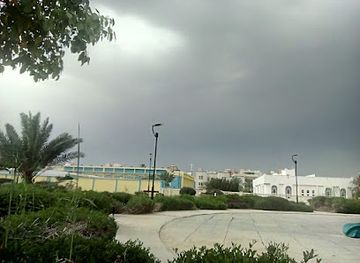
The Al-Qurain Martyrs Museum is Mubarak Al-Kabeer Governorate’s most significant landmark. The preserved house is associated with the Kuwaiti resistance during the Iraqi occupation and retains the physical evidence of the confrontation that took place there, making it an important site of national remembrance as well as a historical building. The governorate’s other landmarks are largely modern and urban: the planned residential districts of Sabah Al-Salem, Adan, Al-Qurain and Mubarak Al-Kabeer express Kuwait’s post-oil housing landscape through broad roads, detached villas, public buildings and neighbourhood mosques. Towards the bay, the coastal edges around Messila, Fintas and Abu Al Hasaniya form a contrasting geographical landmark, with open water and long horizons replacing the inward-looking suburban streets. These shoreline areas are not a single monumental waterfront, and access varies, but they help explain the governorate’s position between metropolitan development and Kuwait Bay. Taken together, the museum, suburban planning and coast provide a concise portrait of the region’s memory and modern geography.
-
Market
Al Mubarakiya
Explore Al Mubarakiya, a vibrant market in Kuwait City, where culture, cuisine, and community come together in a bustling atmosphere.
-
Park
Al Shaheed Park
Al Shaheed Park: A Cultural Oasis in Kuwait City with Lush Gardens, Historical Insights, and Serene Spaces for Relaxation.
-
Tourist attraction
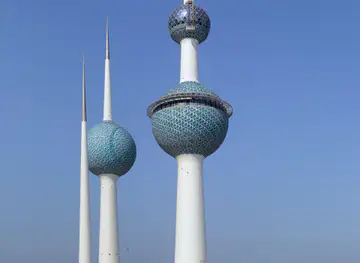
Kuwait Towers
Discover the breathtaking views and rich history at Kuwait Towers, an iconic landmark showcasing the beauty of Kuwait City and its resilient spirit.
-
Cultural center
Sheikh Abdullah Al Salem Cultural Centre
Discover the Sheikh Abdullah Al Salem Cultural Centre, a cultural hub in Kuwait featuring museums, exhibitions, and events showcasing Arab heritage.


Explore Mubarak Al-Kabeer Governorate on the map
Plan your trip on one map. See where the top cities, national parks and sights are, and book hotels and experiences in a few clicks.
Best hotels in Mubarak Al-Kabeer Governorate
Best restaurants in Mubarak Al-Kabeer Governorate
Dining in Mubarak Al-Kabeer reflects Kuwait’s cosmopolitan population and the governorate’s mix of established suburbs and coastal neighbourhoods. Kuwaiti specialities such as machboos, a rice dish usually prepared with meat or fish, and hearty seafood preparations can be found alongside Gulf, Levantine, South Asian and international cuisines. Around Messila, Fintas, Abu Al Hasaniya and adjoining districts, restaurants and cafés make the shoreline direction particularly active in the evening, with casual meals, sweets, coffee and family dining among the main choices. Inland neighbourhoods have local restaurants, bakeries, takeaway counters and small cafés serving residents rather than tourists. Fresh fish and seafood are a natural part of coastal dining, while tea, Arabic coffee and dates are common social offerings. Visitors seeking a regional food experience should look beyond hotel dining and sample established Kuwaiti dishes in ordinary neighbourhood restaurants, checking menus and payment arrangements before ordering.
-
Middle Eastern
Freej Swaeleh
Experience authentic Middle Eastern cuisine at Freej Swaeleh in Salmiya – where tradition meets flavor in every dish.
-
Lebanese
Mais Alghanim
Experience authentic Lebanese cuisine at Mais Alghanim in Kuwait City—where tradition meets flavor in every dish.
-
Middle Eastern
Freej Swaeleh - Al Qurain
Discover authentic Kuwaiti flavors at Freej Swaeleh - Al Qurain, where tradition meets taste in every delicious bite.
-
Hamburger
Slider Station
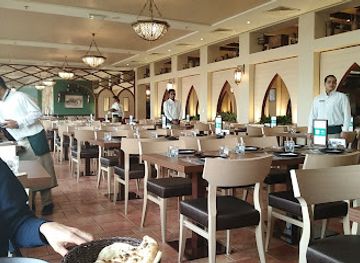
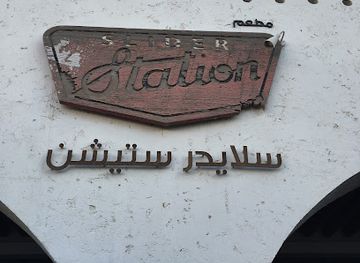
Discover Slider Station: Kuwait City's premier destination for gourmet burgers and an unforgettable dining experience.


Best bars in Mubarak Al-Kabeer Governorate
Mubarak Al-Kabeer does not have a conventional bar or nightclub scene because alcohol is prohibited in Kuwait. Evening activity instead centres on restaurants, coffee shops, dessert cafés, shisha venues where permitted, family leisure facilities and late-opening retail areas. The coastal districts around Messila, Fintas and Abu Al Hasaniya are among the more useful places for an evening meal or café visit, while inland residential areas tend to offer quieter local dining and neighbourhood gathering places. Social life is often strongest after sunset, particularly during cooler months and during Ramadan evenings, when opening patterns can change considerably. Visitors should not expect a European-style nightlife district; the appeal lies in food, conversation, coffee, sea-facing drives and informal gatherings rather than alcohol-led entertainment. Any live performances or seasonal events should be checked locally because programmes and opening arrangements can change.
-
Middle Eastern
Freej Swaeleh - Al Qurain
Experience the rich flavors of Middle Eastern cuisine at Freej Swaeleh - Al Qurain, a beloved dining spot in Abu Fatira offering a vibrant atmosphere.
-
American
Smoke Me BBQ
Discover the rich flavors of American barbecue at Smoke Me BBQ, a must-visit culinary gem in Kuwait for every food lover.
-
Restaurant
مطعم شيل ومشي - أسواق القرين
Explore the rich flavors of Kuwait at مطعم شيل ومشي - أسواق القرين, where delicious dishes and warm hospitality meet.
-
Kabab Factory - كباب فاكتورى
Discover the authentic taste of Middle Eastern cuisine at Kabab Factory, where every dish tells a story of tradition and flavor.


Best nightclubs in Mubarak Al-Kabeer Governorate
Mubarak Al-Kabeer does not have a conventional bar or nightclub scene because alcohol is prohibited in Kuwait. Evening activity instead centres on restaurants, coffee shops, dessert cafés, shisha venues where permitted, family leisure facilities and late-opening retail areas. The coastal districts around Messila, Fintas and Abu Al Hasaniya are among the more useful places for an evening meal or café visit, while inland residential areas tend to offer quieter local dining and neighbourhood gathering places. Social life is often strongest after sunset, particularly during cooler months and during Ramadan evenings, when opening patterns can change considerably. Visitors should not expect a European-style nightlife district; the appeal lies in food, conversation, coffee, sea-facing drives and informal gatherings rather than alcohol-led entertainment. Any live performances or seasonal events should be checked locally because programmes and opening arrangements can change.
-
Lounge
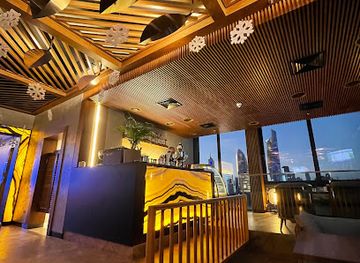
12.22 Lounge
Discover the elegance of 12.22 Lounge in Kuwait City, a stylish retreat offering exquisite drinks and an inviting atmosphere for relaxation and enjoyment.
-
Lounge
No.21
Discover the luxurious ambiance and exceptional cigar selection at No.21, the premier lounge in Kuwait City for relaxation and socializing.
-
Lounge
Macchiarte lounge
Experience the charm of Macchiarte Lounge in Kuwait City, where relaxation meets exquisite dining in a stylish atmosphere.
-
Video game rental store
ESZ Gaming Lounge
Discover ESZ Gaming Lounge in Kuwait - your ultimate destination for gaming, relaxation, and community engagement.


Best shops in Mubarak Al-Kabeer Governorate
Shopping in Mubarak Al-Kabeer is geared mainly towards residents rather than destination retail tourism. Local commercial strips and neighbourhood centres in Sabah Al-Salem, Adan, Al-Qurain, Al-Qusour and surrounding districts provide groceries, pharmacies, clothing, mobile-phone services, bakeries, cafés and everyday household goods. Coastal areas towards Fintas, Messila and Abu Al Hasaniya add restaurants, dessert shops and smaller lifestyle businesses, but they should not be confused with Kuwait’s largest luxury shopping destinations elsewhere in the metropolitan area. Visitors can look for Kuwaiti dates, sweets, Arabic coffee, spices, perfumes and packaged food products as practical gifts, while larger supermarkets are useful for browsing imported and regional produce. Independent shops and local food businesses offer a more representative sense of suburban commerce than a formal souvenir market. Opening hours can vary during Friday, Ramadan and public holidays, so checking locally is sensible before making a special shopping trip.
-
Market
Al Mubarakiya
Discover the vibrant essence of Kuwait at Al Mubarakiya, where culture, cuisine, and history come alive in a bustling market atmosphere.
-
Shopping mall
Al Bairaq Mall
Explore Al Bairaq Mall in Eqaila, Kuwait – a vibrant shopping hub filled with diverse retail, delicious dining, and family-friendly entertainment options.
-
Shopping mall
London Supermarket suaikh
Discover a world of flavors and local delights at the London Supermarket in Shuwaikh, a vibrant destination for every tourist.
-
Supermarket
Sultan | Hawally
Discover the flavors of Kuwait at Sultan Supermarket in Hawally, where local and international tastes come together in one vibrant shopping experience.


Get your free copy of our complete guide to Mubarak Al-Kabeer Governorate, delivered straight to you.
Everything on this page, from attractions and restaurants to essentials and local phrases, in one PDF you can read offline, print or share.
Already have an account? Sign in
Your Mubarak Al-Kabeer Governorate guide is ready.
We'll send it to · Not you? Sign out

Getting your guide ready…
We are putting together a fresh copy of the Mubarak Al-Kabeer Governorate guide. This can take up to a minute.
This can take a few moments. If your browser asks, choose Allow so the download can start. You'll find the guide in your Downloads folder.
Nothing happened? Download it again
Sorry, the guide is taking longer than usual. Please try again in a minute, or get it by email instead.
Mubarak Al-Kabeer Governorate essentials
Currency and Payment
Safety
Emergency Situations
Do's and Don'ts
Local Tips
From Eve
Local phrases worth knowing
You don't need to get them perfect. A few words go a long way, and locals appreciate the effort.
Basics
| English | Local | Say it |
|---|---|---|
| Hello | مرحبا | [Marhaba] |
| Goodbye | مع السلامة | [Ma'a as-salama] |
| Yes | نعم | [Na'am] |
| No | لا | [La] |
| Please/You're welcome | من فضلك | [Min fadlik] |
| Thank you | شكرا | [Shukran] |
| Excuse me/Sorry | عفوا | [Afwan] |
| How are you? | كيف حالك؟ | [Kayfa halak?] |
| Fine. And you? | بخير. وأنت؟ | [Bikhayr. Wa anta?] |
| Do you speak English? | هل تتحدث الإنجليزية؟ | [Hal tatahadath al-ingliziyya?] |
| I don't understand | لا أفهم | [La afham] |
Eating & Drinking
| English | Local | Say it |
|---|---|---|
| I'd like to see the menu, please | أود رؤية القائمة، من فضلك | [Awad ru'yat al-qa'ima, min fadlik] |
| I don't eat meat | لا أكل اللحم | [La akul al-lahm] |
| Cheers! | صحتين | [Sahtein] |
| I would like to pay, please | أود الدفع، من فضلك | [Awad ad-daf', min fadlik] |
Emergencies
| English | Local | Say it |
|---|---|---|
| Help! | نجدة! | [Najda!] |
| Go away! | ابتعد! | [Ibt'id!] |
| Call the Police! | اتصل بالشرطة! | [Itisal bil-shurta!] |
| Call a doctor! | اتصل بطبيب! | [Itisal bi-tabeeb!] |
| I'm lost | أنا ضائع | [Ana da'i'] |
| I'm ill | أنا مريض | [Ana mareed] |
Shopping
| English | Local | Say it |
|---|---|---|
| I'd like to buy... | أود شراء... | [Awad shira'] |
| I'm just looking | أنا فقط أنظر | [Ana faqat anzur] |
| How much is it? | كم ثمنه؟ | [Kam thamanuh?] |
| That's too expensive | هذا غالي جدا | [Hatha ghali jidan] |
| Can you lower the price? | هل يمكنك تخفيض السعر؟ | [Hal yumkinuk takhfid as-si'r?] |
Time & Numbers
| English | Local | Say it |
|---|---|---|
| What time is it? | كم الساعة؟ | [Kam as-saa'a?] |
| It's one o'clock | الساعة واحدة | [As-saa'a wahida] |
| Half past (10) | نصف (10) | [Nisf (10)] |
| Morning | صباحا | [Sabahan] |
| Afternoon | بعد الظهر | [Ba'd al-dhuhr] |
| Evening | مساء | [Masa'a] |
| Yesterday | أمس | [Ams] |
| Today | اليوم | [Al-yawm] |
| Tomorrow | غدا | [Ghad] |
| 1 | واحد | [Wahid] |
| 2 | اثنان | [Ithnan] |
| 3 | ثلاثة | [Thalatha] |
| 4 | أربعة | [Arba'a] |
| 5 | خمسة | [Khamsa] |
| 6 | ستة | [Sitta] |
| 7 | سبعة | [Sab'a] |
| 8 | ثمانية | [Thamaniya] |
| 9 | تسعة | [Tis'a] |
| 10 | عشرة | [Ashra] |
Transport & Directions
| English | Local | Say it |
|---|---|---|
| Where's a/the...? | أين...؟ | [Ayna...?] |
| What's the address? | ما هو العنوان؟ | [Ma huwa al-'unwan?] |
| Can you show me (on the map)? | هل يمكنك أن تري لي (على الخريطة)؟ | [Hal yumkinuk an turi li (ala al-kharita)?] |
| When's the next (bus)? | متى تأتي (الحافلة) التالية؟ | [Mata ta'ti (al-hafila) at-taliya?] |
| A ticket (to ....) | تذكرة (إلى ....) | [Tadhkira (ila ....)] |
History of Mubarak Al-Kabeer Governorate
Coastal Kuwait before the oil era
The coast and shallow waters of Kuwait supported fishing, boating and modest maritime trade long before the modern suburb developed. Communities around Kuwait Bay depended on the sea for food and transport, while inland routes connected coastal settlements with the wider Arabian Peninsula. The districts now forming Mubarak Al-Kabeer were not a separate historical kingdom or city, but belonged to the wider social and economic world of Kuwait, whose maritime orientation shaped settlement patterns, family livelihoods and connections with southern coastal areas.
The rule of Mubarak Al-Sabah, 1896–1915
The governorate takes its name from Sheikh Mubarak Al-Sabah, Kuwait’s ruler from 1896 to 1915. His reign was a formative period in the consolidation of Kuwait’s political position and its relationship with the Ottoman Empire, Britain and neighbouring powers. The title Mubarak Al-Kabeer means Mubarak the Great and is used widely in modern Kuwait. The name gives the governorate a direct link to a ruler whose era remains central to national historical memory.
The oil era and planned urban expansion
The development of Kuwait’s oil economy after the Second World War transformed the country’s population, architecture and infrastructure. Traditional coastal livelihoods were joined by state-funded housing, paved roads, schools and public services. Areas now located in Mubarak Al-Kabeer Governorate gradually became part of the expanding metropolitan settlement south of Kuwait City. Planned neighbourhoods replaced much of the earlier low-density landscape, reflecting Kuwait’s broader transition from a maritime trading society to a modern oil-producing state.
Residential districts of the modern metropolis
From the late twentieth century onwards, districts such as Sabah Al-Salem, Adan, Al-Qurain and Al-Qusour developed as modern residential communities. Their broad roads, detached houses, apartment buildings, mosques and local commercial centres reflect Kuwait’s housing policies and rapid demographic growth. The governorate’s identity is therefore closely tied to suburbanisation: it is a place where national infrastructure, family housing and everyday services expanded together rather than a district shaped around one ancient urban centre.
The Iraqi invasion and the Al-Qurain resistance
Iraq invaded Kuwait in August 1990, beginning a period of occupation that ended with Kuwait’s liberation in February 1991. Al-Qurain is associated with one of the best-known episodes of Kuwaiti civilian resistance. A house used by resistance members became the scene of a fierce confrontation in January 1991 and is preserved as the Al-Qurain Martyrs Museum. The site documents the human cost of the occupation and the importance of resistance and remembrance in Kuwait’s contemporary national identity.
Establishment of Mubarak Al-Kabeer Governorate
Mubarak Al-Kabeer was established as one of Kuwait’s governorates in the late 1990s, during a period when the state was refining the administration of its expanding urban territory. Bringing established residential districts and developing coastal communities under one governorate reflected the continued growth of metropolitan Kuwait. Today the governorate combines planned neighbourhoods, commercial corridors, public institutions and sea-facing districts, illustrating the country’s continuing adjustment to urban expansion after the oil boom and the 1990–91 crisis.
Mubarak Al-Kabeer Governorate in Photos
Browse through our photo collection highlighting the charm and character of the destination.
Neighbouring regions of Mubarak Al-Kabeer Governorate
The closest regions to Mubarak Al-Kabeer Governorate, if you have time for more than one.
-
-

-

-
-


Swipe for more regions
Explore more

Explore more of Kuwait
Discover the blend of modernity and tradition in Kuwait, a vibrant gem in the Arabian Gulf, offering cultural heritage, luxury shopping, and diverse culinary delights.
Explore Kuwait