

Free Jahra Travel Guide & Mobile App
Plan your Jahra trip with Evendo. Get free guides to top attractions, restaurants, hotels, and bars. Web access or download the mobile app.


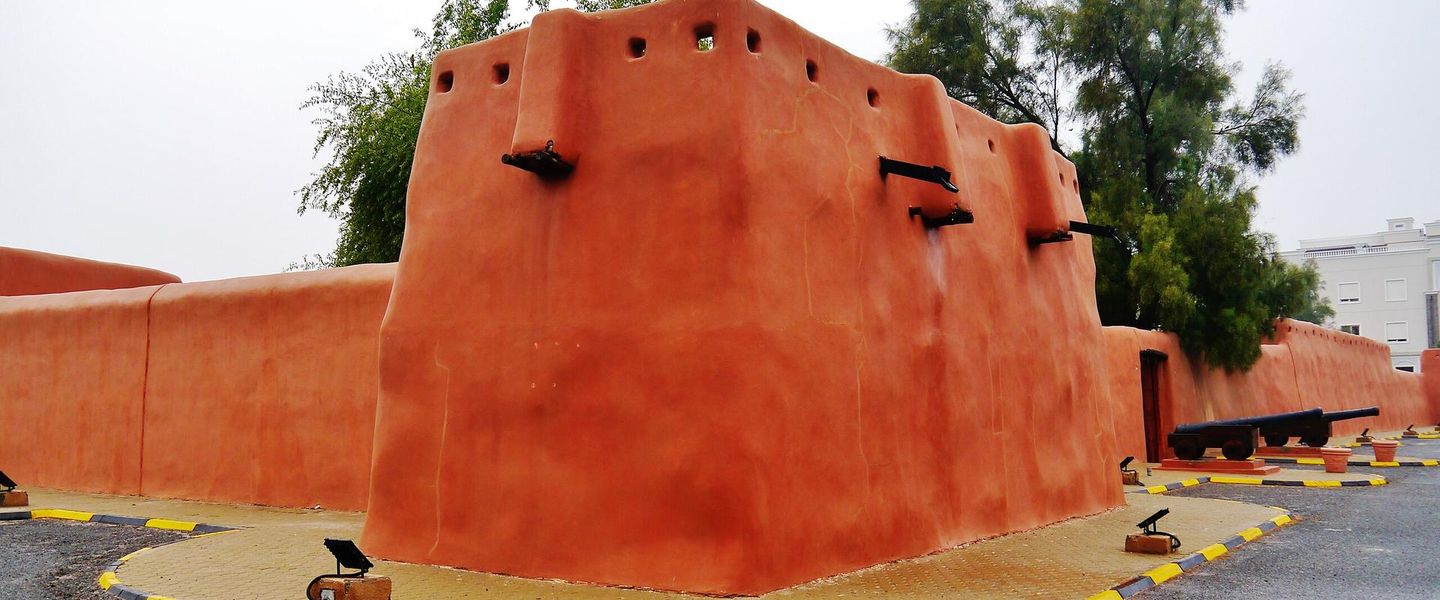


Discover Jahra: Kuwait's oasis of history and nature, where palm groves, historical forts, and vibrant markets create an unforgettable travel experience.
Read more about Jahra
When is the best time to visit Jahra?
Best: February–March, November · 22–27°C| Month | High (°C) | Rainfall (mm) |
|---|---|---|
| January | 19 | 0 |
| February (best) | 22 | 0 |
| March (best) | 27 | 0 |
| April | 33 | 0 |
| May | 40 | 0 |
| June | 44 | 0 |
| July | 45 | 0 |
| August | 45 | 0 |
| September | 40 | 0 |
| October | 34 | 0 |
| November (best) | 27 | 0 |
| December | 22 | 0 |
Getting to and around Jahra
How to get there
Transportation
Best attractions in Jahra
Jahra, a hidden gem in Kuwait, offers a unique blend of history and culture waiting to be explored. Visitors can immerse themselves in the rich heritage of the region by visiting the iconic Jahra Fort, a symbol of resilience and strength. The Al-Jahra Gate provides a glimpse into the past with its intricate architecture and historical significance. Nature enthusiasts can unwind at the serene Al Atraf Gardens, a lush oasis in the heart of the city. Don't miss out on the vibrant local markets, where you can indulge in traditional Kuwaiti cuisine and shop for handmade crafts. Jahra promises an unforgettable journey filled with ancient wonders and modern charm.
-
Tourist attraction
Kuwait Towers
Discover the breathtaking views and rich history at Kuwait Towers, an iconic landmark that embodies the spirit of Kuwait City.
1 h 10 min drive · 50 km from city centre
-
Park
Al Shaheed Park
Explore Al Shaheed Park in Kuwait City: A perfect blend of nature, culture, and relaxation awaits you in this urban oasis.
1 h 9 min drive · 49 km from city centre
-
Seafood
Kuwaiti Fresh Fish Market
Explore the Kuwaiti Fresh Fish Market for an authentic taste of the Arabian Gulf's freshest seafood in a vibrant, bustling atmosphere.
1 h 8 min drive · 48 km from city centre
-
Science museum
The Scientific Center
Explore the wonders of science and marine life at The Scientific Center, an interactive family-friendly attraction in Kuwait.
1 h 18 min drive · 58 km from city centre


Best landmarks in Jahra
Jahra, in Kuwait, offers visitors a unique blend of history and culture, with its diverse range of landmarks. From the iconic Jahra Gate, a historical fortification that once protected the city, to the impressive Al Jahra Tower, a modern architectural marvel offering stunning views of the surrounding area. Visitors can also explore the fascinating Jahra Red Palace, a beautifully preserved traditional Kuwaiti house, and the Jahra Governorate Building, a symbol of the city's administrative importance. With its rich history and vibrant culture, Jahra is a must-visit destination for travelers seeking a truly immersive experience.
-
 Hotel
HotelAl Jahra Copthorne Hotel & Resort
Al Jahra Copthorne Hotel & Resort offers luxury accommodations, exquisite dining, and unparalleled hospitality in the scenic landscapes of Al Jahra, Kuwait.
36 min drive · 16 km from city centre
-
Tourist attraction
Green Island
Discover the tranquility of Green Island, a picturesque man-made paradise in Kuwait City, perfect for relaxation, exploration, and family fun.
1 h 12 min drive · 52 km from city centre
-
Shopping mall
Sulaiyel Al-Jahra
Discover a world of shopping, dining, and entertainment at Sulaiyel Al-Jahra, the ultimate shopping mall experience in Al Jahra, Kuwait.
36 min drive · 16 km from city centre
-
Shopping mall
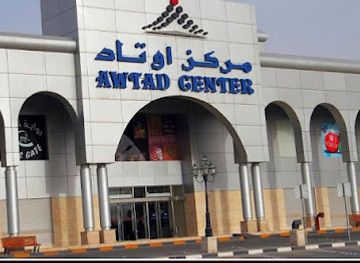
Awtad mall
Experience the best of shopping and dining at Awtad Mall in Al Jahra, where modern retail meets local culture.
38 min drive · 18 km from city centre
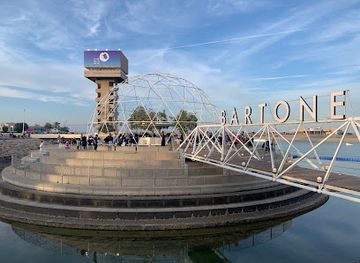
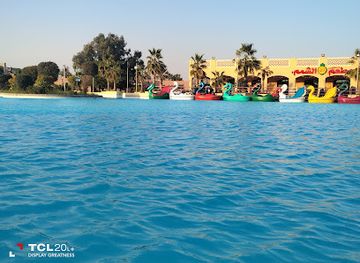
Explore Jahra on the map
Plan your Jahra trip on one map. See where the top attractions, landmarks, restaurants, bars and hotels are, find what's near where you're staying, and book hotels and experiences in a few clicks.
Best hotels in Jahra
Best restaurants in Jahra
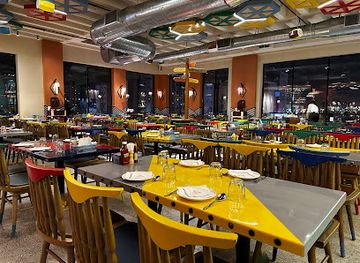
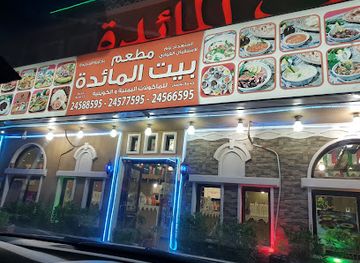
Jahra offers a diverse dining scene that reflects its rich cultural heritage. Visitors can indulge in traditional Kuwaiti cuisine, such as fragrant biryani, tender kebabs, and sweet desserts like baklava. For those seeking international flavors, there are plenty of options ranging from Mediterranean to Asian fusion. The city is also known for its bustling souks and street food vendors, where visitors can sample local delicacies like falafel, shawarma, and freshly baked bread. Whether dining in a modern restaurant or enjoying a meal under the stars in a traditional Bedouin tent, Jahra’s dining scene promises a memorable culinary experience for all.
-
Market
Al Mubarakiya
Kuwait's timeless souq where history trades in spices, gold, and stories—bustling alleys preserve pre-oil heritage amid haggling merchants and aromatic feasts.
1 h 7 min drive · 47 km from city centre
-
Middle Eastern
Freej Swaeleh - Jahra
Discover the authentic tastes of Middle Eastern cuisine at Freej Swaeleh - Jahra, where tradition meets flavor in every dish.
38 min drive · 18 km from city centre
-
Restaurant
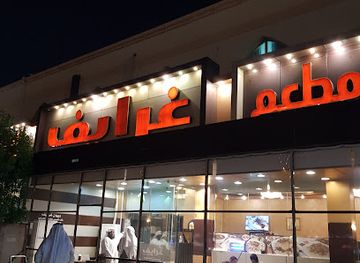
Greif Restaurant
Experience authentic Kuwaiti cuisine at Greif Restaurant in Al Jahra - where tradition meets taste.
36 min drive · 16 km from city centre
-
Indian
India Gate
Savor authentic Indian cuisine at India Gate in Al Jahra, where rich flavors meet welcoming hospitality in a delightful dining experience.
36 min drive · 16 km from city centre

Best bars in Jahra
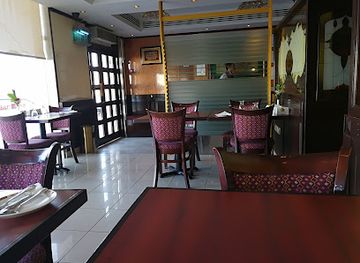
Jahra's nightlife scene offers a vibrant mix of traditional Arabian charm and modern entertainment options. Visitors can explore local bars and nightclubs, where they can enjoy live music, dance to the latest tunes, and savor delicious cocktails. The city comes alive at night with bustling streets, colorful lights, and a lively atmosphere that invites tourists to immerse themselves in the rich culture and vibrant energy of Jahra after dark.
-
Restaurant
Mughal Mahal Jahra
Experience authentic Indian cuisine at Mughal Mahal Jahra, where every dish is a journey into rich flavors and vibrant culture.
38 min drive · 18 km from city centre
-
Restaurant
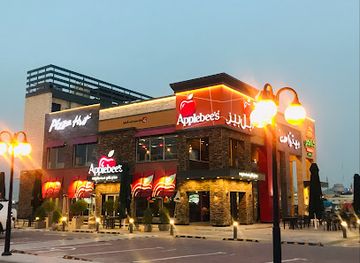
Applebees , Jahra
Discover the flavors of Applebee's in Jahra, offering a diverse menu of steaks, sandwiches, and more in a cozy setting perfect for families and friends.
38 min drive · 18 km from city centre
-
Coffee shop
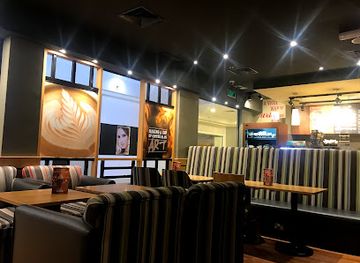
Costa Coffee
Experience the rich aroma and flavors at Costa Coffee, a delightful coffee shop in Al Jahra offering vegan and vegetarian options.
36 min drive · 16 km from city centre
-
Indian
OJEEN Restaurant
Discover the rich flavors of authentic Indian cuisine at OJEEN Restaurant, a culinary gem in Al Jahra, Kuwait.
38 min drive · 18 km from city centre
Best nightclubs in Jahra
Jahra's nightlife scene offers a vibrant mix of traditional Arabian charm and modern entertainment options. Visitors can explore local bars and nightclubs, where they can enjoy live music, dance to the latest tunes, and savor delicious cocktails. The city comes alive at night with bustling streets, colorful lights, and a lively atmosphere that invites tourists to immerse themselves in the rich culture and vibrant energy of Jahra after dark.
-
Supermarket
City Hypermarket
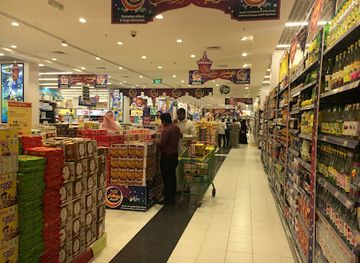
Discover local flavors and international products at City Hypermarket, Al Jahra's premier shopping destination for tourists.
36 min drive · 16 km from city centre
-
Sports club
Qadsia Sports Club
Discover the vibrant sports culture of Kuwait at Qadsia Sports Club, a premier destination for soccer and community events.
1 h 13 min drive · 53 km from city centre
-
Historical place
Red Palace
Discover the grandeur of the Red Palace, a historical gem in Al Jahra, Kuwait, showcasing exquisite architecture and rich cultural heritage.
39 min drive · 19 km from city centre
-
Restaurant
Mughal Mahal Jahra
Experience the authentic taste of India at Mughal Mahal Jahra, where every dish tells a story of flavor and tradition.
38 min drive · 18 km from city centre
Best shops in Jahra
Jahra's shopping scene offers a unique blend of traditional souks and modern malls, providing visitors with a diverse shopping experience. Explore the bustling markets filled with colorful textiles, intricate handicrafts, and aromatic spices, where you can haggle with local vendors for unique souvenirs. For a more contemporary shopping experience, head to one of the city's modern shopping centers, where you can find international brands, trendy fashion items, and delicious local snacks. Whether you're looking for traditional treasures or modern delights, Jahra's shopping scene has something for every visitor to enjoy.
-
Shopping mall
360 Mall
Experience luxury shopping, exquisite dining, and family-friendly entertainment at 360 Mall in Kuwait – the ultimate shopping destination.
1 h 9 min drive · 49 km from city centre
-
Shopping mall
Avenues Mall Phase 4
Discover a shopping haven at Avenues Mall Phase 4 in Kuwait Al Rai, where luxury meets convenience and entertainment awaits.
1 h 4 min drive · 44 km from city centre
-
Hypermarket
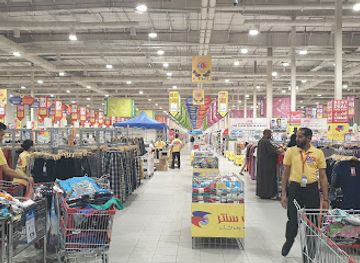
LuLu Center Hypermarket - Jahra Mall
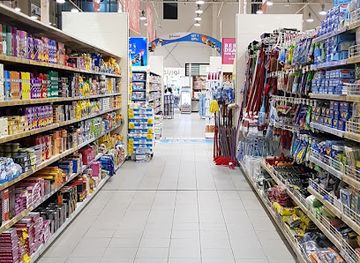
Discover a vibrant shopping experience at LuLu Center Hypermarket in Jahra, where variety meets affordability in a family-friendly atmosphere.
36 min drive · 16 km from city centre
-
Supermarket
City Hypermarket
Explore a wide variety of local and international products at City Hypermarket, your go-to destination in Al Jahra for all your shopping needs.
36 min drive · 16 km from city centre

Get your free copy of our complete guide to Jahra, delivered straight to you.
Everything on this page, from attractions and restaurants to essentials and local phrases, in one PDF you can read offline, print or share.
Already have an account? Sign in
Your Jahra guide is ready.
We'll send it to · Not you? Sign out

Getting your guide ready…
We are putting together a fresh copy of the Jahra guide. This can take up to a minute.
This can take a few moments. If your browser asks, choose Allow so the download can start. You'll find the guide in your Downloads folder.
Nothing happened? Download it again
Sorry, the guide is taking longer than usual. Please try again in a minute, or get it by email instead.
Jahra essentials
Currency and Payment
Safety
Emergency Situations
Do's and Don'ts
Local Tips
From Eve
Local phrases worth knowing
You don't need to get them perfect. A few words go a long way, and locals appreciate the effort.
Basics
| English | Local | Say it |
|---|---|---|
| Hello | مرحبا | [marhaban] |
| Goodbye | وداعا | [wadaeana] |
| Yes | نعم | [naam] |
| No | لا | [laa] |
| Please/You're welcome | من فضلك | [min fadlik] |
| Thank you | شكرا | [shukran] |
| Excuse me/Sorry | عذرا | [aadhran] |
| How are you? | كيف حالك؟ | [kaifa haluk?] |
| Fine. And you? | بخير. وأنت؟ | [bikhayr. wa'ant?] |
| Do you speak English? | هل تتحدث الإنجليزية؟ | [hal tatahadath al'injlizia?] |
| I don't understand | لا أفهم | [laa afham] |
Eating & Drinking
| English | Local | Say it |
|---|---|---|
| I'd like to see the menu, please | أريد أن أرى القائمة، من فضلك | [uridu an ara alqaimah, min fadlik] |
| I don't eat meat | أنا لا أكل اللحوم | [ana la akl alalhoom] |
| Cheers! | في صحتك! | [fi sahtik!] |
| I would like to pay, please | أود أن أدفع، من فضلك | [awadu an adfae, min fadlik] |
Emergencies
| English | Local | Say it |
|---|---|---|
| Help! | النجدة! | [alnajdah!] |
| Go away! | إبتعد! | [ibtad!] |
| Call the Police! | اتصل بالشرطة! | [atassal bialshurta!] |
| Call a doctor! | اتصل بالطبيب! | [atassal bialtabib!] |
| I'm lost | ضاعت طريقي | [daeat tariqi] |
| I'm ill | أنا مريض | [ana mareed] |
Shopping
| English | Local | Say it |
|---|---|---|
| I'd like to buy... | أريد أن أشتري... | [uridu an ashtari...] |
| I'm just looking | أنا فقط أتطلع | [ana faqat atatlaa] |
| How much is it? | كم سعره؟ | [kam sairuh?] |
| That's too expensive | هذا غالي جدا | [hatha ghali jiddan] |
| Can you lower the price? | هل يمكنك خفض السعر؟ | [hal yumkinuk khafd alsair?] |
Time & Numbers
| English | Local | Say it |
|---|---|---|
| What time is it? | كم الساعة؟ | [kam alsaa'ah?] |
| It's one o'clock | الساعة الواحدة | [alsaa'ah alwahidah] |
| Half past (10) | النصف بعد (10) | [alnisf baad (10)] |
| Morning | صباح | [sabah] |
| Afternoon | بعد الظهر | [baad alduhur] |
| Evening | مساء | [masa'] |
| Yesterday | أمس | [ams] |
| Today | اليوم | [alyawm] |
| Tomorrow | غدا | [ghadan] |
| 1 | واحد | [wahid] |
| 2 | اثنان | [ithnan] |
| 3 | ثلاثة | [thalatha] |
| 4 | أربعة | [arba'a] |
| 5 | خمسة | [khamsa] |
| 6 | ستة | [sitta] |
| 7 | سبعة | [sab'a] |
| 8 | ثمانية | [thamania] |
| 9 | تسعة | [tasia] |
| 10 | عشرة | [ashara] |
Transport & Directions
| English | Local | Say it |
|---|---|---|
| Where's a/the...? | أين هو/هي...؟ | [ayn huwa/hiya...?] |
| What's the address? | ما هو العنوان؟ | [ma hu al'anaan?] |
| Can you show me (on the map)? | هل يمكنك أن تريني (على الخارطة)؟ | [hal yumkinuk 'an tureeniy (ala alkharitah)?] |
| When's the next (bus)? | متى القادم (الحافلة)؟ | [mata alqadim (alhafilah)?] |
| A ticket (to ....) | تذكرة (إلى ....) | [tadhkirah (ila ....)] |
History of Jahra
The Battle of Jahra (1920)
The Battle of Jahra was a significant conflict that took place on October 10, 1920, between Kuwaiti forces and the Ikhwan, a tribal army from Najd. The battle was pivotal in the history of Kuwait as it showcased the resilience and strategic prowess of the Kuwaiti defenders. The Ikhwan, led by Faisal al-Dawish, aimed to expand their influence but were met with strong resistance at the Red Fort in Jahra. Although the battle ended without a decisive victor, it highlighted the importance of Jahra as a strategic location in Kuwait's defense history.
The Red Fort (Qasr al-Ahmar)
Constructed in the late 19th century, the Red Fort, also known as Qasr al-Ahmar, is one of Jahra's most iconic landmarks. Built from red clay bricks, the fort served as a military stronghold and a refuge for the local population during times of conflict. The fort's design includes high walls and watchtowers, which provided a formidable defense against invaders. Today, the Red Fort stands as a testament to Jahra's historical significance and offers visitors a glimpse into Kuwait's architectural and military heritage.
Agricultural Heritage
Jahra has long been known for its agricultural significance in Kuwait. The region's fertile soil and abundant water sources made it an ideal location for farming. Historically, Jahra was a major supplier of dates, fruits, and vegetables to the rest of Kuwait. The agricultural heritage of Jahra is still evident today, with numerous farms and greenhouses dotting the landscape. This agricultural abundance has played a crucial role in the development and sustenance of the local community.
Sheikh Mubarak Al-Sabah's Influence
Sheikh Mubarak Al-Sabah, also known as Mubarak the Great, was a key figure in the history of Jahra. His leadership in the late 19th and early 20th centuries helped shape the region's development. Sheikh Mubarak's strategic alliances and military campaigns were instrumental in securing Jahra's safety and prosperity. Under his rule, Jahra saw improvements in infrastructure and security, solidifying its importance in Kuwait's broader historical narrative.
Cultural Traditions
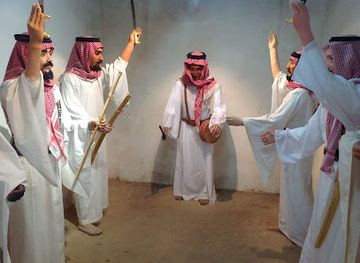
Jahra is rich in cultural traditions that reflect the diverse heritage of its inhabitants. The town is known for its vibrant folklore, including traditional music, dance, and poetry. Festivals and celebrations are an integral part of life in Jahra, with events often featuring performances of the Ardah, a traditional Kuwaiti sword dance. The community's commitment to preserving these cultural practices ensures that visitors to Jahra can experience the authentic and enduring spirit of Kuwaiti culture.
Jahra in Photos
Browse through our photo collection highlighting the charm and character of the destination.
Cities near Jahra
The closest cities to Jahra, if you have time for more than one stop.
-

-

-

-

-


Swipe for more cities
Explore more

Explore more of Kuwait
Discover the blend of modernity and tradition in Kuwait, a vibrant gem in the Arabian Gulf, offering cultural heritage, luxury shopping, and diverse culinary delights.
Explore Kuwait