

Free Naryn Region Travel Guide & Mobile App
Explore Naryn Region with free travel guides. Discover regional history, expert tips, proposed trips, and audio guides on web or mobile app.


Naryn Region pairs Kyrgyzstan’s high mountain lakes, yurt pastures, Silk Road heritage and remote Tien Shan valleys with demanding but rewarding travel.
Read more about Naryn Region
When is the best time to visit Naryn Region?
Best: June–August · 21–24°C| Month | High (°C) | Rainfall (mm) |
|---|---|---|
| January | -6 | 15 |
| February | -3 | 15 |
| March | 3 | 20 |
| April | 10 | 25 |
| May | 15 | 30 |
| June (best) | 21 | 25 |
| July (best) | 24 | 20 |
| August (best) | 23 | 15 |
| September | 17 | 15 |
| October | 11 | 15 |
| November | 2 | 15 |
| December | -3 | 15 |
Getting to and around Naryn Region
How to get there
Transportation
Top city travel guides in Naryn Region
The cities of Naryn Region, and the easiest places to base yourself.
-

-

-

-

-
-


Swipe for more cities
Destinations in Naryn Region
Resorts, valleys and scenic spots worth a trip of their own.
-

-

-

-


Swipe for more destinations
Best attractions in Naryn Region
Naryn Region’s attractions are predominantly landscapes and cultural sites spread across a large, sparsely settled area. Song-Kul is the principal destination, combining a high alpine lake with seasonal yurt camps, horse trekking and open jailoo pasture. Tash Rabat offers a more concentrated historical experience: its stone caravanserai and mountain setting illuminate the region’s role in trans-Tien Shan travel. Kel-Suu appeals to experienced travellers prepared for rough access and high-altitude conditions, while Chatyr-Kul is a remote borderland lake best visited with suitable permits and local arrangements. Around Naryn city, Salkyn-Tor National Park provides a more accessible mountain outing, with forested slopes and hiking possibilities. Kochkor and At-Bashy introduce visitors to rural settlement life, felt crafts and pastoral traditions rather than conventional museum tourism. The region also suits horse riding, trekking, photography, wildlife observation and scenic driving, although facilities are basic away from the main towns. Travel distances, seasonal road conditions and the need for guides or four-wheel-drive vehicles are part of the attraction’s character, not minor logistical details.
-
Tourist attraction
Fairytale canyon "Skazka"
Explore the enchanting Fairytale Canyon Skazka in Kyrgyzstan, a natural wonder filled with colorful rock formations and breathtaking landscapes.
-
Resort hotel
Jeti-Ögüz resort
Experience the tranquility of Jeti-Ögüz Resort, a luxurious retreat in Kyrgyzstan surrounded by breathtaking landscapes and rejuvenating spa services.
-
Tourist attraction
Tash Rabat
Explore Tash Rabat, a historical treasure of Kyrgyzstan nestled in the Tian Shan Mountains, where the Silk Road's legacy comes alive.
-
Tourist attraction
Sokuluk Gorge
Explore the stunning landscapes of Sokuluk Gorge, a natural wonder in Kyrgyzstan perfect for hiking, wildlife observation, and unforgettable vistas.


Best landmarks in Naryn Region
Tash Rabat is Naryn Region’s defining built landmark, a substantial stone caravanserai set in a secluded valley of the At-Bashy range. Its vaulted rooms and thick masonry convey the demands of medieval travel more effectively than a modern interpretive display, although the precise chronology and original role of such mountain structures are subjects of historical discussion. Naryn city itself is a linear landmark landscape, closely confined by surrounding mountains and organised along the Naryn River, with Soviet-era civic and residential architecture revealing its twentieth-century administrative role. The high basin of Song-Kul is the region’s most recognisable natural landmark: the lake, encircling ridges, horse herds and seasonal yurts form a cultural landscape as well as a geographical one. Chatyr-Kul represents a more austere borderland environment, while Kel-Suu is notable for its narrow turquoise lake enclosed by steep mountains. The Naryn River provides a unifying geographical feature, linking settlements and valleys through a landscape where geology, pastoral use and transport routes remain closely connected.
-
Mosque
Dungan Mosque
Explore the Dungan Mosque in Karakol, a stunning architectural wonder blending Chinese influence and local culture, showcasing Kyrgyzstan's rich heritage.
-
 Hotel
Отель "Хан-Тенгри"
Discover the perfect blend of modern comfort and rich culture at Hotel Khan Tengri in Naryn, Kyrgyzstan, your gateway to breathtaking landscapes.
-
Shopping mall
Naryn Central Market
Discover the vibrant culture of Naryn at the Central Market, where fresh produce and unique handicrafts await every traveler.
-
River
Naryn
Discover the breathtaking beauty and cultural richness of the Naryn River in Kyrgyzstan, a serene escape for nature lovers and adventure seekers.


Explore Naryn Region on the map
Plan your trip on one map. See where the top cities, national parks and sights are, and book hotels and experiences in a few clicks.
Best hotels in Naryn Region
Best restaurants in Naryn Region
Dining in Naryn Region reflects Kyrgyzstan’s pastoral food traditions and the practical cooking of mountain households. In Naryn city and larger settlements, simple cafés and restaurants commonly serve beshbarmak, kuurdak, lagman, manti, soups and rice dishes, while boorsok accompanies tea and shared meals. Yurt camps and homestays often offer homemade bread, dairy products, jam, soups and meat dishes, with menus shaped by what can be stored or transported to remote pastures. Kymyz, fermented mare’s milk, is a seasonal speciality associated with summer grazing, and visitors may also encounter ayran and other fermented dairy drinks. Kochkor and Naryn are useful places to sample local food before travelling to high lakes, where choices are limited. Vegetarian travellers should explain their requirements clearly in advance, particularly at family-run camps, and should expect simpler meals outside the towns. Food is often served communally, so accepting small portions and asking politely about ingredients helps avoid misunderstandings.
-
Asian
Чайхана NAVAT
Discover the heart of Asian cuisine at Чайхана NAVAT in Bishkek - where tradition meets flavor in every dish.
-
Grill
Torro Grill & Bar
Savor delicious grilled dishes at Torro Grill & Bar in Bishkek – an unforgettable culinary experience awaits every traveler.
-
Korean
CHICKEN STAR
Experience authentic Korean cuisine at Chicken Star in Bishkek - where flavor meets tradition in every dish.
-
Restaurant
Hotel Classic / Отель Классик
Discover the perfect blend of comfort and cuisine at Hotel Classic in Osh—your home away from home with exceptional dining options.


Best bars in Naryn Region
Naryn Region has little of the organised nightclub culture found in larger Central Asian cities. Evening life in Naryn and other substantial settlements centres on cafés, restaurants, tea houses and ordinary local pubs, with conversation and shared meals more prominent than late-night dancing. Some venues may show sport or provide informal music, but opening arrangements are variable and rural districts become quiet after dark. In Song-Kul, Tash Rabat and other remote areas, the evening experience is usually a yurt meal, conversation with hosts and exceptionally dark skies rather than commercial nightlife. Alcohol is available in some urban establishments, but it is not necessary to participate in local hospitality; tea is central to many social occasions. Travellers should arrange transport back to their accommodation in advance, especially outside Naryn, where taxis and mobile coverage may be limited.
-
Restaurant
Kafe Karabagysh Ata
Experience authentic Kyrgyz cuisine in a welcoming atmosphere at Kafe Karabagysh Ata, a must-visit restaurant in Baetov.
-
Restaurant
RETRO COFFEE BAR
Discover the cozy ambiance and delightful flavors of Retro Coffee Bar in Kochkor, where every sip tells a story.
-
Restaurant
Cafe Solnechnyi Naryn
Discover the flavors of Kyrgyzstan at Cafe Solnechnyi Naryn, where local ingredients meet a cozy atmosphere for an unforgettable dining experience.
-
Restaurant
Khan Tengri Restaurant
Discover the best of Central Asian cuisine at Khan Tengri Restaurant in Naryn, where local flavors meet stunning landscapes.


Best nightclubs in Naryn Region
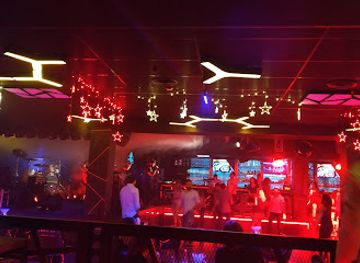
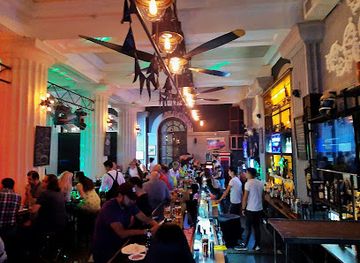
Naryn Region has little of the organised nightclub culture found in larger Central Asian cities. Evening life in Naryn and other substantial settlements centres on cafés, restaurants, tea houses and ordinary local pubs, with conversation and shared meals more prominent than late-night dancing. Some venues may show sport or provide informal music, but opening arrangements are variable and rural districts become quiet after dark. In Song-Kul, Tash Rabat and other remote areas, the evening experience is usually a yurt meal, conversation with hosts and exceptionally dark skies rather than commercial nightlife. Alcohol is available in some urban establishments, but it is not necessary to participate in local hospitality; tea is central to many social occasions. Travellers should arrange transport back to their accommodation in advance, especially outside Naryn, where taxis and mobile coverage may be limited.
-
Night club
Promzona Club
Promzona Club: Bishkek's ultimate night club destination for a vibrant nightlife experience with electrifying music and stylish ambiance.
-
Bar
Metro Pub
Experience the lively nightlife at Metro Pub in Bishkek, where great drinks and live music come together for an unforgettable evening.
-
Night club
Suzie Wong
Suzie Wong in Bishkek: A premier night club offering lively music, creative cocktails, and an unforgettable nightlife experience.
-
Disco club
Keanu
Discover the pulsating nightlife at Keanu in Bishkek, where music, dance, and vibrant crowds create unforgettable experiences.

Best shops in Naryn Region
Shopping in Naryn Region is based on practical local commerce, food products and handicrafts rather than large retail centres. Naryn city has ordinary markets and small shops where travellers can buy provisions, warm clothing and snacks before travelling into the mountains. Kochkor is the strongest place in the region for browsing felt work, including shyrdaks and other patterned textiles, although quality, provenance and prices vary and bargaining should remain courteous. Small craft workshops and community tourism projects may offer felt slippers, bags, wall hangings and other handmade goods. Local food products such as dried fruit, honey, nuts and preserved dairy items can be found seasonally, but travellers should consider transport and customs rules before buying animal products. In rural settlements, shopping opportunities are limited and often informal. Supporting makers directly, asking how an item was produced and avoiding pressure to buy are more useful approaches than looking for a dedicated souvenir district.
-
Shopping mall
Naryn Central Market
Discover the vibrant Naryn Central Market, a cultural gem in Kyrgyzstan offering unique products, delicious local cuisine, and a taste of everyday life.
-
Supermarket
Globus Balykchy
Explore the vibrant offerings of Globus Balykchy, your ultimate supermarket destination for local delights and unique souvenirs in Kyrgyzstan.
-
Grocery store
Magazin Ayzat
Discover the vibrant local flavors at Magazin Ayzat, a grocery store offering fresh produce and regional specialties in Balykchy, Kyrgyzstan.
-
Store
Karabagysh Ata
Explore the vibrant culture of Kyrgyzstan at Karabagysh Ata, where traditional crafts and unique souvenirs await every traveler.


Get your free copy of our complete guide to Naryn Region, delivered straight to you.
Everything on this page, from attractions and restaurants to essentials and local phrases, in one PDF you can read offline, print or share.
Already have an account? Sign in
Your Naryn Region guide is ready.
We'll send it to · Not you? Sign out

Getting your guide ready…
We are putting together a fresh copy of the Naryn Region guide. This can take up to a minute.
This can take a few moments. If your browser asks, choose Allow so the download can start. You'll find the guide in your Downloads folder.
Nothing happened? Download it again
Sorry, the guide is taking longer than usual. Please try again in a minute, or get it by email instead.
Naryn Region essentials
Currency and Payment
Safety
Emergency Situations
Do's and Don'ts
Local Tips
From Eve
Local phrases worth knowing
You don't need to get them perfect. A few words go a long way, and locals appreciate the effort.
Basics
| English | Local | Say it |
|---|---|---|
| Hello | Салам | [Salam] |
| Goodbye | Саубул | [Saubul] |
| Yes | Ооба | [Ooba] |
| No | Жок | [Jok] |
| Please/You're welcome | Суранам/Кечирип коюңуз | [Suranaam/Kechirip koyunuz] |
| Thank you | Рахмат | [Rahmat] |
| Excuse me/Sorry | Кечиресиз | [Kechiresiz] |
| How are you? | Сиз кандайсыз? | [Siz kandaysyz?] |
| Fine. And you? | Жакшы. Сиз? | [Jakshy. Siz?] |
| Do you speak English? | Сиз англисче сүйлөйсүзбү? | [Siz anglishe suyloysuzbu?] |
| I don't understand | Мен түшүнбөйм | [Men tushunboym] |
Eating & Drinking
| English | Local | Say it |
|---|---|---|
| I'd like to see the menu, please | Мени менюну көрүүгө бериңиз | [Meni menyunu kөrүgө beriniz] |
| I don't eat meat | Мен эт жебейм | [Men et jebeym] |
| Cheers! | Саламаттык үчүн! | [Salamattyk üchün!] |
| I would like to pay, please | Мен төлөйм, суранам | [Men tölööm, suranam] |
Emergencies
| English | Local | Say it |
|---|---|---|
| Help! | Жардам! | [Jardam!] |
| Go away! | Жогол! | [Jogol!] |
| Call the Police! | Полицияны чакырыңыз! | [Politsiyany chakyrynyz!] |
| Call a doctor! | Дарыгерди чакырыңыз! | [Darygerdi chakyrynyz!] |
| I'm lost | Мен жоголуп кеттим | [Men jogolup kettim] |
| I'm ill | Мен ооруп жатам | [Men oorup jatam] |
Shopping
| English | Local | Say it |
|---|---|---|
| I'd like to buy... | Мен сатып алгым келет... | [Men satıp algım kelet...] |
| I'm just looking | Мен жөн гана карап жатам | [Men jön gana karap jatam] |
| How much is it? | Бул канча турат? | [Bul kancha turat?] |
| That's too expensive | Бул өтө кымбат | [Bul öttö kymbat] |
| Can you lower the price? | Баасын төмөндөтсөңүз болобу? | [Baasyn tömөndötsүngüz bolobu?] |
Time & Numbers
| English | Local | Say it |
|---|---|---|
| What time is it? | Саат канча? | [Saat kancha?] |
| It's one o'clock | Бир саат | [Bir saat] |
| Half past (10) | Ондон өттү | [Ondon öttü] |
| Morning | Таң | [Tang] |
| Afternoon | Түш | [Tüsh] |
| Evening | Кечке | [Kechke] |
| Yesterday | Кечээ | [Kechее] |
| Today | Бүгүн | [Bügün] |
| Tomorrow | Эртең | [Erteŋ] |
| 1 | 1 | [1] |
| 2 | 2 | [2] |
| 3 | 3 | [3] |
| 4 | 4 | [4] |
| 5 | 5 | [5] |
| 6 | 6 | [6] |
| 7 | 7 | [7] |
| 8 | 8 | [8] |
| 9 | 9 | [9] |
| 10 | 10 | [10] |
Transport & Directions
| English | Local | Say it |
|---|---|---|
| Where's a/the...? | Кайда ...? | [Kayda ...?] |
| What's the address? | Адреси кандай? | [Adresi kanday?] |
| Can you show me (on the map)? | Маған көрсөңүз (картадан)? | [Mağan körsoŋüz (kartadan)?] |
| When's the next (bus)? | Кийинки (автобус) качан? | [Kiyinki (avtobus) kachan?] |
| A ticket (to ....) | Билет (....га) | [Bilet (....ga)] |
History of Naryn Region
Early pastoral cultures and petroglyph landscapes
The valleys and high pastures of present-day Naryn have long been used by mobile herding communities. Archaeological remains across the wider Tien Shan include burial sites, stone monuments and traces of seasonal movement, reflecting economies based on horses, sheep, cattle and yaks. Much of the region’s early history is understood through landscapes rather than large permanent cities. Mountain passes and pasture corridors later helped connect communities across what is now Kyrgyzstan, while oral traditions preserved memories of ancestry, migration and heroic figures.
Silk Road routes through the Tien Shan
Naryn’s valleys formed part of the network of routes crossing the Tien Shan between Central Asia and China. These were not a single fixed road but a shifting system of passes, river corridors and caravan stopping points. Tash Rabat, a stone caravanserai in the At-Bashy district, is the region’s most visible surviving monument to this history. Its vaulted chambers provided shelter for travellers and animals, illustrating the practical infrastructure that made long-distance trade possible in a demanding mountain environment.
Kyrgyz nomadic confederations and regional traditions
For centuries, the region was shaped by Kyrgyz clans and other Central Asian political powers whose influence varied with changing alliances, warfare and control of pasture routes. Seasonal migration between winter settlements and summer jailoo formed the economic basis of life in many valleys. The Manas tradition, preserved through epic performance and oral culture, remains an important part of Kyrgyz identity, although its stories extend far beyond Naryn. Horse culture, felt work, hospitality and pastoral customs are among the historical legacies still visible today.
Russian imperial expansion and new administration
Russian influence expanded into the Kyrgyz lands during the nineteenth century, bringing new administrative structures and closer integration with the wider imperial economy. Control over mountain routes and settlements altered existing political relationships, while migration and state regulation affected access to pasture. Naryn became an important administrative and communications centre in the highlands. The period was not a simple replacement of local life: established Kyrgyz institutions and pastoral practices continued, but increasingly operated within an external system of taxation, authority and trade.
Soviet collectivisation and settled infrastructure
During the Soviet period, pastoral production was reorganised through collective and state farms. Roads, schools, clinics and administrative settlements expanded, while livestock management and seasonal movement were brought under state planning. Naryn city acquired much of its modern urban form during this era, including utilitarian public buildings and apartment blocks along the river valley. Collectivisation disrupted older patterns of landholding and decision-making, but livestock herding, yurts and summer pasture use survived in adapted forms and remain central to the region’s identity.
Independence and the revival of mountain tourism
Since Kyrgyzstan became independent in 1991, Naryn Region has combined a difficult rural economy with growing interest in ecotourism, community-based tourism and heritage travel. Families and local associations have developed yurt stays, horse trekking and guided journeys to Song-Kul, Tash Rabat and other remote areas. Tourism provides supplementary income but remains seasonal and vulnerable to poor roads, severe weather and limited infrastructure. Contemporary Naryn is therefore best understood as a region where older pastoral practices coexist with small-scale, locally organised tourism.
Naryn Region in Photos
Browse through our photo collection highlighting the charm and character of the destination.
Neighbouring regions of Naryn Region
The closest regions to Naryn Region, if you have time for more than one.
-

-

-

-

-


Swipe for more regions
Explore more
Explore more of Kyrgyzstan
Discover Kyrgyzstan: A land of majestic mountains, nomadic traditions, and rich history in the heart of Central Asia.
Explore Kyrgyzstan