
Big Almaty Lake, Kazakhstan Travel Guide
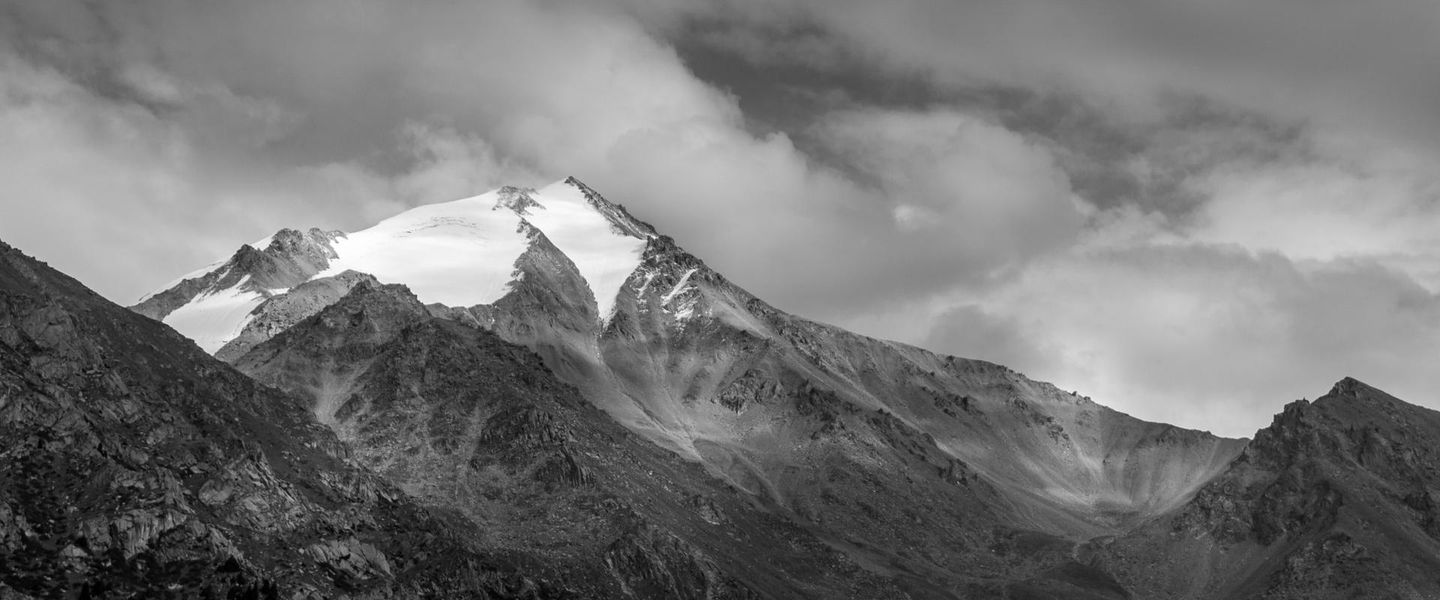
Discover the breathtaking beauty and serene atmosphere of Big Almaty Lake, a hidden gem in Kazakhstan's Ile-Alatau National Park, just a short drive from Almaty.
Nestled in the mountains of the Ile-Alatau National Park, Big Almaty Lake is a turquoise gem that attracts nature lovers and adventure seekers alike. This pristine alpine lake is situated at an altitude of 2,511 meters above sea level and is surrounded by majestic peaks that reach up to 4,000 meters. The lake's vibrant blue and green hues change with the seasons, providing a stunning backdrop for any visit. Big Almaty Lake was formed by a long-ago glacier, and its serene waters are fed by streams from the surrounding peaks. The lake is not only a natural wonder but also an essential water source for the city of Almaty. Just a short drive from the city, it offers a perfect escape from the hustle and bustle, allowing visitors to immerse themselves in the tranquility of nature. The area around Big Almaty Lake offers plenty of hiking trails and picnic spots, making it an ideal destination for outdoor enthusiasts. In the warmer months, visitors can enjoy walks along the lake's shores, while in winter, the snow-covered landscape transforms the area into a picturesque wonderland. The clear, crisp air and stunning views make every visit to Big Almaty Lake a memorable experience.

Know before you go
Hi, I'm Eve. Here are a few practical things to know before exploring Big Almaty Lake.
- Visit early in the morning to avoid crowds and enjoy the peaceful atmosphere.
- Wear comfortable hiking shoes and bring layers, as the weather can change quickly in the mountains.
- Pack a picnic and enjoy a meal with a view at one of the many scenic spots around the lake.
- Check the weather forecast before your visit, especially in winter, as roads can be icy and slippery.
- Consider hiring a local guide if you plan to explore the surrounding trails for added safety and local insights.
Explore Big Almaty Lake: Things to Do, Places to Eat, Hotels & More
Handpicked recommendations for top attractions, local dining, accommodations, and more

Best attractions in Big Almaty Lake
Top-rated picks
Best Attractions

Ile-Alatau National Park
Explore the breathtaking beauty of Ile-Alatau National Park, a natural paradise with majestic mountains, diverse wildlife, and year-round outdoor adventures.

Shymbulak
Discover Shymbulak Ski Resort: A year-round adventure paradise in the Tien Shan mountains, offering skiing, ATV rentals, and breathtaking views of Almaty.

Kok Tobe
Experience the enchanting views and vibrant atmosphere at Kok Tobe, Almaty’s premier mountain park and tourist attraction.

Almaty Zoo
Explore Almaty Zoo, a wildlife paradise in Almaty, showcasing over 300 animal species and promoting conservation awareness in a stunning natural setting.

Best landmarks in Big Almaty Lake
Top-rated picks
Best Landmarks

Ile-Alatau National Park
Explore the breathtaking beauty of Ile-Alatau National Park, a natural wonder near Almaty, Kazakhstan, filled with adventure and stunning landscapes.

Abay Kunanbaiuly Monument
Explore the Abay Kunanbaiuly Monument in Almaty, a cultural landmark celebrating Kazakhstan's literary heritage amid serene gardens.

Alma-Arasan
Explore the tranquil beauty of Alma-Arasan, a hidden natural gem in Almaty, Kazakhstan, perfect for outdoor adventures and peaceful escapes.

Almaty Television Tower
Discover the breathtaking views of Almaty from the iconic Almaty Television Tower, a symbol of modern engineering and architectural beauty.

Best restaurants in Big Almaty Lake
Top-rated picks
Best Restaurants

Navat
Experience authentic Asian cuisine at Navat in Almaty—where flavors come alive in a vibrant dining atmosphere.

Kishlak
Experience authentic Uzbek cuisine at Kishlak in Almaty - where tradition meets flavor in every dish.

Pinta Kazakhstan
Discover Pinta Kazakhstan: A unique blend of local flavors and international cuisine in a vibrant setting at the heart of Almaty.

Line Brew Almaty
Discover exceptional steaks and delightful ambiance at Line Brew Almaty - where every meal is a celebration of flavor.

Best bars in Big Almaty Lake
Top-rated picks
Best Bars

Chechil Розыбакиева
Experience the vibrant flavors of Almaty at Chechil Розыбакиева, a lively gastropub with delicious food, craft beers, and live music.

Guinness Pub
Discover the vibrant atmosphere and authentic Irish cuisine at Guinness Pub, the perfect spot for socializing and enjoying great drinks in Almaty.

Barmaglot Bar
Discover the vibrant nightlife of Almaty at Barmaglot Bar, where great drinks and a lively atmosphere await you.

Mongol Bar
Experience the heart of Kazakh culture with unique local drinks and a lively atmosphere at Mongol Bar in Almaty.

Best nightclubs in Big Almaty Lake
Top-rated picks
Best Nightclubs

Ukho I Medved' Na Kurmangazy
Discover the ultimate karaoke experience in Almaty at Ukho I Medved' Na Kurmangazy, where every night is a celebration of music and fun.

Tantsy
Experience the vibrant nightlife of Almaty at Tantsy, where lively music and unique cocktails create unforgettable memories.

Zhest'
Discover the pulsating nightlife of Almaty at Zhest', a modern night club offering unforgettable music, dance, and a vibrant atmosphere.

Barviha Bar
Discover Almaty's hottest nightlife at Barviha Bar, where vibrant energy meets expertly crafted cocktails in a stylish setting.

Best shops in Big Almaty Lake
Top-rated picks
Best Shops

MEGA Alma-Ata
Experience the ultimate shopping and entertainment destination in Almaty at MEGA Alma-Ata, where style and fun meet in a vibrant atmosphere.

MEGA Park
Experience shopping like never before at MEGA Park, Almaty's top destination for retail therapy, dining, and family fun.

Almaty Mall
Discover the vibrant shopping, dining, and entertainment scene at Almaty Mall, the premier destination for tourists in Almaty, Kazakhstan.

Silk Way City
Discover Silk Way City: Almaty's premier shopping mall offering a blend of luxury, local shops, and global cuisines in a vibrant setting.

Explore Big Almaty Lake on the Map
A handpicked selection of must-see spots in Big Almaty Lake, mapped for you.
Big Almaty Lake Essentials
-
Big Almaty Lake is located about 15 kilometers south of Almaty, Kazakhstan. The nearest international airport is Almaty International Airport (ALA), which is well-connected to major cities around the world. From the airport, you can take a taxi or use ride-hailing services to reach the lake. Alternatively, you can hire a car for more flexibility. Public buses also operate from Almaty city center to the lake, though they may require a transfer or two.
-
To get around the Big Almaty Lake area, you have several options. Taxis and ride-hailing services like Yandex.Taxi are widely available and can be a convenient way to travel. Renting a car is another good option, especially if you plan to explore surrounding areas. Public buses and minibuses (marshrutkas) are cheaper alternatives but may not be as frequent or convenient. For those who enjoy hiking, many trails around the lake are accessible on foot.
-
The official currency in Kazakhstan is the Kazakhstani Tenge (KZT). Credit cards are accepted in many hotels, restaurants, and shops in Almaty, but it's advisable to carry cash for smaller establishments and when traveling to more remote areas like Big Almaty Lake. ATMs are available in Almaty, so it's a good idea to withdraw sufficient cash before heading to the lake.
-
Big Almaty Lake is generally a safe destination for tourists. However, it's always wise to take standard precautions. Avoid walking alone at night in unfamiliar areas and keep an eye on your belongings in crowded places. While the area around the lake is relatively safe, be cautious of pickpockets in Almaty city center. It's also advisable to stay on marked trails while hiking to avoid getting lost.
-
In case of emergency, dial 112 for immediate assistance. The nearest medical facilities are in Almaty, approximately 15 kilometers away. It is recommended to have travel insurance that covers medical emergencies. For minor health issues, there are pharmacies in Almaty where you can purchase over-the-counter medications.
-
Fashion: Do dress in layers, as the weather can change rapidly. Avoid wearing flashy or overly revealing clothing. Religion: Do respect local customs and traditions, especially when visiting religious sites. Public Transport: Do be courteous and offer your seat to elderly passengers. Don’t eat or drink on public transport. Greetings: Do greet people with a handshake and a smile. Eating & Drinking: Do try local dishes and accept food offerings graciously. Don’t refuse hospitality, as it is considered impolite.
-
To experience Big Almaty Lake like a local, visit during the weekdays when it's less crowded. Bring a picnic and enjoy it by the lakeside. Engage with locals; they are often friendly and willing to share stories about the area. Don't miss the opportunity to hike to the nearby observatory for stunning views. Lastly, always carry a reusable water bottle to stay hydrated, as the altitude can make you feel thirsty more quickly.
When is the best time to visit Big Almaty Lake?
Useful Local Phrases for Big Almaty Lake
You don't need to speak the language perfectly. Even learning a few simple words can make conversations warmer—and locals usually appreciate the effort.
— Eve

Here are the phrases I use most often in Big Almaty Lake. Try a few—you'll be surprised how far they go! 😊
❤️
-
- HelloСәлем
[Salem] - GoodbyeҚош келдіңіз
[Qoş keldiniz] - YesИя
[Iya] - NoЖоқ
[Joq] - Please/You're welcomeРахмет
[Rahmet] - Thank youРахмет сізге
[Rahmet sizge] - Excuse me/SorryКешіріңіз
[Keshiriniz] - How are you?Қалайсыз?
[Qalaisiz?] - Fine. And you?Жақсым. Сіздер көндіңіз бе?
[Jaqsım. Sіzder köndiniz be?] - Do you speak English?Сіз ағылшынша сөйлейсіз бе?
[Sіz ağılşınşa söylesiz be?] - I don't understandМен түсінбемін
[Men tüsinbemin]
- HelloСәлем
-
- I'd like to see the menu, pleaseКестені көрсетіңіз
[Kesteni körsetiniz] - I don't eat meatМен мақсақ ашпаймын
[Men maqsаq ashpaymın] - Cheers!Тәртіп
[Tärtip] - I would like to pay, pleaseТөлеуге беріңіз
[Töleuge beriniz]
- I'd like to see the menu, pleaseКестені көрсетіңіз
-
- Help!Көмек!
[Kömek!] - Go away!Артыңда бол!
[Artynda bol!] - Call the Police!Полицияға қоңырау шақырыңыз
[Politsiyaga qońırau şaqırınız] - Call a doctor!Дәрігерге қоңырау шақырыңыз
[Därigerge qońırau şaqırınız] - I'm lostМен алып тастаушымын
[Men alıp tastawşımın] - I'm illМен аурулымын
[Men aurulımın]
- Help!Көмек!
-
- I'd like to buy...Сатып алуға қалаймын
[Satıp aluğa qalaimın] - I'm just lookingТек көріп жатамын
[Tek körip jatamın] - How much is it?Ол қанша болады
[Ol qanşa bolady] - That's too expensiveОл тым дорын
[Ol tım dorın] - Can you lower the price?Құнды төмендеуге болады ма?
[Qundy tömendeuge bolady ma?]
- I'd like to buy...Сатып алуға қалаймын
-
- What time is it?Қанша уақыт?
[Qanşa waqıt?] - It's one o'clockБір уақытта
[Bir waqıtta] - Half past (10)Ондай жарым
[Onday jarım] - MorningТаң
[Tań] - AfternoonКеш
[Keş] - EveningКешкі
[Keşki] - YesterdayКеше
[Keşe] - TodayБүгін
[Bugin] - TomorrowЕртең
[Erteñ] - 1Бір
[Bir] - 2Екі
[Eki] - 3Үш
[Üsh] - 4Төрт
[Tört] - 5Бес
[Bes] - 6Алты
[Altı] - 7Жеті
[Jeti] - 8Сегіз
[Segiz] - 9Тоғыз
[Toğız] - 10Он
[On]
- What time is it?Қанша уақыт?
-
- Where's a/the...?...қайда?
[...qayda?] - What's the address?Мекен-жайы қандай?
[Meken-jayı qanday?] - Can you show me (on the map)?(Картада) көрсетесіз бе?
[(Kartada) körsesiz be?] - When's the next (bus)?Келесі (автобус) кетпейтін кезде?
[Kelesi (avtobus) ketpeytin kezde?] - A ticket (to ....)(....қа) билет
[(....qa) bilet]
- Where's a/the...?...қайда?
History of Big Almaty Lake
-
Big Almaty Lake, locally known as Bolshoye Almatinskoye Ozero, is a natural alpine reservoir formed as a result of seismic activity in the region. Nestled in the Trans-Ili Alatau mountains, the lake sits at an elevation of approximately 2,511 meters above sea level. The lake's basin was carved out by glacial movements, leaving behind a stunning turquoise body of water surrounded by rugged peaks.
-
The area around Big Almaty Lake was once part of the ancient Silk Road, a network of trade routes connecting the East and West. Merchants and travelers would pass through the Trans-Ili Alatau mountains, bringing with them goods, culture, and knowledge. The lake likely served as a crucial water source for caravans making their arduous journey across Central Asia.
-
During the Soviet era, the region around Big Almaty Lake gained importance as a site for scientific research. The Big Almaty Lake Observatory was established in 1957 on the Tien Shan mountains nearby to study cosmic phenomena. Astronomers and scientists from the Soviet Union utilized the clear skies and high altitude to conduct significant astronomical observations.
-
Big Almaty Lake holds cultural significance for the local Kazakh people. The lake and its surroundings are often associated with folklore and tales passed down through generations. The serene and mystical landscape has inspired poets, artists, and writers, making it a source of cultural pride and heritage.
-
In recent decades, Big Almaty Lake has emerged as a popular tourist destination. The development of infrastructure, such as hiking trails and scenic viewpoints, has made it accessible for visitors from around the world. The lake is a favorite spot for outdoor activities like trekking, picnicking, and photography, attracting nature enthusiasts and adventure seekers alike.
Neighbouring destination travel guides
Browse our curated selection of top destinations, scenic points, and must-visit spots in the area.


Your all‑in‑one travel companion app
Explore expert travel guides, compare and book tours, experiences, hotels, and more—all from the palm of your hand. Download now for seamless trip planning wherever your wanderlust takes you.


Explore More of Trans-Ili Alatau
Looking beyond Big Almaty Lake? Discover Trans-Ili Alatau for broader travel guides, local hot-spots, and regional highlights.
Explore Trans-Ili AlatauExplore More of Kazakhstan

Looking beyond Big Almaty Lake? Discover Kazakhstan for broader travel guides, local hot-spots, and regional highlights.
Explore KazakhstanBig Almaty Lake in Photos
Browse through our photo collection highlighting the charm and character of the destination.




The Enchanting Beauty of Big Almaty Lake
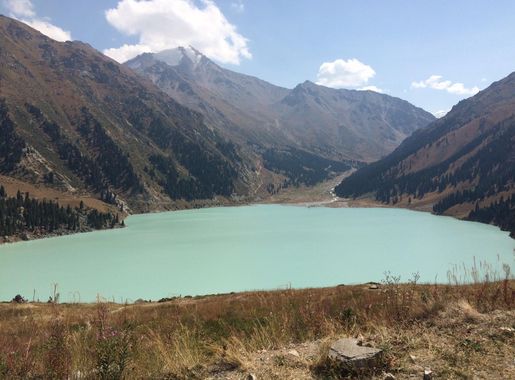
Nestled in the mountains of the Ile-Alatau National Park, Big Almaty Lake is a turquoise gem that attracts nature lovers and adventure seekers alike. This pristine alpine lake is situated at an altitude of 2,511 meters above sea level and is surrounded by majestic peaks that reach up to 4,000 meters. The lake's vibrant blue and green hues change with the seasons, providing a stunning backdrop for any visit. Big Almaty Lake was formed by a long-ago glacier, and its serene waters are fed by streams from the surrounding peaks. The lake is not only a natural wonder but also an essential water source for the city of Almaty. Just a short drive from the city, it offers a perfect escape from the hustle and bustle, allowing visitors to immerse themselves in the tranquility of nature. The area around Big Almaty Lake offers plenty of hiking trails and picnic spots, making it an ideal destination for outdoor enthusiasts. In the warmer months, visitors can enjoy walks along the lake's shores, while in winter, the snow-covered landscape transforms the area into a picturesque wonderland. The clear, crisp air and stunning views make every visit to Big Almaty Lake a memorable experience.