

Free Vang Vieng Travel Guide & Mobile App
Plan your Vang Vieng trip with Evendo. Get free guides to top attractions, restaurants, hotels, and bars. Web access or download the mobile app.


Vang Vieng, Laos combines Nam Song riverside scenery, limestone karst, caves, lagoons and outdoor adventures with relaxed small-town culture and local food.
Karst Landscapes and River Life
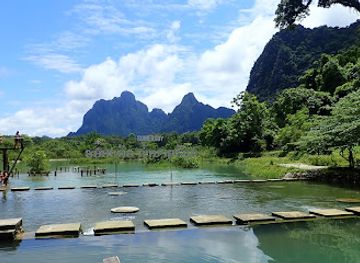
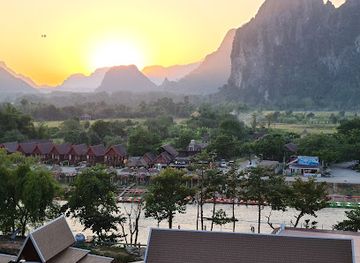
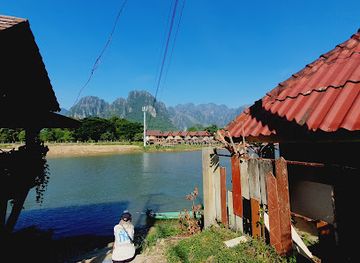
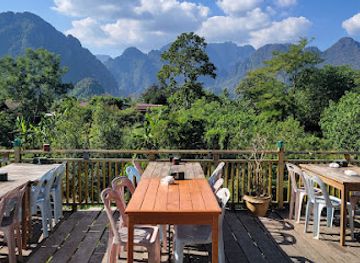
Vang Vieng lies in central Laos between Vientiane and Luang Prabang, where the Nam Song winds past rice fields, jungle-covered hills and dramatic limestone karst. The town itself is modest, but its setting creates an unusually concentrated landscape of caves, cliffs, lagoons and river viewpoints. At dawn, mist often gathers around the mountains, while late afternoon brings warm light across the fields and water.Read more about Vang Vieng
A Small Town with an Adventurous Spirit
Laotian Countryside and Contemporary Tourism
When is the best time to visit Vang Vieng?
Best: December–February · 28–29°C| Month | High (°C) | Rainfall (mm) |
|---|---|---|
| January (best) | 29 | 9 |
| February (best) | 29 | 34 |
| March | 33 | 76 |
| April | 36 | 192 |
| May | 36 | 340 |
| June | 36 | 489 |
| July | 35 | 502 |
| August | 35 | 472 |
| September | 34 | 304 |
| October | 33 | 127 |
| November | 31 | 49 |
| December (best) | 28 | 8 |
Getting to and around Vang Vieng
How to get there
Transportation
Best attractions in Vang Vieng
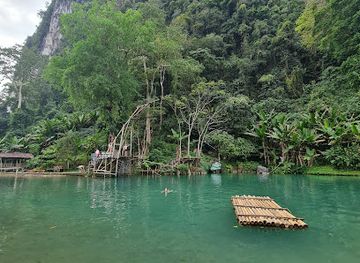
Vang Vieng’s principal attractions lie in the valley surrounding the town, where the Nam Song passes beneath steep limestone formations. Tham Chang, reached across a bridge and a climb from the riverside area, is one of the best-known caves and offers elevated views over the settlement. The Blue Lagoon area combines swimming with access to Tham Phu Kham, while other lagoons and cave systems are scattered among nearby villages and farmland. Viewpoints on the karst hills provide broad panoramas, though approaches vary from manageable walks to steep ascents requiring care. Kayaking, tubing and paddle excursions reveal the river corridor from a different perspective, and hot-air-balloon flights offer an aerial view when conditions permit. Rural roads around Vang Vieng lead past rice fields, bamboo bridges and small communities, making cycling or a guided drive a useful complement to the more heavily visited sites.
-
Swimming lake
Blue Lagoon 1 and Phu Kham Cave Vang Vieng
Experience the natural beauty of Blue Lagoon 1 and Phu Kham Cave in Vang Vieng, where adventure and tranquility await in stunning landscapes.
17 min drive · 5.7 km from city centre
-
Tourist attraction
Blue Lagoon 3
Experience the tranquil beauty of Blue Lagoon 3 in Vangvieng, Laos, where crystal-clear waters meet breathtaking natural landscapes.
32 min drive · 12 km from city centre
-
Observation deck
Nam Xay Viewpoint
Experience the stunning landscapes from Nam Xay Viewpoint, an observation deck offering breathtaking views of Laos' natural beauty.
20 min drive · 6.6 km from city centre
-
Tourist attraction
Tham Chang
Discover the enchanting Tham Chang cave in Vang Vieng, Laos, a natural marvel with stunning formations and breathtaking views, perfect for adventurers.
6 min drive · 2.0 km from city centre


Best landmarks in Vang Vieng
Vang Vieng’s most recognisable landmarks are closely tied to its landscape and Buddhist heritage. Wat That, near the centre, is a local religious landmark whose temple buildings and sacred grounds provide a quieter counterpoint to the activity businesses around town. Tham Chang is both a natural monument and a historic place of refuge associated with the area’s wartime past, reached by a stairway above the river plain. The Nam Song itself is a defining geographical landmark, threading between fields and limestone cliffs that have become inseparable from Vang Vieng’s identity. The karst formations around Pha Ngern and other local viewpoints form a dramatic natural skyline, while bridges across the river mark important routes between the town and surrounding villages. Together, these places show how geology, Buddhist practice, rural settlement and modern tourism overlap in the town’s physical character.
-
Swimming lake
Blue Lagoon 1 and Phu Kham Cave Vang Vieng
Discover turquoise waters & a sacred cave in Vang Vieng. Swim, explore, and relax at Blue Lagoon 1 and Phu Kham Cave!
17 min drive · 5.7 km from city centre
-
Hotel
Amari Vang Vieng
Riverside hotel in Vang Vieng, Laos, offering modern rooms, stunning views, and easy access to local attractions and adventure.
4 min walk · 0.3 km from city centre
-
Tourist attraction
Blue Lagoon 3
Discover a serene escape at Blue Lagoon 3 in Vang Vieng: swim in turquoise waters, explore caves, and enjoy Laos' stunning natural beauty.
32 min drive · 12 km from city centre
-
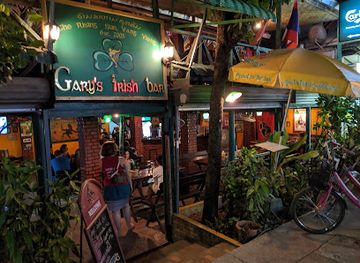
Irish pub
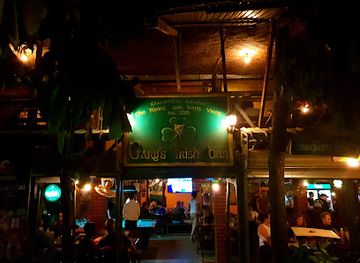
Gary's Irish Bar - The Rising Sun
Experience Irish hospitality in Laos with traditional food, cold drinks, live music, and a friendly atmosphere in the heart of Vang Vieng.
2 min walk · 0.2 km from city centre
Explore Vang Vieng on the map
Plan your Vang Vieng trip on one map. See where the top attractions, landmarks, restaurants, bars and hotels are, find what's near where you're staying, and book hotels and experiences in a few clicks.
Best hotels in Vang Vieng
Best restaurants in Vang Vieng
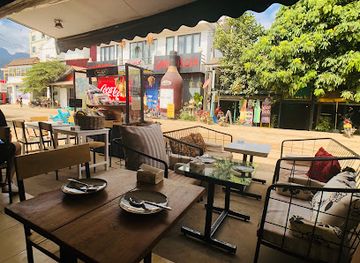
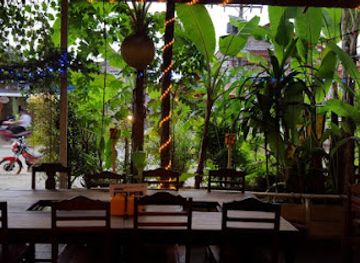
Vang Vieng’s food scene reflects central Lao cooking alongside dishes adapted for an international travelling population. Local restaurants and market stalls serve sticky rice, grilled chicken, river fish, papaya salad, noodle soups and herb-heavy Lao dishes, while roadside kitchens often provide simple plates suited to the town’s outdoor lifestyle. Riverside and central eateries also offer Thai, Vietnamese and Western food, including familiar options for visitors staying several days. Fresh fruit shakes, coffee and casual breakfasts are widely available, and grilled snacks can be found around market areas and busy streets. Dining beyond the main tourist strip gives a better sense of everyday flavours, but visitors should expect menus and opening patterns to change with the season. Food ordered with a request for less chilli may still contain strong herbs or spice, so clear communication is useful.
-
Irish pub
Gary's Irish Bar - The Rising Sun
Discover the heartwarming ambiance of Gary's Irish Bar - The Rising Sun in Vang Vieng; where authentic Irish hospitality meets vibrant local culture.
2 min walk · 0.2 km from city centre
-
Thai
Happy Mango Thai Restaurants
Experience authentic Thai flavors at Happy Mango Restaurant in Vang Vieng – where culinary delight meets local charm.
3 min walk · 0.2 km from city centre
-
Laotian
Green Restaurant
Experience authentic Laotian flavors in Vang Vieng at Green Restaurant - your gateway to delightful local cuisine.
4 min walk · 0.3 km from city centre
-
Barbecue
Peeping Som's
Discover mouthwatering barbecue delights at Peeping Som's in Vang Vieng - where flavor meets fun!
1 min walk · 0.1 km from city centre
Best bars in Vang Vieng
Vang Vieng’s evening scene is more relaxed and less concentrated than its former reputation suggests. The town has casual bars, riverside terraces and restaurants where travellers gather after outdoor activities, with music and social drinking most noticeable around the central tourist streets. Some venues show live or recorded international entertainment, while smaller establishments provide quieter places for beer, cocktails or conversation. The old tubing-party culture was significantly curtailed after safety reforms, and visitors should not assume that the former riverside sequence of bars still operates in its earlier form. Nightlife outside the centre is limited, and poorly lit roads make walking or riding after dark a matter for caution. Cultural evenings and sunset views along the Nam Song can be more characteristic of contemporary Vang Vieng than large nightclubs.
-
Bar
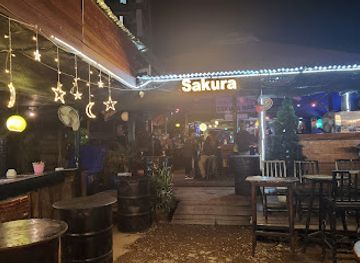
SAKURA BAR
Experience the vibrant nightlife of Vang Vieng at Sakura Bar, where refreshing drinks and a friendly atmosphere await you.
2 min walk · 0.2 km from city centre
-
Irish pub
Gary's Irish Bar - The Rising Sun
Savor authentic Irish cuisine and drinks in the heart of Vang Vieng at Gary's Irish Bar - The Rising Sun, where every night feels like a celebration.
2 min walk · 0.2 km from city centre
-
Bar
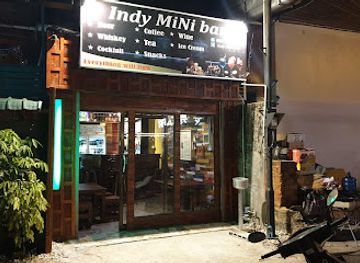
Indy mini bar
Experience the vibrant nightlife at Indy Mini Bar in Vang Vieng, where great drinks and a friendly atmosphere come together.
2 min walk · 0.2 km from city centre
-
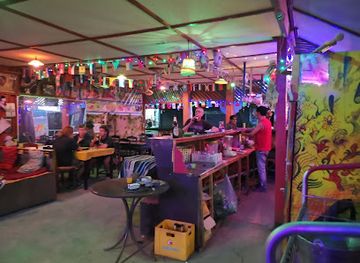
Bar
Jaidee's Bar & Restaurant
Discover the lively atmosphere of Jaidee's Bar & Restaurant in Vang Vieng, where fun, food, and drinks come together for an unforgettable night.
3 min walk · 0.3 km from city centre
Best nightclubs in Vang Vieng
Vang Vieng’s evening scene is more relaxed and less concentrated than its former reputation suggests. The town has casual bars, riverside terraces and restaurants where travellers gather after outdoor activities, with music and social drinking most noticeable around the central tourist streets. Some venues show live or recorded international entertainment, while smaller establishments provide quieter places for beer, cocktails or conversation. The old tubing-party culture was significantly curtailed after safety reforms, and visitors should not assume that the former riverside sequence of bars still operates in its earlier form. Nightlife outside the centre is limited, and poorly lit roads make walking or riding after dark a matter for caution. Cultural evenings and sunset views along the Nam Song can be more characteristic of contemporary Vang Vieng than large nightclubs.
-
Bar
SAKURA BAR
Experience the vibrant nightlife at Sakura Bar in Vang Vieng, where affordable drinks and a lively atmosphere await every traveler.
2 min walk · 0.2 km from city centre
-
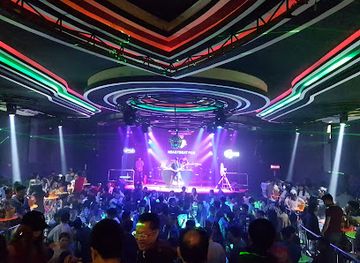
Disco club
Heart Beat Club
Discover the energetic vibe of Heart Beat Club in Vang Vieng, where unforgettable nights of dance and music await every visitor.
7 min drive · 2.4 km from city centre
-
Bar
Jaidee's Bar & Restaurant
Experience the laid-back vibe of Jaidee's Bar & Restaurant, where delicious food meets refreshing drinks in the heart of Vang Vieng, Laos.
3 min walk · 0.3 km from city centre
-
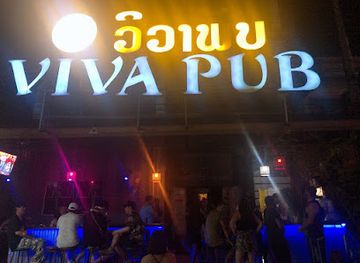
Night club
Viva Pub
Viva Pub: Dive into Vang Vieng's vibrant nightlife with electrifying music and unforgettable dance experiences.
1 min walk · 0.1 km from city centre

Best shops in Vang Vieng
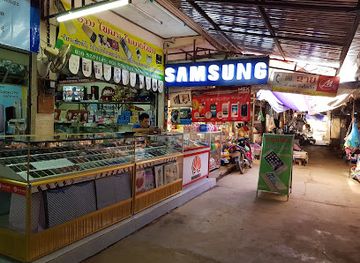
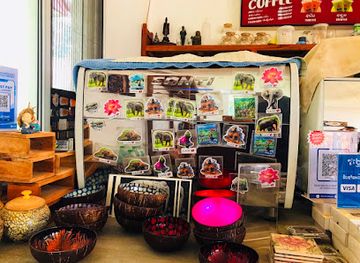
Shopping in Vang Vieng is modest and practical rather than centred on large retail districts. Small markets and roadside stalls sell fruit, snacks, clothing, woven goods and everyday supplies, while tourist-oriented shops offer Lao coffee, textiles, handicrafts, woven bags and souvenirs connected with the country’s rural traditions. The central streets have convenience shops, pharmacies and small boutiques serving visitors, but the most distinctive purchases are generally found through independent stalls rather than branded retail. Lao textiles and handmade products vary in quality and provenance, so asking politely about their origin is sensible. Edible gifts such as coffee, tea and packaged snacks are easier to transport than fragile crafts. Shopping also extends to the evening food stalls, where local produce and grilled dishes provide a glimpse of the town’s daily commerce.
-
Market
Vang Vieng Morning Market
Explore the vibrant Vang Vieng Morning Market, a cultural haven filled with local flavors, fresh produce, and authentic Laotian crafts.
5 min drive · 1.7 km from city centre
-
Coffee shop
Hom Coffee & Eatery
Experience the perfect blend of local culture and exquisite coffee at Hom Coffee & Eatery in Vang Vieng, a true gem for every traveler.
11 min walk · 0.9 km from city centre
-
Supermarket
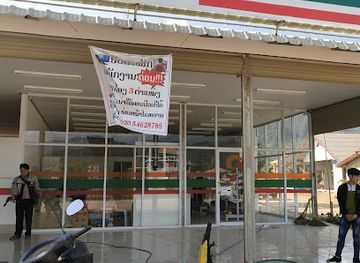
9ວັງວຽງ
Explore local flavors and essentials at 9ວັງວຽງ Supermarket in Vang Vieng, your one-stop shop for all your travel needs.
6 min drive · 2.1 km from city centre
-
Tattoo shop
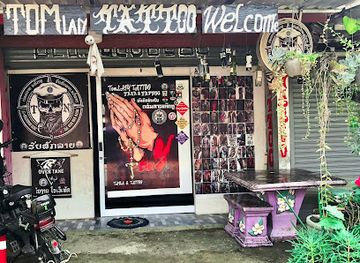
Tom Tattoo
Discover the artistry of Tom Tattoo in Vang Vieng, where your travel story turns into a beautiful piece of body art.
13 min walk · 1.0 km from city centre
Get your free copy of our complete guide to Vang Vieng, delivered straight to you.
Everything on this page, from attractions and restaurants to essentials and local phrases, in one PDF you can read offline, print or share.
Already have an account? Sign in
Your Vang Vieng guide is ready.
We'll send it to · Not you? Sign out

Getting your guide ready…
We are putting together a fresh copy of the Vang Vieng guide. This can take up to a minute.
This can take a few moments. If your browser asks, choose Allow so the download can start. You'll find the guide in your Downloads folder.
Nothing happened? Download it again
Sorry, the guide is taking longer than usual. Please try again in a minute, or get it by email instead.
Vang Vieng essentials
Currency and Payment
Safety
Emergency Situations
Do's and Don'ts
Local Tips
From Eve
Local phrases worth knowing
You don't need to get them perfect. A few words go a long way, and locals appreciate the effort.
Basics
| English | Local | Say it |
|---|---|---|
| Hello | ສະບາຍດີ | [sa bai dee] |
| Goodbye | ວັດຖຸດິບ | [wad tu bi] |
| Yes | ຮີບ | [hai] |
| No | ບໍ່ | [bo] |
| Please/You're welcome | ກະລຸນາ | [ka lai na] |
| Thank you | ຂອບໃໝ່ | [kop jai] |
| Excuse me/Sorry | ຂໍອະຮັດ | [kho hai dat] |
| How are you? | ເຈົ້າໄດ້ບໍ? | [jao dai bo?] |
| Fine. And you? | ເຈົ້າໄດ້ດີ. ແລ່ນເຈົ້າ? | [jao dai dee. lai jao?] |
| Do you speak English? | ເຈົ້າເວ້ຍດຽວດິບອັບຕະດີບ? | [jao wen dai bo an ta dai bi?] |
| I don't understand | ຂໍອະຮັດ | [kho hai dat] |
Eating & Drinking
| English | Local | Say it |
|---|---|---|
| I'd like to see the menu, please | ຂ້ອຍຮັດແບບອາຫານອາດມີບໍ? | [koi hat baan ad mi bo?] |
| I don't eat meat | ຂໍອະຮັດຮາກຊະບອດ | [kho hai haak sa bawt] |
| Cheers! | ຂະຣຽດຂະຫນາດ! | [saai gan naat] |
| I would like to pay, please | ຂໍອະຮັດຈ້າງນ້ອຍອາດມີບໍ? | [kho hai chang noi ad mi bo?] |
Emergencies
| English | Local | Say it |
|---|---|---|
| Help! | ຊ່ວຍ! | [suay] |
| Go away! | ທົດອອກ! | [to ok] |
| Call the Police! | ເອີ້ນທືກໄຕດີບ! | [oen thuak tai dai bawt] |
| Call a doctor! | ເອີ້ນທືກຫ້ອງພົ້ມ! | [oen thuak hong phom] |
| I'm lost | ຂໍອະຮັດໃຫມ່ | [kho hai mai] |
| I'm ill | ຂໍອະຮັດເຈັບ | [kho hai jap] |
Shopping
| English | Local | Say it |
|---|---|---|
| I'd like to buy... | ຂໍອະຮັດຊື່ການຊື້... | [kho hai seu kan seu...] |
| I'm just looking | ຂໍອະຮັດຕິດອົງ | [kho hai dit hong] |
| How much is it? | ມູนັນນີ້ເດືອນ? | [mun ni deuan?] |
| That's too expensive | ນີ້ໂຫຼດແມ່ນ້ອຍ | [ni haw lot mai noi] |
| Can you lower the price? | ເຈົ້າໄດ້ບໍລິດລາຍແລ່ນຫຼາຍແມ່ນ້ແຕ່ບໍ? | [jao dai bo lid lai lai noi tae bo?] |
Time & Numbers
| English | Local | Say it |
|---|---|---|
| What time is it? | ຄິວເຕີດແລ້ວ? | [ki wat leo?] |
| It's one o'clock | ເຈົ້າໄດ້ເມື່ອກ່ອນ | [jao dai muen gorn] |
| Half past (10) | ສິບກະເຊືອ | [sip ka set] |
| Morning | ພືດ | [phet] |
| Afternoon | ຕານ | [taan] |
| Evening | ເຈົ້າໄດ້ທ່ອງ | [jao dai tong] |
| Yesterday | ມື້ວານ | [me wan] |
| Today | ມື້ນີ້ | [me ni] |
| Tomorrow | ມື້ອື່ນ | [me un] |
| 1 | ໜຶ່ງ | [neung] |
| 2 | ສອງ | [song] |
| 3 | ສາມ | [sam] |
| 4 | ສີ່ | [see] |
| 5 | ຫ້າ | [ha] |
| 6 | ຫົກ | [hok] |
| 7 | ແປດ | [paet] |
| 8 | ແຈນ | [jao] |
| 9 | ເກົາ | [gao] |
| 10 | ສາມາດ | [sam saad] |
Transport & Directions
| English | Local | Say it |
|---|---|---|
| Where's a/the...? | ຢາກຕາມນີ້...? | [yaak tam ni...?] |
| What's the address? | ຢາກຊື່ພາບນີ້? | [yaak seu paab ni?] |
| Can you show me (on the map)? | ເຈົ້າໄດ້ສະເພາະຂອງເຈົ້າອອກບອນນີ້ບໍ? | [jao dai sa bpeua kop jao ok bon ni bo?] |
| When's the next (bus)? | ເຈົ້າໄດ້ແນວໃຫຍ່ອັນນີ້? | [jao dai naew mai an ni?] |
| A ticket (to ....) | ປະຈຳປີ... | [pa jor bai...] |
History of Vang Vieng
Villages beside the Nam Song
The Vang Vieng area developed from Lao and Tai-speaking rural communities living along the Nam Song and cultivating the surrounding valley. The river provided water, transport and fertile land, while the limestone mountains shaped settlement patterns and access between villages. Rather than emerging as a large imperial capital, Vang Vieng grew through a network of agricultural communities connected to wider routes across central Laos. Buddhist practice, rice cultivation and village-based social organisation formed the foundations of local life, elements that remain visible in temples, farmland and the continuing importance of neighbouring settlements.
Regional Routes and Colonial Influence
During the nineteenth and early twentieth centuries, the wider region was affected by shifting Lao, Siamese and Vietnamese political influence before becoming part of French Indochina. French administration strengthened the importance of roads and mapped routes through central Laos, although Vang Vieng remained a small settlement rather than a major colonial city. The period helped establish the transport geography that later connected the town more closely with Vientiane and Luang Prabang. Its present-day position on the north–south road corridor still reflects this broader history of movement through the valleys.
War and the Central Laotian Landscape
Central Laos was heavily affected by the Indochina conflicts of the twentieth century, and the wider Vang Vieng region experienced the insecurity and disruption associated with war. Bombing and unexploded ordnance remain part of the national historical context, particularly in rural areas where agriculture and infrastructure were affected for decades. The town’s karst hills and valleys also formed part of a strategically important landscape during the conflict. Visitors should use established paths and heed local guidance, since unexploded ordnance continues to make off-route exploration in parts of Laos hazardous.
Road Connections and Economic Change
After the conflicts, improved road connections and the gradual opening of Laos to international visitors brought new economic possibilities to Vang Vieng. The town became an important stop between Vientiane and Luang Prabang, while guesthouses, restaurants and small activity businesses expanded around the centre. Tourism complemented rice farming and other rural livelihoods rather than replacing them entirely. The Nam Song, once primarily part of the local agricultural and transport landscape, became increasingly central to sightseeing and recreation as visitors discovered the area’s scenery.
From Party Destination to Outdoor Centre
International tourism accelerated from the 1990s, and tubing on the Nam Song became associated with a dense strip of riverside bars. A series of accidents and related safety concerns led the Lao authorities to close many riverside venues in 2012 and reshape the activity. Vang Vieng subsequently moved towards a more regulated outdoor-tourism model, with kayaking, climbing, caving, hiking and sightseeing gaining greater prominence. The change did not erase the town’s international reputation, but it altered how its tourism economy presents the landscape and its relationship with local communities.
Vang Vieng in Photos
Browse through our photo collection highlighting the charm and character of the destination.
Cities near Vang Vieng
The closest cities to Vang Vieng, if you have time for more than one stop.
-

-

-

-

-


Swipe for more cities
Explore more

Explore more of Laos
Discover Laos: A tranquil escape with breathtaking landscapes, rich culture, and warm hospitality. Perfect for adventure seekers and those craving serene beauty.
Explore Laos