

Free Xieng Khouang Travel Guide & Mobile App
Plan your Xieng Khouang trip with Evendo. Get free guides to top attractions, restaurants, hotels, and bars. Web access or download the mobile app.


Xieng Khouang reveals Laos through ancient Plain of Jars sites, highland culture, war history, misty landscapes and thoughtful rural sightseeing.
A Highland Province of Many Layers
Xieng Khouang lies in north-eastern Laos, on a cool, elevated plateau shaped by grasslands, wooded hills and scattered farming settlements. The name is most familiar as that of the province, whose modern administrative and tourism centre is Phonsavan; visitors using Xieng Khouang as a destination generally stay in and travel through this growing town. The surrounding landscape feels markedly different from the tropical lowlands, with crisp mornings, broad horizons and villages associated with Tai Phuan, Hmong and Khmu communities.Read more about Xieng Khouang
The Plain of Jars
History in the Landscape
When is the best time to visit Xieng Khouang?
Best: December–February · 25–27°C| Month | High (°C) | Rainfall (mm) |
|---|---|---|
| January (best) | 25 | 4 |
| February (best) | 27 | 3 |
| March | 30 | 3 |
| April | 33 | 104 |
| May | 34 | 275 |
| June | 33 | 391 |
| July | 32 | 495 |
| August | 32 | 463 |
| September | 31 | 365 |
| October | 31 | 210 |
| November | 28 | 57 |
| December (best) | 25 | 9 |
Getting to and around Xieng Khouang
How to get there
Transportation
Best attractions in Xieng Khouang
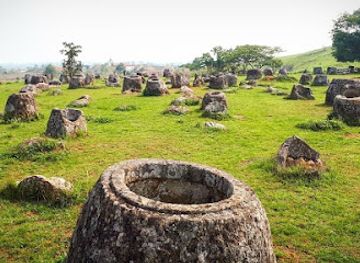
Xieng Khouang's principal sightseeing experience is the Plain of Jars, whose marked archaeological sites place enormous stone vessels among open grasslands and low hills. Site 1, near Phonsavan, is usually the most accessible and includes a wartime-era cave, while Sites 2 and 3 provide more open rural settings and a stronger sense of the landscape's scale. The old capital of Muang Khoun offers the damaged remains of Wat Phia Wat and the atmospheric That Foun, revealing a different layer of regional history. Around Phonsavan, markets and village roads provide glimpses of Hmong, Khmu and Tai Phuan daily life, while local museums and UXO education displays explain how conflict continues to shape the province. These attractions are spread across the plateau rather than concentrated in one urban centre, making road travel and careful route planning part of the sightseeing experience.
-
Tourist attraction
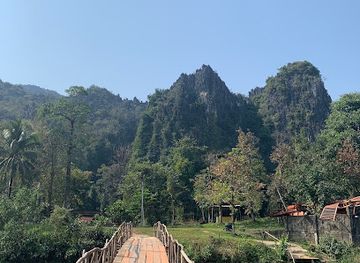
Tham Chang
Explore the stunning Tham Chang Cave in Vang Vieng, Laos, a perfect blend of natural beauty and adventure for all travelers.
2 h 27 min drive · 127 km from city centre
-
Tourist attraction
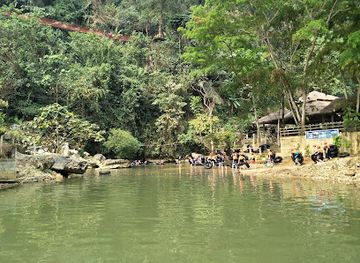
ຖຳ້ນຳ້ Tham Nam (Water Cave)
Explore Tham Nam, Vientiane's stunning water cave, where adventure meets tranquility in the heart of Laos' natural beauty.
2 h 23 min drive · 123 km from city centre
-
Tourist attraction
Nahm Dong Park
Discover the natural beauty and serene landscapes of Nahm Dong Park, a must-visit destination for outdoor enthusiasts in Luang Prabang.
2 h 51 min drive · 151 km from city centre
-
History museum
Plain Of Jars Visitor Center
Discover the ancient mysteries of Laos at the Plain of Jars Visitor Center, your gateway to exploring UNESCO World Heritage wonders.
56 min drive · 36 km from city centre

Best landmarks in Xieng Khouang
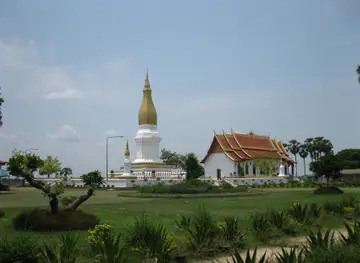
The most important landmarks associated with Xieng Khouang are spread across the province's archaeological and historic landscape. The stone jars of the Plain of Jars are the defining monuments, while their associated burial areas and hilltop settings express the scale of an Iron Age cultural tradition rather than the history of a single town. At Muang Khoun, the brick remains of That Foun and the damaged Buddha image at Wat Phia Wat preserve the memory of the former Muang Phuan capital. Phonsavan's modern identity is also marked by places that interpret the Indochina War and the continuing danger of unexploded ordnance. These sites carry a different kind of monumentality: they connect regional history to living communities, reconstruction and the practical work of making the plateau safe.
-
 Buddhist temple
Wat Xiengthong
Discover Wat Xiengthong in Luang Prabang: A stunning temple showcasing Lao art, history, and spirituality at the confluence of the Mekong and Nam Khan rivers.
2 h 50 min drive · 150 km from city centre
-
Heritage museum
National Museum
Immerse yourself in the cultural heritage of Laos at the National Museum in Luang Prabang, where history and tradition come alive.
2 h 50 min drive · 150 km from city centre
-
Tourist attraction
Tat Sae Waterfalls
Escape to the serene beauty of Tat Sae Waterfalls near Luang Prabang, where cascading waters and lush jungle create a perfect natural oasis.
2 h 40 min drive · 140 km from city centre
-
Observation deck
Nam Xay Viewpoint
Hike to Nam Xay Viewpoint for unforgettable panoramic views of Vang Vieng's iconic limestone landscape and that must-have motorbike photo!
2 h 32 min drive · 132 km from city centre
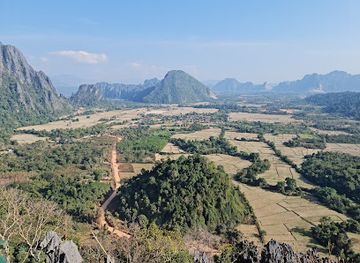
Explore Xieng Khouang on the map
Plan your Xieng Khouang trip on one map. See where the top attractions, landmarks, restaurants, bars and hotels are, find what's near where you're staying, and book hotels and experiences in a few clicks.
Best hotels in Xieng Khouang
Best restaurants in Xieng Khouang
Dining in Xieng Khouang is grounded in northern Lao cooking, with sticky rice, grilled meats, fresh herbs, chilli relishes, soups and river or forest ingredients appearing in homes, markets and modest town eateries. Phonsavan's food stalls and restaurants commonly serve Lao staples alongside simple Vietnamese and regional dishes, reflecting the province's position within a wider network of highland trade and migration. Xieng Khouang sausage, often associated with the region, is a familiar local speciality, while grilled chicken, jeow dipping sauces and seasonal vegetables offer a practical introduction to everyday flavours. Markets are useful for breakfast snacks, fruit and prepared food, though rural choice becomes more limited outside the town. Dining tends to be informal, and menus may be brief or adapted to available ingredients rather than designed for international tourism.
-
Restaurant
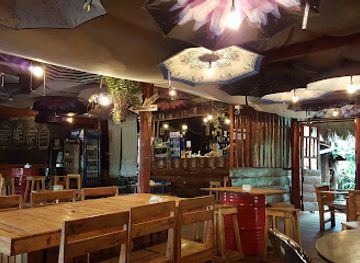
Khemna Restaurant
Discover authentic Lao cuisine at Khemna Restaurant in Phonsavan, where every dish tells a story through its rich flavors and fresh ingredients.
52 min drive · 32 km from city centre
-
Restaurant
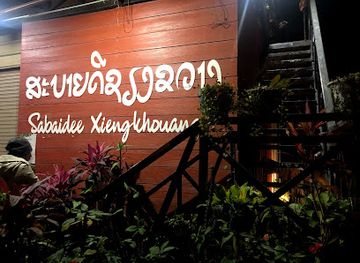
Sabaidee Xiengkhouang
Discover authentic Laotian flavors at Sabaidee Xiengkhouang in Phonsavan – a delightful dining experience awaits every visitor.
51 min drive · 31 km from city centre
-
Restaurant
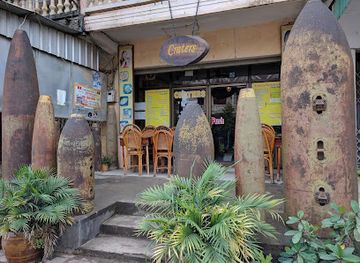
Craters Restaurant & coffe
Discover delicious local cuisine and rich wartime history at Craters Restaurant & Coffee in Phonsavan.
50 min drive · 30 km from city centre
-
Restaurant
Aroma Food Bakery Xiengkhouang Laos
Experience authentic Laotian flavors at Aroma Food Bakery in Xiengkhouang - where delicious meets tradition.
53 min drive · 33 km from city centre
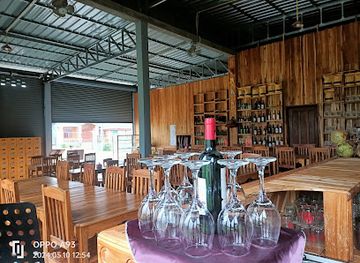
Best bars in Xieng Khouang
Xieng Khouang has a restrained evening scene centred on Phonsavan rather than a dedicated nightlife district. After dark, visitors are more likely to find casual beer gardens, small local bars, cafés and restaurants than large clubs or late-night entertainment venues. Lao Beer is widely available, and evenings often unfold around shared food, conversation and music, with some venues offering karaoke or televised sport. The town's cool highland nights and early departures for the Plain of Jars also encourage an early finish. In rural villages, evening activity is primarily community-based and should not be treated as public entertainment without an invitation. Travellers should ask accommodation staff about current venues, avoid poorly lit roads outside the centre and observe local discretion around photography, noise and alcohol.
-
Disco club
Tree Town Restaurant and Pub (ຮ້ານອາຫານ&ບັນເທີງ ທີທາວ)
Experience the vibrant atmosphere and authentic flavors at Tree Town Restaurant and Pub, a must-visit spot in Phonsavan for food and nightlife lovers.
51 min drive · 31 km from city centre
-
Restaurant
Bombie's restaurant
Discover the authentic taste of Thai cuisine at Bombie's Restaurant in Ban Phonsavan, a must-visit for food lovers and travelers alike.
50 min drive · 30 km from city centre
-
Bar
ມາຫຼີ້ນບາຣ໌
Discover the lively ambiance of ມາຫຼີ້ນບາຣ໌, a vibrant bar in Phonsavan that offers a unique taste of Lao nightlife and unforgettable experiences.
51 min drive · 31 km from city centre
-
Bar
ນັ່ງຊິວ ບາຣ໌ກູ
Discover the lively spirit of ນັ່ງຊິວ ບາຣ໌ກູ in Phonsavan, where traditional Laotian culture meets modern nightlife in a vibrant setting.
49 min drive · 29 km from city centre
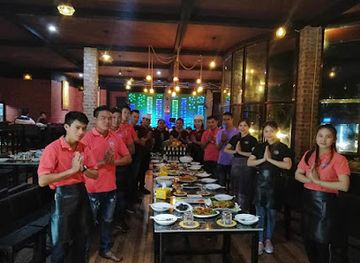
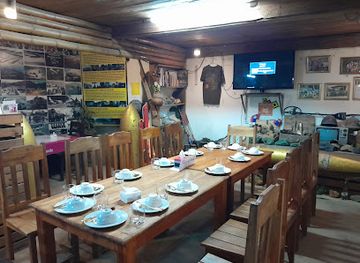
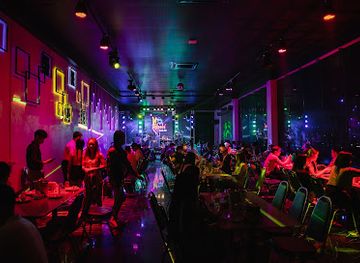
Best nightclubs in Xieng Khouang
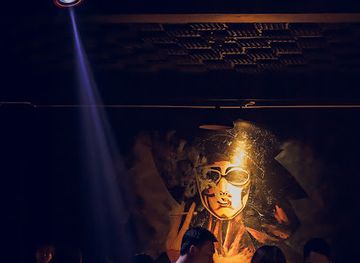
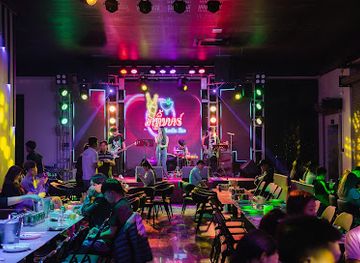
Xieng Khouang has a restrained evening scene centred on Phonsavan rather than a dedicated nightlife district. After dark, visitors are more likely to find casual beer gardens, small local bars, cafés and restaurants than large clubs or late-night entertainment venues. Lao Beer is widely available, and evenings often unfold around shared food, conversation and music, with some venues offering karaoke or televised sport. The town's cool highland nights and early departures for the Plain of Jars also encourage an early finish. In rural villages, evening activity is primarily community-based and should not be treated as public entertainment without an invitation. Travellers should ask accommodation staff about current venues, avoid poorly lit roads outside the centre and observe local discretion around photography, noise and alcohol.
-
Disco club
Tree Town Restaurant and Pub (ຮ້ານອາຫານ&ບັນເທີງ ທີທາວ)
Experience the vibrant flavors of Laos at Tree Town Restaurant and Pub, where delicious cuisine meets a lively nightlife atmosphere in Phonsavan.
51 min drive · 31 km from city centre
-
Bar
ມາຫຼີ້ນບາຣ໌
Immerse yourself in Phonsavan's nightlife at ມາຫຼີ້ນບາຣ໌, where vibrant energy meets refreshing local drinks.
51 min drive · 31 km from city centre
-
Bar
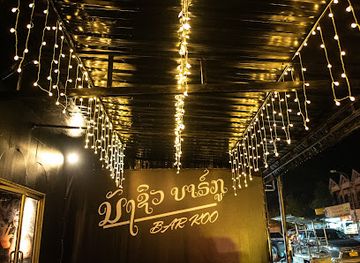
ນັ່ງຊິວ ບາຣ໌ກູ
Experience the lively nightlife and local flavors at ນັ່ງຊິວ ບາຣ໌ກູ in Phonsavan, a perfect spot for relaxation and socializing.
49 min drive · 29 km from city centre
-
Night club
ເມືອງຜາໄຊ
Discover the lively nightlife of ເມືອງຜາໄຊ, where vibrant music and an electrifying atmosphere await every visitor.
58 min drive · 38 km from city centre

Best shops in Xieng Khouang
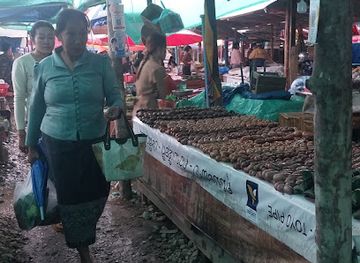
Shopping in Xieng Khouang is concentrated in Phonsavan's central market and small independent shops rather than large commercial districts. The market is a useful place to find seasonal produce, snacks, household goods and practical supplies, while textile stalls and village-linked sellers may offer embroidered bags, clothing, woven goods and baskets associated with Hmong, Khmu and Tai Phuan craft traditions. Local foods such as tea, herbs, dried produce and regional sausage may also appear, although availability changes with the season. Visitors should ask about the origin and materials of handicrafts and pay a fair price without treating handmade work as disposable souvenirs. Do not buy archaeological objects, old jars, metal fragments or alleged wartime relics: such purchases can support illegal digging, cultural loss and serious safety risks.
-
Coffee shop
Honey cafe & Slow Bar
Experience the best coffee in Phonsavan at Honey Cafe & Slow Bar, where local charm meets exceptional brews in a cozy atmosphere.
49 min drive · 29 km from city centre
-
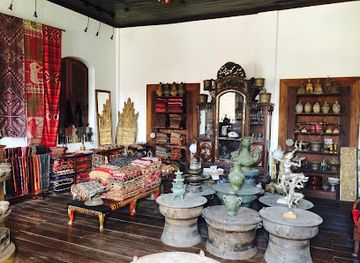
Antique store
Pathana Boupha Antique House
Explore a charming antique store in Luang Prabang, showcasing Laos' rich heritage and exquisite craftsmanship through unique artifacts and crafts.
2 h 50 min drive · 150 km from city centre
-
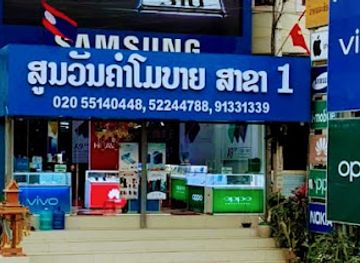
Cell phone store
Vankham Mobile 1
Explore Vankham Mobile 1 in Muang Kham for the latest in mobile technology and local culture, ensuring you stay connected on your travels.
39 min drive · 19 km from city centre
-
Gift basket store
ຮ້ານ 3 ແຍກໄຟແດງນ້ຳຫງຳ ຂາຍກະບອງເພັດ - ຖົງຕີນ
Explore the vibrant 3 ແຍກໄຟແດງນ້ຳຫງຳ Gift Basket Store in ເມືອງແປກ for unique souvenirs that encapsulate the essence of Laos.
52 min drive · 32 km from city centre
Get your free copy of our complete guide to Xieng Khouang, delivered straight to you.
Everything on this page, from attractions and restaurants to essentials and local phrases, in one PDF you can read offline, print or share.
Already have an account? Sign in
Your Xieng Khouang guide is ready.
We'll send it to · Not you? Sign out

Getting your guide ready…
We are putting together a fresh copy of the Xieng Khouang guide. This can take up to a minute.
This can take a few moments. If your browser asks, choose Allow so the download can start. You'll find the guide in your Downloads folder.
Nothing happened? Download it again
Sorry, the guide is taking longer than usual. Please try again in a minute, or get it by email instead.
Xieng Khouang essentials
Currency and Payment
Safety
Emergency Situations
Do's and Don'ts
Local Tips
From Eve
Local phrases worth knowing
You don't need to get them perfect. A few words go a long way, and locals appreciate the effort.
Basics
| English | Local | Say it |
|---|---|---|
| Hello | ສະບາຍດີ | [sa-bai-dee] |
| Goodbye | ລາກ່າກອອ | [la-kha-kho] |
| Yes | ຮີ້ | [hii] |
| No | ບໍ່ | [bo] |
| Please/You're welcome | ກະລະກະ | [ka-lak] |
| Thank you | ຂອບແຂ | [kop-khè] |
| Excuse me/Sorry | ການກີ | [kan-ki] |
| How are you? | ດີແດີຢາກ? | [di-daai-baak?] |
| Fine. And you? | ດີແດີເພືອນ. ແລະທັງ? | [di-daai-puen. leu-tang?] |
| Do you speak English? | ທ່ອນໄປແລະວິຝິກ? | [tong-pai-leu-wi-fig?] |
| I don't understand | ຂ້າພະຫາຍ | [khà pha-hai] |
Eating & Drinking
| English | Local | Say it |
|---|---|---|
| I'd like to see the menu, please | ກະລະກະເບີ້ກວີ. ກະລະກະ | [ka-lak-bo-kuu-wi. ka-lak] |
| I don't eat meat | ຂ້າພະຫາຍອາຫານຫີໍ່ | [khà pha-hai-a-han-pi] |
| Cheers! | ແກ້ວ! | [kaeo] |
| I would like to pay, please | ຂ້າພະຫາຍເຕີດ. ກະລະກະ | [khà pha-hai-ted. ka-lak] |
Emergencies
| English | Local | Say it |
|---|---|---|
| Help! | ແຊວ! | [saeu] |
| Go away! | ໄກກ້າ! | [kaa-kha] |
| Call the Police! | ໂທກີບີມີກະດີ! | [tho-ki-bi-mi-ka-di] |
| Call a doctor! | ໂທກີບີມີນັດຊຽງ! | [tho-ki-bi-mi-nat-siang] |
| I'm lost | ຂ້າພະຫາຍມີມີວຽງ | [khà pha-hai-mi-mi-wiang] |
| I'm ill | ຂ້າພະຫາຍແວງ | [khà pha-hai-weng] |
Shopping
| English | Local | Say it |
|---|---|---|
| I'd like to buy... | ຂ້າພະຫາຍຊືດ... | [khà pha-hai-sued...] |
| I'm just looking | ຂ້າພະຫາຍວີມີມີວຽງ | [khà pha-hai-wi-mi-mi-wiang] |
| How much is it? | ຈົດຈຳເດິກອອ? | [chom-che-meu-kho?] |
| That's too expensive | ຢູ່ຈັນເດິກຮີ້ | [yu-chan-deu-hii] |
| Can you lower the price? | ທ່ອນຕິກອອຕິກອອ? | [tong-ti-kho-ti-kho?] |
Time & Numbers
| English | Local | Say it |
|---|---|---|
| What time is it? | ເວລາໝູນກອຍອອ? | [welaa-mun-kho-kho?] |
| It's one o'clock | ໝູນກອຍອອທີ | [mun-kho-kho-ti] |
| Half past (10) | ກອຍອອທີຍ | [kho-kho-ti-yi] |
| Morning | ເມງ | [mong] |
| Afternoon | ແລງ | [laeng] |
| Evening | ໃຈ | [jai] |
| Yesterday | ມື່ມມື່ມ | [muem-muem] |
| Today | ມື່ມຟິກ | [muem-fig] |
| Tomorrow | ມື່ມອື່ມ | [muem-uem] |
| 1 | ໜານ | [nan] |
| 2 | ສອງ | [song] |
| 3 | ສາມ | [sam] |
| 4 | ສີ່ | [si] |
| 5 | ຫ້າ | [ha] |
| 6 | ຫົກ | [hok] |
| 7 | ໂກ | [kho] |
| 8 | ຫໍ່ | [po] |
| 9 | ເກົ້າ | [keua] |
| 10 | ສິບ | [sip] |
Transport & Directions
| English | Local | Say it |
|---|---|---|
| Where's a/the...? | ຢູ່ບ້ານ...? | [yu-ban...?] |
| What's the address? | ທ່ອນຝີ່ຫາຍອອ? | [tong-phi-hai-kho?] |
| Can you show me (on the map)? | ທ່ອນເບີ້ດວວີ. ທ່ອນ | [tong-bo-wi-wi. tong] |
| When's the next (bus)? | ຢູ່ມື່ມຜົນກອຍອອ? | [yu-muem-fon-kho-kho?] |
| A ticket (to ....) | ກີກີກະດີ (...) | [ki-ki-ka-di (...)] |
History of Xieng Khouang
The Iron Age Plain of Jars
The Plain of Jars contains thousands of large stone vessels distributed across the uplands of Xieng Khouang. Archaeological evidence places their manufacture and use broadly within the Iron Age, from around 500 BCE to the early centuries CE, although dating and interpretation continue to develop. The jars are generally understood to have formed part of funerary practices, with associated burial contexts and artefacts helping researchers reconstruct a long-vanished society. Their distribution across ridges and plateaux suggests a landscape organised around ceremonial or mortuary activity rather than a single settlement. The surviving jar fields are therefore more than isolated curiosities: they represent a substantial archaeological cultural landscape whose scale and purpose distinguish Xieng Khouang within mainland Southeast Asia.
Muang Phuan and Regional Kingdoms
For centuries, the plateau was associated with Muang Phuan, a Tai-speaking polity whose political centre at Muang Phuan, later called Muang Khoun, occupied an important position between the Mekong basin and the Vietnamese uplands. The region's rulers and communities navigated relationships with larger powers, including Lan Xang and, later, Siam and Vietnam. This shifting political environment encouraged movement, tribute relationships and cultural exchange across the mountains. Theravada Buddhism became an important influence, visible in the temples and religious traditions of the old capital. The history of Xieng Khouang is consequently not a simple story of isolation: its highland communities were connected to wider networks of trade, power and pilgrimage.
The Old Capital at Muang Khoun
Muang Khoun, the historic capital of Xieng Khouang, developed as the principal centre of Muang Phuan and remained the province's most significant urban and religious settlement before the destruction of the twentieth century. Wat Phia Wat, with its damaged brick stupa and Buddha image, is among the most evocative surviving religious sites, while That Foun is traditionally associated with the old capital's Buddhist landscape. Conflict and political upheaval repeatedly affected the town, leaving fragments rather than a complete historic centre. The ruins are valuable precisely because they show how regional architecture, Buddhist practice and political authority were expressed on the plateau before modern administration shifted prominence towards Phonsavan.
Colonial Rule and the Modern Province
French influence reached Xieng Khouang during the period when Laos was incorporated into French Indochina, bringing new administrative structures and links with colonial government. The province retained its distinctive ethnic and historical character, however, and Muang Phuan traditions continued alongside new political arrangements. Roads, administrative posts and market connections gradually altered patterns of movement, though the mountainous terrain limited rapid development. The colonial period also helped frame the region through external ideas about territory and ethnic administration, categories that did not always reflect the fluid relationships among plateau communities. Several surviving buildings and town layouts around the wider province recall this era, although much of the built heritage was later damaged by war.
War, Ruins and Reconstruction
During the Indochina War and the Laotian Civil War, Xieng Khouang became a heavily contested strategic region. Intensive aerial bombardment destroyed settlements, roads, temples and farmland, and unexploded ordnance remained embedded in the soil after the fighting ended. Muang Khoun suffered particularly severe destruction, while communities across the plateau faced displacement and long-term disruption. After 1975, Phonsavan developed as the provincial capital and administrative centre, replacing the old urban role of Muang Khoun. Reconstruction has continued alongside clearance and risk-education work. The war is not merely a historical backdrop here: it shapes where people can farm and walk, what ruins survive, and how visitors are expected to move through the countryside.
Archaeology and Cultural Recognition
Research, conservation and community-based tourism have gradually brought international attention to Xieng Khouang's archaeological heritage. The Plain of Jars was inscribed on the UNESCO World Heritage List in 2019, recognising a group of jar sites and their associated archaeological landscape. This recognition has encouraged improved interpretation and visitor management, while also reinforcing the need to protect sites from disturbance and unexploded ordnance. Contemporary Xieng Khouang contains several overlapping histories: ancient mortuary monuments, the Buddhist legacy of Muang Phuan, wartime memory and the living cultures of Hmong, Khmu and Tai Phuan communities. Its identity is therefore shaped as much by continuity and recovery as by monumental remains.
Xieng Khouang in Photos
Browse through our photo collection highlighting the charm and character of the destination.
Cities near Xieng Khouang
The closest cities to Xieng Khouang, if you have time for more than one stop.
-

-

-

-

-


Swipe for more cities
Explore more

Explore more of Laos
Discover Laos: A tranquil escape with breathtaking landscapes, rich culture, and warm hospitality. Perfect for adventure seekers and those craving serene beauty.
Explore Laos