The Freedom Monument, Livonia Travel Guide
A towering symbol of Latvia's freedom and unity, commemorating the nation's fight for independence and cultural heritage in the heart of Riga.
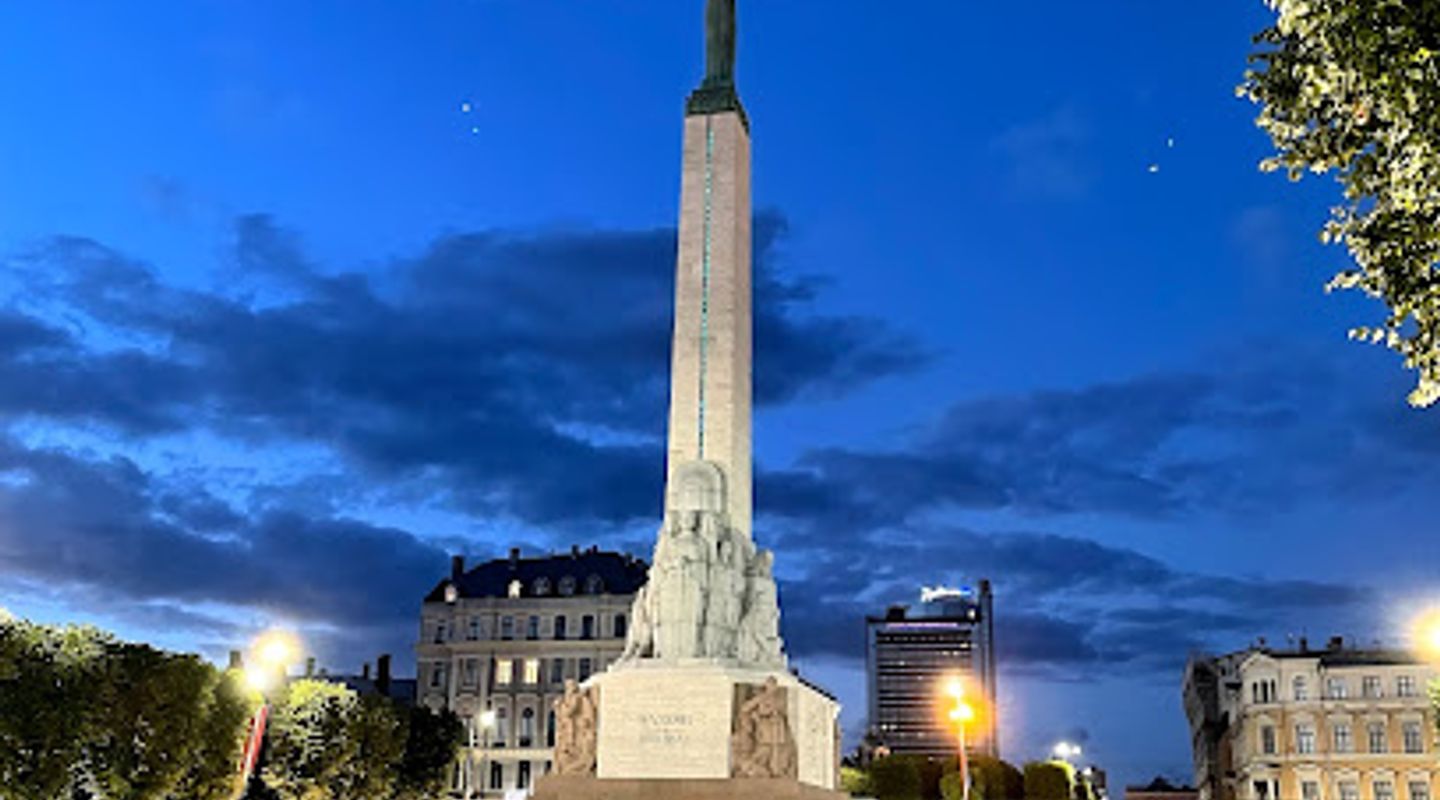
The Freedom Monument in Riga stands as a powerful symbol of Latvia's independence, unity, and sovereignty. Unveiled in 1935, the 42.7-meter-tall monument commemorates soldiers killed during the Latvian War of Independence (1918–1920) and embodies the nation's enduring spirit.
A brief summary to The Freedom Monument
- Riga, Central District, LV
- Click to display

Know before you go
Hi, I'm Eve. Here are a few practical things to know before exploring The Freedom Monument.
- Visit during the changing of the guard (9 am to 6 pm hourly) for a modest but meaningful ceremony.
- Take time to examine the sculptures and reliefs at the base, each depicting important aspects of Latvian history and culture.
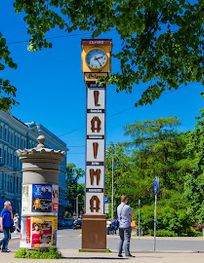
- Explore the surrounding area, including the National Opera House, flower garden, and Laima Clock.
- Check for local events or commemorations happening at the monument to experience the vibrant Latvian spirit.
Do you manage this location?
Take control to get all the benefits, like improved information, better appearance, and stronger visibility across AI-powered discovery. Learn more about listing your business on Evendo
Activate your presenceOther nearby places you may find interesting
The closest places of the same kind, if this one is not quite what you had in mind.
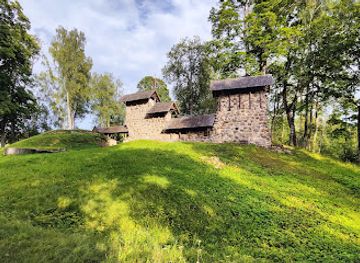
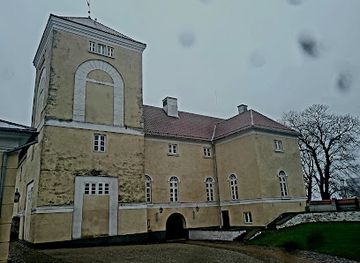
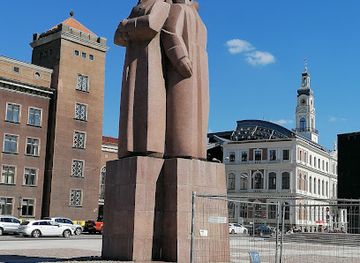
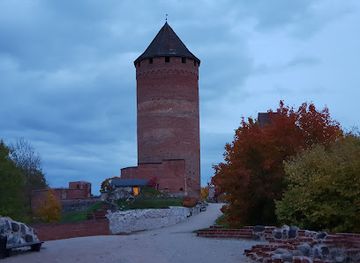
Explore The Freedom Monument on the Map
A handpicked selection of must-see spots near The Freedom Monument, mapped for you.
Unlock the Best of The Freedom Monument
Buy tickets
-
No tickets available
Book tours with entry


Getting There
-
Walking
The Freedom Monument is centrally located and easily accessible on foot from most parts of Riga's Old Town and city center. From the Old Town, simply walk along Kalku iela towards Brivibas bulvaris. The monument is situated at the intersection of these streets, near the canal. No costs are associated with walking.
-
Public Transport
Riga's public transport system, including trams, buses, and trolleybuses, provides convenient access to the Freedom Monument. Several routes stop near the monument. Check the Riga public transport website or app for the most up-to-date schedules and routes. A single 90-minute ticket costs €1.50.
-
Taxi/Ride-Share
Taxis and ride-sharing services like Bolt are readily available in Riga. A short taxi ride from the Riga International Airport to the Freedom Monument typically costs between €18 and €28. Within the city center, a short ride should cost approximately €6-€10, depending on the distance and traffic.
-
Driving
If driving, navigate to Brivibas bulvaris in the Central District of Riga. Parking near the Freedom Monument can be challenging. Paid parking is available in the surrounding area, with rates varying depending on the zone. Zone A costs €2.50 for the first hour and €3.00 for each subsequent hour. Zone R (Old Town) costs €5.00 for the first hour and €8.00 for each subsequent hour. Free parking may be found further from the city center. Use parking apps like Mobilly or Europark to pay for parking.
Discover more about The Freedom Monument













Your all‑in‑one travel companion app
Explore expert travel guides, compare and book tours, experiences, hotels, and more—all from the palm of your hand. Download now for seamless trip planning wherever your wanderlust takes you.


Explore More of Livonia
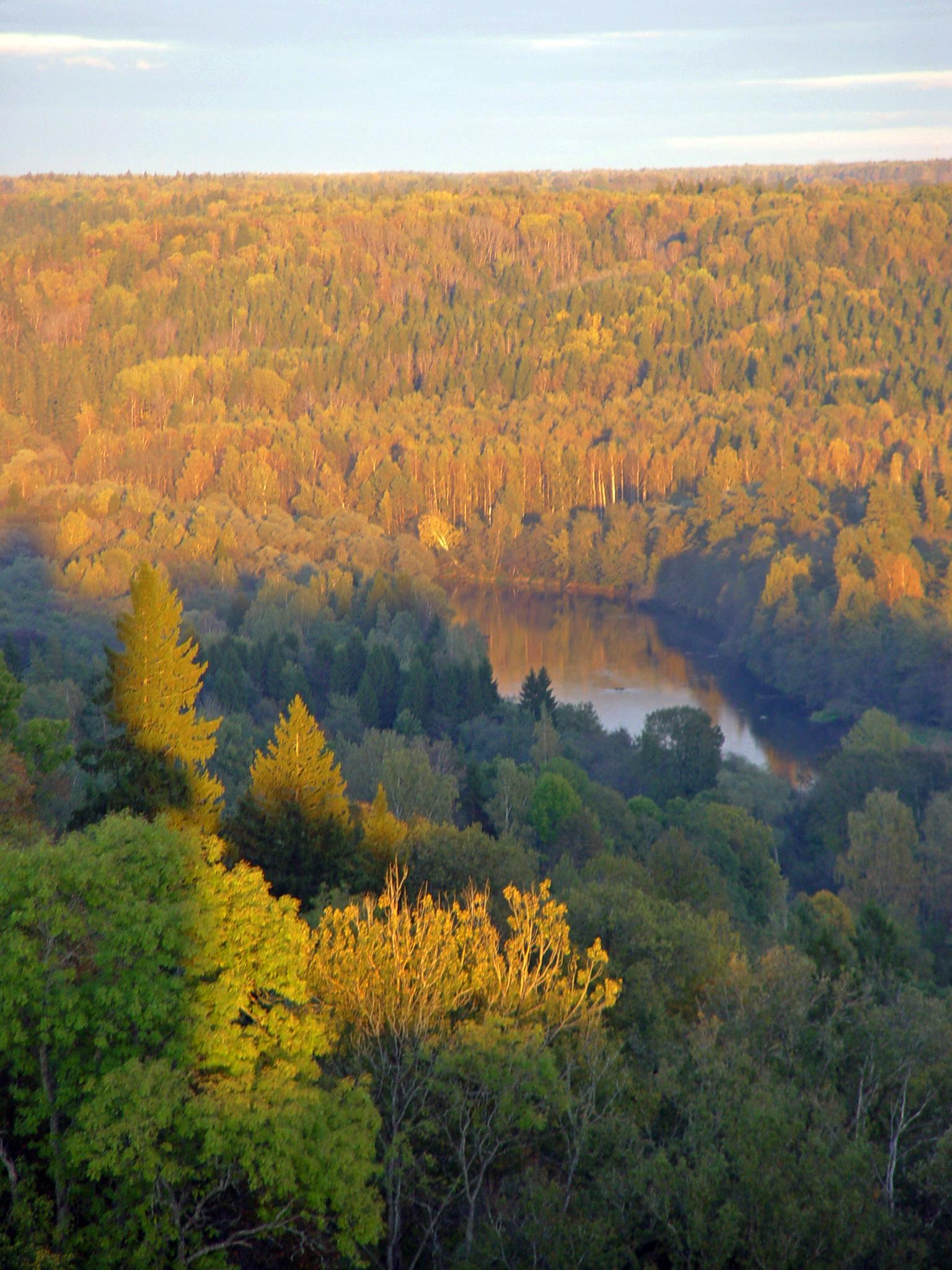
Looking beyond The Freedom Monument? Discover Livonia for broader travel guides, local hot-spots, and regional highlights.
Explore Livonia