Temple of Jupiter: A Colossal Roman Sanctuary
Explore the Temple of Jupiter in Baalbek, a colossal Roman marvel and UNESCO World Heritage Site, revealing Lebanon's rich history and architectural grandeur.
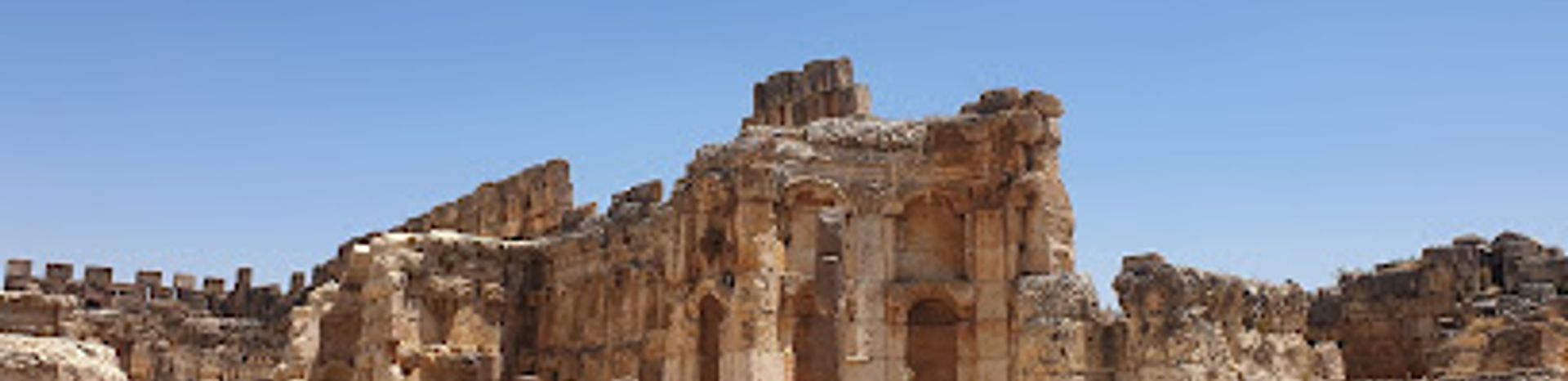
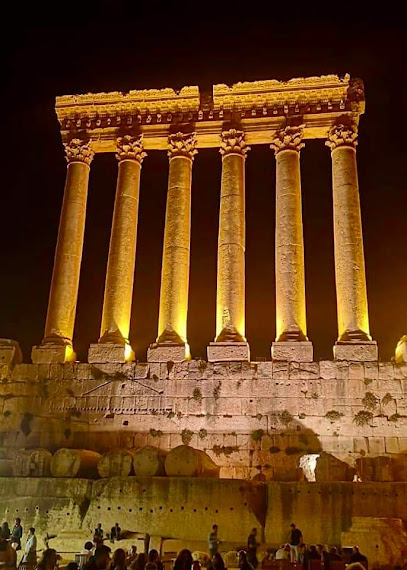
The Temple of Jupiter in Baalbek, Lebanon, is a colossal Roman temple, once the largest in the Roman Empire. Construction began around the 1st century BCE and continued into the 3rd century CE. Today, only a few massive columns remain, hinting at its past grandeur.
A brief summary to Temple of Jupiter
- 2643+MGG, Baalbek, LB
Local tips
- Visit during the spring (April-May) or fall (September-October) for pleasant weather and fewer crowds.
- Wear comfortable shoes, as you'll be doing a lot of walking on uneven surfaces.
- Hire a local guide to gain a deeper understanding of the site's history and significance.
- Combine your visit with other nearby attractions like the Temple of Bacchus, Anjar, and Chateau Ksara.

Getting There
-
Walking
From the Baalbek city center, the Temple of Jupiter is a short walk. Head east towards the main archaeological site. The temple is within the complex, a short distance from the entrance. Follow the signs within the complex to reach the Temple of Jupiter.
-
Public Transport
If arriving by bus from Beirut, the bus may drop you off at a roundabout 5km away from the city center. From there, take a taxi to the Baalbek ruins; a short ride costing approximately 6 USD.
-
Taxi
Taxis are readily available in Baalbek. A short taxi ride from anywhere in the city center to the Temple of Jupiter should cost around 50,000-80,000 LBP, depending on the current exchange rate.
Discover more about Temple of Jupiter
Iconic landmarks you can’t miss

Temple of Jupiter
0.0 km
Explore the Temple of Jupiter in Baalbek, Lebanon – a stunning testament to ancient Roman architecture and history.
old arab castle
0.1 km
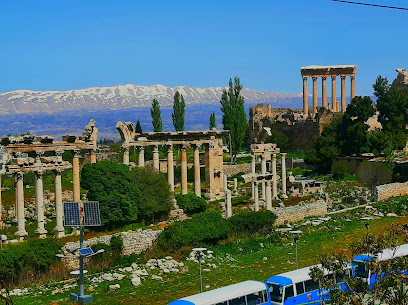
Explore the Old Arab Castle in Baalbek, a Mamluk-era fortress within a UNESCO World Heritage Site, offering a unique glimpse into Lebanon's rich history.
Exedrae Around the Great Court
0.1 km
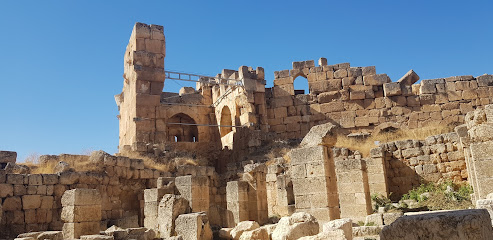
Explore the Exedrae Around the Great Court in Baalbek, a testament to Roman architectural brilliance and Lebanon's rich history.
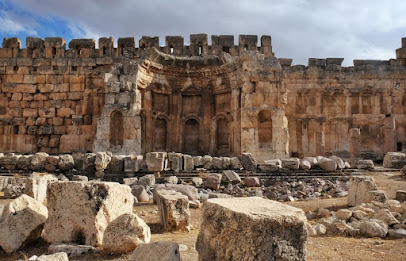
Propylaea
0.2 km
Discover the monumental Propylaea in Baalbek, Lebanon, a stunning gateway to the ancient Roman city and a UNESCO World Heritage site.
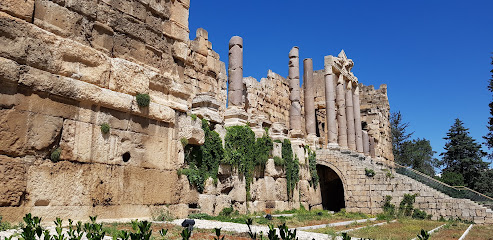
old souk
0.3 km
Discover the vibrant Old Souk in Baalbek: a traditional Lebanese marketplace with local crafts, flavors, and a rich cultural experience.
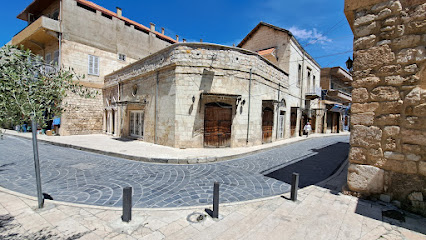
Palmyra Hotel Baalbek
0.3 km
Experience Lebanese history at the Palmyra Hotel Baalbek, a historic landmark offering a unique glimpse into the past and a gateway to ancient Roman ruins.
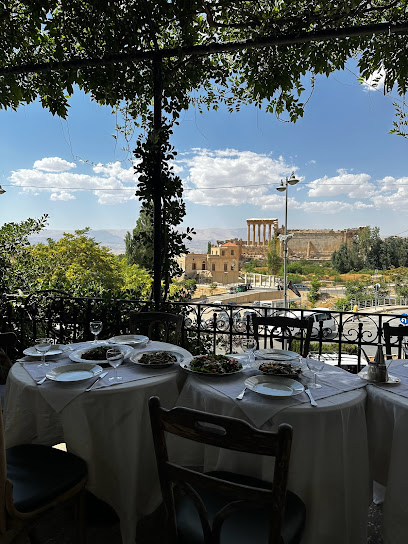
Baalbek
0.7 km
Experience the breathtaking ruins of Baalbek, a UNESCO World Heritage Site, where ancient Roman architecture meets vibrant Lebanese culture.
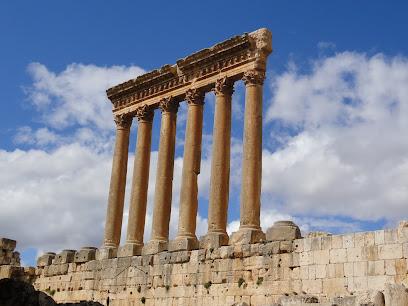
صخرة الحامل
0.9 km
Discover the colossal Stone of the Pregnant Woman in Ain Bourday, Lebanon, a testament to ancient Roman engineering and enduring legends.
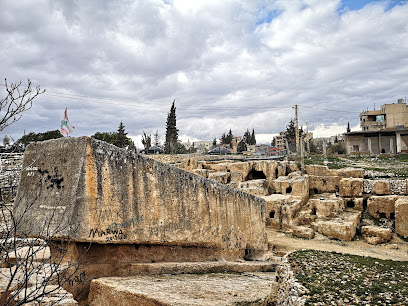
Mogher El-Taheen Historic Site
1.0 km
Explore the Mogher El-Taheen Historic Site in Baalbek, a captivating testament to ancient civilizations and architectural grandeur in Lebanon.
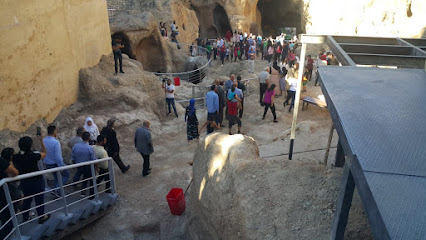
Beqaa Valley
5.4 km
Explore the stunning Beqaa Valley, where breathtaking landscapes, rich history, and exquisite local wines create an unforgettable travel experience.
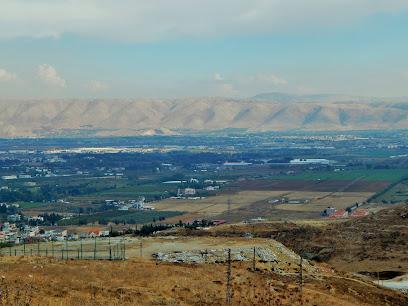
Qasr el Banat, Lebanon
12.0 km
Explore Qasr el Banat, a Roman temple near Deir Al-Ahmar, Lebanon, with possible Phoenician roots, offering a glimpse into ancient religious practices.

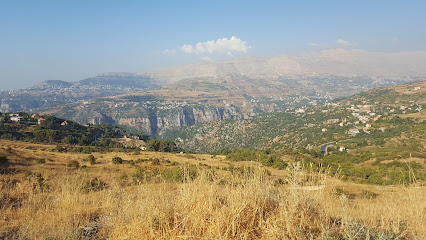
Lebanon Mountains
18.9 km
Explore the breathtaking Lebanon Mountains, a paradise for adventurers and nature lovers, featuring stunning vistas and rich biodiversity.
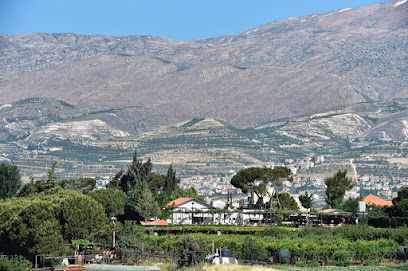
Al Haush
21.7 km
Experience authentic Lebanese farm life at Al Haush in the Bekaa Valley: a serene escape with farm-to-table cuisine and cultural charm.
Old Rayak Train Station - Landmark
25.0 km
Explore the Old Rayak Train Station in Riyaq, a captivating historical landmark revealing Lebanon's rich railway heritage and stunning architecture.

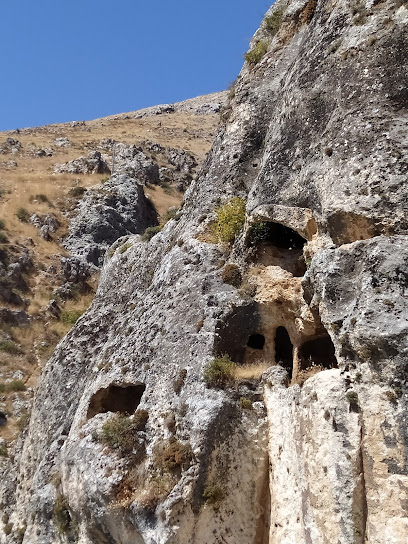
Habiss Caves
27.6 km
Discover the mesmerizing beauty of Habiss Caves, a historical landmark in Lebanon showcasing stunning geological formations and rich cultural heritage.
Unmissable attractions to see

Trilithon de Baalbek
0.1 km
Explore the awe-inspiring Trilithon de Baalbek, a UNESCO World Heritage site showcasing ancient Roman engineering and breathtaking landscapes in Lebanon.
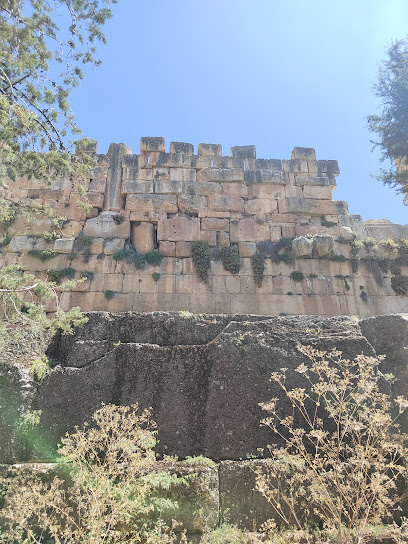
Baalbek Temple
0.2 km
Explore the majestic Baalbek Temple, a UNESCO World Heritage site showcasing the grandeur of Roman civilization in the heart of Lebanon.
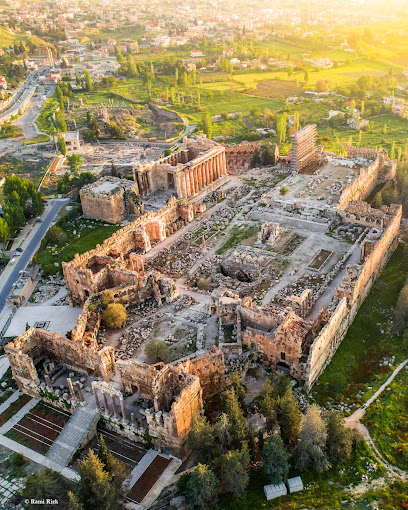
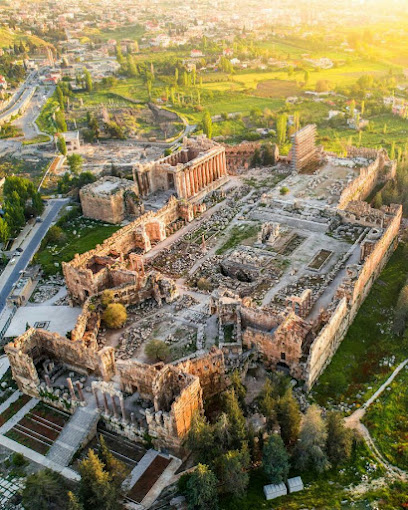
Baalbek Roman Ruins
0.2 km
Explore the Baalbek Roman Ruins, a UNESCO World Heritage Site showcasing ancient Roman architecture and history in Lebanon's stunning Bekaa Valley.
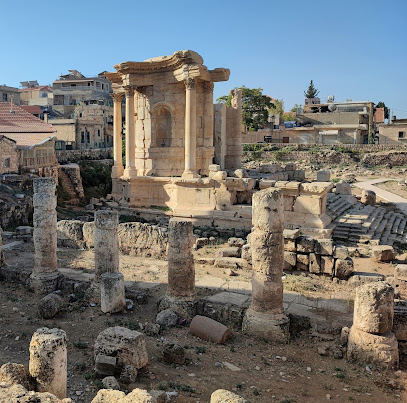
Temple of Venus in Heliopolis
0.2 km
Explore the stunning Temple of Venus in Heliopolis, a historical landmark that showcases the ancient Roman architecture and rich cultural heritage of Baalbek, Lebanon.
Jardin Sainte-Barbe
0.3 km
Explore the tranquil Jardin Sainte-Barbe in Baalbek, a stunning garden that offers a peaceful retreat amidst nature's beauty and rich historical surroundings.
قبة السعيدين
0.5 km
Explore the grandeur of the Temple of Bacchus in Baalbek, a UNESCO World Heritage site that showcases the splendor of ancient Roman architecture.
Square de la municipalité
0.5 km
Discover tranquility at Square de la Municipalité, an enchanting park in Baalbek offering lush landscapes and a serene escape from the bustling city.
Sayyida Khawla Shrine
0.6 km
Discover the serene Sayyida Khawla Shrine in Baalbek, a stunning blend of spirituality and history that enchants every visitor.
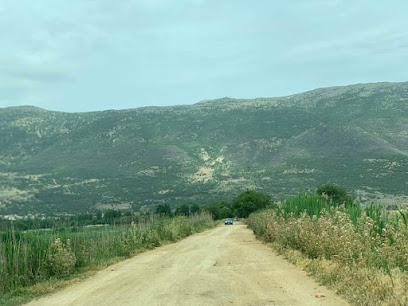
بعلبك لبنان
0.7 km
Discover the breathtaking ruins and rich history of Baalbek, Lebanon's ancient marvel, renowned for its stunning Roman temples and vibrant culture.
Lake Queen helena _ بحيرة الملكة هيلانة
0.7 km
Discover the tranquility of Lake Queen Helena in Iaat, Lebanon—a perfect destination for nature lovers and those seeking peaceful escapes.
Al Rifai
0.7 km
Discover tranquility at Al Rifai in Baalbek, a beautiful park perfect for relaxation, picnics, and soaking up the local culture amidst stunning greenery.
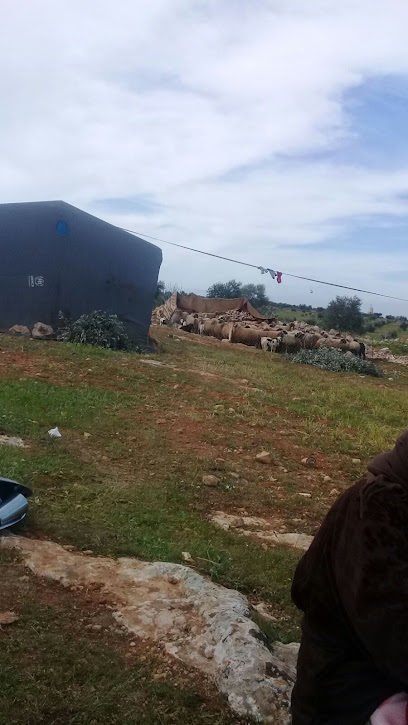
Al Habli World Biggest Stone
0.9 km
Experience the awe-inspiring Al Habli, the world's largest stone, nestled in the beautiful landscapes of Ain Bourday, Lebanon.
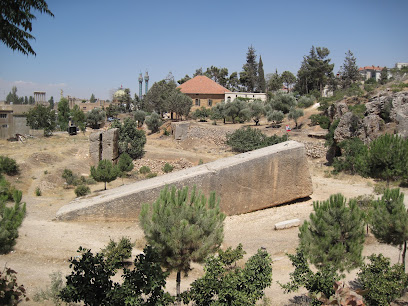
حديقة عامة
1.3 km
Discover the tranquil beauty of the Public Garden in Baalbek, a lush retreat perfect for relaxation and cultural immersion amidst nature's splendor.
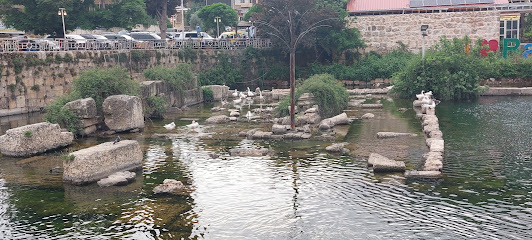
Ras El Ein Park
1.3 km
Explore the beauty of Ras El Ein Park, a serene community garden in Baalbek, perfect for relaxation and enjoying nature's splendor.
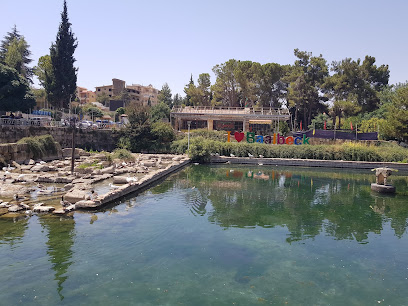
مدينة ملاهي بعلبك
1.3 km
Explore the natural beauty and historical charm of Malahi Park in Baalbek, a serene escape for tourists and nature lovers alike.
Essential places to dine

Sol Bistro
0.2 km
Discover authentic Lebanese cuisine at Sol Bistro in Baalbek—where tradition meets taste amidst stunning historical surroundings.
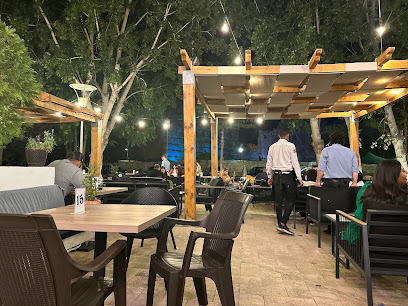
Bel baalbaki/ بِ لبعلبكي
0.2 km
Experience the authentic taste of Lebanon at Bel Baalbaki in Baalback—where tradition meets flavor in every dish.
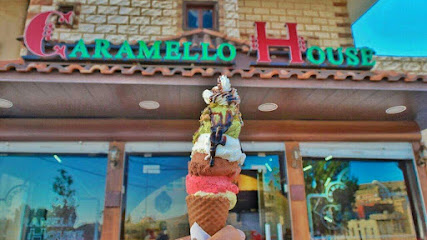
Caramello House
0.3 km
Experience the best crêpes and artisan ice cream at Caramello House near Baalbek's iconic Roman ruins.
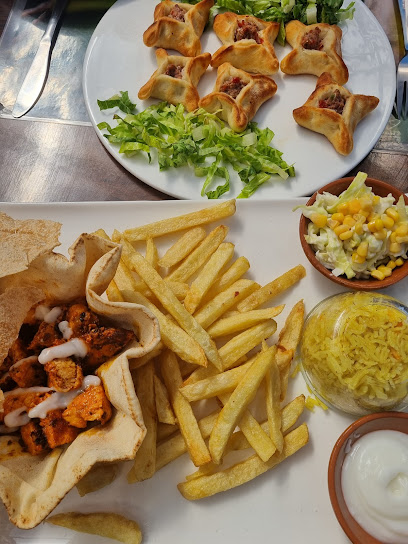
Tavern Cesar Restaurant
0.3 km
Experience authentic Lebanese flavors at Tavern Cesar Restaurant near Baalbek's ancient ruins – a must-visit culinary destination for every traveler.
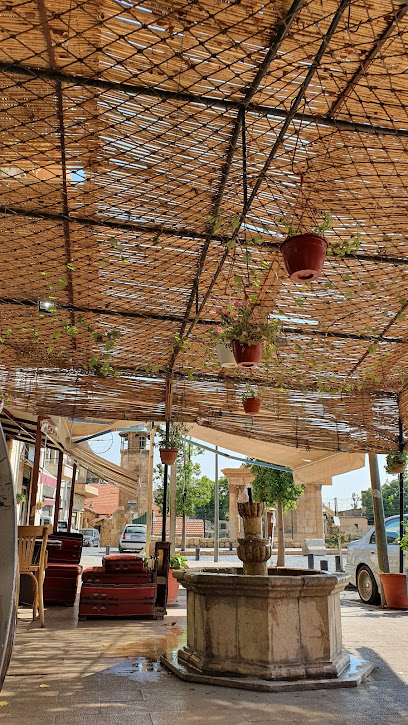
Abou Hadi Foul and Hummus
0.3 km
Discover authentic Lebanese cuisine at Abou Hadi Foul and Hummus in Baalbek – where every dish tells a story.
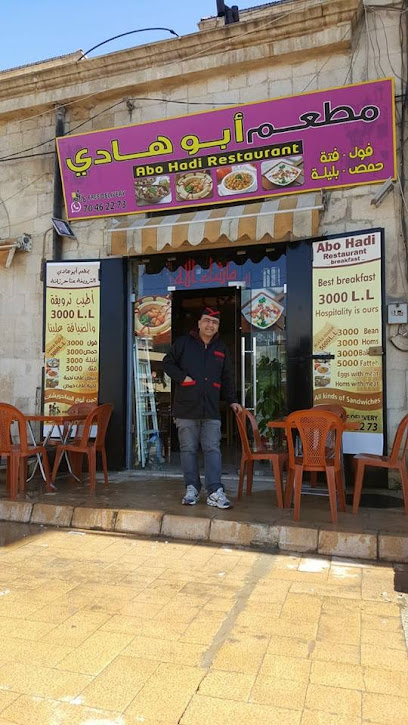
Falafel
0.3 km
Discover authentic Middle Eastern fast food at Falafel in Baalbek - indulge in freshly made delights that celebrate local flavors.
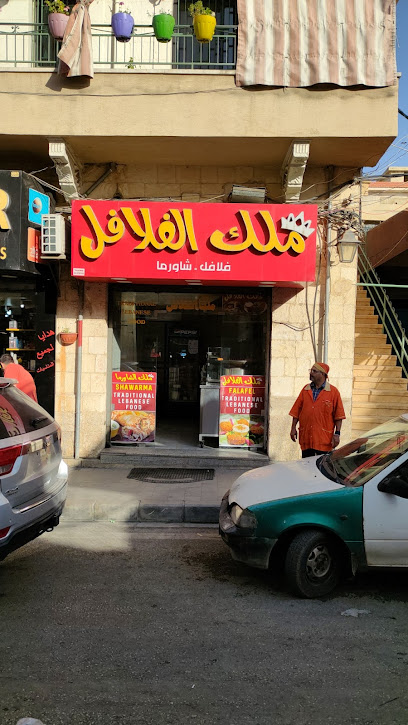
مطعم وفرن الساحة
0.3 km
Experience authentic Lebanese flavors at مطعم وفرن الساحة in Baalbek - a must-visit restaurant for food lovers!
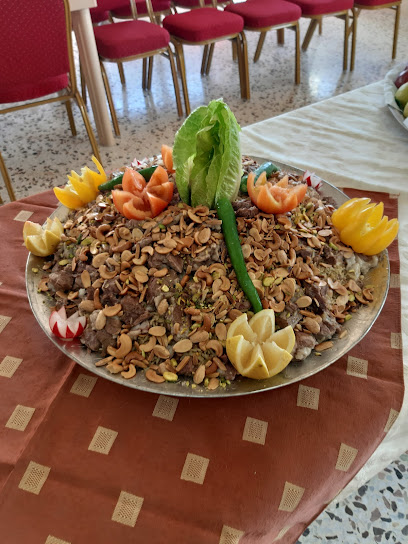
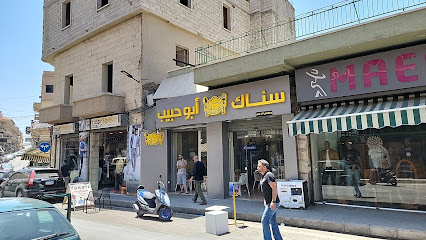
سناك ابو حبيب
0.3 km
Discover authentic Lebanese cuisine at سناك ابو حبيب in Baalbek, where every dish tells a story of tradition and flavor.
Al Ahmar
0.4 km
Discover Al Ahmar in Baalbek: where traditional Lebanese breakfasts meet warm hospitality in an inviting atmosphere.
مطعم المندي
0.4 km
Discover authentic Lebanese cuisine at مطعم المندي in Baalbek – where every meal tells a story of tradition and flavor.
Al Ajami Restaurant مطعم العجمي
0.4 km
Experience authentic Lebanese cuisine at Al Ajami Restaurant in Baalbek - where tradition meets taste.
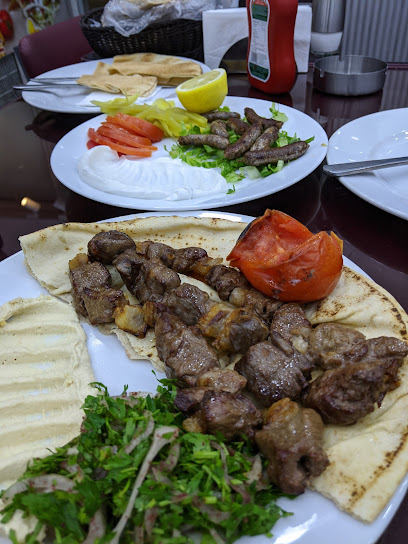
سندباد ABC
0.5 km
Discover authentic Lebanese flavors at Sundbad ABC in Baalbek - where tradition meets culinary excellence.
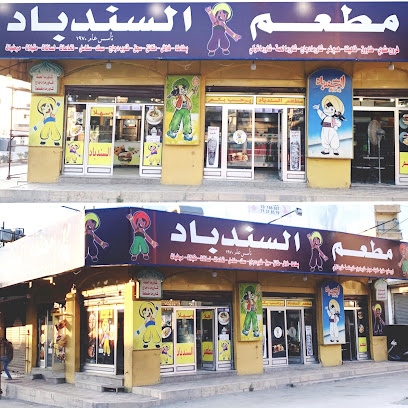
مطعم شرف الدين
0.5 km
Experience authentic Lebanese cuisine at مطعم شرف الدين in Baalbek - a culinary journey filled with rich flavors and warm hospitality.
Mashawe Restaurant $ Cafe
0.6 km
Discover authentic Lebanese flavors at Mashawe Restaurant & Cafe in Baalbek – where tradition meets taste in every dish.
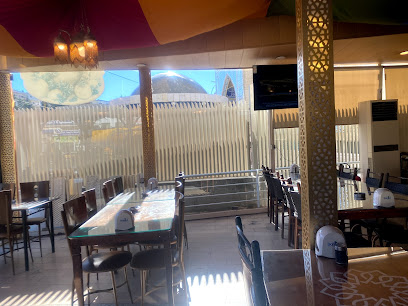
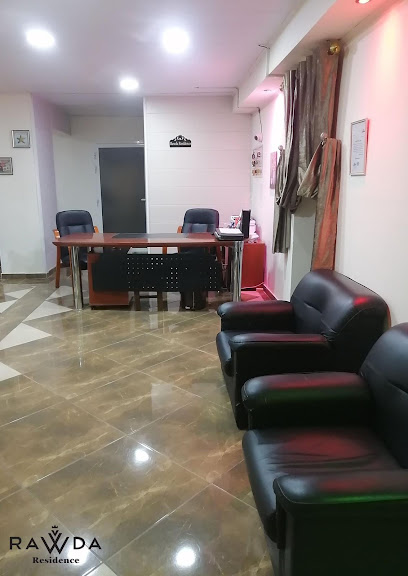
Rawda Motel
0.6 km
Experience authentic Lebanese cuisine at Rawda Motel near Baalbek's breathtaking Roman Temples.
Markets, malls and hidden boutiques

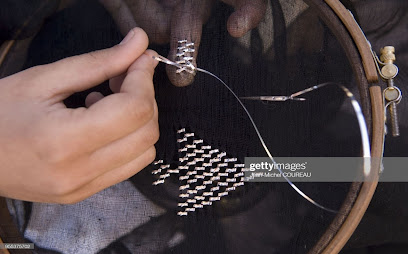
Maison de l'Artisanat-Baalbek
0.2 km
Explore the artistic soul of Baalbek at Maison de l'Artisanat, your gateway to authentic Lebanese souvenirs and artisan crafts.
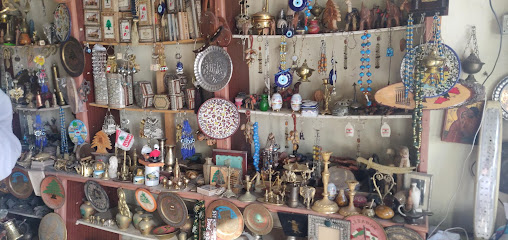
Souvenir Shop Caverne d'alibaba
0.4 km
Explore authentic Lebanese crafts and unique treasures at Souvenir Shop Caverne d'alibaba in Baalbek, a must-visit gift shop for every traveler.
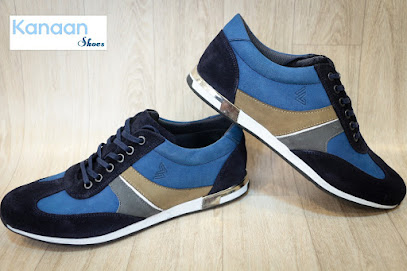
Kanaan shoes
0.4 km
Explore Kanaan Shoes in Baalbek for a remarkable selection of quality footwear that reflects the charm of local craftsmanship.
محلات يونس للالبسة
0.4 km
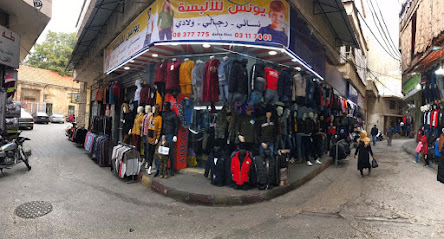
Explore the vibrant fashion scene at محلات يونس للالبسة in Baalbek, where local style meets modern trends in a welcoming atmosphere.
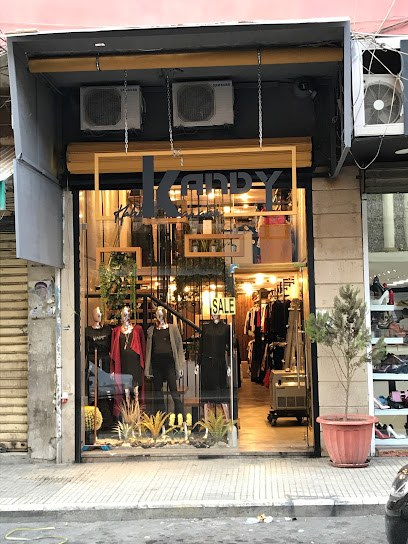
Kandy Habib Kanaan
0.4 km
Explore the vibrant fashion scene at Kandy Habib Kanaan, Lebanon's premier clothing store offering a unique blend of local and international styles.
Magnum junior
0.4 km
Discover stylish clothing and unique local designs at Magnum Junior, a must-visit clothing store in Baalbek, Lebanon.
MANESSA STORE
0.4 km
Discover unique souvenirs and local crafts at Manessa Store, a charming gift shop in the historic city of Baalbek, Lebanon.
Baalback Old Souks
0.5 km
Explore Baalbek Old Souks: A vibrant marketplace blending tradition, culture, and the best of Lebanese craftsmanship in the heart of Baalbek.
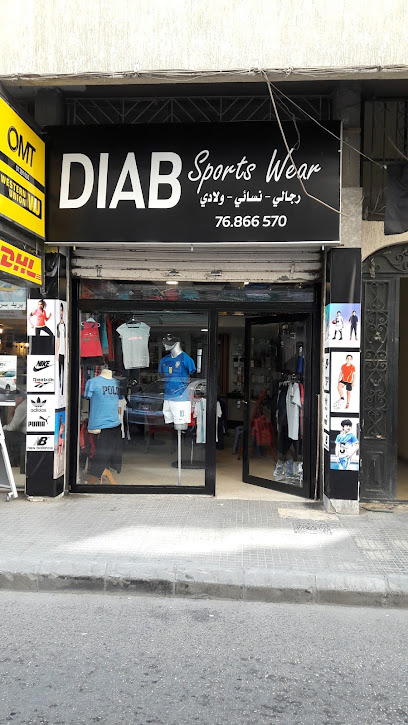
Faux Bijoux ABIR
0.5 km
Discover a world of exquisite jewelry and unique accessories at Faux Bijoux ABIR, a premier shopping destination in Baalbek, Lebanon.
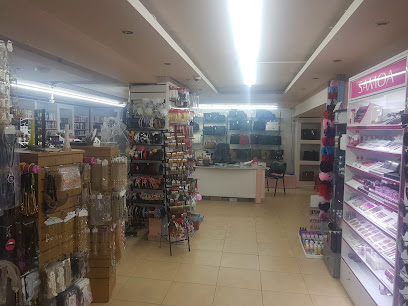
Shops
0.5 km
Discover Baalbek's vibrant wholesaler shops, offering unique local crafts, friendly vendors, and a rich cultural shopping experience.
Sadek Abdel Sater Shops محلات صادق عبد الساتر
0.5 km
Discover authentic Lebanese clothing and immerse yourself in the vibrant culture at Sadek Abdel Sater Shops in the heart of Souk Baalbek.
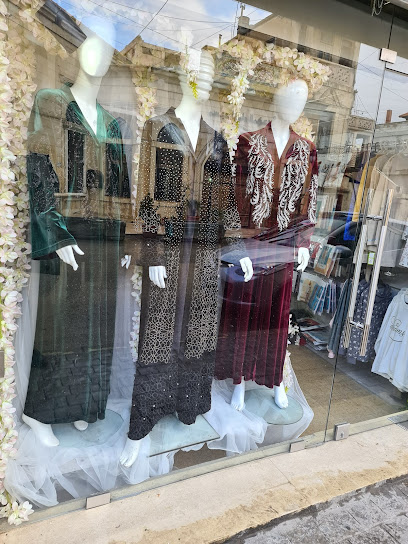
H,s fashion
0.5 km
Explore the essence of Lebanese fashion at H,s Fashion in Baalbek, where tradition meets modern style in a vibrant shopping experience.
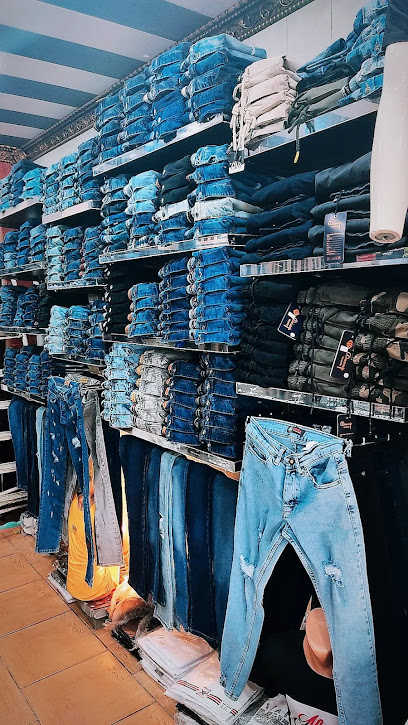
Jawaher Jewelry
0.5 km
Explore exquisite craftsmanship at Jawaher Jewelry in Baalbek, a must-visit for jewelry lovers seeking authentic Lebanese artistry.
Stella Accessories
0.5 km
Discover exquisite fashion accessories at Stella Accessories in Baalbeck, offering a unique blend of local craftsmanship and contemporary style.
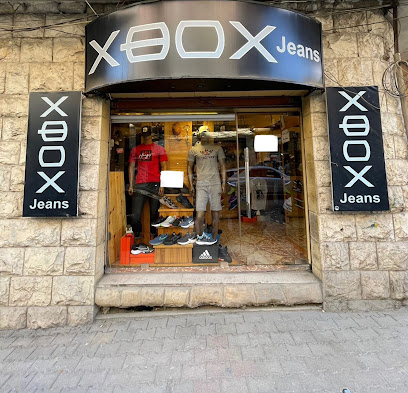
XBOX Jeans
0.5 km
Explore XBOX Jeans in Baalbek for an exceptional selection of stylish men's clothing, where quality meets modern flair.
Essential bars & hidden hideouts

Shadi Drink
0.6 km
Discover Shadi Drink in Beirut: A lively bar that blends local culture with a vibrant nightlife experience, perfect for tourists seeking fun and relaxation.
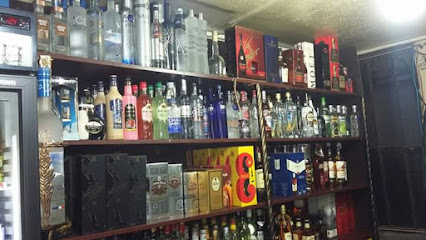
ايعات
3.8 km
Experience the vibrant nightlife of Iaat at this charming bar, where exquisite drinks and local culture unite to create unforgettable memories.
HM-Barr
4.7 km
Experience the vibrant nightlife at HM-Barr in Iaat, where friendly faces and refreshing drinks await you in a lively atmosphere.
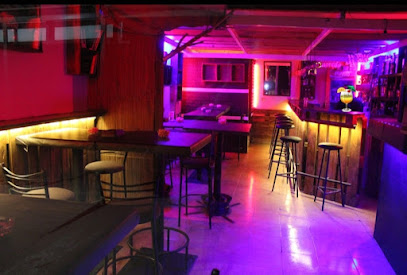
Rida shaweesh
10.7 km
Experience the vibrant nightlife at Rida Shaweesh, a lively bar in Hizzine, offering refreshing drinks and a taste of local culture.
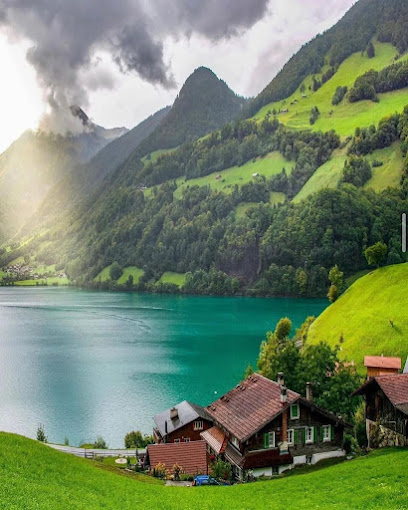
صالة ومسبح جود
13.0 km
Discover the charm of صالة ومسبح جود in Baalbek, where relaxation meets elegance in a vibrant lounge atmosphere.
String
19.3 km
Discover the charm of Beit Chama at this inviting bar, where local drinks and friendly vibes await in a cozy setting.
Deelissas
20.9 km
Experience the vibrant nightlife of Lebanon at Deelissas, where expertly crafted cocktails and a lively atmosphere await every visitor.
Moonbow
23.7 km
Discover Moonbow in Aainata, a serene lounge offering exquisite drinks, stunning views, and a perfect atmosphere for relaxation and socializing.

Rayme's Pub & Pizza
27.9 km
Experience the vibrant nightlife of Ferzol at Rayme's Pub & Pizza, where delicious food and drinks create unforgettable memories.
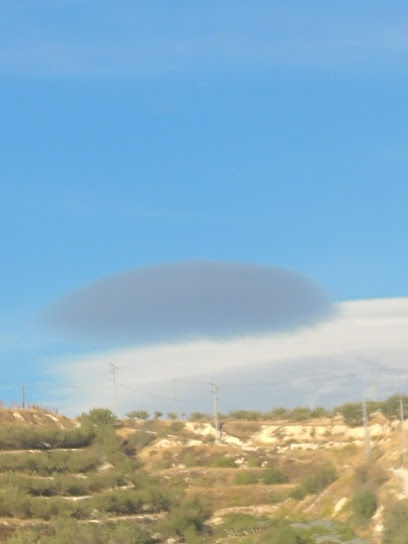
بار-BAR
28.0 km
Discover the lively spirit of بار-BAR in Ferzol, where great drinks and a vibrant atmosphere create unforgettable memories.
Sizzle Resto Bar
30.5 km
Experience exquisite dining at Sizzle Resto Bar in Cedars, where local flavors meet a stunning ambiance for an unforgettable meal.
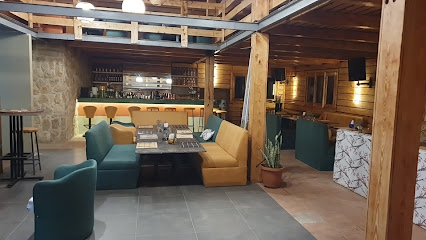
Zoofaa
30.6 km
Experience the lively atmosphere of Zoofaa, a premier pub in Baalbeck, perfect for drinks, socializing, and enjoying local culture.
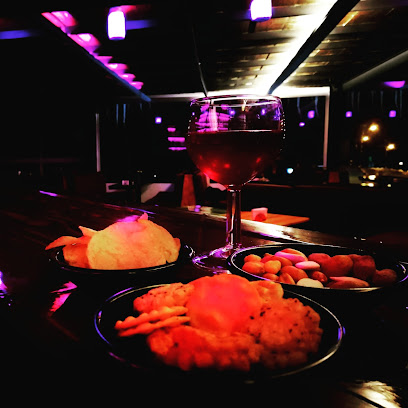
Heaven70seven
30.6 km
Discover the cozy charm of Heaven70seven, a top-rated bar and restaurant in Ariz offering delicious cuisine and a vibrant atmosphere.
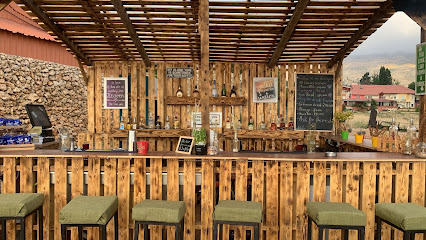
Pravda Valley Zahle
30.9 km
Experience the lively nightlife at Pravda Valley Zahle, a cocktail bar and live music venue in the heart of Lebanon's Zahle region.
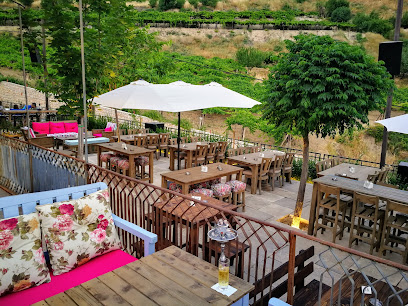
Vibes_lb_
31.5 km
Experience the vibrant atmosphere of Vibes_lb_ in Bsharri, where authentic Lebanese cuisine meets a lively pub ambiance.
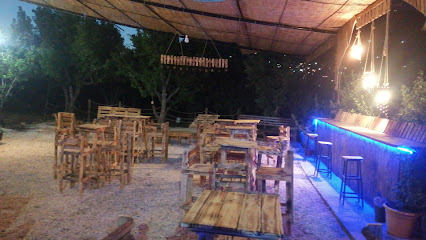
Nightclubs & after hour spots

صالة وقاعة تموز
0.7 km
Discover the heartbeat of Baalbek's nightlife at صالة وقاعة تموز, a vibrant night club where music and dance create unforgettable experiences.
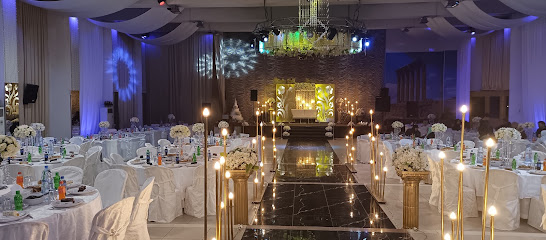
راس العين
1.6 km
Experience the vibrant nightlife of Baalbek at Ras al-Ain, a captivating night club offering music, dance, and cultural immersion.
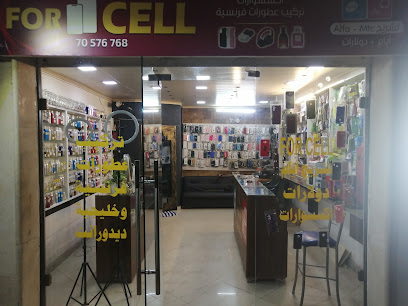
White Cedar Hotel & Resort
30.2 km
Experience luxury and vibrant nightlife at White Cedar Hotel & Resort in stunning Cedars, North Lebanon, perfect for relaxation and adventure.
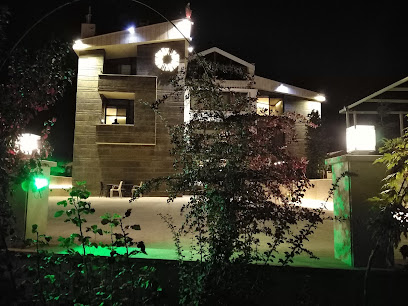
Club Social
32.5 km
Experience the best of Lebanese wines in a vibrant atmosphere at Club Social in Zahlé, a must-visit for every wine lover.
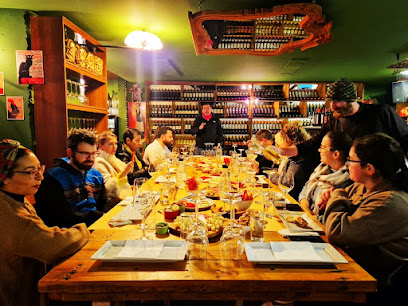
The Alpine Ale
32.6 km
Experience the charm and warmth of The Alpine Ale in Bsharri, where local brews meet traditional Lebanese cuisine in a cozy pub atmosphere.
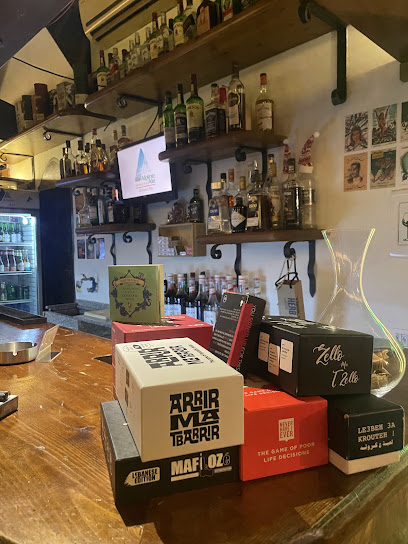
Respawn Gaming Lounge
32.8 km
Experience the thrill of gaming at Respawn Gaming Lounge in Zahlé, where passion meets community in a vibrant setting.
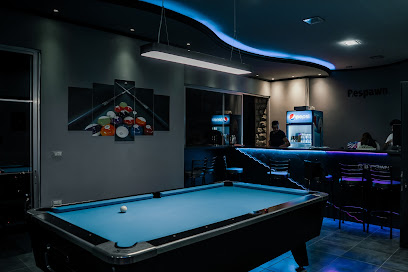
Chapter II
33.2 km
Experience the vibrant nightlife of Wadi El Aarayech at Chapter II, a bar known for its creative cocktails and lively atmosphere.
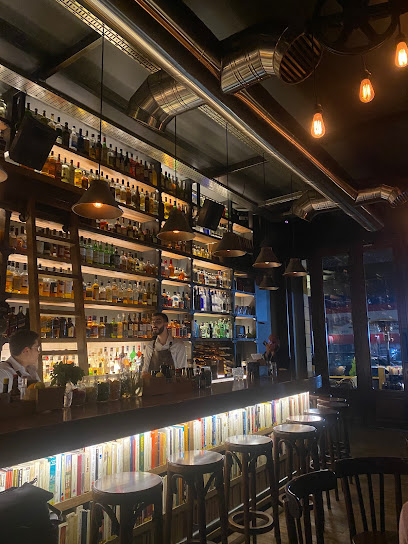
Lounge Lime Zahle
33.2 km
Experience the pulse of Zahle's nightlife at Lounge Lime Zahle, where music, drinks, and vibrant energy come together for an unforgettable evening.
Leil Bar
33.2 km
Experience electrifying nightlife at Leil Bar, the ultimate night club in Zahlé, known for its vibrant atmosphere and unforgettable music.
Castle Black
33.2 km
Discover the vibrant nightlife of Zahlé at Castle Black, a premier pub offering a lively atmosphere and a taste of local culture.
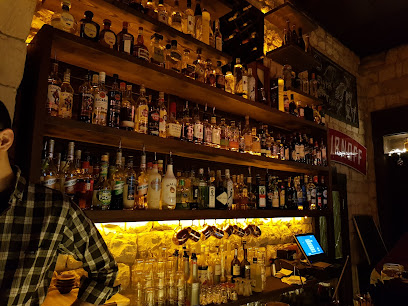
Raven Club
33.3 km
Experience the electrifying nightlife at Raven Club in Lebanon, where music, dance, and culture unite for an unforgettable evening.
54 Revolution
33.3 km
Dive into the vibrant nightlife of Zahlé at 54 Revolution, where music, dance, and unforgettable memories await every visitor.
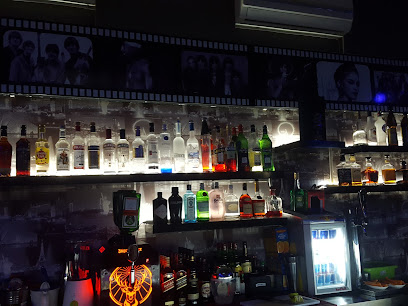
Muse bar
33.6 km
Experience the heart of Bsharri's nightlife at Muse Bar, where vibrant ambiance and welcoming service meet delightful drinks.
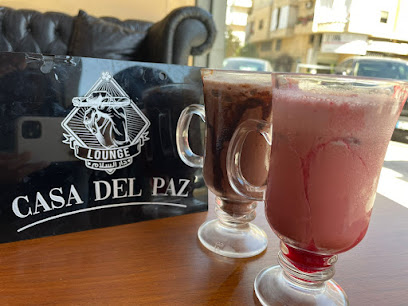
Casa Del Paz
33.7 km
Experience the cozy ambiance of Casa Del Paz, a perfect lounge in Zahlé for relaxation and delightful refreshments.
New Beaver
33.8 km
Experience the vibrant nightlife of New Beaver, Lebanon's premier karaoke bar where music and joy unite in an unforgettable atmosphere.