Qasr el Banat: A Roman Temple Echoing Ancient Echoes
Explore Qasr el Banat, a Roman temple near Deir Al-Ahmar, Lebanon, with possible Phoenician roots, offering a glimpse into ancient religious practices.
Qasr el Banat, or the 'Castle of Virgins,' is an ancient Roman temple located near Deir Al-Ahmar in Lebanon's Bekaa Valley. Perched on a rocky hill, this historical landmark offers a glimpse into the region's Roman past and possibly even earlier Greek or Phoenician influences.
A brief summary to Qasr el Banat, Lebanon
- 34P9+X68, Deir Al-Ahmar, LB
Local tips
- Wear comfortable shoes for the climb to the temple, as the terrain can be uneven.
- Bring water and sun protection, especially during the summer months, as there is limited shade.
- Combine your visit with other historical sites in the Bekaa Valley, such as the Baalbek Roman ruins, for a comprehensive experience.

Getting There
-
Driving
From Deir Al-Ahmar, Qasr el Banat is approximately a 15-minute drive. Head east from Deir Al-Ahmar towards Chlifa. The temple is located 1.5 kilometers east of Chlifa. Follow the signs for Qasr el Banat. Note that the road leading directly to the site may be unpaved in sections. There is no parking fee.
-
Walking
While possible, walking from Deir Al-Ahmar to Qasr el Banat is a significant trek, taking approximately 1.5-2 hours. The route involves walking along roads and then uphill to the temple site. Ensure you have adequate water and sun protection. There are no entrance fees to the site.
Discover more about Qasr el Banat, Lebanon
Iconic landmarks you can’t miss

Qasr el Banat, Lebanon
0.0 km
Explore Qasr el Banat, a Roman temple near Deir Al-Ahmar, Lebanon, with possible Phoenician roots, offering a glimpse into ancient religious practices.

Beqaa Valley
9.1 km
Explore the stunning Beqaa Valley, where breathtaking landscapes, rich history, and exquisite local wines create an unforgettable travel experience.
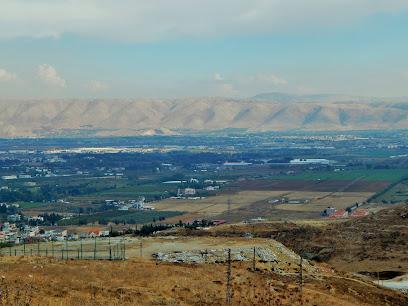
Mogher El-Taheen Historic Site
11.7 km
Explore the Mogher El-Taheen Historic Site in Baalbek, a captivating testament to ancient civilizations and architectural grandeur in Lebanon.
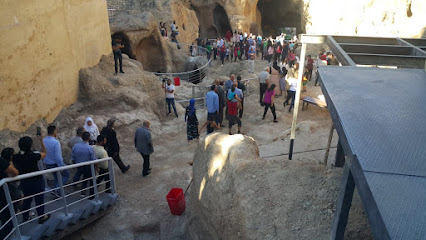
old arab castle
12.0 km
Explore the Old Arab Castle in Baalbek, a Mamluk-era fortress within a UNESCO World Heritage Site, offering a unique glimpse into Lebanon's rich history.
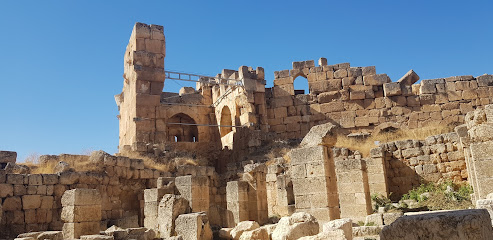
Temple of Jupiter
12.0 km
Explore the Temple of Jupiter in Baalbek, Lebanon – a stunning testament to ancient Roman architecture and history.
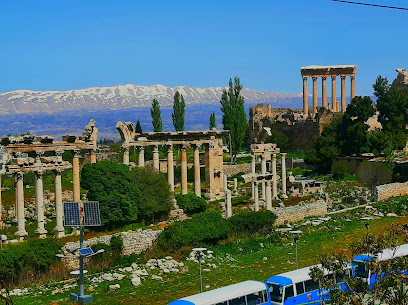
Exedrae Around the Great Court
12.0 km
Explore the Exedrae Around the Great Court in Baalbek, a testament to Roman architectural brilliance and Lebanon's rich history.
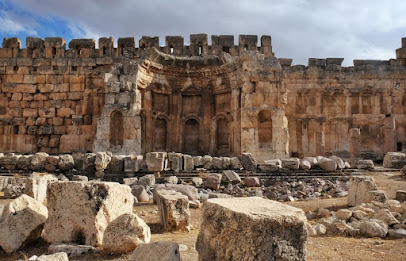
Propylaea
12.0 km
Discover the monumental Propylaea in Baalbek, Lebanon, a stunning gateway to the ancient Roman city and a UNESCO World Heritage site.
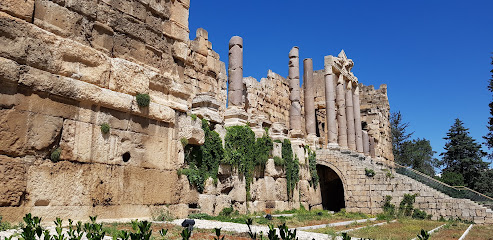
Palmyra Hotel Baalbek
12.3 km
Experience Lebanese history at the Palmyra Hotel Baalbek, a historic landmark offering a unique glimpse into the past and a gateway to ancient Roman ruins.
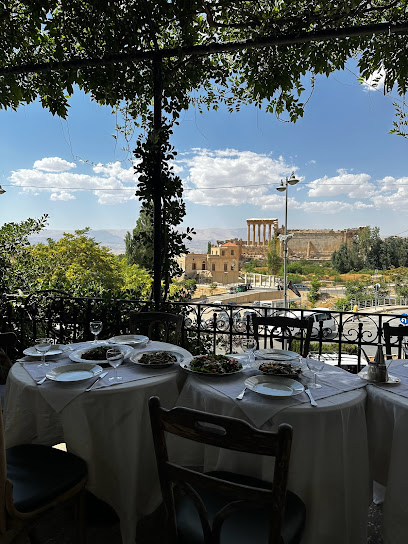
old souk
12.3 km
Discover the vibrant Old Souk in Baalbek: a traditional Lebanese marketplace with local crafts, flavors, and a rich cultural experience.
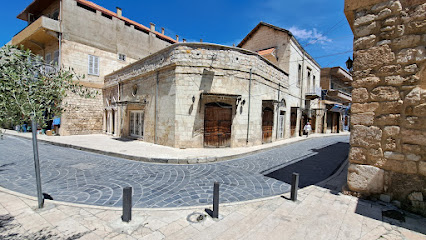
صخرة الحامل
12.4 km
Discover the colossal Stone of the Pregnant Woman in Ain Bourday, Lebanon, a testament to ancient Roman engineering and enduring legends.
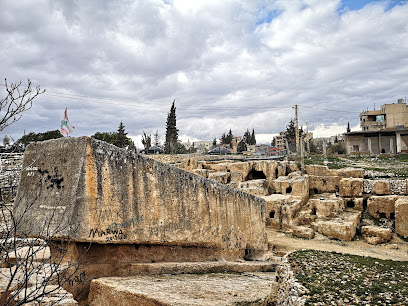
Baalbek
12.6 km
Experience the breathtaking ruins of Baalbek, a UNESCO World Heritage Site, where ancient Roman architecture meets vibrant Lebanese culture.
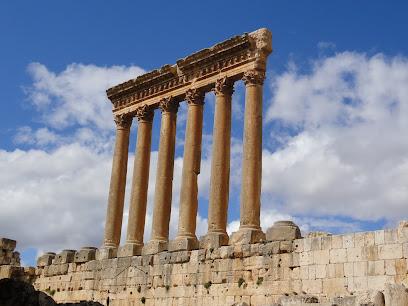
Lebanon Mountains
14.6 km
Explore the breathtaking Lebanon Mountains, a paradise for adventurers and nature lovers, featuring stunning vistas and rich biodiversity.
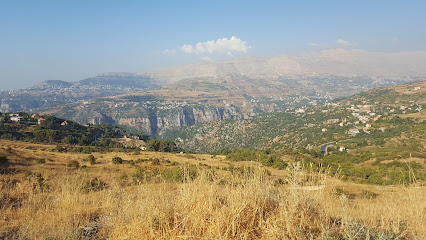
Cedars international festival
18.4 km
Discover the vibrant Cedars International Festival in Lebanon, a cultural celebration of music, art, and local traditions amidst breathtaking cedar landscapes.
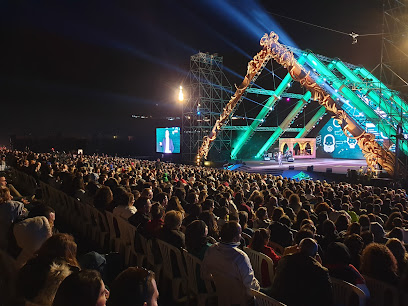
Bsharri Cross
19.9 km
Experience the spiritual serenity at Bsharri Cross, a stunning church nestled in the breathtaking landscapes of Bsharri, Lebanon.
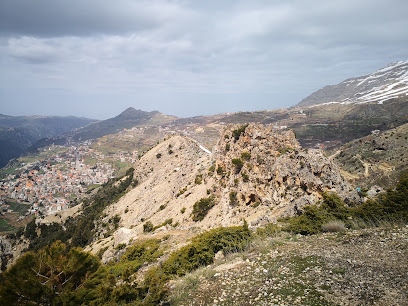
Sequoia Guesthouse
20.2 km
Experience the charm and tranquility of Sequoia Guesthouse in Bsharri, Lebanon, surrounded by nature and offering cozy accommodations and unique outdoor activities.
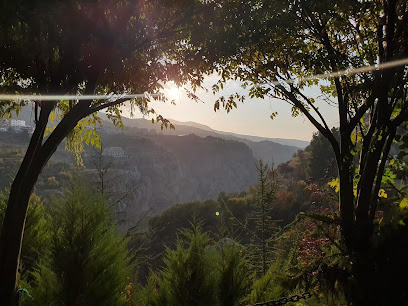
Unmissable attractions to see

Lake-Queen-helena بحيرة الملكة هيلانة
3.9 km
Immerse yourself in the breathtaking beauty of Lake Queen Helena, a serene oasis in Iaat, Lebanon, perfect for relaxation and outdoor adventures.
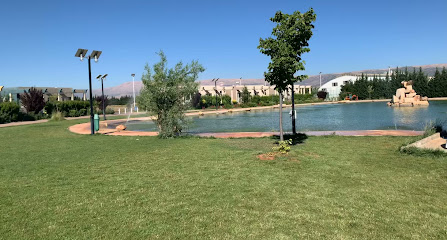
Iaat park
7.3 km
Explore the tranquil beauty of Iaat Park, a perfect destination for nature lovers and those seeking peace in Lebanon's stunning landscapes.
سهل عدوس
9.1 km
Discover the tranquil beauty of Sahl Adous, a serene garden retreat in Haouch Tall Safiyeh, perfect for nature lovers and peaceful escapes.
KANSO FARM
11.0 km
Explore Kanso Farm, a serene garden in Douris, offering lush landscapes and a peaceful escape for nature enthusiasts and travelers alike.
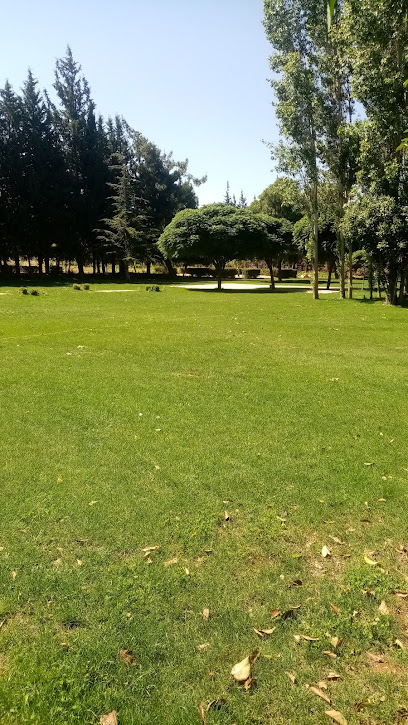
قبة السعيدين
11.6 km
Explore the grandeur of the Temple of Bacchus in Baalbek, a UNESCO World Heritage site that showcases the splendor of ancient Roman architecture.
MARDINI PARK منتزه مارديني
11.6 km
Experience tranquility in the heart of Baalbek at Mardini Park, a lush escape filled with natural beauty and rich cultural heritage.
Douris square
11.7 km
Explore the tranquil beauty of Douris Square in Zahlé, a serene park perfect for relaxation and cultural experiences amid stunning landscapes.
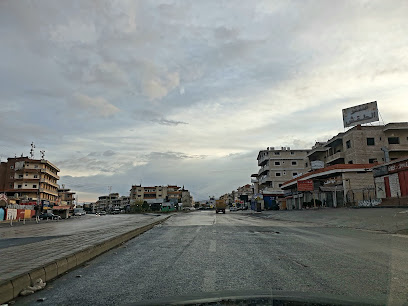
تلال دورس
11.8 km
Explore the stunning hiking trails of Douris, Lebanon, where nature's beauty meets adventure, perfect for all outdoor enthusiasts.
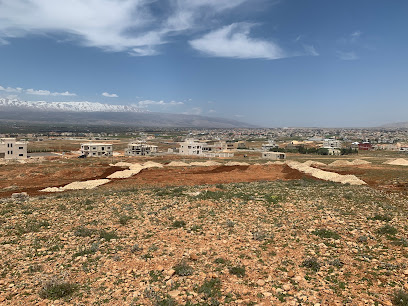
Trilithon de Baalbek
11.9 km
Explore the awe-inspiring Trilithon de Baalbek, a UNESCO World Heritage site showcasing ancient Roman engineering and breathtaking landscapes in Lebanon.
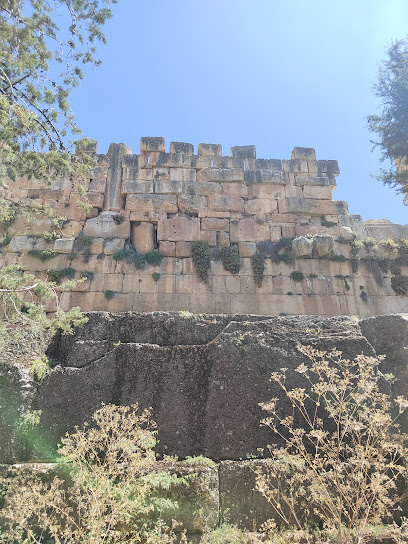
Temple of Bacchus
12.0 km
Experience the grandeur of the Temple of Bacchus in Baalbek, a UNESCO World Heritage Site showcasing stunning Roman architecture and rich history.
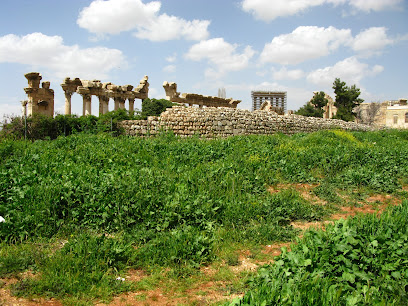
Baalbek Temple
12.0 km
Explore the majestic Baalbek Temple, a UNESCO World Heritage site showcasing the grandeur of Roman civilization in the heart of Lebanon.
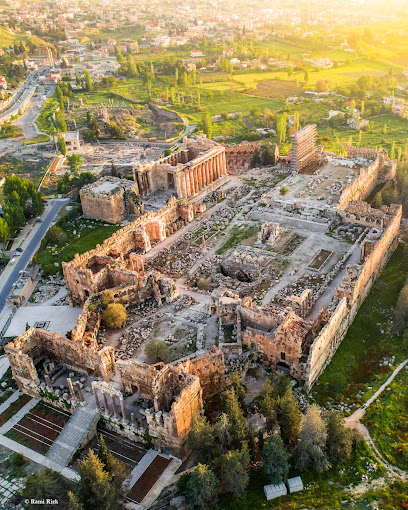
Baalbek Roman Ruins
12.1 km
Explore the Baalbek Roman Ruins, a UNESCO World Heritage Site showcasing ancient Roman architecture and history in Lebanon's stunning Bekaa Valley.
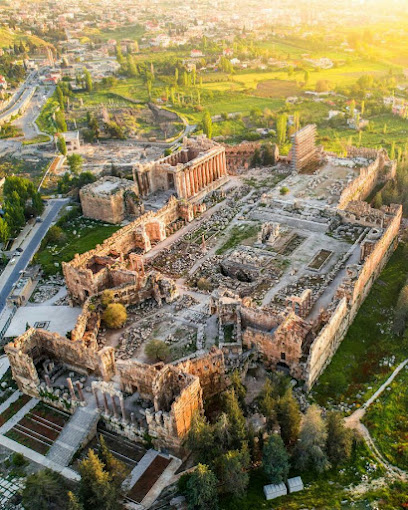
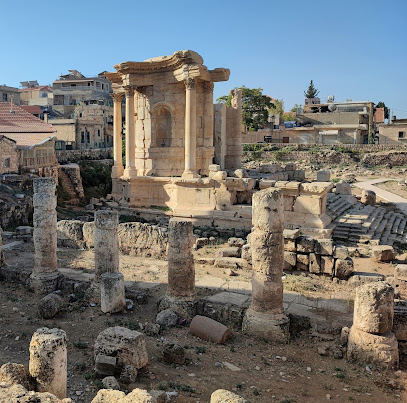
Temple of Venus in Heliopolis
12.2 km
Explore the stunning Temple of Venus in Heliopolis, a historical landmark that showcases the ancient Roman architecture and rich cultural heritage of Baalbek, Lebanon.
Jardin Sainte-Barbe
12.3 km
Explore the tranquil Jardin Sainte-Barbe in Baalbek, a stunning garden that offers a peaceful retreat amidst nature's beauty and rich historical surroundings.
Sayyida Khawla Shrine
12.3 km
Discover the serene Sayyida Khawla Shrine in Baalbek, a stunning blend of spirituality and history that enchants every visitor.
Essential places to dine

The Cliff cedars
5.4 km
Discover the breathtaking views and exquisite Lebanese cuisine at The Cliff Cedars – a culinary gem in the heart of nature.
Baalbeck Community Farm ( LOST )
8.3 km
Explore Baalbeck Community Farm: A Family-Friendly Retreat Embracing Nature's Bounty in the Heart of Lebanon.
Al-Lakkis Restaurant
9.7 km
Experience authentic Lebanese flavors at Al-Lakkis Restaurant in Baalbek – where every dish tells a story.
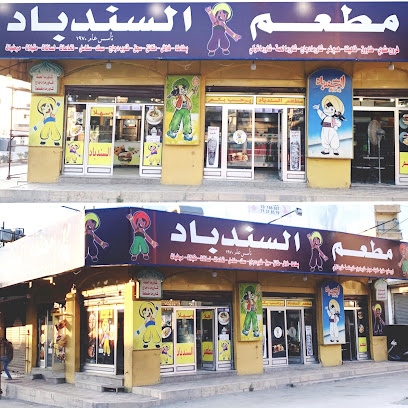
سندباد ABC
11.7 km
Discover authentic Lebanese flavors at Sundbad ABC in Baalbek - where tradition meets culinary excellence.
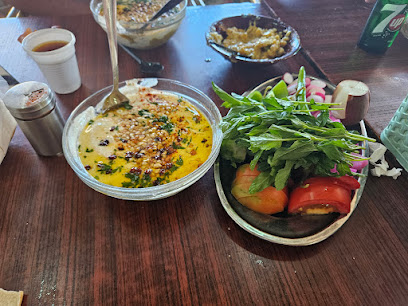
Restaurant Baroud
11.7 km
Experience authentic Lebanese breakfast delights at Restaurant Baroud in Baalbeck – where every dish tells a story.
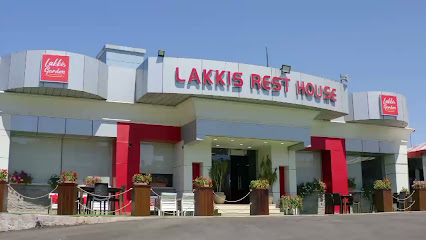
Lakkis Garden
11.7 km
Experience authentic Lebanese flavors in a serene garden setting at Lakkis Garden in Douris.
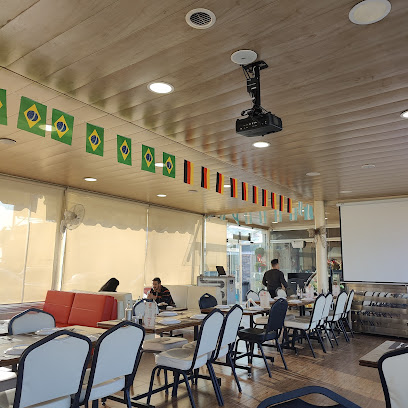
مطعم ابو ادهم
11.7 km
Experience authentic Lebanese flavors at مطعم ابو ادهم along the scenic Zahlé - Baalbek Highway.
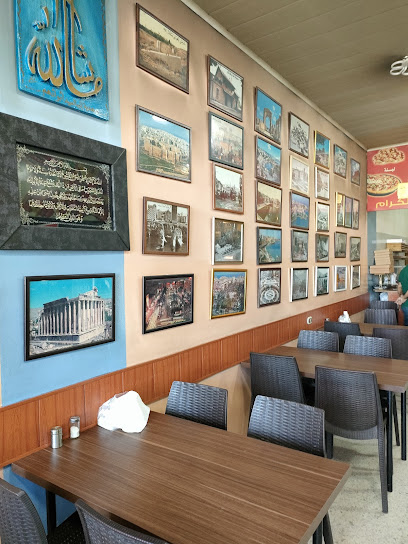
Al Mnini
12.0 km
Experience authentic Lebanese flavors at Al Mnini in Douris - where every dish tells a story.
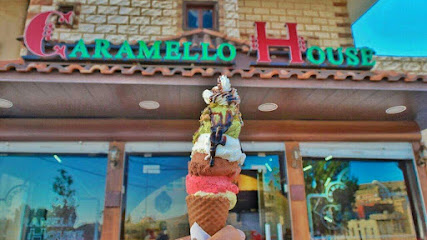
Caramello House
12.1 km
Experience the best crêpes and artisan ice cream at Caramello House near Baalbek's iconic Roman ruins.
Sol Bistro
12.1 km
Discover authentic Lebanese cuisine at Sol Bistro in Baalbek—where tradition meets taste amidst stunning historical surroundings.
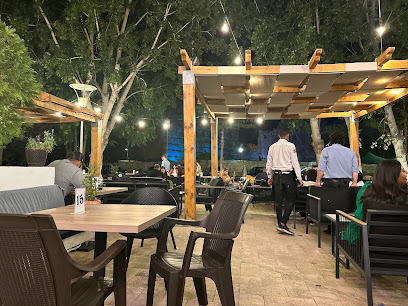
Tavern Cesar Restaurant
12.2 km
Experience authentic Lebanese flavors at Tavern Cesar Restaurant near Baalbek's ancient ruins – a must-visit culinary destination for every traveler.
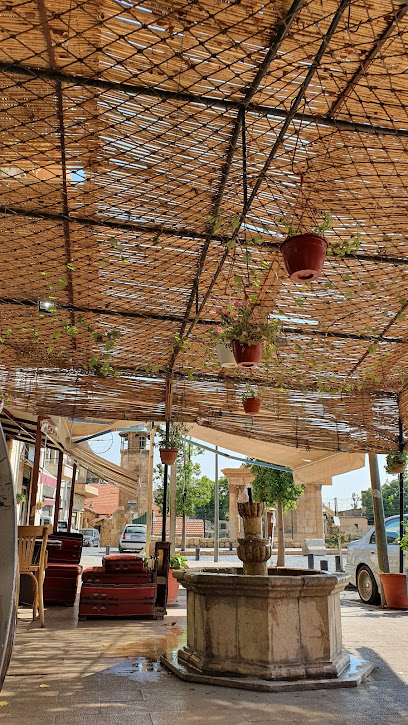
مطبخ و مطعم الحلاني
12.2 km
Discover authentic Lebanese cuisine at مطبخ و مطعم الحلاني in Baalbek – where tradition meets flavor in every dish.
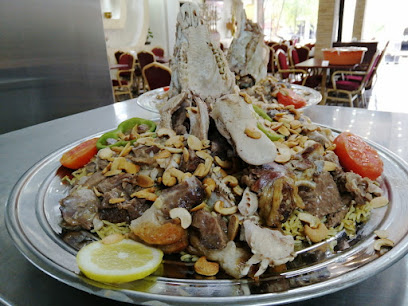
Bel baalbaki/ بِ لبعلبكي
12.2 km
Experience the authentic taste of Lebanon at Bel Baalbaki in Baalback—where tradition meets flavor in every dish.
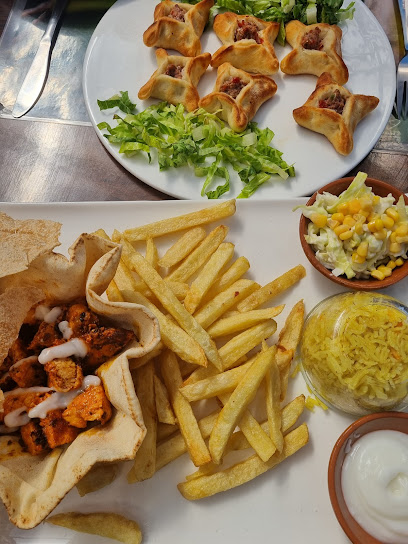
سناك ابو حبيب
12.2 km
Discover authentic Lebanese cuisine at سناك ابو حبيب in Baalbek, where every dish tells a story of tradition and flavor.
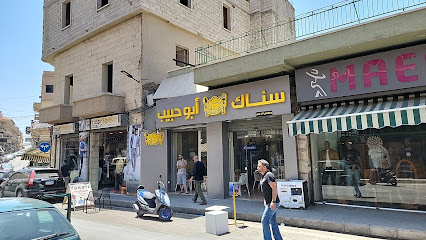
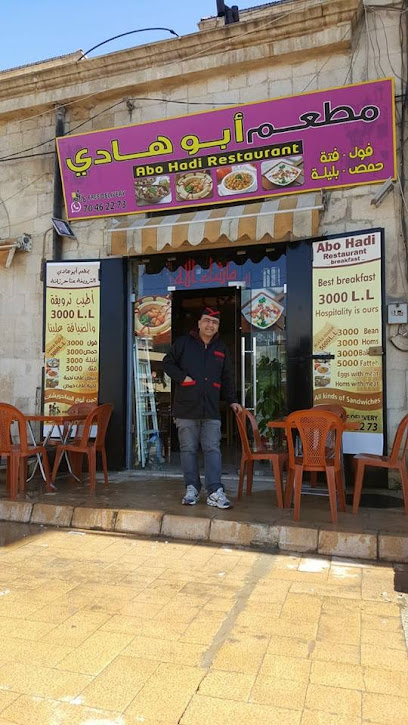
Abou Hadi Foul and Hummus
12.3 km
Discover authentic Lebanese cuisine at Abou Hadi Foul and Hummus in Baalbek – where every dish tells a story.
Markets, malls and hidden boutiques

Mahrous
9.1 km
Experience the authentic charm of Mahrous in Kaa Bikaa, where local crafts and flavors unite for an unforgettable shopping adventure.
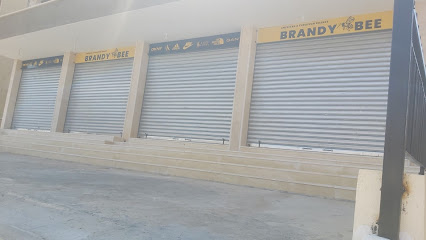
Brandy Bee
10.7 km
Discover stylish clothing and local fashion trends at Brandy Bee, a must-visit clothing store in Baalbek's vibrant shopping scene.
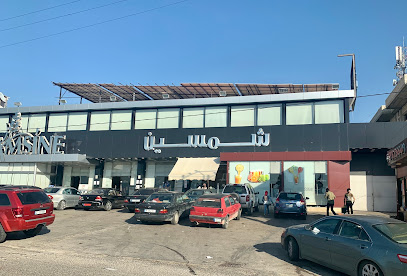
Chamsine Bakery
11.8 km
Experience the essence of Lebanese flavors at Chamsine Bakery, where every bite tells a story of tradition and craftsmanship.
عبدالله للتجارة العامة
12.1 km
Discover Abdallah General Trading in Douris for all your hardware needs, from tools to materials, and experience exceptional local service.

Maison de l'Artisanat-Baalbek
12.2 km
Explore the artistic soul of Baalbek at Maison de l'Artisanat, your gateway to authentic Lebanese souvenirs and artisan crafts.
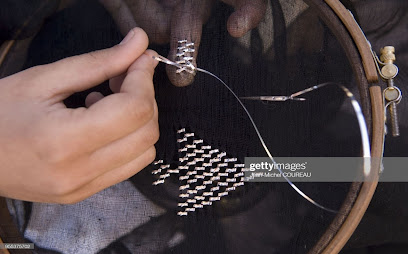
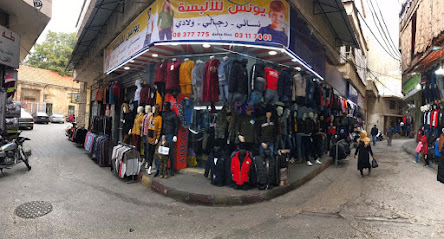
محلات يونس للالبسة
12.2 km
Explore the vibrant fashion scene at محلات يونس للالبسة in Baalbek, where local style meets modern trends in a welcoming atmosphere.
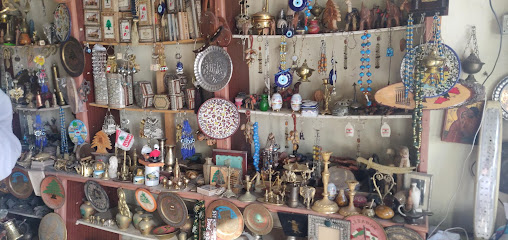
Souvenir Shop Caverne d'alibaba
12.2 km
Explore authentic Lebanese crafts and unique treasures at Souvenir Shop Caverne d'alibaba in Baalbek, a must-visit gift shop for every traveler.
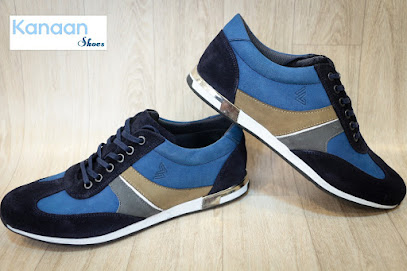
Kanaan shoes
12.3 km
Explore Kanaan Shoes in Baalbek for a remarkable selection of quality footwear that reflects the charm of local craftsmanship.
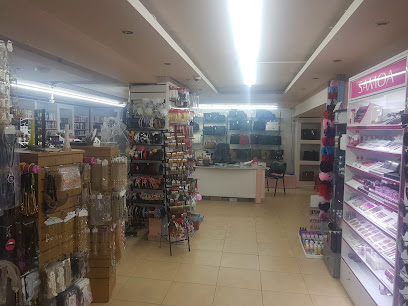
Faux Bijoux ABIR
12.3 km
Discover a world of exquisite jewelry and unique accessories at Faux Bijoux ABIR, a premier shopping destination in Baalbek, Lebanon.
Kandy Habib Kanaan
12.3 km
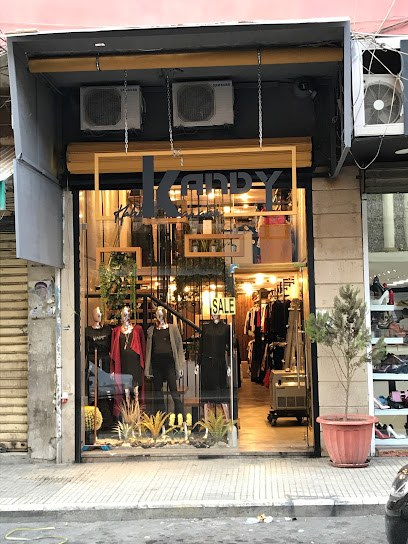
Explore the vibrant fashion scene at Kandy Habib Kanaan, Lebanon's premier clothing store offering a unique blend of local and international styles.
Magnum junior
12.4 km
Discover stylish clothing and unique local designs at Magnum Junior, a must-visit clothing store in Baalbek, Lebanon.
Baalback Old Souks
12.4 km
Explore Baalbek Old Souks: A vibrant marketplace blending tradition, culture, and the best of Lebanese craftsmanship in the heart of Baalbek.
XBOX Jeans
12.4 km
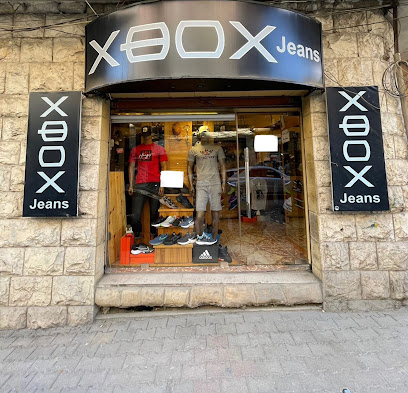
Explore XBOX Jeans in Baalbek for an exceptional selection of stylish men's clothing, where quality meets modern flair.
H,s fashion
12.4 km
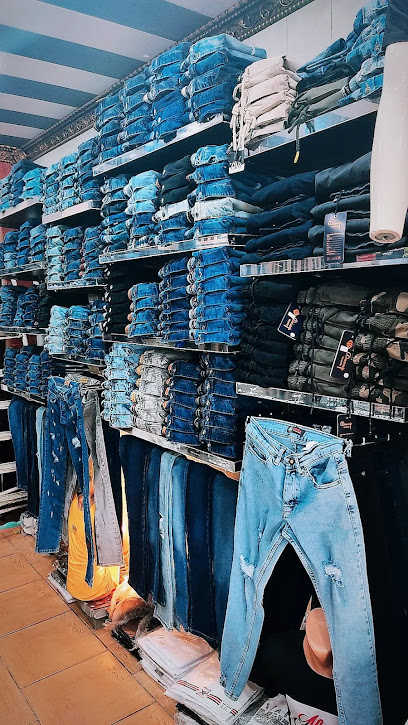
Explore the essence of Lebanese fashion at H,s Fashion in Baalbek, where tradition meets modern style in a vibrant shopping experience.
MANESSA STORE
12.4 km
Discover unique souvenirs and local crafts at Manessa Store, a charming gift shop in the historic city of Baalbek, Lebanon.
Essential bars & hidden hideouts

HM-Barr
7.3 km
Experience the vibrant nightlife at HM-Barr in Iaat, where friendly faces and refreshing drinks await you in a lively atmosphere.
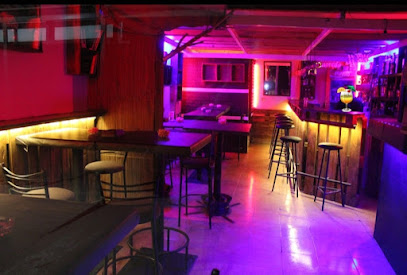
ايعات
8.3 km
Experience the vibrant nightlife of Iaat at this charming bar, where exquisite drinks and local culture unite to create unforgettable memories.
صالة ومسبح جود
11.3 km
Discover the charm of صالة ومسبح جود in Baalbek, where relaxation meets elegance in a vibrant lounge atmosphere.
Shadi Drink
11.6 km
Discover Shadi Drink in Beirut: A lively bar that blends local culture with a vibrant nightlife experience, perfect for tourists seeking fun and relaxation.
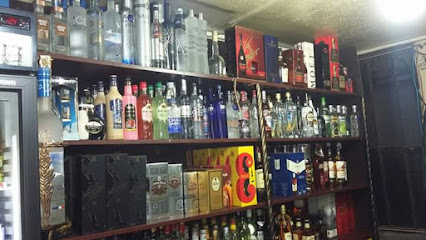
Moonbow
12.4 km
Discover Moonbow in Aainata, a serene lounge offering exquisite drinks, stunning views, and a perfect atmosphere for relaxation and socializing.

Rida shaweesh
14.0 km
Experience the vibrant nightlife at Rida Shaweesh, a lively bar in Hizzine, offering refreshing drinks and a taste of local culture.
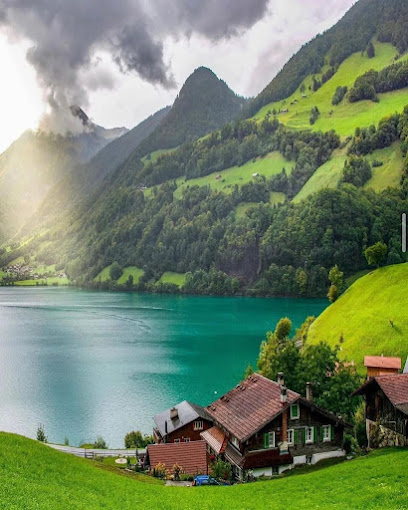
Sizzle Resto Bar
19.0 km
Experience exquisite dining at Sizzle Resto Bar in Cedars, where local flavors meet a stunning ambiance for an unforgettable meal.
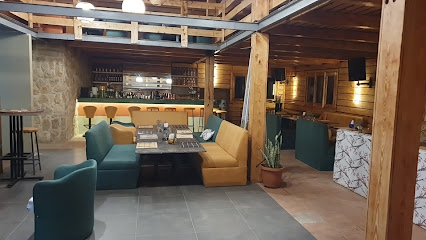
Zoofaa
19.0 km
Experience the lively atmosphere of Zoofaa, a premier pub in Baalbeck, perfect for drinks, socializing, and enjoying local culture.
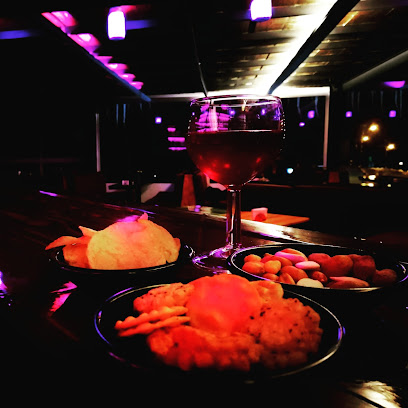
Heaven70seven
19.1 km
Discover the cozy charm of Heaven70seven, a top-rated bar and restaurant in Ariz offering delicious cuisine and a vibrant atmosphere.
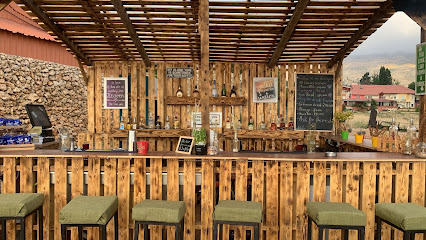
Vibes_lb_
19.7 km
Experience the vibrant atmosphere of Vibes_lb_ in Bsharri, where authentic Lebanese cuisine meets a lively pub ambiance.
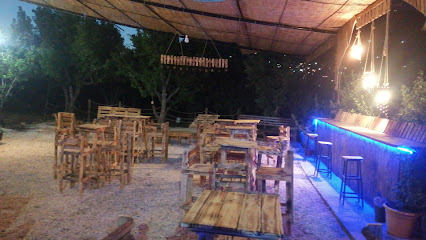
River Rock Restaurant مطعم صخرة النهر
19.8 km
Experience authentic Lebanese and Mediterranean cuisine with breathtaking views at River Rock Restaurant in Bcharry.
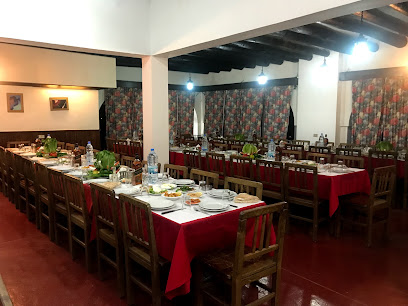
Francis restaurant
20.3 km
Discover the flavors of Lebanon at Francis Restaurant, a culinary treasure in Bsharri offering traditional dishes and stunning mountain views.
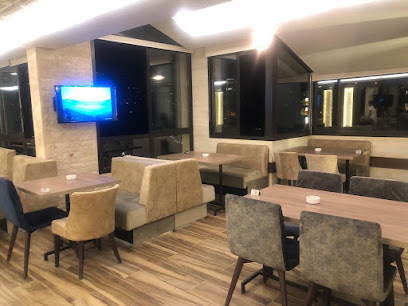
Cave Du Roi
20.5 km
Discover Cave Du Roi, a charming bar near Saint Saba Cathedral in Bsharri, where local drinks meet stunning views and a cozy atmosphere.
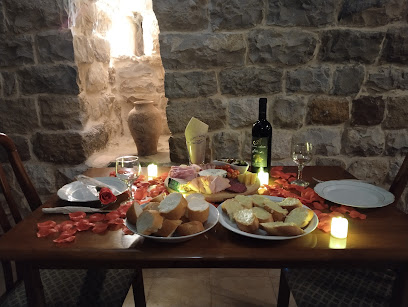
Baloo Pizza
20.5 km
Discover delicious pizzas in the heart of Bsharri at Baloo Pizza, a fast-food haven for travelers seeking tasty convenience.

admin_beirut
20.5 km
Experience the cozy charm of Bsharri's favorite bar, offering delightful drinks in a stunning natural setting.
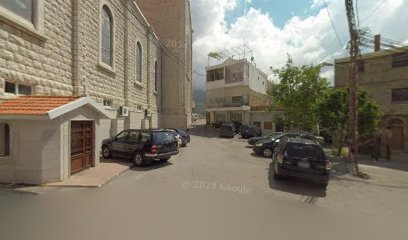
Nightclubs & after hour spots

صالة وقاعة تموز
12.6 km
Discover the heartbeat of Baalbek's nightlife at صالة وقاعة تموز, a vibrant night club where music and dance create unforgettable experiences.
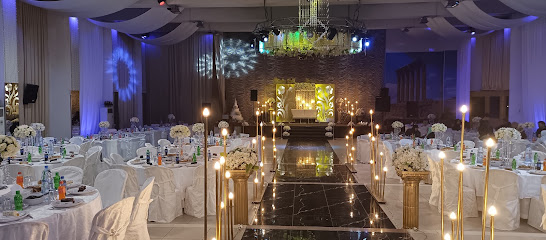
راس العين
13.5 km
Experience the vibrant nightlife of Baalbek at Ras al-Ain, a captivating night club offering music, dance, and cultural immersion.
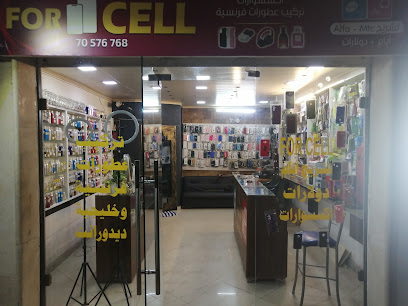
White Cedar Hotel & Resort
18.9 km
Experience luxury and vibrant nightlife at White Cedar Hotel & Resort in stunning Cedars, North Lebanon, perfect for relaxation and adventure.
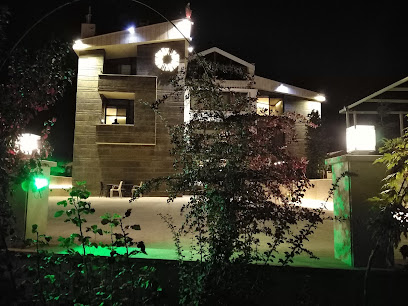
Raven Club
21.3 km
Experience the electrifying nightlife at Raven Club in Lebanon, where music, dance, and culture unite for an unforgettable evening.
Muse bar
21.9 km
Experience the heart of Bsharri's nightlife at Muse Bar, where vibrant ambiance and welcoming service meet delightful drinks.
Haze Sunset Bar
25.0 km
Experience breathtaking sunsets at Haze Sunset Bar in Ehden, where spectacular views and a relaxing atmosphere await every visitor.
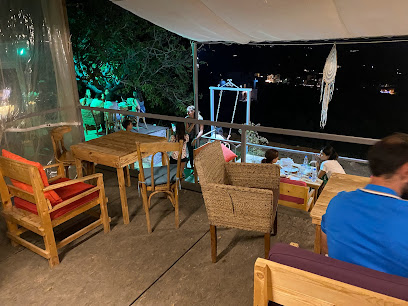
Enchanted - Lounge Bar
25.4 km
Experience the enchanting vibes of Ehden's nightlife at the Enchanted Lounge Bar, where exquisite drinks and a warm atmosphere await.
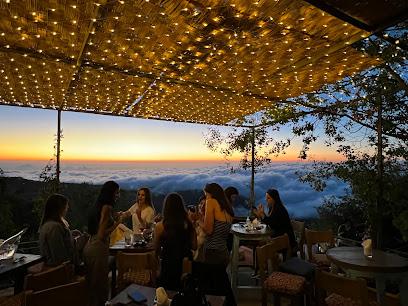
Obar Ehden
25.7 km
Dive into the energetic nightlife at Obar Ehden, where music, dancing, and vibrant atmosphere create unforgettable memories.
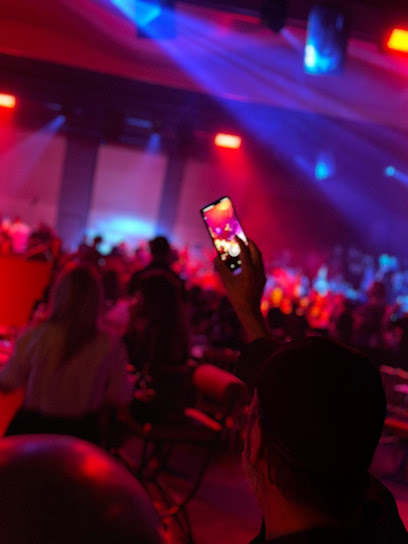
Loui’s Bar
26.4 km
Discover the lively atmosphere of Loui's Bar in Ehden, where delicious drinks and unforgettable nights await you.
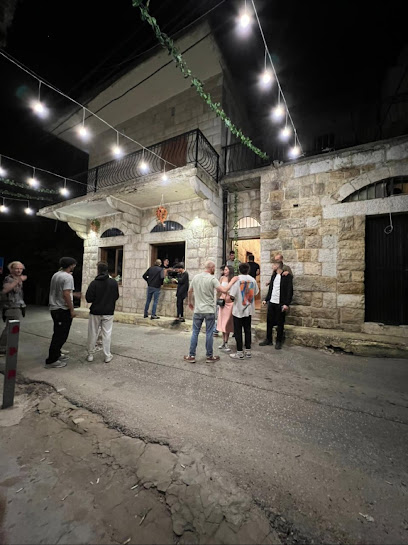
Minus Pub
26.5 km
Discover the vibrant nightlife of Ehden at Minus Pub, where crafted cocktails and live music create unforgettable evenings.
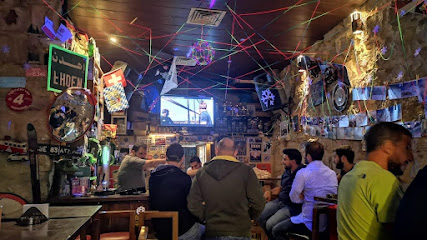
Ocean Night Club
26.5 km
Discover the ultimate nightlife experience at Ocean Night Club, where the beats are infectious and the atmosphere is electrifying.
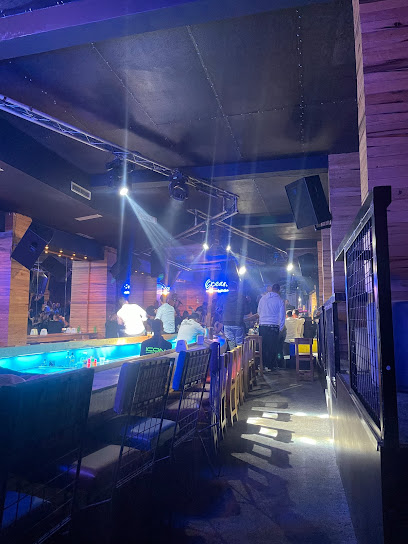
Label ehden
26.7 km
Discover the electrifying nightlife at Label Ehden, where music, dance, and unforgettable moments await in the heart of Lebanon's mountains.
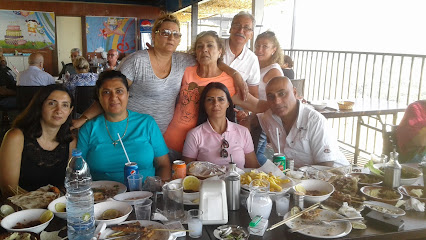
Vee Lounge
26.8 km
Experience the vibrant nightlife of Ehden at Vee Lounge, where stylish ambiance meets exquisite drinks and unforgettable moments.
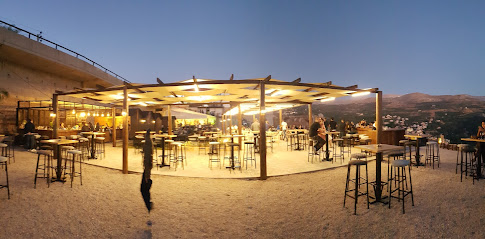
Cloud 9
26.8 km
Discover the vibrant nightlife of Cloud 9 in Ehden, where breathtaking views and great drinks create unforgettable moments.
Joker's lounge bar
27.0 km
Experience vibrant nightlife at Joker's Lounge Bar in Ehden, Lebanon - a lively venue for drinks, music, and unforgettable memories.