American University of Beirut Archaeological Museum: A Journey Through the Ancient Near East
Explore millennia of Near Eastern history at AUB's Archaeological Museum, home to a vast collection of artifacts from Stone Age to the Islamic era.
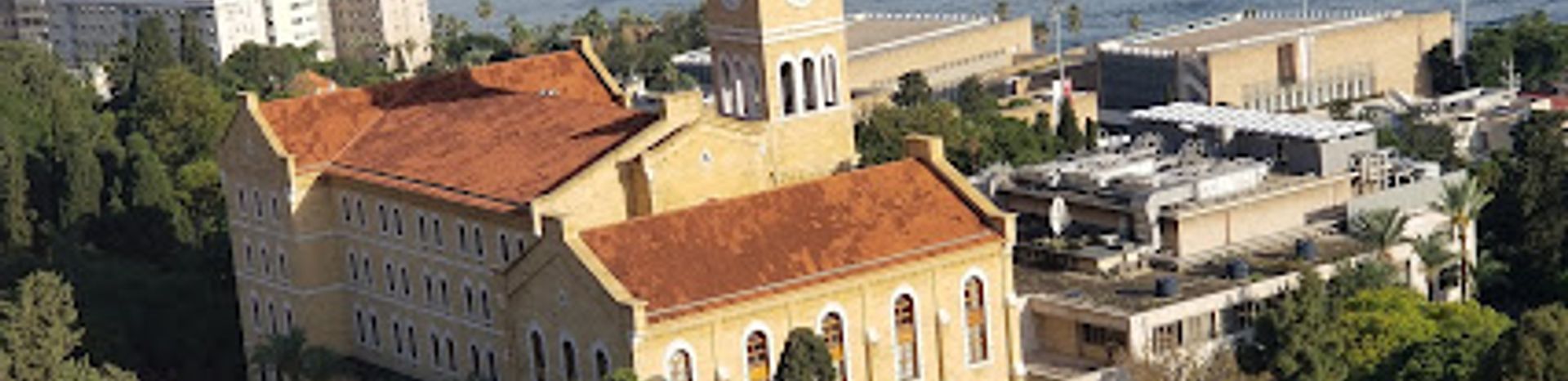
The AUB Archaeological Museum, established in 1868, is the third oldest museum in the Near East. Showcasing artifacts from Lebanon, Syria, Cyprus, and beyond, it offers a captivating overview of the region's history from the Stone Age to the Islamic Period.
A brief summary to American University of Beirut Archaeological Museum
- Beirut, LB
- +9611759665
- Visit website
Local tips
- Entrance to the museum is free, but it's closed on Saturdays, Sundays, and official holidays.
- Check out the museum's gift shop for unique souvenirs.
- Consider emailing the museum in advance to arrange a guided tour.

Getting There
-
Walking
From the main gate of AUB, walk straight, then turn right. The museum will be on your right.
-
Public Transport
Take a local minibus to Hamra. From Hamra, walk to AUB's main gate. Then walk straight, then turn right. The museum will be on your right. A single bus fare is approximately 1,000-2,000 LBP.
-
Taxi
Taxis are readily available throughout Beirut. Ask the driver to take you to the American University of Beirut (AUB). Once inside the campus, follow the signs to the Archaeological Museum. A short taxi ride within Beirut typically costs 20,000-25,000 LBP.
Discover more about American University of Beirut Archaeological Museum
Iconic landmarks you can’t miss

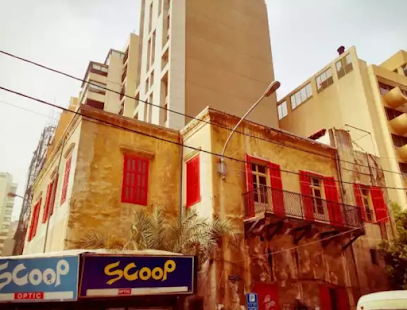
The Red House
0.3 km
Discover The Red House in Beirut: A historic landmark with a vibrant past, offering a glimpse into Lebanon's rich cultural heritage.
Ka3kaya
0.4 km
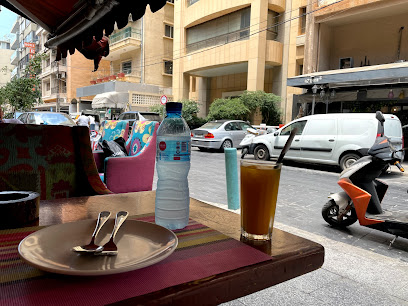
Experience authentic Lebanese flavors in Beirut's vibrant Hamra district. A taste of tradition in a cozy setting.
Hamra
0.4 km
Experience the vibrant heart of Beirut in Hamra, a dynamic district blending history, culture, and modern attractions.
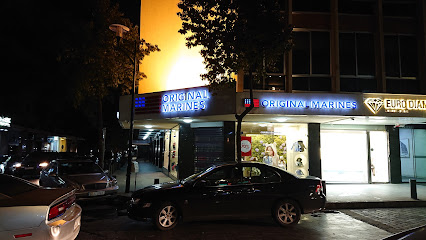
Living Lebanon
0.5 km
Explore the vibrant culture and rich history of Beirut with Living Lebanon, your personalized guide to the heart of this enchanting city.
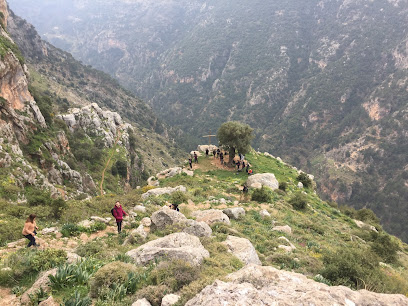
Hamra Urban Gardens
0.5 km
Experience modern comfort and Lebanese hospitality at Hamra Urban Gardens, a vibrant community hub in the heart of Beirut.
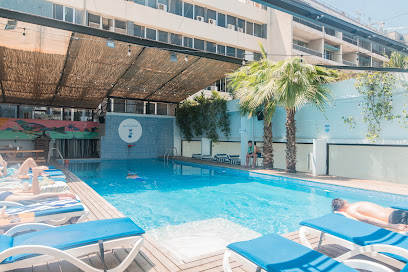
Staybridge Suites Beirut, an IHG Hotel
0.9 km
Experience the best of Beirut at Staybridge Suites, an extended stay hotel offering comfort, convenience, and a taste of local culture in the heart of Verdun.
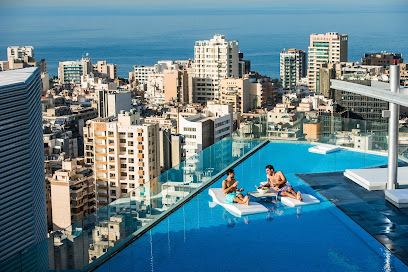
Tour Beirut
0.9 km
Discover the vibrant history and culture of Beirut with expertly guided tours showcasing the city's stunning landmarks and culinary delights.
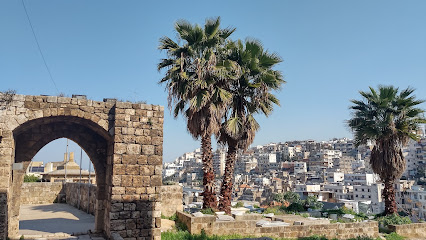
Kraytem Palace
0.9 km
Explore the grandeur of Kraytem Palace, a historical landmark in Beirut that showcases exquisite architecture and cultural significance.
Rafīq al-Ḥarīrī Memorial Flame
1.0 km
A tribute to Rafīq al-Ḥarīrī, symbolizing hope and resilience in the heart of Beirut. A place for reflection and remembrance.
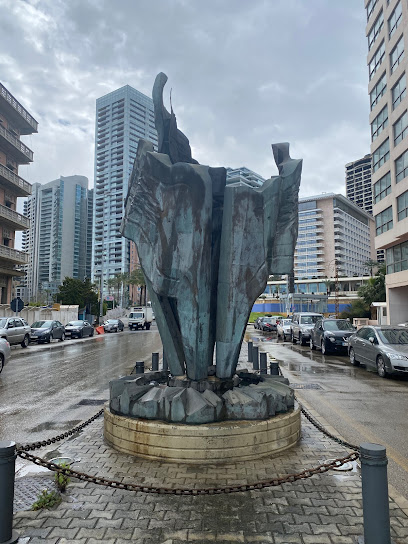
Heneine palace
1.3 km
Discover the Ottoman-era Heneine Palace in Beirut, a historical landmark with Moorish-inspired architecture, once a hub for consulates and intellectuals.
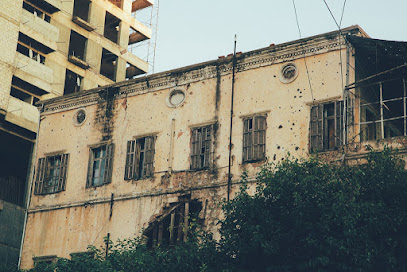
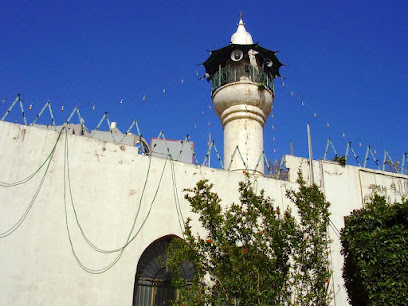
مسجد زقاق البلاط
1.5 km
Explore the historic مسجد زقاق البلاط in Beirut, a serene mosque with stunning Ottoman architecture and a rich cultural heritage.
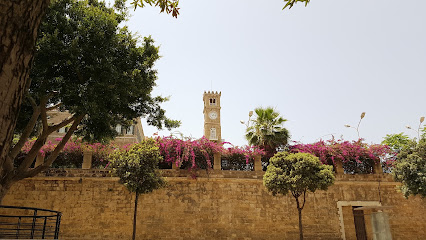
Hamidiye Clock Tower
1.7 km
Explore the Hamidiye Clock Tower in Beirut, a symbol of Ottoman heritage and resilience, standing tall in the heart of the city since 1897.
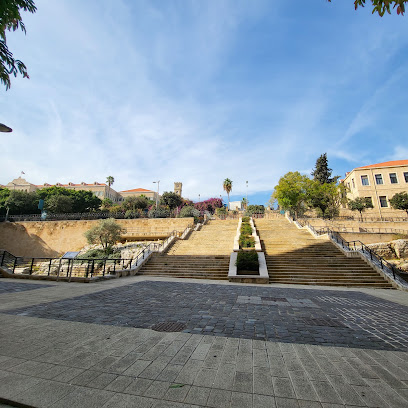
Place Amin El Hafez
1.8 km
Explore Beirut's rich heritage at Place Amin El Hafez, a historic landmark showcasing the city's captivating story and vibrant culture.
تمثال جبران خليل جبران
1.8 km
A tribute to the Lebanese-American poet and artist, Gibran Khalil Gibran, in the heart of Beirut.

Beirut Souks
1.9 km
Experience Beirut Souks: Where history meets modern shopping, dining, and entertainment in the heart of Beirut Central District.
Unmissable attractions to see

Minet El Hosn
0.5 km
Discover the vibrant coastal charm of Minet El Hosn in Beirut, where stunning views, rich culture, and delightful cuisine await.
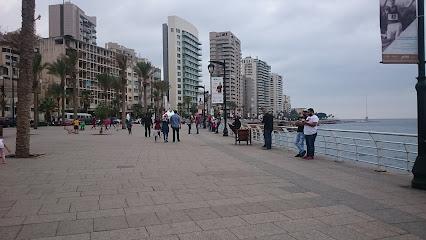
Corniche El Manara, Ain El Mraiseh
0.5 km
Explore the scenic beauty and vibrant culture of Corniche El Manara, a must-visit coastal promenade in the heart of Beirut.
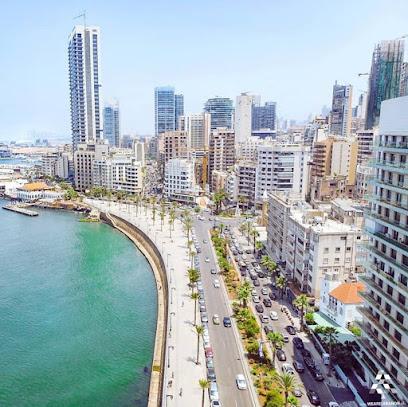
Corniche Ain Mreisse
0.6 km
Discover the serene charm of Corniche Ain Mreisse, Beirut's stunning seaside promenade, where breathtaking views meet vibrant local culture.
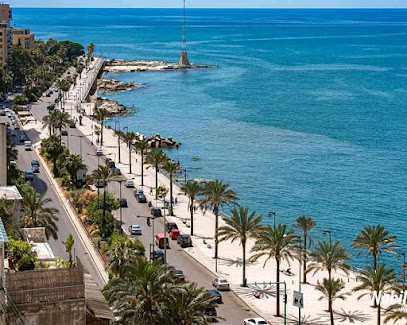
Dar El-Nimer for Arts and Culture
0.7 km
Explore the vibrant art scene at Dar El-Nimer for Arts and Culture in Beirut, a cultural center that showcases contemporary and traditional artistic expressions.
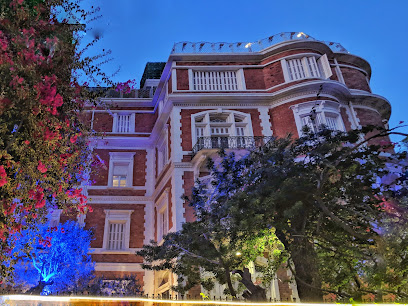
Sanayeh Park
0.9 km
Discover the tranquility of Sanayeh Park, a lush green oasis in Beirut perfect for relaxation, picnics, and enjoying local culture.
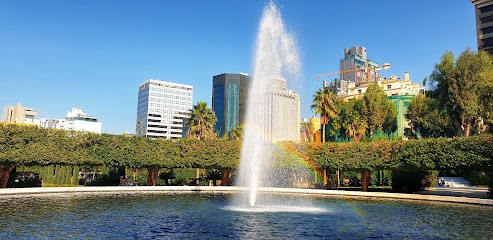
La Maison Rose
1.1 km
Explore La Maison Rose, a stunning historical landmark in Beirut that showcases the city's rich cultural heritage and architectural beauty.
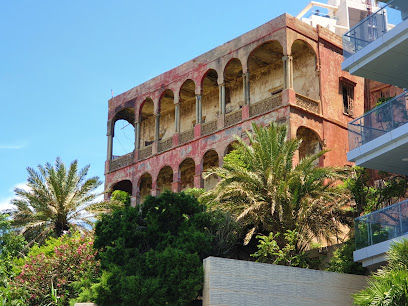
Zaituna Bay
1.4 km
Experience the vibrant atmosphere of Zaituna Bay, a stunning marina and promenade in Beirut, perfect for dining, shopping, and relaxation by the sea.
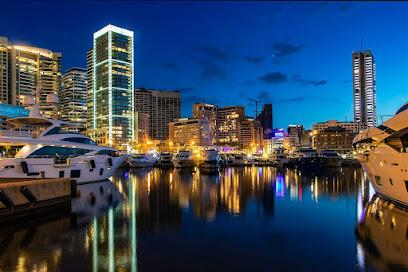
Beirut Amusement Park
1.4 km
Discover the excitement of Beirut Amusement Park, a family-friendly destination brimming with thrilling rides and vibrant entertainment for all ages.
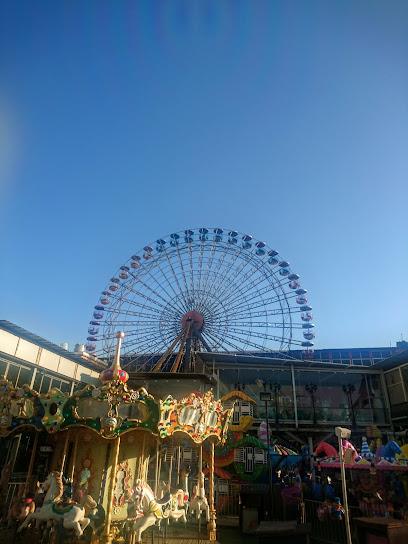
Yalla 3al rassif
1.5 km
Experience the vibrant culture and culinary delights of Beirut at Yalla 3al Rassif, a true gem for tourists seeking authentic Lebanese experiences.
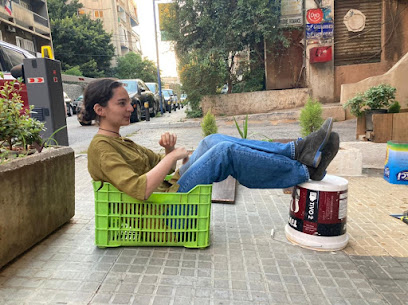
Robert Mouawad Private Museum
1.5 km
Discover a world of art, jewelry, and history in a stunning neo-gothic palace in the heart of Beirut. A cultural gem!
Al Raouche Rocks
1.5 km
Discover the breathtaking beauty of Al Raouche Rocks in Beirut, a natural wonder and iconic landmark perfect for stunning views and local culture.
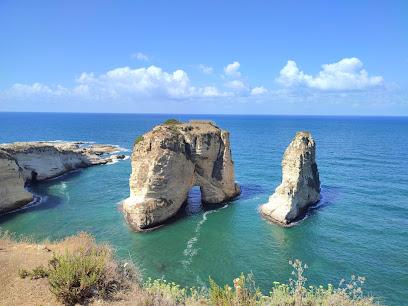
Rawsha
1.5 km
Discover Rawsha in Beirut: Iconic sea rocks, stunning views, and a vibrant cultural scene await at this must-see Lebanese landmark.
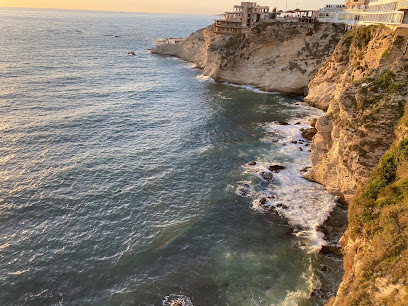
Grand Serail (Government Palace)
1.6 km
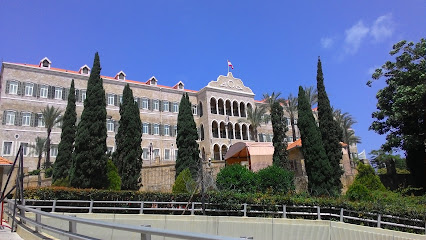
Explore the Grand Serail in Beirut, a stunning example of Lebanese architecture and a key symbol of the nation's political heritage.
Sakhrat al-Rawchieh ، صخرة الروشة
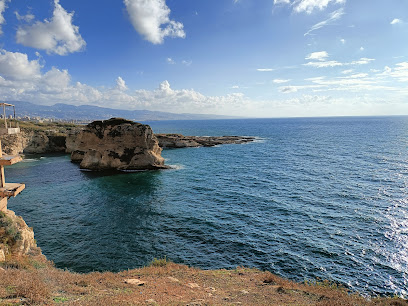
1.6 km
Discover the breathtaking views and unique beauty of Sakhrat al-Rawchieh, an iconic natural landmark in Beirut, Lebanon.
Rawcheh Rocks
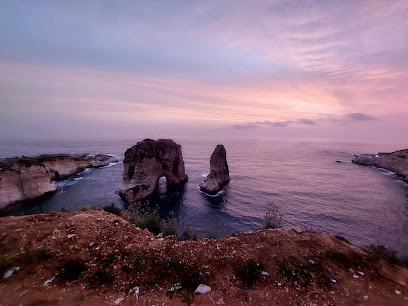
1.6 km
Discover Beirut's iconic Pigeon Rocks: a breathtaking natural wonder steeped in history and Lebanese culture, offering stunning coastal views.
Essential places to dine

L'Autre Bistro
0.2 km
Experience authentic French cuisine at L'Autre Bistro in Beirut - where culinary excellence meets warm hospitality.
رصيف بيروت Raseef Beirut
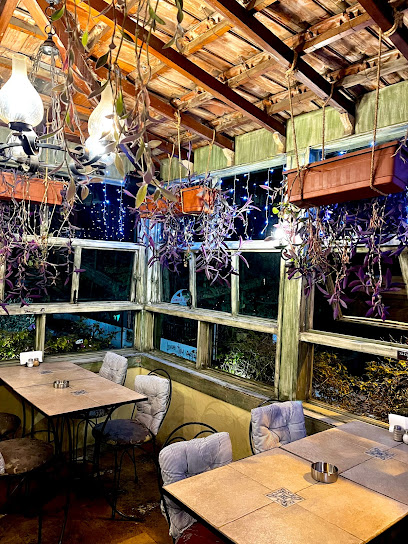
0.4 km
Experience the vibrant flavors of Lebanon at Raseef Beirut - where tradition meets modern culinary art in an inviting atmosphere.
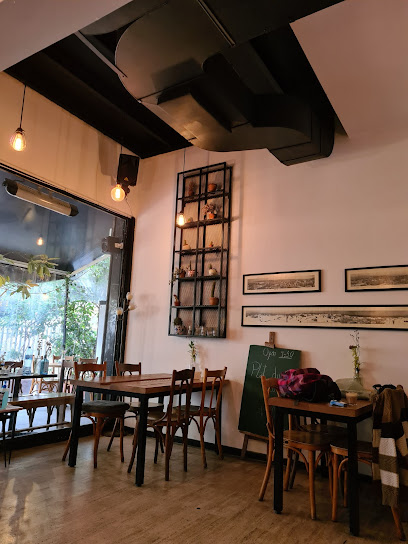
Bedivere Eatery and Tavern
0.4 km
Discover exquisite flavors at Bedivere Eatery and Tavern in Beirut – where local cuisine meets modern culinary artistry.
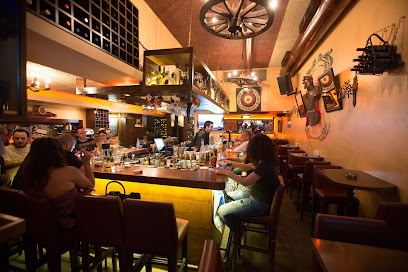
T-Marbouta
0.4 km
Experience authentic Lebanese flavors at T-Marbouta in Hamra Square, Beirut—where tradition meets culinary excellence.
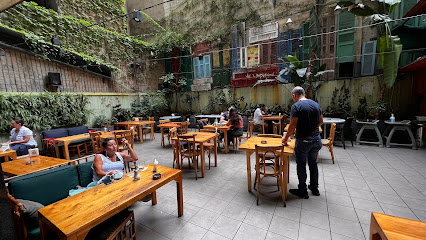
Little Beirut Lebanon
0.4 km
Experience authentic Lebanese flavors at Little Beirut in Hamra - where every dish tells a story.
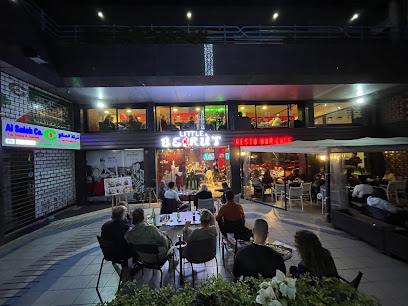
مطعم مزيان - Mezyan
0.4 km
Savor the rich flavors of Lebanon at Mezyan Restaurant - where every dish tells a story.
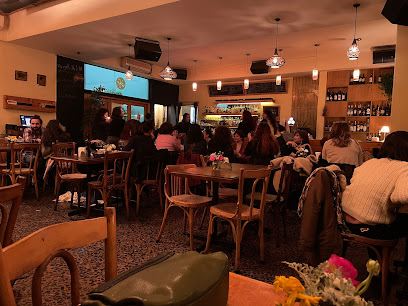
Bayt Em Nazih
0.5 km
Experience authentic Lebanese cuisine at Bayt Em Nazih in Beirut - where every dish tells a story.
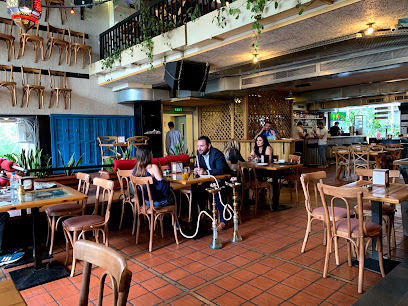
Appetito Trattoria Hamra
0.5 km
Experience authentic Italian cuisine in the heart of Beirut at Appetito Trattoria Hamra - where every meal feels like a celebration.
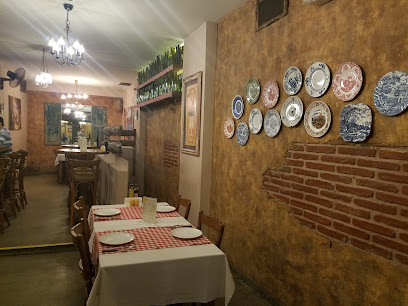
Abu Naim
0.5 km
Experience authentic Lebanese flavors at Abu Naim in Beirut's lively Hamra district—where every dish tells a story.
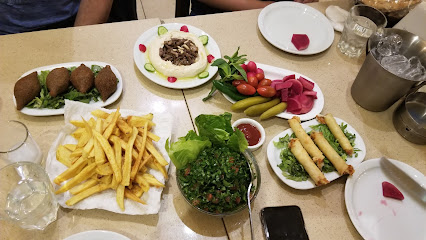
zaatar w zeit
0.7 km
Experience authentic Lebanese cuisine at Zaatar w Zeit in Beirut - where traditional flavors meet modern dining.
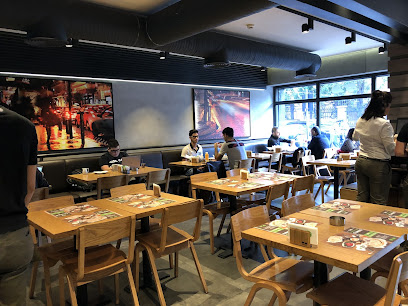
Le Pecheur
0.8 km
Discover Le Pecheur, Beirut's top seafood restaurant offering fresh Mediterranean dishes with stunning sea views.
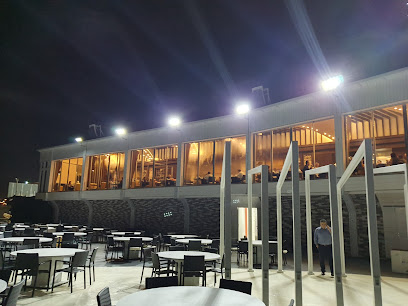
Jai asian Restaurant
0.9 km
Experience authentic Indian and Thai flavors at Jai Asian Restaurant in Beirut – where every meal is a delightful journey through Asia's rich culinary heritage.
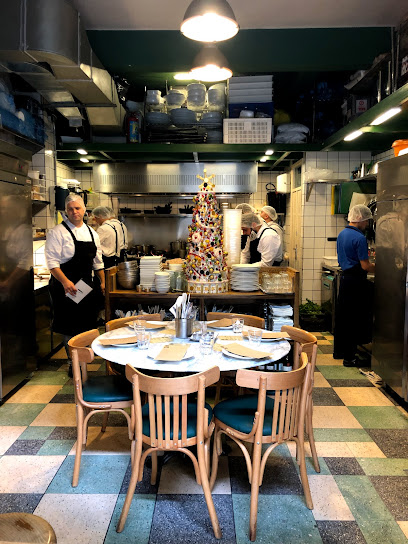
Leila Restaurant Zaitunay Bay مطعم ليلى
1.2 km
Experience authentic Lebanese flavors at Leila Restaurant in Zaitunay Bay while enjoying stunning waterfront views.
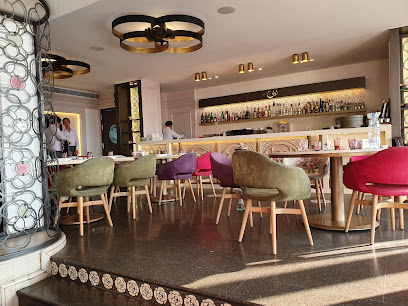
Batchig Sur Mer
1.4 km
Discover authentic Armenian flavors at Batchig Sur Mer, where exquisite cuisine meets breathtaking marina views in Beirut.
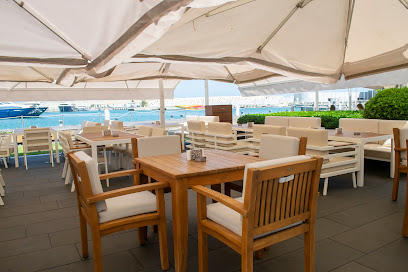
The Grill
1.4 km
Discover luxury dining at The Grill in Beirut—where exquisite steaks meet exceptional service in an elegant setting.
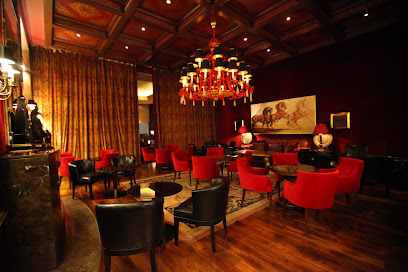
Markets, malls and hidden boutiques

Ants Hamra
0.3 km
Discover the unique fashion finds at Ants Hamra, a must-visit clothing store in the heart of Beirut, blending local styles with contemporary trends.
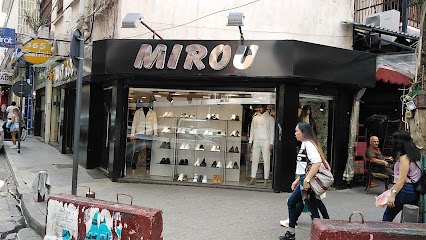
Mirou Hamra
0.4 km
Explore the vibrant fashion scene at Mirou Hamra, Beirut's go-to clothing store for trendy styles and unique local designs.
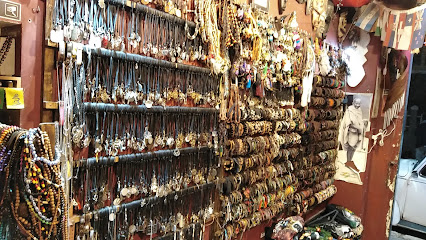
D's CORNER
0.4 km
Discover unique gifts and local crafts at D's Corner, a charming shop in Beirut's vibrant Jeanne d'Arc Street, perfect for tourists seeking authentic souvenirs.
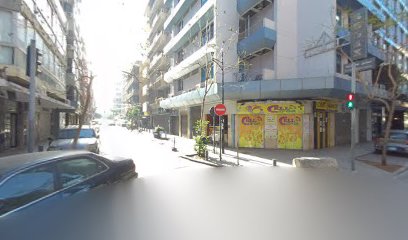
Al-Sirat Shopping
0.4 km
Explore Al-Sirat Shopping in Beirut for a unique blend of beauty, home essentials, and delightful souvenirs in a vibrant shopping atmosphere.
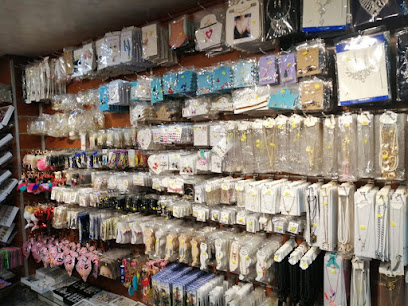
Amir
0.4 km
Explore Amir Souvenir Store in Beirut for unique, handcrafted treasures and authentic Lebanese gifts that capture the spirit of your travels.
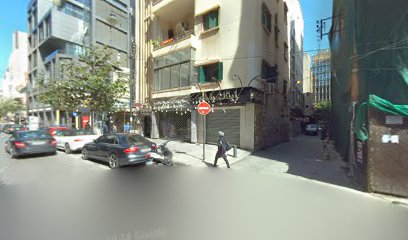
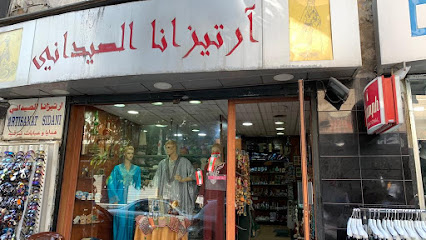
Artisanat sidani
0.5 km
Explore Artisanat Sidani in Beirut for unique clothing that blends traditional craftsmanship with modern styles, showcasing the best of Lebanese fashion.
Eldorado Shopping Center
0.5 km
Explore Eldorado Shopping Center in Beirut for a delightful shopping experience with a wide range of affordable clothing, footwear, and household items.
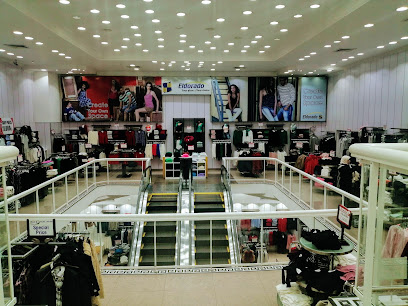
Les Amis Boutique
0.5 km
Explore the latest fashion trends at Les Amis Boutique, a chic women's clothing store in the heart of Beirut's Hamra district.
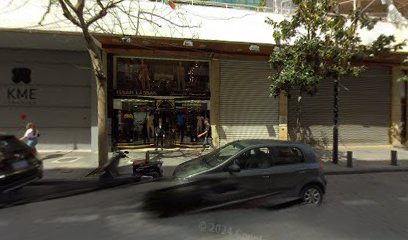
OUTLET FASHION STORE
0.5 km
Discover unbeatable fashion deals at the Outlet Fashion Store in Beirut – a shopping paradise for trendy apparel enthusiasts.
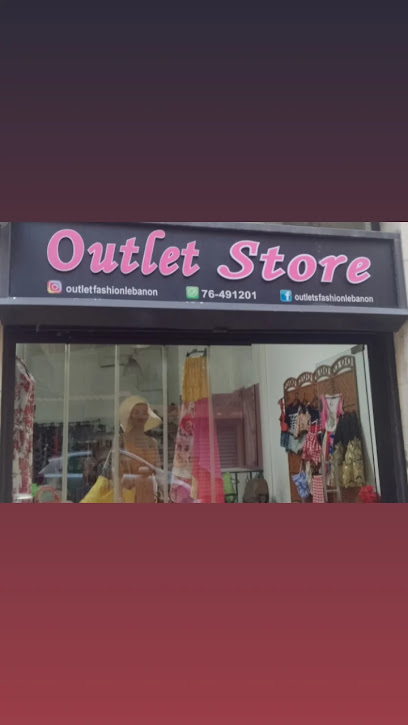
Vitamine Beirut
0.5 km
Explore the trendy and affordable fashion at Vitamine Beirut, a must-visit women's clothing boutique in the heart of Lebanon's vibrant capital.
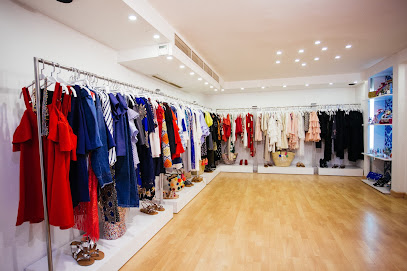
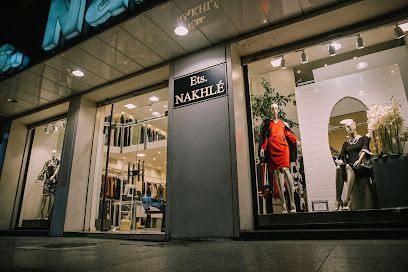
Nakhle.Ets Hamra
0.5 km
Explore Nakhle.Ets Hamra in Beirut for exquisite women's clothing and accessories that blend modern trends with Lebanese fashion heritage.
Artisanat Ahmad Chehab
0.6 km
Explore Artisanat Ahmad Chehab in Beirut for exquisite handcrafted souvenirs that capture the essence of Lebanese culture and artistry.
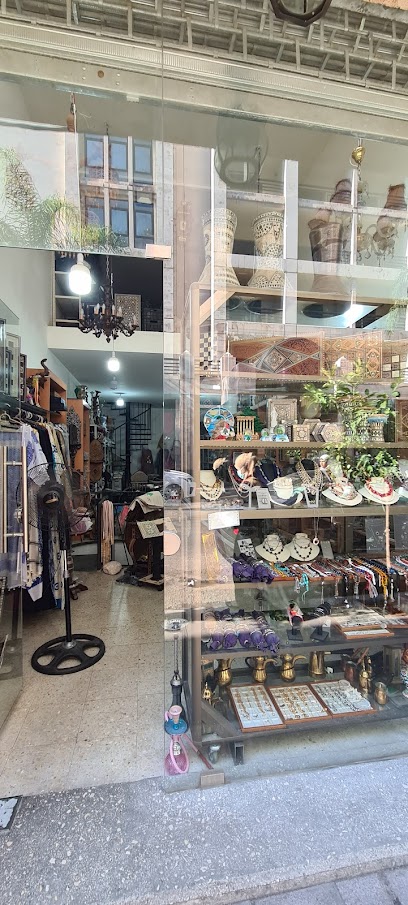
Hamra vintage
0.6 km
Explore Hamra Vintage: Baabda's premier antique store, showcasing unique artifacts and rich history in a charming setting.
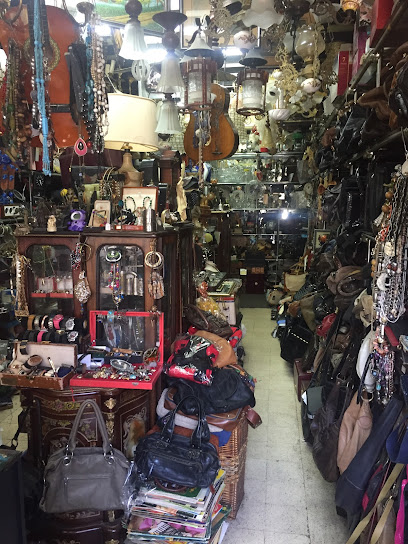
Giftmania Collectables
0.7 km
Explore Giftmania Collectables in Bliss, Beirut for unique souvenirs and local artisan treasures that capture the essence of Lebanon.
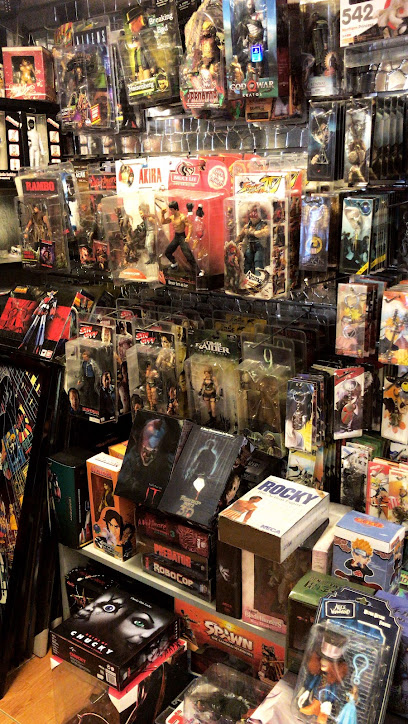
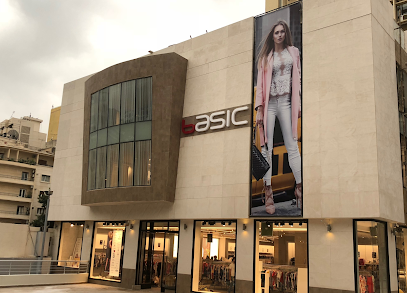
Basic Outlet Stores
0.8 km
Discover unbeatable deals and a vibrant shopping experience at Basic Outlet Stores in Verdun, Beirut, where brand-name products await you!
Essential bars & hidden hideouts

Rainze
0.4 km
Discover Rainze, a lively pub on Makdessi Street in Beirut, where great drinks and vibrant nightlife create unforgettable experiences.
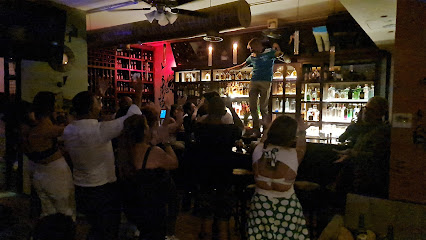
The Twelve Bar
0.4 km
Experience the vibrant nightlife of Beirut at The Twelve Bar, where friendly faces and great drinks create unforgettable memories.
Hamra Express cocktail bar
0.4 km
Experience the vibrant nightlife of Beirut at Hamra Express cocktail bar, featuring exquisite drinks and a lively atmosphere.
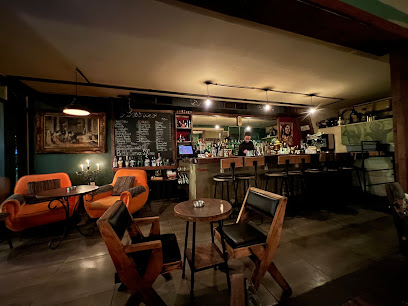
The Goose
0.4 km
Experience the vibrant nightlife of Beirut at The Goose, a cozy bar and restaurant in Hamra, offering delicious food and a diverse drink menu.
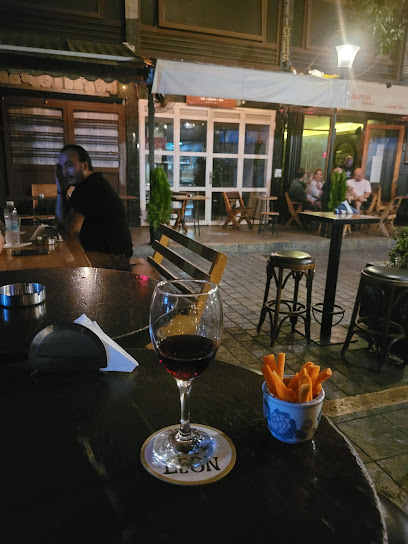
Propaganda Gin Room
0.4 km
Discover Propaganda Gin Room in Beirut - a stylish lounge with a remarkable gin selection and a vibrant atmosphere perfect for unwinding.
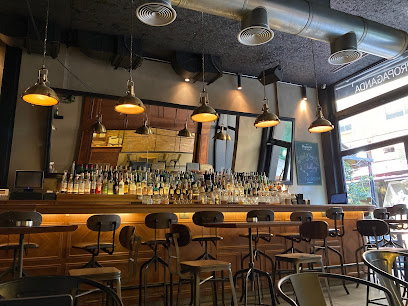
Coop d'état rooftop
0.4 km
Coop d'état rooftop in Beirut: Where stunning views meet an unforgettable nightlife experience, perfect for tourists and locals alike.
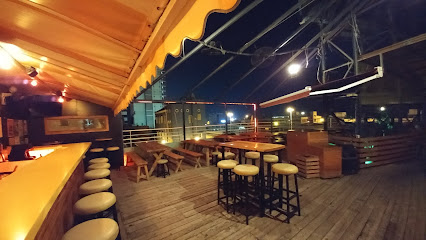
Li Beirut
0.6 km
Experience the vibrant nightlife of Beirut at Li Beirut, where cocktails and music create an unforgettable atmosphere.
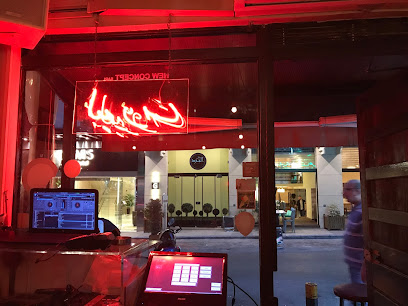
Unplug
0.6 km
Experience the vibrant nightlife of Beirut at Unplug, a lively bar known for its friendly atmosphere and diverse drink selection.
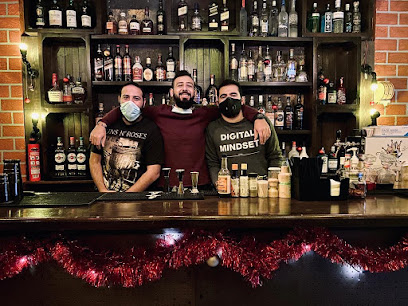
Rabbit Hole Pub & Grub
0.6 km
Discover Rabbit Hole Pub & Grub, a vibrant bar in Beirut serving delicious food and drinks, perfect for experiencing local culture and nightlife.
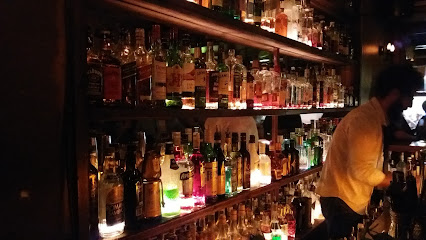
12 Bar
0.6 km
Discover the lively nightlife at 12 Bar in Baabda, where great drinks and vibrant music create an unforgettable experience for all.
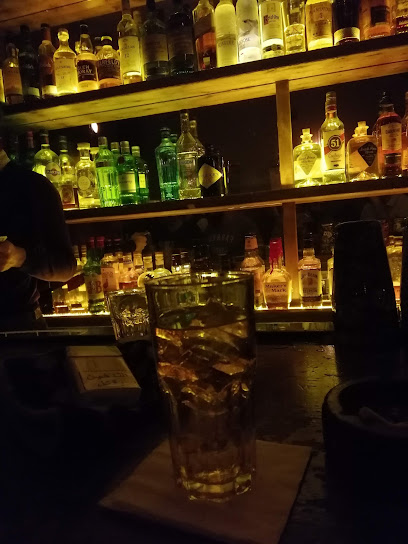
Ales & Tales
0.6 km
Experience the vibrant nightlife of Beirut at Ales & Tales, where eclectic vibes, great drinks, and electronic music create unforgettable memories.
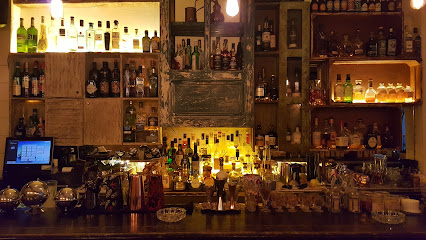
Neighbors Pub
0.6 km
Experience the vibrant nightlife at Neighbors Pub, a beloved spot in Beirut offering delicious food, refreshing drinks, and a lively atmosphere.
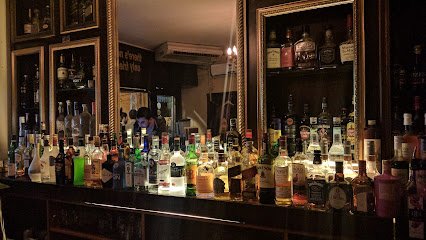
Captain's Cabin
0.7 km
Discover the charm of Captain's Cabin in Beirut, where vibrant nightlife meets exquisite cocktails in an unforgettable setting.
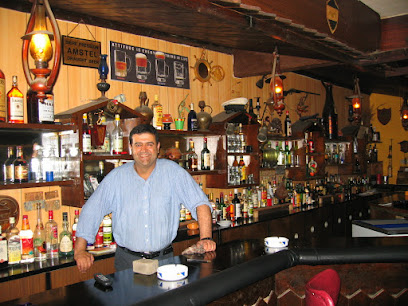
Abou Elie Pub
1.0 km
Discover the lively atmosphere and extensive drink selection at Abou Elie Pub, a nightlife gem in Beirut's vibrant social scene.
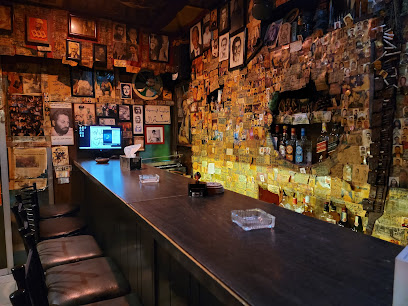
Sunset Bar by Sporting Club
1.6 km
Discover the vibrant Sunset Bar by Sporting Club in Beirut, where stunning views and lively nightlife come together for an unforgettable experience.
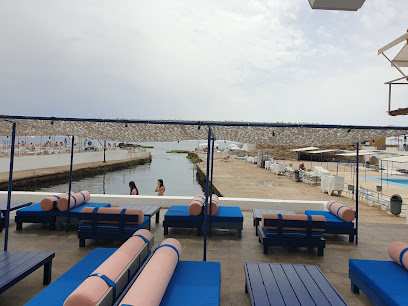
Nightclubs & after hour spots

El Gordo
0.3 km
Discover the electrifying nightlife of Beirut at El Gordo, a premier night club in the vibrant Hamra district, where music and energy collide.
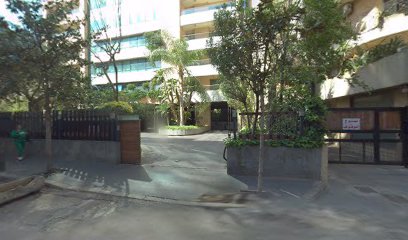
Monty Club
0.3 km
Discover the vibrant nightlife at Monty Club, a trendy lounge in Beirut offering exquisite drinks, a chic ambiance, and unforgettable views.
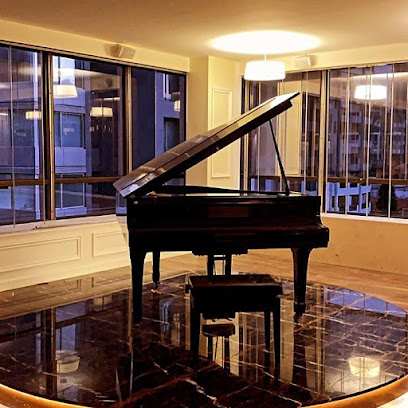
kess em fawaz
0.6 km
Experience the electrifying atmosphere of Kess Em Fawaz, a top night club in Beirut where unforgettable nights come alive amidst the beats and rhythms of the city.
يامسهرني
0.6 km
Discover the electrifying ambiance of يامسهرني, Beirut's top night club, where vibrant music and unforgettable nights await.
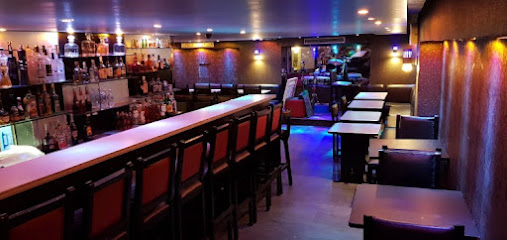
babylon night club
0.8 km
Discover the electrifying nightlife of Beirut at Babylon Night Club, where music and cocktails create unforgettable moments.
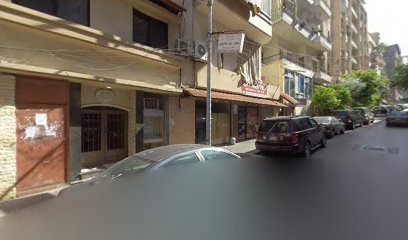
Pitch Blue
1.0 km
Experience the vibrant nightlife of Beirut at Pitch Blue, where music, dance, and unforgettable moments await in a stunning club atmosphere.
nazl e'ssourour
1.3 km
Experience Beirut's vibrant nightlife at Nazl E'ssourour, the ultimate destination for music, dance, and unforgettable memories.
Armoush nightclub
1.3 km
Experience the vibrant nightlife of Beirut at Armoush Nightclub, where electrifying music and stylish ambiance create unforgettable nights.
MusicHall Starco
1.4 km
Discover the heartbeat of Beirut's nightlife at MusicHall Starco, where every night is a celebration of music and dance.
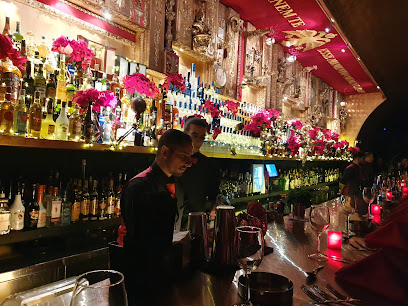
Carousel night
1.4 km
Discover the heartbeat of Beirut's nightlife at Carousel Night Club, where music, dance, and unforgettable experiences await.
Decks on the Beach
1.6 km
Discover the vibrant nightlife of Beirut at Decks on the Beach, where music, dancing, and breathtaking seaside views come together.
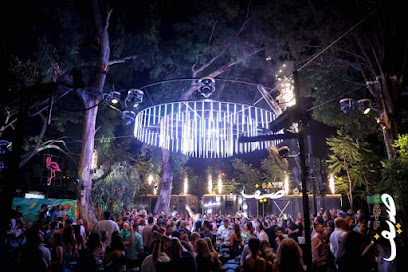
Red Square
1.8 km
Discover the pulse of Beirut's nightlife at Red Square, a premier night club offering electrifying music, vibrant atmosphere, and unforgettable experiences.
Black Nightclub
1.9 km
Discover Beirut's vibrant nightlife at Black Nightclub, a premier destination for unforgettable dance parties and electrifying music.
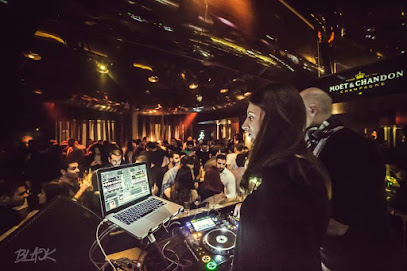
SKYBAR Beirut
2.0 km
Discover the ultimate nightlife experience at SKYBAR Beirut, where stunning views meet electrifying music and upscale ambiance.
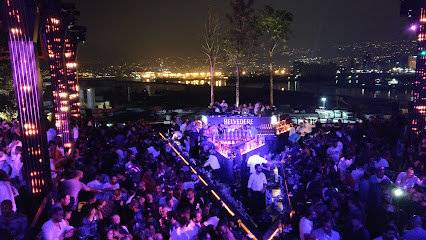
Clique Beirut
2.2 km
Discover the heart of Beirut's nightlife at Clique, where electrifying music, stylish ambiance, and unforgettable memories await.