

Free Margibi County Travel Guide & Mobile App
Explore Margibi County with free travel guides. Discover regional history, expert tips, proposed trips, and audio guides on web or mobile app.


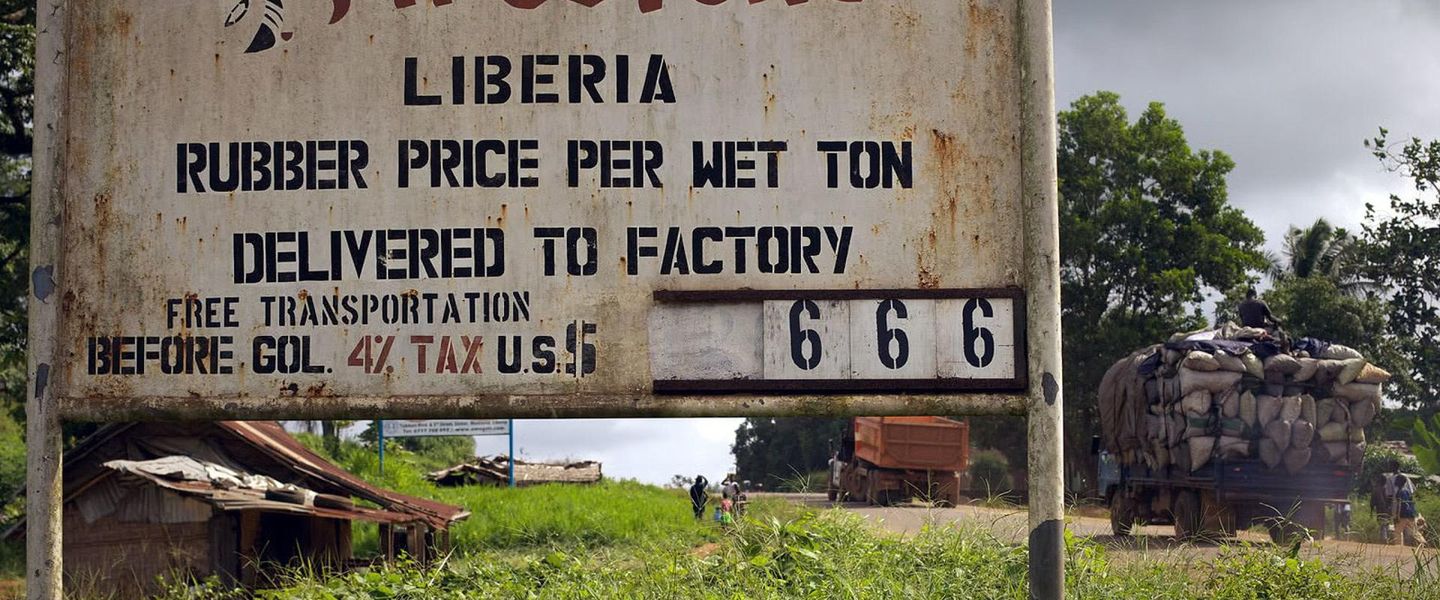


Explore Margibi County in Liberia for Kakata markets, Firestone heritage, river wetlands, rural landscapes and a close view of everyday life.
Read more about Margibi County
When is the best time to visit Margibi County?
Best: December–February · 31–32°C| Month | High (°C) | Rainfall (mm) |
|---|---|---|
| January (best) | 31 | 15 |
| February (best) | 32 | 30 |
| March | 33 | 60 |
| April | 32 | 120 |
| May | 32 | 160 |
| June | 31 | 200 |
| July | 30 | 240 |
| August | 30 | 220 |
| September | 31 | 200 |
| October | 31 | 160 |
| November | 32 | 120 |
| December (best) | 31 | 60 |
Getting to and around Margibi County
How to get there
Transportation
Top city travel guides in Margibi County
The cities of Margibi County, and the easiest places to base yourself.

Swipe for more cities
Best attractions in Margibi County
Margibi's attractions are primarily landscape- and history-based rather than organised around a large collection of ticketed sights. Kakata provides access to markets, local institutions and the everyday rhythm of an important inland Liberian town. Around Harbel, the Firestone rubber landscape offers insight into plantation agriculture, industrial processing and the history of Liberia's relationship with international companies; access to operational facilities must be arranged rather than assumed. The area near Roberts International Airport also illustrates the county's long connection with aviation and global movement. Around Marshall, rivers, tidal channels, mangrove environments and coastal wetlands create opportunities for guided observation, boating where locally available and community-based exploration. Rural roads lead through farms, settlements and forest remnants, although conditions are seasonal and facilities are limited. Birdlife and wetland ecology may interest patient visitors, but this is not a formal safari destination and wildlife viewing is not guaranteed. The county is best experienced through a combination of a local guide, flexible timing and respectful visits to working communities, rather than through a tightly scheduled attraction circuit.
-
Tourist attraction
AfroBeach
Discover AfroBeach in Mills Center, Liberia: Where cultural richness meets serene relaxation on golden sands and crystal-clear waters.
-
Tourist attraction
The Flat @ Premier Estate
Discover the charm of Wamba Town at The Flat @ Premier Estate, a unique retreat for immersing yourself in local culture and natural beauty.
-
Hiking area
Bong Mine Blue Lake
Discover the stunning blue waters and serene landscapes of Bong Mine Blue Lake, a hidden gem offering adventure and tranquility in Liberia.
-
 Tourist attraction
Kpatawee Waterfall
Discover the natural beauty of Liberia at Kpatawee Waterfall: cascading waters, lush rainforest, and a tranquil escape await in Bong County.


Best landmarks in Margibi County
The most recognisable man-made landmark in Margibi is the Roberts International Airport complex near Harbel, whose location reflects the county's historic role as Liberia's principal aviation gateway. It should be viewed as an operational transport facility, not treated as a casual sightseeing site. The Harbel plantation landscape is another defining feature: long rows of rubber trees, company-era roads and industrial buildings express the reach of the Firestone concession and its influence on settlement and employment. Kakata's town centre and transport corridors are less monumental but significant as the county's commercial and administrative focus. Around Marshall, the visual landmarks are natural rather than architectural, including river mouths, tidal waterways, mangrove edges and low coastal wetlands. These environments explain the settlement pattern and the importance of fishing, boating and seasonal access. The county's strongest landmarks therefore lie in the relationship between infrastructure and landscape: airport and road, plantation and forest, river and settlement. Visitors should seek local interpretation, since many important places are working environments without formal signs or visitor facilities.
-
Historical landmark
Joseph J. Roberts Monument
Discover the rich history of Liberia at the Joseph J. Roberts Monument, a tribute to the nation's first president and a key historical landmark.
-
Monument
Joseph Jenkins Roberts Monument
Explore the Joseph Jenkins Roberts Monument in Monrovia, a tribute to Liberia's first president and a symbol of the nation's rich heritage.

Explore Margibi County on the map
Plan your trip on one map. See where the top cities, national parks and sights are, and book hotels and experiences in a few clicks.
Best hotels in Margibi County
Best restaurants in Margibi County
Dining in Margibi is centred on local kitchens, market stalls, small restaurants and roadside stands rather than a formal restaurant scene. Rice is the everyday foundation of many meals, accompanied by cassava, plantain, greens, beans, fish, chicken or meat in sauces that may include chilli, palm oil or ground ingredients. Around Kakata, visitors can find simple cooked-food outlets serving filling plates and drinks, while roadside stops become important on journeys between the county's towns. Fish and other riverine or coastal produce are particularly relevant around Marshall, although availability depends on season and local supply. Liberian favourites such as cassava-leaf and potato-green preparations may appear alongside grilled or fried items, but recipes vary from household to household. Markets are useful for fruit, roasted plantain, bread and other snacks. Imported lager, soft drinks and locally familiar ginger-based beverages are more commonly encountered than a specialised drinks culture. Visitors should choose busy food stalls with good turnover, confirm prices and carry cash, as card payment is unusual outside established hotels and businesses.
-
Restaurant
FuZion D'Afrique Restaurant
Experience the rich flavors of Liberia at FuZion D'Afrique Restaurant—where traditional meets contemporary in every bite.
-
Restaurant
Evelyn's Cuisine
Discover authentic Liberian flavors at Evelyn's Cuisine in Monrovia – a culinary journey through Liberia's rich heritage awaits you.
-
Restaurant
Lila Brown
Discover the flavors of Liberia at Lila Brown - where local cuisine meets international flair in Monrovia's vibrant Sinkor neighborhood.
-
Thai
The Living Room Thai and Sushi
Savor authentic Thai cuisine and exquisite sushi at The Living Room Thai and Sushi in Monrovia—an unforgettable culinary experience awaits.


Best bars in Margibi County
Nightlife in Margibi is modest and local in character, with Kakata providing the broadest choice of bars, small restaurants, music venues and evening gathering places. Harbel also has places where residents and workers meet after the day, while rural communities generally rely on informal social spaces rather than dedicated clubs. Music, football broadcasts, conversation and occasional live or recorded performances are more typical than a large nightclub circuit. Marshall's evening atmosphere is shaped more by river and coastal communities than by organised entertainment. Opening arrangements can change, and transport becomes harder to find late at night, so visitors should arrange a reliable return journey and follow local advice about where to go. Drinking is not necessary to participate in local social life; food, music and community events are equally important parts of the evening landscape.
-
Restaurant
Viewpoint Bar and Restaurant
Experience Liberia's vibrant culinary scene at Viewpoint Bar and Restaurant, where breathtaking views meet delicious cuisine and lively nightlife.
-
Bar
Pepper Fish And Grill
Discover the vibrant culinary scene at Pepper Fish And Grill, a bar offering delicious seafood and grilled specialties in Mills Center, Liberia.
-
Lounge
Shooters Sports Bar & Lounge
Discover the vibrant ambiance and local flavors at Shooters Sports Bar & Lounge, a must-visit nightlife spot in Monrovia, Liberia.
-
Bar
SAHARA BAR
Experience the vibrant atmosphere and delicious cuisine at Sahara Bar, a top destination for tourists in Monrovia, Liberia.


Best nightclubs in Margibi County
Nightlife in Margibi is modest and local in character, with Kakata providing the broadest choice of bars, small restaurants, music venues and evening gathering places. Harbel also has places where residents and workers meet after the day, while rural communities generally rely on informal social spaces rather than dedicated clubs. Music, football broadcasts, conversation and occasional live or recorded performances are more typical than a large nightclub circuit. Marshall's evening atmosphere is shaped more by river and coastal communities than by organised entertainment. Opening arrangements can change, and transport becomes harder to find late at night, so visitors should arrange a reliable return journey and follow local advice about where to go. Drinking is not necessary to participate in local social life; food, music and community events are equally important parts of the evening landscape.
-
Night club
88 Night Club
Discover the electrifying nightlife at 88 Night Club in Dabwe Town, Liberia, where music, dance, and fun come together for an unforgettable experience.
-
Night club
Celavi nightclub
Discover the vibrant nightlife of Monrovia at Celavi Nightclub, where music, dance, and unforgettable experiences await you.
-
Bar
Club Musu
Discover the vibrant nightlife at Club Musu, a lively bar in Harbel, Liberia, offering great drinks and an inviting atmosphere for everyone.
-
Night club
Garmai Business Center (ELWA Junction)
Experience the vibrant nightlife of Kakata at Garmai Business Center, where music, dance, and local culture come alive in a premier night club.


Best shops in Margibi County
Shopping in Margibi is concentrated in Kakata's markets, roadside trading areas and independent shops, with smaller informal markets serving Harbel, Marshall and rural communities. Kakata is the most useful place for everyday supplies, clothing, household goods, fresh produce and travel provisions, while roadside sellers offer fruit, cassava, plantain, bread and other snacks. Visitors may find locally grown rice, palm products, vegetables and smoked or dried fish, depending on season and location. The county is not a major centre for luxury retail or organised souvenir shopping, and crafts are more likely to be encountered through individual makers or community contacts than in dedicated galleries. Small practical gifts, locally produced food items and woven or handmade goods can be more meaningful than generic imported merchandise. Ask before photographing market traders, compare prices politely and carry Liberian or United States cash in small denominations. Shopping is part of the county's working economy, so respectful conversation and patience are more useful than aggressive bargaining.
-
Supermarket
Harbel Supermarket Firestone
Explore local flavors and vibrant culture at Harbel Supermarket, Owen's Gnove's top destination for authentic Liberian goods.
-
Grocery store
Zonnie's Business Center
Discover local flavors and fresh produce at Zonnie's Business Center, a charming grocery store in Duazon, Liberia, perfect for travelers.
-
Home goods store
Monunt Barclay
Explore Monunt Barclay in Forh Town for unique home goods that showcase Liberian craftsmanship and local culture. A delightful shopping experience awaits!
-
Electronics store
Empire Building Materials Junction
Explore cutting-edge electronics and experience local shopping at the Empire Building Materials Junction in Duazon, Liberia.


Get your free copy of our complete guide to Margibi County, delivered straight to you.
Everything on this page, from attractions and restaurants to essentials and local phrases, in one PDF you can read offline, print or share.
Already have an account? Sign in
Your Margibi County guide is ready.
We'll send it to · Not you? Sign out

Getting your guide ready…
We are putting together a fresh copy of the Margibi County guide. This can take up to a minute.
This can take a few moments. If your browser asks, choose Allow so the download can start. You'll find the guide in your Downloads folder.
Nothing happened? Download it again
Sorry, the guide is taking longer than usual. Please try again in a minute, or get it by email instead.
Margibi County essentials
Currency and Payment
Safety
Emergency Situations
Do's and Don'ts
Local Tips
From Eve
Local phrases worth knowing
You don't need to get them perfect. A few words go a long way, and locals appreciate the effort.
Basics
| English | Local | Say it |
|---|---|---|
| Hello | Salutation | [sah-loo-tay-shun] |
| Goodbye | Goodbye | [good-bye] |
| Yes | Yes | [yes] |
| No | No | [no] |
| Please/You're welcome | Please | [pleez] |
| Thank you | Thank you | [thank you] |
| Excuse me/Sorry | Sorry | [saw-ree] |
| How are you? | How you dey? | [how you day?] |
| Fine. And you? | I dey fine. How you? | [ai dey fine. how you?] |
| Do you speak English? | You sabi English? | [you sah-bee English?] |
| I don't understand | I no sabi | [ai no sah-bee] |
Eating & Drinking
| English | Local | Say it |
|---|---|---|
| I'd like to see the menu, please | I wan see di menu, please | [ai wan see dee men-oo, pleez] |
| I don't eat meat | I no eat meat | [ai no eat meat] |
| Cheers! | Cheers! | [cheers] |
| I would like to pay, please | I wan pay, please | [ai wan pay, pleez] |
Emergencies
| English | Local | Say it |
|---|---|---|
| Help! | Help! | [help] |
| Go away! | Make you go! | [make you go] |
| Call the Police! | Call di police! | [call dee po-lees] |
| Call a doctor! | Call one doctor! | [call one doc-tor] |
| I'm lost | I lost | [ai lost] |
| I'm ill | I dey sick | [ai dey sick] |
Shopping
| English | Local | Say it |
|---|---|---|
| I'd like to buy... | I wan buy... | [ai wan buy...] |
| I'm just looking | I just dey look | [ai just dey look] |
| How much is it? | How much e be? | [how much eh be?] |
| That's too expensive | Dat too much money | [dat too much mon-ee] |
| Can you lower the price? | You fit lower di price? | [you fit low-er dee price?] |
Time & Numbers
| English | Local | Say it |
|---|---|---|
| What time is it? | Wetin time be? | [we-tin time be?] |
| It's one o'clock | Na one o'clock | [na one o-clock] |
| Half past (10) | Half past ten | [half past ten] |
| Morning | Mornin' | [mor-nin] |
| Afternoon | Afternoon | [af-ter-noon] |
| Evening | Evenin' | [ee-venin] |
| Yesterday | Yestaday | [yes-ta-day] |
| Today | Today | [to-day] |
| Tomorrow | Tomorrow | [to-mor-row] |
| 1 | One | [one] |
| 2 | Two | [two] |
| 3 | Three | [three] |
| 4 | Four | [four] |
| 5 | Five | [five] |
| 6 | Six | [six] |
| 7 | Seven | [seven] |
| 8 | Eight | [eight] |
| 9 | Nine | [nine] |
| 10 | Ten | [ten] |
Transport & Directions
| English | Local | Say it |
|---|---|---|
| Where's a/the...? | Wetin be di...? | [we-tin be dee...?] |
| What's the address? | Wetin be di address? | [we-tin be dee ad-dress?] |
| Can you show me (on the map)? | You fit show me (for di map)? | [you fit show me (for dee map)?] |
| When's the next (bus)? | When be di next (bus)? | [when be dee next (bus)?] |
| A ticket (to ....) | One ticket (to ....) | [one tick-et (to....)] |
History of Margibi County
Indigenous Communities and Pre-colonial Trade
Long before the creation of Liberia, the area now called Margibi was occupied and used by indigenous communities linked to the wider cultural and trading networks of western Liberia. Kpelle communities became especially important in the inland districts, while Bassa-speaking communities have longstanding connections with the coastal and riverine zone. Exchange in rice, palm products, forest goods and other commodities connected settlements to one another and to Atlantic-facing trade. Much of this history survives through language, land-use patterns, oral traditions and community institutions rather than through monumental ruins.
Liberia's Settlement and Territorial Expansion
The nineteenth-century establishment of the Liberian republic around Monrovia gradually altered political and commercial relationships across the region. Settlers, government officials, traders and missionaries extended their influence eastwards from the coastal capital, while indigenous authorities retained important local roles. The territory that later became Margibi was administered within Liberia's evolving county system and remained predominantly rural. Roads, schools, churches and trading posts increasingly connected interior communities with Monrovia and the coast, laying foundations for the county's later importance as a transport corridor.
The Firestone Concession and the Rise of Harbel
A decisive transformation began in the 1920s when the Firestone Tire and Rubber Company secured a major concession for rubber cultivation in Liberia. Plantations and associated infrastructure spread across parts of present-day Margibi, with Harbel developing as an administrative and industrial centre. The concession introduced large-scale commercial agriculture, new roads, processing facilities and wage employment, but it also generated enduring debate about land, labour conditions and the distribution of economic benefits. The plantation landscape remains one of the clearest physical records of Liberia's concessionary era.
Roberts International Airport and Wartime Connections
The airport near Harbel, now known as Roberts International Airport, emerged during the Second World War as Liberia's strategic importance increased. Air infrastructure connected the country more directly with international routes and strengthened the county's relationship with Monrovia and overseas commerce. Named after Liberia's first president, the airport later became the country's principal international gateway. Its presence helped reinforce the development of the Harbel area and made Margibi more than an agricultural hinterland.
County Formation and Administrative Identity
Margibi County was created in 1984 from territory that had previously been administered within neighbouring counties. The new county brought together the inland commercial centre of Kakata, the rubber landscapes around Harbel and riverine and coastal communities including Marshall. This administrative change gave the area a clearer political identity and encouraged the development of county institutions. Its geography still reflects several different economic and environmental zones rather than a single urban centre.
Civil War, Displacement and Post-war Recovery
Liberia's civil wars profoundly affected Margibi, as they did the rest of the country. Roads, public services, health facilities and local economies were disrupted, and many families experienced displacement or the loss of livelihoods. Kakata and other settlements also received people moving away from areas of more intense conflict. Since the end of the wars, reconstruction has focused on roads, education, health care, agriculture and the revival of commerce. The effects of conflict remain part of family memory and the county's contemporary social landscape.
Contemporary Margibi: Agriculture, Mobility and Environmental Pressure
Modern Margibi continues to balance plantation agriculture, smallholder farming, trade, transport and expanding settlement. Rubber remains an important symbol and economic presence, while rice, cassava, vegetables, palm products and fishing support local livelihoods. Population growth and improved road connections have increased movement between Kakata, Harbel, Monrovia and rural communities. At the same time, wetlands, forests and river systems face pressure from cultivation, construction and changing weather patterns. The county's current story is therefore one of recovery and opportunity alongside difficult questions about land, employment and environmental stewardship.
Margibi County in Photos
Browse through our photo collection highlighting the charm and character of the destination.
Neighbouring regions of Margibi County
The closest regions to Margibi County, if you have time for more than one.
-

-

-

-

-


Swipe for more regions
Explore more

Explore more of Liberia
Discover Liberia: where pristine beaches meet lush rainforests, and vibrant culture blends with rich history in the heart of West Africa.
Explore Liberia