

Free Northern Region Travel Guide & Mobile App
Explore Northern Region with free travel guides. Discover regional history, expert tips, proposed trips, and audio guides on web or mobile app.


Explore Northern Liberia for forested highlands, Mount Nimba, inland markets, cultural heritage and rewarding overland journeys beyond Monrovia.
Read more about Northern Region
When is the best time to visit Northern Region?
Best: June, August–September · 22–26°C| Month | High (°C) | Rainfall (mm) |
|---|---|---|
| January | 1 | 80 |
| February | 4 | 70 |
| March | 10 | 60 |
| April | 15 | 50 |
| May | 20 | 60 |
| June (best) | 25 | 70 |
| July | 27 | 80 |
| August (best) | 26 | 70 |
| September (best) | 22 | 60 |
| October | 17 | 70 |
| November | 8 | 80 |
| December | 2 | 90 |
Getting to and around Northern Region
How to get there
Transportation
Top city travel guides in Northern Region
The cities of Northern Region, and the easiest places to base yourself.
-

-

-

-

-

-


Swipe for more cities
Destinations in Northern Region
Resorts, valleys and scenic spots worth a trip of their own.
-

-


Swipe for more destinations
Best attractions in Northern Region
-
Tourist attraction
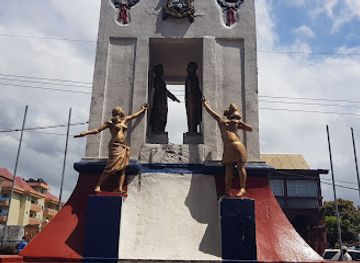
National Museum of Liberia
Explore Liberia's heritage at the National Museum of Liberia in Monrovia, showcasing the nation's history, culture, and artistic achievements.
-
Park
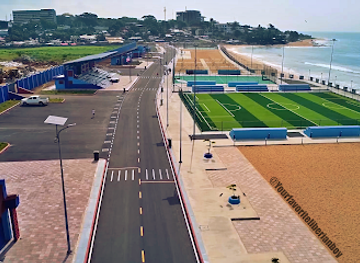
Invincible Sports Park
Discover Invincible Sports Park in Monrovia: A vibrant hub for sports, recreation, and community events in a lush green setting.
-
Tourist attraction
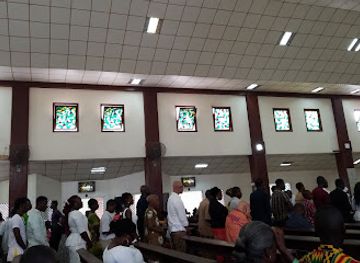
Sacred Heart Cathedral Church
Discover Monrovia's Sacred Heart Cathedral: a blend of Gothic architecture and Liberian spirituality in the heart of the city.
-
Park
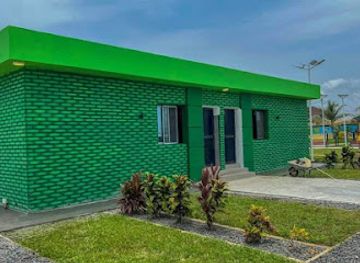
PHP Community Park
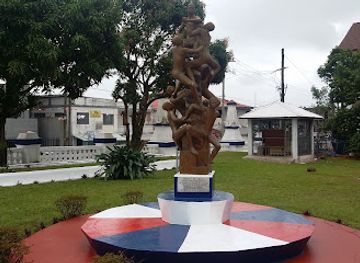
Discover Monrovia's PHP Community Park: a place for recreation, remembrance, and unity in the heart of the city.
Best landmarks in Northern Region
Mount Nimba is Northern Liberia's most recognisable geographical landmark, rising along the country's eastern border and forming part of a wider transboundary mountain ecosystem. Its ridges, grasslands and forested valleys have scientific and conservation importance, while their location near Guinea and Côte d'Ivoire gives the landscape a strong regional identity. The Wologisi Mountains provide a second major highland landmark in Lofa County, standing above a largely rural environment and representing one of Liberia's important inland forested mountain areas. In Nimba, Yekepa is a landmark of a different kind: its planned mining-era landscape and surrounding industrial history recall the period when Lamco connected the iron-ore fields to international markets. Kpatawee Waterfall in Bong County is a prominent natural feature associated with forest, streams and local recreation. The large market centres of Gbarnga and Ganta are also significant contemporary landmarks, not for monumental architecture but for their role as commercial gateways linking central Liberia with Lofa, Nimba and neighbouring countries.
-
 Hotel
HotelMamba Point Hotel
Discover luxury and comfort at Mamba Point Hotel in Monrovia, where elegance meets the heart of Liberia's vibrant culture.
-
Resort hotel
Libassa Ecolodge
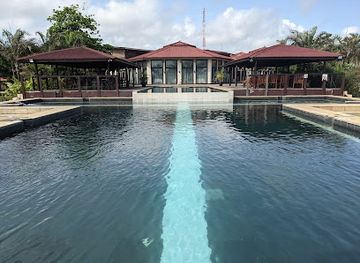
Discover the tranquility of Libassa Ecolodge, a sustainable resort hotel in Liberia blending luxury with nature for an unforgettable escape.
-
Hotel
RLJ Kendeja Resort & Villas
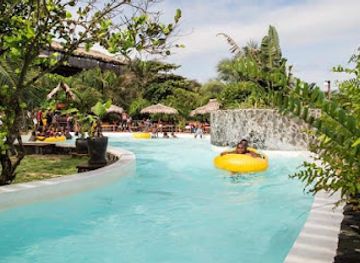
Discover the idyllic getaway at RLJ Kendeja Resort & Villas, where luxury meets nature in the heart of Liberia's stunning landscapes.
-
Museum
National Museum of Liberia
Explore Liberia's rich history and cultural heritage at the National Museum of Liberia, a must-visit attraction in Monrovia.
Explore Northern Region on the map
Plan your trip on one map. See where the top cities, national parks and sights are, and book hotels and experiences in a few clicks.
Best hotels in Northern Region
Best restaurants in Northern Region
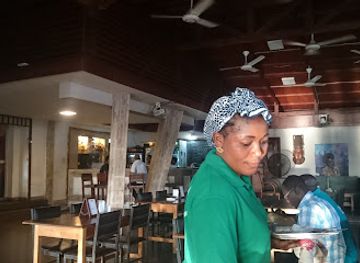
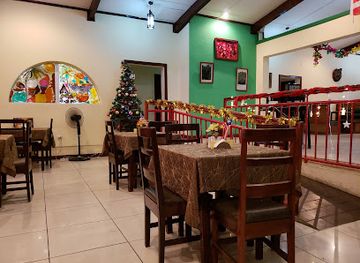
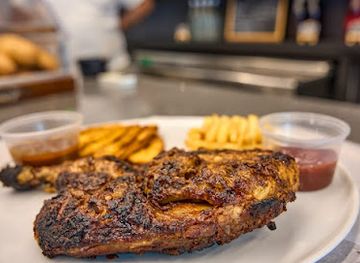
Dining in Northern Liberia is centred on filling local meals rather than a formal restaurant circuit. Rice is the principal staple and is commonly served with sauces made from cassava leaves, potato greens, okra, peppers, fish, chicken or meat; cassava, plantain and fried or boiled root crops also appear widely. In Gbarnga, Ganta, Voinjama and other larger towns, small restaurants and cookshops provide practical meals, while roadside stalls may sell grilled meat, fried plantain, rice dishes and seasonal fruit. Palm oil and locally grown produce are important in the cooking of the forest belt, although recipes and preferences vary between communities. Markets are useful places to see the regional food economy, including rice, cassava, kola nuts, palm products and vegetables, but hygiene and storage standards differ, so visitors should choose busy outlets with freshly prepared food. Packaged water is easier to find in larger settlements; supplies become less predictable on rural journeys. International-style dining is limited outside principal towns, and advance arrangements are sensible for travellers staying in remote areas.
-
Restaurant
FuZion D'Afrique Restaurant
Discover the rich flavors of Liberia at FuZion D'Afrique Restaurant—where culinary tradition meets vibrant culture in Monrovia.
-
Restaurant
Evelyn's Cuisine
Discover authentic Liberian flavors at Evelyn's Cuisine in Monrovia—where every dish tells a story.
-
Restaurant
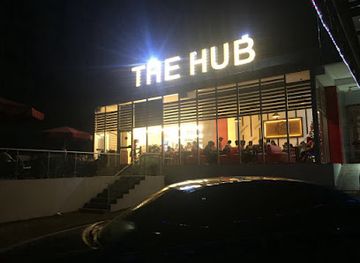
The Hub Diner
Experience the vibrant flavors of Liberia at The Hub Diner in Monrovia – where local cuisine meets warm hospitality.
-
Asian
The Eatery
Discover authentic Asian flavors at The Eatery in Monrovia - a perfect blend of tradition and modern dining.
Best bars in Northern Region
Northern Liberia has a modest evening scene concentrated in larger towns rather than a significant nightclub circuit. In Gbarnga, Ganta, Voinjama and other county centres, evenings commonly revolve around locally run bars, small restaurants, music venues and social meeting places, with activity varying according to the day and season. Beer, soft drinks and palm-based beverages may be available, but nightlife should not be treated as the main purpose of a rural journey. In smaller communities, evenings are quieter and visitors usually spend time at their accommodation or with hosts. There are few dependable late-night options outside the main towns, and opening arrangements can change. Use established venues, keep valuables secure, arrange transport before going out and avoid walking unfamiliar roads after dark. Guests should also remember that social customs differ between communities and that respectful conversation and moderation matter more than seeking a particular entertainment district.
-
Hotel
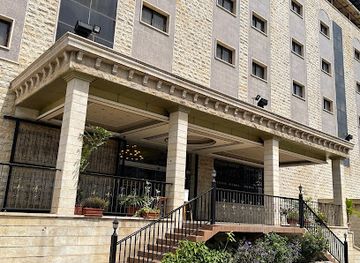
The Royal Grand Hotel
Luxury and comfort await at The Royal Grand Hotel in Monrovia, a premier destination for travelers seeking elegance and exceptional service.
-
Boulevard Palace Hotel
Discover the lavish Boulevard Palace Hotel in Monrovia, where luxury meets local culture in a stunning setting.
-
Bar
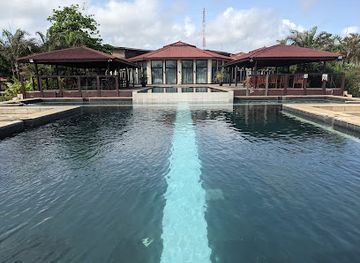
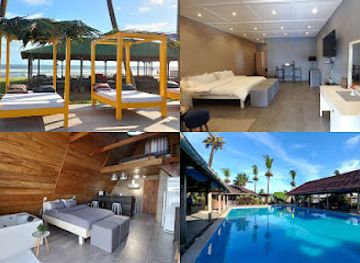
RLJ Kendeja Resort & Villas
Experience luxury and tranquility at RLJ Kendeja Resort & Villas, the perfect getaway in Mills Center, Liberia.
-
Bar
Tropicana Beach
Discover the serene beauty of Tropicana Beach in Paynesville, Liberia, where golden sands and azure waters create an unforgettable tropical escape.
Best nightclubs in Northern Region
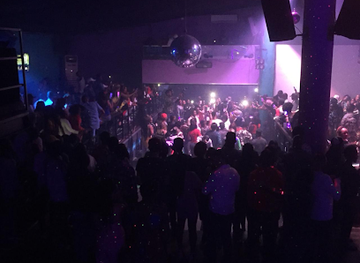
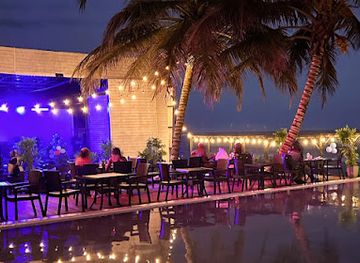
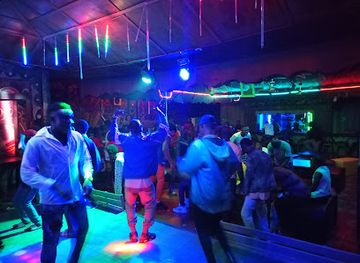
Northern Liberia has a modest evening scene concentrated in larger towns rather than a significant nightclub circuit. In Gbarnga, Ganta, Voinjama and other county centres, evenings commonly revolve around locally run bars, small restaurants, music venues and social meeting places, with activity varying according to the day and season. Beer, soft drinks and palm-based beverages may be available, but nightlife should not be treated as the main purpose of a rural journey. In smaller communities, evenings are quieter and visitors usually spend time at their accommodation or with hosts. There are few dependable late-night options outside the main towns, and opening arrangements can change. Use established venues, keep valuables secure, arrange transport before going out and avoid walking unfamiliar roads after dark. Guests should also remember that social customs differ between communities and that respectful conversation and moderation matter more than seeking a particular entertainment district.
-
Night club
Club Wanwosu
Experience the heartbeat of Lou King's nightlife at Club Wanwosu, where music, dance, and unforgettable memories await.
-
Night club
Celavi nightclub
Dive into the vibrant nightlife at Celavi Nightclub in Monrovia, where music, dance, and unforgettable experiences await every visitor.
-
Night club
Summer Beach
Experience the vibrant nightlife of Monrovia at Summer Beach, the ultimate night club for dancing, cocktails, and unforgettable memories.
-
Night club
Candel Light Night Club
Discover the pulsating nightlife of Harper at Candel Light Night Club, where music, drinks, and dancing come together for an unforgettable experience.

Best shops in Northern Region
Shopping in Northern Liberia is primarily local and functional, with the strongest sense of place found in market towns rather than conventional retail centres. Gbarnga, Ganta, Voinjama and Sanniquellie have markets and high-street areas selling clothing, household goods, mobile-phone supplies, food and agricultural produce. Visitors may find rice, cassava products, palm oil, kola nuts, plantains and seasonal fruit, although packaging and availability vary. Small craft purchases can include woven items, carved objects and locally made clothing, but quality and provenance should be discussed with sellers rather than assumed. Markets are also useful for observing how produce from forest and farming communities moves through the regional economy. Cash is essential for most small purchases, and bargaining should remain courteous and proportionate. Avoid buying archaeological objects, wildlife products, timber or anything that may have been taken from protected areas. Larger towns offer better opportunities for basic supplies, so travellers heading towards remote parts of Lofa or the Nimba highlands should shop before leaving the main transport corridors.
-
Juice
Mako's Fruits
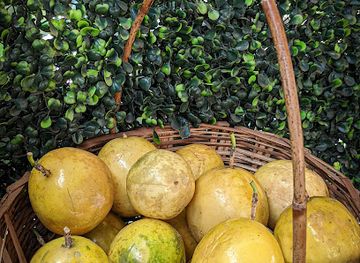
Discover the tropical flavors of Liberia at Mako's Fruits, the premier juice shop in Monrovia offering fresh, healthy drinks in a welcoming atmosphere.
-
Baby store
BabyBoom Shop
Explore BabyBoom Shop in Monrovia for an extensive selection of quality baby products in a warm and welcoming environment.
-
Housing society
Ganta
Discover the rich culture and vibrant markets of Ganta, a lively town in Liberia, perfect for travelers seeking authentic experiences.
-
Beauty supply store
Xquisite Liberia
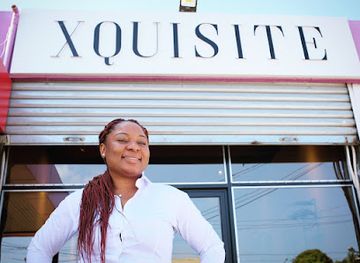
Explore Xquisite Liberia, the ultimate beauty supply store in Monrovia, offering a unique blend of local and international beauty products.
Get your free copy of our complete guide to Northern Region, delivered straight to you.
Everything on this page, from attractions and restaurants to essentials and local phrases, in one PDF you can read offline, print or share.
Already have an account? Sign in
Your Northern Region guide is ready.
We'll send it to · Not you? Sign out

Getting your guide ready…
We are putting together a fresh copy of the Northern Region guide. This can take up to a minute.
This can take a few moments. If your browser asks, choose Allow so the download can start. You'll find the guide in your Downloads folder.
Nothing happened? Download it again
Sorry, the guide is taking longer than usual. Please try again in a minute, or get it by email instead.
Northern Region essentials
Currency and Payment
Safety
Emergency Situations
Do's and Don'ts
Local Tips
From Eve
Local phrases worth knowing
You don't need to get them perfect. A few words go a long way, and locals appreciate the effort.
Basics
| English | Local | Say it |
|---|---|---|
| Hello | Hello | [Heh-lo] |
| Goodbye | Goodbye | [Good-bye] |
| Yes | Yes | [Yes] |
| No | No | [No] |
| Please/You're welcome | Please/You're welcome | [Pleez/Yor wel-kum] |
| Thank you | Thank you | [Thank yoo] |
| Excuse me/Sorry | Excuse me/Sorry | [Ex-kyoos mee/Sor-ee] |
| How are you? | How are you? | [How ar yoo?] |
| Fine. And you? | Fine. And you? | [Fine. And yoo?] |
| Do you speak English? | Do you speak English? | [Do yoo speek Ing-lish?] |
| I don't understand | I don't understand | [I dont un-der-stand] |
Eating & Drinking
| English | Local | Say it |
|---|---|---|
| I'd like to see the menu, please | I'd like to see the menu, please | [I'd lik to see the men-yoo, pleez] |
| I don't eat meat | I don't eat meat | [I dont eet meet] |
| Cheers! | Cheers! | [Cheerz!] |
| I would like to pay, please | I would like to pay, please | [I wood lik to pay, pleez] |
Emergencies
| English | Local | Say it |
|---|---|---|
| Help! | Help! | [Help!] |
| Go away! | Go away! | [Go a-way!] |
| Call the Police! | Call the Police! | [Call the Po-lees!] |
| Call a doctor! | Call a doctor! | [Call a doc-tor!] |
| I'm lost | I'm lost | [I'm lost] |
| I'm ill | I'm ill | [I'm ill] |
Shopping
| English | Local | Say it |
|---|---|---|
| I'd like to buy... | I'd like to buy... | [I'd lik to buy...] |
| I'm just looking | I'm just looking | [I'm just luk-ing] |
| How much is it? | How much is it? | [How much is it?] |
| That's too expensive | That's too expensive | [That's too ex-pen-siv] |
| Can you lower the price? | Can you lower the price? | [Can yoo lo-er the prys?] |
Time & Numbers
| English | Local | Say it |
|---|---|---|
| What time is it? | What time is it? | [What time is it?] |
| It's one o'clock | It's one o'clock | [It's one o'clock] |
| Half past (10) | Half past (10) | [Half past (10)] |
| Morning | Morning | [Morn-ing] |
| Afternoon | Afternoon | [Af-ter-noon] |
| Evening | Evening | [Eve-ning] |
| Yesterday | Yesterday | [Yes-ter-day] |
| Today | Today | [To-day] |
| Tomorrow | Tomorrow | [To-mor-row] |
| 1 | 1 | [One] |
| 2 | 2 | [Two] |
| 3 | 3 | [Three] |
| 4 | 4 | [Four] |
| 5 | 5 | [Five] |
| 6 | 6 | [Six] |
| 7 | 7 | [Seven] |
| 8 | 8 | [Eight] |
| 9 | 9 | [Nine] |
| 10 | 10 | [Ten] |
Transport & Directions
| English | Local | Say it |
|---|---|---|
| Where's a/the...? | Where's a/the...? | [Where's a/the...?] |
| What's the address? | What's the address? | [What's the ad-dress?] |
| Can you show me (on the map)? | Can you show me (on the map)? | [Can yoo sho mee (on the map)?] |
| When's the next (bus)? | When's the next (bus)? | [When's the next (bus)?] |
| A ticket (to ....) | A ticket (to ....) | [A tick-et (to ....)] |
History of Northern Region
Early communities and regional trade
Northern Liberia has long been inhabited by communities including the Kpelle, Loma, Kissi, Mano and Dan, whose histories extend across the modern borders with Guinea and Côte d'Ivoire. Before Liberia's modern state was established, communities traded rice, kola, salt, iron goods and other products through networks linking forest settlements and savannah-edge markets. Political authority varied from village and lineage leadership to larger chiefdoms, while craft production, farming and initiation traditions helped organise social life.
The creation of Liberia's interior frontier
Liberia was founded in the nineteenth century by the American Colonization Society and initially developed along the coast, but successive governments gradually extended administrative control into the interior. Northern territories were incorporated through treaties, expeditions and the establishment of administrative stations, processes that altered existing political relationships and brought customary communities into a centralised state. The legacy is visible in the region's county towns, changing land arrangements and the continuing importance of local chiefly and community structures.
Missionary education and changing societies
Christian missions, schools and government stations became increasingly important in northern Liberia during the late nineteenth and twentieth centuries. They introduced new forms of literacy, religious organisation and formal education, while existing Islamic networks and indigenous beliefs continued to shape community life in different areas. The effects were uneven: towns such as Gbarnga, Voinjama and Ganta gained institutional importance, whereas many rural settlements retained strong customary systems and locally rooted cultural practices.
Iron ore and the rise of Yekepa
The discovery and industrial development of high-grade iron ore in the Nimba Mountains transformed eastern northern Liberia during the twentieth century. The Liberian-American-Swedish Mining Company, commonly known as Lamco, developed mines, railways, roads and a company town at Yekepa. The project connected the region to international markets and created employment and infrastructure, but it also reshaped land use and depended on a mining economy vulnerable to political upheaval and global commodity conditions.
Civil wars and regional disruption
Liberia's civil wars from 1989 to 1996 and from 1999 to 2003 caused severe displacement, destruction and economic disruption across the northern counties. Towns and transport routes were affected, and communities near Guinea and Côte d'Ivoire experienced the additional pressures of cross-border conflict and refugee movement. The post-war period brought disarmament, reconstruction and the return of many displaced people, although damaged infrastructure and interrupted services continued to influence travel and development.
Conservation and post-war reconstruction
In the twenty-first century, northern Liberia has combined reconstruction with efforts to protect forests and mountain ecosystems. Mount Nimba's exceptional biodiversity has strengthened international attention to conservation, while roads, schools, markets and health services have gradually been rebuilt with government and international support. The region still faces difficult development choices, especially where mining, agriculture, transport expansion and habitat protection overlap. Its present character is therefore shaped both by recovery and by the search for sustainable local economies.
Northern Region in Photos
Browse through our photo collection highlighting the charm and character of the destination.
Neighbouring regions of Northern Region
The closest regions to Northern Region, if you have time for more than one.
-

-

-

-

-


Swipe for more regions
Explore more

Explore more of Liberia
Discover Liberia: where pristine beaches meet lush rainforests, and vibrant culture blends with rich history in the heart of West Africa.
Explore Liberia