

Free Montserrado County Travel Guide & Mobile App
Explore Montserrado County with free travel guides. Discover regional history, expert tips, proposed trips, and audio guides on web or mobile app.


Montserrado County combines Monrovia’s history, Liberian culture, Atlantic beaches, markets and urban energy in the country’s principal travel hub.
Read more about Montserrado County
When is the best time to visit Montserrado County?
Best: January–March · 31–32°C| Month | High (°C) | Rainfall (mm) |
|---|---|---|
| January (best) | 31 | 20 |
| February (best) | 31 | 40 |
| March (best) | 32 | 60 |
| April | 31 | 80 |
| May | 30 | 140 |
| June | 30 | 240 |
| July | 29 | 290 |
| August | 29 | 290 |
| September | 30 | 240 |
| October | 30 | 190 |
| November | 30 | 140 |
| December | 31 | 80 |
Getting to and around Montserrado County
How to get there
Transportation
Top city travel guides in Montserrado County
The cities of Montserrado County, and the easiest places to base yourself.
-

-


Swipe for more cities
Best attractions in Montserrado County
Montserrado County’s attractions centre on Monrovia’s history, civic life, coastline and cultural institutions. Providence Island is the county’s most important historical site, linked with the establishment of the settlement that became Monrovia, while the National Museum of Liberia provides an introduction to the country’s political history, cultural traditions and recent past. Central Monrovia’s churches, government quarter, markets and waterfront streets are best explored with local guidance rather than as a formal walking circuit. Paynesville and the eastern suburbs offer a more contemporary view of the metropolitan area, including sports facilities, shopping areas and cultural venues such as Kendeja. Along the Atlantic coast, beaches near Monrovia and Paynesville provide space for social gatherings, relaxation and sunset visits, though swimming conditions vary and formal facilities may be limited. The Mesurado wetlands and mangrove environments are important for understanding the county’s ecology and urban pressures, but visits should be arranged with knowledgeable local assistance. Food stalls, music, football and neighbourhood markets are attractions in their own right, revealing everyday life more effectively than a short list of monuments.
-
Tourist attraction
National Museum of Liberia
Explore Liberia's rich history and cultural heritage at the National Museum, a treasure trove of artifacts and stories in the heart of Monrovia.
-
Wildlife refuge
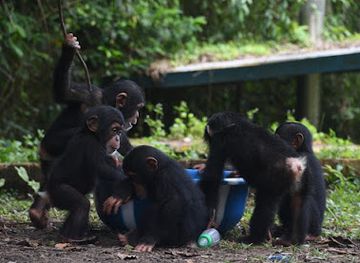
Liberia Chimpanzee Rescue & Protection
Liberia Chimpanzee Rescue & Protection: Saving orphaned chimps and preserving Liberia's wildlife in a unique wetland sanctuary.
-
Park
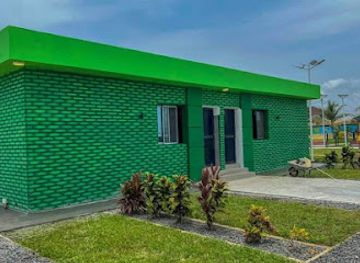
Invincible Sports Park
Discover Invincible Sports Park in Monrovia: A vibrant hub for sports, recreation, and community events in a lush green setting. Open daily 7 AM to 7 PM!
-
Beach pavillion
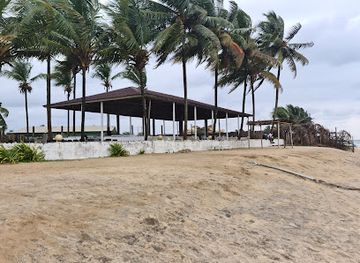
Bamboo Beach Liberia
Discover the serene beauty of Bamboo Beach in Liberia: golden sands, azure waters, and a taste of Liberian culture await!

Best landmarks in Montserrado County
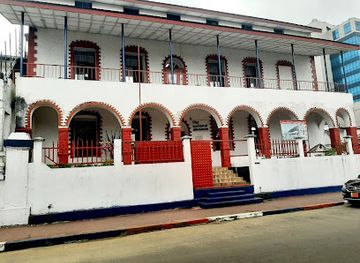
Providence Island, at the mouth of the Mesurado River, is Montserrado’s defining historical landmark and a place associated with the arrival of the first American Colonization Society settlers in 1822. In central Monrovia, the former Supreme Court building houses the National Museum of Liberia and represents the capital’s civic and historical importance. The Centennial Pavilion is another notable public landmark, linked with national commemorations and official ceremonies. Sacred Heart Cathedral reflects the long presence of Christian institutions in the capital, while mosques and churches across Monrovia demonstrate the county’s religious diversity. The Ducor Palace Hotel, on Ducor Hill, remains one of the city’s most recognisable structures, although its derelict condition and access restrictions mean it should be viewed only from appropriate public areas unless permission is obtained. The Mesurado River, tidal wetlands and Atlantic shoreline are natural landmarks that explain Monrovia’s geography as much as its buildings do. Together these places show a capital shaped by settlement, statehood, commerce, religion, conflict and coastal landscape.
-
 Hotel
Mamba Point Hotel
Experience luxury and comfort at Mamba Point Hotel in Monrovia, where stunning ocean views and exceptional service await every traveler.
-
Resort hotel
Libassa Ecolodge
Immerse yourself in nature at Libassa Ecolodge, a serene resort hotel in Liberia offering eco-friendly accommodations and stunning coastal views.
-
Hotel
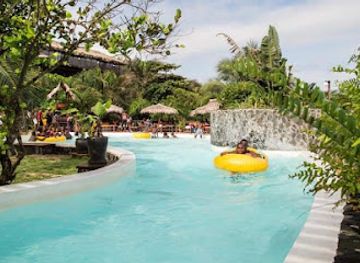
RLJ Kendeja Resort & Villas
Discover the serene luxury of RLJ Kendeja Resort & Villas, your ultimate beachfront escape in Liberia, combining relaxation, adventure, and local culture.
-
Museum
National Museum of Liberia
Discover the cultural heritage of Liberia at the National Museum, where history and tradition come alive in Monrovia's vibrant heart.
Explore Montserrado County on the map
Plan your trip on one map. See where the top cities, national parks and sights are, and book hotels and experiences in a few clicks.
Best hotels in Montserrado County
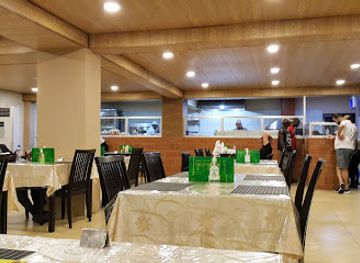
Best restaurants in Montserrado County
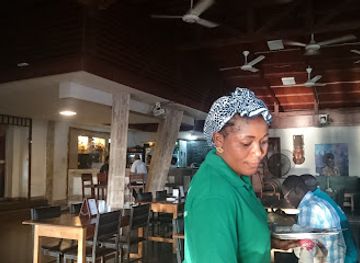
Dining in Montserrado is centred on Monrovia and the wider Paynesville urban corridor, where Liberian cooking sits alongside West African, Lebanese, European and other international influences. Local meals commonly build around rice, cassava, plantain, greens, fish, chicken and richly seasoned sauces; peppered dishes and palm-oil cooking are familiar features, though recipes vary between households and restaurants. Seafood is available in coastal communities, while grilled meat, fried plantain, soups and rice plates are common in informal eateries and neighbourhood restaurants. Cafés and hotel dining rooms provide more familiar international choices and are generally the easiest places for visitors seeking reliable card payment or air-conditioned seating. Markets and roadside vendors offer an informal introduction to snacks and seasonal produce, but choose busy stalls with good food-handling practices. Liberian-grown coffee, fruit drinks and locally produced beverages may appear on menus, while imported soft drinks and beer are widely available. Prices, menus and opening arrangements can change, so local recommendations remain useful.
-
Restaurant
Sajj House
Experience the vibrant flavors of Liberia at Sajj House in Monrovia – where every meal is a celebration of local culinary traditions.
-
Restaurant
Monroe Chicken and Monroe Bar & Grill
Discover the vibrant flavors of Mediterranean cuisine at Monroe Chicken and Monroe Bar & Grill in Monrovia, Liberia.
-
Restaurant
FuZion D'Afrique Restaurant
Savor authentic Liberian cuisine at FuZion D'Afrique Restaurant in Monrovia—where every bite tells a story.
-
Restaurant
Diana Restaurant
Experience authentic Liberian cuisine at Diana Restaurant in Monrovia - a culinary journey filled with flavor and local charm.
Best bars in Montserrado County
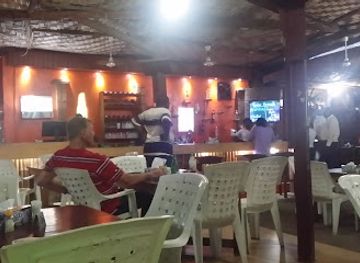
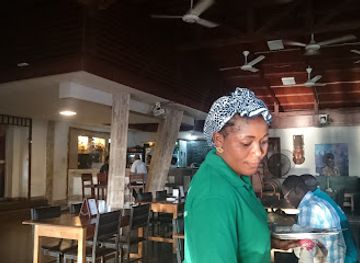
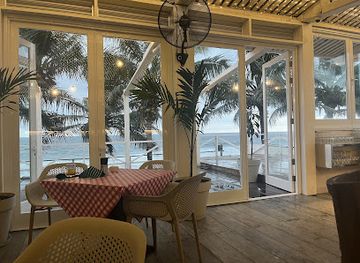
Evening life in Montserrado is concentrated in Monrovia, Sinkor, Paynesville and selected beach areas rather than spread evenly across the county. Traditional bars, hotel lounges, restaurants and small live-music venues provide the main settings for socialising, with Liberian popular music, gospel, football and conversation often more central than a formal club circuit. Some venues offer dancing and late-night entertainment, but opening arrangements and security conditions can change, so visitors should use current local advice and arrange a reliable way home. Beachfront venues can be lively at weekends and during special occasions, although lighting, roads and facilities vary. Craft beer, spirits, soft drinks and imported beverages are commonly available, while coffee and non-alcoholic options are easier to find in cafés and hotels. Nightlife should be approached as an urban activity: stay with companions, avoid displaying valuables and do not walk unfamiliar streets late at night.
-
Bar
FuZion D'Afrique Restaurant
Discover a fusion of local and international cuisine at FuZion D'Afrique Restaurant in Monrovia, a culinary experience not to be missed.
-
Restaurant
Club Montserrado
Discover the vibrant culinary scene at Club Montserrado, where local flavors meet stunning ocean views in the heart of Monrovia.
-
Cigar shop
Savvy Lounge
Experience the finest cigars and a relaxing atmosphere at Savvy Lounge in Monrovia, Liberia's premier destination for cigar aficionados.
-
Restaurant
Viewpoint Bar and Restaurant
Discover the culinary delight and vibrant nightlife at Viewpoint Bar and Restaurant in Liberia, a must-visit for every traveler.
Best nightclubs in Montserrado County
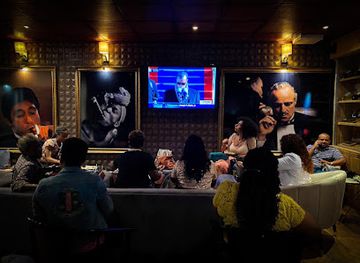
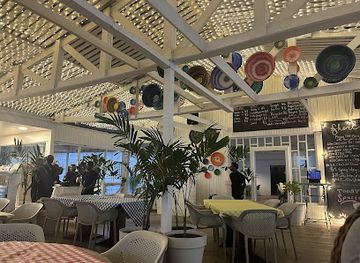
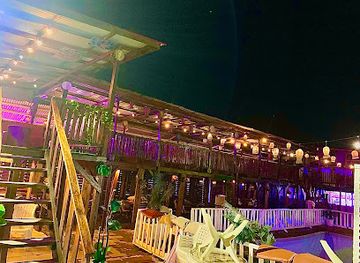
Evening life in Montserrado is concentrated in Monrovia, Sinkor, Paynesville and selected beach areas rather than spread evenly across the county. Traditional bars, hotel lounges, restaurants and small live-music venues provide the main settings for socialising, with Liberian popular music, gospel, football and conversation often more central than a formal club circuit. Some venues offer dancing and late-night entertainment, but opening arrangements and security conditions can change, so visitors should use current local advice and arrange a reliable way home. Beachfront venues can be lively at weekends and during special occasions, although lighting, roads and facilities vary. Craft beer, spirits, soft drinks and imported beverages are commonly available, while coffee and non-alcoholic options are easier to find in cafés and hotels. Nightlife should be approached as an urban activity: stay with companions, avoid displaying valuables and do not walk unfamiliar streets late at night.
-
Restaurant
Club Montserrado
Experience the rich flavors of Liberia at Club Montserrado, a must-visit restaurant in Monrovia offering a vibrant atmosphere and authentic dishes.
-
Lounge
Shooters Sports Bar & Lounge
Discover the excitement of Monrovia at Shooters Sports Bar & Lounge, where vibrant nightlife meets delicious cuisine in a welcoming atmosphere.
-
Bar
Vibes Lounge &Grill
Experience the vibrant nightlife of Monrovia at Vibes Lounge & Grill, where delicious food and lively entertainment create unforgettable memories.
-
Night club
Club Wanwosu
Discover vibrant nightlife at Club Wanwosu in Lou King, Liberia, where the beats keep you dancing and the cocktails flow endlessly.
Best shops in Montserrado County
Shopping in Montserrado ranges from crowded central markets and neighbourhood stalls to supermarkets, hotel shops, modern commercial areas and independent retailers in Monrovia and Paynesville. Markets are useful for fruit, vegetables, rice, spices, prepared food, clothing and household goods, while craft stalls and cultural centres may offer carved objects, textiles, jewellery and other locally made items. Visitors should ask about provenance and buy respectfully rather than purchasing antiquities or objects that may be protected or difficult to export. Liberian coffee, cocoa-related products, palm-oil goods, woven items and locally produced fabrics can make practical souvenirs when obtained from reputable sellers. Bargaining is common in some informal markets but should be courteous and modest. Carry small notes, keep valuables secure and expect selection and availability to vary. The county is Liberia’s best place for general retail and imported goods, but shopping remains more useful for everyday products, food and crafts than for a specialised luxury scene.
-
Supermarket
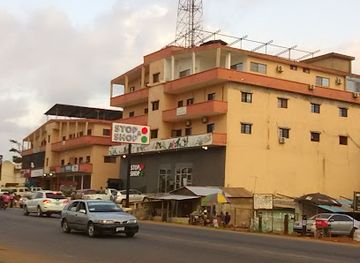
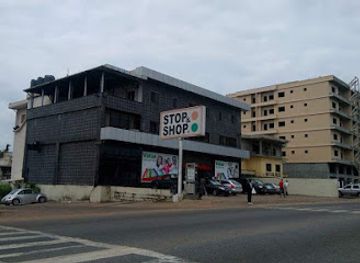
Stop & Shop congo town
Experience local culture and flavors at Stop & Shop in Congo Town, a vibrant supermarket perfect for tourists in Monrovia, Liberia.
-
Supermarket
Stop & Shop Sinkor
Experience the vibrant shopping scene at Stop & Shop Sinkor, where convenience meets local culture in Monrovia, Liberia.
-
Grocery store
Noah Saleh’s Liberian banana shop
Explore Noah Saleh’s Liberian Banana Shop for a taste of authentic local flavors in the heart of Monrovia's vibrant West Point community.
-
Baby store
BabyBoom Shop
Explore BabyBoom Shop in Monrovia: Your one-stop destination for stylish baby products and a welcoming shopping experience.

Get your free copy of our complete guide to Montserrado County, delivered straight to you.
Everything on this page, from attractions and restaurants to essentials and local phrases, in one PDF you can read offline, print or share.
Already have an account? Sign in
Your Montserrado County guide is ready.
We'll send it to · Not you? Sign out

Getting your guide ready…
We are putting together a fresh copy of the Montserrado County guide. This can take up to a minute.
This can take a few moments. If your browser asks, choose Allow so the download can start. You'll find the guide in your Downloads folder.
Nothing happened? Download it again
Sorry, the guide is taking longer than usual. Please try again in a minute, or get it by email instead.
Montserrado County essentials
Currency and Payment
Safety
Emergency Situations
Do's and Don'ts
Local Tips
From Eve
Local phrases worth knowing
You don't need to get them perfect. A few words go a long way, and locals appreciate the effort.
Basics
| English | Local | Say it |
|---|---|---|
| Hello | Kia ora | [kee-ah or-ah] |
| Goodbye | Na na | [nah nah] |
| Yes | Yah | [yah] |
| No | No | [noh] |
| Please/You're welcome | Pliss | [plees] |
| Thank you | Tenki | [ten-kee] |
| Excuse me/Sorry | Sori | [soh-ree] |
| How are you? | How far? | [how fahr] |
| Fine. And you? | Fine. Na you? | [fine. nah yoo] |
| Do you speak English? | You sabi English? | [yoo sah-bee in-glish] |
| I don't understand | I no sabi | [I noh sah-bee] |
Eating & Drinking
| English | Local | Say it |
|---|---|---|
| I'd like to see the menu, please | I wan see di menu, pliss | [I wahn see dee men-oo, plees] |
| I don't eat meat | I no dey chop meat | [I noh dey chop meet] |
| Cheers! | Cheers! | [cheers] |
| I would like to pay, please | I wan pay, pliss | [I wahn pay, plees] |
Emergencies
| English | Local | Say it |
|---|---|---|
| Help! | Help! | [help] |
| Go away! | Geh way! | [geh weh] |
| Call the Police! | Call di Police! | [call dee po-lees] |
| Call a doctor! | Call one doctor! | [call wun dok-tah] |
| I'm lost | I don lost | [I don lost] |
| I'm ill | I sick | [I sik] |
Shopping
| English | Local | Say it |
|---|---|---|
| I'd like to buy... | I wan buy... | [I wahn buy] |
| I'm just looking | I just dey look | [I juhs dey look] |
| How much is it? | How much be dat? | [how much beh dat] |
| That's too expensive | Dat too much | [dat too mooch] |
| Can you lower the price? | You fit lower di price? | [yoo fit loh-wah dee prahys] |
Time & Numbers
| English | Local | Say it |
|---|---|---|
| What time is it? | Wetin time be dis? | [weh-tin tahym beh dis] |
| It's one o'clock | Na one o'clock | [nah wun oh-clock] |
| Half past (10) | Half past ten | [half pahst ten] |
| Morning | Mornin | [morn-in] |
| Afternoon | Afternoon | [af-ter-noon] |
| Evening | Evening | [eev-ning] |
| Yesterday | Yesterday | [yes-ter-day] |
| Today | Today | [to-day] |
| Tomorrow | Tomorrow | [to-mor-row] |
| 1 | One | [wun] |
| 2 | Two | [too] |
| 3 | Three | [three] |
| 4 | Four | [fohr] |
| 5 | Five | [fiv] |
| 6 | Six | [siks] |
| 7 | Seven | [sev-en] |
| 8 | Eight | [ate] |
| 9 | Nine | [nyn] |
| 10 | Ten | [ten] |
Transport & Directions
| English | Local | Say it |
|---|---|---|
| Where's a/the...? | Where di...? | [where dee] |
| What's the address? | Wetin di address? | [weh-tin dee ah-dress] |
| Can you show me (on the map)? | You fit show me (for di map)? | [yoo fit show mee (for dee map)] |
| When's the next (bus)? | When di next (bus)? | [when dee next (bus)] |
| A ticket (to ....) | One ticket (to ...) | [wun tik-it (to ...)] |
History of Montserrado County
Mesurado’s Precolonial Communities
Before Monrovia was established, the Mesurado coastal area was inhabited and used by West African communities connected to regional trade, fishing and farming networks. The wider Grain Coast linked coastal settlements with inland societies through exchanges involving foodstuffs, forest products and manufactured goods. European descriptions from the early modern period often reflected outside commercial and colonial interests rather than local perspectives, so the county’s earlier history should not be reduced to the later founding of Liberia. Contemporary Montserrado’s languages, foodways and social traditions reflect the long presence of indigenous communities as well as later migration.
The Founding of Monrovia, 1822
Monrovia developed after the American Colonization Society established a settlement for formerly enslaved people from the United States and the Caribbean on the Mesurado coast. Providence Island, at the mouth of the Mesurado River, is associated with the arrival of the first settlers in 1822 and remains one of the county’s most important historical sites. The settlement was named Monrovia after James Monroe, then president of the United States. Its creation altered regional political and commercial relationships and began the urban history of Liberia’s present capital.
Liberian Independence and the Capital
Liberia declared independence in 1847, and Monrovia became the seat of the new republic’s government. The city’s civic institutions, churches, commercial houses and administrative buildings grew around the port and central streets. Americo-Liberian political dominance shaped the capital for much of the nineteenth and twentieth centuries, while indigenous Liberians and migrants from across the region contributed to its labour force, commerce and cultural life. The county therefore became the principal setting for the country’s political debates and changing national identity.
Ports, Commerce and Urban Expansion
During the late nineteenth and twentieth centuries, Monrovia expanded as Liberia’s principal port and administrative centre. Imports, exports, shipping services, government employment and trading networks drew people towards the capital. Roads and later suburban development connected central Monrovia with Paynesville and settlements farther east, creating the urban corridor that now dominates Montserrado County. The county’s markets, transport hubs and waterfront districts still reflect this role, although rapid growth has placed heavy pressure on roads, drainage, housing and wetlands.
The Tubman and Tolbert Eras
The mid-twentieth century brought major changes under Presidents William V. S. Tubman and William R. Tolbert Jr. National development programmes, foreign investment and stronger links with international shipping and mining helped enlarge Monrovia’s institutions and infrastructure. The capital also became a meeting place for African diplomacy, particularly during the formation of the Organisation of African Unity in 1963. These decades left an architectural and civic legacy in central Monrovia, while also exposing enduring inequalities between the political centre and much of the wider population.
The 1980 Coup and Political Upheaval
A military coup in 1980 ended the long period of Americo-Liberian political predominance and brought Samuel K. Doe to power. Monrovia was the main stage for the resulting institutional and social changes, as well as growing political tension. The period demonstrated the importance of Montserrado not only as Liberia’s administrative centre but also as the place where national power was most visible. Political instability during the following decade helped set the conditions for the civil wars that would profoundly affect the capital and the country.
Civil Wars and Reconstruction
Liberia’s civil wars, from 1989 to 1996 and again from 1999 to 2003, caused severe destruction, displacement and disruption in Monrovia and throughout Montserrado. The capital received large numbers of displaced people and experienced damage to housing, public services and infrastructure. Since the end of the conflict, reconstruction has proceeded alongside efforts to strengthen public institutions, improve roads and expand basic services. Memorials, damaged or restored buildings and the testimony of residents form part of the county’s living historical landscape, even where there is no formal museum interpretation.
Montserrado County in Photos
Browse through our photo collection highlighting the charm and character of the destination.
Neighbouring regions of Montserrado County
The closest regions to Montserrado County, if you have time for more than one.
-

-

-

-

-


Swipe for more regions
Explore more

Explore more of Liberia
Discover Liberia: where pristine beaches meet lush rainforests, and vibrant culture blends with rich history in the heart of West Africa.
Explore Liberia