

Bomi County, Liberia Travel Guide
Explore Bomi County in Liberia: A picturesque destination filled with natural wonders, rich culture, and warm hospitality.
Bomi County, a captivating region in western Liberia, offers a unique blend of natural beauty and cultural richness. This serene destination is characterized by its lush rainforests, rolling hills, and vibrant local communities. The county's capital, Tubmanburg, serves as a gateway to many of Bomi's attractions and provides a glimpse into the daily lives of its residents. Nature enthusiasts will find Bomi County a paradise with its numerous waterfalls, including the stunning Blue Lake and the awe-inspiring Kongo Waterfalls. The area's diverse flora and fauna make it a perfect spot for eco-tourism and bird watching. Hiking through Bomi's verdant landscapes provides an opportunity to witness the untouched beauty of Liberia's wilderness. Bomi County is also steeped in history and culture. Visitors can explore historical sites such as the Dewein District, known for its traditional villages and cultural heritage. Engaging with the local communities offers a chance to learn about their customs, crafts, and daily activities. The hospitality of the Bomi people adds a special touch to the travel experience, making every visitor feel welcome.

Know before you go
Hi, I'm Eve. Here are a few practical things to know before exploring Bomi County.
- Visit during the dry season from November to April for the best weather and easier access to outdoor activities.
- Hire a local guide to explore the rainforests and waterfalls safely and to gain insights into the area's ecology and history.
- Carry insect repellent and appropriate clothing for hikes, as the region is home to various insects and can become humid.
- Engage with local communities and support their handicrafts; it helps sustain their traditional practices and economy.
- Try the local cuisine, especially dishes made with cassava and palm oil, to get a taste of authentic Liberian flavors.
Top City Travel Guides in Bomi County
The cities of Bomi County, and the easiest places to base yourself.


Explore Bomi County: Things to Do, Places to Eat, Hotels & More
Handpicked recommendations for top attractions, local dining, accommodations, and more

Top Attractions & Sightseeing in Bomi County
Top-rated picks
Best Attractions
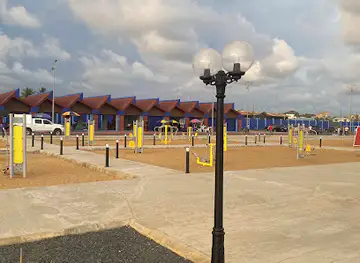
PHP Unification Park
Monrovia's PHP Unification Park: Where remembrance meets recreation, fostering unity and peace for all Liberians.

Stephen A Tolbert Estate First Park
Discover a serene oasis at Stephen A. Tolbert Estate First Park in Liberia, perfect for relaxation and connecting with nature's beauty.
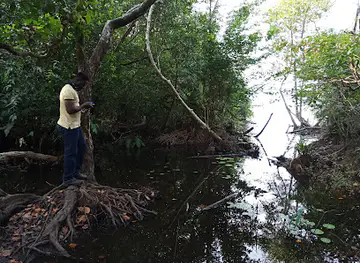
Mama's Lake
Discover the serene beauty of Mama's Lake, a tranquil nature preserve in Liberia, perfect for relaxation and nature appreciation.

Best landmarks in Bomi County
Top-rated picks
Best Landmarks

National Museum of Liberia
Discover Liberia's vibrant history through engaging exhibits at the National Museum of Liberia in Monrovia, a must-visit cultural attraction.

Joseph J. Roberts Monument
Explore the Joseph J. Roberts Monument in Monrovia, a significant historical landmark honoring Liberia's first president and its rich cultural heritage.

Joseph Jenkins Roberts Monument
Explore the Joseph Jenkins Roberts Monument in Monrovia, a symbol of Liberia's rich history and heritage, celebrating its first president's legacy.

Best restaurants in Bomi County
Top-rated picks
Best Restaurants

FuZion D'Afrique Restaurant
Discover the vibrant flavors of Liberia at FuZion D'Afrique Restaurant – where traditional meets contemporary dining.

Monroe Chicken and Monroe Bar & Grill
Discover Mediterranean flavors at Monroe Chicken and Monroe Bar & Grill - Monrovia's vibrant culinary gem offering delicious dishes in a welcoming atmosphere.

Diana Restaurant
Experience authentic Liberian cuisine at Diana Restaurant in Monrovia – where local flavors meet international flair.

Mashariki Restaurant
Discover authentic Liberian cuisine at Mashariki Restaurant in Monrovia - where every meal is a celebration of flavor and culture.

Best bars in Bomi County
Top-rated picks
Best Bars

Monroe Chicken and Monroe Bar & Grill
Experience the vibrant tastes of Monroe Chicken and Monroe Bar & Grill, a must-visit culinary destination in Monrovia, Liberia.

Riverside Bar & Restaurant
Experience the essence of Liberia at Riverside Bar & Restaurant, where stunning riverside views meet delightful local cuisine in Monrovia.

City Garden Bar & Restaurant
Experience the vibrant flavors of Liberia at City Garden Bar & Restaurant, a must-visit grill in Monrovia’s heart.

The Red Lion
Experience the vibrant nightlife at The Red Lion, a must-visit bar in Central Monrovia, offering a blend of local culture and refreshing beverages.

Best nightclubs in Bomi County
Top-rated picks
Best Nightclubs

Club Wanwosu
Unleash your night at Club Wanwosu – Lou King's vibrant night club offering electrifying music and a lively atmosphere for an unforgettable experience.

88 Night Club
Experience the vibrant nightlife of Dabwe Town at 88 Night Club, where music, dance, and local culture come alive in a thrilling atmosphere.

Celavi nightclub
Discover the vibrant nightlife at Celavi Nightclub in Monrovia, where music, dance, and a welcoming atmosphere create unforgettable memories.

Creation Night Club
Dive into the vibrant nightlife of Creation Night Club, a lively venue in Chocolate City, Liberia, where culture meets modern entertainment.

Best shops in Bomi County
Top-rated picks
Best Shops

Harbel Supermarket - Tweh Farm
Experience the vibrant shopping culture of Liberia at Harbel Supermarket, your go-to destination for local goods and fresh produce.
Noah Saleh’s Liberian banana shop
Discover the vibrant flavors of Liberia at Noah Saleh's Banana Shop, a local grocery store in West Point offering fresh produce and authentic experiences.

Clara Town, Monrovia, Liberia
Explore Clara Town in Monrovia for unique home goods and an authentic taste of Liberian culture through local crafts and vibrant markets.
Brewerville VOA Electronic Store
Explore the latest in electronics and technology at Brewerville VOA Electronic Store, your go-to shop in Lou King, Liberia for all your tech needs.

Explore Bomi County on the Map
A handpicked selection of must-see spots in Bomi County, mapped for you.
Bomi County Essentials
-
Bomi County is located in the western part of Liberia. The nearest international airport is Roberts International Airport (RIA) in Harbel, approximately 70 kilometers away from Tubmanburg, the capital of Bomi County. From the airport, you can take a taxi or arrange for a private car service to Tubmanburg. The journey typically takes about 1.5 to 2 hours by road. Alternatively, you can take a public bus or shared taxi from Monrovia, the capital city of Liberia, to Tubmanburg.
-
Within Bomi County, local taxis and motorbike taxis (known as 'okadas') are the most common modes of transportation. Public buses and shared taxis operate between major towns and villages. For more flexibility, you may consider renting a car, though be aware that road conditions can vary, especially during the rainy season. Walking is also a viable option for short distances within towns.
-
The official currency in Liberia is the Liberian Dollar (LRD), though US Dollars are widely accepted. Credit cards are not commonly used, especially in rural areas like Bomi County, so it is advisable to carry cash. ATMs are scarce, so ensure you withdraw sufficient cash before leaving Monrovia. Small denominations are useful for everyday transactions.
-
Bomi County is generally safe for tourists, but standard precautions should be taken. Avoid walking alone at night, especially in unfamiliar areas, and always keep an eye on your belongings. Petty crime, such as pickpocketing, can occur in crowded places. Be cautious in isolated areas and avoid displaying valuable items. Stay informed about local news and follow any travel advisories.
-
In case of an emergency, dial 911 for police assistance. Medical facilities in Bomi County are limited, so for serious health issues, you may need to travel to Monrovia. It is highly recommended to have travel insurance that covers medical emergencies. For minor health issues, local pharmacies can provide over-the-counter medications. Always carry a basic first-aid kit.
-
Fashion: Do dress modestly, especially when visiting rural areas and religious sites. Avoid wearing revealing clothing. Religion: Do respect local customs and practices. When visiting churches or mosques, dress conservatively and remove your shoes if required. Public Transport: Do be respectful and courteous to fellow passengers. Avoid loud conversations and keep your belongings close. Greetings: Do greet people with a smile and a handshake. It is polite to ask about someone's family as a sign of respect. Eating & Drinking: Do try local dishes and accept food graciously. It is considered impolite to refuse an offer of food or drink.
-
To experience Bomi County like a local, visit the bustling markets where you can buy fresh produce and local crafts. Engage with the residents, who are often friendly and eager to share their culture and traditions. Don't miss exploring the Blue Lake, a beautiful natural attraction, and the historic Dewein Town, rich in history. For an authentic experience, consider attending a local festival or cultural event.
When is the best time to visit Bomi County?
Useful Local Phrases for Bomi County
You don't need to speak the language perfectly. Even learning a few simple words can make conversations warmer—and locals usually appreciate the effort.
— Eve

Here are the phrases I use most often in Bomi County. Try a few—you'll be surprised how far they go! 😊
❤️
-
- HelloSalone
[sah-loh-neh] - GoodbyeBye-bye
[bye-bye] - YesAye
[ah-yee] - NoNo
[noh] - Please/You're welcomePlease
[pleez] - Thank youTenki
[ten-kee] - Excuse me/SorryPardon
[pah-don] - How are you?How you dey?
[how yoo day?] - Fine. And you?I dey fine. You?
[I dey fine. Yoo?] - Do you speak English?You sabi English?
[yoo sah-bee in-glish?] - I don't understandI no sabi
[I noh sah-bee]
- HelloSalone
-
- I'd like to see the menu, pleaseI want see di menu, please
[I want see dee meh-noo, pleez] - I don't eat meatI no eat meat
[I noh eet meet] - Cheers!Cheers!
[cheers] - I would like to pay, pleaseI wan pay, please
[I wan pay, pleez]
- I'd like to see the menu, pleaseI want see di menu, please
-
- Help!Help!
[help] - Go away!Go away!
[go away] - Call the Police!Call di Police!
[call dee poh-lees] - Call a doctor!Call a doctor!
[call a doh-toh] - I'm lostI lost
[I lost] - I'm illI dey sick
[I dey sik]
- Help!Help!
-
- I'd like to buy...I want buy...
[I want bye...] - I'm just lookingI just dey look
[I just dey look] - How much is it?How much be dis?
[how much beh dis?] - That's too expensiveDat too much
[dat too mooch] - Can you lower the price?You fit lower di price?
[yoo fit lower dee prahys?]
- I'd like to buy...I want buy...
-
- What time is it?Wetin time be?
[we-teen time beh?] - It's one o'clockNa one o'clock
[nah wan o-clock] - Half past (10)Half past ten
[half past ten] - MorningMorning
[morning] - AfternoonAfternoon
[afternoon] - EveningEvening
[evening] - YesterdayYesterday
[yes-ter-day] - TodayToday
[to-day] - TomorrowTomorrow
[to-morrow] - 1One
[wan] - 2Two
[too] - 3Three
[three] - 4Four
[for] - 5Five
[five] - 6Six
[six] - 7Seven
[seven] - 8Eight
[eight] - 9Nine
[nine] - 10Ten
[ten]
- What time is it?Wetin time be?
-
- Where's a/the...?Where di...?
[where dee...?] - What's the address?Wet in di address?
[wet in dee ad-dress?] - Can you show me (on the map)?You fit show me (for di map)?
[yoo fit show me (for dee map)?] - When's the next (bus)?When di next (bus)?
[when dee next (bus)?] - A ticket (to ....)One ticket (go ...)
[wan ti-ket (go ...)]
- Where's a/the...?Where di...?
History of Bomi County
-
Bomi County, like much of Liberia, was originally inhabited by indigenous tribes long before European contact. The Gola people are one of the major ethnic groups in the region, known for their rich cultural heritage and traditional practices. The area was characterized by dense forests, which played a crucial role in the lifestyle and spiritual beliefs of the indigenous communities.
-
In the 19th century, Liberia was established as a colony for freed African Americans, known as Americo-Liberians. Bomi County saw a transformation during this period as the newcomers settled and established towns. The region began to develop infrastructure such as roads and schools, laying the foundation for future advancements.
-
Bomi County gained significant economic importance in the mid-20th century with the discovery of rich iron ore deposits. The Liberia Mining Company, one of the first large-scale mining operations in Liberia, began exploiting these resources in the 1950s. This led to the rapid development of the town of Tubmanburg, which became an economic hub for the region.
-
The Liberian Civil War, spanning from 1989 to 2003, had a devastating impact on Bomi County. The region saw intense fighting and suffered from significant infrastructural damage and loss of life. Many residents were displaced, and the local economy was severely disrupted. The war's aftermath left a lasting scar on the county, which is still in the process of recovery.
-
Since the end of the civil war, Bomi County has been focused on rebuilding and development. Efforts to restore infrastructure, enhance education, and revive cultural traditions have been ongoing. The county has also been working on attracting tourism by promoting its natural beauty, historical sites, and the rich cultural heritage of its indigenous tribes.
-
Today, Bomi County is a blend of historical significance and cultural richness. The town of Tubmanburg remains an important center, while the surrounding areas offer a glimpse into the traditional lifestyles of the Gola people. The county is also known for its beautiful landscapes, including rolling hills and lush forests, making it an attractive destination for travelers seeking both history and natural beauty.
Neighbouring Regions of Bomi County
The closest regions to Bomi County, if you have time for more than one.




Your all‑in‑one travel companion app
Explore expert travel guides, compare and book tours, experiences, hotels, and more—all from the palm of your hand. Download now for seamless trip planning wherever your wanderlust takes you.


Explore More of Liberia

Looking beyond Bomi County? Discover Liberia for broader travel guides, local hot-spots, and regional highlights.
Explore LiberiaBomi County in Photos
Browse through our photo collection highlighting the charm and character of the destination.


Bomi County: Liberia's Hidden Gem
Bomi County, a captivating region in western Liberia, offers a unique blend of natural beauty and cultural richness. This serene destination is characterized by its lush rainforests, rolling hills, and vibrant local communities. The county's capital, Tubmanburg, serves as a gateway to many of Bomi's attractions and provides a glimpse into the daily lives of its residents. Nature enthusiasts will find Bomi County a paradise with its numerous waterfalls, including the stunning Blue Lake and the awe-inspiring Kongo Waterfalls. The area's diverse flora and fauna make it a perfect spot for eco-tourism and bird watching. Hiking through Bomi's verdant landscapes provides an opportunity to witness the untouched beauty of Liberia's wilderness. Bomi County is also steeped in history and culture. Visitors can explore historical sites such as the Dewein District, known for its traditional villages and cultural heritage. Engaging with the local communities offers a chance to learn about their customs, crafts, and daily activities. The hospitality of the Bomi people adds a special touch to the travel experience, making every visitor feel welcome.