

Free Western Region Travel Guide & Mobile App
Explore Western Region with free travel guides. Discover regional history, expert tips, proposed trips, and audio guides on web or mobile app.


Western Liberia blends Monrovia’s history with Atlantic beaches, Lake Piso, forest landscapes, diverse cultures and practical adventure.
Read more about Western Region
When is the best time to visit Western Region?
Best: June, August–September · 25–28°C| Month | High (°C) | Rainfall (mm) |
|---|---|---|
| January | 15 | 90 |
| February | 16 | 80 |
| March | 18 | 90 |
| April | 20 | 80 |
| May | 23 | 70 |
| June (best) | 26 | 60 |
| July | 28 | 50 |
| August (best) | 28 | 50 |
| September (best) | 25 | 60 |
| October | 22 | 70 |
| November | 18 | 80 |
| December | 15 | 90 |
Getting to and around Western Region
How to get there
Transportation
Top city travel guides in Western Region
The cities of Western Region, and the easiest places to base yourself.
-

-

-


Swipe for more cities
Destinations in Western Region
Resorts, valleys and scenic spots worth a trip of their own.
-

-


Swipe for more destinations
Best attractions in Western Region
Western Region’s attractions range from Monrovia’s historical and cultural institutions to broad landscapes of coast, wetland, forest and former mining country. In the capital, visitors can explore Providence Island, the National Museum and the city’s markets, waterfront areas and beaches, while allowing for the fact that some historic buildings have limited maintenance or access. Outside Monrovia, Robertsport is the region’s best-known coastal base, with long Atlantic beaches, a developing surf culture and access to Lake Piso, a large lagoon and wetland system where local guidance is important. Bomi offers industrial-history interest around the former Bomi Hills mining area, although the landscape is not a conventional museum and access should be organised locally. Gbarpolu and the forested districts towards the Sierra Leone border are suited to visitors interested in biodiversity, rural livelihoods and conservation rather than quick sightseeing. The region also offers birdwatching, fishing, beach walks and community-based experiences, but visitor infrastructure is uneven. Travel is therefore shaped as much by preparation, weather and local contacts as by the attractions themselves.
-
Park
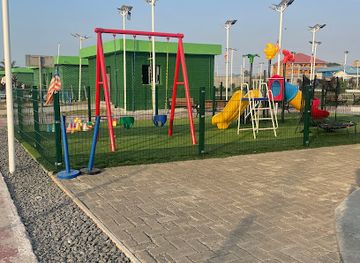
Invincible Sports Park
Experience Monrovia's vibrant sports scene at Invincible Sports Park, a modern recreational hub for sports, relaxation, and community events.
-
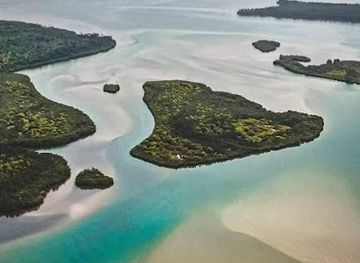
Lake Piso
Discover Liberia's largest lake: a haven for birdwatchers, nature enthusiasts, and those seeking tranquil beauty along the West African coast.
-
Beach
Bernard's Beach
Escape to Bernard's Beach in Monrovia: golden sands, gentle waves, and vibrant Liberian hospitality await!
-
Mosque
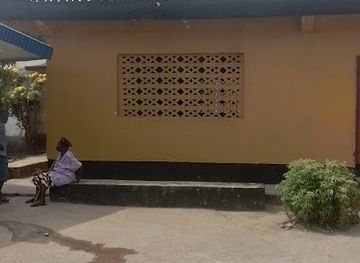
Matadi Central Mosque
Discover the Matadi Central Mosque in Monrovia, a cultural and spiritual gem reflecting Liberia's rich heritage and community spirit.

Best landmarks in Western Region
Providence Island in Monrovia is the region’s most symbolically important historic site, associated with the establishment of the settlement that became Liberia’s capital in 1822 and with the country’s complex settler and indigenous histories. The National Museum, housed in Monrovia’s former Supreme Court building, provides a significant civic landmark and a useful introduction to national history, although visitors should check current access locally. Monrovia’s remaining historic civic buildings and waterfront setting are more meaningful when understood as parts of a changing capital rather than as an intact colonial-style quarter. In Grand Cape Mount, the Atlantic coast and Lake Piso form major geographical landmarks: the lake’s broad wetland landscape connects freshwater, lagoon and coastal environments. Bomi Hills is a landmark of a different kind, with mining landscapes that represent the industrial ambitions and economic transformations of twentieth-century Liberia. Forested border landscapes towards Gbarpolu also have geographical and ecological significance, though access is more dependent on conservation arrangements and local guidance than on formal visitor facilities.
-
Stadium
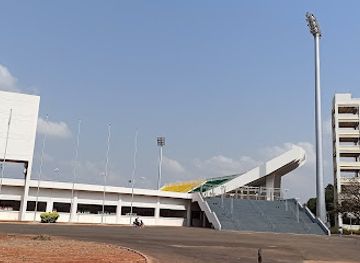
Kégué Stadium
Discover the vibrant spirit of Togo at Kégué Stadium, a premier venue for sports and cultural events in Lomé, where excitement meets local heritage.
-
 Hotel
HotelThe Royal Grand Hotel
Experience unparalleled luxury and comfort at The Royal Grand Hotel, the premier destination for travelers in Monrovia, Liberia.
-
Hotel
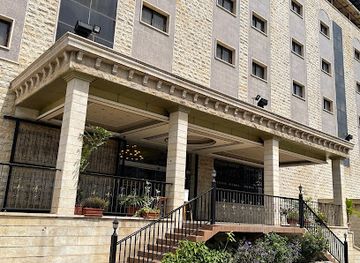
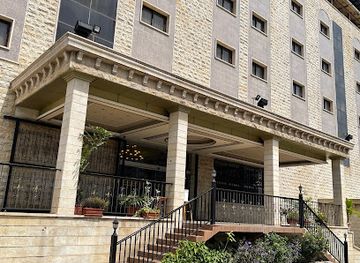
Boulevard Palace Hotel
Discover the elegance and luxury of Boulevard Palace Hotel, your premier destination in Monrovia, Liberia, offering exquisite dining and superior accommodations.
-
Park
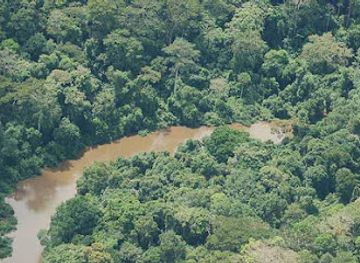
Taï National Park
Explore Taï National Park: A UNESCO World Heritage site rich in biodiversity and home to unique wildlife in the heart of Côte d'Ivoire.
Explore Western Region on the map
Plan your trip on one map. See where the top cities, national parks and sights are, and book hotels and experiences in a few clicks.
Best hotels in Western Region
Best restaurants in Western Region
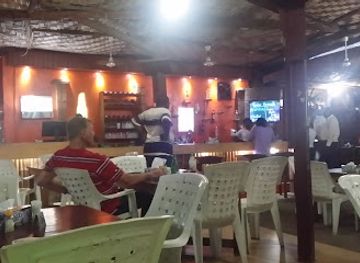
Dining in Western Liberia is centred on rice-based meals, peppery sauces, cassava, plantain, greens, grilled or fried fish, chicken and meat. Monrovia provides the broadest choice, from informal cookshops and market stalls to cafés, hotel restaurants and establishments serving Liberian, West African and international dishes. Fresh seafood is especially relevant along the Atlantic coast, while roadside vendors may offer roasted plantain, cassava, snacks and drinks suited to the climate. In Robertsport and smaller settlements, choices are more limited and meals may need to be arranged in advance, particularly outside busy periods. Markets reveal the region’s food economy through rice, palm products, vegetables, fruit and smoked or dried fish. There is no need to treat one dish as exclusively western Liberian: much of the cuisine belongs to wider Liberian and West African traditions, with local variations in seasoning, ingredients and preparation. Visitors should drink treated or bottled water and allow extra time when food is cooked to order.
-
Restaurant
Boulevard Palace Hotel
Discover luxury dining and exquisite accommodations at Boulevard Palace Hotel in Monrovia, Liberia - a perfect blend of comfort and culture.
-
Restaurant
Tropicana Beach
Discover Tropicana Beach in Paynesville - A paradise of sun, sand, and delicious dining experiences along Liberia's stunning coastline.
-
Restaurant
Sajj House
Experience authentic Liberian cuisine at Sajj House in Monrovia—where tradition meets flavor in a welcoming atmosphere.
-
Restaurant
FuZion D'Afrique Restaurant
Experience the fusion of local flavors and global cuisine at FuZion D'Afrique Restaurant in Monrovia.

Best bars in Western Region
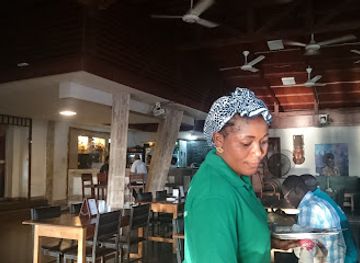
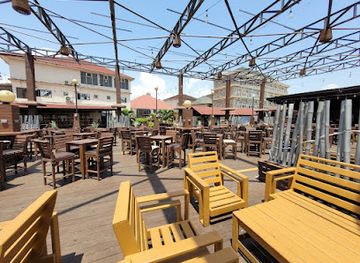
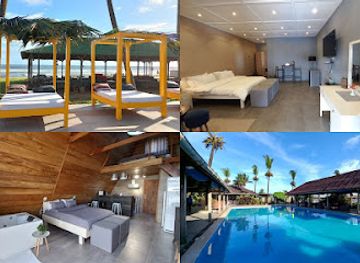
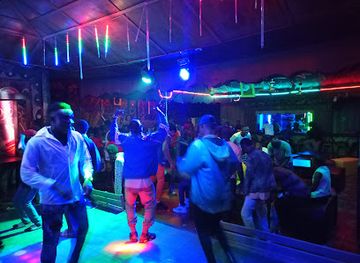
Nightlife is concentrated in Monrovia, where hotel lounges, restaurants, bars and live-music settings provide the widest choice. Evening districts and venues can change, so current local advice is more reliable than assuming that a listed establishment remains open. Liberian music, contemporary African styles and football broadcasts are common features of urban social life, while some venues cater mainly to residents and others to business and international visitors. Outside the capital, evening culture is quieter and generally revolves around local bars, restaurants, guesthouses and community gatherings rather than a large nightclub circuit. Robertsport may offer relaxed evenings after time on the beach, but facilities are limited compared with Monrovia. In rural areas, return to accommodation before late night, use arranged transport and avoid walking unfamiliar roads in darkness. Alcohol is available, but visitors can engage with the region’s social life through food, music and conversation without treating drinking as its central feature.
-
Hotel
The Royal Grand Hotel
Experience luxury and comfort at The Royal Grand Hotel in Monrovia, a top destination for travelers seeking elegance and local culture.
-
Hotel
RLJ Kendeja Resort & Villas
Discover unparalleled luxury and natural beauty at RLJ Kendeja Resort & Villas, your ideal escape in Liberia.
-
Restaurant
D' Calabash Hotel
Experience authentic Liberian cuisine at D' Calabash Hotel, a culinary gem in Monrovia that celebrates local flavors and hospitality.
-
Bar
Tropicana Beach
Discover the vibrant atmosphere and stunning views at Tropicana Beach, a perfect getaway in Paynesville, Liberia.

Best nightclubs in Western Region
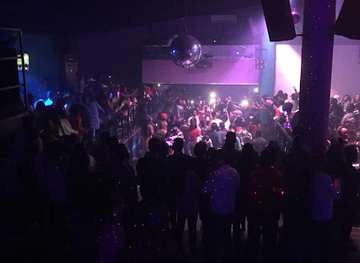
Nightlife is concentrated in Monrovia, where hotel lounges, restaurants, bars and live-music settings provide the widest choice. Evening districts and venues can change, so current local advice is more reliable than assuming that a listed establishment remains open. Liberian music, contemporary African styles and football broadcasts are common features of urban social life, while some venues cater mainly to residents and others to business and international visitors. Outside the capital, evening culture is quieter and generally revolves around local bars, restaurants, guesthouses and community gatherings rather than a large nightclub circuit. Robertsport may offer relaxed evenings after time on the beach, but facilities are limited compared with Monrovia. In rural areas, return to accommodation before late night, use arranged transport and avoid walking unfamiliar roads in darkness. Alcohol is available, but visitors can engage with the region’s social life through food, music and conversation without treating drinking as its central feature.
-
Night club
Club Wanwosu
Discover the electrifying nightlife at Club Wanwosu in Lou King, where the beats never stop and unforgettable memories are made.
-
Night club
Celavi nightclub
Experience the vibrant nightlife of Monrovia at Celavi Nightclub, where great music and an electrifying atmosphere await you.
-
Night club
Candel Light Night Club
Experience the vibrant nightlife of Harper at Candle Light Night Club, where music and dance create unforgettable moments in Liberia.
-
Night club
Ocean View
Experience the vibrant nightlife at Ocean View, a lively night club in Harper, Liberia, where music, dance, and local culture come alive.


Best shops in Western Region
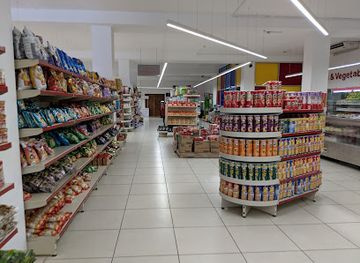
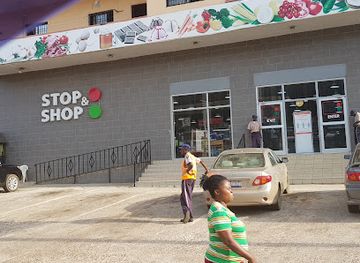
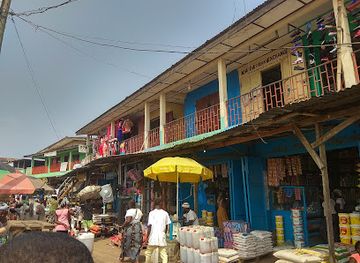
Monrovia offers Western Region’s broadest shopping experience, from busy markets and small neighbourhood stores to supermarkets, pharmacies, craft stalls and galleries. Markets are the best places to see the range of imported goods and local produce, including rice, fruit, vegetables, palm products, smoked fish and spices, though visitors should shop with a trusted local companion when unfamiliar with an area. Handwoven textiles, clothing, carved objects, jewellery and paintings can provide more meaningful souvenirs than generic imports; ask about materials, prices and whether an item is locally made. Outside the capital, shopping is primarily practical, with market towns and roadside stalls serving nearby communities rather than offering extensive retail choice. Robertsport may have locally produced crafts and coastal souvenirs, but availability varies. Visitors should avoid buying archaeological objects, protected wildlife products or unverified old artefacts, and should pack goods securely because rural transport and storage facilities are limited.
-
Supermarket
ERA Supermarket
Explore Monrovia's vibrant local culture and flavors at ERA Supermarket, your go-to destination for fresh produce and local goods.
-
Supermarket
Stop & Shop congo town
Discover the flavors of Monrovia at Stop & Shop Congo Town, your go-to supermarket for local and imported goods.
-
Market
Duala Market
Explore the bustling Duala Market in New Kru Town, a vibrant hub for local culture, delicious cuisine, and unique handcrafted goods.
-
Home goods store
ORCADECO LIBERIA
Explore the vibrant craftsmanship of Liberia at Orcadeco Liberia, your go-to home goods store for unique finds and local treasures.
Get your free copy of our complete guide to Western Region, delivered straight to you.
Everything on this page, from attractions and restaurants to essentials and local phrases, in one PDF you can read offline, print or share.
Already have an account? Sign in
Your Western Region guide is ready.
We'll send it to · Not you? Sign out

Getting your guide ready…
We are putting together a fresh copy of the Western Region guide. This can take up to a minute.
This can take a few moments. If your browser asks, choose Allow so the download can start. You'll find the guide in your Downloads folder.
Nothing happened? Download it again
Sorry, the guide is taking longer than usual. Please try again in a minute, or get it by email instead.
Western Region essentials
Currency and Payment
Safety
Emergency Situations
Do's and Don'ts
Local Tips
From Eve
Local phrases worth knowing
You don't need to get them perfect. A few words go a long way, and locals appreciate the effort.
Basics
| English | Local | Say it |
|---|---|---|
| Hello | Hi | [Hai] |
| Goodbye | See ya | [Si ya] |
| Yes | Yeah | [Yea] |
| No | Nope | [Nope] |
| Please/You're welcome | Sure thing | [Shur thing] |
| Thank you | Thanks | [Thnks] |
| Excuse me/Sorry | Pardon | [Pardon] |
| How are you? | How you doin'? | [How yu doin'?] |
| Fine. And you? | I’m good. You? | [I’m gud. Yu?] |
| Do you speak English? | You speak English? | [Yu spik Inglish?] |
| I don't understand | I don’t get it | [I don’t get it] |
Eating & Drinking
| English | Local | Say it |
|---|---|---|
| I'd like to see the menu, please | Can I see the menu? | [Can I si the menyu?] |
| I don't eat meat | I’m a vegetarian | [I’m a vejetarian] |
| Cheers! | Cheers! | [Cheers!] |
| I would like to pay, please | Can I get the check? | [Can I get the chek?] |
Emergencies
| English | Local | Say it |
|---|---|---|
| Help! | Help! | [Help!] |
| Go away! | Leave me alone! | [Leev me alon!] |
| Call the Police! | Call the cops! | [Call the cops!] |
| Call a doctor! | Get a doctor! | [Get a doktor!] |
| I'm lost | I can’t find my way | [I can’t find my wae] |
| I'm ill | I’m not feeling well | [I’m not feelin wel] |
Shopping
| English | Local | Say it |
|---|---|---|
| I'd like to buy... | I want to buy... | [I want to buy...] |
| I'm just looking | Just browsing | [Just browsing] |
| How much is it? | What’s the price? | [Wats the prys?] |
| That's too expensive | That’s too pricey | [That’s too pricy] |
| Can you lower the price? | Can you give me a discount? | [Can yu giv me a discount?] |
Time & Numbers
| English | Local | Say it |
|---|---|---|
| What time is it? | What time? | [What time?] |
| It's one o'clock | It's one | [It's wun] |
| Half past (10) | Half past ten | [Half past ten] |
| Morning | Morning | [Mornin] |
| Afternoon | Afternoon | [Aftn] |
| Evening | Evening | [Evnin] |
| Yesterday | Yesterday | [Yesterdai] |
| Today | Today | [Tudai] |
| Tomorrow | Tomorrow | [Tomorow] |
| 1 | One | [Wun] |
| 2 | Two | [Too] |
| 3 | Three | [Three] |
| 4 | Four | [For] |
| 5 | Five | [Faiv] |
| 6 | Six | [Siks] |
| 7 | Seven | [Sevn] |
| 8 | Eight | [Ait] |
| 9 | Nine | [Nin] |
| 10 | Ten | [Ten] |
Transport & Directions
| English | Local | Say it |
|---|---|---|
| Where's a/the...? | Where’s the...? | [Where’s the...?] |
| What's the address? | What’s the address? | [What’s the adres?] |
| Can you show me (on the map)? | Can you point it out? | [Can yu point it out?] |
| When's the next (bus)? | When’s the next bus? | [When’s the next bus?] |
| A ticket (to ....) | A ticket to... | [A tiket to...] |
History of Western Region
Early Coastal and Forest Societies
Long before the founding of Liberia, the western region was inhabited by communities including the Vai, Gola, Dei, Bassa, Kru and other peoples whose societies were linked through farming, fishing, forest use and regional trade. The coast and river systems connected settlements with neighbouring parts of Sierra Leone and Ivory Coast. Vai developed one of Africa’s distinctive indigenous writing systems in the nineteenth century, while oral history, craft traditions and local languages continue to express the region’s older cultural foundations.
Atlantic Trade and European Contact
Portuguese and later other European traders reached the Liberian coast from the late fifteenth century, entering an Atlantic trading world that involved coastal goods, river routes and changing political alliances. The area around Cape Mount and the Mano River was particularly connected to neighbouring Sierra Leone. European contact brought new religious, commercial and political pressures, while the interior remained governed primarily through established African authorities rather than through direct European colonial administration.
The Founding of Monrovia, 1822
In 1822, settlers sponsored by the American Colonization Society established a settlement on Providence Island at the mouth of the Mesurado River. It later developed into Monrovia, named for United States President James Monroe. The settlement became the centre of the colony of Liberia and, after independence in 1847, the capital of Africa’s oldest modern republic. Providence Island and the city’s historic areas therefore represent a formative, and contested, chapter in the country’s relationship between settlers from the Americas and indigenous communities.
The Republic and the Hinterland
Liberia’s independence created a republic led for much of its early history by Americo-Liberian political elites, while many indigenous communities in the western hinterland retained their own authorities, languages and customary institutions. Monrovia expanded as a port, administrative centre and commercial city, but links between the capital and rural counties were uneven. The political and social divisions established during this period influenced debates about citizenship, representation, land and national identity long after independence.
Mining and Roads in the Twentieth Century
Iron-ore extraction transformed parts of western Liberia, particularly around Bomi Hills, during the twentieth century. Mining brought railways, roads, employment and international investment, while also creating settlements and infrastructure tied to the rise and decline of the industry. Although many operations later contracted or closed, abandoned workings and altered landscapes remain visible reminders of the period when mineral exports were a major part of Liberia’s economy.
Civil Wars and National Reconstruction
Liberia’s civil wars, from 1989 to 1996 and again from 1999 to 2003, profoundly affected Monrovia and communities throughout the western region. The capital experienced intense fighting, displacement and damage to public infrastructure, while rural counties faced insecurity and disruption of livelihoods. The post-war period brought international peacekeeping, reconstruction and political reform. Visitors will encounter a country whose present-day cultural and commercial life has been shaped both by resilience and by the continuing work of rebuilding institutions and communities.
Contemporary Liberia and the Ebola Crisis
Since the end of the civil wars, Monrovia has remained the centre of Liberia’s political, economic and cultural renewal, while western counties have continued to develop through agriculture, trade, transport and conservation initiatives. The Ebola epidemic of 2014–2016 caused severe loss of life and disrupted travel, education and commerce across the country. Its legacy is visible in stronger public-health awareness and in the caution applied to disease prevention, community engagement and access to remote areas.
Western Region in Photos
Browse through our photo collection highlighting the charm and character of the destination.
Neighbouring regions of Western Region
The closest regions to Western Region, if you have time for more than one.
-

-

-

-

-


Swipe for more regions
Explore more

Explore more of Liberia
Discover Liberia: where pristine beaches meet lush rainforests, and vibrant culture blends with rich history in the heart of West Africa.
Explore Liberia