

Free Maryland County Travel Guide & Mobile App
Explore Maryland County with free travel guides. Discover regional history, expert tips, proposed trips, and audio guides on web or mobile app.


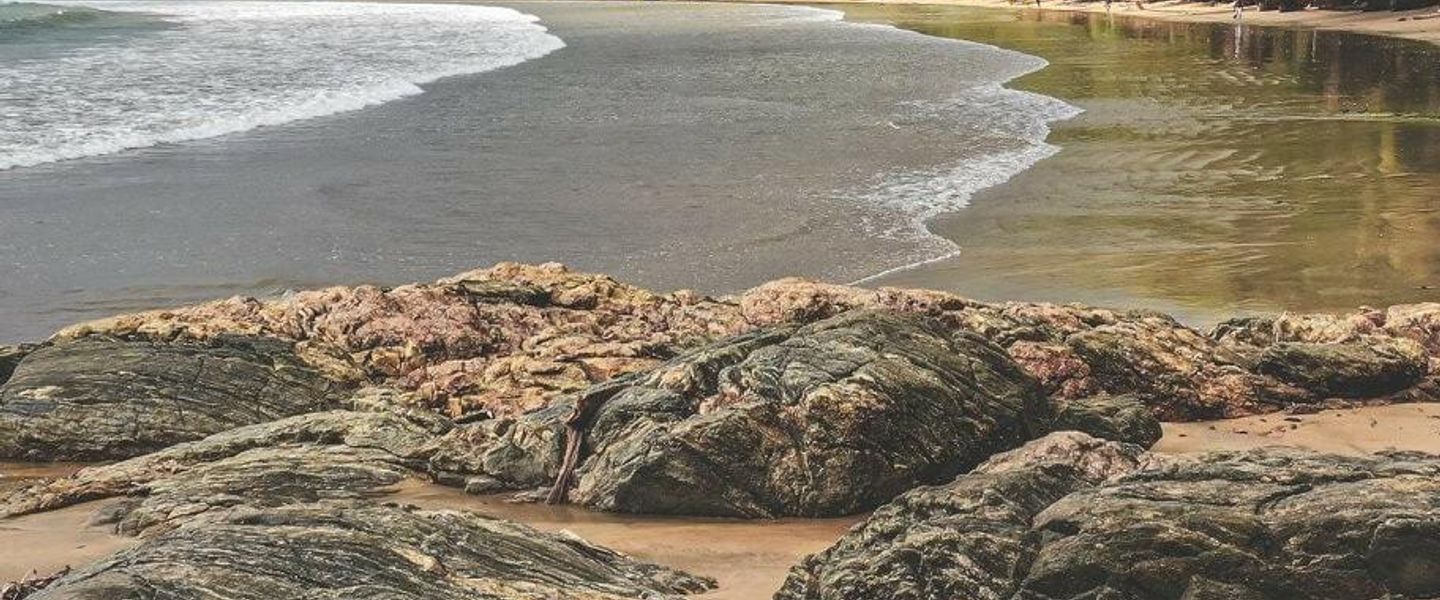


Explore Maryland County’s Cape Palmas heritage, Atlantic beaches, Cavalla River landscapes and coastal food culture in southeastern Liberia.
Read more about Maryland County
When is the best time to visit Maryland County?
Best: November–January · 29°C| Month | High (°C) | Rainfall (mm) |
|---|---|---|
| January (best) | 29 | 85 |
| February | 29 | 95 |
| March | 29 | 105 |
| April | 29 | 135 |
| May | 30 | 155 |
| June | 30 | 175 |
| July | 30 | 155 |
| August | 30 | 135 |
| September | 29 | 115 |
| October | 29 | 95 |
| November (best) | 29 | 85 |
| December (best) | 29 | 75 |
Getting to and around Maryland County
How to get there
Transportation
Destinations in Maryland County
Resorts, valleys and scenic spots worth a trip of their own.

Swipe for more destinations
Best attractions in Maryland County
Maryland County’s attractions are concentrated around Harper, Cape Palmas and the coastal and river landscapes of the southeast rather than organised into a large formal tourism circuit. Harper’s historic townscape provides the clearest introduction, with remnants of the nineteenth-century Maryland settlement, mission activity and later Liberian administration. The Cape Palmas coast offers open views, tropical vegetation and beaches suited to walking and quiet observation, although facilities, access and swimming conditions vary. The Cavalla River is both a natural feature and a living transport and trading corridor, while the surrounding countryside reveals farms, forest margins and settlements connected by local roads. Pleebo adds an inland commercial perspective and is useful for understanding the county beyond its coast. Visitors interested in culture should seek locally guided encounters with community history, food preparation, music and craft rather than expecting a dense museum network. Birdlife, fishing activity and changing coastal light provide quieter experiences, but remote outings require transport, water, local advice and sensitivity to border and community concerns.
-
Park
Dolly Beach
Discover the serene beauty of Dolly Beach in Harper, Liberia: a perfect escape for relaxation, swimming, and soaking up the sun.
-
 Tourist attraction
Southernmost point of Liberia
Discover Liberia's edge: Experience the serene beauty and coastal charm of its southernmost point in Whole Graway.

Best landmarks in Maryland County
Cape Palmas is Maryland County’s defining geographical landmark, a coastal promontory that gives Harper its setting and has guided navigation, settlement and administration for centuries. The Cavalla River is the county’s other major landmark: its broad course forms the international boundary with Côte d’Ivoire and remains central to fishing, commerce and regional history. In Harper, surviving buildings and street patterns associated with the former Republic of Maryland and later mission and administrative activity are important reminders of the nineteenth-century settlement, even where tropical weather and limited maintenance have altered their appearance. The town’s coastal outlook and older civic and religious structures are more significant as a collective historic landscape than as a single monumental building. Inland roads towards Pleebo reveal a contrasting landscape of lowland farms, forest and market communities. These places are valuable because they connect physical geography with the county’s intertwined histories of Grebo and Kru society, African-American colonisation, Liberian state formation and cross-border exchange.
-
Historical landmark
Tubman Beach
Discover the beauty and history of Tubman Beach in Harper, Liberia, where sandy shores meet cultural heritage and local charm.
-
Housing complex
Maryland Liberia
Explore the rich culture and community spirit of Maryland Liberia, where vibrant life and local traditions come together in a captivating housing complex.
-
Historical landmark
William Tubman's Presidential Mansion
Discover the rich history of Liberia at the William Tubman's Presidential Mansion, a historical landmark showcasing the legacy of one of its most influential leaders.


Explore Maryland County on the map
Plan your trip on one map. See where the top cities, national parks and sights are, and book hotels and experiences in a few clicks.
Best hotels in Maryland County
Best restaurants in Maryland County
Dining in Maryland County is informal and closely linked to household cooking, markets and the day’s available produce. Rice is the principal staple, commonly accompanied by cassava, plantain, greens, beans, spicy sauces and stews; fresh fish is especially relevant in Harper and other coastal communities. Palm oil, peppers and smoked or dried ingredients add depth to many dishes, while cassava may appear as a side dish, bread-like preparation or fermented food. Small restaurants, cookshops and roadside sellers provide the main eating options, with simple Liberian meals often more dependable than an elaborately planned restaurant itinerary. In Pleebo and Harper, markets are useful places to observe the range of local produce, though visitors should choose food that is freshly cooked and served hot. Bottled or treated water is prudent, and seafood should be selected from busy, reputable vendors. Dining is generally unhurried, and asking hosts about ingredients is a good way to understand the county’s coastal and agricultural food culture.
-
Restaurant
FuZion D'Afrique Restaurant
Experience the authentic tastes of Liberia at FuZion D'Afrique Restaurant—where local cuisine meets international flair.
-
Restaurant
Diana Restaurant
Experience the rich flavors of Liberia at Diana Restaurant in Monrovia – where local cuisine meets vibrant atmosphere.
-
Restaurant
Evelyn's Cuisine
Experience authentic Liberian flavors at Evelyn's Cuisine in Monrovia - a culinary gem celebrating traditional dishes.
-
Restaurant
The Hub Diner
Discover authentic Liberian cuisine at The Hub Diner in Monrovia – where flavor meets tradition in a welcoming atmosphere.


Best bars in Maryland County
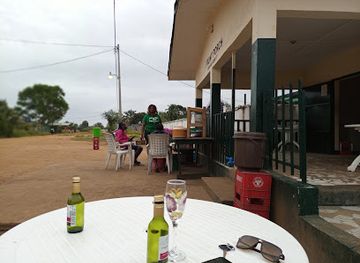
Evening life in Maryland County is modest and centred mainly on local bars, small restaurants, guesthouse compounds and social gathering places in Harper and Pleebo. Traditional drinking spots may serve Liberian beer, soft drinks and locally produced or regionally traded beverages, while music often comes from recorded popular music rather than a permanent club circuit. Harper can be busier on particular evenings and during community or family occasions, but visitors should not expect the concentrated nightlife found in Monrovia. Rural settlements generally become quiet after dark, and transport options may be scarce. Enjoying the evening is best approached through a meal, conversation or locally recommended music venue rather than by searching for a formal nightclub district. Leave with trusted transport, avoid displaying valuables and respect restrictions around photography, noise and alcohol in residential or religious settings.
-
Restaurant
Club Montserrado
Experience the vibrant flavors of Liberia at Club Montserrado, where culinary creativity meets warm hospitality.
-
Cigar shop
Savvy Lounge
Experience the ultimate in relaxation and luxury at Savvy Lounge, Monrovia's premier cigar shop and social hub for tourists and locals alike.
-
Restaurant
Front porch
Experience the warmth and flavors of Liberia at the Front Porch, a must-visit restaurant in Harper for an authentic culinary adventure.
-
Lounge
Shooters Sports Bar & Lounge
Discover the vibrant nightlife at Shooters Sports Bar & Lounge in Monrovia, offering delicious drinks, live music, and a welcoming atmosphere.



Best nightclubs in Maryland County
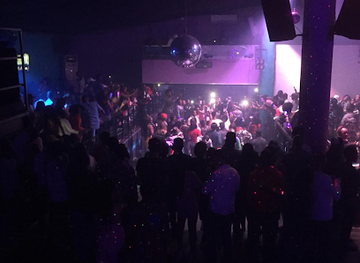
Evening life in Maryland County is modest and centred mainly on local bars, small restaurants, guesthouse compounds and social gathering places in Harper and Pleebo. Traditional drinking spots may serve Liberian beer, soft drinks and locally produced or regionally traded beverages, while music often comes from recorded popular music rather than a permanent club circuit. Harper can be busier on particular evenings and during community or family occasions, but visitors should not expect the concentrated nightlife found in Monrovia. Rural settlements generally become quiet after dark, and transport options may be scarce. Enjoying the evening is best approached through a meal, conversation or locally recommended music venue rather than by searching for a formal nightclub district. Leave with trusted transport, avoid displaying valuables and respect restrictions around photography, noise and alcohol in residential or religious settings.
-
Night club
Club Wanwosu
Discover the electrifying nightlife at Club Wanwosu in Lou King, Liberia – where music, dancing, and unforgettable experiences come together.
-
Bar
Exodus Bar
Discover the vibrant nightlife at Exodus Bar in Helomeh, where locals and tourists unite for unforgettable drinks and entertainment in a lively atmosphere.
-
Night club
Celavi nightclub
Celavi Nightclub: The Heartbeat of Monrovia's Nightlife, Where Music and Energy Unite for Unforgettable Nights.
-
Night club
Candel Light Night Club
Immerse yourself in the vibrant nightlife of Harper at Candel Light Night Club, where music and culture blend for an unforgettable experience.



Best shops in Maryland County
Shopping in Maryland County is primarily local and practical, with Harper and Pleebo offering markets, small general shops, produce stalls and informal trading areas rather than a substantial retail district. Visitors may find fresh fruit, cassava, plantain, fish, palm-derived products and everyday Liberian foods, although availability is seasonal and packaging is basic. Small craft purchases can sometimes be arranged through local makers or community contacts, but the range is less predictable than in Monrovia. Useful souvenirs include locally made textiles, simple wood or woven items and packaged regional food products when their origin and quality are clear. Bargain courteously and inspect goods before paying; in smaller settlements, prices and stock can change quickly. Carrying cash is essential, especially outside Harper. The most meaningful purchases are often direct, modest transactions with local producers, provided that visitors ask permission where an item has cultural or ceremonial significance and avoid buying protected wildlife or antiquities.
-
Electronics store
MAO Brothers Group Limited
Explore cutting-edge electronics at MAO Brothers Group Limited in Pleebo, Liberia - your ultimate tech destination for quality and service.
-
Building materials store
Mohammed B. Barry
Mohammed B. Barry in Kahnwiekehn is the go-to store for high-quality building materials, blending local expertise with exceptional customer service.
-
Clothing store
Abd Ar-Rahman Misrî Shop
Discover unique clothing and local craftsmanship at Abd Ar-Rahman Misrî Shop in Helomeh, Liberia - a must-visit for fashion lovers.
-
Tea market place
Classical Man's Tea Shop
Explore the serene haven of Classical Man's Tea Shop in Harper, Liberia, where authentic teas and a tranquil ambiance await your visit.


Get your free copy of our complete guide to Maryland County, delivered straight to you.
Everything on this page, from attractions and restaurants to essentials and local phrases, in one PDF you can read offline, print or share.
Already have an account? Sign in
Your Maryland County guide is ready.
We'll send it to · Not you? Sign out

Getting your guide ready…
We are putting together a fresh copy of the Maryland County guide. This can take up to a minute.
This can take a few moments. If your browser asks, choose Allow so the download can start. You'll find the guide in your Downloads folder.
Nothing happened? Download it again
Sorry, the guide is taking longer than usual. Please try again in a minute, or get it by email instead.
Maryland County essentials
Currency and Payment
Safety
Emergency Situations
Do's and Don'ts
Local Tips
From Eve
Local phrases worth knowing
You don't need to get them perfect. A few words go a long way, and locals appreciate the effort.
Basics
| English | Local | Say it |
|---|---|---|
| Hello | Salute | [sah-loo-teh] |
| Goodbye | Taw | [taw] |
| Yes | Aye | [eye] |
| No | Nay | [nay] |
| Please/You're welcome | Please | [pleez] |
| Thank you | Tenki | [ten-kee] |
| Excuse me/Sorry | Sorry | [soh-ree] |
| How are you? | How you dey? | [how yoo dey?] |
| Fine. And you? | Fine. And you? | [fine. and yoo?] |
| Do you speak English? | You sabi English? | [yoo sah-bee English?] |
| I don't understand | I noh sabi | [I noh sah-bee] |
Eating & Drinking
| English | Local | Say it |
|---|---|---|
| I'd like to see the menu, please | I wan see the menu, please | [I wan see the menu, pleez] |
| I don't eat meat | I noh eat meat | [I noh eet meet] |
| Cheers! | Cheers! | [cheers] |
| I would like to pay, please | I wan pay, please | [I wan pay, pleez] |
Emergencies
| English | Local | Say it |
|---|---|---|
| Help! | Help! | [help] |
| Go away! | Make you go! | [make yoo go] |
| Call the Police! | Call di Police! | [call dee po-lees] |
| Call a doctor! | Call a doctor! | [call a dok-ta] |
| I'm lost | I dey lost | [I dey lost] |
| I'm ill | I dey sick | [I dey sik] |
Shopping
| English | Local | Say it |
|---|---|---|
| I'd like to buy... | I wan buy... | [I wan buy...] |
| I'm just looking | I just dey look | [I just dey look] |
| How much is it? | How much e be? | [how much eh beh?] |
| That's too expensive | Dat too expensive | [dat too ex-pen-siv] |
| Can you lower the price? | You fit reduce di price? | [yoo fit re-dooce dee price?] |
Time & Numbers
| English | Local | Say it |
|---|---|---|
| What time is it? | Wetin di time? | [weh-tin dee time?] |
| It's one o'clock | Na one o'clock | [na one o'clock] |
| Half past (10) | Half past ten | [half past ten] |
| Morning | Mornin' | [mor-nin] |
| Afternoon | Afternoon | [af-ter-noon] |
| Evening | Evenin' | [ee-venin] |
| Yesterday | Yes'day | [yes-day] |
| Today | Today | [to-day] |
| Tomorrow | To'morrow | [to-mor-row] |
| 1 | One | [one] |
| 2 | Two | [two] |
| 3 | Three | [three] |
| 4 | Four | [four] |
| 5 | Five | [five] |
| 6 | Six | [six] |
| 7 | Seven | [seven] |
| 8 | Eight | [eight] |
| 9 | Nine | [nine] |
| 10 | Ten | [ten] |
Transport & Directions
| English | Local | Say it |
|---|---|---|
| Where's a/the...? | Where e dey...? | [where eh dey...?] |
| What's the address? | Wetin be di address? | [weh-tin beh dee ad-dress?] |
| Can you show me (on the map)? | You fit show me (for di map)? | [yoo fit show me (for dee map)?] |
| When's the next (bus)? | When di next (bus)? | [when dee next (bus)?] |
| A ticket (to ....) | One ticket (to ...) | [one ti-ket (to ...)] |
History of Maryland County
Grebo and Kru societies before colonial settlement
Long before Maryland was created, the region was inhabited and shaped by Grebo, Kru and related communities whose livelihoods combined farming, fishing, hunting, craft production and coastal and river trade. Authority was organised through local communities and political relationships rather than through a single central state. The Cavalla River connected the area to inland routes and settlements in what is now Côte d’Ivoire, while the coast brought contact with European traders and navigators. Any account of Maryland’s history begins with these established societies, whose languages, institutions and cultural traditions remain central to the county’s identity.
The Maryland State Colonization Society and Cape Palmas
In the nineteenth century, the Maryland State Colonization Society in the United States sponsored the settlement of African-American emigrants on the Cape Palmas coast. The settlement developed around Harper and became known as Maryland in Africa. Missionaries, administrators and traders established institutions that reflected American influences, but the newcomers operated within a region already inhabited by African communities. Relations included commerce and cooperation as well as disputes over authority, land and political control. Cape Palmas consequently became both a significant settlement of the colonisation era and a place where competing political traditions met.
The Republic of Maryland, 1854–1857
Maryland in Africa declared independence as the Republic of Maryland in 1854, with Cape Palmas as its centre. The small republic sought to govern the coastal colony and extend its authority inland, but faced resistance from local communities and lacked the resources of a larger state. Conflict culminated in the Battle of Settra Kru in 1856, after which the republic’s position weakened. In 1857, Maryland joined the Republic of Liberia. The episode explains why the modern county carries the name Maryland while forming part of Liberia rather than the United States.
Liberian incorporation and the changing southeast
Following annexation in 1857, Cape Palmas and its surrounding settlements became part of Liberia’s expanding national administration. Government institutions, schools, Christian missions and commercial networks grew alongside older Grebo and Kru systems of authority and exchange. The region remained relatively distant from Monrovia, and its links with neighbouring Côte d’Ivoire were often as important in practical terms as connections with Liberia’s capital. The resulting cultural landscape combined local traditions, Liberian national life and influences inherited from the Maryland colony.
Port, mission and administrative development
During the late nineteenth and twentieth centuries, Harper served as a coastal administrative and commercial centre. Its position at Cape Palmas supported maritime contact, while missions and schools made the town an important institutional centre in southeastern Liberia. Trade in agricultural produce, forest products and imported goods connected the county with other Liberian ports and with the Cavalla borderlands. Buildings and town layouts associated with this period, although often weathered by the tropical climate and later upheavals, help explain Harper’s historical importance.
Civil war, reconstruction and regional connections
Liberia’s civil wars affected Maryland County through displacement, insecurity, damaged infrastructure and disruption to public services and trade. Harper and other southeastern communities have since taken part in national reconstruction, although roads, electricity, healthcare and tourism facilities remain more limited than in Monrovia. Cross-border movement and commerce with Côte d’Ivoire continue to influence the county’s economy and social life. Contemporary Maryland is therefore shaped by both its historic Cape Palmas identity and the practical challenges of reconnecting a remote region with the rest of Liberia.
Maryland County in Photos
Browse through our photo collection highlighting the charm and character of the destination.
Neighbouring regions of Maryland County
The closest regions to Maryland County, if you have time for more than one.
-

-

-

-

-


Swipe for more regions
Explore more

Explore more of Liberia
Discover Liberia: where pristine beaches meet lush rainforests, and vibrant culture blends with rich history in the heart of West Africa.
Explore Liberia