

Free River Cess County Travel Guide & Mobile App
Explore River Cess County with free travel guides. Discover regional history, expert tips, proposed trips, and audio guides on web or mobile app.


Explore River Cess County in Liberia for forest waterways, coastal communities, river journeys and a quieter Atlantic landscape shaped by Kru heritage.
Read more about River Cess County
When is the best time to visit River Cess County?
Best: December–February · 29°C| Month | High (°C) | Rainfall (mm) |
|---|---|---|
| January (best) | 29 | 40 |
| February (best) | 29 | 50 |
| March | 30 | 70 |
| April | 30 | 100 |
| May | 30 | 140 |
| June | 29 | 180 |
| July | 29 | 200 |
| August | 29 | 200 |
| September | 29 | 180 |
| October | 29 | 140 |
| November | 30 | 100 |
| December (best) | 29 | 60 |
Getting to and around River Cess County
How to get there
Transportation
Top city travel guides in River Cess County
The cities of River Cess County, and the easiest places to base yourself.

Swipe for more cities
Best attractions in River Cess County
River Cess County's attractions are primarily environmental and cultural rather than purpose-built. The Cestos River and its tributaries provide the setting for boat journeys, riverside observation and an understanding of how fishing, transport and settlement are connected, although all excursions depend on local conditions and safe arrangements. Around Cestos City and the coastal communities, visitors can see working river and fishing landscapes, mangrove areas, tidal flats and beaches that remain largely free of resort development. Inland, forest margins and rural roads offer opportunities for guided walks and quiet landscape observation, with the possibility of seeing birdlife and other wildlife rather than guaranteed encounters. The county's communities, markets, churches and everyday trading places are also part of its visitor interest, provided photography and visits are approached with consent. River Cess does not have the dense network of museums, formal reserves or maintained heritage attractions found in some better-connected parts of Liberia, and independent access can be difficult. Its appeal lies in combining coastal ecology, river geography, local livelihoods and the slower pace of a county where tourism infrastructure is still limited.
-
Tourist attraction
Timbo Beach
Discover Timbo Beach: A serene Liberian paradise with golden sands, clear waters, and vibrant local culture, perfect for relaxation and exploration.

Best landmarks in River Cess County
The Cestos River is River Cess County's defining natural landmark, giving the county its name in English usage and shaping settlement, transport and livelihoods around its banks and lower reaches. Its approach towards the Atlantic is marked by a changing landscape of tidal water, wetlands, sand and coastal vegetation rather than by a monumental waterfront. Cestos City, the county capital, is an important civic landmark in a regional sense because it concentrates administration, trade and services for a large rural hinterland. The county's forested interior and coastal wetland systems are also significant geographical features, representing part of Liberia's wider Upper Guinean forest and Atlantic ecological zone. Unlike Liberia's historic capital area, River Cess has relatively few widely documented built monuments or preserved architectural ensembles, so its most meaningful landmarks are living landscapes: rivers, waterways, fishing settlements, forest edges and the routes that connect them. Their value is ecological, geographical and social, and visitors should view them with local guidance rather than expecting formal interpretation or maintained visitor facilities.
-
 Church
Ganta, Liberia
Explore the historic church in Ganta, Liberia, a serene place of worship and cultural significance in the heart of the community.
Explore River Cess County on the map
Plan your trip on one map. See where the top cities, national parks and sights are, and book hotels and experiences in a few clicks.
Best hotels in River Cess County
Best restaurants in River Cess County
Dining in River Cess County is centred on home-style Liberian food, small local eateries and meals arranged through accommodation or community contacts rather than a developed restaurant scene. Rice is a staple and is commonly served with sauces, greens, beans, fish or meat; fresh and smoked fish is particularly relevant in coastal and riverside communities. Cassava, plantain, sweet potato and other locally grown foods may also appear, while pepper sauces and leafy stews provide familiar flavours across Liberia. In Cestos City, visitors may find simple cafés, cookshops and market-based food, but choice, opening arrangements and supplies can change quickly. Rural meals often depend on the day's ingredients, so advance notice is useful when travelling with dietary restrictions. Bottled or treated water should be used, and travellers should choose food that is thoroughly cooked and served hot. The culinary experience is best understood through local produce, fishing and household cooking rather than through acclaimed fine dining or a formal regional cuisine distinct from Liberia as a whole.
-
Grill
Geeta's Bar & Restaurant
Discover authentic Liberian flavors at Geeta's Bar & Restaurant in Gbarnga—where every dish tells a story.
-
Restaurant
Loleyah Bar & Restaurant
Discover authentic Liberian cuisine at Loleyah Bar & Restaurant in Gbarnga – where flavor meets hospitality.
-
Catering food and drink supplier
Julteh Bar & Restaurant
Experience local Liberian cuisine with international flair at Julteh Bar & Restaurant in Kuma, your perfect dining destination.
-
Church
Ganta, Liberia
Explore the tranquil charm of Ganta, Liberia - a hidden gem with rich culture, stunning architecture, and welcoming locals.


Best bars in River Cess County
River Cess has no major, concentrated nightclub scene comparable with Monrovia, and evening life is generally local, informal and community-based. Cestos City offers small bars, drinking spots and social venues where residents meet, while rural communities tend to rely on modest local establishments, private gatherings and conversation rather than late-night entertainment districts. Music may be present in bars or at community occasions, but schedules and venues are not reliably fixed for visitors. Evening travel should be arranged carefully because roads are poorly lit, transport is limited and distances between settlements are considerable. Visitors who do go out should follow local advice, keep valuables discreet and arrange their return transport beforehand. The county's evening character is better suited to quiet meals, riverside conversation and observing local social life than to a planned circuit of clubs.
-
Bar
Tropicana Beach
Discover the serene beauty of Tropicana Beach in Paynesville, Liberia, where relaxation meets vibrant entertainment and stunning coastal views.
-
Hotel
Mississippi Inn
Discover the charm of Greenville, Liberia, at Mississippi Inn – a cozy hotel offering comfortable stays and local hospitality.
-
Grill
Geeta's Bar & Restaurant
Experience the best of Liberian grilled cuisine at Geeta's Bar & Restaurant, where flavor meets hospitality in Gbarnga.
-
Lounge
Shooters Sports Bar & Lounge
Discover the lively spirit of Monrovia at Shooters Sports Bar & Lounge, where great food and sports come together for an unforgettable experience.


Best nightclubs in River Cess County
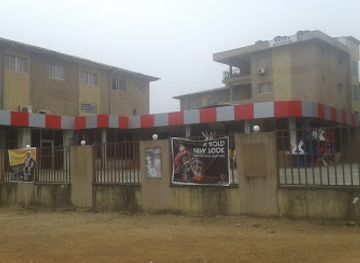
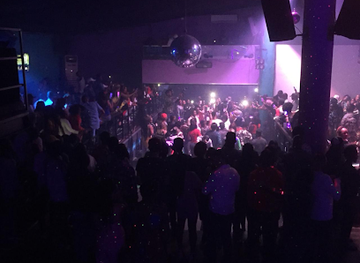
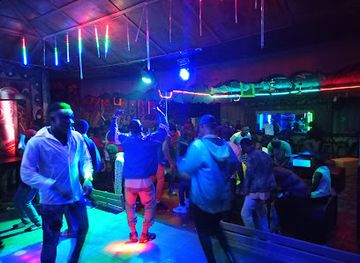
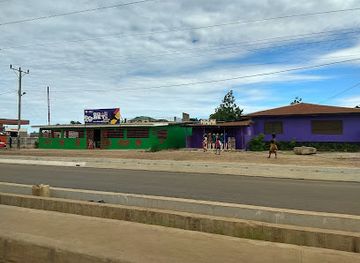
River Cess has no major, concentrated nightclub scene comparable with Monrovia, and evening life is generally local, informal and community-based. Cestos City offers small bars, drinking spots and social venues where residents meet, while rural communities tend to rely on modest local establishments, private gatherings and conversation rather than late-night entertainment districts. Music may be present in bars or at community occasions, but schedules and venues are not reliably fixed for visitors. Evening travel should be arranged carefully because roads are poorly lit, transport is limited and distances between settlements are considerable. Visitors who do go out should follow local advice, keep valuables discreet and arrange their return transport beforehand. The county's evening character is better suited to quiet meals, riverside conversation and observing local social life than to a planned circuit of clubs.
-
Night club
Club Wanwosu
Immerse yourself in the vibrant nightlife of Lou King at Club Wanwosu, where music, dancing, and local culture come alive.
-
Night club
Celavi nightclub
Discover the heartbeat of Monrovia's nightlife at Celavi Nightclub, where music, energy, and unforgettable experiences await.
-
Night club
Candel Light Night Club
Dive into the vibrant nightlife at Candel Light Night Club in Harper, Liberia, where local beats and lively crowds create unforgettable nights.
-
Night club
Creation Night Club
Discover the pulse of nightlife in Chocolate City at Creation Night Club, where music, dance, and fun come alive in a vibrant atmosphere.
Best shops in River Cess County
Shopping in River Cess County is practical and local rather than centred on malls, designer retail or specialist tourist boutiques. Cestos City provides the county's main trading environment, with small shops, market stalls and informal sellers offering food, household goods, clothing, mobile-phone services and basic travel supplies. Rural markets and roadside trading points may provide rice, cassava, plantains, vegetables, palm products, smoked fish and other locally produced foods, although market days and availability vary between communities. Visitors should carry sufficient cash and avoid expecting a broad selection of imported goods outside the county capital. Useful purchases include locally produced foodstuffs and modest craft items when they are genuinely made in the area, but ask before photographing or buying culturally significant objects and never purchase archaeological material or wildlife products. For a wider range of books, equipment, medicines and durable supplies, shop in Monrovia or another larger Liberian centre before travelling into River Cess.
-
Pharmacy
Janniefah Medicine Store
Explore Janniefah Medicine Store in Bojesi Town for quality healthcare products and expert local advice during your travels in Liberia.
-
Store
Torre Sitio Liberia . Construida Por ING RUIZ
Discover the cultural heart at Torre Sitio Liberia, a unique store offering local crafts and artisanal goods in a historic setting.
-
Computer accessories store
CLASS STATIONERY
Explore a range of computer accessories at CLASS STATIONERY, Monrovia's trusted tech shop under the historic Ministry of Education.
-
Pharmacy
Uncle Ben Medicine Store
Discover health and wellness at Uncle Ben Medicine Store, a trusted pharmacy in James Boduo, Liberia with expert staff and essential products.


Get your free copy of our complete guide to River Cess County, delivered straight to you.
Everything on this page, from attractions and restaurants to essentials and local phrases, in one PDF you can read offline, print or share.
Already have an account? Sign in
Your River Cess County guide is ready.
We'll send it to · Not you? Sign out

Getting your guide ready…
We are putting together a fresh copy of the River Cess County guide. This can take up to a minute.
This can take a few moments. If your browser asks, choose Allow so the download can start. You'll find the guide in your Downloads folder.
Nothing happened? Download it again
Sorry, the guide is taking longer than usual. Please try again in a minute, or get it by email instead.
River Cess County essentials
Currency and Payment
Safety
Emergency Situations
Do's and Don'ts
Local Tips
From Eve
Local phrases worth knowing
You don't need to get them perfect. A few words go a long way, and locals appreciate the effort.
Basics
| English | Local | Say it |
|---|---|---|
| Hello | Kɔ́lɔ | [Koh-loh] |
| Goodbye | Nyeh | [Nyeh] |
| Yes | Yɛ | [Yeh] |
| No | Nɔ | [Noh] |
| Please/You're welcome | Fɛɛ | [Feh] |
| Thank you | Tɔgɛ | [Toh-geh] |
| Excuse me/Sorry | Mɛɛ dɔbɛ | [Meh-doh-beh] |
| How are you? | Nɛ kɛɛ? | [Neh keh?] |
| Fine. And you? | Mɛ sɔtɛ. Nɛ kɛɛ? | [Meh so-teh. Neh keh?] |
| Do you speak English? | Yɛ tɔkɪn English? | [Yeh toh-keen English?] |
| I don't understand | Mɛ nɛɛ dɔbɛ | [Meh neh-doh-beh] |
Eating & Drinking
| English | Local | Say it |
|---|---|---|
| I'd like to see the menu, please | Mɛ wɛlɛ kɛ wɛnɪ, fɛɛ | [Meh weh-leh keh weh-nee, feh] |
| I don't eat meat | Mɛ nɛɛ ɛt mɛt | [Meh neh-et met] |
| Cheers! | Kɔlɔ! | [Koh-loh!] |
| I would like to pay, please | Mɛ wɛlɛ pɛ, fɛɛ | [Meh weh-leh peh, feh] |
Emergencies
| English | Local | Say it |
|---|---|---|
| Help! | Hɛlp! | [Help!] |
| Go away! | Gɔ awɛ! | [Goh ah-weh!] |
| Call the Police! | Kɔlɔ dɔ Pɔlɪs! | [Koh-loh doh Poh-lees!] |
| Call a doctor! | Kɔlɔ dɔ dɔktɛ! | [Koh-loh doh doh-kteh!] |
| I'm lost | Mɛ nɔst | [Meh noh-st] |
| I'm ill | Mɛ nɔlɛ | [Meh noh-leh] |
Shopping
| English | Local | Say it |
|---|---|---|
| I'd like to buy... | Mɛ wɛlɛ bɔtɛ... | [Meh weh-leh boh-teh...] |
| I'm just looking | Mɛ jɛst lɔkɛ | [Meh jest loh-keh] |
| How much is it? | Nɛ kɛɛ mɔh? | [Neh keh? moh?] |
| That's too expensive | Nɔ kɛɛ tɔ mɔhɛ | [Noh keh toh moh-eh] |
| Can you lower the price? | Yɛ kɛɛ lɔwɛ pʌrɛ? | [Yeh keh loh-weh pah-reh?] |
Time & Numbers
| English | Local | Say it |
|---|---|---|
| What time is it? | Wɔt tɛɛm ɛt? | [Wot teh-em eht?] |
| It's one o'clock | Ɛt wʌn ɔːklɔk | [Et wun oh-kloh] |
| Half past (10) | Hɑf pɑst (10) | [Haf pahst (ten)] |
| Morning | Mɔrnɪng | [Morn-ing] |
| Afternoon | Aftɪrnʊn | [Af-ter-noon] |
| Evening | Ivənɪŋ | [Eve-ning] |
| Yesterday | Yɛstərdeɪ | [Yes-ter-day] |
| Today | Tədeɪ | [To-day] |
| Tomorrow | Təmɔroʊ | [To-mor-row] |
| 1 | Wʌn | [Wun] |
| 2 | Tu | [Too] |
| 3 | θri | [Three] |
| 4 | Fɔr | [Four] |
| 5 | Faɪv | [Five] |
| 6 | Sɪks | [Six] |
| 7 | Sɛvən | [Sev-en] |
| 8 | Eɪt | [Eight] |
| 9 | Naɪn | [Nine] |
| 10 | Tɛn | [Ten] |
Transport & Directions
| English | Local | Say it |
|---|---|---|
| Where's a/the...? | Wɛr ɛ ...? | [Weh-eh ...?] |
| What's the address? | Wɔt ɛ dɛdrɛs? | [Wot eh deh-dress?] |
| Can you show me (on the map)? | Yɛ kɛɛ shɔw mɛ (ɔn ðə mæp)? | [Yeh keh show meh (on the map)?] |
| When's the next (bus)? | Wɛn ɛs ðə nɛkst (bʌs)? | [When es the next (bus)?] |
| A ticket (to ....) | E tɪkɪt (tu ...) | [Eh ti-ket (to ...)] |
History of River Cess County
Kru and Coastal River Communities
Long before the creation of modern Liberia, the central coast was inhabited by communities whose economies combined fishing, farming, forest use and regional exchange. Kru-speaking peoples developed strong maritime traditions and travelled along the West African coast, while inland communities maintained their own agricultural and trading networks. The Cestos River provided access between the coast and the interior, linking settlements and resources. These older patterns remain important to understanding River Cess: the county's geography is not simply a wilderness backdrop but a lived landscape shaped by river travel, seasonal cultivation, fishing and community knowledge.
Atlantic Trade and the Precolonial Coast
From the early modern period, European merchants and coastal African traders became involved in exchanges along Liberia's Atlantic shore. Trade included agricultural products, forest goods and other commodities, although outside accounts often reduced complex local societies to commercial descriptions. Coastal rivers such as the Cestos offered practical routes inland, bringing the region into wider networks without erasing the authority of local communities. The legacy of this period is visible less through surviving monuments than through the county's enduring relationship with the sea, river transport and coastal commerce.
The Formation of Liberia
The establishment and expansion of the Republic of Liberia in the nineteenth century altered political and commercial relationships along the coast. Americo-Liberian institutions developed from the settlement founded at Monrovia and gradually extended their influence beyond the capital, while indigenous societies retained their own leaders, customs and territorial identities. In the River Cess area, formal state administration developed alongside older community structures rather than replacing them immediately. This layered history helps explain why official boundaries and institutions coexist with strong local identities and customary forms of authority.
Missionary, Trading and Administrative Expansion
During the late nineteenth and twentieth centuries, government officials, missionaries, traders and transporters established a more regular presence in parts of Liberia's central and south-eastern hinterland. River routes remained important because roads were few and seasonal, and settlements near waterways gained administrative and commercial significance. Education, Christianity, commerce and government services expanded unevenly. In River Cess, the result was not a densely urbanised region but a scattered network of communities connected to the coast and to the county centre through difficult transport routes.
Rubber, Timber and Resource Pressures
Liberia's twentieth-century economy increasingly relied on export commodities, including rubber, timber and agricultural products. Although the best-known large plantations and industrial concessions were concentrated elsewhere, the wider commercial system affected River Cess through roads, labour movements, forest extraction and changing land use. Resource development brought income and infrastructure in some places but also created debates about land rights, environmental protection and the distribution of benefits. These issues remain relevant when considering the county's forests, rural livelihoods and future economic development.
River Cess County and the Modern Republic
River Cess became one of Liberia's counties in the late twentieth-century reorganisation of the country's administrative map, with Cestos City as its capital. The county was heavily affected by the Liberian civil wars, as were communities across the country, through displacement, insecurity and the disruption of schools, health services and transport. Since the return of peace, reconstruction has been gradual and uneven. Contemporary River Cess is therefore shaped both by older coastal and forest traditions and by the continuing work of rebuilding public services, roads, livelihoods and local institutions.
River Cess County in Photos
Browse through our photo collection highlighting the charm and character of the destination.
Neighbouring regions of River Cess County
The closest regions to River Cess County, if you have time for more than one.
-

-

-

-

-


Swipe for more regions
Explore more

Explore more of Liberia
Discover Liberia: where pristine beaches meet lush rainforests, and vibrant culture blends with rich history in the heart of West Africa.
Explore Liberia