

Free Nimba County Travel Guide & Mobile App
Explore Nimba County with free travel guides. Discover regional history, expert tips, proposed trips, and audio guides on web or mobile app.


Explore Nimba County in Liberia for forest reserves, Mano and Gio culture, Ganta markets, Yekepa’s mining history and the Nimba highlands.
Read more about Nimba County
When is the best time to visit Nimba County?
Best: December–February · 31–34°C| Month | High (°C) | Rainfall (mm) |
|---|---|---|
| January (best) | 33 | 43 |
| February (best) | 34 | 46 |
| March | 35 | 71 |
| April | 36 | 100 |
| May | 36 | 135 |
| June | 34 | 165 |
| July | 32 | 185 |
| August | 31 | 191 |
| September | 32 | 161 |
| October | 32 | 120 |
| November | 32 | 91 |
| December (best) | 31 | 61 |
Getting to and around Nimba County
How to get there
Transportation
Top city travel guides in Nimba County
The cities of Nimba County, and the easiest places to base yourself.
-

-

-


Swipe for more cities
Best attractions in Nimba County
Nimba County’s attractions centre on the meeting of forest, mountains, commerce and industrial history. East Nimba Nature Reserve is the county’s principal conservation destination, protecting moist forest and upland habitats in the Liberian section of the Nimba range. It is suited to guided nature experiences, birdwatching and learning about threatened wildlife rather than independent, fully serviced trekking. The highlands around Yekepa provide dramatic scenery and an opportunity to understand how iron ore shaped roads, settlements and employment. Ganta is the county’s liveliest visitor base, with markets, transport activity and everyday urban life offering a strong introduction to north-eastern Liberia. Sanniquellie adds political history through its association with the 1959 African diplomatic meeting. Beyond the towns, rural roads lead through farms, forest edges and communities where travellers can observe regional food production and cross-border cultural connections. Visitors should arrange permission and local guidance for conservation areas, mining landscapes and community visits, since access conditions vary and many places have little formal tourism infrastructure.
-
Tourist attraction
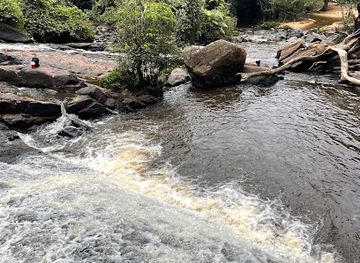
Kpatawee Waterfall
Discover Kpatawee Waterfall: A Liberian paradise offering stunning natural beauty, hiking, swimming, and a tranquil rainforest escape.
-
Tourist attraction
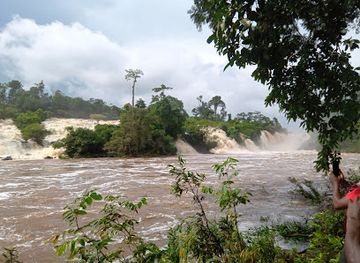
Kpatawee Waterfalls
Discover Kpatawee Waterfalls: A Liberian paradise with cascading waters, lush rainforest, and eco-friendly adventures in Bong County.
-
Tourist attraction
Wongan Falls
Discover Wongan Falls, Liberia's breathtaking natural wonder: cascading waterfalls, lush landscapes, and serene escapes await your adventure.
-
Park
East Nimba Nature Reserve Cornerstone
Explore Liberia's natural beauty at East Nimba Nature Reserve, a biodiversity hotspot with diverse landscapes and endangered species.

Best landmarks in Nimba County
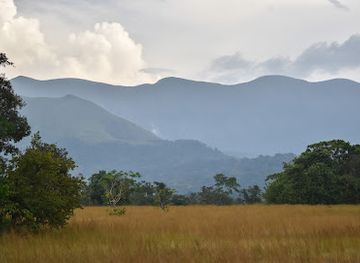
The Nimba mountain range is the county’s defining natural landmark, rising above forest and mining country and giving the region its name and visual identity. The Liberian landscape includes East Nimba Nature Reserve, whose protected slopes and forests are important for biodiversity; it should not be confused with the transboundary Mount Nimba Strict Nature Reserve in Guinea and Côte d’Ivoire, which has separate protected-area arrangements. Yekepa’s mining landscape is Nimba’s most significant modern industrial landmark, with roads, rail infrastructure, planned settlement areas and mine-related installations recalling the Lamco era and subsequent iron-ore development. Sanniquellie is associated with the 1959 Sanniquellie Conference, an important landmark in the history of African diplomacy, although the town’s significance is principally historical rather than architectural. Ganta’s position on the major north-eastern transport corridor is another defining feature: its busy commercial streets and market environment express the county’s role as a commercial bridge between Liberia’s interior and neighbouring countries.
-
Park
Totalreservat Berg Nimba
Explore Totalreservat Berg Nimba, a UNESCO World Heritage site in Guinea, offering stunning landscapes and rich biodiversity for nature enthusiasts.
-
Hotel
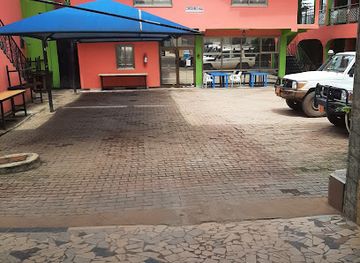
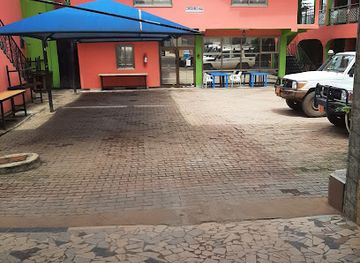
Jackie's Guest House
Experience the charm of George Village at Jackie's Guest House, your cozy retreat for exploring Liberia's rich culture and hospitality.
-
Hotel
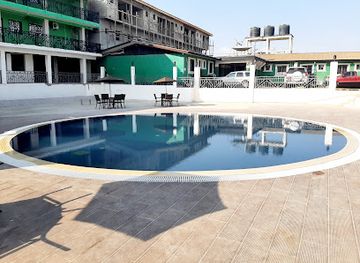
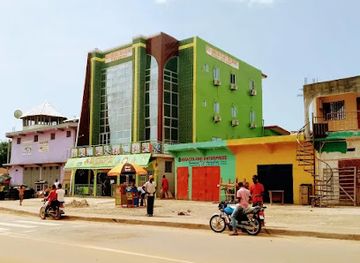
Alvino Hotel
Experience the charm of Ganta, Liberia, with a comfortable stay at Alvino Hotel, your ideal base for exploring local culture and attractions.
-
Church
Royal Community Church
Explore the Royal Community Church in Ganta, a welcoming haven of faith and community, capturing the essence of Liberia's rich spiritual traditions.
Explore Nimba County on the map
Plan your trip on one map. See where the top cities, national parks and sights are, and book hotels and experiences in a few clicks.
Best hotels in Nimba County
Best restaurants in Nimba County
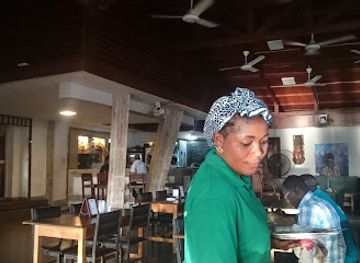
Dining in Nimba County is primarily local, informal and practical rather than organised around a specialist tourist scene. Ganta has the widest choice of restaurants, cafés and roadside food stalls, while Sanniquellie and Yekepa offer simpler options concentrated around town centres and guesthouses. Meals commonly feature rice with cassava leaves, potato greens, palava-style sauces, beans, plantain, okra, greens, chicken, fish or meat, with palm oil and chilli providing characteristic depth. Cassava-based foods and fried plantain are common accompaniments, and seasonal produce appears in market cooking. Small roadside sellers may offer grilled meat, rice dishes or snacks, but standards of hygiene and refrigeration can vary, so choose busy places with rapid turnover and eat food that is thoroughly cooked. Imported drinks and familiar West African dishes are available in larger towns, yet the most distinctive food experience comes from markets, family-run eateries and locally grown ingredients. Carry water when travelling beyond the main towns, as rural dining options are widely spaced.
-
Restaurant
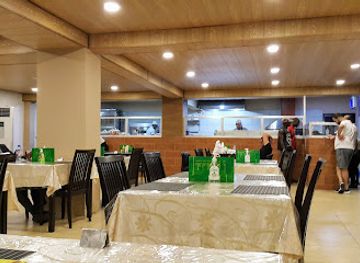
FuZion D'Afrique Restaurant
Experience the vibrant tastes of Liberia at FuZion D'Afrique Restaurant – where tradition meets contemporary dining.
-
Restaurant
Diana Restaurant
Discover authentic Liberian cuisine at Diana Restaurant in Monrovia – where flavors meet culture in a delightful dining experience.
-
Restaurant
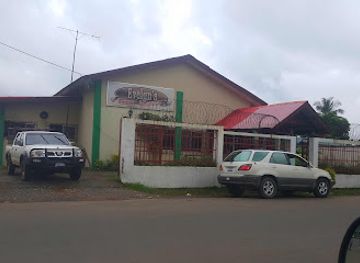
Evelyn's Cuisine
Experience authentic Liberian cuisine at Evelyn's Cuisine in Monrovia - where flavor meets tradition in every dish.
-
Restaurant
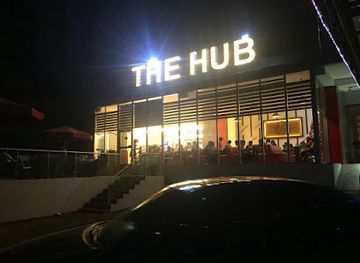
The Hub Diner
Discover diverse flavors at The Hub Diner in Monrovia – where local cuisine meets international tastes in a vibrant setting.
Best bars in Nimba County
Nimba County’s evening life is concentrated in Ganta, Sanniquellie and Yekepa rather than in a large, formal nightclub circuit. In Ganta, bars, small restaurants and informal music spots serve as social meeting places, with evenings often shaped by conversation, football, local music and contemporary Liberian popular culture. Sanniquellie and Yekepa have a quieter scene, centred on neighbourhood bars, guesthouses and restaurants, while rural communities generally offer little organised nightlife for visitors. Some venues may use generators or have changing hours, so it is sensible to ask locally and return to accommodation before late-night road travel. Palm wine and locally available beers may be encountered alongside imported drinks, but alcohol is not necessary to engage with the county’s evening culture. Respect neighbourhood expectations, avoid displaying cash and arrange transport in advance if staying outside a town centre.
-
Hotel
Jackie's Guest House
Discover the charm of George Village while staying at Jackie's Guest House, a welcoming hotel perfect for travelers seeking comfort and local culture.
-
Hotel
Alvino Hotel
Discover the unique blend of comfort and culture at Alvino Hotel in Ganta, Liberia, your perfect getaway for relaxing and exploring.
-
Hotel
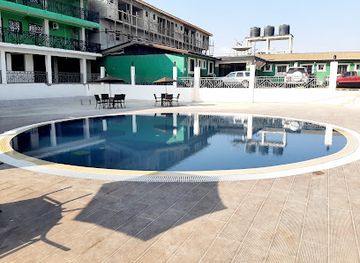
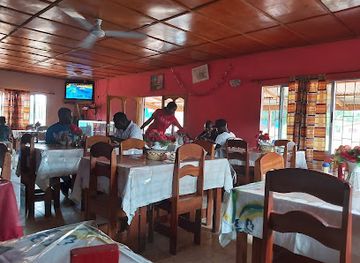
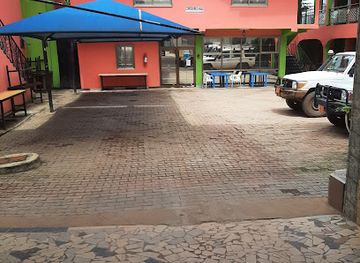
BEER GARDEN HOTEL, BAR & RESTAURANT
Discover the vibrant atmosphere of Beer Garden Hotel, Bar & Restaurant in Ganta, Liberia, where local flavors and hospitality meet.
-
Grill
Geeta's Bar & Restaurant
Discover the vibrant culinary scene of Gbarnga at Geeta's Bar & Restaurant, where grilled delights meet friendly service in a lively atmosphere.
Best nightclubs in Nimba County
Nimba County’s evening life is concentrated in Ganta, Sanniquellie and Yekepa rather than in a large, formal nightclub circuit. In Ganta, bars, small restaurants and informal music spots serve as social meeting places, with evenings often shaped by conversation, football, local music and contemporary Liberian popular culture. Sanniquellie and Yekepa have a quieter scene, centred on neighbourhood bars, guesthouses and restaurants, while rural communities generally offer little organised nightlife for visitors. Some venues may use generators or have changing hours, so it is sensible to ask locally and return to accommodation before late-night road travel. Palm wine and locally available beers may be encountered alongside imported drinks, but alcohol is not necessary to engage with the county’s evening culture. Respect neighbourhood expectations, avoid displaying cash and arrange transport in advance if staying outside a town centre.
-
Hotel
Jackie's Guest House
Discover the heart of Liberia at Jackie's Guest House, where comfort meets local culture in George Village.
-
Hotel
Alvino Hotel
Discover comfort and culture at Alvino Hotel in Ganta, a perfect base for exploring Liberia's vibrant landscapes and local charm.
-
Hotel
BEER GARDEN HOTEL, BAR & RESTAURANT
Discover the lively atmosphere of Beer Garden Hotel, Bar & Restaurant in Ganta, Liberia—where great food meets vibrant nightlife.
-
Night club
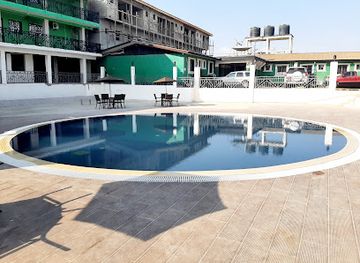
Club Wanwosu
Dive into the vibrant nightlife of Lou King at Club Wanwosu, where great music and unforgettable moments await you.

Best shops in Nimba County
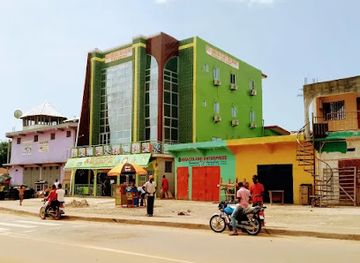
Shopping in Nimba County is centred on markets, roadside stalls and practical high-street trading rather than large modern retail complexes. Ganta is the best place to browse a wide range of foodstuffs, clothing, household goods, mobile-phone products and imported merchandise arriving through Liberia’s regional trade routes. Sanniquellie and Yekepa have smaller markets suited to everyday supplies, while rural trading points are useful for seasonal fruit, vegetables, cassava products, plantain and locally produced goods. Visitors may find woven items, carved objects, fabrics and handmade household articles, but availability varies and purchases should not be assumed to represent a standardised Nimba craft tradition. Regional food products and market ingredients make more practical souvenirs than fragile goods when travelling overland. Ask before photographing stalls or people, check the condition and ownership of anything described as locally made, and remember that bargaining is best handled politely rather than treated as a contest.
-
Home goods store
Teacher Youhn Yard
Discover unparalleled craftsmanship at Teacher Youhn Yard, your go-to home goods store in Kahnple, Liberia, for unique local treasures and souvenirs.
-
 Pharmacy
Janniefah Medicine Store
Explore health and wellness at Janniefah Medicine Store, your trusted pharmacy in Bojesi Town, Liberia, offering expert advice and essential health products.
-
Computer store
Paul Williams's Jonta PRINTING press
Explore the vibrant world of printing and technology at Paul Williams's Jonta Printing Press in Bahn, Liberia, where creativity meets craftsmanship.
-
Pharmacy
Dahn Younwat Retail Pharmacy
Dahn Younwat Retail Pharmacy in Ganta, Liberia offers essential health products and services, ensuring travelers stay healthy and prepared during their adventures.


Get your free copy of our complete guide to Nimba County, delivered straight to you.
Everything on this page, from attractions and restaurants to essentials and local phrases, in one PDF you can read offline, print or share.
Already have an account? Sign in
Your Nimba County guide is ready.
We'll send it to · Not you? Sign out

Getting your guide ready…
We are putting together a fresh copy of the Nimba County guide. This can take up to a minute.
This can take a few moments. If your browser asks, choose Allow so the download can start. You'll find the guide in your Downloads folder.
Nothing happened? Download it again
Sorry, the guide is taking longer than usual. Please try again in a minute, or get it by email instead.
Nimba County essentials
Currency and Payment
Safety
Emergency Situations
Do's and Don'ts
Local Tips
From Eve
Local phrases worth knowing
You don't need to get them perfect. A few words go a long way, and locals appreciate the effort.
Basics
| English | Local | Say it |
|---|---|---|
| Hello | Mɔɔ | [Maw] |
| Goodbye | Nɔɔ | [Noo] |
| Yes | Iye | [Ee-ye] |
| No | Ayi | [Ah-yee] |
| Please/You're welcome | Nyo kɛ | [Nyo keh] |
| Thank you | Medɔ | [Meh-dor] |
| Excuse me/Sorry | Bɔɔrɛ | [Baw-reh] |
| How are you? | I kɔ nɛ? | [Ee koh neh?] |
| Fine. And you? | Mɛna. I kɔ nɛ? | [Meh-nah. Ee koh neh?] |
| Do you speak English? | I tɪkɔ lɛŋlɪʃ? | [Ee ti-koh leng-lish?] |
| I don't understand | Mɛna bɔɔrɛ | [Meh-nah baw-reh] |
Eating & Drinking
| English | Local | Say it |
|---|---|---|
| I'd like to see the menu, please | Mɛ bɛ gɛt mɛnu, nyo kɛ | [Meh beh get meh-nu, nyo keh] |
| I don't eat meat | Mɛna bɔ bɔr | [Meh-nah baw bawr] |
| Cheers! | Sɔɔtɛ! | [Soh-teh] |
| I would like to pay, please | Mɛ bɛ pɛ, nyo kɛ | [Meh beh peh, nyo keh] |
Emergencies
| English | Local | Say it |
|---|---|---|
| Help! | Hɛlp! | [Help] |
| Go away! | Gɔ wɛ! | [Goh weh] |
| Call the Police! | Kɔl pɔlɪs! | [Kohl poh-lees] |
| Call a doctor! | Kɔl dɔktɔ! | [Kohl dock-tor] |
| I'm lost | Mɛna lɔst | [Meh-nah lost] |
| I'm ill | Mɛna sik | [Meh-nah seek] |
Shopping
| English | Local | Say it |
|---|---|---|
| I'd like to buy... | Mɛ bɛ bɔ ... | [Meh beh baw ...] |
| I'm just looking | Mɛ jɛst lɔk | [Meh jest lok] |
| How much is it? | I lɔgɔ nɛ? | [Ee loh-goh neh?] |
| That's too expensive | Ɛ lɔkɔ sɔkɔ | [Eh loh-koh soh-koh] |
| Can you lower the price? | I bɛ lɔwɛ pɛs? | [Ee beh loh-we pes?] |
Time & Numbers
| English | Local | Say it |
|---|---|---|
| What time is it? | Wɛt aɪm nɛ? | [Wet ah-eem neh?] |
| It's one o'clock | Ɛt wʌn ɔ klɔk | [Eh-t wun aw clock] |
| Half past (10) | Hæf pæst tɛn | [Haf past ten] |
| Morning | Mɔr nɪŋ | [Maw-nin] |
| Afternoon | Aftən | [Af-tin] |
| Evening | Iv nɪŋ | [Ee-vnin] |
| Yesterday | Yɛstɛrdeɪ | [Yes-ter-day] |
| Today | Tʊdeɪ | [Too-day] |
| Tomorrow | Təˈmɔroʊ | [Tuh-mor-row] |
| 1 | Wʌn | [Wun] |
| 2 | Tu | [Too] |
| 3 | θri | [Three] |
| 4 | fɔr | [For] |
| 5 | faɪv | [Five] |
| 6 | sɪks | [Six] |
| 7 | sɛvən | [Seven] |
| 8 | eɪt | [Eight] |
| 9 | naɪn | [Nine] |
| 10 | tɛn | [Ten] |
Transport & Directions
| English | Local | Say it |
|---|---|---|
| Where's a/the...? | Wɛr ɪz ...? | [Wehr iz ...?] |
| What's the address? | Wɛts ðə ædrɛs? | [Wets thuh ad-res?] |
| Can you show me (on the map)? | I bɛ ʃoʊ mi (ɑn ðə mæp)? | [Ee beh sho me (on thuh map)?] |
| When's the next (bus)? | Wɛn ɪz ðə nɛkst (bʌs)? | [When iz thuh next (bus)?] |
| A ticket (to ....) | A tɪkɪt (tu ...) | [A tick-it (to ...)] |
History of Nimba County
Early Mano and Gio settlement
The area now called Nimba County has long been inhabited by Mano and Gio communities, whose societies developed through farming, hunting, ironworking, trade and connections across the Guinea and Côte d’Ivoire frontiers. Rather than being isolated from surrounding regions, the highlands and forest corridors formed part of a wider network of movement and exchange. Local languages, kinship connections, agricultural practices and religious traditions remain important to the county’s cultural identity, although contemporary life has also been shaped by migration, urbanisation and national politics.
Frontier incorporation into Liberia
During the late nineteenth and early twentieth centuries, the Liberian state extended administrative authority into the north-eastern interior, where its control initially coexisted with established local systems of leadership and cross-border commerce. The region was later organised within Liberia’s county structure as part of the evolving administration of the interior. Colonial-era boundaries divided communities and trading routes between Liberia, French-controlled Guinea and Côte d’Ivoire, a legacy still visible in the county’s frontier connections and multilingual social environment.
Sanniquellie and African diplomacy, 1959
Sanniquellie gained international historical significance in 1959 when Liberia hosted a meeting there involving President William V. S. Tubman of Liberia, President Félix Houphouët-Boigny of Côte d’Ivoire and President Ahmed Sékou Touré of Guinea. The meeting discussed African cooperation and the future of the continent during the era of decolonisation. It is remembered as an important stage in regional political dialogue before the formation of the Organisation of African Unity in 1963, giving the county capital a significance beyond its administrative role.
Lamco and the rise of Yekepa’s iron-ore economy
The discovery and development of iron ore in the Nimba range transformed north-eastern Liberia during the mid-twentieth century. The Liberian-American-Swedish Mining Company, commonly known as Lamco, developed mines, roads, rail infrastructure and a planned settlement centred on Yekepa. Ore was transported towards the coast for export, bringing international workers, technical expertise and new services into the region. The project also altered local land use and economies, making mining one of the defining forces in modern Nimba’s history.
Mining, environmental debate and the Nimba forests
Industrial extraction brought employment and infrastructure, but it also raised lasting questions about forest loss, water systems, relocation and the protection of the Nimba range. Conservation efforts in the wider mountain landscape recognised its exceptional biological importance, while Liberia’s East Nimba Nature Reserve was established to protect part of the county’s forests and habitats. The reserve and the mining zone represent an enduring regional tension: Nimba’s mineral wealth and its ecological value are both central to debates about development.
Civil conflict and displacement
Nimba County was heavily affected by Liberia’s civil wars, particularly because of its strategic location near Guinea and Côte d’Ivoire and its importance as a mining and transport area. Communities experienced violence, displacement, disrupted services and the breakdown of local economies. The conflicts also affected neighbouring countries through refugee movements and cross-border insecurity. Since the restoration of peace, rebuilding has focused on roads, schools, markets, public administration and the gradual revival of economic activity, while memories of the wars remain significant in local communities.
Post-war mining and regional reconstruction
After the civil wars, iron-ore production around Yekepa resumed under new investment, with ArcelorMittal becoming the principal modern operator associated with the Liberian project. Mining-linked infrastructure and employment returned, although the benefits and environmental consequences of extraction remain subjects of public discussion. At the same time, Ganta expanded as a commercial centre on Liberia’s north-south road corridor. Nimba today therefore reflects both a long industrial legacy and a continuing effort to balance cross-border trade, rural livelihoods, conservation and mineral development.
Nimba County in Photos
Browse through our photo collection highlighting the charm and character of the destination.
Neighbouring regions of Nimba County
The closest regions to Nimba County, if you have time for more than one.
-

-

-

-

-


Swipe for more regions
Explore more

Explore more of Liberia
Discover Liberia: where pristine beaches meet lush rainforests, and vibrant culture blends with rich history in the heart of West Africa.
Explore Liberia