

Free Jonava Travel Guide & Mobile App
Plan your Jonava trip with Evendo. Get free guides to top attractions, restaurants, hotels, and bars. Web access or download the mobile app.


Jonava, Lithuania, combines Neris riverside walks, Jewish and industrial history, cultural venues and easy access to central Lithuanian landscapes and towns.
A Town Shaped by the Neris
Jonava lies on the Neris River in central Lithuania, between Kaunas and the wooded landscapes of the country's middle region. Its setting is gentle rather than dramatic: riverside paths, leafy parks and low-rise streets spread around a compact centre, while the broad river provides a natural thread through the town. Jonava is a practical base for exploring central Lithuania, yet it also rewards visitors who pause to understand its industrial, religious and multicultural past.Read more about Jonava
History in the Townscape
Contemporary Jonava
When is the best time to visit Jonava?
Best: June–August · 22–25°C| Month | High (°C) | Rainfall (mm) |
|---|---|---|
| January | -2 | 25 |
| February | 0 | 20 |
| March | 7 | 20 |
| April | 13 | 25 |
| May | 21 | 35 |
| June (best) | 25 | 50 |
| July (best) | 23 | 55 |
| August (best) | 22 | 45 |
| September | 19 | 35 |
| October | 12 | 30 |
| November | 6 | 25 |
| December | 2 | 25 |
Getting to and around Jonava
How to get there
Transportation
Best attractions in Jonava
Jonava's attractions are concentrated around its compact centre, river landscape and nearby heritage sites. The Jonava Regional Museum introduces local archaeology, domestic life and the town's changing communities, while the late-eighteenth-century Church of St James the Apostle provides a strong historical focal point. Joninės Valley and the Neris riverbank offer open space for walking, seasonal recreation and views of the landscape that helped shape the settlement. Public squares and the Jonava Culture Centre reflect the town's contemporary civic life, with exhibitions and events adding a cultural dimension beyond the historic buildings. Just outside the central streets, Skaruliai is associated with the old riverside settlement and St Anne's Church, an important church landmark near the Neris. The contrast between the older town, post-war industrial expansion and surrounding countryside is one of Jonava's most revealing sightseeing experiences.
-
Tourist attraction
Jonava Regionas Museum & Tourist info center
Explore the captivating history and vibrant culture of Jonava at the Jonava Region Museum & Tourist Info Center, a must-visit for all travelers.
2 min walk · 0.1 km from city centre
-
Bridge
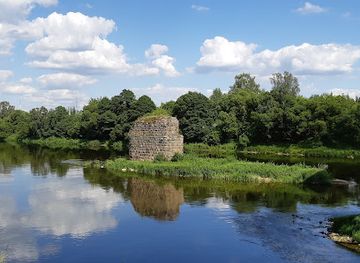
Jonava railway bridge
Explore the Jonava Railway Bridge, a picturesque landmark blending stunning views with rich Lithuanian heritage.
12 min walk · 0.9 km from city centre
-
Park
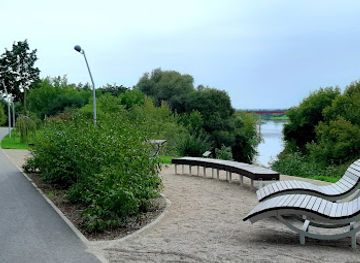
Taurostos parkas
Experience the tranquility and natural beauty of Taurostos Park in Jonava, a perfect escape for nature lovers and leisurely strolls.
10 min walk · 0.8 km from city centre
-
Tourist attraction
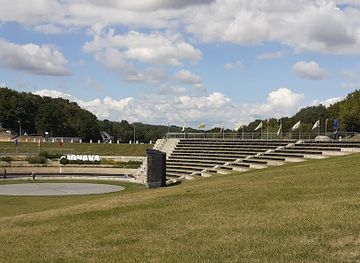
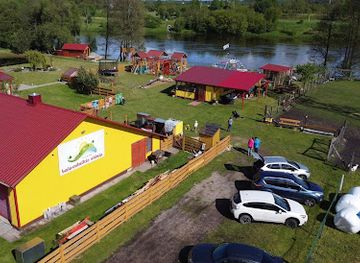
Laisvalaikio slėnis Jonavoje
Discover the tranquility of Laisvalaikio slėnis in Jonava, where nature meets relaxation in a picturesque setting.
6 min drive · 2.0 km from city centre
Best landmarks in Jonava
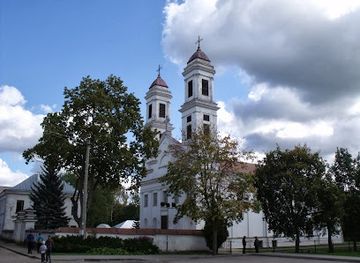
The Church of St James the Apostle is Jonava's principal historic landmark, its late-eighteenth-century presence reflecting the town's development as a Catholic market settlement under the Kosakovskis. In nearby Skaruliai, St Anne's Church adds an older riverside layer and represents the architectural heritage of a settlement closely connected with Jonava's history. The Neris itself is a geographical landmark: its valley influenced settlement, communication and industry, and remains central to the town's visual identity. Jonava's public squares and civic buildings convey the form of a modern Lithuanian district centre, while the expanded housing and industrial landscape point to the transformation brought by Soviet-era development. The Jonava Regional Museum is also culturally significant, preserving and interpreting the stories behind these places, including the town's Jewish past and industrial inheritance.
-
Catholic church
Jonava Church of St. Jacob the Apostle
Discover the architectural beauty and cultural significance of Jonava Church of St. Jacob the Apostle, a must-see Catholic church in Lithuania.
4 min walk · 0.4 km from city centre
-
Local history museum
Jonava Regionas Museum & Tourist info center
Discover the rich cultural heritage of Jonava at the Jonava Region Museum, showcasing local history, art, and community spirit in an engaging setting.
2 min walk · 0.1 km from city centre
-
Bridge
Jonava railway bridge
Discover the breathtaking Jonava Railway Bridge, a stunning architectural marvel in Lithuania that connects history with natural beauty.
12 min walk · 0.9 km from city centre
-
Historical landmark
Partizanų memorialas
Explore the Partizanų Memorial in Jonava, a poignant historical landmark honoring Lithuania's fight for freedom and resilience against oppression.
4 min walk · 0.3 km from city centre


Explore Jonava on the map
Plan your Jonava trip on one map. See where the top attractions, landmarks, restaurants, bars and hotels are, find what's near where you're staying, and book hotels and experiences in a few clicks.
Best hotels in Jonava
Best restaurants in Jonava
Jonava's dining scene is modest and local in character, centred on cafés, casual restaurants, bakeries and everyday Lithuanian cooking rather than a large fine-dining circuit. Menus commonly draw on the country's familiar ingredients: potatoes, rye bread, pork, dairy products, mushrooms and seasonal berries, with cepelinai, kugelis, cold beetroot soup and other Lithuanian dishes appearing according to the establishment and season. Coffee shops and bakeries provide simple stops during a walk through the centre, while supermarkets and food counters are useful for picnics beside the Neris or in Joninės Valley. Regional produce becomes more visible at seasonal markets and community events. Visitors should expect an unhurried, practical dining culture and can find broader international choices in nearby Kaunas, whose restaurant scene is considerably larger.
-
Restaurant
ARMA
Experience the best of Lithuanian cuisine at ARMA in Jonava - where flavor meets hospitality.
3 min walk · 0.2 km from city centre
-
Restaurant
Pavėsis
Discover Pavėsis in Jonava - where traditional Lithuanian cuisine meets modern dining in a cozy atmosphere.
10 min walk · 0.8 km from city centre
-
Restaurant
Jonavos vara
Discover authentic Lithuanian flavors at Jonavos Vara in Jonava – where tradition meets taste in every delightful dish.
6 min walk · 0.5 km from city centre
-
Hamburger
Kiemaitis
Discover Kiemaitis in Jonava – where delectable hamburgers meet cozy dining for an unforgettable culinary experience.
3 min walk · 0.2 km from city centre


Best bars in Jonava
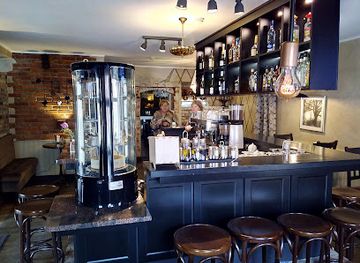
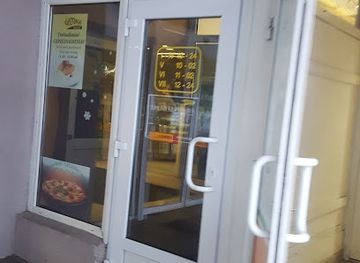
Jonava's evening scene is relatively quiet and is shaped more by cafés, restaurants, community events and cultural programming than by a dense concentration of nightclubs. The Jonava Culture Centre provides a setting for concerts, performances and other organised events, while local venues may offer relaxed drinks or social evenings around the town centre. Seasonal festivals and public celebrations can bring livelier activity to central squares and riverside areas, particularly during the warmer months. Visitors seeking a substantial club circuit, specialist cocktail bars or late-night music venues will find a wider choice in Kaunas, which is within practical reach by road and public transport. In Jonava, evenings are better suited to a meal, a performance or a quiet walk than to an extended bar crawl.
-
Bar
ARMA
Discover ARMA in Jonava: A vibrant bar and restaurant offering a unique blend of local and international flavors in a lively atmosphere.
3 min walk · 0.2 km from city centre
-
Restaurant
Pavėsis
Discover the flavors of Lithuania at Pavėsis, Jonava's beloved restaurant offering a unique culinary experience.
10 min walk · 0.8 km from city centre
-
Bar
Svaja
Discover the cozy ambiance and delectable local cuisine at Svaja, a must-visit bar in Jonava for all tourists.
6 min walk · 0.5 km from city centre
-
Restaurant
Jonavos vara
Experience the rich flavors of Lithuania at Jonavos Vara, a unique restaurant in Jonava offering a delightful mix of traditional and contemporary dishes.
6 min walk · 0.5 km from city centre


Best nightclubs in Jonava
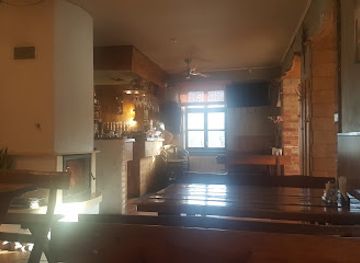
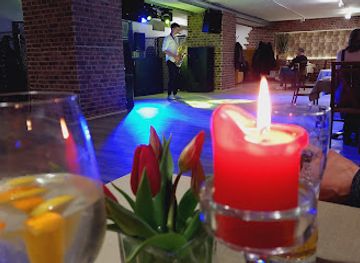
Jonava's evening scene is relatively quiet and is shaped more by cafés, restaurants, community events and cultural programming than by a dense concentration of nightclubs. The Jonava Culture Centre provides a setting for concerts, performances and other organised events, while local venues may offer relaxed drinks or social evenings around the town centre. Seasonal festivals and public celebrations can bring livelier activity to central squares and riverside areas, particularly during the warmer months. Visitors seeking a substantial club circuit, specialist cocktail bars or late-night music venues will find a wider choice in Kaunas, which is within practical reach by road and public transport. In Jonava, evenings are better suited to a meal, a performance or a quiet walk than to an extended bar crawl.
-
Bar
Svaja
Experience the charm of Svaja, a cozy bar in Jonava, offering local flavors and a welcoming ambiance for tourists and locals alike.
6 min walk · 0.5 km from city centre
-
Restaurant
V.A.U Baras Restoranas
Experience authentic Lithuanian cuisine at V.A.U Baras Restoranas in Jonava, where every meal is a celebration of local flavors.
3 min walk · 0.2 km from city centre
-
Grill
Geltonas baras
Discover the authentic taste of Lithuania at Geltonas Baras in Jonava, where grilling meets tradition in a welcoming atmosphere.
2 min walk · 0.1 km from city centre
-
Night club
Naktinis klubas "TOXIC"
Unleash your inner party animal at Naktinis klubas TOXIC, Jonava's premier night club, where unforgettable nights await.
15 min walk · 1.2 km from city centre
Best shops in Jonava
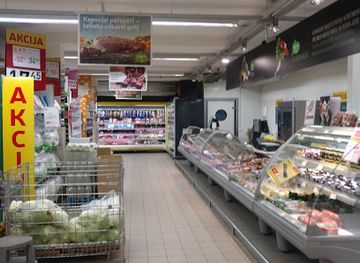
Shopping in Jonava is oriented towards everyday Lithuanian life rather than destination retail. The central area contains supermarkets, practical shops, cafés and small independent businesses, while seasonal markets and community events provide opportunities to encounter local food and handmade goods. Visitors may find rye bread, honey, preserves, confectionery, knitwear and other Lithuanian products suitable as modest souvenirs, although the selection is less extensive than in Vilnius or Kaunas. The town's shopping pattern reflects its role as a regional service centre: residents combine ordinary retail with visits to the market and local services rather than browsing a large historic shopping quarter. For specialist crafts, antiques, designer goods and a broader range of Baltic food products, Kaunas offers more choice within a manageable regional journey.
-
Grocery store
Norfa XXL
Explore the diverse offerings of Norfa XXL, a grocery store in Jonava where local flavors meet shopping convenience for every traveler.
18 min walk · 1.4 km from city centre
-
Grocery store
IKI - JONAVA 2
Explore the vibrant IKI - Jonava 2 grocery store for fresh produce and local flavors in Jonava, Lithuania.
2 min walk · 0.2 km from city centre
-
Grocery store
IKI - KOSMONAUTŲ
Discover local flavors at IKI - Kosmonautų, a grocery store in Jonava offering fresh produce and authentic Lithuanian delights.
10 min walk · 0.8 km from city centre
-
Building materials store
Bikuva, prekybos centras, Bikuvos prekyba
Discover Bikuva in Jonava for high-quality building materials and a unique shopping experience that blends local culture with home improvement essentials.
17 min walk · 1.3 km from city centre



Get your free copy of our complete guide to Jonava, delivered straight to you.
Everything on this page, from attractions and restaurants to essentials and local phrases, in one PDF you can read offline, print or share.
Already have an account? Sign in
Your Jonava guide is ready.
We'll send it to · Not you? Sign out

Getting your guide ready…
We are putting together a fresh copy of the Jonava guide. This can take up to a minute.
This can take a few moments. If your browser asks, choose Allow so the download can start. You'll find the guide in your Downloads folder.
Nothing happened? Download it again
Sorry, the guide is taking longer than usual. Please try again in a minute, or get it by email instead.
Jonava essentials
Currency and Payment
Safety
Emergency Situations
Do's and Don'ts
Local Tips
From Eve
Local phrases worth knowing
You don't need to get them perfect. A few words go a long way, and locals appreciate the effort.
Basics
| English | Local | Say it |
|---|---|---|
| Hello | Labas | [lah-bahs] |
| Goodbye | Viso gero | [vee-soh geh-roh] |
| Yes | Taip | [taihp] |
| No | Ne | [neh] |
| Please/You're welcome | Prašau | [prah-shau] |
| Thank you | Ačiū | [ah-choo] |
| Excuse me/Sorry | Atsiprašau | [ah-tsih-prah-shau] |
| How are you? | Kaip tu? | [kah-ip too] |
| Fine. And you? | Gerai. O tu? | [geh-rah-ee. oh too] |
| Do you speak English? | Ar kalbate anglų kalba? | [ahr kahl-bah-teh ahng-loo kahl-bah] |
| I don't understand | Aš nesuprantu | [ahsh neh-soo-prahn-too] |
Eating & Drinking
| English | Local | Say it |
|---|---|---|
| I'd like to see the menu, please | Norėčiau pamatyti meniu, prašau | [noh-reh-chow pah-mah-tih mee-nyoo, prah-shau] |
| I don't eat meat | Aš nevalgau mėsos | [ahsh neh-vahl-gow meh-sohs] |
| Cheers! | Į sveikatą! | [ee svee-kah-tah] |
| I would like to pay, please | Norėčiau sumokėti, prašau | [noh-reh-chow soo-moh-keh-tee, prah-shau] |
Emergencies
| English | Local | Say it |
|---|---|---|
| Help! | Pagalba! | [pah-gahl-bah] |
| Go away! | Išnykite! | [ish-nih-kee-teh] |
| Call the Police! | Skambinkite policiją! | [skahm-been-kee-teh poh-leets-ee-yah] |
| Call a doctor! | Skambinkite gydytoją! | [skahm-been-kee-teh gih-dih-toh-yah] |
| I'm lost | Aš pasiklydau | [ahsh pah-see-kloo-dow] |
| I'm ill | Aš sergu | [ahsh sehr-goo] |
Shopping
| English | Local | Say it |
|---|---|---|
| I'd like to buy... | Norėčiau nusipirkti... | [noh-reh-chow noo-see-peerk-tee] |
| I'm just looking | Aš tik žiūriu | [ahsh teek zhyoo-ree-oo] |
| How much is it? | Kiek tai kainuoja? | [kyehk tai kai-noo-yah] |
| That's too expensive | Tai per brangu | [tai pehr brahn-goo] |
| Can you lower the price? | Galite sumažinti kainą? | [gah-lee-teh soo-mah-zihn-tee kai-nah] |
Time & Numbers
| English | Local | Say it |
|---|---|---|
| What time is it? | Kiek valandų? | [kyehk vah-lahn-doo] |
| It's one o'clock | Viena valanda | [vyeh-nah vah-lahn-dah] |
| Half past (10) | Dešimt su puse | [deh-shimt soo poo-seh] |
| Morning | Rytas | [rih-tahs] |
| Afternoon | Popietė | [poh-pyeh-teh] |
| Evening | Vakaras | [vah-kah-rahs] |
| Yesterday | Vakar | [vah-kahr] |
| Today | Šiandien | [shyah-ndee-ehn] |
| Tomorrow | Rytoj | [rih-toy] |
| 1 | Vienas | [vyeh-nahs] |
| 2 | Du | [doo] |
| 3 | Trys | [treese] |
| 4 | Keturi | [keh-too-ree] |
| 5 | Penki | [pehn-kee] |
| 6 | Šeši | [sheh-shi] |
| 7 | Septyni | [sehp-tee-nee] |
| 8 | Aštuoni | [ahs-too-oh-nee] |
| 9 | Devyni | [deh-vih-nee] |
| 10 | Dešimt | [deh-shimt] |
Transport & Directions
| English | Local | Say it |
|---|---|---|
| Where's a/the...? | Kur yra...? | [koor ir-ah] |
| What's the address? | Koks adresas? | [kohks ah-dreh-sahs] |
| Can you show me (on the map)? | Ar galite man parodyti (žemėlapyje)? | [ahr gah-lee-teh mahn pah-roh-dih-tee zheh-meh-lah-pyeh] |
| When's the next (bus)? | Kada ateina kitas (autobusas)? | [kah-dah ah-tay-nah kee-tahs ow-toh-boo-sahs] |
| A ticket (to ....) | Bilietas (į ....) | [bee-lyeh-tahs ee] |
History of Jonava
The Kosakovskis Estate and Early Jonava
Jonava emerged as a settlement associated with the Kosakovskis, a noble family whose estate shaped the town's early development. The community grew beside the Neris and along routes linking central Lithuanian settlements, benefiting from trade, agriculture and river transport. The name is generally connected with Jonas Kosakovskis. In the eighteenth century Jonava acquired the character of a small private town, with a market, religious institutions and a population drawn from different communities. Its position near Kaunas and the Neris gave it regional importance without turning it into a major urban centre, a balance that still characterises the town today.
A Market Town in the Eighteenth Century
During the later eighteenth century Jonava developed a more formal urban structure, including a market area and Roman Catholic institutions. St James the Apostle Church, built in the late eighteenth century, became one of the town's principal architectural landmarks and a visible expression of the Catholic community's place in local life. Jewish residents also became an important part of Jonava's commercial and social fabric, participating in trade and crafts. The town's growth was modest but sustained, linking the surrounding agricultural district with markets farther afield and creating the civic framework from which modern Jonava developed.
Imperial Rule and Changing Communities
After the partitions of the Polish-Lithuanian Commonwealth, Jonava became part of the Russian Empire. Administration, transport and economic life changed within the imperial system, while the town retained its mixed social character. Jewish merchants and artisans contributed substantially to commerce, and Catholic institutions continued to shape the centre. The nineteenth century brought gradual modernisation rather than sudden metropolitan growth: roads and later rail connections improved access, and local trade adapted to wider regional markets. The surviving church, settlement pattern and surrounding villages preserve elements of this period, even though twentieth-century upheavals transformed Jonava's population and built environment.
War, Occupation and the Jewish Community
Jonava experienced the political upheavals that followed the establishment of modern Lithuania in 1918 and suffered severe disruption during the Second World War. The town's Jewish community, which had been integral to Jonava's pre-war commercial life, was destroyed during the Holocaust under Nazi occupation. War and subsequent Soviet rule reshaped property ownership, public memory and the social composition of the town. This history is essential to understanding Jonava beyond its surviving buildings: the absence of much of the pre-war community is itself a significant part of the town's heritage, alongside the stories preserved by local historical research and remembrance.
Soviet Industrialisation and Modern Jonava
The Soviet period brought a profound transformation as large-scale industry was developed near Jonava. The chemical plant established in the 1960s, now associated with Achema, made the town an important industrial centre and contributed to new housing, infrastructure and employment. Jonava consequently expanded beyond its historic core, with modern neighbourhoods and civic facilities added around the older settlement. The industrial legacy remains visible in the town's economy and identity, while the Neris, historic churches, museums and public parks provide continuity with earlier periods. Contemporary Jonava therefore combines a small-town centre with the urban form created by post-war industrial growth.
Jonava in Photos
Browse through our photo collection highlighting the charm and character of the destination.
Cities near Jonava
The closest cities to Jonava, if you have time for more than one stop.
-

-

-

-
-


Swipe for more cities
Explore more

Explore more of Lithuania
Discover Lithuania, a captivating blend of medieval charm, natural beauty, and vibrant culture, offering a unique and enriching travel experience in the heart of the Baltics.
Explore Lithuania