

Free Red Lands Travel Guide & Mobile App
Explore Red Lands with free travel guides. Discover regional history, expert tips, proposed trips, and audio guides on web or mobile app.


Explore Luxembourg’s Red Lands for steel heritage, mining museums, multicultural towns, regenerated nature reserves and distinctive southern walking routes.
Read more about Red Lands
When is the best time to visit Red Lands?
Best: June–August · 23–25°C| Month | High (°C) | Rainfall (mm) |
|---|---|---|
| January | 3 | 46 |
| February | 3 | 40 |
| March | 7 | 46 |
| April | 12 | 51 |
| May | 18 | 56 |
| June (best) | 23 | 51 |
| July (best) | 25 | 40 |
| August (best) | 24 | 45 |
| September | 20 | 50 |
| October | 14 | 56 |
| November | 8 | 51 |
| December | 3 | 46 |
Getting to and around Red Lands
How to get there
Transportation
Top city travel guides in Red Lands
The cities of Red Lands, and the easiest places to base yourself.

Swipe for more cities
Best attractions in Red Lands
The Red Lands offer an unusually coherent mixture of industrial heritage, urban culture and regenerated nature. At Belval, the preserved blast furnaces stand among university buildings, research facilities, public art and cultural venues, making the former steelworks a major example of post-industrial redevelopment. Esch-sur-Alzette adds museums, galleries, theatres and a lively city centre, while Rockhal anchors the region’s contemporary music scene. Mining history is explored underground and through machinery at the National Mining Museum in Rumelange, while Fond-de-Gras near Differdange combines former mine buildings, railway heritage and industrial landscapes. Outside the towns, the Prënzebierg-Giele Botter and Ellergronn reserves reveal how woodland, grassland and wetlands have developed on former extraction sites. Marked paths and sections of the Minett Trail support walking and cycling, with changing views over wooded ridges, abandoned quarries and industrial structures. The region is especially rewarding for visitors who enjoy seeing how economic history, ecological recovery and cultural regeneration occupy the same landscape.
-
Tourist attraction
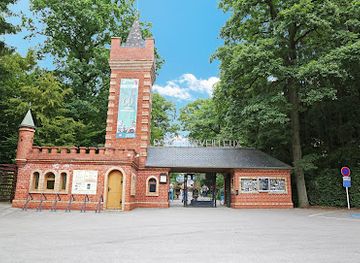
Parc Merveilleux
Luxembourg’s only animal and amusement park, Parc Merveilleux combines fairy tale charm, wildlife encounters, and playful attractions in scenic Bettembourg.
-
War museum
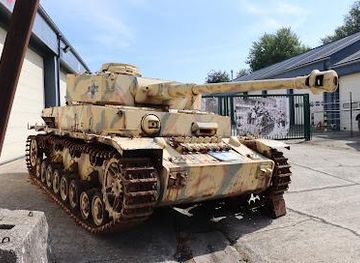
Bastogne Barracks
Step into the pivotal arena of the Ardennes’ WWII Battle of the Bulge—Bastogne Barracks offers immersive exhibits, military relics, and living history in Belgium.
-
Playground
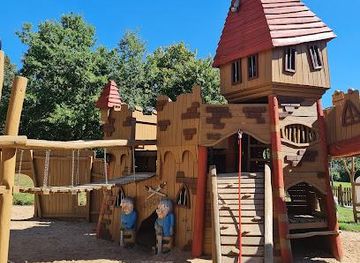
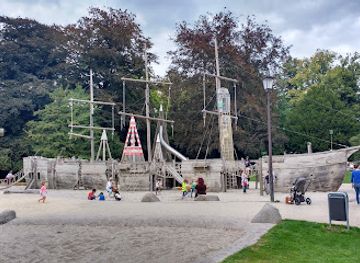
Castle Playground
Castle Playground in Belair offers a whimsical castle-themed play area amid lush greenery, providing free, safe, and creative fun for families visiting Luxembourg City.
-
Park
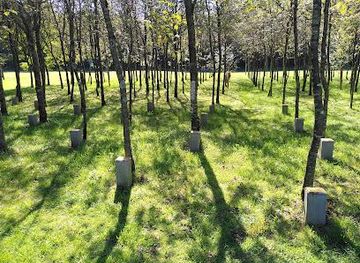
Paix Woods
Discover Bastogne’s Paix Woods, a serene escape where tranquil forest landscapes meet moving historic memorials from the iconic Battle of the Bulge.
Best landmarks in Red Lands
The most recognisable landmark of the Red Lands is the pair of preserved blast furnaces at Belval, whose tall steel structures dominate the former works and express the region’s industrial inheritance more clearly than any conventional monument. In Esch-sur-Alzette, the city centre contains substantial early industrial-era architecture, including civic and commercial buildings that reflect the prosperity generated by mining and steel. Rumelange’s National Mining Museum preserves an underground mining environment and the machinery associated with ore extraction, making the town itself an important point of reference in the Minette story. Near Differdange, the Fond-de-Gras valley retains mining buildings, railway infrastructure and traces of the former industrial transport system. The wooded escarpments and former open-cast workings of the Prënzebierg-Giele Botter are natural-industrial landmarks rather than untouched scenery: their unusual terrain was created by mining and later reshaped by ecological succession. Together, these places give the southern region a visual identity built from furnaces, railways, excavated ground and recovering woodland.
-
Castle
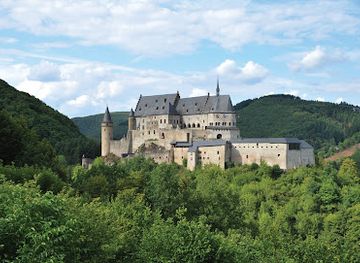
Vianden Castle
Vianden Castle stands as Luxembourg’s spectacular medieval stronghold, offering breathtaking valley views, fascinating history, and immersive castle exhibits amongst the Ardennes hills.
-
Historical landmark
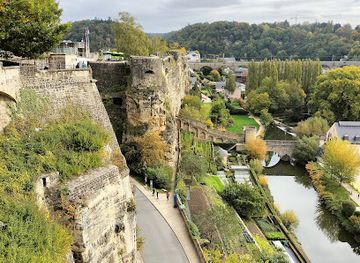
Bock Casemates
Explore the legendary Bock Casemates in Luxembourg City—a vast network of underground tunnels and fortifications offering dramatic city views and centuries of history.
-
Bridge
Pont Adolphe
Pont Adolphe is the grand arched bridge at the heart of Luxembourg City, offering historic charm and spectacular valley views between lively districts.
-
City park
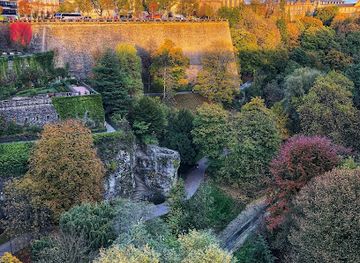
Municipal park of Luxembourg
Discover Luxembourg City’s Municipal Park—an expansive, scenic haven blending gardens, historic monuments, and city views in the heart of vibrant Ville Haute.
Explore Red Lands on the map
Plan your trip on one map. See where the top cities, national parks and sights are, and book hotels and experiences in a few clicks.
Best hotels in Red Lands
Best restaurants in Red Lands
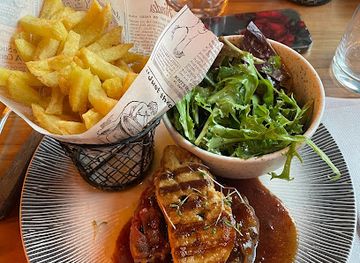
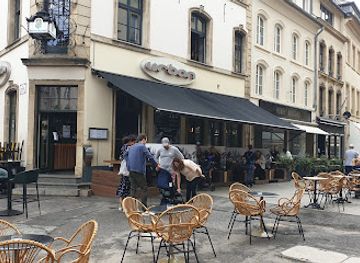
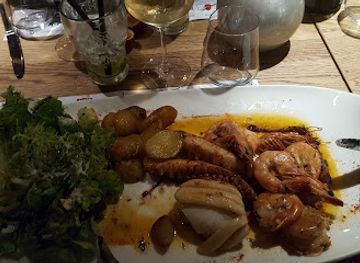
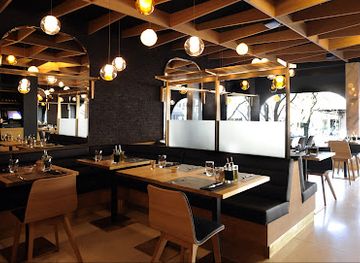
Dining in the Red Lands reflects both Luxembourg’s national cuisine and the migration history of its industrial towns. Esch-sur-Alzette, Differdange and Dudelange provide the broadest choice, from cafés and bakeries to Portuguese, Italian, French and other European restaurants, alongside Luxembourgish cooking. Traditional dishes associated with the country include hearty pork, potato and cabbage preparations, dumplings, river fish and pastries, while local menus also draw on produce from the surrounding countryside. Pubs and family-run restaurants remain useful places to encounter regional specialities without formality, and urban cafés suit a multilingual, cross-border population. Markets and food shops are good places to look for bread, pastries, cheese, cured products and Luxembourgish drinks, although the strongest shopping and dining options are concentrated in the larger towns rather than along rural walking routes. In Belval and central Esch, newer restaurants and cafés complement the historic industrial setting with more contemporary menus.
-
Portuguese
Piri Piri Portuguese Restaurant & Bar - Luxembourg Kirchberg
Experience authentic Portuguese cuisine at Piri Piri Restaurant & Bar in Kirchberg - where every dish tells a flavorful story.
-
Restaurant
Urban Bar & Restaurant
Experience delightful culinary offerings at Urban Bar & Restaurant in Luxembourg's vibrant Ville Haute district.
-
South American
Batucada
Experience authentic Brazilian flavors at Batucada in Luxembourg – where every dish tells a story.
-
Restaurant
Grand Café
Experience culinary excellence at Grand Café, where exquisite grill dishes meet elegant ambiance in the heart of Luxembourg City.
Best bars in Red Lands
Evening life in the Red Lands is concentrated in Esch-sur-Alzette, Belval, Differdange and Dudelange rather than spread evenly across the countryside. Central Esch has cafés, bars, restaurants and occasional live-music activity, while Belval’s student, cultural and concert population gives the redeveloped district a later and more contemporary atmosphere. Rockhal is the region’s principal large-scale music venue, with programming that changes over time. Dudelange and Differdange offer smaller-scale bars, restaurants and cultural events, while villages and rural districts tend to favour traditional cafés, local pubs and an earlier evening rhythm. Nightclubs exist but are not the defining feature of the region; checking current programme and opening information is sensible before planning a late night. Local breweries and Luxembourgish drinks can be sampled in suitable establishments, but the area’s evening culture is equally accessible through concerts, cinema, theatre and dining.
-
Gastropub
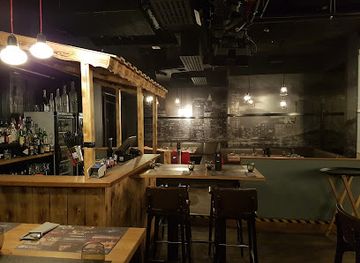
Scott's Pub
Experience the best of Luxembourg's culinary scene at Scott's Pub, a lively gastropub offering delicious dishes and a vibrant atmosphere.
-
Cafe
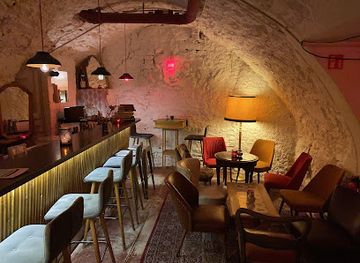
Konrad Café & Bar
Experience the perfect blend of café charm and bar vibrancy at Konrad Café & Bar in the heart of Luxembourg.
-
Restaurant
HITCH
Discover HITCH in Limpertsberg, Luxembourg - a culinary oasis offering a delightful menu of local and international flavors in a welcoming atmosphere.
-
Restaurant
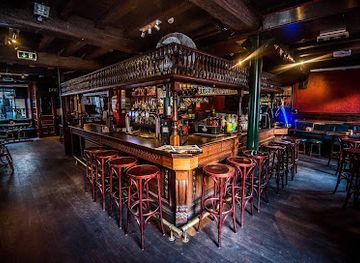
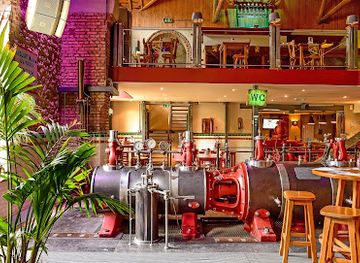
Restaurant Bar Brauerei - Big Beer Company - Rives de clausen
Discover Bavarian flavors and craft beers at Big Beer Company, a vibrant brewpub in the heart of Luxembourg's Rives de Clausen.
Best nightclubs in Red Lands
Evening life in the Red Lands is concentrated in Esch-sur-Alzette, Belval, Differdange and Dudelange rather than spread evenly across the countryside. Central Esch has cafés, bars, restaurants and occasional live-music activity, while Belval’s student, cultural and concert population gives the redeveloped district a later and more contemporary atmosphere. Rockhal is the region’s principal large-scale music venue, with programming that changes over time. Dudelange and Differdange offer smaller-scale bars, restaurants and cultural events, while villages and rural districts tend to favour traditional cafés, local pubs and an earlier evening rhythm. Nightclubs exist but are not the defining feature of the region; checking current programme and opening information is sensible before planning a late night. Local breweries and Luxembourgish drinks can be sampled in suitable establishments, but the area’s evening culture is equally accessible through concerts, cinema, theatre and dining.
-
Disco club
Apoteca
Discover Apoteca, a vibrant disco club and Italian restaurant in Luxembourg's Ville Haute, perfect for dining and dancing into the night.
-
Night club
Saumur Crystal Club
Discover the nightlife gem of Luxembourg at Saumur Crystal Club, where vibrant beats and unforgettable entertainment await every night.
-
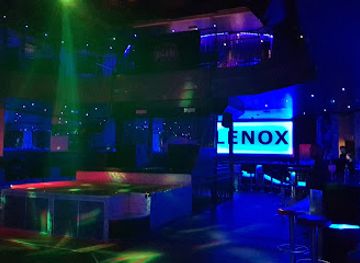
Disco club
Lenox Club
Discover the electrifying nightlife at Lenox Club in Luxembourg, where exceptional DJs and vibrant crowds create unforgettable dance experiences.
-
Night club
Gotham
Gotham Night Club: Dive into Luxembourg's vibrant nightlife with electrifying music and unforgettable party atmosphere.


Best shops in Red Lands
Shopping in the Red Lands is primarily urban and practical, with the broadest selection in Esch-sur-Alzette and additional high-street and independent shops in Differdange and Dudelange. Central Esch is best for everyday retail, cafés, food shops, books and small independent businesses, while Belval combines newer commercial premises with its university and cultural setting. Local markets and specialist food shops provide opportunities to buy bread, pastries, cheese, cured products, wine and other Luxembourgish or cross-border goods, although market schedules vary. Visitors interested in the region’s identity can look for books, prints and design items connected with mining, steel and industrial architecture, as well as crafts sold through cultural venues or seasonal events. Rural former mining sites are not major shopping destinations, so it is sensible to buy provisions in the larger towns before setting out on long walks. The international population also means that the region’s food shopping reflects French, Belgian, Italian and Portuguese influences alongside Luxembourgish products.
-
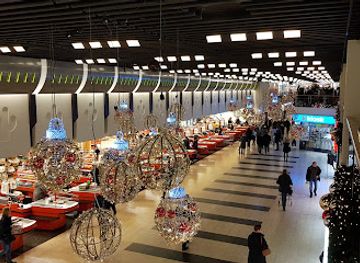
Shopping mall
Belle Etoile Shopping Center
Explore Luxembourg's vibrant retail scene at Belle Etoile Shopping Center, a shopping and dining destination for all ages.
-
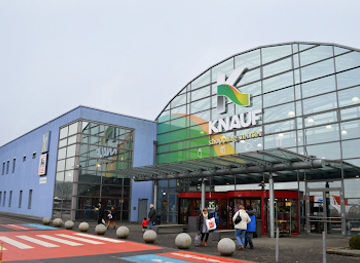
Shopping mall
Knauf Shopping Center Pommerloch
Explore the Knauf Shopping Center Pommerloch for a unique shopping experience in Luxembourg, offering diverse stores and delightful dining options.
-
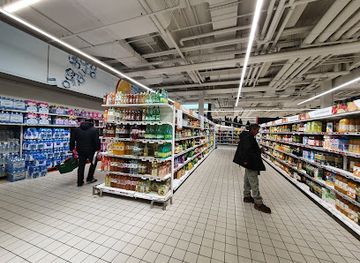
Supermarket
Auchan Kirchberg
Experience the ultimate shopping destination at Auchan Kirchberg, where variety and convenience meet in the heart of Luxembourg.
-
Shopping mall
Knauf Shopping Schmiede
Explore the vibrant Knauf Shopping Schmiede, your ultimate shopping destination in Luxembourg with diverse stores and delightful dining options.

Get your free copy of our complete guide to Red Lands, delivered straight to you.
Everything on this page, from attractions and restaurants to essentials and local phrases, in one PDF you can read offline, print or share.
Already have an account? Sign in
Your Red Lands guide is ready.
We'll send it to · Not you? Sign out

Getting your guide ready…
We are putting together a fresh copy of the Red Lands guide. This can take up to a minute.
This can take a few moments. If your browser asks, choose Allow so the download can start. You'll find the guide in your Downloads folder.
Nothing happened? Download it again
Sorry, the guide is taking longer than usual. Please try again in a minute, or get it by email instead.
Red Lands essentials
Currency and Payment
Safety
Emergency Situations
Do's and Don'ts
Local Tips
From Eve
Local phrases worth knowing
You don't need to get them perfect. A few words go a long way, and locals appreciate the effort.
Basics
| English | Local | Say it |
|---|---|---|
| Hello | Howdy | [haʊdi] |
| Goodbye | See ya | [si jə] |
| Yes | Yep | [jɛp] |
| No | Nope | [noʊp] |
| Please/You're welcome | Please / No problem | [pliz / noʊ ˈprɒbləm] |
| Thank you | Thanks | [θæŋks] |
| Excuse me/Sorry | Excuse me / Sorry | [ɪkˈskjuːz mi / ˈsɔri] |
| How are you? | How's it going? | [haʊz ɪt ˈɡoʊɪŋ] |
| Fine. And you? | Good. And you? | [ɡʊd. ənd ju] |
| Do you speak English? | You speak English? | [ju spiːk ˈɪŋɡlɪʃ] |
| I don't understand | I don't get it | [aɪ doʊnt ɡɛt ɪt] |
Eating & Drinking
| English | Local | Say it |
|---|---|---|
| I'd like to see the menu, please | Can I see the menu, please? | [kæn aɪ si ðə ˈmɛnjuː pliz] |
| I don't eat meat | I don't eat meat | [aɪ doʊnt iːt miːt] |
| Cheers! | Cheers! | [tʃɪrz] |
| I would like to pay, please | Can I get the check, please? | [kæn aɪ ɡɛt ðə tʃɛk pliz] |
Emergencies
| English | Local | Say it |
|---|---|---|
| Help! | Help! | [hɛlp] |
| Go away! | Leave me alone! | [liːv mi əˈloʊn] |
| Call the Police! | Call the cops! | [kɔl ðə kɑps] |
| Call a doctor! | Get a doctor! | [ɡɛt ə ˈdɑktər] |
| I'm lost | I’m lost | [aɪm lɔst] |
| I'm ill | I feel sick | [aɪ fiːl sɪk] |
Shopping
| English | Local | Say it |
|---|---|---|
| I'd like to buy... | I want to buy... | [aɪ wɑnt tə baɪ] |
| I'm just looking | Just browsing | [dʒʌst ˈbraʊzɪŋ] |
| How much is it? | What’s the price? | [wʌts ðə praɪs] |
| That's too expensive | That costs too much | [ðæt kɔsts tuː mʌtʃ] |
| Can you lower the price? | Can you make it cheaper? | [kæn ju meɪk ɪt ˈtʃiːpər] |
Time & Numbers
| English | Local | Say it |
|---|---|---|
| What time is it? | What time is it? | [wʌt taɪm ɪt] |
| It's one o'clock | It’s one o’clock | [ɪts wʌn əˈklɔk] |
| Half past (10) | Half past ten | [hæf pæst tɛn] |
| Morning | Morning | [ˈmɔrnɪŋ] |
| Afternoon | Afternoon | [ˌæftərˈnun] |
| Evening | Evening | [ˈiːvnɪŋ] |
| Yesterday | Yesterday | [ˈjɛstərdeɪ] |
| Today | Today | [təˈdeɪ] |
| Tomorrow | Tomorrow | [təˈmɔroʊ] |
| 1 | One | [wʌn] |
| 2 | Two | [tuː] |
| 3 | Three | [θriː] |
| 4 | Four | [fɔr] |
| 5 | Five | [faɪv] |
| 6 | Six | [sɪks] |
| 7 | Seven | [sɛvən] |
| 8 | Eight | [eɪt] |
| 9 | Nine | [naɪn] |
| 10 | Ten | [tɛn] |
Transport & Directions
| English | Local | Say it |
|---|---|---|
| Where's a/the...? | Where's the...? | [wɛrz ðə] |
| What's the address? | What’s the address? | [wʌts ði æˈdrɛs] |
| Can you show me (on the map)? | Can you show me on the map? | [kæn ju ʃoʊ mi ɑn ðə mæp] |
| When's the next (bus)? | When's the next bus? | [wɛnʔs ðə nɛkst bʌs] |
| A ticket (to ....) | One ticket to ... | [wʌn ˈtɪkɪt tə] |
History of Red Lands
Prehistoric and Roman Landscapes
The southern Luxembourg region has long been settled and cultivated, with archaeological evidence of prehistoric activity and Roman influence visible in the wider landscape. Roman roads and estates connected communities within the territory that later became Luxembourg, although the Red Lands’ modern identity was shaped much more decisively by industrialisation. The area’s wooded ridges, valleys and mineral-bearing ground provided the physical setting for later settlement, agriculture and mining. Archaeological remains are less visually dominant here than the industrial heritage, but they place the region within a much older pattern of European movement and occupation.
Medieval Villages and Seigneurial Rule
Before heavy industry, the southern area consisted of small villages, agricultural land, woodland and estates governed through the medieval political structures of the region. Settlements such as Differdange, Dudelange, Pétange and Rumelange developed gradually around farming, craft activity and local routes. Churches, village centres and surviving historic buildings provide reminders of this earlier landscape. Political authority shifted over time among local lords and the ruling powers associated with Luxembourg, but the population remained predominantly rural until the mineral wealth beneath the ground began to transform employment and settlement.
The Rise of Minette Iron Ore
The southern region’s defining economic transformation began in the nineteenth century with the large-scale exploitation of Minette, the local name for iron ore containing comparatively modest concentrations of iron but available in extensive deposits. Open-cast and underground workings spread across the area, especially around Esch-sur-Alzette, Differdange, Dudelange, Rumelange and Pétange. Railways, mine settlements and industrial facilities followed. The reddish soil gave the district its name, while mining created new employment and drew workers from elsewhere in Europe, laying the foundations of the region’s diverse society.
Steelmaking and Industrial Expansion
Iron ore extraction supported the rapid growth of Luxembourg’s steel industry from the late nineteenth century into the twentieth. Blast furnaces, rolling mills and associated workshops expanded around the southern towns, with Dudelange, Differdange and Esch-sur-Alzette becoming important industrial centres. The work was physically demanding and organised around large companies, railway sidings and planned workers’ housing. Steel prosperity altered the region’s architecture, population and political life, while its industrial output helped Luxembourg become an important European steel producer.
War, Reconstruction and Cross-Border Labour
The Red Lands experienced the disruptions that affected Luxembourg during the two World Wars, including occupation, economic pressure and the strategic importance of industrial production. After 1945, reconstruction and European economic growth brought renewed demand for steel. Workers arrived from Italy, Portugal and other countries, adding new languages, faiths, foods and associations to towns that had already become industrially mobile. Cross-border links with France and Belgium also remained important. The region’s contemporary multicultural character is closely connected to this twentieth-century industrial labour history.
Industrial Restructuring and the Post-Steel Era
From the 1970s onwards, international competition and technological change led to profound restructuring in Luxembourg’s steel sector. Mining declined and many extraction sites closed, while steel production became more concentrated and technologically advanced. Former industrial land required extensive redevelopment, but it also preserved blast furnaces, railway infrastructure, mine buildings and distinctive altered landscapes. The transition was economically difficult, yet it created the basis for new universities, research facilities, cultural venues and business districts, particularly at Belval.
Belval and Cultural Regeneration
The redevelopment of Belval represents the region’s most visible post-industrial transformation. The former steelworks site has become a mixed district associated with the University of Luxembourg, research, offices, housing and cultural activity, while two blast furnaces and other structures remain as monuments to heavy industry. Esch-sur-Alzette’s designation as European Capital of Culture in 2022 further focused attention on the wider southern region and its industrial, social and artistic identity. The result is not a complete break with the past but an ongoing attempt to reuse it intelligently.
Red Lands in Photos
Browse through our photo collection highlighting the charm and character of the destination.
Neighbouring regions of Red Lands
The closest regions to Red Lands, if you have time for more than one.
-

-

-

-

-


Swipe for more regions

