

Free Mullerthal Travel Guide & Mobile App
Explore Mullerthal with free travel guides. Discover regional history, expert tips, proposed trips, and audio guides on web or mobile app.


Explore Mullerthal’s sandstone gorges, forest trails, castles and Echternach heritage in Luxembourg’s atmospheric eastern countryside.
Read more about Mullerthal
When is the best time to visit Mullerthal?
Best: July–September · 18–22°C| Month | High (°C) | Rainfall (mm) |
|---|---|---|
| January | 4 | 60 |
| February | 5 | 50 |
| March | 9 | 55 |
| April | 12 | 50 |
| May | 17 | 65 |
| June | 19 | 75 |
| July (best) | 22 | 80 |
| August (best) | 22 | 70 |
| September (best) | 18 | 60 |
| October | 14 | 55 |
| November | 8 | 65 |
| December | 5 | 70 |
Getting to and around Mullerthal
How to get there
Transportation
Top city travel guides in Mullerthal
The cities of Mullerthal, and the easiest places to base yourself.
-

-

-
-


Swipe for more cities
Destinations in Mullerthal
Resorts, valleys and scenic spots worth a trip of their own.
-

-


Swipe for more destinations
Best attractions in Mullerthal
Mullerthal’s attractions are primarily landscape-based, with a strong supporting layer of history and rural culture. The Mullerthal Trail and its shorter local paths lead through sandstone corridors, wooded ravines, stream valleys and open plateaux, with the most celebrated walking areas around Berdorf, Consdorf and the village of Mullerthal. Rock formations such as the Wollefsschlucht and the surrounding sandstone outcrops give the forest walks their distinctive character, while the Halerbach and Ernz valleys offer gentler scenery. Echternach provides a cultural counterpoint through its abbey quarter, museums, old town and riverside setting. Beaufort combines woodland walks with its two castles, and Larochette adds a medieval fortress and valley views. Families may enjoy shorter marked walks and accessible sections, while experienced hikers can tackle longer stages with significant ascents. Cycling, photography and nature observation are also well suited to the region, although the steepest rocky paths are designed for walkers rather than bikes.
-
Tourist attraction
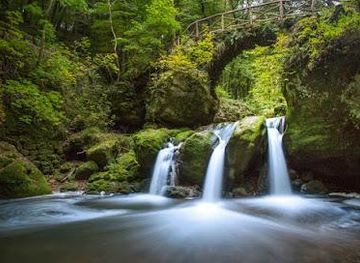
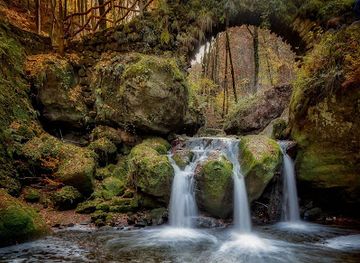
Schiessentümpel Waterfall
Discover the enchanting triple cascade of Schiessentümpel Waterfall, nestled beneath a historic stone bridge in Luxembourg’s scenic Mullerthal region.
-
Tourist attraction
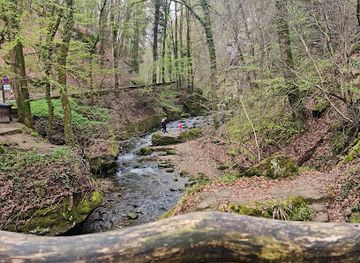
Mullerthal Trail
The Mullerthal Trail meanders through Luxembourg’s spectacular rock labyrinths, mossy gorges, and peaceful forests—a dreamscape for hikers in Little Switzerland.
-
Tourist attraction
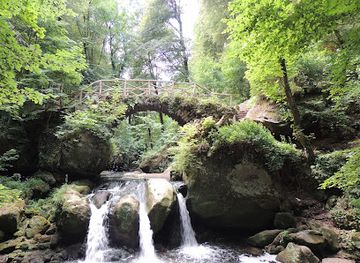
Schiessentümpel/ Schéissendëmpel Waterfall
Discover the fairytale beauty of Schiessentümpel Waterfall in Mullerthal, Luxembourg—iconic for its triple cascade, mossy rocks, and magical stone bridge setting.
-
Tourist attraction
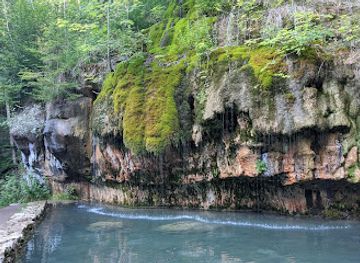
Kallektuffquell
Discover the enchanting Kallektuffquell, a moss-draped travertine spring in Luxembourg’s Mullerthal, renowned for its magical natural terraces and serene woodland ambiance.

Best landmarks in Mullerthal
The Basilica of Saint Willibrord and the former abbey complex in Echternach are Mullerthal’s most important historic landmarks, representing the town’s foundation as a major early medieval religious centre. Echternach’s old streets and surviving civic buildings extend that sense of continuity, while the nearby park and River Sûre give the town a clear geographical setting. Beaufort Castle is a particularly readable landmark because its medieval fortress and later Renaissance residence illustrate different phases of local lordship; the ruins rise above a wooded valley, while the newer castle stands nearby. Larochette Castle occupies a dramatic rocky position above the village and the Ernz Blanche valley, making it both a defensive monument and a defining feature of the local landscape. The region’s natural landmarks are equally significant: the sandstone cliffs and narrow ravines around Berdorf, Consdorf and Mullerthal express the geological character that shaped its modern identity. Rock corridors such as the Wollefsschlucht are best understood as landscape formations, not merely scenic viewpoints.
-
Castle
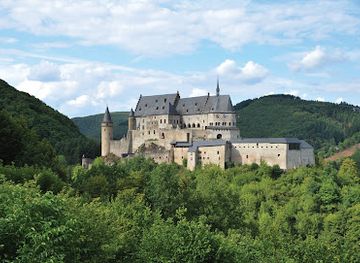
Vianden Castle
Explore the majestic Vianden Castle, a historical fortress offering stunning views and rich insights into Luxembourg's medieval past.
-
Hiking area
Mullerthal Trail
Luxembourg’s legendary Mullerthal Trail offers a spectacular 112-kilometer hiking experience through rock labyrinths, fairy-tale forests, and serene valleys in 'Little Switzerland.'
-
Tourist attraction
Schiessentümpel/ Schéissendëmpel Waterfall
Experience the enchanting Schiessentümpel Waterfall in Mullerthal—an iconic stone bridge, cascading streams, and fairytale woodland await in Luxembourg’s scenic ‘Little Switzerland’.
-
Historical landmark
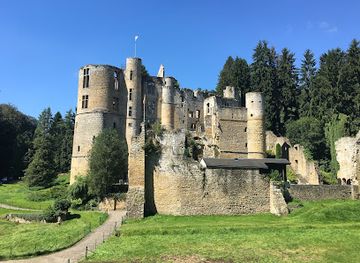
Medieval Castle Beaufort
Explore Medieval Castle Beaufort, a stunning historical landmark in Luxembourg, rich in medieval architecture and breathtaking views.
Explore Mullerthal on the map
Plan your trip on one map. See where the top cities, national parks and sights are, and book hotels and experiences in a few clicks.
Best hotels in Mullerthal
Best restaurants in Mullerthal
Eating in Mullerthal is closely tied to Luxembourg’s rural cuisine and the practical needs of walkers. Restaurants, cafés, bakeries and traditional inns in Echternach, Beaufort, Berdorf and other villages serve hearty dishes influenced by the country’s French, German and regional traditions, including soups, potatoes, meat dishes, sausages and seasonal vegetables. Menus may include Luxembourg specialities such as judd mat gaardebounen, smoked pork with broad beans, or bouneschlupp, a green-bean soup, although availability varies by establishment. Trout and other freshwater dishes can appear in the wider region, while nearby Luxembourgish wine and local beers complement meals. Echternach offers the broadest choice, from casual cafés to more formal dining, whereas rural villages tend to favour inns and small restaurants. Bread, pastries and tarts are useful provisions for walks, and farmers’ or local-produce outlets can add regional flavour to a self-catering stay.
-
Restaurant
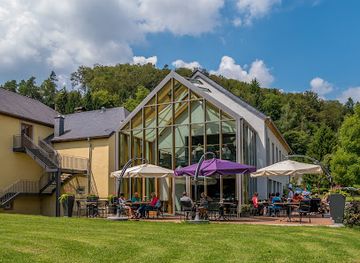
Brasserie Heringer Millen
Experience the best of Luxembourg's culinary scene at Brasserie Heringer Millen – where local flavors meet warm hospitality.
-
Restaurant
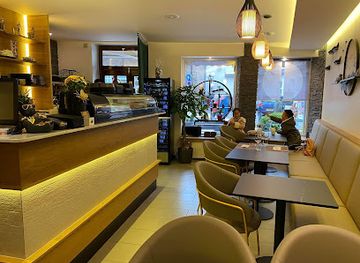
Restaurant Wang Chef Echternach
Experience exquisite Asian cuisine at Restaurant Wang Chef in Echternach – where tradition meets modern culinary artistry.
-
Restaurant
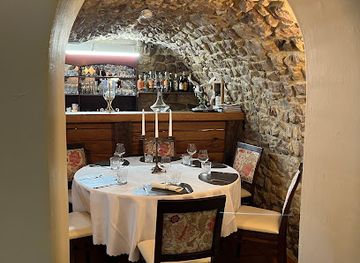
La Grappe d'Or
Experience the rich flavors of modern European cuisine at La Grappe d'Or in Echternach – perfect for families and food lovers.
-
Hotel
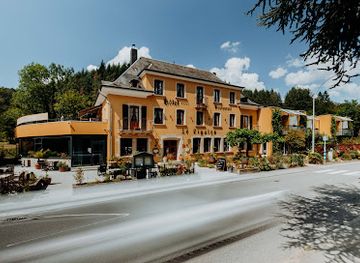
Hôtel-Restaurant Le Cigalon
Experience comfort and culinary delights at Hôtel-Restaurant Le Cigalon in beautiful Mullerthal.
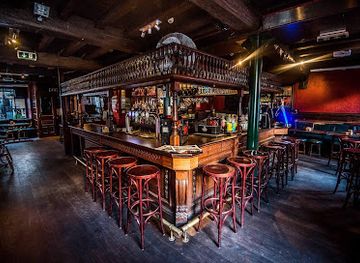
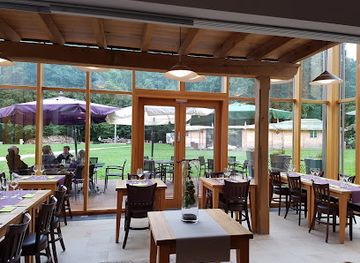
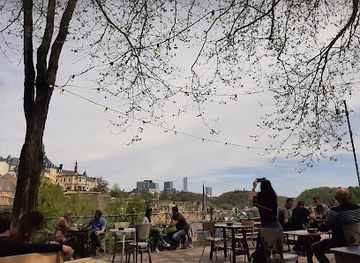
Best bars in Mullerthal
Mullerthal’s evening life is modest and locally focused rather than built around large clubs. Echternach has the widest selection of cafés, bars and restaurants, with activity centred on its historic core and the town’s cultural calendar. In Beaufort, Berdorf and smaller villages, evenings more often revolve around traditional pubs, hotel bars, restaurant terraces and community events than late-night venues. Luxembourgish beer, wine from the country’s Moselle valley and non-alcoholic drinks are commonly available, while some establishments provide seasonal outdoor seating in warmer weather. Live music and festivals may bring additional activity at particular times, but schedules change and should be checked locally. Visitors staying in rural accommodation should expect quiet nights and plan dinner or a taxi in advance, especially outside the main summer season.
-
Gastropub
Scott's Pub
Discover the culinary delights of Scott's Pub in the heart of Grund, Luxembourg, where local flavors meet a warm and inviting atmosphere.
-
Restaurant
Brasserie Heringer Millen
Experience the charm of Mullerthal with exquisite local cuisine at Brasserie Heringer Millen, where every meal is a celebration of flavor.
-
 Bar
BarTrail-Inn Natur & Sporthotel
Discover the perfect blend of adventure and relaxation at Trail-Inn Natur & Sporthotel in Berdorf, the ideal retreat for nature lovers.
-
Bar
De Gudde Wëllen
Discover De Gudde Wëllen, a vibrant bar in Ville Haute, Luxembourg, serving a variety of beers, cocktails, and local culture.
Best nightclubs in Mullerthal
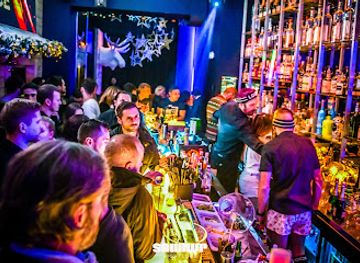
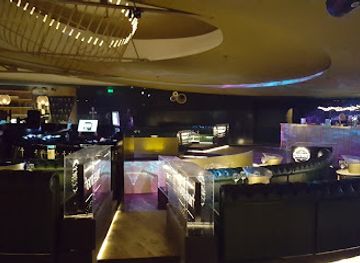
Mullerthal’s evening life is modest and locally focused rather than built around large clubs. Echternach has the widest selection of cafés, bars and restaurants, with activity centred on its historic core and the town’s cultural calendar. In Beaufort, Berdorf and smaller villages, evenings more often revolve around traditional pubs, hotel bars, restaurant terraces and community events than late-night venues. Luxembourgish beer, wine from the country’s Moselle valley and non-alcoholic drinks are commonly available, while some establishments provide seasonal outdoor seating in warmer weather. Live music and festivals may bring additional activity at particular times, but schedules change and should be checked locally. Visitors staying in rural accommodation should expect quiet nights and plan dinner or a taxi in advance, especially outside the main summer season.
-
Restaurant
Saumur Crystal Club
Experience the elegance and excitement of Saumur Crystal Club, Luxembourg's premier nightlife destination featuring exquisite dining, vibrant bars, and thrilling entertainment.
-
Disco club
Lenox Club
Join the vibrant nightlife at Lenox Club, the premier disco club near Gare Central, where unforgettable nights and electrifying beats await.
-
Night club
Gotham
Discover Gotham, an upscale night club in Luxembourg's Limpertsberg, perfect for a vibrant nightlife experience filled with music and dancing.
-
Night club
Ground
Dive into the vibrant nightlife of Luxembourg at Ground Night Club, where electronic music and energetic dancing create unforgettable nights.


Best shops in Mullerthal
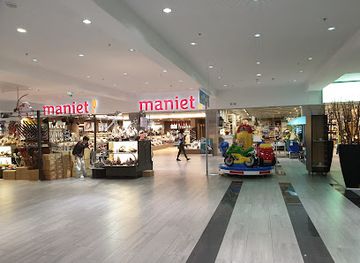
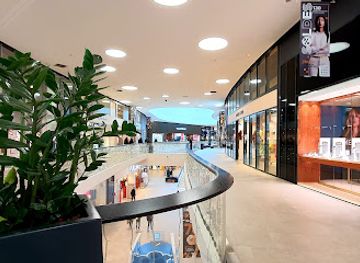
Shopping in Mullerthal is concentrated in Echternach and the larger villages rather than in extensive retail districts. Echternach has the broadest selection of everyday shops, cafés, bakeries, galleries and independent businesses, with its historic centre providing the most rewarding setting for browsing. Beaufort, Berdorf and other communities offer smaller ranges of local services and visitor-oriented outlets, while rural accommodation often provides information about nearby producers. Useful regional purchases include Luxembourgish beer and wine, honey, jams, baked goods and other farm products, although wine is more strongly associated with the Moselle area outside Mullerthal. Craft items, ceramics, artworks, books and walking-related goods can also be found in selected local shops and galleries. Markets and seasonal events may provide additional opportunities to buy produce or handmade items, but arrangements vary by date. Visitors should not expect a large luxury-shopping scene; Mullerthal’s retail appeal lies in practical provisions, independent businesses and locally produced gifts.
-
Shopping mall
Belle Etoile Shopping Center
Explore a shopping paradise at Belle Etoile Shopping Center in Bertrange, Luxembourg, featuring a variety of shops, dining options, and entertainment.
-
Shopping mall
Knauf Shopping Center Pommerloch
Discover endless shopping and dining options at Knauf Shopping Center Pommerloch, a top destination for tourists in Luxembourg.
-
Shopping mall
Knauf Shopping Schmiede
Explore Knauf Shopping Schmiede, a vibrant shopping mall in Luxembourg featuring diverse stores, dining options, and a welcoming atmosphere for all visitors.
-
Shopping mall
Cloche d'Or Shopping Center
Explore Cloche d'Or Shopping Center, Luxembourg's premier shopping destination filled with luxury brands, diverse eateries, and vibrant ambiance.


Get your free copy of our complete guide to Mullerthal, delivered straight to you.
Everything on this page, from attractions and restaurants to essentials and local phrases, in one PDF you can read offline, print or share.
Already have an account? Sign in
Your Mullerthal guide is ready.
We'll send it to · Not you? Sign out

Getting your guide ready…
We are putting together a fresh copy of the Mullerthal guide. This can take up to a minute.
This can take a few moments. If your browser asks, choose Allow so the download can start. You'll find the guide in your Downloads folder.
Nothing happened? Download it again
Sorry, the guide is taking longer than usual. Please try again in a minute, or get it by email instead.
Mullerthal essentials
Currency and Payment
Safety
Emergency Situations
Do's and Don'ts
Local Tips
From Eve
Local phrases worth knowing
You don't need to get them perfect. A few words go a long way, and locals appreciate the effort.
Basics
| English | Local | Say it |
|---|---|---|
| Hello | Moien | [moy-en] |
| Goodbye | Äddi | [ed-dee] |
| Yes | Jo | [yo] |
| No | Nee | [nay] |
| Please/You're welcome | Bitte | [bit-te] |
| Thank you | Merci | [mehr-see] |
| Excuse me/Sorry | Entschëllegt | [ent-shell-echt] |
| How are you? | Wéi geet et dir? | [vay gate et deer?] |
| Fine. And you? | Gut. An dir? | [goot. an deer?] |
| Do you speak English? | Säiss de Englesch? | [says deh eng-lesh?] |
| I don't understand | Ech verstin net | [esh fer-steen net] |
Eating & Drinking
| English | Local | Say it |
|---|---|---|
| I'd like to see the menu, please | Ech géif gär de Menu gesin, wann ech pléisse | [esh gayf gar deh menu geh-sin, van eesh pleeze] |
| I don't eat meat | Ech iessen keen Fleesch | [esh ees-en keen flesh] |
| Cheers! | Prost! | [prohst] |
| I would like to pay, please | Ech géif gär bezuelen, wann ech pléisse | [esh gayf gar beh-zoy-len, van eesh pleeze] |
Emergencies
| English | Local | Say it |
|---|---|---|
| Help! | Hëllef! | [hel-layf] |
| Go away! | Géi fort! | [gay fort] |
| Call the Police! | Ruff d'Police! | [roof deh poh-lees] |
| Call a doctor! | Ruff e Dokter! | [roof eh dock-ter] |
| I'm lost | Ech sinn verluer | [esh sin ver-loo-er] |
| I'm ill | Ech sinn krank | [esh sin krank] |
Shopping
| English | Local | Say it |
|---|---|---|
| I'd like to buy... | Ech géif gär kafen... | [esh gayf gar kah-fen...] |
| I'm just looking | Ech kucken nëmmen | [esh kooken nem-men] |
| How much is it? | Wéi vill kascht et? | [vay feel kasht et?] |
| That's too expensive | Dat ass ze deier | [dat ass ze die-er] |
| Can you lower the price? | Kanns de de Präis reduzéieren? | [kan-deh deh price reh-du-zir-en?] |
Time & Numbers
| English | Local | Say it |
|---|---|---|
| What time is it? | Wéi spät ass et? | [vay shpat ass et?] |
| It's one o'clock | Et ass een Auer | [et ass een ow-er] |
| Half past (10) | Halls (10) | [halls (10)] |
| Morning | Mëdet | [me-det] |
| Afternoon | Nomëden | [no-may-den] |
| Evening | Owend | [ow-end] |
| Yesterday | Gëschter | [gesh-ter] |
| Today | Haut | [howt] |
| Tomorrow | Mëdden | [mid-den] |
| 1 | Eent | [eent] |
| 2 | Zwee | [zway] |
| 3 | Dräi | [dry] |
| 4 | Véier | [vee-er] |
| 5 | Fënnef | [fin-ef] |
| 6 | Sechs | [zex] |
| 7 | Siwen | [see-ven] |
| 8 | Acht | [acht] |
| 9 | Nëng | [neng] |
| 10 | Zehn | [zayn] |
Transport & Directions
| English | Local | Say it |
|---|---|---|
| Where's a/the...? | Wou ass e/d'...? | [voo ass eh/deh...?] |
| What's the address? | Wéi ass d'Adress? | [vay ass deh ah-dress?] |
| Can you show me (on the map)? | Kanns de mir weisen (op der Kaart)? | [kan-deh meer vy-zen (op der kart)?] |
| When's the next (bus)? | Wéini ass den nächste (Bus)? | [vay-nee ass den next-eh (boos)?] |
| A ticket (to ....) | Eng Ticket (an ....) | [eng tick-et (an....)] |
History of Mullerthal
Prehistoric and Gallo-Roman Settlement
The valleys and plateaux of eastern Luxembourg have evidence of human activity from prehistoric periods, while the wider Echternach area became significant during the Gallo-Roman era. Roman roads, agricultural estates and settlements connected the region to larger centres across the territory that is now Luxembourg. Archaeological remains are more fragmentary than the surviving medieval monuments, but they show that the forests and sandstone country were not an untouched wilderness. The fertile valleys, springs and routeways offered practical advantages for farming and movement, establishing patterns of occupation that continued through later centuries.
The Foundation of Echternach Abbey, 7th Century
In 698, the Anglo-Saxon missionary Willibrord founded Echternach Abbey with the support of Irmina of Oeren, creating one of the most important religious centres in the region. The monastery became a centre of learning, manuscript production and Christian influence, and its estates shaped settlement and landholding across eastern Luxembourg. Although the present basilica and town developed through many later phases, Echternach’s medieval importance can still be read in its religious complex and historic street pattern. The abbey also remains central to the annual Dancing Procession, held in honour of Willibrord.
Medieval Castles and Seigneurial Power
From the 11th century onwards, fortified residences and lordships controlled routes, valleys and agricultural territory around Mullerthal. Beaufort Castle developed in stages from a medieval fortress into a later Renaissance residence, while Larochette Castle occupied a commanding rock above the Ernz Blanche valley. These strongholds were not isolated monuments: they belonged to a network of local powers connected to the broader political structures of Luxembourg and neighbouring regions. Their ruins and surviving buildings reveal the strategic value of the valleys and the importance of controlling movement through the eastern uplands.
Agriculture, Forestry and Sandstone Working
For centuries, Mullerthal’s communities relied on mixed farming, woodland resources and small-scale local trades. The region’s sandstone was used in buildings, walls and other construction, while forest management shaped both the economy and the landscapes encountered by visitors today. Villages developed around cultivated plateaux and narrow valleys, with churches, farmhouses and mills reflecting practical rural life. Industrialisation was less transformative here than in Luxembourg’s southern steel basin, so the region retained a predominantly rural character. The relationship between agriculture, forestry and geology remains visible in its fields, woodland edges, quarries and settlements.
The Modern Tourism Landscape
The dramatic rock formations and wooded ravines began attracting walkers and nature visitors more widely during the 19th and 20th centuries, when improved roads and accommodation made the eastern countryside easier to reach. The label Luxembourg’s Little Switzerland helped establish a recognisable tourism identity, though the landscape is distinctly its own: sandstone gorges rather than alpine peaks. Walking associations, local authorities and tourism bodies later developed marked paths and connected routes. The Mullerthal Trail, inaugurated in the 21st century, consolidated this tradition by presenting the region as a coherent long-distance hiking destination.
War and Memory in the Eastern Region
The Second World War affected Luxembourg as a whole, including the communities of eastern Luxembourg. The region’s roads, valleys and proximity to Germany placed it within a landscape shaped by occupation, military movement and disruption, while the Battle of the Bulge in the winter of 1944–45 brought fighting to parts of Luxembourg. The most intense battles occurred elsewhere, particularly in the north and centre, so Mullerthal should not be portrayed as the principal battlefield. Nevertheless, wartime memories form part of the wider historical context of Echternach and the surrounding villages.
Mullerthal in Photos
Browse through our photo collection highlighting the charm and character of the destination.
Neighbouring regions of Mullerthal
The closest regions to Mullerthal, if you have time for more than one.
-

-

-

-

-


Swipe for more regions
Explore more

Explore more of Luxembourg
Discover Luxembourg: A charming blend of historical wonders, breathtaking landscapes, and cultural vibrancy in the heart of Europe.
Explore Luxembourg