

Free Alzette Valley Travel Guide & Mobile App
Explore Alzette Valley with free travel guides. Discover regional history, expert tips, proposed trips, and audio guides on web or mobile app.


Explore Luxembourg’s Alzette Valley for fortified city views, riverside walks, industrial heritage, wooded hills and historic market towns.
Read more about Alzette Valley
When is the best time to visit Alzette Valley?
Best: June–August · 22–24°C| Month | High (°C) | Rainfall (mm) |
|---|---|---|
| January | 4 | 70 |
| February | 5 | 60 |
| March | 9 | 60 |
| April | 13 | 55 |
| May | 18 | 70 |
| June (best) | 22 | 80 |
| July (best) | 24 | 80 |
| August (best) | 24 | 70 |
| September | 19 | 65 |
| October | 14 | 65 |
| November | 8 | 70 |
| December | 5 | 80 |
Getting to and around Alzette Valley
How to get there
Transportation
Top city travel guides in Alzette Valley
The cities of Alzette Valley, and the easiest places to base yourself.

Swipe for more cities
Destinations in Alzette Valley
Resorts, valleys and scenic spots worth a trip of their own.

Swipe for more destinations
Best attractions in Alzette Valley
The Alzette Valley offers an unusually concentrated mixture of urban heritage and accessible countryside. In Luxembourg City, visitors can explore the historic Upper Town, the lower districts of Grund, Clausen and Pfaffenthal, and the museums and public institutions around the old fortress. Walking routes descend through the river ravines and connect viewpoints, bridges and remnants of the former defences. North of the capital, the valley becomes more rural, with Mersch providing access to riverside paths, wooded landscapes and the meeting area of the Alzette, Mamer and Eisch valleys. Rail travel makes it practical to combine a city visit with shorter excursions towards Lintgen or Ettelbruck. Southwards, Esch-sur-Alzette and the surrounding Minett country offer industrial heritage, cultural venues and landscapes shaped by iron-ore extraction. Cycling, walking and photography are particularly rewarding along quieter valley sections, although routes vary in difficulty and some paths are steep or uneven. The attraction landscape is therefore less about a single spectacular site than about moving between fortified urban scenery, market towns, industrial memories and green river corridors.
-
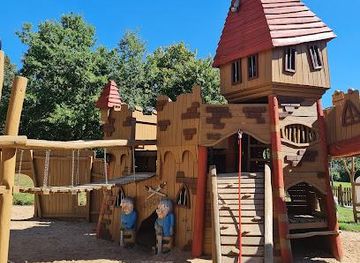
Playground
Castle Playground
Castle Playground in Belair enchants families with its grand castle structure, lush spaces, and safe, free play areas in a welcoming Luxembourg neighborhood.
-
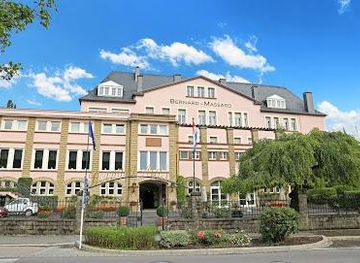
Winery
Caves Bernard-Massard
A celebrated Luxembourgish winery blending heritage cellars, Moselle valley views, and effervescent cuvées for immersive tastings and memorable moments in Grevenmacher.
-
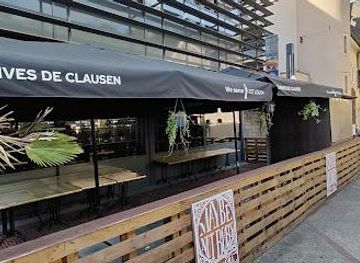
Bar
Rives de Clausen
Rives de Clausen is a hot spot in Luxembourg City for riverside nightlife, diverse dining, and lively events, set amidst charming historic brewery architecture.
-
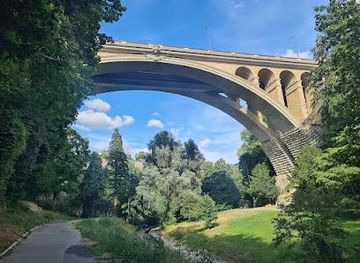
State park
Parcs de la Pétrusse
Discover Parcs de la Pétrusse, Luxembourg City’s spectacular river gorge park blending lush greenery, historic bridges, and panoramic vistas in the heart of the city.
Best landmarks in Alzette Valley
The most recognisable landmark of the Alzette Valley is Luxembourg City’s fortified historic core, dramatically positioned above the Alzette and Pétrusse valleys. The Bock promontory, the Chemin de la Corniche and the surviving casemates express the city’s former military importance, while the views down to the Grund make the relationship between fortress and river particularly clear. Stone bridges and the old quarters of Grund, Clausen and Pfaffenthal add a more intimate architectural layer below the plateau. The Adolphe Bridge and the Grand Duchess Charlotte Bridge belong to the wider capital’s changing skyline and modern infrastructure. Farther along the valley, Mersch Castle and the town’s historic centre reflect the role of the settlement as an inland crossroads, although the castle is less monumental than the capital’s fortifications. In Esch-sur-Alzette, late nineteenth- and early twentieth-century civic buildings and industrial-era streets embody the southern valley’s transformation through iron and steel. The Alzette itself, together with its wooded ravines and steep sandstone surroundings, is a geographical landmark as much as a scenic feature.
-
Castle
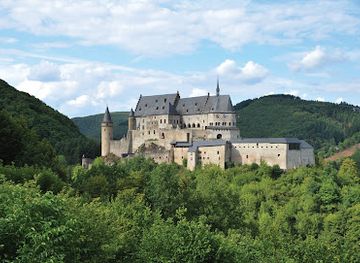
Vianden Castle
Vianden Castle is a stunning fortified landmark in northern Luxembourg, offering sweeping valley views, rich medieval history, and interactive exhibits for visitors.
-
Historical landmark
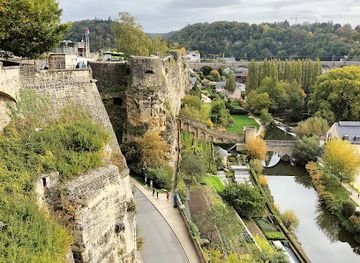
Bock Casemates
Delve beneath Luxembourg City to explore the UNESCO-listed Bock Casemates, an underground fortress labyrinth blending medieval heritage with dramatic city panoramas.
-
Bridge
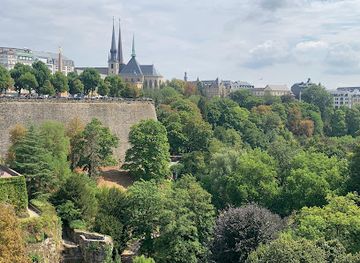
Pont Adolphe
Pont Adolphe is Luxembourg’s beloved arched bridge, offering panoramic city views and connecting historic quarters over the Pétrusse Valley—an icon of heritage and innovation.
-
Concert hall
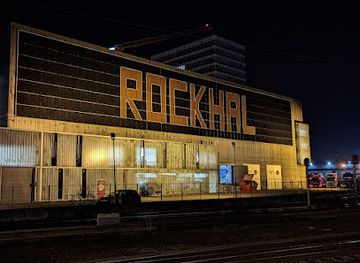
Rockhal
Rockhal in Esch-Belval is the region’s ultimate concert destination, blending top-tier acts, innovative spaces, and vibrant Belval energy in a unique cultural hub.
Explore Alzette Valley on the map
Plan your trip on one map. See where the top cities, national parks and sights are, and book hotels and experiences in a few clicks.
Best hotels in Alzette Valley
Best restaurants in Alzette Valley
Dining in the Alzette Valley reflects Luxembourg’s position between France, Belgium and Germany, as well as its large international population. Traditional menus may include Judd mat Gaardebounen, smoked pork with broad beans, Gromperekichelcher potato fritters, hearty soups and pastries, although these dishes belong to Luxembourg’s wider national cuisine rather than to the valley alone. Luxembourg City has the broadest choice, from bakeries, cafés and international restaurants to refined dining, while Grund, Clausen and the central districts provide places to eat before or after exploring the ravines. Esch-sur-Alzette has a particularly varied urban food scene, influenced by generations of migration and industrial employment. In Mersch, Lintgen, Ettelbruck and smaller settlements, cafés, bakeries, traditional inns and contemporary casual restaurants are more typical. Local wines from the Moselle are available throughout Luxembourg, while beer remains common. Farmers’ markets and specialist food shops are useful for discovering Luxembourgish cheeses, breads, preserves and seasonal produce.
-
Restaurant
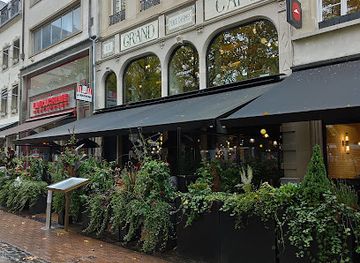
Grand Café
Discover the exquisite flavors of grilled specialties at Grand Café in Ville Haute, Luxembourg's culinary hotspot.
-
Lebanese
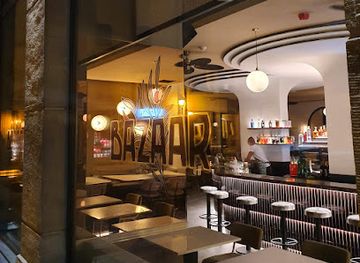
Bazaar Bar and Restaurant
Indulge in exquisite Lebanese cuisine while enjoying vibrant nightlife at Bazaar Bar and Restaurant in Luxembourg.
-
Italian
L'Osteria
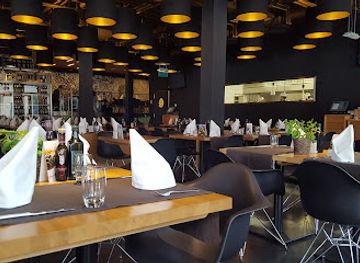
Experience authentic Italian cuisine at L'Osteria in Belval - where delicious pizzas meet warm hospitality.
-
Haute French
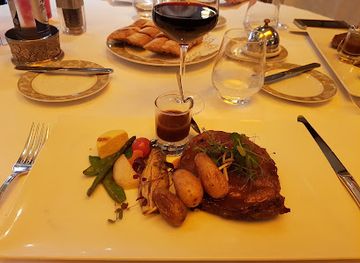
Restaurant Postkutsch
Experience unparalleled Haute French dining at Restaurant Postkutsch in Esch-sur-Alzette - where culinary artistry meets elegance.
Best bars in Alzette Valley
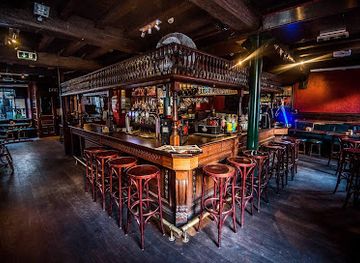
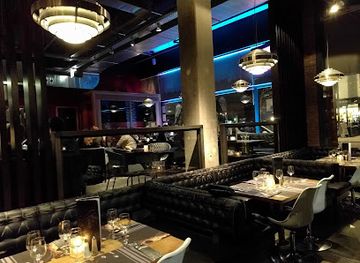
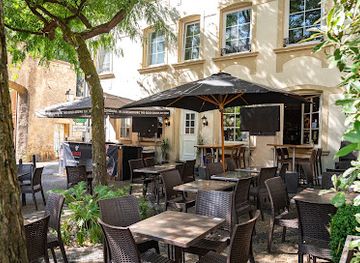
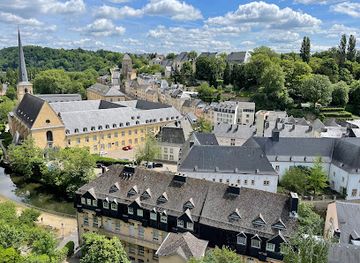
Evening life is concentrated in Luxembourg City, especially around the historic centre, Grund, Clausen and nearby central districts, where traditional pubs, wine bars, cocktail venues, cafés and restaurants serve a multilingual population. The lower quarters have a strong association with evening socialising, but the narrow streets and mixed residential character mean that nightlife is not uniformly late or loud. Esch-sur-Alzette provides a second important centre, with bars, cultural venues, live music and occasional event-led evenings. In Mersch, Ettelbruck and smaller valley communities, nightlife is generally based on local cafés, pubs, restaurants and community events rather than large clubs. Brewery and beer culture is visible across Luxembourg, while wine bars often feature bottles from the Moselle region. Opening hours and programmes change, so visitors should check individual venues rather than assume that a particular night will have a major club scene.
-
Gastropub
Scott's Pub
Experience the vibrant atmosphere and exquisite cuisine at Scott's Pub in the heart of Grund, Luxembourg's premier gastropub destination.
-
Brasserie
Urban Belval
Explore Urban Belval, a cultural hotspot in Esch-sur-Alzette, where modern architecture meets a vibrant culinary scene.
-
Bar
Updown Bar
Experience the vibrant atmosphere of Updown Bar in Ville Haute, where great drinks, hearty meals, and live music come together for an unforgettable night out.
-
Bar
De Gudde Wëllen
Discover De Gudde Wëllen, a lively bar in Ville Haute, Luxembourg, known for its creative cocktails, local beers, and stunning valley views.
Best nightclubs in Alzette Valley
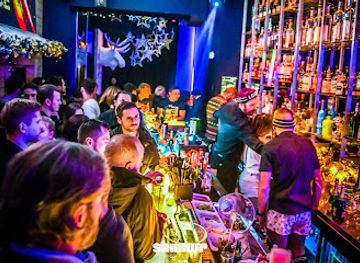
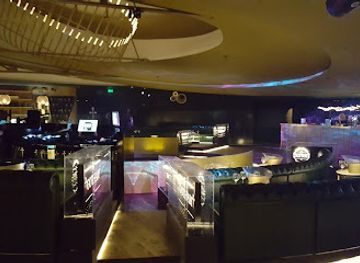
Evening life is concentrated in Luxembourg City, especially around the historic centre, Grund, Clausen and nearby central districts, where traditional pubs, wine bars, cocktail venues, cafés and restaurants serve a multilingual population. The lower quarters have a strong association with evening socialising, but the narrow streets and mixed residential character mean that nightlife is not uniformly late or loud. Esch-sur-Alzette provides a second important centre, with bars, cultural venues, live music and occasional event-led evenings. In Mersch, Ettelbruck and smaller valley communities, nightlife is generally based on local cafés, pubs, restaurants and community events rather than large clubs. Brewery and beer culture is visible across Luxembourg, while wine bars often feature bottles from the Moselle region. Opening hours and programmes change, so visitors should check individual venues rather than assume that a particular night will have a major club scene.
-
Disco club
Apoteca
Discover Apoteca, where exquisite Italian cuisine meets vibrant disco nightlife in the heart of Luxembourg's Ville Haute.
-
Restaurant
Saumur Crystal Club
Discover the pulsating nightlife of Saumur Crystal Club in Luxembourg, offering exquisite dining and exhilarating entertainment all night long.
-
Disco club
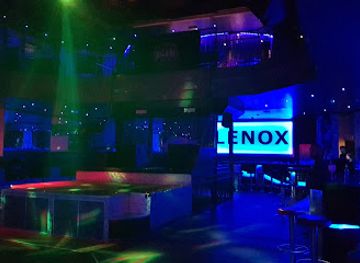
Lenox Club
Discover the vibrant nightlife of Luxembourg at Lenox Club, a premier disco club offering unforgettable experiences and energetic dance floors.
-
Night club
Gotham
Experience the vibrant nightlife of Luxembourg at Gotham, a stylish night club in Limpertsberg, offering unforgettable late-night entertainment.

Best shops in Alzette Valley
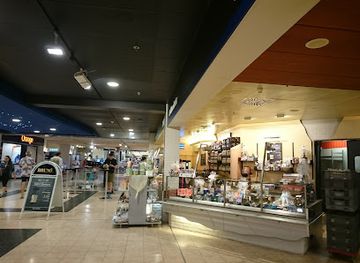
Shopping is most varied in Luxembourg City, where the central streets around the Upper Town combine department stores, international brands, bookshops, bakeries, delicatessens and independent boutiques. The historic quarters and lower districts are better suited to small galleries, cafés, design-led shops and locally produced food than to large-scale retail. Esch-sur-Alzette has a more urban, everyday shopping character, with an active high street, independent businesses and a diverse selection of food shops reflecting its international population. Mersch and Ettelbruck serve as practical market towns, offering ordinary retail, bakeries, cafés and services rather than a major luxury-shopping scene. Visitors looking for regional gifts can seek out Luxembourgish chocolate, biscuits, preserves, beer, Moselle wine and craft products, while antiques, books and contemporary art are more easily found in the larger centres. Market days vary by town and season, so checking local information is advisable before planning a market-focused visit.
-
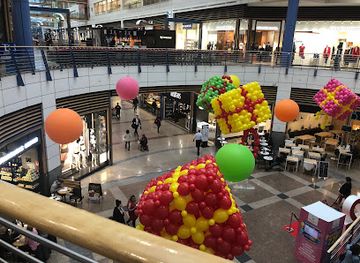
Shopping mall
Belle Etoile Shopping Center
Explore a shopper's paradise at Belle Etoile Shopping Center, featuring diverse stores, delightful dining, and entertainment in the heart of Luxembourg.
-
Shopping mall
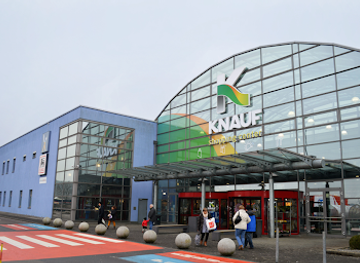
Knauf Shopping Center Pommerloch
Explore the Knauf Shopping Center Pommerloch for an unforgettable shopping experience filled with diverse stores, dining, and family-friendly entertainment.
-
Supermarket
Auchan Kirchberg
Explore the diverse offerings of Auchan Kirchberg, a hypermarket in Luxembourg, ideal for tourists seeking local flavors and international products.
-
Shopping mall
Knauf Shopping Schmiede
Explore Knauf Shopping Schmiede, a premier shopping destination in Luxembourg offering diverse shops, eateries, and a welcoming atmosphere for all travelers.

Get your free copy of our complete guide to Alzette Valley, delivered straight to you.
Everything on this page, from attractions and restaurants to essentials and local phrases, in one PDF you can read offline, print or share.
Already have an account? Sign in
Your Alzette Valley guide is ready.
We'll send it to · Not you? Sign out

Getting your guide ready…
We are putting together a fresh copy of the Alzette Valley guide. This can take up to a minute.
This can take a few moments. If your browser asks, choose Allow so the download can start. You'll find the guide in your Downloads folder.
Nothing happened? Download it again
Sorry, the guide is taking longer than usual. Please try again in a minute, or get it by email instead.
Alzette Valley essentials
Currency and Payment
Safety
Emergency Situations
Do's and Don'ts
Local Tips
From Eve
Local phrases worth knowing
You don't need to get them perfect. A few words go a long way, and locals appreciate the effort.
Basics
| English | Local | Say it |
|---|---|---|
| Hello | Moïe | [moy-eh] |
| Goodbye | Äddi | [eh-dee] |
| Yes | Jo | [yo] |
| No | Neen | [neen] |
| Please/You're welcome | Bitte | [bit-tuh] |
| Thank you | Merci | [mehr-see] |
| Excuse me/Sorry | Entschuldig | [ent-shool-dig] |
| How are you? | Wie geet's? | [vee gates?] |
| Fine. And you? | Gut. A dir? | [goot. ah deer?] |
| Do you speak English? | Sproochs de Englesch? | [sprohks duh eng-lesh?] |
| I don't understand | Ech verstinn net | [esh fer-shtin net] |
Eating & Drinking
| English | Local | Say it |
|---|---|---|
| I'd like to see the menu, please | Ech géif gär de Menu gesin, bitte | [esh gayf gahr deh meh-nu geh-sin, bit-tuh] |
| I don't eat meat | Ech iessen keen Fleesch | [esh ee-sen keen flesh] |
| Cheers! | Prost! | [prohst] |
| I would like to pay, please | Ech géif gär bezuelen, bitte | [esh gayf gahr beh-zoo-len, bit-tuh] |
Emergencies
| English | Local | Say it |
|---|---|---|
| Help! | Hëllef! | [hel-lef] |
| Go away! | Geh fort! | [geh fort] |
| Call the Police! | Ruff d'Police! | [roof deh poh-lees] |
| Call a doctor! | Ruff eng Dokter! | [roof eng dok-ter] |
| I'm lost | Ech sinn verluer | [esh sin fer-loo-er] |
| I'm ill | Ech sinn krank | [esh sin krank] |
Shopping
| English | Local | Say it |
|---|---|---|
| I'd like to buy... | Ech géif gär kafen... | [esh gayf gahr kah-fen...] |
| I'm just looking | Ech kucken just | [esh kooken yoost] |
| How much is it? | Wéi vill kascht et? | [vee feel kasht et?] |
| That's too expensive | Dat ass ze deier | [daht ass zuh die-er] |
| Can you lower the price? | Kanns de de Präis erofsetzen? | [kahnz deh deh prais eh-rohf-zetzen?] |
Time & Numbers
| English | Local | Say it |
|---|---|---|
| What time is it? | Wéi spät ass et? | [vee shpat ass et?] |
| It's one o'clock | Et ass een Auer | [et ass een ohr] |
| Half past (10) | Halb (10) | [halb (10)] |
| Morning | Mëdet | [me-det] |
| Afternoon | Nomëden | [no-me-den] |
| Evening | Owend | [oh-vend] |
| Yesterday | Gëschter | [gesh-ter] |
| Today | Haut | [howt] |
| Tomorrow | Muer | [muer] |
| 1 | Eent | [eent] |
| 2 | Zwee | [zvee] |
| 3 | Dräi | [drai] |
| 4 | Viir | [veer] |
| 5 | Fënnef | [fun-ef] |
| 6 | Sechs | [zeks] |
| 7 | Siwen | [see-ven] |
| 8 | Acht | [aht] |
| 9 | Nëng | [neng] |
| 10 | Zehn | [zehn] |
Transport & Directions
| English | Local | Say it |
|---|---|---|
| Where's a/the...? | Wou ass eng/d'...? | [voo ass eng/d'...?] |
| What's the address? | Wat ass d'Adress? | [vat ass deh ah-dress?] |
| Can you show me (on the map)? | Kanns de mir weisen (op der Kaart)? | [kahnz deh meer vize-en (op der kart)?] |
| When's the next (bus)? | Wéini ass den nächste (Bus)? | [vay-nee ass den nay-shtuh (bus)?] |
| A ticket (to ....) | Eng Ticket (an ...) | [eng ti-ket (an ...)] |
History of Alzette Valley
Prehistoric and Roman Settlement
The Alzette corridor has long been a natural route through what is now Luxembourg. Archaeological evidence from the wider valley and surrounding plateaux records prehistoric occupation, while the Roman period brought roads, farms and settlements into a more integrated network. The river itself was not a major navigable waterway, but its valley offered water, fertile ground and relatively practical movement between the southern and central parts of the territory. Roman and later medieval routes helped establish the settlement pattern that still links the capital with Mersch and the northern market towns.
The Foundation of Luxembourg Castle
Luxembourg’s political history began in the Alzette’s dramatic rocky landscape. In 963, Count Siegfried acquired the Lucilinburhuc promontory, the site associated with the later city and its fortress. The original stronghold developed above the river ravines, where steep cliffs provided natural defensive advantages. Over succeeding centuries the settlement expanded into a fortified centre of the County, then Duchy, of Luxembourg. The elevated historic city and its lower riverside quarters still express this medieval relationship between power, defence and the Alzette.
Medieval Growth and Religious Foundations
During the Middle Ages, Luxembourg City grew as a fortified residence, administrative centre and trading settlement. Religious institutions, bridges and roads connected the upper fortress with communities in the valleys below. The Alzette’s steep banks divided neighbourhoods but also encouraged specialised riverside activity, including mills and craft work. Mersch and other settlements farther north served as agricultural and commercial points along routes crossing central Luxembourg. Although the valley was repeatedly affected by wider European conflicts, its towns retained a durable role as links between the capital, the south and the Ardennes.
The Fortress and European Power Struggles
From the sixteenth to the nineteenth centuries, Luxembourg City became one of Europe’s foremost fortified sites. Spanish, French, Austrian and Prussian powers successively influenced its defences, expanding bastions, casemates and outer works around the rocky valleys of the Alzette and Pétrusse. The fortress shaped the city’s economy and physical form, while the lower districts developed beneath the military town. After the fortress was dismantled under the 1867 Treaty of London, Luxembourg City could expand beyond its historic defensive limits, opening the way for modern urban development.
Iron, Railways and the Southern Alzette Valley
The discovery and exploitation of iron ore transformed the southern Alzette corridor during the nineteenth century. Railways connected mines, furnaces and towns, while Esch-sur-Alzette grew rapidly as an industrial and working-class centre. Steel production became central to Luxembourg’s economy and encouraged migration from neighbouring countries and farther afield. The red-earth landscapes, industrial sites and urban architecture of the south remain visible reminders of this period. Although the industry has contracted and changed, its legacy continues through museums, cultural venues and the identity of the former mining region.
Modern Luxembourg and the European Capital
After the Second World War, Luxembourg developed from an industrial and financial state into a highly international European country. Luxembourg City expanded across and beyond the Alzette valley, while improved roads and railways strengthened links with Mersch, Esch-sur-Alzette and northern Luxembourg. European institutions, banking, technology and cross-border employment reshaped the capital’s population and daily life. Alongside this modernisation, efforts to protect historic quarters, river landscapes and industrial heritage have helped preserve the valley’s layered character rather than reducing it to a single urban centre.
Alzette Valley in Photos
Browse through our photo collection highlighting the charm and character of the destination.
Neighbouring regions of Alzette Valley
The closest regions to Alzette Valley, if you have time for more than one.
-

-

-

-

-


Swipe for more regions
Explore more

Explore more of Luxembourg
Discover Luxembourg: A charming blend of historical wonders, breathtaking landscapes, and cultural vibrancy in the heart of Europe.
Explore Luxembourg