

Free Downeast Travel Guide & Mobile App
Explore Downeast with free travel guides. Discover regional history, expert tips, proposed trips, and audio guides on web or mobile app.


Explore Downeast Maine for Acadia landscapes, working harbours, wild blueberry country, tidal shores and quiet coastal roads.
Read more about Downeast
When is the best time to visit Downeast?
Best: June–August · 23–26°C| Month | High (°C) | Rainfall (mm) |
|---|---|---|
| January | 0 | 90 |
| February | 1 | 81 |
| March | 7 | 91 |
| April | 12 | 92 |
| May | 18 | 93 |
| June (best) | 23 | 97 |
| July (best) | 26 | 96 |
| August (best) | 25 | 100 |
| September | 21 | 100 |
| October | 15 | 104 |
| November | 9 | 105 |
| December | 2 | 109 |
Getting to and around Downeast
How to get there
Transportation
Top city travel guides in Downeast
The cities of Downeast, and the easiest places to base yourself.
-

-
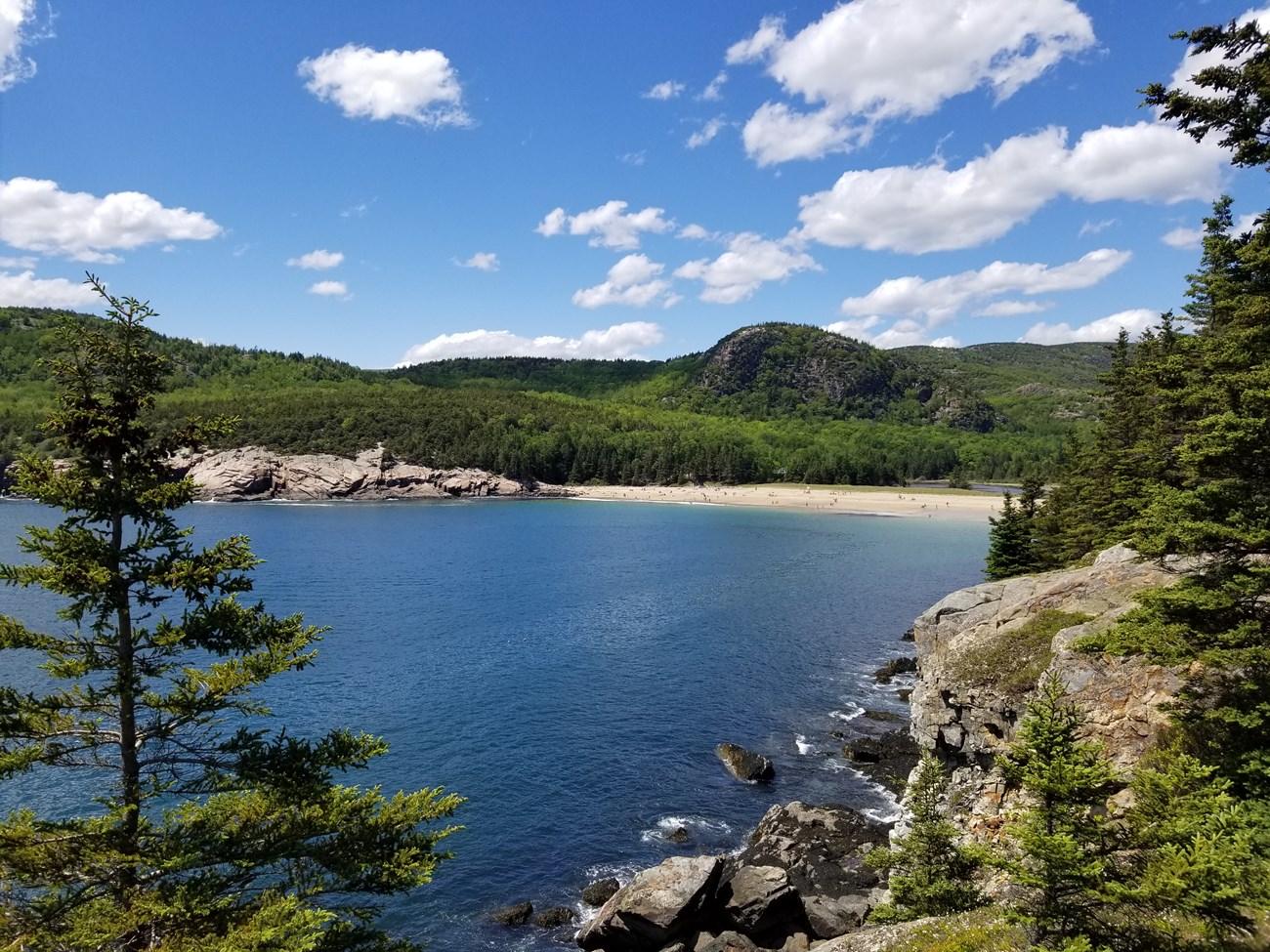 Bar Harbor
, Maine blends Acadia National Park scenery, island heritage, coastal walks, seafood, galleries and year-round New England character.
-
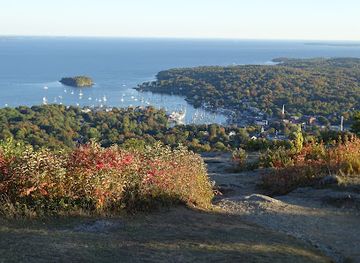
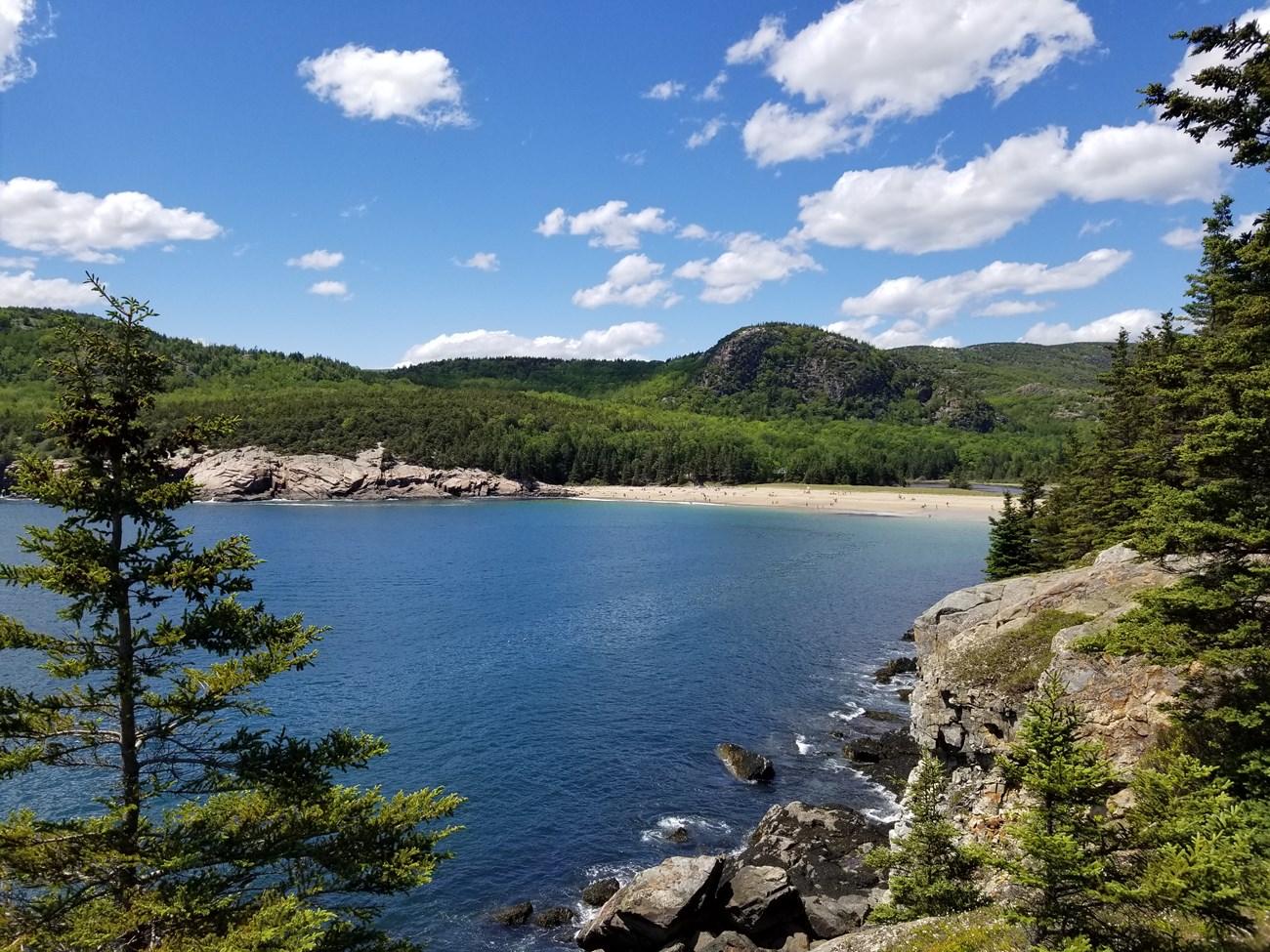 Camden
Discover Camden, Maine: A scenic coastal town offering historic charm, outdoor adventures, and vibrant cultural events, nestled between Camden Hills and Penobscot Bay.
-


Swipe for more cities
Destinations in Downeast
Resorts, valleys and scenic spots worth a trip of their own.

Swipe for more destinations
Best attractions in Downeast
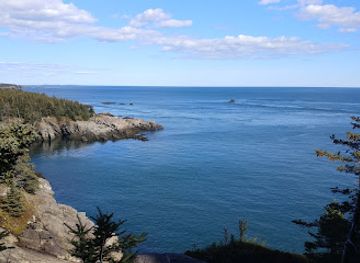
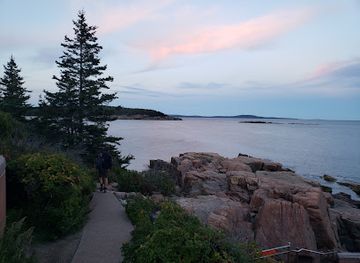
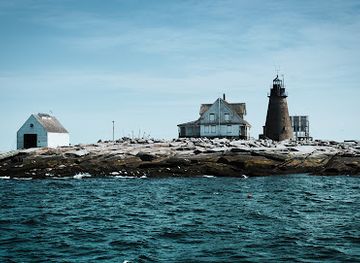
Downeast Maine's attractions range from the mountain-and-sea landscape of Acadia National Park to working harbours and long stretches of lightly developed coast. Mount Desert Island offers granite summits, woodland paths, carriage roads and shoreline viewpoints, while the Schoodic Peninsula provides a more open, wave-exposed section of the park on the mainland. Eastport and Lubec are strong bases for exploring the Bay of Fundy, coastal islands and boat-based wildlife experiences. The Bold Coast around Cutler is known for demanding cliff-top walking and remote scenery, while the Sunrise Trail crosses a quieter inland landscape of forest, lakes and blueberry country. Small museums, maritime collections, galleries, historic forts and lighthouse sites add cultural context in towns such as Ellsworth, Machias and Calais. Visitors can also find sea-kayaking, birdwatching, whale-watching excursions, sailing, cycling and seasonal farm visits. Conditions are highly seasonal, so some activities and rural attractions operate on a limited timetable outside the warmer months.
-
National park
Acadia National Park
Explore Acadia National Park, a stunning blend of rugged coastline, granite peaks, and diverse wildlife, perfect for outdoor adventures and nature lovers.
-
State park
Camden Hills State Park
Discover the breathtaking landscapes and outdoor adventures at Camden Hills State Park, a natural gem on Maine's stunning coastline.
-
State park
Quoddy Head State Park
Discover the breathtaking beauty of Quoddy Head State Park, Maine's easternmost gem, featuring stunning cliffs, diverse wildlife, and a historic lighthouse.
-
State park
Wolfe's Neck Woods State Park
Discover the breathtaking landscapes and serene wildlife of Wolfe's Neck Woods State Park, a perfect destination for nature lovers in Freeport, Maine.

Best landmarks in Downeast
-
Historical landmark
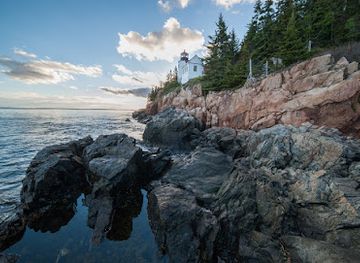
Bass Harbor Head Light Station
Explore the breathtaking beauty and rich history at Bass Harbor Head Light Station, a must-visit lighthouse on Maine's stunning coastline.
-
Scenic spot
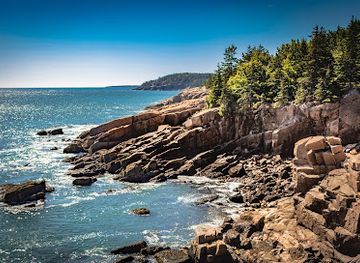
Thunder Hole
Discover the awe-inspiring Thunder Hole in Acadia National Park, where the Atlantic Ocean roars against rocky cliffs, creating a breathtaking natural spectacle.
-
Whale watching tour agency
Bar Harbor Whale Watch Co
Discover the breathtaking beauty of Maine's coastline with Bar Harbor Whale Watch Co, where unforgettable marine adventures await.
-
American
Jordan Pond House Restaurant
Experience breathtaking views and delicious American cuisine at Jordan Pond House, a culinary haven in Acadia National Park.

Explore Downeast on the map
Plan your trip on one map. See where the top cities, national parks and sights are, and book hotels and experiences in a few clicks.
Best hotels in Downeast
Best restaurants in Downeast
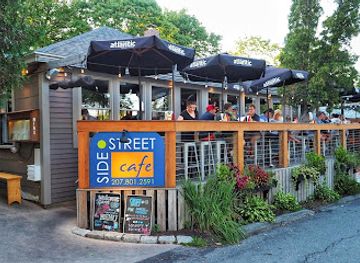
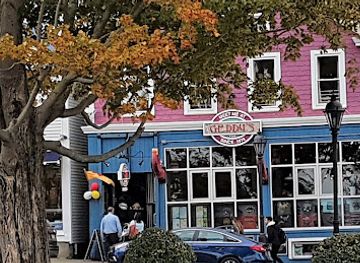
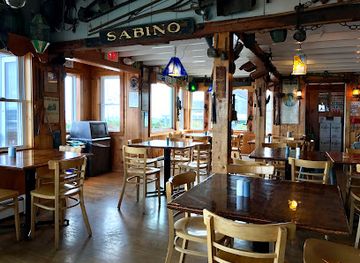
Seafood defines much of Downeast Maine's dining culture, with lobster, clams, mussels, scallops and locally landed fish appearing in lobster pounds, harbour-side shacks, casual cafés and more sophisticated restaurants. Lobster rolls, steamed lobster and fried clams are familiar choices, but menus vary with landings and season rather than following a single regional formula. Wild blueberries are an important eastern Maine crop and appear in pies, muffins, preserves, sauces and drinks, while farm stands supply vegetables, apples, maple products and baked goods. In Bar Harbor and Ellsworth, the dining scene includes international cooking, breweries and restaurants using local ingredients; in smaller coastal communities, options may centre on diners, pubs, seasonal seafood counters and family-run establishments. The best approach is to check current opening arrangements, particularly outside summer, and to regard a working lobster harbour or farmers' market as part of the region's food culture rather than merely a place to buy souvenirs.
-
Cafe
Side Street Cafe
Experience delightful American cuisine at Side Street Cafe in Bar Harbor - perfect for families and adventurers alike.
-
Seafood
Geddy's
Discover the vibrant flavors of Maine at Geddy's - Bar Harbor's top seafood destination offering a delightful dining experience.
-
Seafood
Warren's Lobster House
Discover the essence of New England seafood at Warren's Lobster House in Kittery - where every bite celebrates Maine’s culinary heritage.
-
Seafood
The Lobster Shack at Two Lights
Experience the best of Maine's seafood at The Lobster Shack at Two Lights—fresh lobster rolls and stunning ocean views await you!

Best bars in Downeast
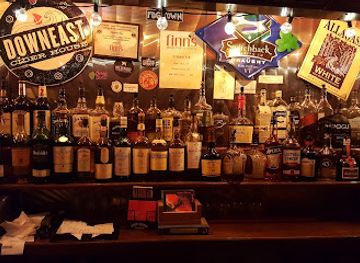
Evening life in Downeast Maine is generally low-key and concentrated in Bar Harbor, Ellsworth, Eastport and a handful of larger coastal communities. Bar Harbor has the broadest selection of pubs, restaurants, breweries and bars, with activity strongly shaped by the summer visitor season. Ellsworth provides a more year-round commercial centre, while Eastport is known for a small-town arts and music atmosphere rather than a large club scene. Across the region, traditional pubs, taprooms, historic inns, casual bars and occasional live-music venues are more characteristic than nightclubs. In rural areas, evenings may finish early and venues can be seasonal, so do not assume late transport or extensive opening hours. Local breweries and craft drinks are part of the contemporary scene, but the region's evening culture also includes galleries, community performances, harbour walks and quiet dinners that do not centre on alcohol.
-
Bar
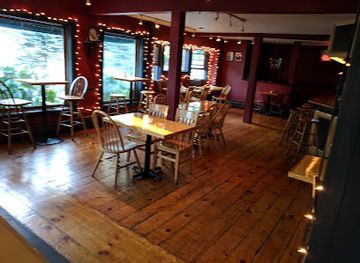
Finn's Irish Pub
Experience the warmth of Irish hospitality at Finn's Irish Pub in Ellsworth, a perfect blend of traditional cuisine and local charm.
-
New American
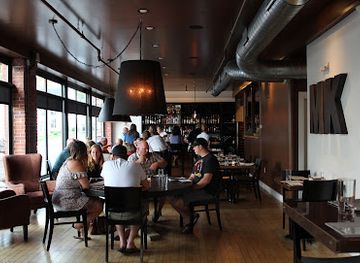
MK Kitchen
Discover MK Kitchen in Gorham, Maine – a culinary gem offering New American cuisine and an inviting atmosphere for every dining occasion.
-
Restaurant
Lompoc Cafe
Experience the vibrant atmosphere of Lompoc Cafe in Bar Harbor, where delicious cuisine meets live music and fun bocce ball for an unforgettable night out.
Best nightclubs in Downeast
Evening life in Downeast Maine is generally low-key and concentrated in Bar Harbor, Ellsworth, Eastport and a handful of larger coastal communities. Bar Harbor has the broadest selection of pubs, restaurants, breweries and bars, with activity strongly shaped by the summer visitor season. Ellsworth provides a more year-round commercial centre, while Eastport is known for a small-town arts and music atmosphere rather than a large club scene. Across the region, traditional pubs, taprooms, historic inns, casual bars and occasional live-music venues are more characteristic than nightclubs. In rural areas, evenings may finish early and venues can be seasonal, so do not assume late transport or extensive opening hours. Local breweries and craft drinks are part of the contemporary scene, but the region's evening culture also includes galleries, community performances, harbour walks and quiet dinners that do not centre on alcohol.
-
Dance club
Flask Lounge
Discover the lively atmosphere of Flask Lounge, your destination for dancing, live music, and unforgettable nightlife in Portland, ME.
-
Lounge
Easy Street Lounge
Discover the relaxed charm of Easy Street Lounge in Hallowell, Maine, where vibrant evenings meet delicious drinks and a welcoming atmosphere.
-
Night club
Maine Street
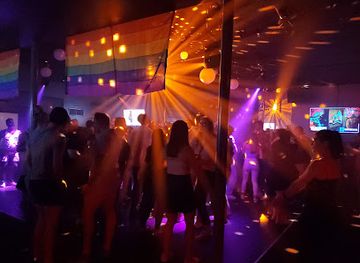
Discover the lively nightlife at Maine Street, Ogunquit's premier night club, where music, laughter, and dancing come together for an unforgettable experience.
-
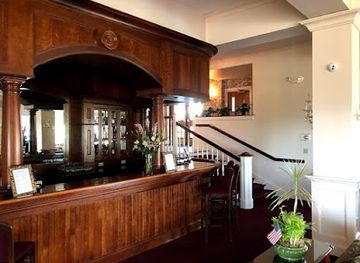
Piano bar
The Great Room Bar at the Bluenose Inn
Experience the enchanting Great Room Bar at the Bluenose Inn, where live piano music meets exquisite cocktails amidst the coastal charm of Bar Harbor.

Best shops in Downeast
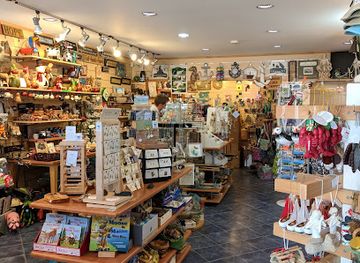
Shopping in Downeast Maine is dispersed among market towns, village centres, galleries, farm stands and seasonal waterfront businesses rather than concentrated in large retail districts. Bar Harbor has the widest selection of clothing, books, outdoor equipment, art, jewellery, food products and souvenirs, while Ellsworth serves as a practical year-round shopping centre. Eastport, Blue Hill, Stonington and other coastal communities are particularly associated with independent galleries, studios, craft shops and locally made work. Look for pottery, paintings, textiles, woodwork, jewellery and products inspired by the sea, but buy from established businesses rather than removing natural materials from protected areas. Regional food gifts include wild blueberry preserves and baked goods, maple products, coffee, small-batch drinks and locally produced seafood items. Farmers' markets and roadside stands are seasonal and may accept cash only, so a little advance planning is useful when travelling through rural Washington County.
-
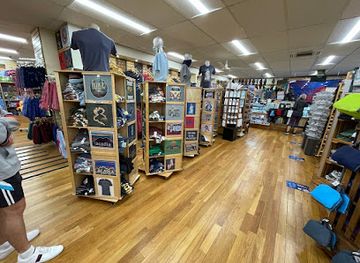
Clothing store
Debbahs
Discover a diverse range of clothing, gifts, and local crafts at Debbahs, a beloved shopping destination in scenic Bar Harbor, Maine.
-
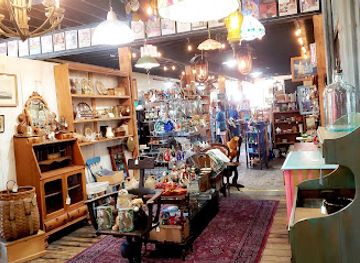
Antique store
1A Relics
Explore a treasure trove of antiques at 1A Relics in Ellsworth, Maine—where history and charm come together in unique vintage finds.
-
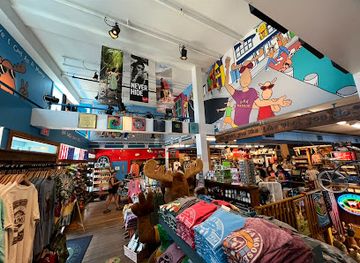
Gift shop
Cool As A Moose
Discover the essence of Bar Harbor at Cool As A Moose, where unique gifts and local treasures await every visitor.
-
Gift shop
Little Village Gifts
Explore Little Village Gifts in Bar Harbor for a unique selection of Maine-themed treasures and local crafts, perfect for souvenirs and gifts.
Get your free copy of our complete guide to Downeast, delivered straight to you.
Everything on this page, from attractions and restaurants to essentials and local phrases, in one PDF you can read offline, print or share.
Already have an account? Sign in
Your Downeast guide is ready.
We'll send it to · Not you? Sign out

Getting your guide ready…
We are putting together a fresh copy of the Downeast guide. This can take up to a minute.
This can take a few moments. If your browser asks, choose Allow so the download can start. You'll find the guide in your Downloads folder.
Nothing happened? Download it again
Sorry, the guide is taking longer than usual. Please try again in a minute, or get it by email instead.
Downeast essentials
Currency and Payment
Safety
Emergency Situations
Do's and Don'ts
Local Tips
From Eve
Local phrases worth knowing
You don't need to get them perfect. A few words go a long way, and locals appreciate the effort.
Basics
| English | Local | Say it |
|---|---|---|
| Hello | Howdy | [Hao-dee] |
| Goodbye | See ya | [See yah] |
| Yes | Sure | [Shur] |
| No | Nah | [Nah] |
| Please/You're welcome | You bet | [Yah bet] |
| Thank you | Thanks a lot | [Thanks uh lot] |
| Excuse me/Sorry | Pardon me | [Par-dun mee] |
| How are you? | How's it going? | [Hows it goin'?] |
| Fine. And you? | Good. And you? | [Good. An' you?] |
| Do you speak English? | You speakin' English? | [You speakin' Ing-lish?] |
| I don't understand | I ain't gettin' it | [I ain't gettin' it] |
Eating & Drinking
| English | Local | Say it |
|---|---|---|
| I'd like to see the menu, please | Can I see the menu? | [Can I see th' menu?] |
| I don't eat meat | I don't do meat | [I don't do meat] |
| Cheers! | Cheers! | [Cheers!] |
| I would like to pay, please | Can I pay now? | [Can I pay now?] |
Emergencies
| English | Local | Say it |
|---|---|---|
| Help! | Help! | [Help!] |
| Go away! | Scram! | [Scram!] |
| Call the Police! | Call the cops! | [Call th' cops!] |
| Call a doctor! | Call a doc! | [Call a doc!] |
| I'm lost | I’m all turned around | [I’m all turned around] |
| I'm ill | I ain't feelin' well | [I ain't feelin' well] |
Shopping
| English | Local | Say it |
|---|---|---|
| I'd like to buy... | I wanna buy... | [I wanna buy...] |
| I'm just looking | Just lookin' | [Just lookin'] |
| How much is it? | What’s the cost? | [What’s the cost?] |
| That's too expensive | That's a bit steep | [That's a bit steep] |
| Can you lower the price? | Can ya knock down the price? | [Can ya knock down th' price?] |
Time & Numbers
| English | Local | Say it |
|---|---|---|
| What time is it? | What time ya got? | [What time ya got?] |
| It's one o'clock | It's one | [It's one] |
| Half past (10) | Half past ten | [Half past ten] |
| Morning | Mornin' | [Mornin'] |
| Afternoon | Afternoon | [Afternoon] |
| Evening | Evenin' | [Evenin'] |
| Yesterday | Yesterday | [Yesterday] |
| Today | Today | [Today] |
| Tomorrow | Tomorrow | [Tomorrow] |
| 1 | One | [One] |
| 2 | Two | [Two] |
| 3 | Three | [Three] |
| 4 | Four | [Four] |
| 5 | Five | [Five] |
| 6 | Six | [Six] |
| 7 | Seven | [Seven] |
| 8 | Eight | [Eight] |
| 9 | Nine | [Nine] |
| 10 | Ten | [Ten] |
Transport & Directions
| English | Local | Say it |
|---|---|---|
| Where's a/the...? | Where's the...? | [Where's th'...?] |
| What's the address? | What's the addy? | [What's th' addy?] |
| Can you show me (on the map)? | Can ya show me on the map? | [Can ya show me on th' map?] |
| When's the next (bus)? | When's the next bus? | [When's th' next bus?] |
| A ticket (to ....) | A ticket to... | [A ticket to...] |
History of Downeast
Wabanaki Homelands Before European Settlement
Downeast Maine lies within the traditional homelands of the Wabanaki peoples, including the Passamaquoddy, Penobscot, Maliseet and Mi'kmaq. Indigenous communities developed extensive knowledge of the region's rivers, islands, forests, tidal waters and seasonal food resources, with travel and exchange linking the coast to the interior. The Passamaquoddy communities around Passamaquoddy Bay remain especially important to the region's present-day cultural geography. Archaeological evidence and living traditions demonstrate that the coast's history began long before European arrival, and visitors should understand Indigenous heritage as continuing rather than belonging only to the past.
European Fisheries and Colonial Rivalries
European fishing, trading and settlement expanded along the Gulf of Maine and Bay of Fundy from the seventeenth century, bringing French and English competition into a region already shaped by Wabanaki diplomacy and resistance. Coastal islands and harbours supported seasonal fisheries, timber cutting and trade, while forts and colonial outposts reflected the strategic importance of the borderlands. Conflict during the colonial wars repeatedly disrupted communities. Although many early settlements were small and precarious, their emphasis on access to sheltered water, forests and fishing grounds established patterns that continued into the nineteenth century.
Statehood, Settlement and Maritime Communities
Maine became a separate US state in 1820, and communities along the eastern coast developed through fishing, shipbuilding, farming, timber and coastal trade. Machias, Eastport, Lubec and other ports gained importance as vessels moved goods and people through the Gulf of Maine and towards Atlantic Canada. Ellsworth grew as a commercial centre at the head of Union River. The region's islands and peninsulas remained strongly maritime, while inland roads and rivers connected sawmills, farms and settlements to the coast.
Lumber, Railways and the Eastern Maine Economy
Nineteenth- and early twentieth-century economic life depended heavily on forests and transport as well as the sea. Timber moved through rivers and ports, and railways helped connect eastern Maine communities with larger markets. The Eastern Maine Railway and related lines served coastal and inland settlements before many passenger and freight routes declined or disappeared. The former railway corridor now associated with the Sunrise Trail preserves part of that transport history while providing a recreational route through Washington County. Timber remains important, although the region's economy has diversified.
Blueberry Barrens and Working Waterfronts
Lowbush wild blueberry fields became a defining agricultural landscape in parts of Washington and Hancock counties. Rather than conventional orchards, these barrens are managed fields of naturally spreading plants, traditionally shaped by pruning and burning practices. Harvesting became an important seasonal industry alongside lobster fishing, clamming, sardine processing and other maritime work. The resulting landscape of open, heath-like fields contrasts with the surrounding spruce forest and remains especially characteristic around Cherryfield, Columbia Falls and nearby communities.
Conservation and the National Park Era
The creation of Acadia National Park, established in 1919 as Sieur de Monts National Monument's successor, transformed the visitor economy of Mount Desert Island and protected a major portion of its mountains, shoreline and woodland. Philanthropy, land donation and landscape planning shaped the park, while John D. Rockefeller Jr.'s carriage-road system became one of its most distinctive features. Conservation efforts later expanded across Downeast Maine through coastal refuges, land trusts and protected working landscapes. Tourism now sits alongside fishing, forestry and agriculture rather than replacing them entirely.
Contemporary Cross-Border and Coastal Identity
Downeast Maine's eastern position has long connected it with Atlantic Canada through trade, family ties and shared maritime conditions, although the international border creates practical limits on everyday movement. The region today balances seasonal tourism with year-round communities, a changing fishing economy, conservation initiatives and renewed interest in local food and craft production. Indigenous sovereignty, access to the coast, housing pressures and the future of working waterfronts remain important contemporary issues. These debates help explain why the region's identity cannot be reduced to scenery or summer tourism.
Downeast in Photos
Browse through our photo collection highlighting the charm and character of the destination.
Neighbouring regions of Downeast
The closest regions to Downeast, if you have time for more than one.
-

-
 Hancock County
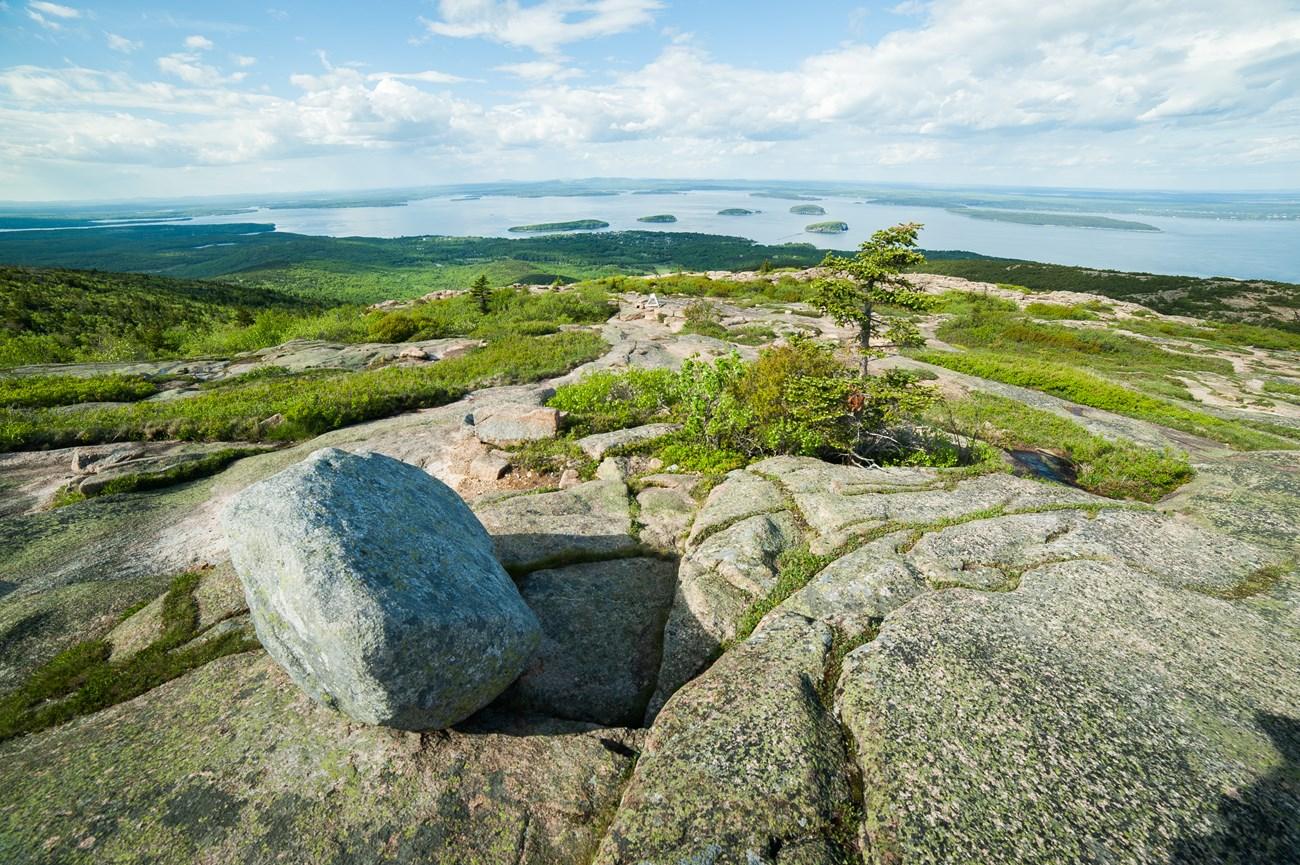
Explore Hancock County’s Acadia landscapes, granite coast, island harbours, maritime history, lobster shacks and distinctive Maine communities.
-

-

-


Swipe for more regions
Explore more

Explore more of Maine
Discover Maine's breathtaking landscapes, charming coastal towns, and rich cultural heritage. From Acadia's cliffs to fresh lobster feasts, Maine promises an unforgettable adventure.
Explore Maine