

Free Bangor Travel Guide & Mobile App
Plan your Bangor trip with Evendo. Get free guides to top attractions, restaurants, hotels, and bars. Web access or download the mobile app.


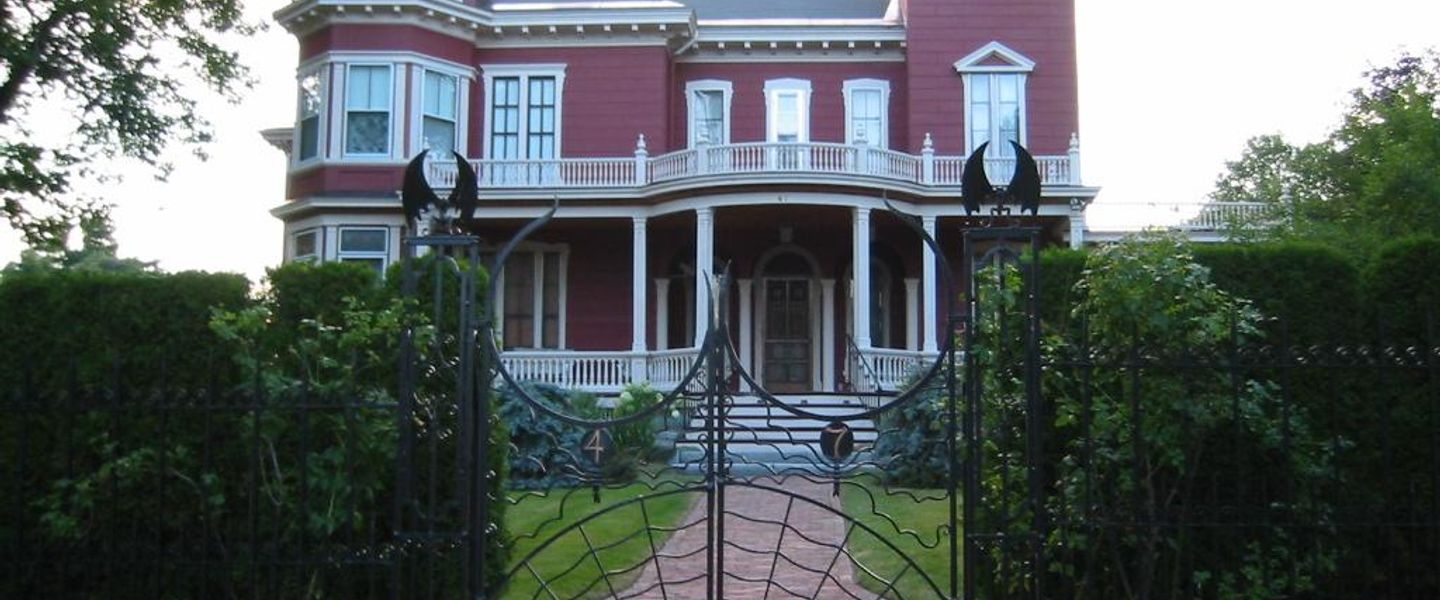


Bangor, Maine, blends Penobscot River scenery, Paul Bunyan lore, historic architecture, live music, museums and easy access to northern New England.
River, Forest and Northern New England
Bangor stands on the west bank of the Penobscot River in central Maine, where a historic lumber port has grown into a compact regional city surrounded by lakes, woodland and working communities. The river remains the defining geographical presence, while downtown streets preserve the scale and architectural confidence created during the nineteenth-century timber boom. Brick commercial buildings, civic institutions and handsome homes reflect the wealth generated when logs travelled downstream from Maine's forests to mills and markets beyond the state.Read more about Bangor
Historic Streets and Local Culture
Waterfront and Woodland
When is the best time to visit Bangor?
Best: June–August · 23–26°C| Month | High (°C) | Rainfall (mm) |
|---|---|---|
| January | -2 | 66 |
| February | -1 | 64 |
| March | 6 | 78 |
| April | 13 | 88 |
| May | 18 | 93 |
| June (best) | 23 | 98 |
| July (best) | 26 | 99 |
| August (best) | 25 | 102 |
| September | 20 | 102 |
| October | 14 | 99 |
| November | 7 | 89 |
| December | 0 | 77 |
Getting to and around Bangor
How to get there
Transportation
Best attractions in Bangor
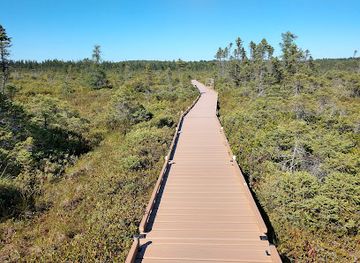
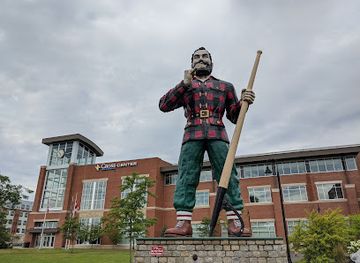
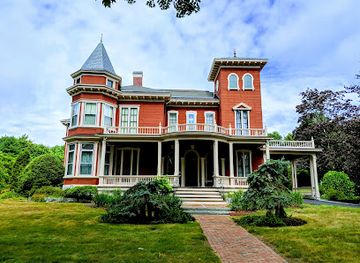
Bangor's attractions bring together river scenery, local history, family learning and Maine folklore. The Maine Discovery Museum offers hands-on science and cultural exhibits for children and families, while the Bangor Historical Society's Thomas A. Hill House introduces the city's nineteenth-century past through a preserved historic home and collections. Along the Penobscot River, the waterfront and Kenduskeag Stream provide open space and views shaped by the city's former lumber economy. The large Paul Bunyan statue at Bass Park reflects the logging mythology associated with Maine, while Mount Hope Cemetery offers landscaped paths, historic graves and an unusual sense of quiet within the city. Downtown performances at the Penobscot Theatre add a contemporary cultural dimension, and Bangor City Forest extends sightseeing into woodland, wetlands and walking trails. Stephen King's former home is visually interesting from the public street, but it remains private property rather than a museum or ordinary visitor attraction.
-
Foundation
The Stephen & Tabitha King Foundation
Discover the Stephen & Tabitha King Foundation in Bangor, ME, where philanthropy meets the legacy of a literary icon, enriching the local community.
10 min drive · 3.4 km from city centre
-
Tourist attraction
Bangor City Forest
Explore Bangor City Forest, a stunning urban park in Maine, featuring trails, wildlife, and serene landscapes perfect for outdoor adventures.
16 min drive · 5.3 km from city centre
-
Tourist attraction
Cascade Park
Discover the beauty and tranquility of Cascade Park in Bangor, ME - a perfect escape for nature lovers and families alike.
13 min drive · 4.2 km from city centre
-
Tourist attraction
Paul Bunyan Statue
Explore the giant Paul Bunyan Statue in Bangor, Maine, a monumental tribute to American folklore and the logging industry.
15 min drive · 4.9 km from city centre
Best landmarks in Bangor
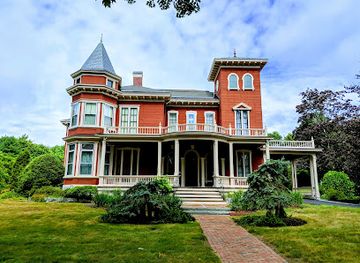
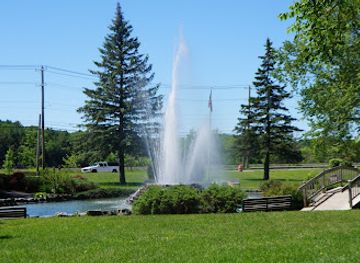
Bangor's landmarks preserve the story of a river city built on timber, commerce and civic ambition. The Thomas A. Hill House, headquarters of the Bangor Historical Society, represents the prosperous nineteenth-century period when lumber wealth shaped the city centre. The Bangor Public Library is a major civic building and an enduring institution on Harlow Street, while the Penobscot Theatre occupies a prominent downtown setting for the city's performing arts. At Bass Park, the Paul Bunyan statue turns a figure from logging folklore into one of Bangor's most recognisable public symbols. Mount Hope Cemetery, established in the nineteenth century, is notable for its landscaped setting and historic memorials. The Penobscot River waterfront and Kenduskeag Stream are landmarks of geography as much as architecture, recalling the waterways that made Bangor a major lumber port.
-
Casino
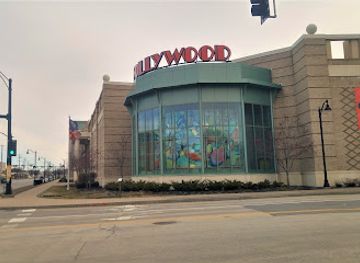
Hollywood Casino Hotel & Raceway Bangor
Discover the excitement at Hollywood Casino Hotel & Raceway Bangor, where gaming, entertainment, and dining come together for an unforgettable experience.
15 min drive · 5.0 km from city centre
-
Foundation
The Stephen & Tabitha King Foundation
Discover the philanthropic legacy of Stephen and Tabitha King at their foundation in Bangor, Maine, where literature meets community support.
10 min drive · 3.4 km from city centre
-
Irish pub
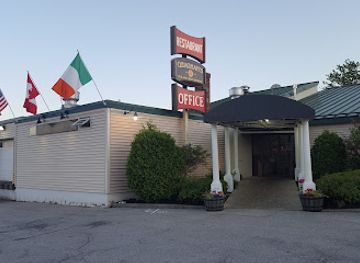
Geaghan's Pub & Craft Brewery
Discover a slice of Ireland in Bangor, ME at Geaghan's Pub & Craft Brewery, where hearty dishes and craft brews create unforgettable experiences.
16 min drive · 5.2 km from city centre
-
Irish pub
Paddy Murphys
Discover the heart of Irish hospitality at Paddy Murphys, a vibrant pub in Bangor, Maine, offering delicious food, drinks, and live music.
11 min drive · 3.8 km from city centre
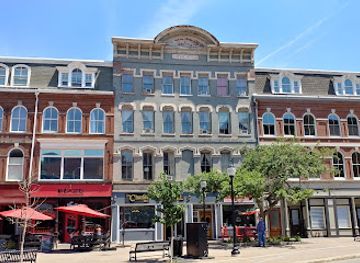
Explore Bangor on the map
Plan your Bangor trip on one map. See where the top attractions, landmarks, restaurants, bars and hotels are, find what's near where you're staying, and book hotels and experiences in a few clicks.
Best hotels in Bangor
Best restaurants in Bangor
Bangor's dining scene reflects central Maine's position between the coast, forest and agricultural interior. Seafood, chowders, haddock, lobster and locally sourced produce appear alongside the hearty pub cooking associated with northern New England, while Maine blueberries feature in seasonal baking and desserts. Downtown Main Street and the surrounding streets contain the greatest concentration of independent restaurants, cafés, bars and casual eateries, making the area convenient for a meal before a theatre performance or waterfront event. Local breweries and pubs add burgers, sandwiches and regional comfort food to the choice, while bakeries and coffee shops provide informal daytime stops. Bangor is not a single-dish destination: its food culture is shaped by Maine ingredients, a working-city sensibility and the movement of people through a regional service centre. Menus and individual businesses change, so current opening information is worth checking.
-
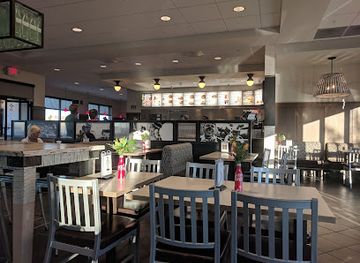
Fast Food
Chick-fil-A
Experience delicious chicken sandwiches and warm service at Chick-fil-A in Bangor – perfect for families seeking comfort food.
9 min drive · 3.0 km from city centre
-
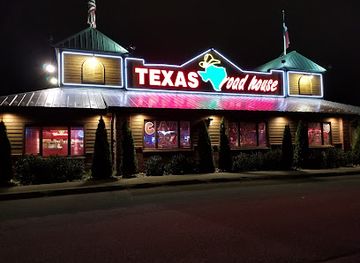
Steak
Texas Roadhouse
Experience the heart of American dining at Texas Roadhouse in Bangor - where legendary steaks meet southern hospitality.
8 min drive · 2.8 km from city centre
-
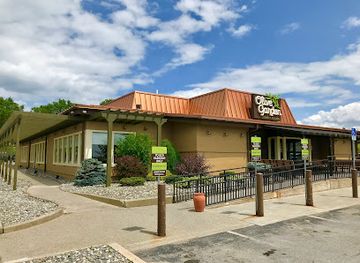
Italian
Olive Garden Italian Restaurant
Savor authentic Italian cuisine at Olive Garden in Bangor - perfect for families and food lovers alike!
12 min drive · 3.9 km from city centre
-
Mexican
Las Palapas Mexican Restaurant
Experience vibrant dining at Las Palapas Mexican Restaurant in Bangor – where authentic flavors meet warm hospitality!
11 min drive · 3.8 km from city centre
Best bars in Bangor
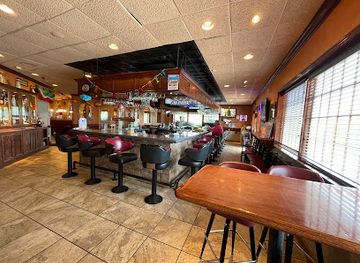
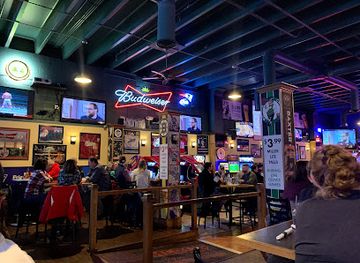
Bangor's evening life is centred more on pubs, breweries, live performance and seasonal concerts than on a large nightclub scene. Downtown streets around Main Street and State Street offer bars, taverns and casual places for local beer, cocktails and conversation, while established entertainment venues provide theatre and music in a more formal setting. The Penobscot Theatre presents stage productions in the city centre, and the Maine Savings Amphitheater hosts major outdoor concerts on the riverfront during the warmer months. Waterfront events can make the central area especially busy, whereas winter evenings tend to be quieter and more locally focused. Bangor's nightlife suits visitors looking for live music, a pub atmosphere or a scheduled cultural performance rather than an all-night club district; alcohol-service rules and venue access follow Maine law and individual policies.
-
Grill
Timber Kitchen & Bar
Experience the best of Bangor, Maine at Timber Kitchen & Bar, where local ingredients meet culinary creativity in a cozy setting.
15 min drive · 5.0 km from city centre
-
Irish pub
Geaghan's Pub & Craft Brewery
Discover the heart of Bangor's Irish culture at Geaghan's Pub & Craft Brewery, where local brews and traditional dishes meet in a vibrant atmosphere.
16 min drive · 5.2 km from city centre
-
Irish pub
Paddy Murphys
Discover the charm of Ireland at Paddy Murphys, Bangor's premier Irish pub offering authentic cuisine and lively entertainment in a welcoming atmosphere.
11 min drive · 3.8 km from city centre
-
Sports bar
Hero's Sports Grill & Entertainment Center
Experience the thrill of sports at Hero's Sports Grill & Entertainment Center in Bangor, where great food, drinks, and fun await sports enthusiasts.
12 min drive · 4.1 km from city centre
Best nightclubs in Bangor
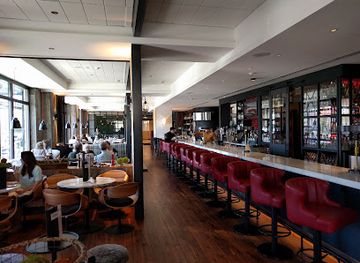
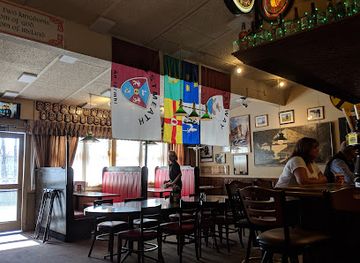
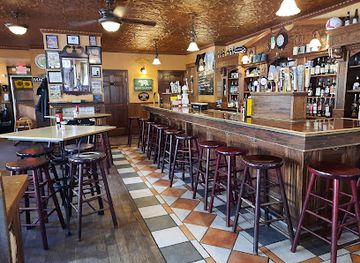
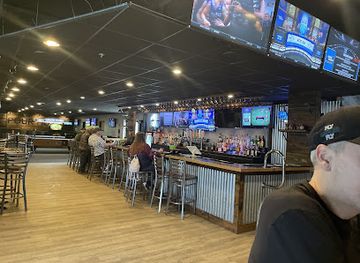
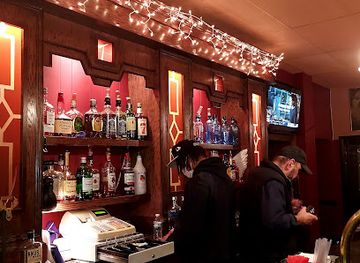
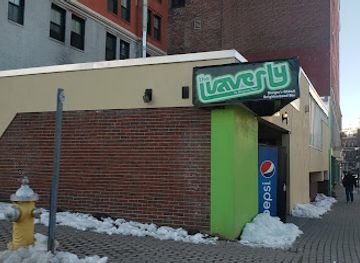
Bangor's evening life is centred more on pubs, breweries, live performance and seasonal concerts than on a large nightclub scene. Downtown streets around Main Street and State Street offer bars, taverns and casual places for local beer, cocktails and conversation, while established entertainment venues provide theatre and music in a more formal setting. The Penobscot Theatre presents stage productions in the city centre, and the Maine Savings Amphitheater hosts major outdoor concerts on the riverfront during the warmer months. Waterfront events can make the central area especially busy, whereas winter evenings tend to be quieter and more locally focused. Bangor's nightlife suits visitors looking for live music, a pub atmosphere or a scheduled cultural performance rather than an all-night club district; alcohol-service rules and venue access follow Maine law and individual policies.
-
Bar
Penobscot Pour House
Experience the vibrant nightlife at Penobscot Pour House in Bangor, Maine, with craft drinks, delicious food, and local entertainment.
14 min drive · 4.7 km from city centre
-
Bar
The Tavern
Experience the welcoming atmosphere of The Tavern in Bangor, where local brews and karaoke nights create unforgettable memories.
12 min drive · 4.0 km from city centre
-
Bar
The New Waverly
Discover The New Waverly in Bangor, Maine – a lively bar and restaurant offering a delightful mix of local flavors and vibrant nightlife.
12 min drive · 3.9 km from city centre
-
Bar
Happy Endings
Experience the vibrant nightlife and cozy atmosphere at Happy Endings, Bangor's premier bar for locals and tourists alike.
11 min drive · 3.8 km from city centre
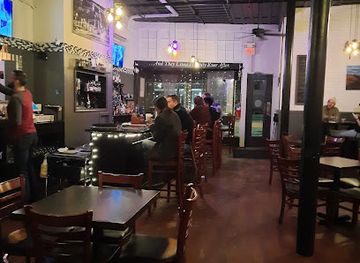
Best shops in Bangor
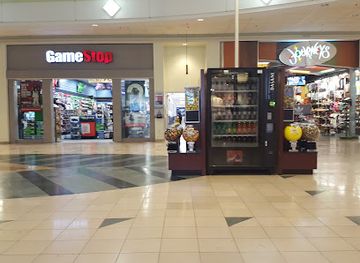
Shopping in Bangor combines an independent downtown with larger suburban retail areas. Main Street and nearby Exchange Street contain locally owned shops, cafés, galleries and service businesses in buildings that retain the scale of the historic commercial district, while the Bangor Mall area provides a more conventional concentration of national retailers. Visitors looking for Maine-related gifts can find regional food products, craft goods, outdoor equipment, books and items connected with local history, although stock varies between businesses. The city's connection with timber, the outdoors and the Penobscot River is often reflected in locally made art and practical goods rather than in a single signature craft tradition. Downtown is the more atmospheric area for browsing historic streets and independent retailers; larger shopping zones are more convenient for practical purchases and are generally easier to reach by car.
-
Shopping mall
Bangor Mall
Explore Bangor Mall, Maine's premier shopping destination, offering diverse retail options, delightful dining, and a vibrant atmosphere for all ages.
10 min drive · 3.3 km from city centre
-
Mattress store
Furniture, Mattress And More
Discover unparalleled comfort and style at Furniture, Mattress And More in Bangor, ME – your ultimate destination for quality mattresses and furniture.
10 min drive · 3.3 km from city centre
-
Gift shop
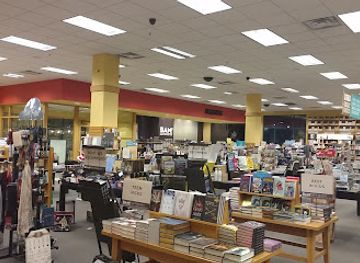
Books-A-Million
Explore the enchanting world of books, collectibles, and gifts at Bangor's beloved Books-A-Million.
11 min drive · 3.5 km from city centre
-
Shopping mall
Airport Mall
Discover unique boutiques and fashion finds at Airport Mall in Bangor, a must-visit shopping destination for all travelers.
6 min drive · 2.1 km from city centre

Get your free copy of our complete guide to Bangor, delivered straight to you.
Everything on this page, from attractions and restaurants to essentials and local phrases, in one PDF you can read offline, print or share.
Already have an account? Sign in
Your Bangor guide is ready.
We'll send it to · Not you? Sign out

Getting your guide ready…
We are putting together a fresh copy of the Bangor guide. This can take up to a minute.
This can take a few moments. If your browser asks, choose Allow so the download can start. You'll find the guide in your Downloads folder.
Nothing happened? Download it again
Sorry, the guide is taking longer than usual. Please try again in a minute, or get it by email instead.
Bangor essentials
Currency and Payment
Safety
Emergency Situations
Do's and Don'ts
Local Tips
From Eve
Local phrases worth knowing
You don't need to get them perfect. A few words go a long way, and locals appreciate the effort.
Basics
| English | Local | Say it |
|---|---|---|
| Hello | Hey | [hey] |
| Goodbye | See ya | [see ya] |
| Yes | Yup | [yup] |
| No | Nah | [nah] |
| Please/You're welcome | Please/You're welcome | [please/you're welcome] |
| Thank you | Thanks | [thanks] |
| Excuse me/Sorry | Excuse me/Sorry | [excuse me/sorry] |
| How are you? | How's it goin'? | [how's it goin'] |
| Fine. And you? | Good. How 'bout you? | [good. how 'bout you?] |
| Do you speak English? | Ya speak English? | [ya speak english?] |
| I don't understand | I don't get it | [i don't get it] |
Eating & Drinking
| English | Local | Say it |
|---|---|---|
| I'd like to see the menu, please | Can I see the menu? | [can i see the menu?] |
| I don't eat meat | I don't eat meat | [i don't eat meat] |
| Cheers! | Cheers! | [cheers] |
| I would like to pay, please | Can I pay, please | [can i pay, please] |
Emergencies
| English | Local | Say it |
|---|---|---|
| Help! | Help! | [help!] |
| Go away! | Get lost! | [get lost!] |
| Call the Police! | Call the cops! | [call the cops!] |
| Call a doctor! | Get a doctor! | [get a doctor!] |
| I'm lost | I'm lost | [i'm lost] |
| I'm ill | I'm sick | [i'm sick] |
Shopping
| English | Local | Say it |
|---|---|---|
| I'd like to buy... | I wanna buy... | [i wanna buy...] |
| I'm just looking | Just lookin' | [just lookin'] |
| How much is it? | How much? | [how much?] |
| That's too expensive | Too pricey | [too pricey] |
| Can you lower the price? | Can ya lower it? | [can ya lower it?] |
Time & Numbers
| English | Local | Say it |
|---|---|---|
| What time is it? | What time is it? | [what time is it?] |
| It's one o'clock | It's one | [it's one] |
| Half past (10) | Half past ten | [half past ten] |
| Morning | Morning | [morning] |
| Afternoon | Afternoon | [afternoon] |
| Evening | Evening | [evening] |
| Yesterday | Yesterday | [yesterday] |
| Today | Today | [today] |
| Tomorrow | Tomorrow | [tomorrow] |
| 1 | One | [one] |
| 2 | Two | [two] |
| 3 | Three | [three] |
| 4 | Four | [four] |
| 5 | Five | [five] |
| 6 | Six | [six] |
| 7 | Seven | [seven] |
| 8 | Eight | [eight] |
| 9 | Nine | [nine] |
| 10 | Ten | [ten] |
Transport & Directions
| English | Local | Say it |
|---|---|---|
| Where's a/the...? | Where's the...? | [where's the...?] |
| What's the address? | What's the address? | [what's the address?] |
| Can you show me (on the map)? | Show me on the map? | [show me on the map?] |
| When's the next (bus)? | When's the next bus? | [when's the next bus?] |
| A ticket (to ....) | A ticket to ... | [a ticket to ...] |
History of Bangor
Penobscot Homeland and Early Settlement
The Bangor area lies within the homeland of the Penobscot people, part of the Wabanaki Confederacy whose communities have long been connected with the river and its tributaries. English settlement developed in the eighteenth century around the Kenduskeag Stream, a waterway that enters the Penobscot at the present city centre. Jacob Buswell is commonly associated with the first permanent English settlement in 1769, when the community was known as Kenduskeag Plantation. The river offered transport, fish and access to inland timber, but colonial expansion also brought the dispossession and disruption experienced by Indigenous communities across New England. Bangor's later history cannot be separated from the Penobscot River, which shaped both its economy and its relationship with the Penobscot Nation.
Incorporation and a River Port
Kenduskeag Plantation developed into the town of Bangor, incorporated in 1834. Its position below the navigable stretches of the Penobscot made it an important point for transferring timber from the interior to seagoing vessels and larger coastal markets. Steamboats, shipbuilding and river commerce helped establish the city as a commercial centre for northern and central Maine. The growing town acquired churches, schools, banks and substantial residences, many of which expressed the confidence of merchants and lumber entrepreneurs. Streets around downtown and the river still reveal the urban framework created during this period, even though the industries that originally financed it have largely disappeared.
The Lumber Boom
During the nineteenth century, Bangor became one of North America's major lumber ports. Logs harvested in the Penobscot watershed were floated downstream in log drives, sorted in the river and processed or shipped from the city. Sawmills, shipyards, warehouses and associated trades brought workers and investment, while Bangor merchants connected the forest economy with markets along the Atlantic coast and beyond. The boom also accelerated immigration, civic development and the construction of an imposing commercial centre. Environmental costs were substantial: intensive logging altered forests and waterways, and industrial activity transformed the riverfront. The city's historic identity as the 'Lumber Capital of the World' reflects this era, although the slogan should be understood as a product of nineteenth-century commercial ambition rather than a description of the modern economy.
Fire, Reconstruction and Civic Growth
A major fire swept through central Bangor in April 1911, destroying a large part of the commercial district. Reconstruction reshaped the city centre, leaving a mixture of surviving nineteenth-century buildings and early twentieth-century structures. The disaster marked a transition from the era when timber dominated Bangor's fortunes towards a more diversified role as a service, retail and administrative centre for the region. Civic institutions, schools and cultural organisations continued to expand, while the river remained important for transport and industry even as rail and road connections became increasingly influential. The rebuilt streetscape accounts for much of the architectural contrast visible downtown today.
A Modern Regional Centre
In the twentieth and twenty-first centuries, Bangor developed as a regional centre for healthcare, education, retail, entertainment and government services in central and northern Maine. The Penobscot River waterfront shifted from an industrial working landscape towards public events, recreation and concert programming, while preserved buildings and museums interpreted the city's earlier history. Bangor's cultural reputation also became linked to author Stephen King, who lived in the city and used its atmosphere and geography as inspiration for fictional settings; the relationship is literary and personal rather than an indication that his imagined towns are literal versions of Bangor. Today, the city combines a historic downtown with suburban districts, woodland and river access.
Bangor in Photos
Browse through our photo collection highlighting the charm and character of the destination.
Cities near Bangor
The closest cities to Bangor, if you have time for more than one stop.
-
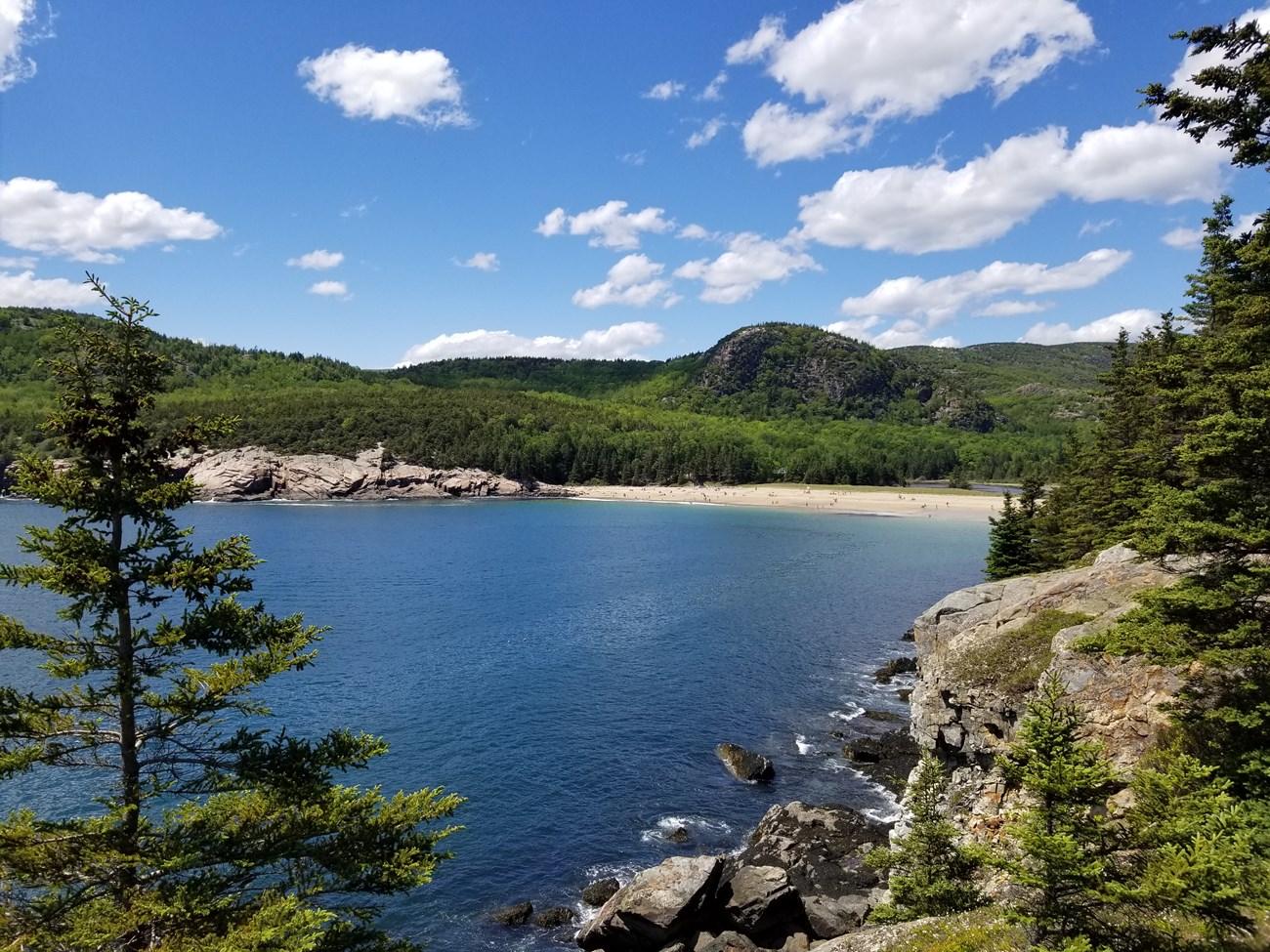 Bar Harbor
, Maine blends Acadia National Park scenery, island heritage, coastal walks, seafood, galleries and year-round New England character.
1 h 28 min drive · 68 km from city centre
Bar Harbor
Bar Harbor, Maine blends Acadia National Park scenery, island heritage, coastal walks, seafood, galleries and year-round New England character.
1 h 28 min drive · 68 km from city centre
-

-
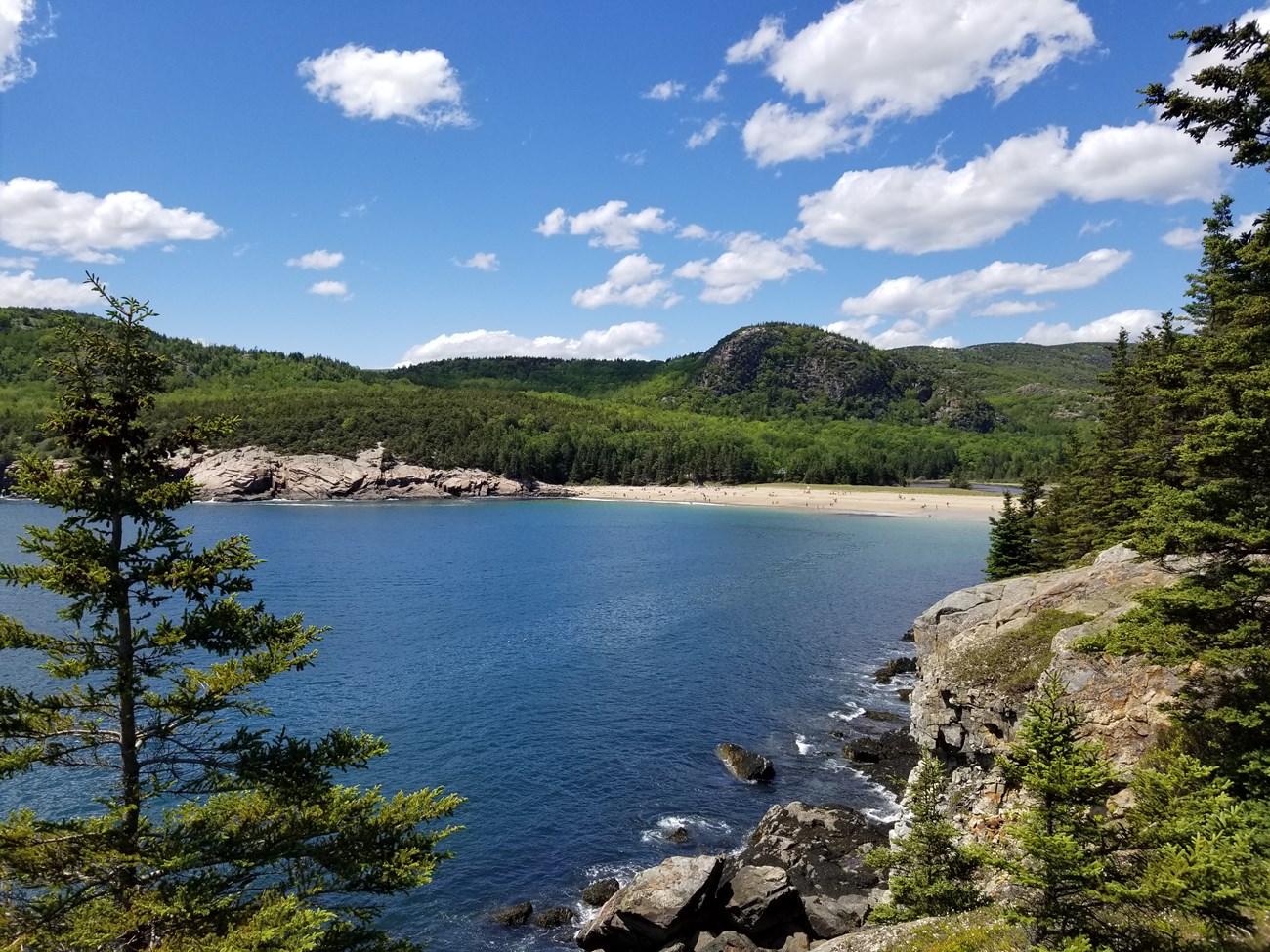 Camden
Discover Camden, Maine: A scenic coastal town offering historic charm, outdoor adventures, and vibrant cultural events, nestled between Camden Hills and Penobscot Bay.
1 h 33 min drive · 73 km from city centre
Camden
Discover Camden, Maine: A scenic coastal town offering historic charm, outdoor adventures, and vibrant cultural events, nestled between Camden Hills and Penobscot Bay.
1 h 33 min drive · 73 km from city centre
-

-


Swipe for more cities
Explore more

Explore more of Maine
Discover Maine's breathtaking landscapes, charming coastal towns, and rich cultural heritage. From Acadia's cliffs to fresh lobster feasts, Maine promises an unforgettable adventure.
Explore Maine