

Free Penobscot County Travel Guide & Mobile App
Explore Penobscot County with free travel guides. Discover regional history, expert tips, proposed trips, and audio guides on web or mobile app.


Penobscot County pairs Bangor’s culture with Wabanaki heritage, river towns, working-forest history and outdoor adventure in northern Maine.
Read more about Penobscot County
Getting to and around Penobscot County
How to get there
Transportation
Top city travel guides in Penobscot County
The cities of Penobscot County, and the easiest places to base yourself.

Swipe for more cities
Destinations in Penobscot County
Resorts, valleys and scenic spots worth a trip of their own.
-

-

-


Swipe for more destinations
Best attractions in Penobscot County
Penobscot County’s attractions range from urban museums and historic streets to remote forest landscapes. In Bangor, the Maine Discovery Museum provides family-oriented science and learning exhibits, while the Cole Land Transportation Museum explores the machinery, vehicles and transport history of Maine. The city’s historic districts, cultural venues and riverfront setting are best combined with a walk through downtown. In Orono, the University of Maine contributes museums and collections, including the Hudson Museum’s emphasis on Indigenous cultures and global anthropology. Old Town offers access to Penobscot Nation heritage on Indian Island, with the Penobscot Nation Museum providing important cultural context. Farther north, Millinocket and East Millinocket tell the story of forestry and paper production, while Katahdin Woods and Waters National Monument offers canoeing, walking, wildlife watching, scenic drives and dark-sky landscapes. Lakes, rivers and extensive forest roads support fishing, paddling, snowmobiling and cross-country skiing, though facilities become increasingly self-directed away from the main towns. The county’s attraction landscape is defined less by a single marquee sight than by the contrast between a cultured river city, university communities and a large working forest.
-
Tourist attraction
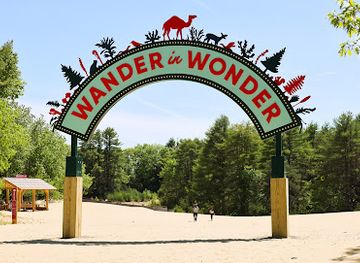
Desert of Maine
Explore the enchanting Desert of Maine, a unique tourist attraction featuring vast sandy landscapes, mini-golf, and fascinating history.
-
State park
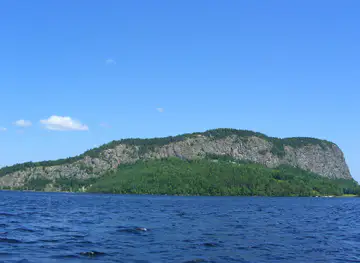
Moose Point State Park
Explore the stunning landscapes and serene atmosphere of Moose Point State Park, a natural gem on the Maine coastline perfect for outdoor enthusiasts.
-
Racecourse
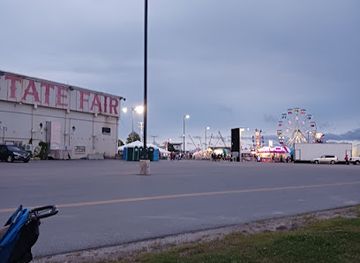
Bass Park
Discover the exhilarating races and serene beauty of Bass Park, Bangor's premier outdoor destination for tourists seeking adventure and relaxation.
-
Tourist attraction
Blacksmith Shop Museum
Explore the heritage of blacksmithing at the Blacksmith Shop Museum in Dover-Foxcroft, Maine, where history and craftsmanship come alive.


Best landmarks in Penobscot County
The Penobscot River is Penobscot County’s principal natural and historical landmark, linking Indigenous homeland, river transport, hydroelectric sites, lumber commerce and the communities of Old Town, Orono, Bangor and Brewer. In Bangor, the downtown historic district and surviving nineteenth-century commercial and residential buildings embody the prosperity created by the lumber trade, while the Paul Bunyan statue reflects the region’s later popular memory of logging culture. Old Town’s river islands and falls are inseparable from the history of the Penobscot Nation and the town’s industrial development. Orono’s historic university setting and river landscapes provide another distinctive expression of the corridor. In the north, the wide forest vistas, waterways and rugged access roads of Katahdin Woods and Waters National Monument form a landmark landscape rather than a single structure. Millinocket’s position beneath the broader Katahdin region gives it a powerful visual association with Maine’s highest mountain, although Mount Katahdin itself lies outside the county in Piscataquis County. Together, these places show how water, forest, industry and Indigenous continuity have shaped the county’s identity.
-
National park
Acadia National Park
Explore Acadia National Park’s breathtaking landscapes, diverse wildlife, and rich cultural history in the heart of Maine’s coastal beauty.
-
Historical landmark
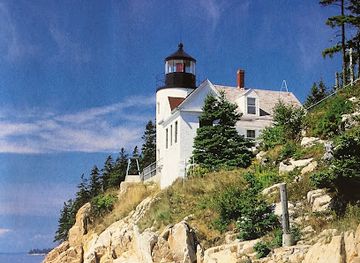
Bass Harbor Head Light Station
Discover the historic Bass Harbor Head Light Station, a stunning lighthouse offering breathtaking views and a rich maritime heritage in Maine's Acadia National Park.
-
State park
Fort Knox and Penobscot Narrows Observatory
Explore the historic charm and stunning vistas of Fort Knox and Penobscot Narrows Observatory, a top tourist attraction in Maine.
-
Historical place
Fort McClary State Historic Site
Discover the rich history and scenic beauty of Fort McClary State Historic Site in Kittery Point, Maine – a must-visit for history lovers and nature enthusiasts alike.



Explore Penobscot County on the map
Plan your trip on one map. See where the top cities, national parks and sights are, and book hotels and experiences in a few clicks.
Best hotels in Penobscot County
Best restaurants in Penobscot County
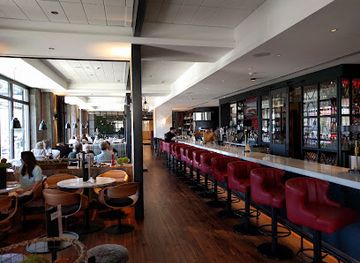
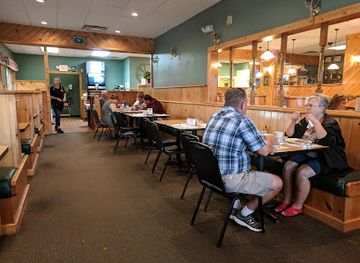
Dining in Penobscot County reflects both Bangor’s role as a regional centre and the practical food culture of northern Maine. Bangor, Brewer, Orono and Old Town have the widest choice, including cafés, breweries, pizzerias, international cooking and contemporary restaurants, while smaller communities tend towards diners, family restaurants, pubs and substantial meals suited to outdoor work and recreation. Maine seafood appears well inland, alongside burgers, chowders, baked goods and locally produced beer. Wild blueberries, potatoes, maple products and apples are important regional ingredients, although availability is seasonal and menus vary. Farm stands and small producers are useful for provisions on road trips, particularly when travelling towards the northern forests. In Millinocket, Lincoln and other rural centres, opening patterns can be more limited than in Bangor, so visitors should plan meals and fuel rather than assume late-night options. The county’s dining identity is best understood through its combination of Maine produce, river-town hospitality, university influence and food designed for a long day outdoors.
-
Grill
Timber Kitchen & Bar
Discover the flavors of Maine at Timber Kitchen & Bar, where locally sourced ingredients meet exceptional dining in Bangor.
-
Seafood
Eagles Nest Restaurant
Experience the best seafood at Eagles Nest Restaurant in Brewer, Maine—where local flavors meet welcoming ambiance.
-
Family-friendly
The Coach House Restaurant
Discover The Coach House Restaurant in Brewer, ME: A cozy family-friendly spot known for delicious breakfasts and welcoming service.
-
American
Governor's Restaurant & Bakery
Discover the flavors of Maine at Governor's Restaurant & Bakery - your go-to spot for delicious breakfasts and delightful desserts.


Best bars in Penobscot County
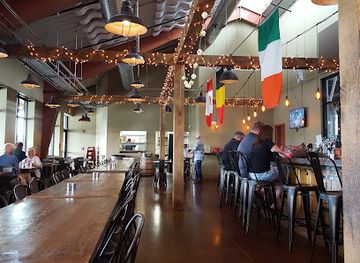
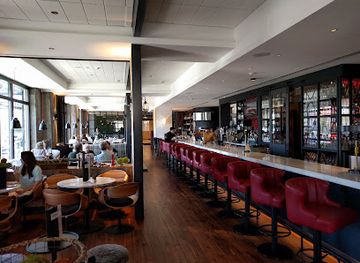
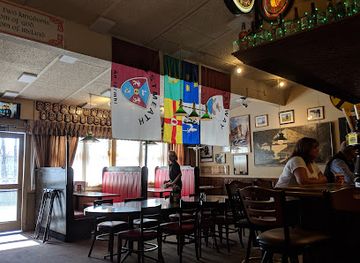
Nightlife is concentrated in Bangor, Orono and, to a lesser extent, Old Town, where visitors find traditional pubs, breweries, casual bars, live music and restaurants that stay open later than businesses in the northern communities. Orono’s university population gives its evening scene a younger character during the academic year, while Bangor provides the county’s broadest selection of performances, drinks and cultural events. Breweries and taprooms offer locally made beer in a relaxed setting, but alcohol is not the only focus: theatres, concerts and seasonal community programmes also shape the evening calendar. In Millinocket, Lincoln, Patten and smaller towns, nightlife is generally centred on local pubs, restaurants and community events rather than a large club scene. Rural distances, winter conditions and limited taxi availability make it important to arrange a safe return journey in advance. Opening arrangements and events change, so check locally rather than relying on outdated listings.
-
Brewery
Mason's Brewing Company
Discover Mason's Brewing Company: A Craft Brewery and Restaurant in Brewer, Maine, Offering Unique Brews and Culinary Delights.
-
Grill
Timber Kitchen & Bar
Experience the vibrant flavors and welcoming atmosphere of Timber Kitchen & Bar - a top dining destination in Bangor, Maine.
-
Irish pub
Geaghan's Pub & Craft Brewery
Discover the charm of Geaghan's Pub & Craft Brewery in Bangor, Maine, where authentic Irish hospitality meets craft brewing excellence.
-
Seafood
High Tide Restaurant and Bar
Experience the best seafood in Brewer, Maine, at High Tide Restaurant and Bar, where fresh flavors meet a vibrant atmosphere.

Best nightclubs in Penobscot County
Nightlife is concentrated in Bangor, Orono and, to a lesser extent, Old Town, where visitors find traditional pubs, breweries, casual bars, live music and restaurants that stay open later than businesses in the northern communities. Orono’s university population gives its evening scene a younger character during the academic year, while Bangor provides the county’s broadest selection of performances, drinks and cultural events. Breweries and taprooms offer locally made beer in a relaxed setting, but alcohol is not the only focus: theatres, concerts and seasonal community programmes also shape the evening calendar. In Millinocket, Lincoln, Patten and smaller towns, nightlife is generally centred on local pubs, restaurants and community events rather than a large club scene. Rural distances, winter conditions and limited taxi availability make it important to arrange a safe return journey in advance. Opening arrangements and events change, so check locally rather than relying on outdated listings.
-
Party equipment rental service
PortahParty Inflatable Nightclub Experience
Discover the ultimate party experience at the PortahParty Inflatable Nightclub, where safety meets fun in an extraordinary inflatable setting.
-
Night club
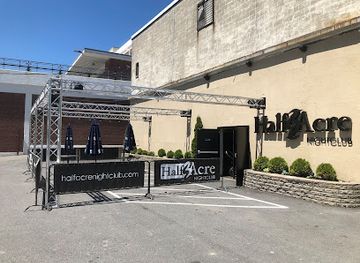
Half Acre Nightclub
Dive into Bangor's nightlife at Half Acre Nightclub, where music, dance, and a vibrant atmosphere create unforgettable memories.

Best shops in Penobscot County
Bangor is Penobscot County’s main shopping centre, with a mixture of independent shops, bookshops, galleries, practical outdoor retailers and larger commercial areas serving the wider region. Downtown Bangor is better suited to browsing local businesses and historic streets than to luxury shopping, while nearby commercial districts provide everyday goods and specialist equipment. Orono and Old Town have a smaller, more locally focused retail scene influenced by the university and nearby communities. In the northern towns, shopping is primarily practical: visitors will find provisions, outdoor supplies, hardware and locally made goods rather than extensive retail choice. Farm stands, seasonal markets and independent food producers are good places to look for Maine wild blueberry products, maple goods, preserves, baked items and other regional foods. Crafts, artwork and books connected with Wabanaki culture should be purchased through reputable cultural institutions or artists, with attention to provenance and respectful representation. Stock up in Bangor or another larger town before travelling into remote forest districts, where shops and services are widely scattered.
-
Discount store
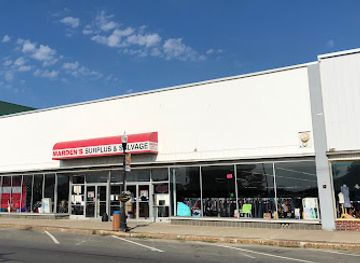
Marden's
Uncover great deals at Marden's, the ultimate discount store in Lincoln, Maine, where savings and variety come together for all shoppers.
-
Gift shop
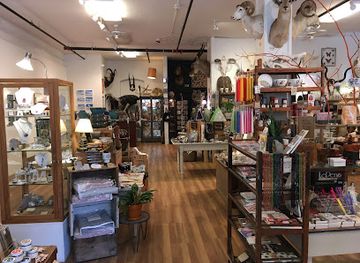
The Rock and Art Shop
Explore the enchanting Rock and Art Shop in Bangor, Maine, where unique gifts and local artistry come together in a captivating experience.
-
Gift shop
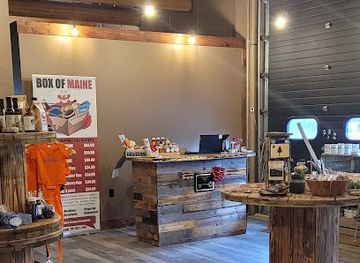
Box of Maine
Explore the heart of Maine at Box of Maine, offering unique gifts and local treasures that encapsulate the spirit of this beautiful state.
-
Antique store
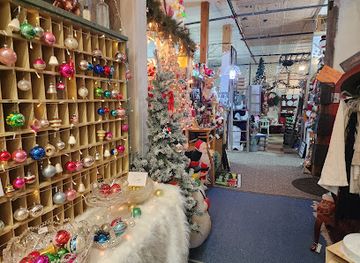
School House Antique Mall
Uncover hidden gems in Brewer, Maine at the School House Antique Mall, where history meets charm in a delightful vintage shopping experience.
Get your free copy of our complete guide to Penobscot County, delivered straight to you.
Everything on this page, from attractions and restaurants to essentials and local phrases, in one PDF you can read offline, print or share.
Already have an account? Sign in
Your Penobscot County guide is ready.
We'll send it to · Not you? Sign out

Getting your guide ready…
We are putting together a fresh copy of the Penobscot County guide. This can take up to a minute.
This can take a few moments. If your browser asks, choose Allow so the download can start. You'll find the guide in your Downloads folder.
Nothing happened? Download it again
Sorry, the guide is taking longer than usual. Please try again in a minute, or get it by email instead.
Penobscot County essentials
Currency and Payment
Safety
Emergency Situations
Do's and Don'ts
Local Tips
From Eve
Local phrases worth knowing
You don't need to get them perfect. A few words go a long way, and locals appreciate the effort.
Basics
| English | Local | Say it |
|---|---|---|
| Hello | Woliwoni | [woh-lee-woh-nee] |
| Goodbye | Woliwoni na | [woh-lee-woh-nee nah] |
| Yes | Nuh | [nuh] |
| No | Nuh-uh | [nuh-uh] |
| Please/You're welcome | Pikaw | [pee-kaw] |
| Thank you | Woliwoni na woliwoni | [woh-lee-woh-nee nah woh-lee-woh-nee] |
| Excuse me/Sorry | Nuh-wah | [nuh-wah] |
| How are you? | Nuh woliwoni? | [nuh woh-lee-woh-nee?] |
| Fine. And you? | Nuh piwuh. Nuh? | [nuh pee-wuh. nuh?] |
| Do you speak English? | Nuh speak English? | [nuh speek English?] |
| I don't understand | Nuh niskwihs | [nuh nis-kwee-hs] |
Eating & Drinking
| English | Local | Say it |
|---|---|---|
| I'd like to see the menu, please | Nuh woliwoni pihkaw menu, pikaw | [nuh woh-lee-woh-nee pee-kaw menu, pee-kaw] |
| I don't eat meat | Nuh niskwihs nipi | [nuh nis-kwee-hs nee-pee] |
| Cheers! | Nuh woliwoni! | [nuh woh-lee-woh-nee!] |
| I would like to pay, please | Nuh woliwoni pihkaw pay, pikaw | [nuh woh-lee-woh-nee pee-kaw pay, pee-kaw] |
Emergencies
| English | Local | Say it |
|---|---|---|
| Help! | Nuh pihkaw! | [nuh pee-kaw!] |
| Go away! | Nuh woliwoni na! | [nuh woh-lee-woh-nee nah!] |
| Call the Police! | Nuh call Police! | [nuh call Police!] |
| Call a doctor! | Nuh call doctor! | [nuh call doctor!] |
| I'm lost | Nuh niskwihs woliwoni | [nuh nis-kwee-hs woh-lee-woh-nee] |
| I'm ill | Nuh niskwihs | [nuh nis-kwee-hs] |
Shopping
| English | Local | Say it |
|---|---|---|
| I'd like to buy... | Nuh woliwoni pihkaw buy... | [nuh woh-lee-woh-nee pee-kaw buy...] |
| I'm just looking | Nuh woliwoni woliwoni | [nuh woh-lee-woh-nee woh-lee-woh-nee] |
| How much is it? | Nuh woliwoni piwuh? | [nuh woh-lee-woh-nee pee-wuh?] |
| That's too expensive | Nuh woliwoni pihkaw piwuh | [nuh woh-lee-woh-nee pee-kaw pee-wuh] |
| Can you lower the price? | Nuh woliwoni pihkaw piwuh? | [nuh woh-lee-woh-nee pee-kaw pee-wuh?] |
Time & Numbers
| English | Local | Say it |
|---|---|---|
| What time is it? | Nuh woliwoni piwuh? | [nuh woh-lee-woh-nee pee-wuh?] |
| It's one o'clock | Nuh woliwoni nuhk | [nuh woh-lee-woh-nee nuhk] |
| Half past (10) | Nuh woliwoni piwuh (10) | [nuh woh-lee-woh-nee pee-wuh (10)] |
| Morning | Nuh niskwihs | [nuh nis-kwee-hs] |
| Afternoon | Nuh woliwoni | [nuh woh-lee-woh-nee] |
| Evening | Nuh woliwoni | [nuh woh-lee-woh-nee] |
| Yesterday | Woliwoni niskwihs | [woh-lee-woh-nee nis-kwee-hs] |
| Today | Nuh woliwoni | [nuh woh-lee-woh-nee] |
| Tomorrow | Nuh woliwoni | [nuh woh-lee-woh-nee] |
| 1 | Nuh | [nuh] |
| 2 | Nuhk | [nuhk] |
| 3 | Nuhwi | [nuh-wee] |
| 4 | Nuhkik | [nuh-kee-k] |
| 5 | Nuhkwih | [nuh-kwee-h] |
| 6 | Nuhkwe | [nuh-kweh] |
| 7 | Nuhkwiw | [nuh-kwee-w] |
| 8 | Nuhkwiwuk | [nuh-kwee-wook] |
| 9 | Nuhkwiwus | [nuh-kwee-wuss] |
| 10 | Nuhkwiwok | [nuh-kwee-wok] |
Transport & Directions
| English | Local | Say it |
|---|---|---|
| Where's a/the...? | Nuh woliwoni a/the...? | [nuh woh-lee-woh-nee a/the...?] |
| What's the address? | Nuh woliwoni address? | [nuh woh-lee-woh-nee address?] |
| Can you show me (on the map)? | Nuh woliwoni pihkaw (on the map)? | [nuh woh-lee-woh-nee pee-kaw (on the map)?] |
| When's the next (bus)? | Nuh woliwoni next (bus)? | [nuh woh-lee-woh-nee next (bus)?] |
| A ticket (to ....) | Nuh pihkaw ticket (to ....) | [nuh pee-kaw ticket (to ....)] |
History of Penobscot County
Wabanaki homelands and the Penobscot Nation
For thousands of years, the rivers, lakes and forests of what is now Penobscot County have been part of the homeland of Wabanaki peoples. The Penobscot Nation, one of the Wabanaki nations, maintains its community on Indian Island in the Penobscot River near Old Town. Fishing, canoe travel, hunting, gathering and intimate knowledge of the river system shaped life long before European settlement. The Penobscot Nation Museum and cultural work today provide important ways to understand this continuing history rather than treating Indigenous presence as solely a subject of the past.
French and English colonial competition
European interest in the Penobscot River grew during the seventeenth century, when French and English powers competed for influence in northern New England. The river was a route into the interior and a zone of contact, trade and conflict involving colonial authorities and Wabanaki communities. English settlement around Old Town and the lower Penobscot eventually became more firmly established, while the region remained strategically important during imperial wars. The legacy is visible in the county’s layered place names, archaeological evidence and the continuing significance of the river corridor.
Old Town, Orono and the river settlements
During the eighteenth and nineteenth centuries, settlements grew around falls, islands and navigable stretches of the Penobscot and Stillwater rivers. Old Town developed near a major water-power site and became closely associated with river commerce, manufacturing and the Penobscot Nation. Orono developed as a separate community and later became an educational centre. Bangor, farther downstream, grew into the region’s principal commercial city because it could connect the interior forest with coastal shipping routes. Their histories are inseparable from the movement of timber and goods along the river.
The lumber boom and Bangor’s nineteenth-century prosperity
The Penobscot watershed became one of North America’s major timber-producing regions during the nineteenth century. Logs were driven downstream from the northern forest to sawmills and shipping facilities, and Bangor prospered as a commercial and lumber centre. Wealth from the timber trade financed substantial homes, warehouses, churches and civic buildings, many of which still shape Bangor’s historic streetscape. The industry also depended on demanding seasonal labour and transformed both the forest and river. The region’s logging history remains visible in museums, riverfront interpretation and communities farther north.
The Great Fire of 1911
On 30 April 1911, a major fire destroyed much of central Bangor after a blaze spread through a densely built area. Reconstruction produced a more fire-resistant city centre, but the disaster marked a decisive break between the timber-era city and the modern urban landscape. Surviving buildings and later commercial blocks help visitors read this transition in Bangor’s architecture. The event also illustrates the hazards of nineteenth- and early twentieth-century construction, when wooden buildings, industrial activity and tightly packed streets made urban fires particularly destructive.
Paper mills and twentieth-century industrial change
The county’s forest economy evolved from sawmilling towards pulp and paper production in the twentieth century. Mills at places including Millinocket, East Millinocket and Old Town employed generations of workers and sustained schools, shops and community institutions. The industry brought railways, hydroelectric development and industrial expertise, but also left communities vulnerable when demand, ownership and environmental expectations changed. Mill closures and economic restructuring have encouraged new emphasis on tourism, outdoor recreation, heritage interpretation, education and smaller-scale businesses while the working forest remains central to local identity.
The University of Maine and contemporary cultural life
The University of Maine in Orono, founded as the Maine State College in 1865, became a major educational and research institution for the state. Its presence has influenced the county’s scientific, cultural and economic life, with particular strengths connected to forestry, engineering, agriculture, the environment and Maine communities. University museums and collections broaden the cultural landscape beyond Bangor’s historic centre. Today, Penobscot County combines this academic influence with Wabanaki cultural continuity, outdoor recreation, heritage tourism and ongoing adaptation in towns shaped by forestry and manufacturing.
Penobscot County in Photos
Browse through our photo collection highlighting the charm and character of the destination.
Neighbouring regions of Penobscot County
The closest regions to Penobscot County, if you have time for more than one.
-

-

-

-
 Downeast
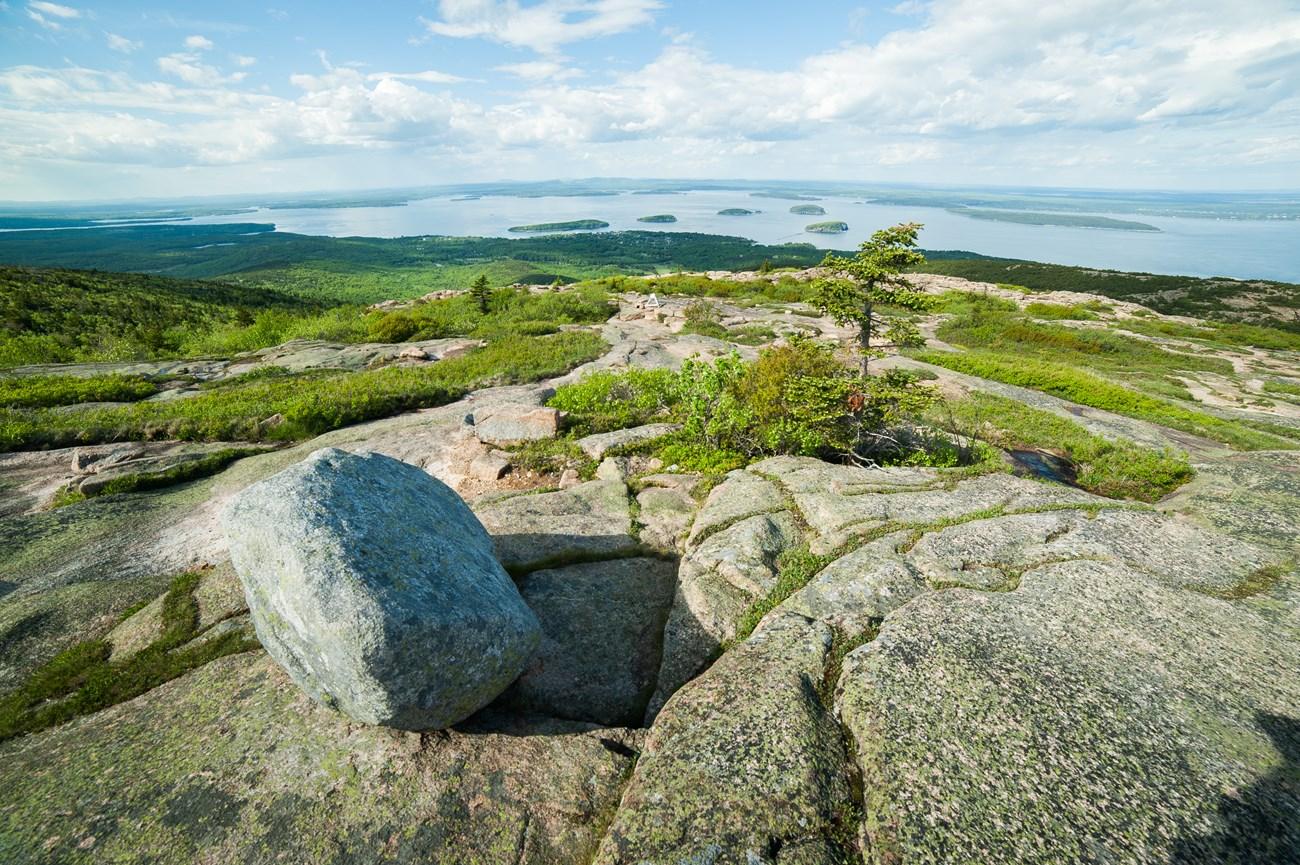
Explore Downeast Maine for Acadia landscapes, working harbours, wild blueberry country, tidal shores and quiet coastal roads.
-


Swipe for more regions
Explore more

Explore more of Maine
Discover Maine's breathtaking landscapes, charming coastal towns, and rich cultural heritage. From Acadia's cliffs to fresh lobster feasts, Maine promises an unforgettable adventure.
Explore Maine