

Mount Desert Island Travel Guide - Free Web & App
Your ultimate guide to Mount Desert Island. Discover top landmarks, proposed trips, and local tips. Free on the web or via the Evendo companion app.


Discover Mount Desert Island in Maine: A blend of Acadia National Park's natural wonders, charming towns, and coastal adventures. Perfect for nature lovers and explorers.
Read more about Mount Desert Island
When is the best time to visit Mount Desert Island?
Best: June–August · 21–24°C| Month | High (°C) | Rainfall (mm) |
|---|---|---|
| January | 0 | 70 |
| February | 1 | 60 |
| March | 6 | 80 |
| April | 12 | 80 |
| May | 17 | 80 |
| June (best) | 21 | 80 |
| July (best) | 24 | 90 |
| August (best) | 24 | 90 |
| September | 19 | 80 |
| October | 14 | 90 |
| November | 8 | 90 |
| December | 2 | 80 |
Getting to and around Mount Desert Island
How to get there
Transportation
Best attractions in Mount Desert Island
Mount Desert Island in Maine offers a diverse range of attractions for visitors to explore, from the stunning natural beauty of Acadia National Park with its granite peaks and rocky coastlines, to the charming seaside villages like Bar Harbor and Northeast Harbor. Visitors can enjoy hiking, biking, kayaking, and wildlife watching in the park, or indulge in delicious seafood at local restaurants. The island also boasts historical sites such as the Asticou Azalea Garden and the Abbe Museum, providing a glimpse into the rich cultural heritage of the area. Whether seeking outdoor adventure, relaxation by the sea, or a taste of local history, Mount Desert Island has something for every traveler.
-
Tourist attraction
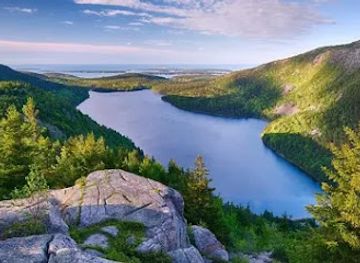
Acadia National Park
Explore the breathtaking beauty of Acadia National Park, where mountains, lakes, and stunning coastlines await your adventure in Maine.
-
Tourist attraction
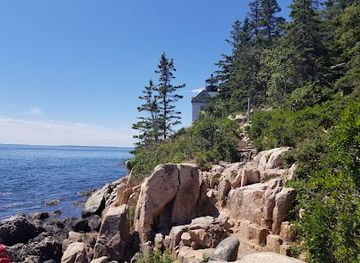
Bass Harbor Head Light Station
Discover the historic Bass Harbor Head Light Station, a stunning lighthouse offering breathtaking coastal views and a glimpse into maritime heritage in Maine.
-
Tourist attraction
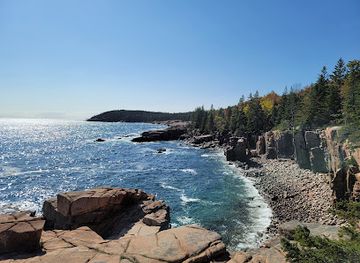
Thunder Hole
Experience the awe-inspiring Thunder Hole in Bar Harbor, Maine, where ocean waves create breathtaking sounds and stunning coastal views.
-
Tourist attraction
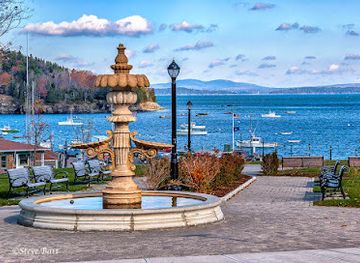
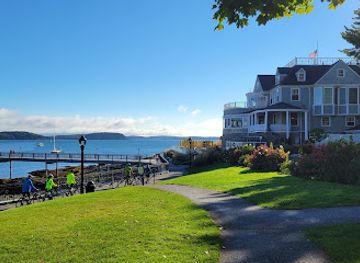
Agamont Park
Discover the beauty of Agamont Park in Bar Harbor, a serene escape featuring stunning waterfront views and lush landscapes.
Best landmarks in Mount Desert Island
Mount Desert Island in Maine offers a breathtaking array of natural and historical landmarks for visitors to explore. From the stunning views at the top of Cadillac Mountain, the highest peak on the East Coast, to the picturesque landscapes of Acadia National Park, there is no shortage of outdoor adventures to be had. Visitors can also immerse themselves in the island's rich history by visiting attractions such as the iconic Bass Harbor Head Lighthouse and the historic Somesville Bridge. Whether you're a nature lover, history buff, or simply seeking a peaceful retreat, Mount Desert Island has something for everyone to enjoy.
-
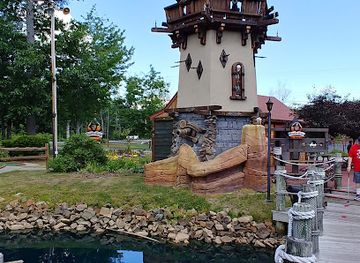
Miniature golf course
Pirate's Cove Adventure Golf
Experience the thrill of pirate-themed miniature golf at Pirate's Cove Adventure Golf in Bar Harbor, Maine – fun for all ages!
Explore Mount Desert Island on the map
Plan your trip on one map. See where the top attractions, landmarks, restaurants and hotels are, and book hotels and experiences in a few clicks.
Best hotels in Mount Desert Island
Best restaurants in Mount Desert Island
Mount Desert Island offers a diverse dining scene that caters to a range of tastes and preferences. From quaint seafood shacks serving up fresh lobster rolls to upscale restaurants with stunning water views, visitors can indulge in a variety of culinary delights. Whether you're craving traditional New England fare or international cuisine, Mount Desert Island has something for everyone. Be sure to try local specialties like blueberry pie and clam chowder for a true taste of Maine.
-
Seafood
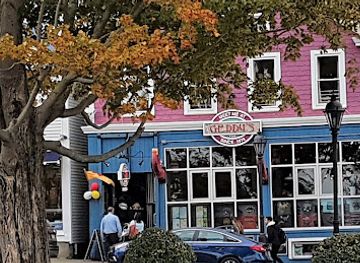
Geddy's
Experience the best seafood dining at Geddy's in Bar Harbor - where fresh flavors meet warm hospitality amidst stunning coastal views.
-
Breakfast
Jeannie’s Great Maine Breakfast
Discover the heart of Bar Harbor at Jeannie’s Great Maine Breakfast - where delicious mornings meet local flavors.
-
Seafood
Abel's Lobster
Experience authentic Maine seafood at Abel's Lobster in Mount Desert – where fresh flavors meet family-friendly hospitality.
-
Bakery
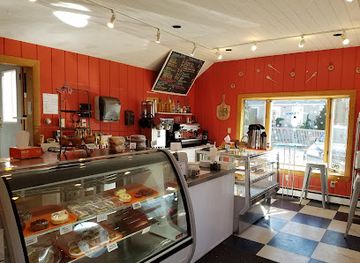
A Slice of Eden
Discover delightful pastries, aromatic coffee, and scrumptious sandwiches at A Slice of Eden in Bar Harbor – a true taste of Maine.
Best bars in Mount Desert Island
When the sun sets on Mount Desert Island, a vibrant nightlife scene comes alive, offering visitors a mix of cozy pubs, lively bars, and trendy nightclubs to choose from. Whether you're looking for a laid-back evening with local craft beers, live music, or a high-energy dance floor, this island has something for everyone. Enjoy a cocktail with stunning waterfront views, mingle with locals and fellow travelers, or dance the night away under the starry sky - the options are endless for a memorable night out on Mount Desert Island.
-
Bar
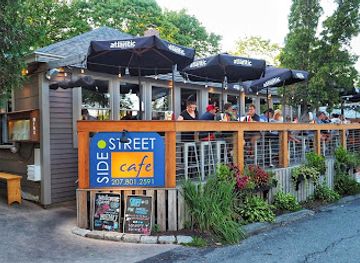
Side Street Cafe
Discover the flavors of Bar Harbor at Side Street Cafe, where delicious American cuisine meets a welcoming atmosphere.
-
Seafood
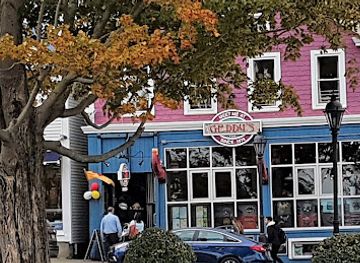
Geddy's
Discover the taste of the sea at Geddy's, Bar Harbor's favorite seafood restaurant, offering fresh local dishes in a vibrant and family-friendly atmosphere.
-
Seafood
Stewman's Lobster Pound
Experience the authentic taste of Maine's seafood at Stewman's Lobster Pound, a must-visit restaurant in Bar Harbor for seafood enthusiasts.
-
Restaurant
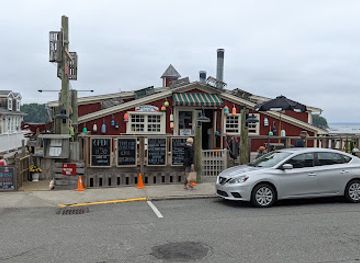
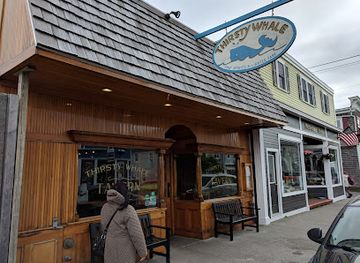
Thirsty Whale Tavern
Discover the heart of Bar Harbor at Thirsty Whale Tavern, where fresh seafood and gourmet burgers meet a warm, coastal ambiance.
Best nightclubs in Mount Desert Island
When the sun sets on Mount Desert Island, a vibrant nightlife scene comes alive, offering visitors a mix of cozy pubs, lively bars, and trendy nightclubs to choose from. Whether you're looking for a laid-back evening with local craft beers, live music, or a high-energy dance floor, this island has something for everyone. Enjoy a cocktail with stunning waterfront views, mingle with locals and fellow travelers, or dance the night away under the starry sky - the options are endless for a memorable night out on Mount Desert Island.
-
Island
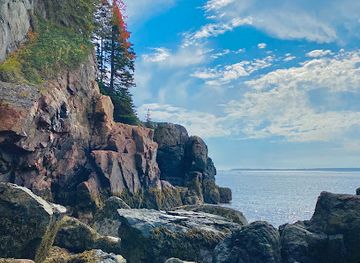
Mt Desert Island
Explore the breathtaking landscapes, diverse wildlife, and outdoor adventures of Mt Desert Island, Maine's natural paradise for tourists and nature lovers.
Best shops in Mount Desert Island
Mount Desert Island offers a unique shopping scene for visitors, with a variety of charming boutiques, art galleries, and specialty stores scattered throughout the island. From locally made crafts and artisanal goods to outdoor gear and nautical-themed souvenirs, there is something for everyone to discover. Explore the bustling town centers of Bar Harbor and Southwest Harbor, where you can find a mix of trendy shops and traditional Maine stores, or venture off the beaten path to uncover hidden gems in the smaller villages and coastal communities. Whether you're looking for a one-of-a-kind memento or simply enjoying browsing through the local shops, Mount Desert Island provides a delightful shopping experience that captures the essence of coastal Maine.
-
Clothing store
Debbahs
Explore Debbahs in Bar Harbor for unique clothing, gifts, and souvenirs that capture the spirit of Maine.
-
Candy store
Ben & Bill's Chocolate Emporium
Discover the enchanting world of sweets at Ben & Bill's Chocolate Emporium in Bar Harbor, where gourmet chocolates and homemade ice cream await.
-
Book store
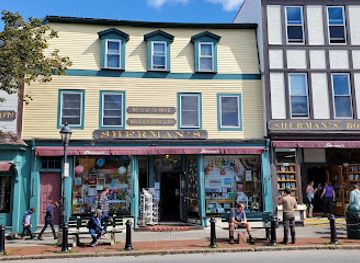
Sherman's Maine Coast Book Shop Bar Harbor
Explore Sherman's Maine Coast Book Shop in Bar Harbor, where literature meets local charm and delightful toys for every age await you.
-
Gift shop
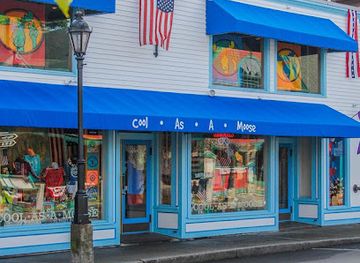
Cool As A Moose
Discover unique Maine souvenirs and clothing at Cool As A Moose, a must-visit gift shop in Bar Harbor for all tourists seeking local charm.

Get your free copy of our complete guide to Mount Desert Island, delivered straight to you.
Everything on this page, from attractions and restaurants to essentials and local phrases, in one PDF you can read offline, print or share.
Already have an account? Sign in
Your Mount Desert Island guide is ready.
We'll send it to · Not you? Sign out

Getting your guide ready…
We are putting together a fresh copy of the Mount Desert Island guide. This can take up to a minute.
This can take a few moments. If your browser asks, choose Allow so the download can start. You'll find the guide in your Downloads folder.
Nothing happened? Download it again
Sorry, the guide is taking longer than usual. Please try again in a minute, or get it by email instead.
Mount Desert Island essentials
Currency and Payment
Safety
Emergency Situations
Do's and Don'ts
Local Tips
From Eve
Local phrases worth knowing
You don't need to get them perfect. A few words go a long way, and locals appreciate the effort.
Basics
| English | Local | Say it |
|---|---|---|
| Hello | Ayuh | [ah-yuh] |
| Goodbye | See ya | [see yah] |
| Yes | Yup | [yup] |
| No | Naw | [naw] |
| Please/You're welcome | Sure thing | [shore thing] |
| Thank you | Much obliged | [muhch uh-blahy-d] |
| Excuse me/Sorry | Pardon me | [pahr-dn mee] |
| How are you? | How's it goin'? | [hows it goin] |
| Fine. And you? | Not too shabby. You? | [naht too shab-bee. yoo] |
| Do you speak English? | You talk English? | [yoo tawk ing-glish] |
| I don't understand | I'm boggled | [ahym bah-guhld] |
Eating & Drinking
| English | Local | Say it |
|---|---|---|
| I'd like to see the menu, please | Can I take a gander at the menu? | [kan eye teyk uh gan-der at the menu] |
| I don't eat meat | No meat for me | [noh meet fohr mee] |
| Cheers! | Here's to ya! | [heerz too yah] |
| I would like to pay, please | Can I settle up? | [kan eye set-l uhp] |
Emergencies
| English | Local | Say it |
|---|---|---|
| Help! | SOS! | [S-O-S] |
| Go away! | Scram! | [skram] |
| Call the Police! | Get the law! | [get thuh law] |
| Call a doctor! | Summon a healer! | [suhm-uhn uh hee-ler] |
| I'm lost | I'm turned around | [ahym turnd uh-round] |
| I'm ill | I'm under the weather | [ahym uhn-der thuh weh-thur] |
Shopping
| English | Local | Say it |
|---|---|---|
| I'd like to buy... | I'm lookin' to nab... | [ahym look-in to nab] |
| I'm just looking | Just browsin' | [just brow-sin] |
| How much is it? | What's the damage? | [whats thuh dam-ij] |
| That's too expensive | That's a rip-off | [thats uh rip-awf] |
| Can you lower the price? | Can ya knock a few bucks off? | [kan yuh nok uh fyoo buhks awf] |
Time & Numbers
| English | Local | Say it |
|---|---|---|
| What time is it? | What's the time o' day? | [whats thuh taym oh day] |
| It's one o'clock | It's time for tea | [its taym fohr tee] |
| Half past (10) | Ten-thirty | [ten-thur-tee] |
| Morning | Mornin' | [morn-in] |
| Afternoon | Afternoon | [af-ter-noon] |
| Evening | Evenin' | [ee-ven-in] |
| Yesterday | Yest'day | [yest-day] |
| Today | Today | [toh-day] |
| Tomorrow | Tomorra | [tom-or-uh] |
| 1 | One | [wuhn] |
| 2 | Two | [too] |
| 3 | Three | [three] |
| 4 | Four | [fawr] |
| 5 | Five | [fahyv] |
| 6 | Six | [siks] |
| 7 | Seven | [sev-uhn] |
| 8 | Eight | [eyt] |
| 9 | Nine | [nahyn] |
| 10 | Ten | [ten] |
Transport & Directions
| English | Local | Say it |
|---|---|---|
| Where's a/the...? | Where's the... | [wheres thuh] |
| What's the address? | Where's it to? | [wheres it too] |
| Can you show me (on the map)? | Can ya point it out (on the map)? | [kan yuh point it owt (on thuh map)] |
| When's the next (bus)? | When's the next one (bus)? | [whens thuh nekst wuhn (bus)] |
| A ticket (to ....) | A pass (to ....) | [uh pas (to)] |
History of Mount Desert Island
Early Native American Inhabitants
Mount Desert Island, known to the indigenous Wabanaki people as 'Pemetic,' meaning 'range of mountains,' has been inhabited for thousands of years. The Wabanaki used the island's rich natural resources for fishing, hunting, and gathering, establishing a deep connection with the land that continues to this day.
European Exploration and Settlement
In 1604, French explorer Samuel de Champlain was the first European to document Mount Desert Island, naming it 'Isle des Monts Déserts,' or 'Island of Bare Mountains,' due to its treeless mountain summits. French Jesuits attempted to establish a mission in 1613, but it was destroyed by an English raid led by Captain Samuel Argall.
Colonial and Revolutionary Periods
During the colonial period, Mount Desert Island was a contested territory between the French and English. In the aftermath of the French and Indian War, the island came under British control. It wasn't until after the American Revolution that settlers, primarily of English and Scottish descent, began to permanently inhabit the island, establishing small farming and fishing communities.
The Gilded Age and the Rise of Tourism
By the late 19th century, Mount Desert Island became a popular summer retreat for America's elite, including the Rockefellers, Morgans, and Vanderbilts. The 'Rusticators,' as they were called, built grand summer cottages and established the island as a premier vacation destination. This era saw the construction of many of the island's grand homes and the establishment of its tourism industry.
The Creation of Acadia National Park
In 1916, the efforts of philanthropists like John D. Rockefeller Jr. led to the creation of Sieur de Monts National Monument, which later became Acadia National Park. Rockefeller's contributions included the construction of an extensive network of carriage roads, which are still enjoyed by visitors today. Acadia National Park protects the island's natural beauty and offers a wide range of recreational activities.
Bar Harbor: From Fishing Village to Tourist Hub
Bar Harbor, originally a quiet fishing and shipbuilding village, transformed into a bustling tourist hub due to its proximity to Acadia National Park. By the early 20th century, it was renowned for its luxury hotels, restaurants, and cultural attractions. Despite a devastating fire in 1947 that destroyed much of the town, Bar Harbor rebounded and remains a key destination on Mount Desert Island.
Cultural and Natural Preservation
Mount Desert Island is known for its commitment to cultural and natural preservation. The island is home to several museums, including the Abbe Museum, which focuses on the history and culture of the Wabanaki people. Efforts to preserve the island's natural landscapes and wildlife continue through organizations like Friends of Acadia, ensuring that the island's unique heritage is protected for future generations.
Mount Desert Island in Photos
Browse through our photo collection highlighting the charm and character of the destination.
Cities in Mount Desert Island
The towns and cities of Mount Desert Island, and the easiest places to base yourself.
-

-
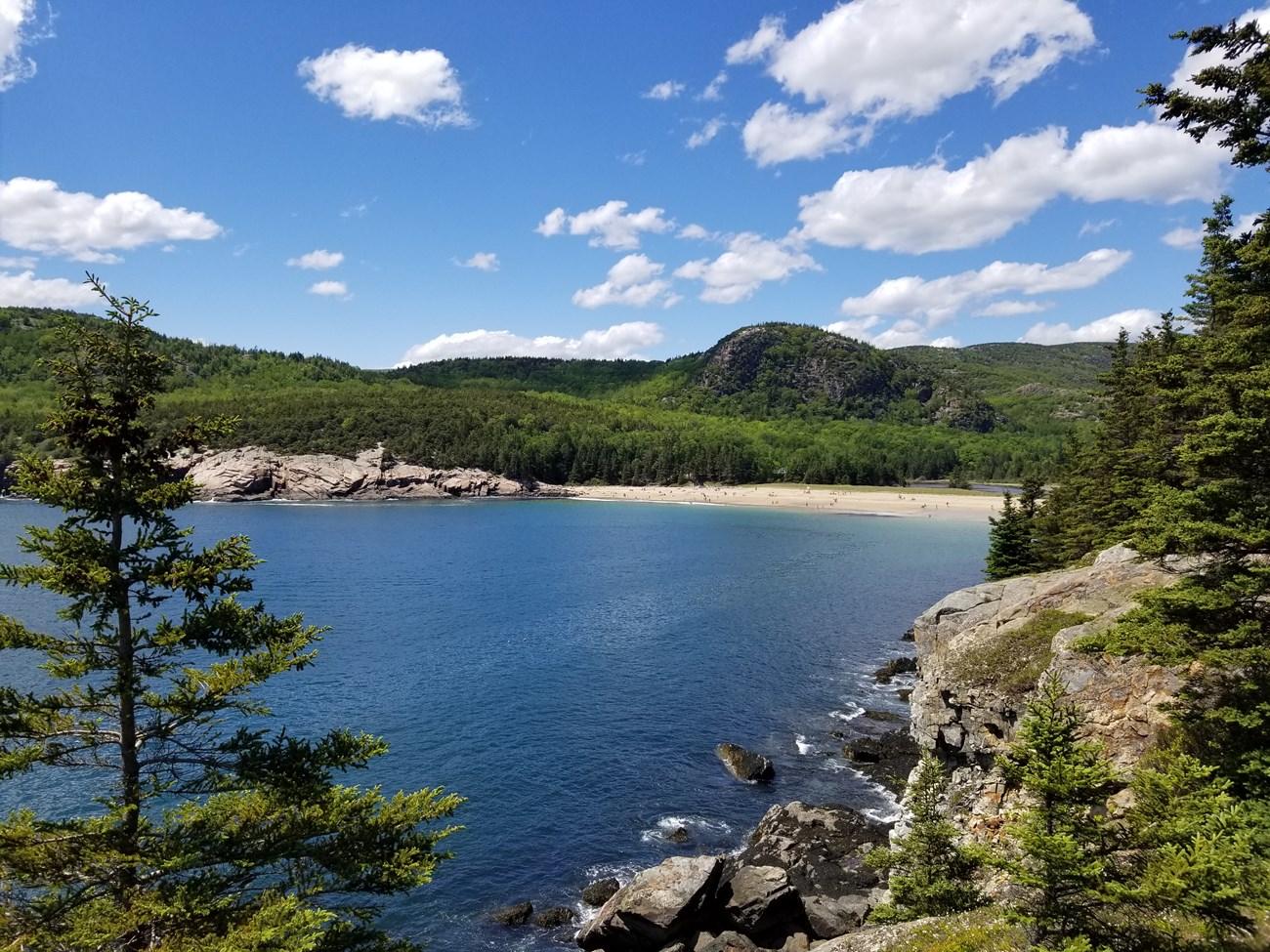 Bar Harbor
, Maine blends Acadia National Park scenery, island heritage, coastal walks, seafood, galleries and year-round New England character.
Bar Harbor
Bar Harbor, Maine blends Acadia National Park scenery, island heritage, coastal walks, seafood, galleries and year-round New England character.

Swipe for more cities
Neighbouring destination travel guides
The closest destinations to Mount Desert Island, if you have time for more than one.
-

-

-
-

-


Swipe for more destinations
Explore more
Explore more of Acadia National Park
Acadia National Park pairs Maine's granite mountains, spruce forests, rocky coast and island communities with rewarding walks and scenic drives.
Explore Acadia National Park
Explore more of Maine
Discover Maine's breathtaking landscapes, charming coastal towns, and rich cultural heritage. From Acadia's cliffs to fresh lobster feasts, Maine promises an unforgettable adventure.
Explore Maine