

Rangeley Lake Travel Guide - Free Web & App
Your ultimate guide to Rangeley Lake. Discover top landmarks, proposed trips, and local tips. Free on the web or via the Evendo companion app.


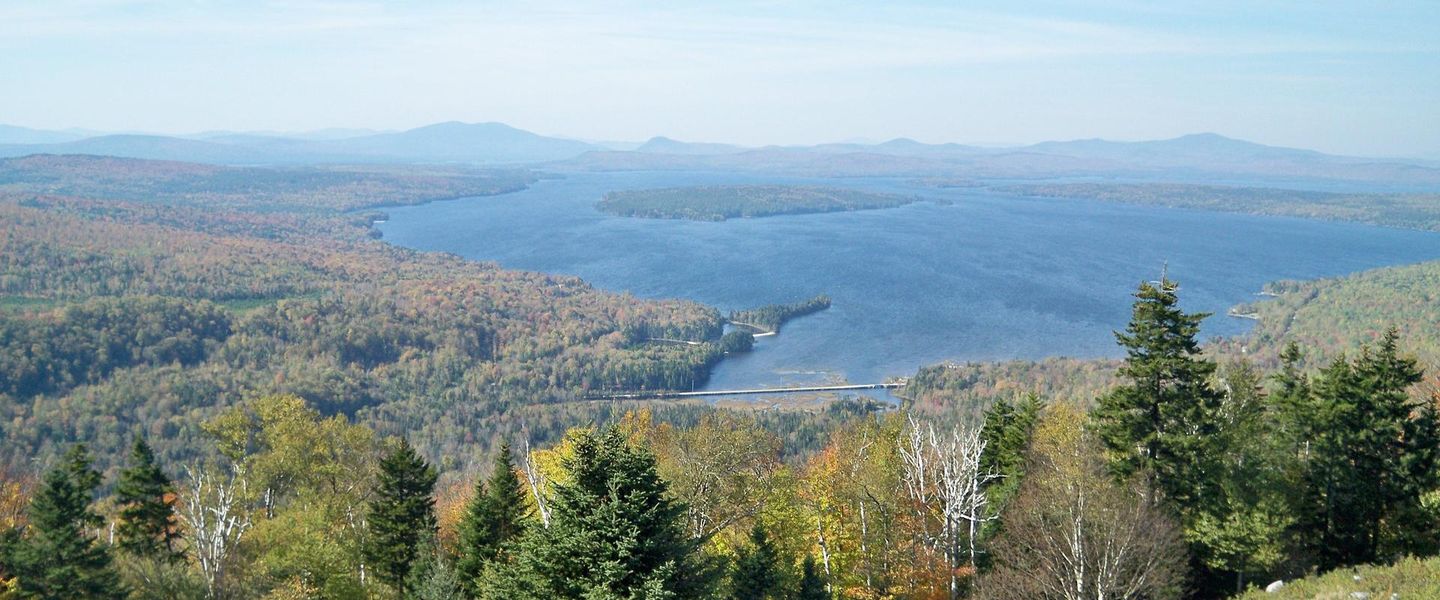


Rangeley Lake, Maine: mountain scenery, boating, fishing, hiking, wildlife and four-season adventures in the western lakes region of the United States.
Water, Forest and Mountain Horizons
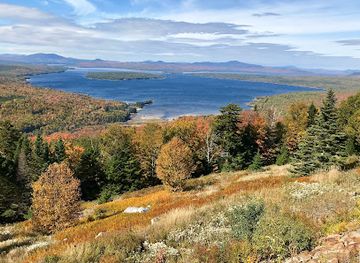
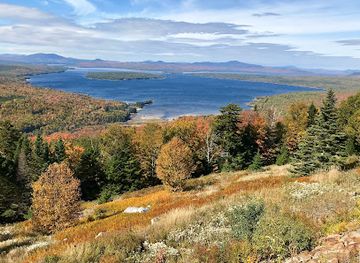
Rangeley Lake lies in western Maine’s highland country, surrounded by spruce and fir forests, rounded mountains and a chain of broad, cold-water lakes. The lake is the centrepiece of the Rangeley Lakes region, with the small town of Rangeley on its northern shore providing the principal base for visitors. Its shoreline combines quiet coves, wooded peninsulas and open views towards the surrounding ridges, while Rangeley Lake State Park occupies part of the southern shore with a beach, picnic areas, camping and access to water-based recreation. Activity is strongly seasonal: summer brings boating, paddling, swimming where conditions and local guidance allow, fishing and scenic drives, while autumn turns the surrounding forest into a mosaic of red, orange and gold.Read more about Rangeley Lake
A Sporting and Working Landscape
When is the best time to visit Rangeley Lake?
Best: June–August · 23–26°C| Month | High (°C) | Rainfall (mm) |
|---|---|---|
| January | -2 | 83 |
| February | 0 | 78 |
| March | 5 | 85 |
| April | 12 | 96 |
| May | 18 | 99 |
| June (best) | 23 | 103 |
| July (best) | 26 | 108 |
| August (best) | 25 | 106 |
| September | 20 | 102 |
| October | 13 | 99 |
| November | 6 | 98 |
| December | 0 | 94 |
Getting to and around Rangeley Lake
How to get there
Transportation
Best attractions in Rangeley Lake
Rangeley Lake State Park is the most direct place to experience the lake, with a public beach, picnic setting, camping and access to swimming, boating and shoreline recreation subject to seasonal conditions and park guidance. Rangeley village provides the area’s principal visitor services and a useful base for exploring the water and surrounding mountains. For wider views, the Height of Land on Route 17 overlooks a chain of western Maine lakes, while Bald Mountain offers a more active mountain outing and elevated perspectives over the Rangeley area. The Rangeley Lakes Heritage Trust maintains conservation properties and walking opportunities in the wider region, including lands around lakes, wetlands and forested hills. Nearby Oquossoc serves as a western gateway for exploring the interconnected lakes district, while the roads around Mooselookmeguntic, Cupsuptic and Richardson lakes reveal a broader landscape of coves, islands and working forest beyond Rangeley Lake itself.
-
Park
Rangeley Lake State Park
Experience breathtaking landscapes and year-round outdoor adventures at Rangeley Lake State Park, Maine's serene natural retreat.
-
Non-profit organization
Rangeley Lakes Heritage Trust
Explore the breathtaking landscapes and rich heritage of the Rangeley Lakes at the Rangeley Lakes Heritage Trust, a must-visit destination in western Maine.
-
Tourist attraction
Rangeley Lake State Park Beach
Explore the serene beauty of Rangeley Lake State Park Beach, a perfect blend of nature, relaxation, and outdoor adventure in Maine.
-
Hiking area
South Bog Conservation Area
Experience the natural beauty and tranquility of South Bog Conservation Area in Maine, a haven for hikers and nature lovers.
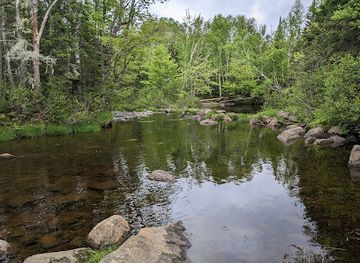
Explore Rangeley Lake on the map
Plan your trip on one map. See where the top attractions, landmarks, restaurants and hotels are, and book hotels and experiences in a few clicks.
Best hotels in Rangeley Lake
Best restaurants in Rangeley Lake
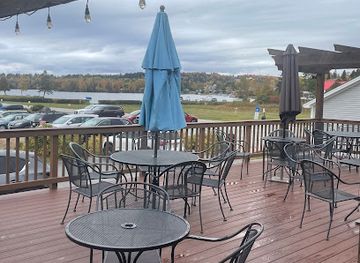
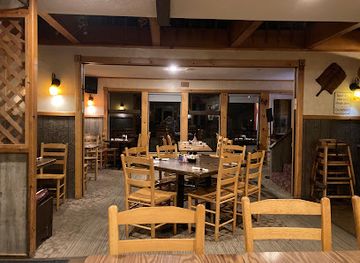
Dining around Rangeley Lake is concentrated in Rangeley village, Oquossoc and a small number of rural establishments along the principal roads rather than in a dense restaurant district. Visitors can expect a mixture of cafés, diners, restaurants, traditional inns and pubs serving familiar Maine and New England fare, with menus shaped by seasonal produce, hearty comfort food and the needs of an outdoor-oriented community. Seafood is available in the region, but the area’s culinary identity is equally connected with locally supplied ingredients, baked goods and practical meals for hikers, anglers and winter visitors. Farm shops and general stores may provide provisions for picnics or self-catering accommodation, although choice and opening arrangements vary by season. In remote parts of the lakes district, it is sensible to plan meals around the settlements rather than assume that a restaurant will be available beside every trailhead or shoreline.
-
Lake
Rangeley Lake
Experience the breathtaking beauty of Rangeley Lake - a serene escape in Maine perfect for outdoor enthusiasts year-round.
Best bars in Rangeley Lake
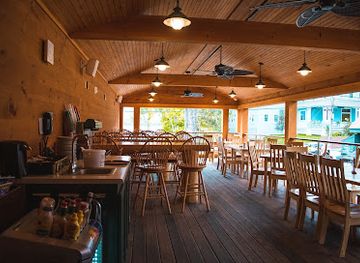
Rangeley Lake has a quiet rural evening culture rather than a concentrated nightlife scene. Rangeley village and Oquossoc contain the area’s main pubs, bars and informal evening meeting places, often associated with restaurants, inns or seasonal outdoor tourism. The atmosphere is generally relaxed and community-oriented, with conversation, local drinks and occasional music or events more characteristic than late-night clubbing. Visitors staying outside the settlements may find that evenings centre on a lodge, cottage or camp, particularly in the quieter parts of the lakes district. Seasonal festivals and community gatherings can add occasional entertainment, but programmes vary and should be checked locally. Because distances are substantial and rural roads may be dark, icy or winding, arrange transport responsibly rather than relying on spontaneous late-night travel between scattered establishments.
-
Bar
Sarge's Sports Pub & Grub
Experience the heart of Rangeley at Sarge's Sports Pub & Grub, where delicious food meets an exciting sports atmosphere.
-
Restaurant
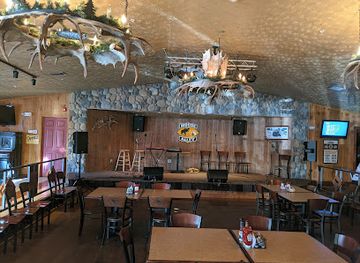
Moose Alley
Discover Moose Alley in Rangeley, Maine – an exciting restaurant, bowling alley, and live music venue offering delicious food and vibrant entertainment for all.
-
American
Parkside & Main
Experience the best of American cuisine in Rangeley, Maine, at Parkside & Main – a culinary gem with a warm atmosphere.
-
Restaurant
The Red Onion
Experience the flavors of Maine at The Red Onion, a cozy restaurant in Rangeley serving locally-inspired dishes in a welcoming atmosphere.
Best nightclubs in Rangeley Lake
Rangeley Lake has a quiet rural evening culture rather than a concentrated nightlife scene. Rangeley village and Oquossoc contain the area’s main pubs, bars and informal evening meeting places, often associated with restaurants, inns or seasonal outdoor tourism. The atmosphere is generally relaxed and community-oriented, with conversation, local drinks and occasional music or events more characteristic than late-night clubbing. Visitors staying outside the settlements may find that evenings centre on a lodge, cottage or camp, particularly in the quieter parts of the lakes district. Seasonal festivals and community gatherings can add occasional entertainment, but programmes vary and should be checked locally. Because distances are substantial and rural roads may be dark, icy or winding, arrange transport responsibly rather than relying on spontaneous late-night travel between scattered establishments.
-
Lake
Rangeley Lake
Discover the beauty of Rangeley Lake, Maine – a haven for outdoor adventures, tranquil retreats, and breathtaking scenery.
Best shops in Rangeley Lake
Shopping is modest and locally focused, with the greatest concentration in Rangeley village and additional services in Oquossoc. Independent shops and galleries may offer Maine-made crafts, artwork, souvenirs, outdoor clothing, books and practical equipment for fishing, hiking or winter recreation, while general stores provide everyday provisions for visitors staying in cottages and camps. Regional food products, baked goods and locally produced items can be found through selected shops, farm outlets or seasonal businesses, although availability changes through the year. The area’s strongest retail character comes from its relationship with the outdoors: maps, guidebooks, sporting supplies and locally themed goods are more relevant than department-store shopping. Visitors exploring remote shores and conservation areas should obtain supplies before leaving the principal settlements, since isolated trailheads and viewpoints are not commercial shopping locations.
-
Restaurant
Moose Alley
Experience delightful dining and vibrant entertainment at Moose Alley in Rangeley, Maine - where great food meets fun!
-
Grocery store
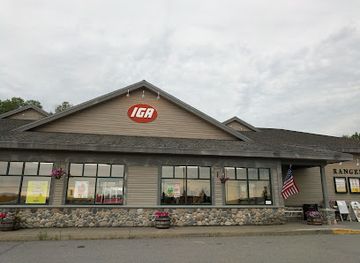
Rangeley IGA
Discover local flavors and fresh produce at Rangeley IGA, your ultimate grocery store in the scenic town of Rangeley, Maine.
-
Resort hotel
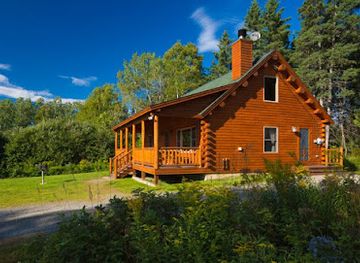
Rangeley Lake Resort
Discover the serene beauty and outdoor adventures at Rangeley Lake Resort, a perfect getaway in the heart of Maine's wilderness.
-
Ice Cream
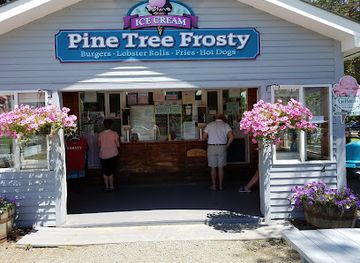
Pine Tree Frosty
Discover the sweet flavors of Pine Tree Frosty, a charming ice cream shop in Rangeley, Maine, perfect for families and nature lovers.
Get your free copy of our complete guide to Rangeley Lake, delivered straight to you.
Everything on this page, from attractions and restaurants to essentials and local phrases, in one PDF you can read offline, print or share.
Already have an account? Sign in
Your Rangeley Lake guide is ready.
We'll send it to · Not you? Sign out

Getting your guide ready…
We are putting together a fresh copy of the Rangeley Lake guide. This can take up to a minute.
This can take a few moments. If your browser asks, choose Allow so the download can start. You'll find the guide in your Downloads folder.
Nothing happened? Download it again
Sorry, the guide is taking longer than usual. Please try again in a minute, or get it by email instead.
Rangeley Lake essentials
Currency and Payment
Safety
Emergency Situations
Do's and Don'ts
Local Tips
From Eve
Local phrases worth knowing
You don't need to get them perfect. A few words go a long way, and locals appreciate the effort.
Basics
| English | Local | Say it |
|---|---|---|
| Hello | Howdy | [haʊ-di] |
| Goodbye | See ya later | [siː jə ˈleɪ.tər] |
| Yes | Yup | [jʌp] |
| No | Naw | [nɔː] |
| Please/You're welcome | Please/No problem | [pliːz/nəʊ ˈprɒbləm] |
| Thank you | Much obliged | [mʌʧ əˈblaɪdʒd] |
| Excuse me/Sorry | Pardon me/My bad | [pɑː.dən miː/maɪ bæd] |
| How are you? | How ya doin'? | [haʊ jə ˈduːɪn] |
| Fine. And you? | Good. How 'bout you? | [ɡʊd. haʊ ˈbaʊt jʊ] |
| Do you speak English? | Ya speak English? | [jə spiːk ˈɪŋɡlɪʃ] |
| I don't understand | I don't get it | [aɪ doʊnt ˈʌndərˌstænd] |
Eating & Drinking
| English | Local | Say it |
|---|---|---|
| I'd like to see the menu, please | Can I check out the menu? | [kæn aɪ ʧɛk aʊt ðə ˈmɛnjuː] |
| I don't eat meat | I don't eat meat | [aɪ doʊnt it mit] |
| Cheers! | Cheers! | [ʧɪrz] |
| I would like to pay, please | Can I settle up, please | [kæn aɪ ˈsɛtl ʌp pliːz] |
Emergencies
| English | Local | Say it |
|---|---|---|
| Help! | Help! | [hɛlp] |
| Go away! | Git! | [ɡɪt] |
| Call the Police! | Call the Sheriff! | [kɔl ðə ˈʃɛrɪf] |
| Call a doctor! | Call the doc! | [kɔl ðə dɑk] |
| I'm lost | I'm all turned around | [aɪm ɔl tɜrnd əˈraʊnd] |
| I'm ill | I'm feeling under the weather | [aɪm ˈfilɪŋ ˈʌndər ðə ˈwɛðər] |
Shopping
| English | Local | Say it |
|---|---|---|
| I'd like to buy... | I wanna get... | [aɪ ˈwɑnə gɛt] |
| I'm just looking | I'm just browsing | [aɪm ˈdʒʌst ˈbraʊzɪŋ] |
| How much is it? | How much does it run? | [haʊ mʌʧ dəz ɪt rʌn] |
| That's too expensive | That's a bit steep | [ðæts ə bɪt stip] |
| Can you lower the price? | Can ya knock the price down? | [kæn jə nɑk ðə praɪs daʊn] |
Time & Numbers
| English | Local | Say it |
|---|---|---|
| What time is it? | What's the time? | [wɑts ðə taɪm] |
| It's one o'clock | It's one | [ɪts wʌn] |
| Half past (10) | Half past ten | [hæf pæst tɛn] |
| Morning | Mornin' | [ˈmɔrnɪn] |
| Afternoon | Afternoon | [ˌæftərˈnun] |
| Evening | Evenin' | [ˈivnɪn] |
| Yesterday | Yest'day | [ˈjɛst.deɪ] |
| Today | Today | [təˈdeɪ] |
| Tomorrow | Mornin' | [ˈmɔrnɪn] |
| 1 | One | [wʌn] |
| 2 | Two | [tuː] |
| 3 | Three | [θriː] |
| 4 | Four | [fɔːr] |
| 5 | Five | [faɪv] |
| 6 | Six | [sɪks] |
| 7 | Seven | [ˈsɛvən] |
| 8 | Eight | [eɪt] |
| 9 | Nine | [naɪn] |
| 10 | Ten | [tɛn] |
Transport & Directions
| English | Local | Say it |
|---|---|---|
| Where's a/the...? | Where's the... | [wɛərz ðə] |
| What's the address? | What's the address? | [wɑts ðə əˈdrɛs] |
| Can you show me (on the map)? | Can ya point it out? | [kæn jə pɔɪnt ɪt aʊt] |
| When's the next (bus)? | When's the next bus? | [wɛns ðə nɛkst bʌs] |
| A ticket (to ....) | A ticket (to ....) | [ə ˈtɪkɪt (tuː ....)] |
History of Rangeley Lake
A Glacial Lake District
Rangeley Lake belongs to a landscape shaped by the last continental glaciation. Moving ice scoured and deepened existing valleys, left deposits across the uplands and helped create the lakes, ponds, wetlands and rounded ridges characteristic of western Maine. The result is a water-rich terrain in which Rangeley Lake is linked geographically and hydrologically with a larger chain of lakes, including Mooselookmeguntic Lake, Cupsuptic Lake and Richardson Lake. These geological foundations continue to influence settlement, transport, fishing, forestry and conservation, since the region’s communities developed around accessible water and the resources of the surrounding woods.
Indigenous Routes and Early Settlement
Before permanent European settlement, the lakes and forest routes of western Maine formed part of the homeland and travel geography of Wabanaki peoples, including Abenaki communities. Waterways offered passage through terrain that was difficult to cross overland, while forests and wetlands supported seasonal subsistence and trade. European settlers began establishing farms and timber-related activities in the wider Rangeley area during the eighteenth and nineteenth centuries. Rangeley was incorporated as a town in 1851, and the community’s development remained closely tied to its lakes, forests and access routes through the western interior.
Timber, Mills and Inland Transport
Nineteenth-century economic life was shaped by logging, farming, guiding and the movement of goods through a landscape where rivers and lakes were important transport corridors. Timber harvesting became a major industry, while local waterways assisted the movement of logs and supplies before modern roads connected the region more reliably with southern Maine and New Hampshire. Seasonal work and harsh winters encouraged a practical culture adapted to remote inland conditions. Although the scale and methods of forestry have changed, working woodland remains an important part of the setting around Rangeley Lake and continues to frame debates about access, development and conservation.
Sporting Camps and Early Tourism
By the late nineteenth century, visitors were being drawn to the Rangeley Lakes for fishing, hunting, guiding and the cooler climate of the Maine mountains. Sporting camps and guide services created an early form of tourism that depended on local knowledge and long stays rather than rapid sightseeing. Anglers came particularly for the region’s cold-water fisheries, while writers and artists responded to its forests, lakes and remote character. This sporting tradition helped establish Rangeley as a recognised destination and laid the cultural foundations for the accommodation, guiding and outdoor recreation economy that continues today.
Public Access and Conservation
Modern Rangeley Lake tourism reflects a continuing balance between recreation and stewardship. Rangeley Lake State Park provides public access to shoreline recreation and camping, while local land trusts and conservation organisations protect forest, wetland and lakeshore parcels for habitat, walking and scenic value. The region’s tourism identity has expanded beyond fishing and hunting to include hiking, paddling, winter sports, wildlife observation and scenic travel. Conservation is particularly significant in a landscape where clean water, intact shorelines and connected forests support both ecological health and the outdoor experiences on which the local economy depends.
Rangeley Lake in Photos
Browse through our photo collection highlighting the charm and character of the destination.
Neighbouring destination travel guides
The closest destinations to Rangeley Lake, if you have time for more than one.
-

-

-

-

-


Swipe for more destinations
Explore more

Explore more of Franklin County
Explore Franklin County, Maine, for mountain trails, Rangeley lakes, winter sports, railway heritage, maple country and small-town culture.
Explore Franklin County
Explore more of Maine
Discover Maine's breathtaking landscapes, charming coastal towns, and rich cultural heritage. From Acadia's cliffs to fresh lobster feasts, Maine promises an unforgettable adventure.
Explore Maine