

Free Franklin County Travel Guide & Mobile App
Explore Franklin County with free travel guides. Discover regional history, expert tips, proposed trips, and audio guides on web or mobile app.


Explore Franklin County, Maine, for mountain trails, Rangeley lakes, winter sports, railway heritage, maple country and small-town culture.
Read more about Franklin County
When is the best time to visit Franklin County?
Best: June–August · 22–24°C| Month | High (°C) | Rainfall (mm) |
|---|---|---|
| January | -3 | 40 |
| February | -2 | 35 |
| March | 4 | 45 |
| April | 10 | 60 |
| May | 17 | 70 |
| June (best) | 22 | 80 |
| July (best) | 24 | 90 |
| August (best) | 23 | 85 |
| September | 19 | 80 |
| October | 13 | 70 |
| November | 5 | 55 |
| December | -1 | 50 |
Getting to and around Franklin County
How to get there
Transportation
Destinations in Franklin County
Resorts, valleys and scenic spots worth a trip of their own.
-

-


Swipe for more destinations
Best attractions in Franklin County
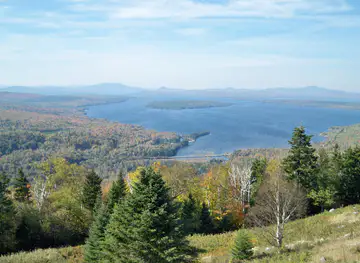
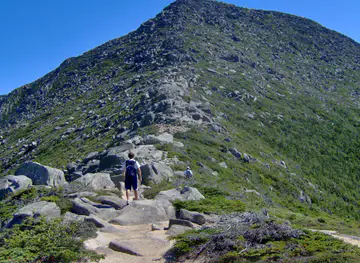
Franklin County’s attractions are shaped by its scale and terrain. Around Farmington, visitors can combine a walk through the historic town centre with the University of Maine at Farmington’s cultural offerings and the Nordica Homestead Museum, dedicated to the Farmington-born opera singer Lillian Nordica. Phillips preserves the county’s railway heritage through the Sandy River and Rangeley Lakes Railroad museum and heritage activities. In the south, Mount Blue State Park near Weld offers swimming, boating, camping and trails on the shore of Webb Lake, with access to Mount Blue’s wooded slopes. Carrabassett Valley is the county’s principal mountain-sports centre, with skiing, hiking and cycling around Sugarloaf and the High Peaks. Farther north, Rangeley’s lakes support paddling, fishing, boating and wildlife observation, while the Appalachian Trail crosses the county’s eastern highlands. Waterfalls such as Angel Falls add a shorter, more specialised excursion, though access requires careful driving and walking preparation. In winter, the attraction landscape changes to downhill and cross-country skiing, snowshoeing, ice fishing and extensive snowmobile trails. The experience is less about a dense sequence of ticketed sights than about moving between communities, forests, ridges and water.
-
National park
Acadia National Park
Explore Acadia National Park: a stunning blend of rugged coastlines, lush forests, and breathtaking vistas in the heart of Maine.
-
Park
Fort Williams Park
Explore Fort Williams Park: A coastal gem in Cape Elizabeth, Maine, featuring scenic views, a historic lighthouse, and lush landscapes perfect for a day of adventure.
-
Zoo
York's Wild Kingdom
Experience the thrill of York's Wild Kingdom, where exciting rides meet fascinating wildlife in a stunning natural setting perfect for families.
-
Historical landmark
Owls Head Lighthouse
Explore Owls Head Lighthouse: A Historic Gem on Maine's Coast with Stunning Views and Rich Maritime Heritage.


Best landmarks in Franklin County
The landmark character of Franklin County comes from the meeting of mountain geography, inland waterways and working-community history. Mount Blue rises above the Webb Lake landscape near Weld and is one of the county’s most recognisable natural features, while the chain of Rangeley Lakes forms the visual centre of the north-west. Sugarloaf is the best-known mountain landmark in Carrabassett Valley, its ski infrastructure making the peak familiar far beyond Maine. Phillips is associated with the surviving physical and cultural reminders of the Sandy River and Rangeley Lakes Railroad, an important symbol of the county’s former rail connections. Farmington’s historic centre and the buildings around its civic and educational institutions express the county seat’s nineteenth-century growth. The Appalachian Trail provides another deeply significant landmark corridor as it crosses the eastern highlands, although its character is experiential rather than architectural. Angel Falls, set in a remote western forest, is notable for its height and setting. Together these places show that Franklin County’s identity is not represented by one monumental building: it is legible in ridgelines, lake shores, railway heritage, town streets and routes through the forest.
-
Outdoor activity organiser
Sugarloaf Outdoor Center
Discover the ultimate outdoor adventure at Sugarloaf Outdoor Center, where thrilling activities and stunning landscapes await every visitor.

Explore Franklin County on the map
Plan your trip on one map. See where the top cities, national parks and sights are, and book hotels and experiences in a few clicks.
Best hotels in Franklin County
Best restaurants in Franklin County
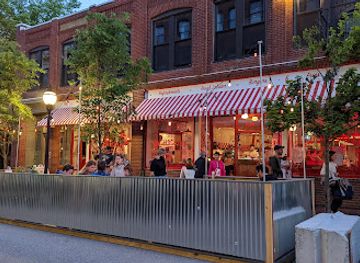
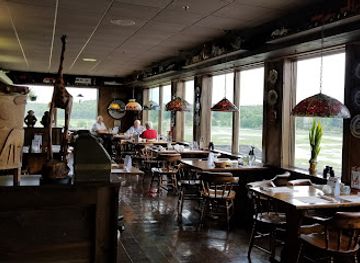
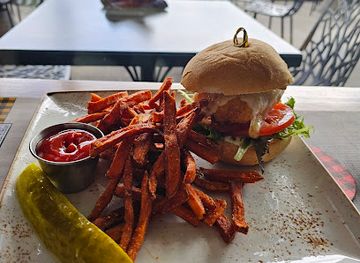
Dining in Franklin County reflects rural Maine, seasonal tourism and the practical needs of a dispersed population. Farmington has the broadest choice of cafés, diners, bakeries and international or contemporary restaurants, while Kingfield, Carrabassett Valley and Rangeley offer restaurants, pubs and inns serving visitors throughout the outdoor seasons. Menus commonly draw on Maine staples such as seafood, chowders, potatoes, baked goods and wild blueberry products, alongside locally produced maple syrup, farm vegetables and meat. Around the lakes and mountains, hearty breakfasts and substantial evening meals are particularly useful for walkers, skiers and cyclists. Farm stands, grocers and seasonal markets are good places to find maple products, preserves, baked treats and other county produce, although opening days vary. Fine dining is limited compared with Maine’s coastal resort areas, but some inns and resort restaurants provide more formal meals. Seafood is important to the state’s food culture even though Franklin County is inland, so it is best understood as a Maine ingredient brought into a mountain and farming setting rather than as a local fishing tradition.
-
Seafood
The Highroller Lobster Co.
Experience the best lobster rolls and fresh seafood at The Highroller Lobster Co., Portland's culinary gem in the heart of Old Port.
-
Seafood
Taste of Maine Restaurant
Experience the best seafood dining in Woolwich at Taste of Maine Restaurant - where freshness meets tradition in every bite.
-
Grill
Timber Kitchen & Bar
Experience the taste of Maine at Timber Kitchen & Bar – where local ingredients meet culinary creativity in a warm atmosphere.
-
Seafood
Fisherman's Catch Restaurant
Experience coastal dining at its finest with fresh seafood and stunning views at Fisherman's Catch Restaurant in Wells, Maine.

Best bars in Franklin County
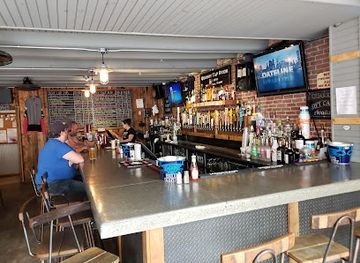
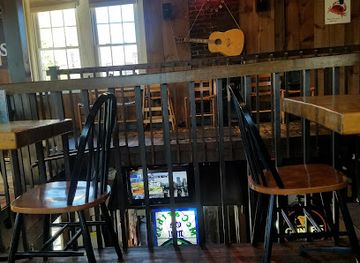
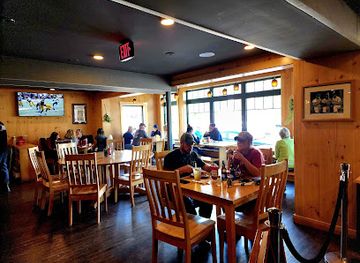
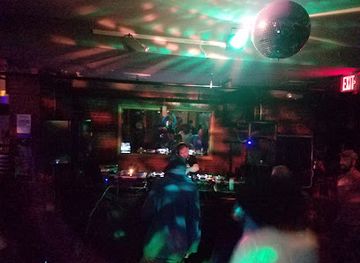
Evening life in Franklin County is centred on pubs, restaurants, cafés, breweries and community venues rather than a large nightclub scene. Farmington has the county’s most varied year-round social calendar, with university activity, live performances and places for an evening meal or drink. Kingfield and Rangeley have a modest selection of bars and restaurants, while Carrabassett Valley is livelier during the ski season and other peak outdoor periods. Traditional taverns and lodge-style bars are often more characteristic than late-night clubs, and live music or local events may be seasonal. In smaller settlements, closing times and dining availability can be limited, particularly outside summer and winter recreation periods. Visitors should not assume that a rural venue operates every night, and checking locally is sensible. Breweries, cafés and relaxed restaurants provide alternatives for those who prefer not to centre an evening on alcohol.
-
Grill
The Quarry Tap Room
Experience the best of Hallowell at The Quarry Tap Room, where delicious grill fare meets a vibrant bar atmosphere in a charming setting.
-
Restaurant
Old Mill Pub
Discover the warmth and flavor of Old Mill Pub in Skowhegan, where local dishes and charming ambiance await every visitor.
-
Bar
Sarge's Sports Pub & Grub
Experience the thrill of sports and savor delicious pub fare at Sarge's Sports Pub & Grub in Rangeley, Maine.
-
American
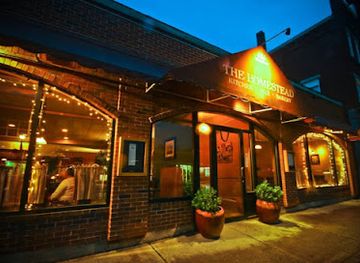
HOMESTEAD Kitchen Bar
Experience the vibrant flavors of American and Italian cuisine at HOMESTEAD Kitchen Bar, a delightful culinary gem in Farmington, Maine.
Best nightclubs in Franklin County
Evening life in Franklin County is centred on pubs, restaurants, cafés, breweries and community venues rather than a large nightclub scene. Farmington has the county’s most varied year-round social calendar, with university activity, live performances and places for an evening meal or drink. Kingfield and Rangeley have a modest selection of bars and restaurants, while Carrabassett Valley is livelier during the ski season and other peak outdoor periods. Traditional taverns and lodge-style bars are often more characteristic than late-night clubs, and live music or local events may be seasonal. In smaller settlements, closing times and dining availability can be limited, particularly outside summer and winter recreation periods. Visitors should not assume that a rural venue operates every night, and checking locally is sensible. Breweries, cafés and relaxed restaurants provide alternatives for those who prefer not to centre an evening on alcohol.
-
Lounge
Bubba's Sulky Lounge
Discover Bubba's Sulky Lounge in Portland, ME – a unique cocktail bar with eclectic decor, great drinks, and vibrant events for an unforgettable night out.
-
Dance club
Flask Lounge
Flask Lounge in Portland, Maine: A vibrant dance club and live music venue where unforgettable nights come alive with rhythm and fun.
-
Bar
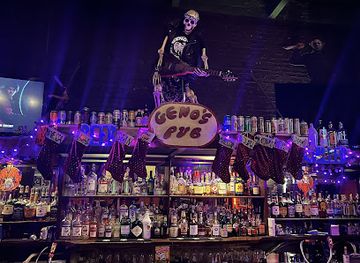
Geno’s Rock Club
Discover Geno's Rock Club, Portland's premier bar and live music venue, featuring unforgettable rock performances and an inviting atmosphere.
-
Golf course
Sugarloaf Golf Club
Discover the beauty of golf in the mountains at Sugarloaf Golf Club, where stunning views meet exceptional playing conditions.


Best shops in Franklin County
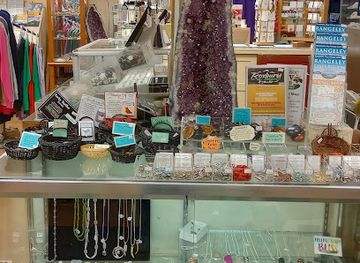
Shopping in Franklin County is concentrated in Farmington, the county’s principal service and commercial centre, where visitors will find practical stores, independent businesses, cafés, galleries and small-town high-street retail. Kingfield, Phillips and Rangeley offer more limited but distinctive selections, including outdoor equipment, books, locally made goods, artwork and seasonal visitor supplies. Farm stands, maple producers and local food outlets are useful for purchasing syrup, preserves, baked goods and other Maine products, while community fairs and seasonal markets may bring together crafts, produce and handmade items. In the mountains and lake districts, shops are oriented towards hiking, skiing, fishing, boating and snowmobiling rather than luxury retail. Craft objects, photography, pottery, textiles and wood products can often be found through galleries and small studios, though opening arrangements may be seasonal. Visitors should distinguish genuinely local products from general Maine souvenirs, and should allow extra time for rural shopping because businesses can be widely spaced and some close outside the main tourist seasons.
-
Gift shop
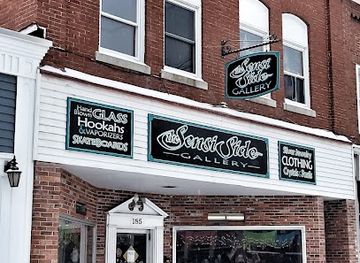
The Sensi Side
Explore the eclectic charm of The Sensi Side, a unique gift shop in Farmington, ME, showcasing local artisans and handcrafted treasures.
-
Department store
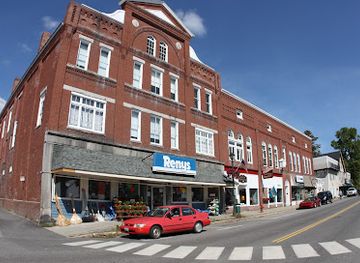
Reny's Department Store
Explore Reny's Department Store in Farmington, Maine - where unique finds and local charm meet affordable prices for a memorable shopping experience.
-
Grocery store
Mainely Provisions Kingfield
Discover local delights at Mainely Provisions in Kingfield, your ultimate grocery stop for fresh produce and unique Maine products.
-
Gift shop
Coos Canyon Rock & Gift
Explore the charm of Coos Canyon Rock & Gift, where unique local crafts meet delicious ice cream amidst the beauty of Maine's landscapes.

Get your free copy of our complete guide to Franklin County, delivered straight to you.
Everything on this page, from attractions and restaurants to essentials and local phrases, in one PDF you can read offline, print or share.
Already have an account? Sign in
Your Franklin County guide is ready.
We'll send it to · Not you? Sign out

Getting your guide ready…
We are putting together a fresh copy of the Franklin County guide. This can take up to a minute.
This can take a few moments. If your browser asks, choose Allow so the download can start. You'll find the guide in your Downloads folder.
Nothing happened? Download it again
Sorry, the guide is taking longer than usual. Please try again in a minute, or get it by email instead.
Franklin County essentials
Currency and Payment
Safety
Emergency Situations
Do's and Don'ts
Local Tips
From Eve
Local phrases worth knowing
You don't need to get them perfect. A few words go a long way, and locals appreciate the effort.
Basics
| English | Local | Say it |
|---|---|---|
| Hello | Howdy | [hau-dee] |
| Goodbye | See ya | [see yah] |
| Yes | Yup | [yup] |
| No | Nope | [nohp] |
| Please/You're welcome | Please/No problem | [pleez/noh prob-luhm] |
| Thank you | Thanks a lot | [thanks a lot] |
| Excuse me/Sorry | Pardon me/Sorry | [par-dun mee/sor-ee] |
| How are you? | How ya doin'? | [how yah doin'?] |
| Fine. And you? | Good. And you? | [good. and yah?] |
| Do you speak English? | You speakin' English? | [yoo speekin' ing-glish?] |
| I don't understand | I ain't gettin' it | [I ehnt gettin' it] |
Eating & Drinking
| English | Local | Say it |
|---|---|---|
| I'd like to see the menu, please | Can I see the menu, please? | [kan I see the men-yoo, pleez?] |
| I don't eat meat | I ain't eatin' meat | [I ehnt eatin' meet] |
| Cheers! | Cheers! | [cheers] |
| I would like to pay, please | Can I pay, please? | [kan I pay, pleez?] |
Emergencies
| English | Local | Say it |
|---|---|---|
| Help! | Help! | [help] |
| Go away! | Get lost! | [get lost] |
| Call the Police! | Call the cops! | [call the cops] |
| Call a doctor! | Get a doctor! | [get a doc-tor] |
| I'm lost | I'm lost | [I'm lost] |
| I'm ill | I'm feelin' sick | [I'm feelin' sick] |
Shopping
| English | Local | Say it |
|---|---|---|
| I'd like to buy... | I wanna buy... | [I wanna buy...] |
| I'm just looking | Just lookin' | [just lookin'] |
| How much is it? | What's the price? | [whats the price?] |
| That's too expensive | That's real pricey | [thats reel pry-see] |
| Can you lower the price? | Can ya drop the price? | [kan yah drop the price?] |
Time & Numbers
| English | Local | Say it |
|---|---|---|
| What time is it? | What time ya got? | [what time yah got?] |
| It's one o'clock | It's one | [its one] |
| Half past (10) | Half past ten | [half past ten] |
| Morning | Mornin' | [mornin'] |
| Afternoon | Afternoon | [afternoon] |
| Evening | Evenin' | [evenin'] |
| Yesterday | Yesterday | [yes-ter-day] |
| Today | Today | [to-day] |
| Tomorrow | Tomorrow | [to-mor-row] |
| 1 | One | [one] |
| 2 | Two | [two] |
| 3 | Three | [three] |
| 4 | Four | [four] |
| 5 | Five | [five] |
| 6 | Six | [six] |
| 7 | Seven | [seven] |
| 8 | Eight | [eight] |
| 9 | Nine | [nine] |
| 10 | Ten | [ten] |
Transport & Directions
| English | Local | Say it |
|---|---|---|
| Where's a/the...? | Where's the...? | [wheres the...?] |
| What's the address? | What's the address? | [whats the ad-dress?] |
| Can you show me (on the map)? | Can ya show me on the map? | [kan yah show me on the map?] |
| When's the next (bus)? | When's the next bus? | [whens the next bus?] |
| A ticket (to ....) | A ticket to ... | [a tick-it to ...] |
History of Franklin County
Wabanaki Homelands and Waterways
Franklin County lies within the traditional homeland of Wabanaki peoples, including communities connected with the Abenaki and other Indigenous nations of the wider region. Lakes, rivers and portage routes provided movement, food and seasonal resources long before colonial settlement. The Sandy River, the Kennebec headwaters and the Rangeley Lakes were part of a wider landscape managed through knowledge of forests, wildlife and changing seasons. Visitors should understand that the county’s later farms, roads and towns were established on an older cultural landscape, and that Wabanaki history remains part of Maine’s present rather than only its distant past.
Settlement and the Sandy River Valley
Euro-American settlement expanded into the Sandy River valley during the late eighteenth and early nineteenth centuries. Farmington, incorporated in 1794, became the principal community and later the county seat, while nearby settlements developed on fertile river-bottom land and upland farms. Roads, mills, schools and churches gradually connected an initially dispersed population. Franklin County was created from parts of Oxford, Somerset and Kennebec counties in 1838, reflecting the growth of inland communities and the need for a closer administrative centre.
Timber, Mills and River Commerce
The county’s forests shaped its economy throughout the nineteenth and twentieth centuries. Logging camps, river drives and sawmills supplied building timber and other forest products, while rivers such as the Sandy and Carrabassett provided power and routes for local industry. Farmington, Jay, Phillips, Rangeley and other communities were linked to this economy in different ways, from farming and trade to timber cutting and milling. Much of the present road network, settlement pattern and local heritage reflects the period when forests and rivers were the foundation of employment.
Railways and the Rangeley Lakes Connection
Railways transformed Franklin County by linking inland communities with markets and bringing visitors to the lakes and mountains. The Sandy River Railroad, later associated with the Sandy River and Rangeley Lakes Railroad, served the Farmington and Phillips area and connected rural settlements with the wider rail network. Lines also supported timber, agriculture and tourism. Although the original railway system no longer operates as a working county-wide network, its legacy is preserved through railway artefacts, museums and heritage operations in Phillips, where visitors can explore the technology and social history of narrow-gauge railroading.
Sporting Tourism and the Rangeley Lakes
From the nineteenth century onwards, the Rangeley Lakes became known beyond western Maine for fishing, hunting, guiding and summer recreation. Sporting camps and hotels developed around the lakes, attracting visitors seeking forests, trout, salmon and relief from urban life. This tourism did not replace forestry or local occupations, but it added a durable second economy and helped establish the region’s modern identity. Rangeley’s reputation as an outdoor destination still rests on the combination of large lakes, extensive forest and access to the western mountains.
Skiing and the Carrabassett Valley
The development of Sugarloaf and the Carrabassett Valley from the mid-twentieth century turned Franklin County into one of northern New England’s important mountain-sport destinations. Ski infrastructure, lodging, roads and year-round recreation brought new investment and employment to an area previously shaped mainly by forestry and remote settlement. The resort economy now extends beyond downhill skiing to mountain biking, hiking and other warm-weather activities. At the same time, the surrounding valley remains part of a larger working landscape rather than a self-contained resort enclave.
Modern Conservation and Rural Continuity
Recent decades have brought greater emphasis on conserving forests, watersheds, wildlife habitat and long-distance trails while maintaining traditional rural livelihoods. Mount Blue State Park, the Appalachian Trail corridor, protected lake shores and community-led heritage projects all contribute to this balance. Franklin County continues to depend on forestry, farming, education, tourism and small businesses, with seasonal changes strongly influencing local life. Its contemporary character is therefore shaped by both continuity and adaptation: long-established industries coexist with outdoor recreation, conservation and a growing interest in sustainable local production.
Franklin County in Photos
Browse through our photo collection highlighting the charm and character of the destination.
Neighbouring regions of Franklin County
The closest regions to Franklin County, if you have time for more than one.
-

-
-

-

-


Swipe for more regions
Explore more

Explore more of Maine
Discover Maine's breathtaking landscapes, charming coastal towns, and rich cultural heritage. From Acadia's cliffs to fresh lobster feasts, Maine promises an unforgettable adventure.
Explore Maine