

Sugarloaf Mountain Travel Guide - Free Web & App
Your ultimate guide to Sugarloaf Mountain. Discover top landmarks, proposed trips, and local tips. Free on the web or via the Evendo companion app.


Sugarloaf Mountain, Maine, combines skiing, hiking, mountain biking and four-season recreation with Carrabassett Valley scenery and Appalachian heritage.
Mountain and Valley
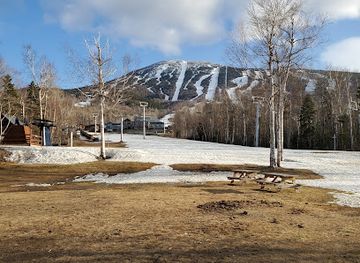
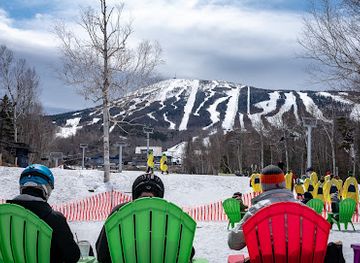
Sugarloaf Mountain rises to 4,237 feet in western Maine, making it the state’s second-highest summit after Katahdin. Its broad, open upper slopes stand above Carrabassett Valley, a long, forested landscape shaped by the Carrabassett River and surrounded by the western Maine mountains. The mountain is best known as the centre of Sugarloaf resort, one of the largest ski areas in the eastern United States, but its character changes substantially with the seasons. Winter brings alpine skiing and snowboarding across extensive lift-served terrain, while the warmer months open opportunities for hiking, mountain biking, golf, scenic mountain outings and exploration of the valley’s trails.Read more about Sugarloaf Mountain
Resort and Outdoor Culture
When is the best time to visit Sugarloaf Mountain?
Best: June–August · 21–23°C| Month | High (°C) | Rainfall (mm) |
|---|---|---|
| January | -5 | 80 |
| February | -3 | 70 |
| March | 3 | 80 |
| April | 10 | 90 |
| May | 16 | 90 |
| June (best) | 21 | 100 |
| July (best) | 23 | 100 |
| August (best) | 21 | 100 |
| September | 17 | 90 |
| October | 10 | 90 |
| November | 5 | 90 |
| December | 0 | 80 |
Getting to and around Sugarloaf Mountain
How to get there
Transportation
Best attractions in Sugarloaf Mountain
Sugarloaf Mountain itself is the central attraction, with a broad ski area rising from Carrabassett Valley to the open summit and upper Snowfields. In winter, its lift-served slopes provide terrain for beginners through advanced skiers and snowboarders, while summer visitors may find seasonal access for hiking and other mountain activities. The resort base contains the principal visitor facilities, including lodging, dining and après-ski services. Beyond the mountain, the Carrabassett Valley Outdoor Centre is a focus for Nordic skiing and trail-based recreation, with facilities that change by season. The valley’s extensive network of cycling, running and walking routes passes through spruce and fir forest, alongside streams and glades characteristic of western Maine. Nearby Kingfield provides a small-town gateway with local services and access to the wider mountain region, while the Bigelow Preserve lies to the east as a separate protected area rather than part of Sugarloaf resort itself.
-
Brewpub
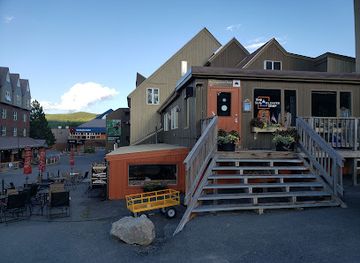
Shipyard Brew Haus - Sugarloaf
Discover Shipyard Brew Haus - Sugarloaf, where craft beer meets delicious food in the stunning backdrop of Carrabassett Valley, Maine.
-
Ski resort
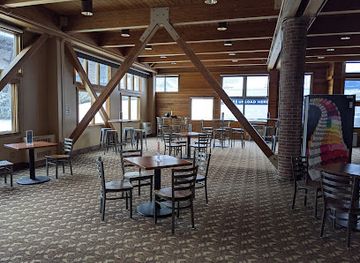
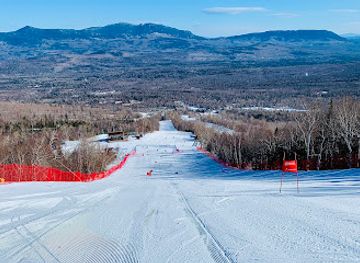
Sugarloaf Mountain Base Lodge & Ski/Snowboard Rentals
Experience the thrill of skiing at Sugarloaf Mountain Base Lodge, where winter adventures await in the stunning Maine landscape.
-
Campground
AT Campsite
Discover the enchanting AT Campsite in Carrabassett Valley, Maine – a haven for hikers and nature lovers seeking tranquility and adventure amidst stunning landscapes.
-
Outdoor activity organiser
Outpost Adventure Center
Experience the thrill of outdoor adventures in Carrabassett Valley at the Outpost Adventure Center, your gateway to Maine's natural wonders.
Best landmarks in Sugarloaf Mountain
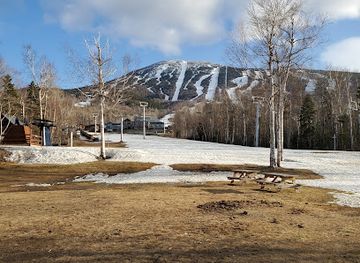
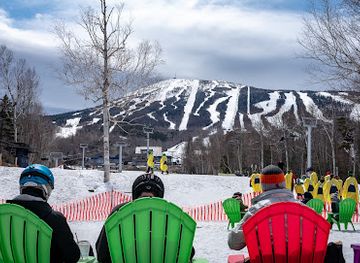
The defining landmark is Sugarloaf’s broad summit and high Snowfields, whose open upper terrain contrasts with the dense conifer forests of Carrabassett Valley. At 4,237 feet, the mountain is the second-highest summit in Maine and a prominent feature of the western Maine skyline. The resort base and village are significant built landmarks in their own right, representing the transformation of a remote forested mountain into a major ski destination. The Carrabassett River provides the valley’s geographical spine, while surrounding ridges and forested slopes express the region’s glacially shaped mountain character. The nearby Appalachian mountain landscape includes important places such as the Bigelow Range and Bigelow Preserve, but these are separate destinations rather than landmarks within Sugarloaf resort. The mountain’s competition history, particularly its association with World Cup alpine racing, adds cultural significance to its physical presence.
-
Hotel
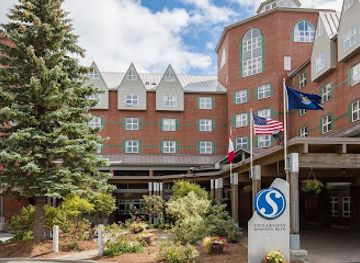
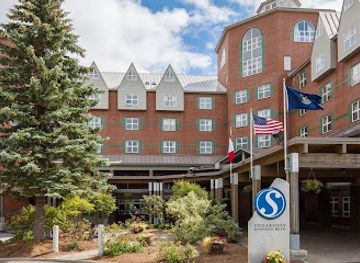
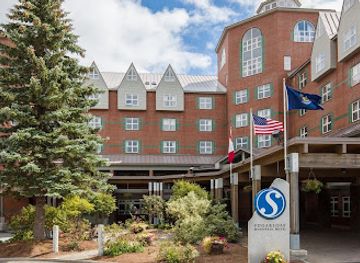
Sugarloaf Mountain Hotel
Discover the ultimate blend of luxury and adventure at Sugarloaf Mountain Hotel in Carrabassett Valley, Maine - your gateway to year-round outdoor fun.
-
Brewpub
Shipyard Brew Haus - Sugarloaf
Experience the essence of Maine at Shipyard Brew Haus - Sugarloaf, where craft beers and hearty meals await in a stunning mountain setting.
-
Hotel
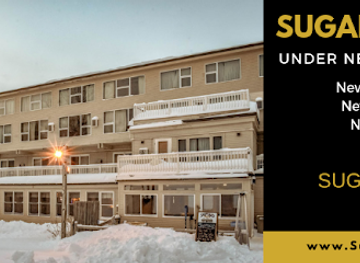
Sugarloaf Inn
Discover the beauty of Carrabassett Valley at Sugarloaf Inn, the perfect hotel for outdoor enthusiasts and cozy getaways.
-
Ski resort
Sugarloaf Mountain Base Lodge & Ski/Snowboard Rentals
Discover the ultimate ski experience at Sugarloaf Mountain Base Lodge, where adventure meets breathtaking scenery in the heart of Maine.
Explore Sugarloaf Mountain on the map
Plan your trip on one map. See where the top attractions, landmarks, restaurants and hotels are, and book hotels and experiences in a few clicks.
Best hotels in Sugarloaf Mountain
Best restaurants in Sugarloaf Mountain
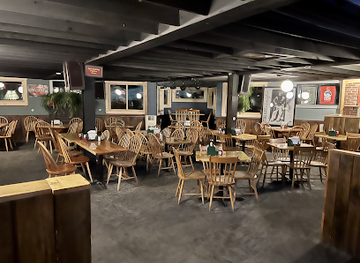
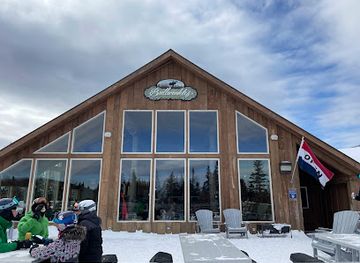
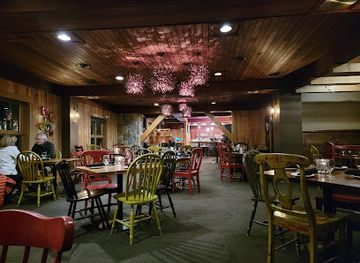
Dining at Sugarloaf is concentrated around the resort base and village, where visitors can find restaurants, cafés, bars and casual food suited to ski days and other outdoor activities. Menus commonly reflect northern New England traditions alongside familiar resort fare, with ingredients such as potatoes, dairy products, maple and locally sourced meat or produce appearing where individual kitchens choose to use them. In the wider Carrabassett Valley, options are more dispersed and may include small eateries, inns and seasonal establishments rather than a dense restaurant district. Kingfield, south-west of the resort, is another practical dining base, with a modest selection of independent restaurants and cafés. Visitors staying in cottages or apartments may prefer to buy provisions in larger nearby towns before heading up the valley, particularly outside peak operating periods when rural food services can be limited.
-
Bar
The Bag & Kettle Restaurant
Experience delicious American cuisine at The Bag & Kettle Restaurant in Carrabassett Valley - where great food meets stunning mountain views.
-
Restaurant
Bullwinkle's
Experience delicious American cuisine with stunning mountain views at Bullwinkle's Bistro in Carrabassett Valley – perfect for families and adventure seekers.
-
Brewpub
Shipyard Brew Haus - Sugarloaf
Discover Shipyard Brew Haus - Carrabassett Valley's premier brewpub offering delicious food & locally crafted beers amidst stunning mountain views.
-
Restaurant
45 North
Experience exceptional dining at 45 North in Carrabassett Valley - where local flavors meet mountain charm.
Best bars in Sugarloaf Mountain
Sugarloaf’s evening life is centred on the resort village and base area rather than on a separate town or nightlife district. Après-ski venues, pubs and bar-restaurants provide the most characteristic social atmosphere, particularly during the winter season when skiers gather after the lifts close. Entertainment may include informal live music or resort events, but programming and opening patterns vary and should be checked locally. Carrabassett Valley’s wider communities are quieter, with traditional taverns and inn-based hospitality rather than nightclubs. Kingfield offers additional places for a relaxed drink or meal, although it remains a small rural settlement. Outside the resort’s busier periods, evenings are generally suited to dining, conversation, stargazing or the communal atmosphere of self-catering accommodation rather than late-night entertainment.
-
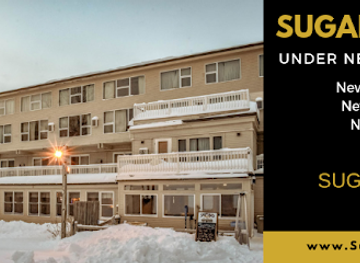
Hotel
Sugarloaf Inn
Discover the perfect blend of adventure and relaxation at Sugarloaf Inn, your gateway to Maine's stunning landscapes and outdoor activities.
-
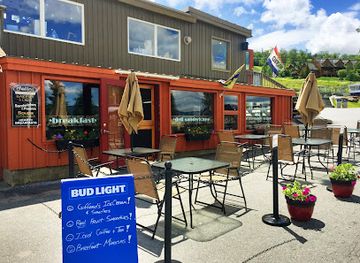
Cafe
D'Ellies
Experience the charm of D'Ellies Café in Carrabassett Valley, where delicious breakfasts and lunches await in a cozy mountain setting.
-
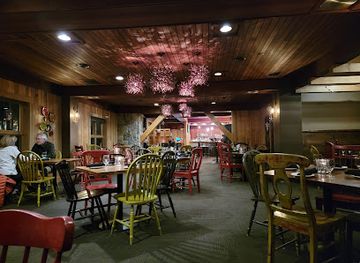
Restaurant
45 North
Experience the best of local Maine cuisine with breathtaking views at 45 North, your perfect dining spot in Carrabassett Valley.
-
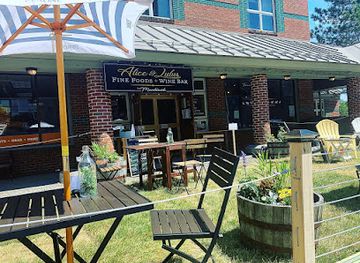
Wine store
Cork and Rind Maine
Discover the flavors of Maine at Cork and Rind, where local wines and artisanal cheeses create a delightful culinary experience.
Best nightclubs in Sugarloaf Mountain
Sugarloaf’s evening life is centred on the resort village and base area rather than on a separate town or nightlife district. Après-ski venues, pubs and bar-restaurants provide the most characteristic social atmosphere, particularly during the winter season when skiers gather after the lifts close. Entertainment may include informal live music or resort events, but programming and opening patterns vary and should be checked locally. Carrabassett Valley’s wider communities are quieter, with traditional taverns and inn-based hospitality rather than nightclubs. Kingfield offers additional places for a relaxed drink or meal, although it remains a small rural settlement. Outside the resort’s busier periods, evenings are generally suited to dining, conversation, stargazing or the communal atmosphere of self-catering accommodation rather than late-night entertainment.
-
Hotel
Sugarloaf Mountain Hotel
Discover the perfect blend of luxury and adventure at Sugarloaf Mountain Hotel, your gateway to unforgettable experiences in Maine's stunning wilderness.
-
Brewpub
Shipyard Brew Haus - Sugarloaf
Discover the best of Maine's brewpub scene at Shipyard Brew Haus - Sugarloaf, where craft beer meets delicious cuisine in a stunning mountain setting.
-
Hotel
Sugarloaf Inn
Discover the charm of Sugarloaf Inn, a cozy hotel in Carrabassett Valley, Maine, perfect for adventure seekers and relaxation enthusiasts alike.
-
Ski resort
Sugarloaf Mountain
Experience the thrill of skiing at Sugarloaf Mountain, Maine's premier ski resort, offering stunning views and diverse trails for all levels.
Best shops in Sugarloaf Mountain
Shopping at Sugarloaf is focused on practical outdoor needs, resort clothing, ski and snowboard equipment, gifts and small-scale items associated with a mountain holiday. The resort village provides the main concentration of shops, although the range and opening pattern can vary seasonally. Visitors may also find locally made food, crafts, artwork and Maine-themed products in independent businesses around Kingfield and other western Maine communities. Regional purchases can include maple products, preserves, woollen goods, pottery and artisan work, but availability differs between individual shops and seasons. Larger grocery and equipment selections are generally found before travelling deep into Carrabassett Valley, while isolated trailheads and outdoor facilities should not be treated as shopping areas. The area’s retail character is functional and regional, shaped more by outdoor recreation and local production than by extensive commercial streets.
-
Hotel
Sugarloaf Mountain Hotel
Discover the perfect blend of adventure and luxury at Sugarloaf Mountain Hotel in beautiful Carrabassett Valley, Maine.
-
Hotel
Sugarloaf Inn
Discover the charm of Sugarloaf Inn, a perfect mountain retreat in Carrabassett Valley, ideal for skiing, weddings, and unforgettable getaways.
-
Ski resort
Sugarloaf Mountain
Experience the thrill of skiing at Sugarloaf Mountain, Maine's premier ski resort with breathtaking views and diverse winter activities.
-
Cafe
D'Ellies
Experience the charm of D'Ellies in Carrabassett Valley, where delicious breakfast and lunch options await in a cozy setting.
Get your free copy of our complete guide to Sugarloaf Mountain, delivered straight to you.
Everything on this page, from attractions and restaurants to essentials and local phrases, in one PDF you can read offline, print or share.
Already have an account? Sign in
Your Sugarloaf Mountain guide is ready.
We'll send it to · Not you? Sign out

Getting your guide ready…
We are putting together a fresh copy of the Sugarloaf Mountain guide. This can take up to a minute.
This can take a few moments. If your browser asks, choose Allow so the download can start. You'll find the guide in your Downloads folder.
Nothing happened? Download it again
Sorry, the guide is taking longer than usual. Please try again in a minute, or get it by email instead.
Sugarloaf Mountain essentials
Currency and Payment
Safety
Emergency Situations
Do's and Don'ts
Local Tips
From Eve
Local phrases worth knowing
You don't need to get them perfect. A few words go a long way, and locals appreciate the effort.
Basics
| English | Local | Say it |
|---|---|---|
| Hello | Howdy | [HOU-dee] |
| Goodbye | See ya later | [SEE ya LAY-ter] |
| Yes | Yup | [YUP] |
| No | Nah | [NAH] |
| Please/You're welcome | Please and thank you | [PLEEZ and THANK yew] |
| Thank you | Much obliged | [MUCH uh-BLAHY-d] |
| Excuse me/Sorry | Pardon me | [PAR-dun me] |
| How are you? | How's it goin'? | [HOWZ it GO-in] |
| Fine. And you? | I'm doin' alright. How 'bout you? | [I'm DO-in all-RIGHT. How bout yew?] |
| Do you speak English? | Ya speak English? | [ya SPEEK Ing-lish?] |
| I don't understand | I ain't catchin' on | [I aint KATCH-in on] |
Eating & Drinking
| English | Local | Say it |
|---|---|---|
| I'd like to see the menu, please | Can I take a gander at the menu? | [Can I take a GAN-der at the MEH-nyoo?] |
| I don't eat meat | I don't fancy no meat | [I don't FAN-see no meat] |
| Cheers! | Bottoms up! | [BOT-tums up] |
| I would like to pay, please | I reckon I'll settle up now | [I reckon I'll SET-tul up now] |
Emergencies
| English | Local | Say it |
|---|---|---|
| Help! | Aid! | [AID] |
| Go away! | Git gone! | [Git GONE] |
| Call the Police! | Ring up the Sheriff! | [Ring up the SHER-iff] |
| Call a doctor! | Fetch a doc! | [Fetch a DOC] |
| I'm lost | I'm turned around | [I'm turned a-ROUND] |
| I'm ill | I'm feelin' under the weather | [I'm feelin' UN-der the WEH-thur] |
Shopping
| English | Local | Say it |
|---|---|---|
| I'd like to buy... | I'm aimin' to purchase... | [I'm AIM-in to PUR-chiss] |
| I'm just looking | I'm jest browsin' | [I'm JEST BROW-zin] |
| How much is it? | What's the damage? | [What's the DAM-ij?] |
| That's too expensive | That's a mite pricey | [That's a MITE PRY-see] |
| Can you lower the price? | Can ya do me a solid on the cost? | [Can ya do me a SOL-id on the COST?] |
Time & Numbers
| English | Local | Say it |
|---|---|---|
| What time is it? | What's the hour? | [What's the OUR?] |
| It's one o'clock | It's one of the clock | [It's one of the CLOCK] |
| Half past (10) | Halfway to ten | [Halfway to TEN] |
| Morning | Mornin' | [MORN-in] |
| Afternoon | Afternoon | [After-NOON] |
| Evening | Evenin' | [EVE-nin] |
| Yesterday | Yest'day | [YEST-day] |
| Today | Today | [To-DAY] |
| Tomorrow | Morrow | [MOR-row] |
| 1 | One | [WUN] |
| 2 | Two | [TOO] |
| 3 | Three | [THREE] |
| 4 | Four | [FORE] |
| 5 | Five | [FIVE] |
| 6 | Six | [SIX] |
| 7 | Seven | [SEV-in] |
| 8 | Eight | [ATE] |
| 9 | Nine | [NINE] |
| 10 | Ten | [TEN] |
Transport & Directions
| English | Local | Say it |
|---|---|---|
| Where's a/the...? | Where's the... | [Where's the...] |
| What's the address? | What's the street? | [What's the street?] |
| Can you show me (on the map)? | Can ya point it out (on the map)? | [Can ya point it out (on the map)?] |
| When's the next (bus)? | When's the next (bus) comin' through? | [When's the next (bus) comin' through?] |
| A ticket (to ....) | A pass (to ...) | [A pass (to ...)] |
History of Sugarloaf Mountain
Wabanaki Homeland and Forest Landscape
The Sugarloaf area lies within the wider homeland of the Wabanaki peoples, whose communities used the rivers, forests and uplands of western Maine long before the arrival of European settlers. The mountain landscape that visitors see today has also been shaped by glacial processes, extensive forests and the Carrabassett River system. For centuries, seasonal movement, hunting, fishing and knowledge of local routes connected people with this demanding terrain. European settlement later brought new patterns of land ownership, timber extraction and road building, but the area remained sparsely populated compared with southern Maine.
Timber, Roads and Rural Settlement
During the nineteenth and early twentieth centuries, forestry became central to the economy of the Carrabassett Valley and surrounding western Maine. Logging roads and river transport helped open the uplands, while small settlements developed around timber work, farming and services. The region’s difficult winters and rugged terrain limited dense settlement, leaving large areas forested. Improved roads in the twentieth century made the mountains more accessible from communities including Kingfield and Farmington, creating the practical foundations for later tourism without transforming Carrabassett Valley into a conventional urban centre.
The Creation of a Ski Mountain
Sugarloaf’s modern recreational history began in the early 1950s, when local visionaries and investors developed the mountain as a ski area. The first lift opened in 1953, beginning a long expansion of trails, lifts, lodging and services. Skiing offered a new economic use for the mountain and gradually established Carrabassett Valley as a destination for visitors from Maine, New England and beyond. The resort’s growth also encouraged the development of year-round infrastructure, although winter sport remained its defining identity.
Competitive Skiing and International Recognition
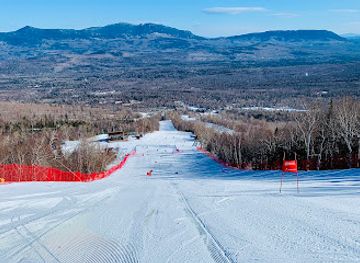
Sugarloaf gained international recognition when it hosted World Cup alpine ski racing in 1971, the first World Cup event held in the United States. The resort’s steep Snowfields and challenging terrain helped establish its reputation among competitive skiers, while major national and international events continued to shape its public profile. Competitive skiing brought investment, media attention and specialist facilities, reinforcing the mountain’s place within North American ski culture. The wider valley nevertheless retained its forested, rural character and continued to support non-competitive outdoor recreation.
A Four-Season Recreation Economy
From the late twentieth century onwards, Sugarloaf and Carrabassett Valley increasingly developed as a four-season destination. Mountain biking, golf, hiking, Nordic skiing and trail-based recreation complemented downhill skiing and helped extend the visitor year. The growth of the Carrabassett Valley trail network reflected a broader shift towards managed outdoor recreation and active tourism in western Maine. Today, the resort and its surrounding communities balance commercial visitor facilities with a landscape whose forestry traditions, weather exposure and extensive public and private recreational lands remain central to local identity.
Sugarloaf Mountain in Photos
Browse through our photo collection highlighting the charm and character of the destination.
Neighbouring destination travel guides
The closest destinations to Sugarloaf Mountain, if you have time for more than one.
-

-
-

-

-


Swipe for more destinations
Explore more

Explore more of Franklin County
Explore Franklin County, Maine, for mountain trails, Rangeley lakes, winter sports, railway heritage, maple country and small-town culture.
Explore Franklin County
Explore more of Maine
Discover Maine's breathtaking landscapes, charming coastal towns, and rich cultural heritage. From Acadia's cliffs to fresh lobster feasts, Maine promises an unforgettable adventure.
Explore Maine